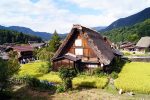
Gary and I’ve travelled through this part of Japan twice, although never in the tidy order you’re about to read. On our first trip, we came through Nagoya for Takayama and Shirakawa-go. Two years later, we went from Tokyo to Matsumoto and Kanazawa, then made the faintly ridiculous decision to visit Jigokudani from Kanazawa.
That last outing involved roughly six hours of transport for a group of wild monkeys who had made no promise to be there. They did appear. My planning dignity, meanwhile, was last seen somewhere near Nagano.
So this Japanese Alps itinerary is the route I would use now: Tokyo → Nagano or Yudanaka → Jigokudani → Matsumoto → Takayama → Shirakawa-go → Kanazawa. We’ve visited every main stop, but not as one continuous seven-day trip. I would rather tell you that plainly than manufacture a suspiciously flawless week after the event.
It’s a cultural route through the eastern and western gateways to the Japanese Alps, using trains and buses rather than a car. You get monkeys, an original black castle, Hida food, merchant streets, thatched farmhouses and Kanazawa’s gardens. You don’t get a serious mountain hike. I explain where Kamikochi fits if that is what you want, but I’ve kept places we didn’t visit separate from the first-hand itinerary.
Transport times, fares and practical information in this guide were rechecked against official sources on 24 September 2026. Our old trip costs are labelled as historical, because 2015 prices have no business wearing a current-year hat.
My quick answer: allow seven days and six nights for this route without a car. Stay one night around Nagano or Yudanaka, one in Matsumoto, two in Takayama and two in Kanazawa. Treat Shirakawa-go as a stop between Takayama and Kanazawa rather than another hotel change.
This route links Matsumoto’s original keep with Kanazawa’s reconstructed buildings. If castles are shaping your route, our Japanese castle comparison explains how they differ from Himeji, Osaka, Shuri and Zakimi.
Japanese Alps itinerary at a glance
| Day | Plan | Sleep |
|---|---|---|
| 1 | Tokyo to Nagano or Yudanaka | Nagano or Yudanaka |
| 2 | Jigokudani Monkey Park, then travel to Matsumoto | Matsumoto |
| 3 | Matsumoto Castle, then the direct bus to Takayama | Takayama |
| 4 | Full day in Takayama | Takayama |
| 5 | Takayama to Shirakawa-go, then continue to Kanazawa | Kanazawa |
| 6 | Full day in Kanazawa | Kanazawa |
| 7 | Continue to Tokyo, Kyoto or Osaka | Your next base |
This is the fastest version I would still call enjoyable. It contains four hotel bases, not six, and protects full days in Takayama and Kanazawa. If you have fewer than seven days, I would remove Jigokudani before stripping every stop down to a railway platform and a photograph.
Is this really a Japanese Alps itinerary?
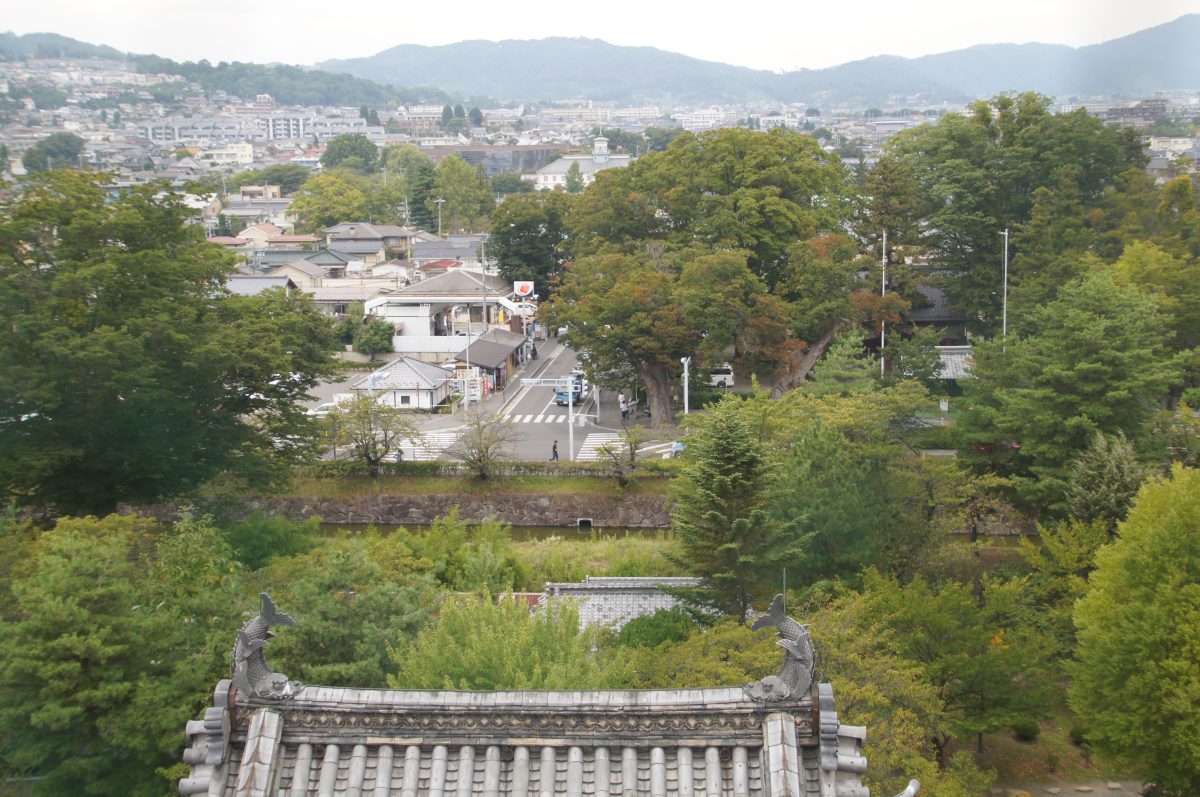
Yes, but it helps to be precise about what sort. The Japanese Alps aren’t one convenient railway corridor. The Northern, Central and Southern Alps cover a large mountainous area through central Honshu, while the towns tourists use as gateways sit around its edges.
Matsumoto and Nagano are on the eastern side. Takayama lies in the Hida region among mountain valleys. Shirakawa-go is a mountain settlement farther west, and Kanazawa is a coastal city rather than an alpine resort. It earns its place as the sensible rail gateway after Shirakawa-go, not because somebody has quietly moved it uphill.
This route is best for history, architecture, food and scenery without hiring a car. If your priority is walking beneath high peaks, add Kamikochi between Matsumoto and Takayama during its normal visitor season. We didn’t go there, so I won’t pad this article with a borrowed day-by-day hike. If you add it, the two routes most people start with are Kappa Bridge to Taisho Pond (about 3.8–4km one-way, roughly 75–80 minutes each way) and Kappa Bridge to Myojin Pond (about 3km one-way, roughly 50–60 minutes each way) — both flat, well-marked and rated beginner-friendly on the official trail guide. The official visitor season normally runs from mid-April to mid-November, and exact opening dates, buses and trail conditions need checking for your year.
The Tateyama Kurobe Alpine Route, Kiso Valley and Nakasendo are also separate, worthwhile additions rather than tiny diversions. Include one only if you have extra days. We haven’t visited them, and trying to squeeze all three into this week would produce an impressive itinerary and a fairly miserable holiday.
How this route fits our real trips
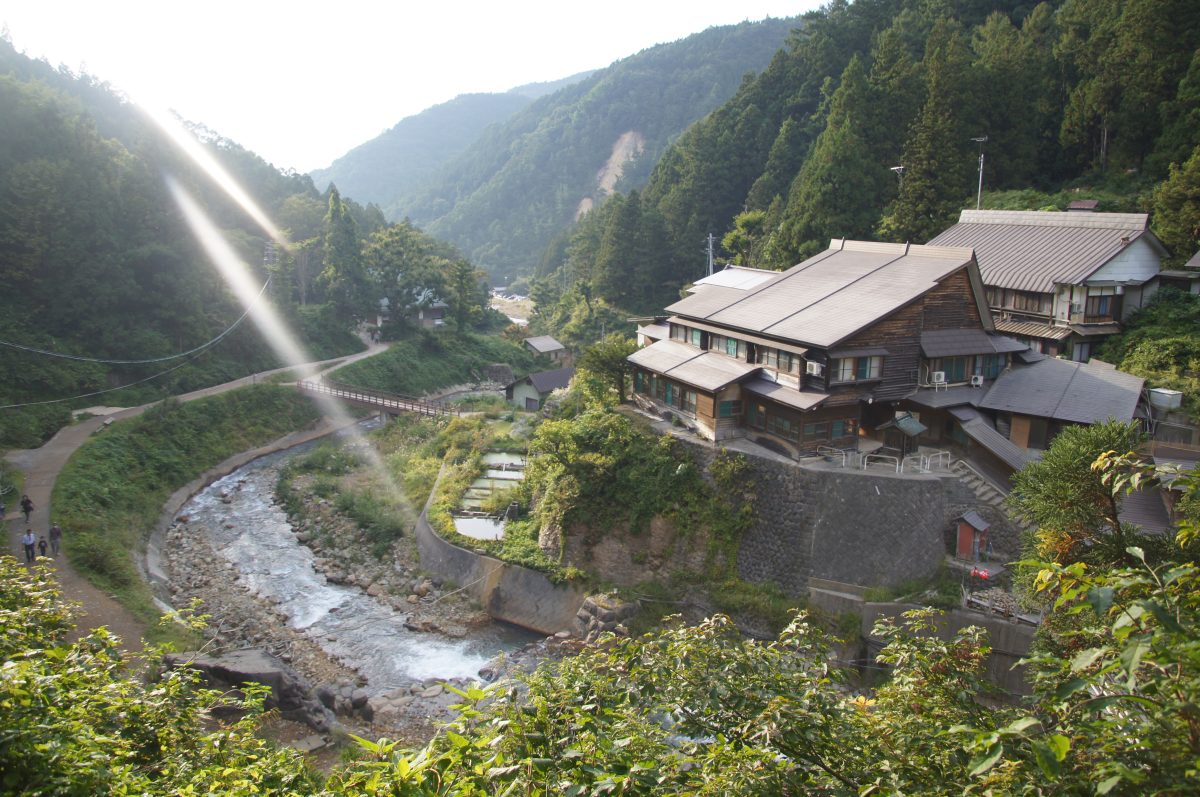
In September 2015, we travelled from Tokyo to Nagoya and took the Limited Express Hida into Takayama. I had researched the railway as transport. It turned out to be part of the attraction: rivers, steep green slopes and small settlements replaced the city, and the change in pace began before we arrived.
We stayed two nights in Takayama, ate very well, became oddly invested in a Hida beef burger and made our Shirakawa-go visit as a return day trip. A national-holiday traffic jam stretched that journey to about three hours and brought us alarmingly close to missing the final bus. It was educational. I would prefer you learned from it at a safe distance.
In September 2017, we travelled from Tokyo to Kanazawa with a stop at Matsumoto Castle. We then used Kanazawa as the base for Jigokudani. The places were excellent; the sequence wasn’t. Putting the monkey park before Matsumoto and moving west from there removes a large piece of needless backtracking.
For the national route around these regional stops, see our two-week Japan itinerary. This article concentrates on the Alps section so it doesn’t compete with that broader plan.
Our seven-day Japanese Alps itinerary
Day 1: Tokyo to Nagano or Yudanaka
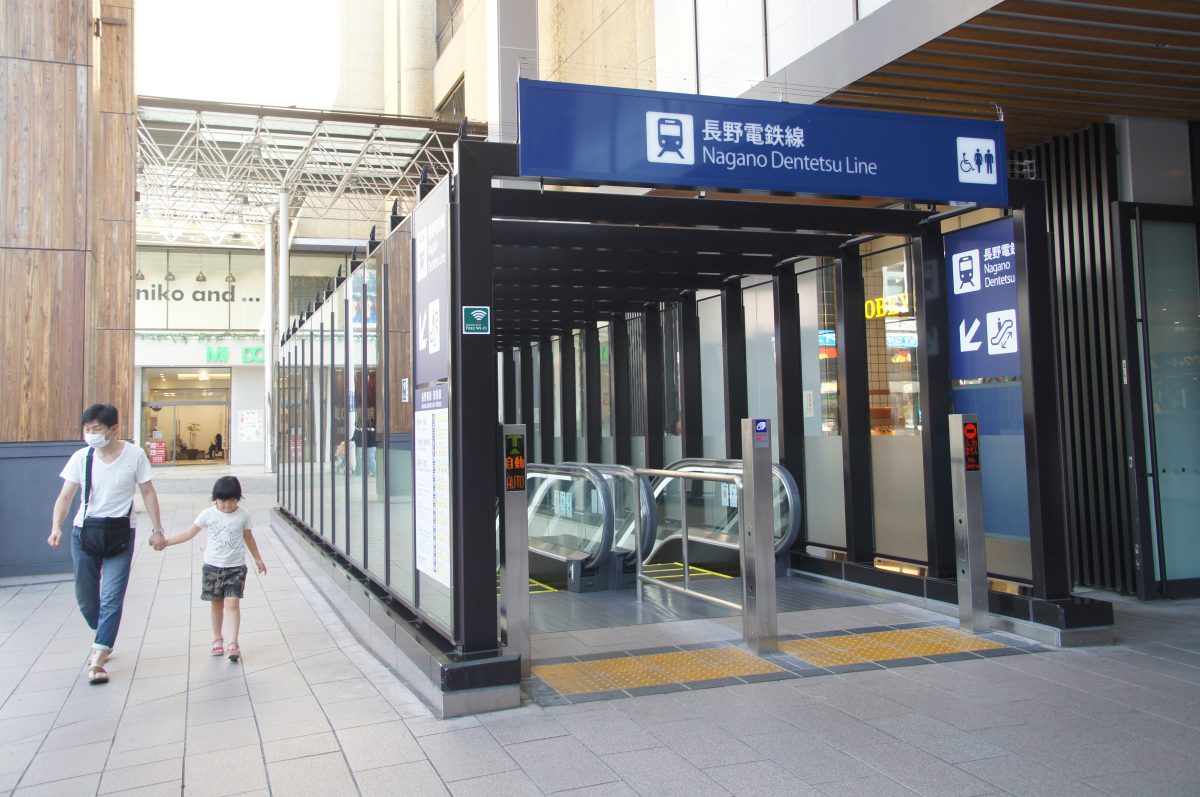
Take the Hokuriku Shinkansen from Tokyo to Nagano. The fastest services take around 80 minutes, although the train you book may be slower. From Nagano, either stay near the station or continue on the private Nagaden railway to Yudanaka.
Nagano is the easier base if you want a simple arrival, somewhere to leave your luggage and a quick departure for Matsumoto the next day. Yudanaka or nearby Shibu Onsen makes the evening more atmospheric and places you closer to the monkey park, but you will retrace the local journey afterwards. Pick the inconvenience you mind least. This is travel planning in its most honest form.
Don’t schedule a major sightseeing campaign after arrival. Eat, check the next morning’s transport and get some sleep. The second day already contains monkeys, a woodland walk and another city.
Day 2: Jigokudani Monkey Park, then Matsumoto
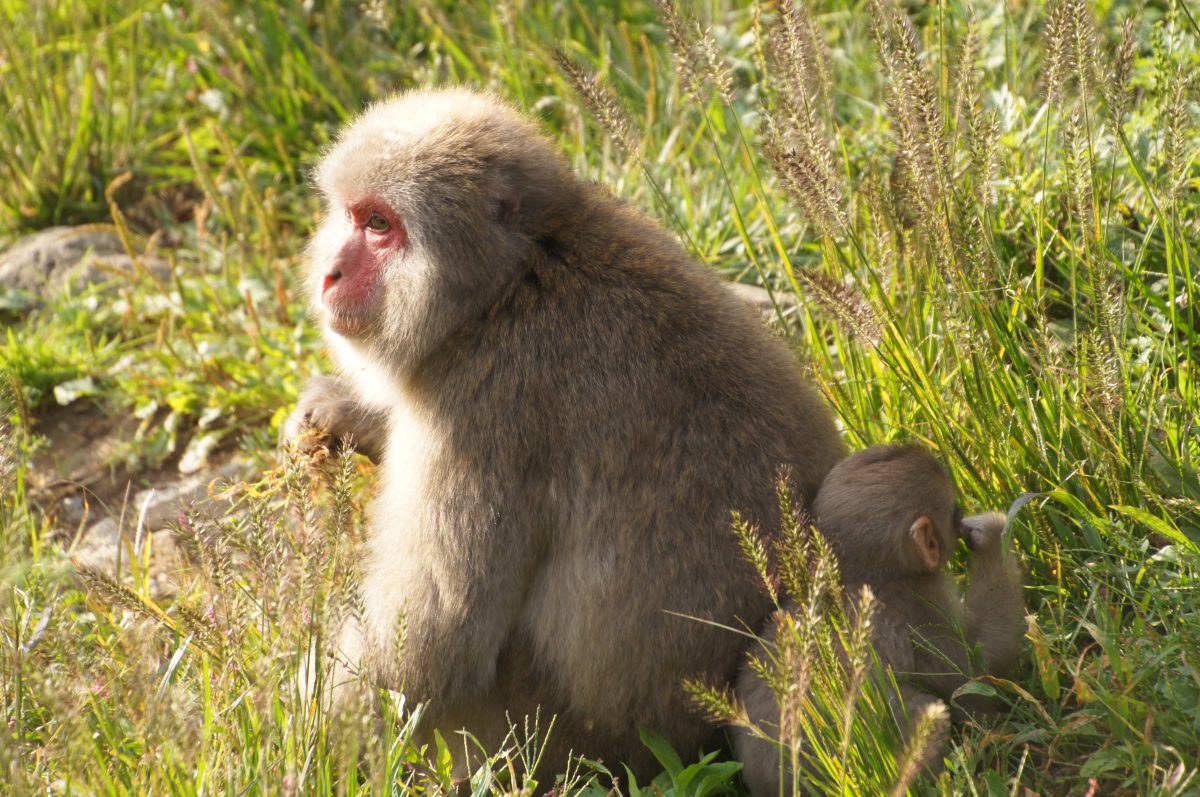
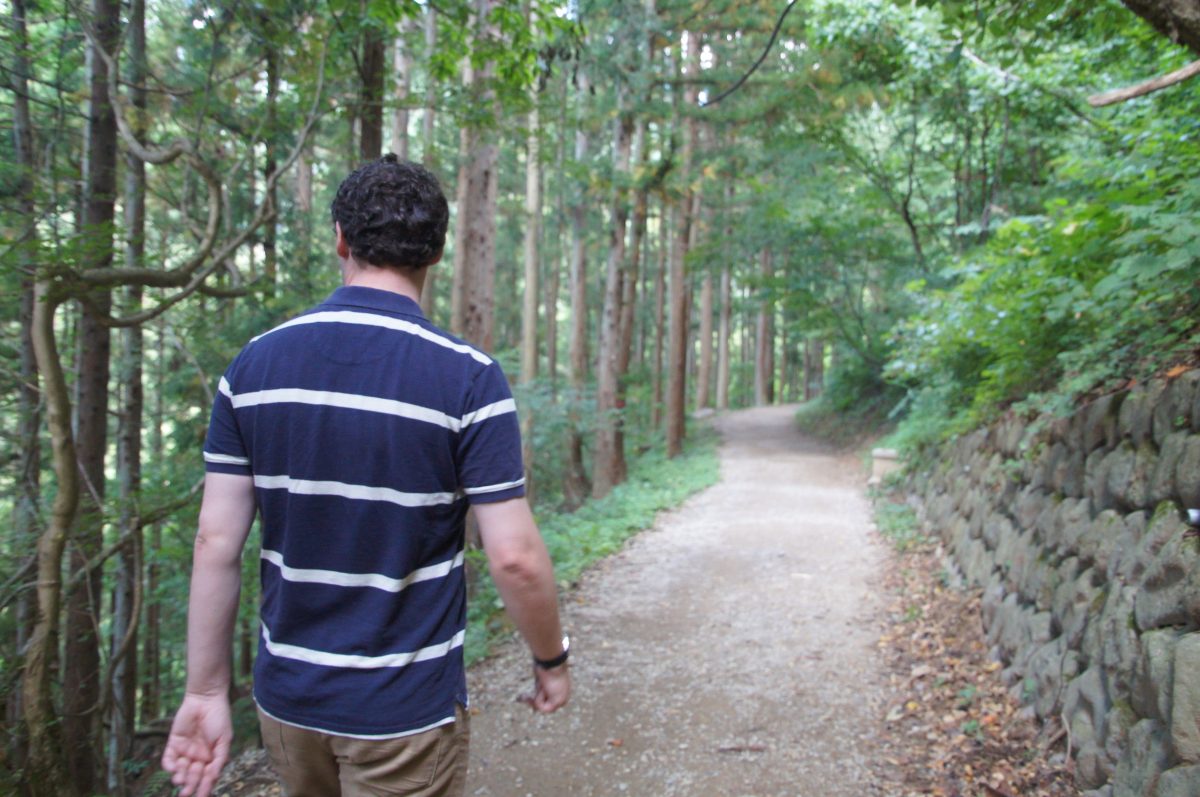
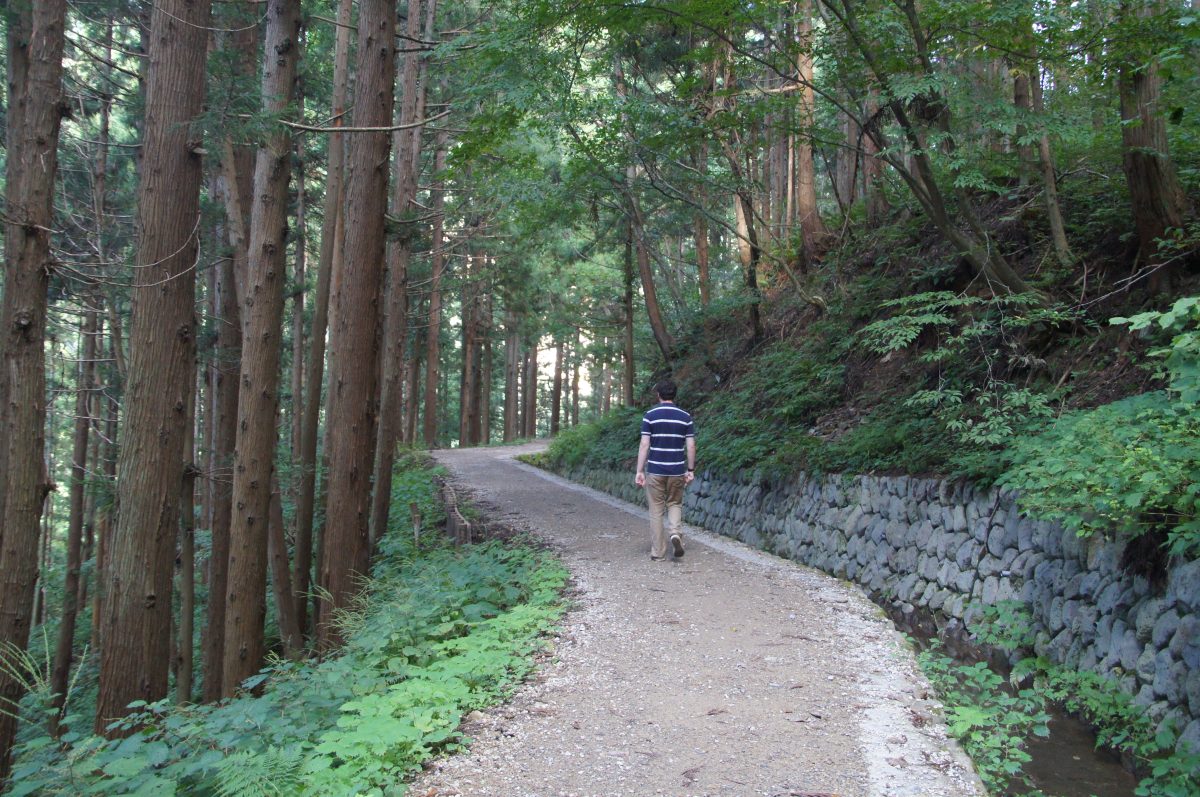
Travel early to the Snow Monkey Park stop, then walk the roughly 2-kilometre forest trail from Kanbayashi Onsen. The path usually takes 30–35 minutes each way. It’s mostly level, but it’s unpaved and includes uneven or stepped sections. Also, there are no toilets along the trail. I mention this before the scenery because your bladder has priorities of its own.
Without a pass, the direct express bus from Nagano was ¥2,000 each way when checked in September 2026 and took about 45 minutes. The alternative was the Nagaden limited express to Yudanaka at ¥1,290 for an unreserved seat, followed by a ¥390 local bus. Park admission was ¥800 per adult.
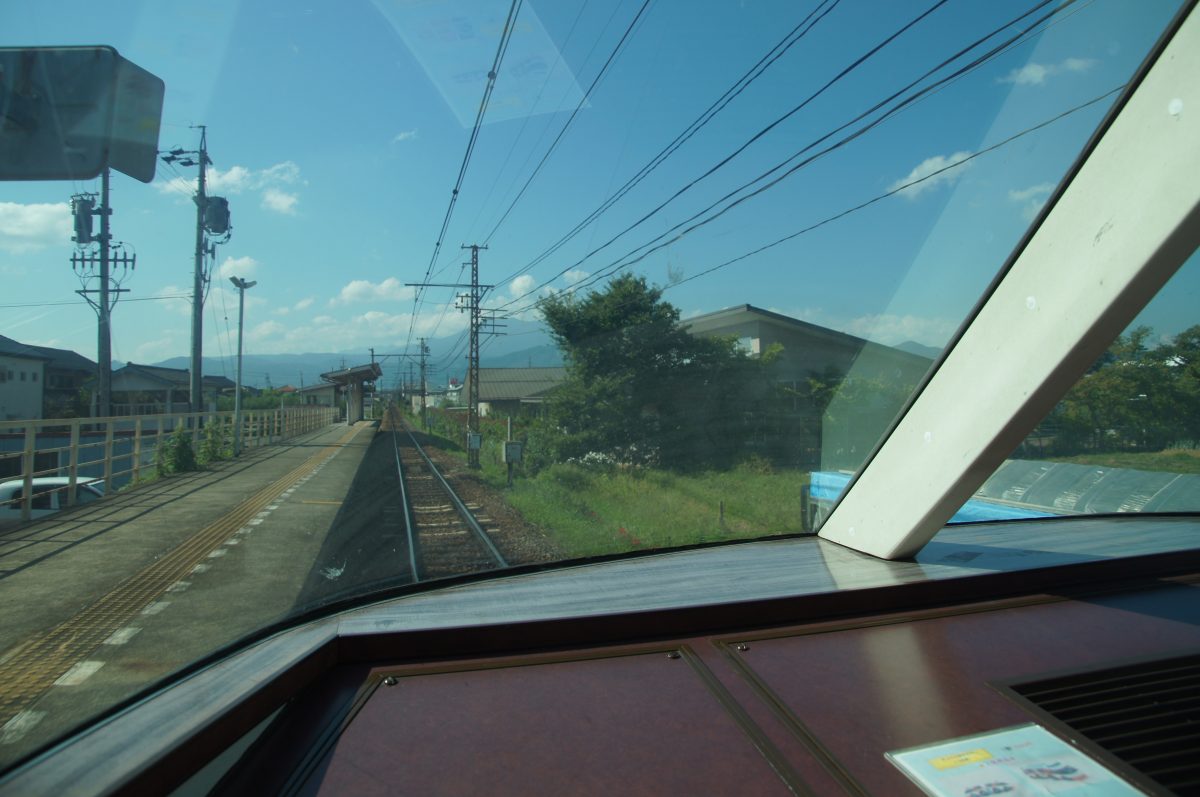
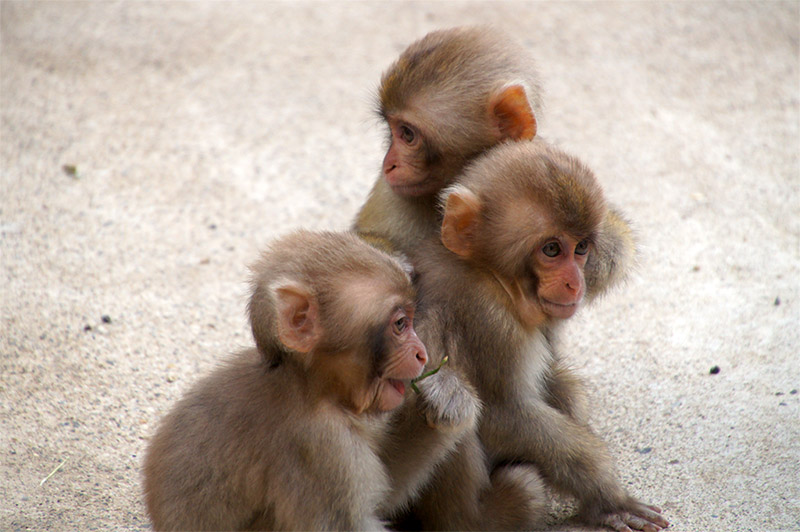
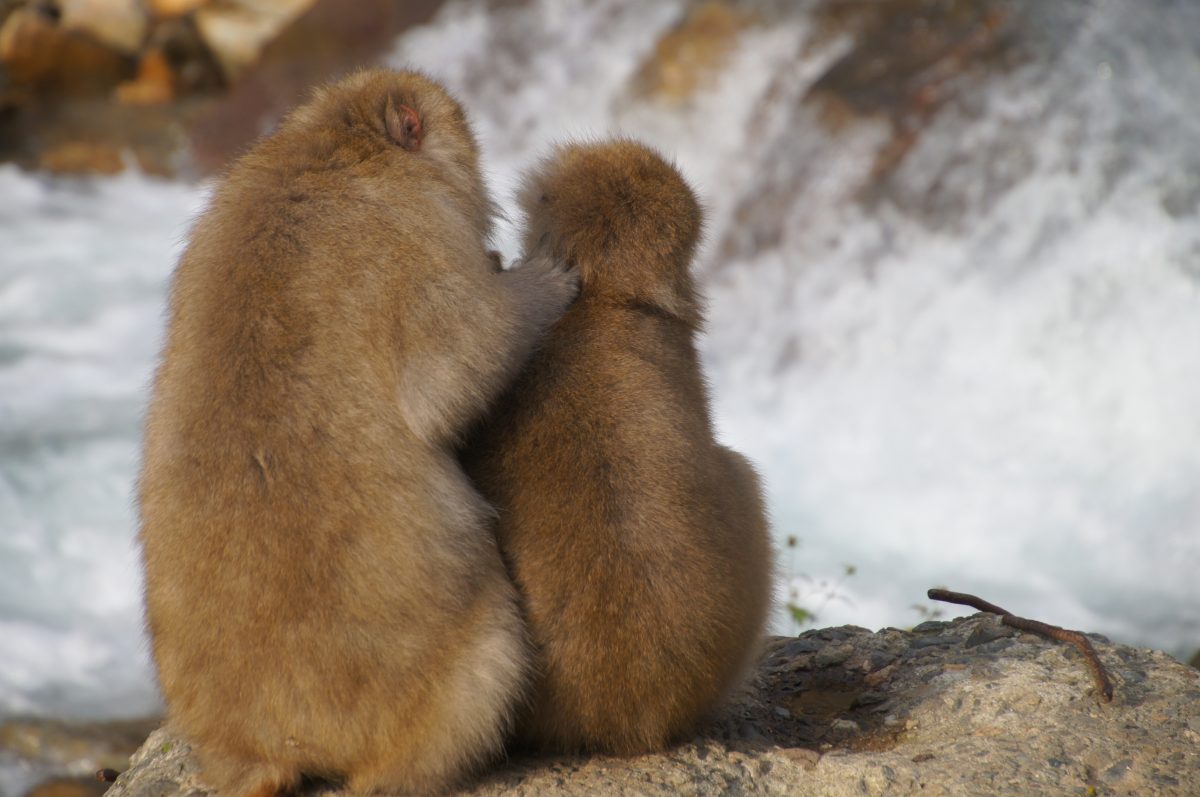
The animals are wild and may not gather by the pool when you expect. We visited in September, when there was no snow and no credible reason for me to have anticipated any. But the young monkeys playing, the forest and the glass-fronted train made the day worthwhile. Our Jigokudani Monkey Park without snow guide covers the seasons, route, live camera and the ethical questions in detail.
Return towards Nagano, collect your bags and take the Limited Express Shinano to Matsumoto. The rail journey normally takes about 50–55 minutes. Sleep near Matsumoto Station so you can visit the castle before the bus west on Day 3.
Day 3: Matsumoto Castle, then Takayama
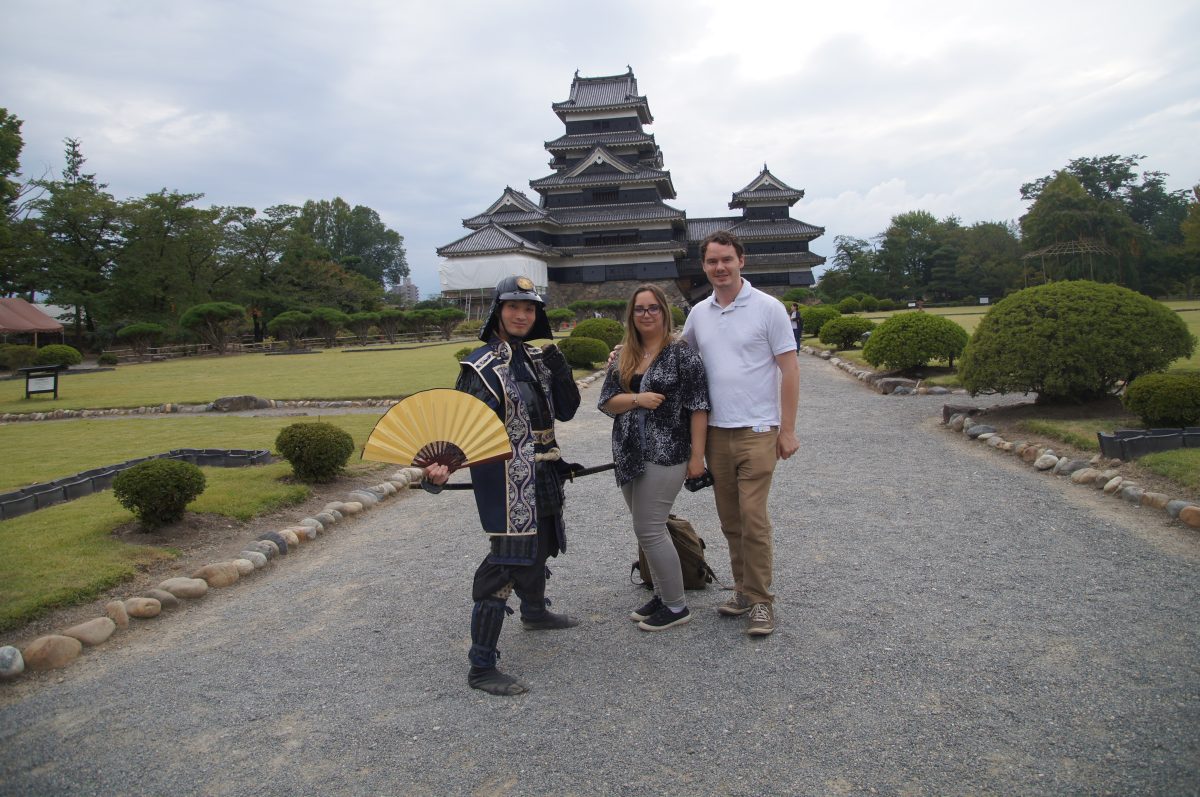
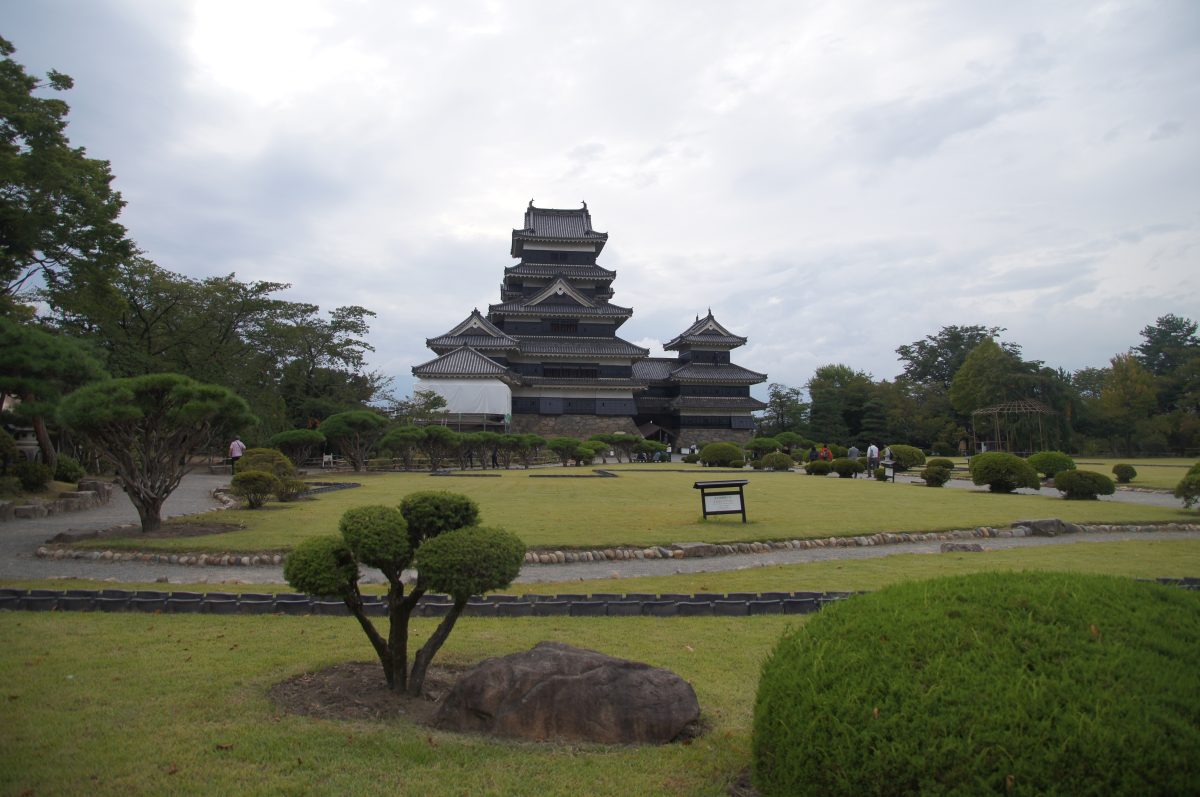
Walk about 15 minutes from Matsumoto Station to the castle. Its black timber keep and moat deserve more than a hurried look from the pavement, so allow around 90 minutes for the interior, grounds and photographs. The stairs inside are steep and narrow. They were built to hinder attackers, not to flatter the knees of modern visitors.
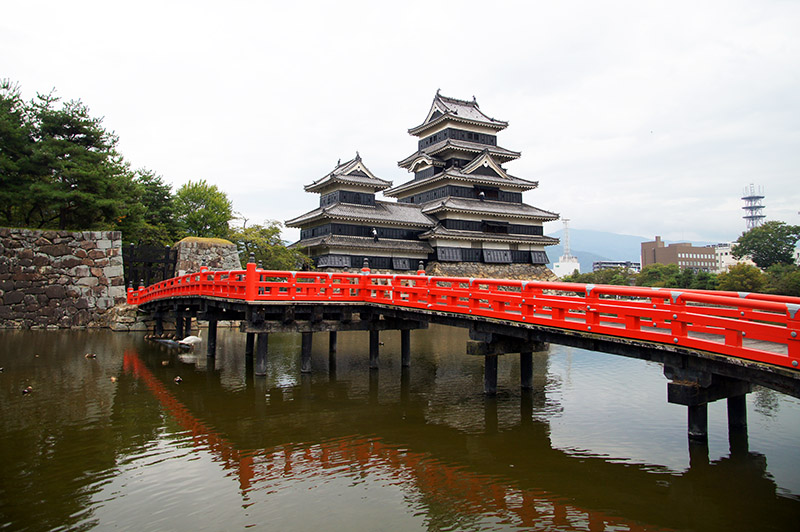
If your bus departure leaves enough room, add Nawate Street or Nakamachi rather than sprinting through a list of unvisited attractions. Our one-day Matsumoto itinerary gives you a short stopover version and a fuller day.
The direct Nohi/Alpico bus from Matsumoto to Takayama currently costs ¥4,400 and requires a reservation. Most listed departures take about 2 hours 33 minutes; the earliest takes closer to 2 hours 48 minutes. Traffic and weather can change that, so don’t book dinner eight minutes after arrival unless you enjoy apologising while carrying a suitcase.
Check in for two nights. If you still have daylight, take an easy first walk through Sanmachi. The old streets feel better once the larger daytime groups begin to leave.
Day 4: Takayama properly
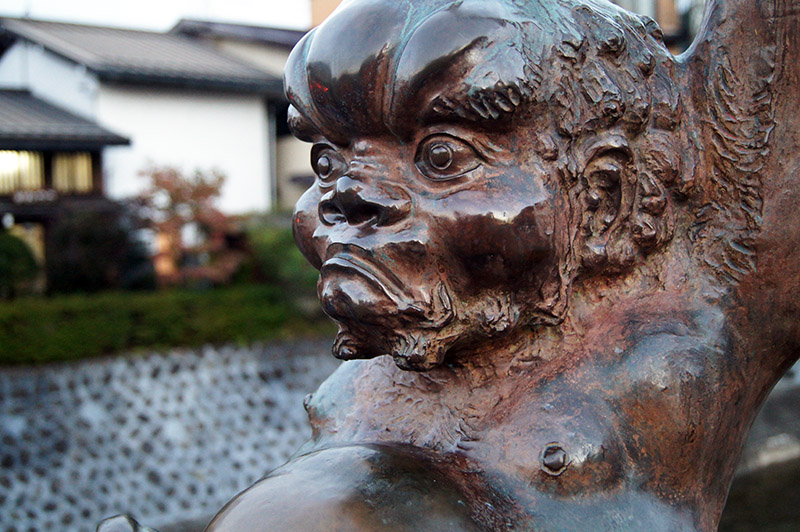
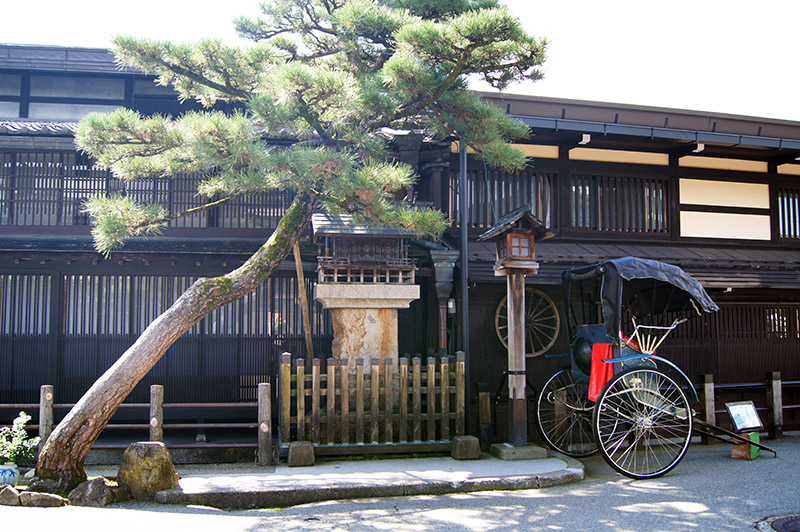
Start with one of Takayama’s morning markets, then visit Takayama Jinya and give Sanmachi enough time to browse rather than merely pass through. Sake breweries, dark wooden shopfronts and small food stops are the pleasure here. The town is compact, but rushing defeats it.
We also remember Takayama through meals: the Hida beef burger at Center4 that Gary declared the best of his life, and curry at Jakson. Recommending a burger in Japan still feels faintly disloyal. I’ve made peace with it.
In the afternoon, choose one longer activity: the festival-float exhibition, the Higashiyama walking route or another place that suits your interests. We didn’t visit everything and our two-day Takayama itinerary keeps the researched additions separate from what we experienced ourselves.
Day 5: Shirakawa-go on the way to Kanazawa
Reserve a morning bus from Takayama to Shirakawa-go. The scheduled journey takes about 50 minutes and costs ¥2,800 one way. Some departures require reservations and others don’t, but this isn’t the day to discover that your preferred service is full. The direct Takayama–Kanazawa fare is currently ¥4,200, so stopping at Shirakawa-go and buying the two ¥2,800 legs separately costs ¥1,400 more.
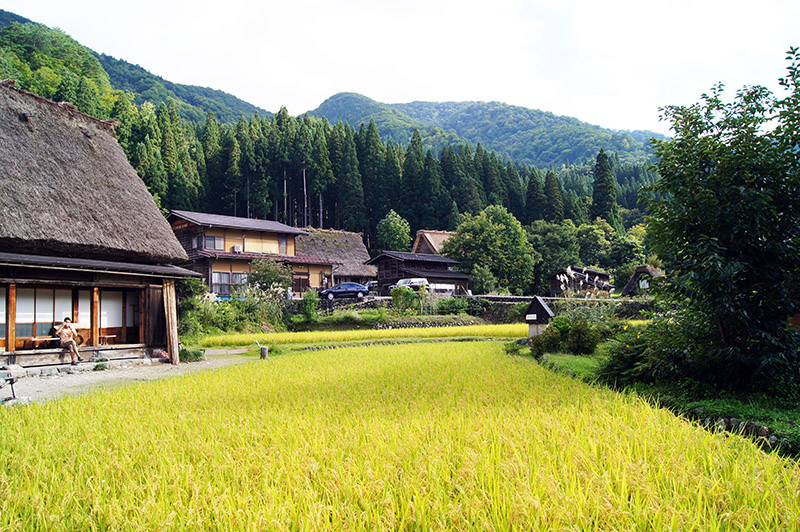
Allow four to five hours in Ogimachi. Walk to the Shiroyama viewpoint, enter at least one gassho-zukuri house, have lunch and wander through the village at a pace that acknowledges people still live there. Walking around is free. Individual historic houses currently cost ¥300–¥400 per adult, while the open-air museum is ¥600.
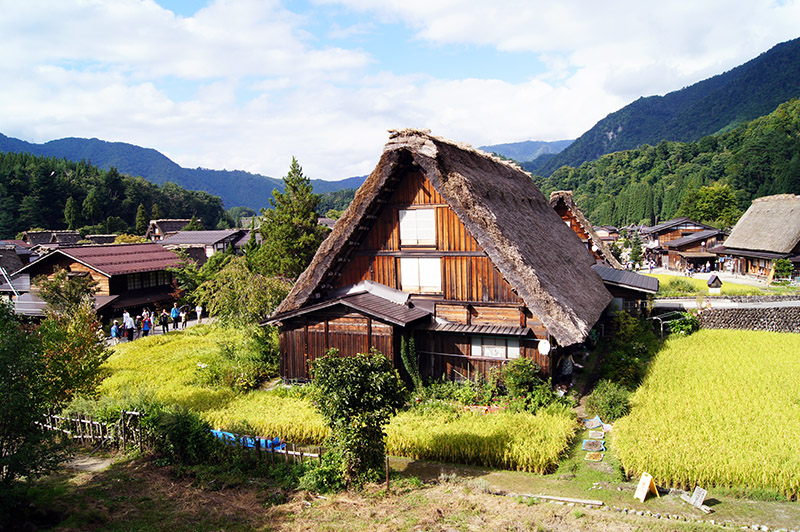
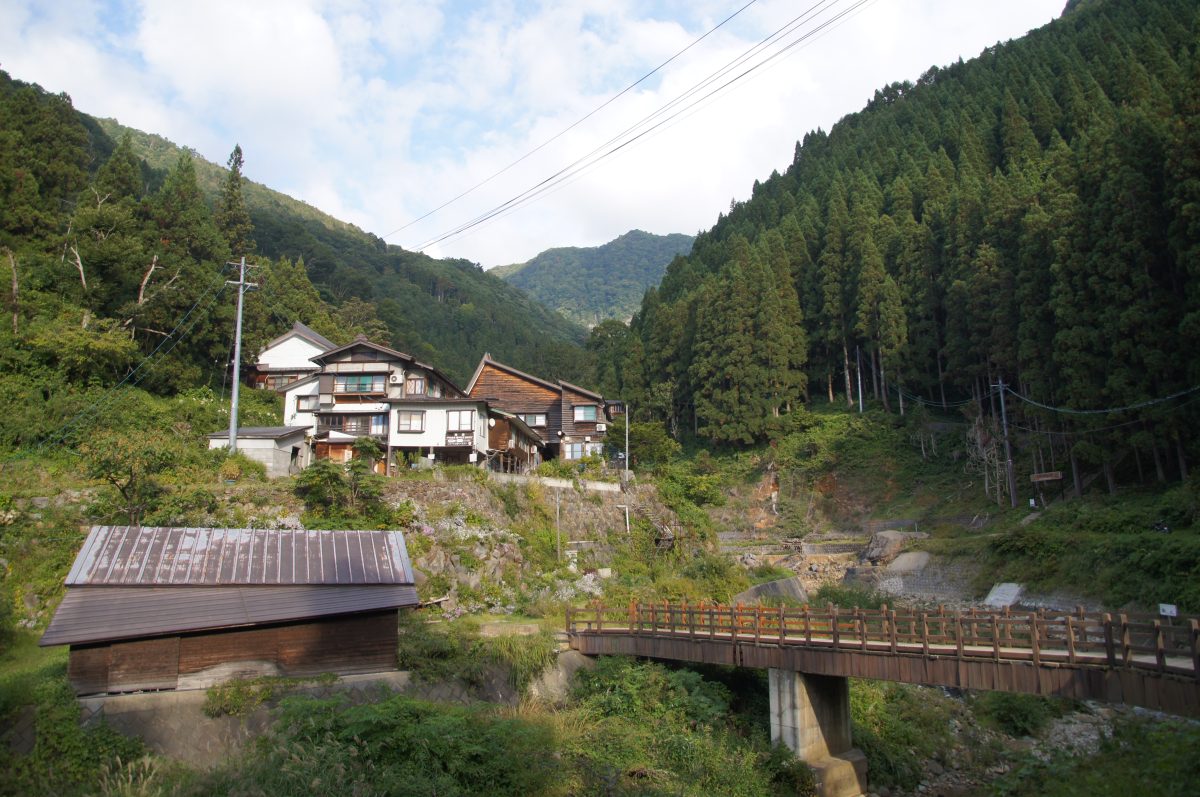
Continue to Kanazawa on a reserved bus. Current services generally take 75–85 minutes and cost ¥2,800. Our Shirakawa-go day-trip guide includes the houses, viewpoint, lockers and the traffic mistake we wouldn’t repeat.
This is the day to travel with a small bag. Forward your main luggage from Takayama to Kanazawa if your hotels can arrange it, or confirm locker availability and bus baggage rules. Shirakawa-go Bus Terminal has coin lockers (small and medium currently ¥500, available 8am–5pm), but finite space is a stubborn concept, even in a very pretty village.
Day 6: Kanazawa
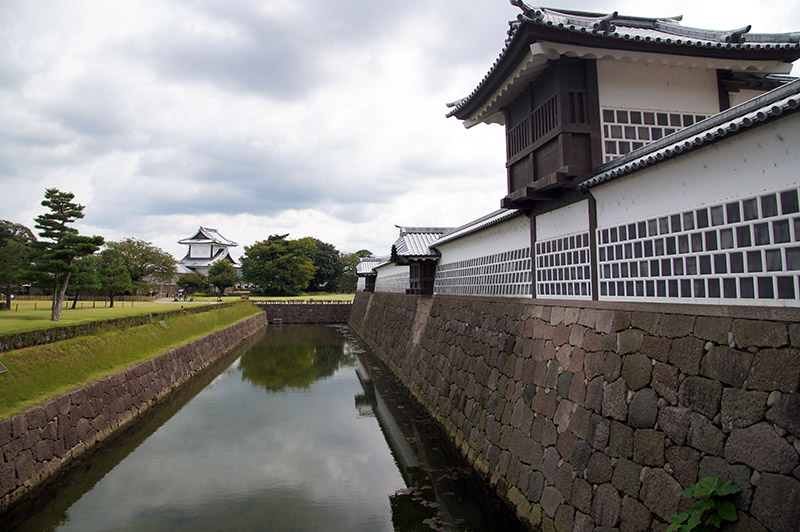
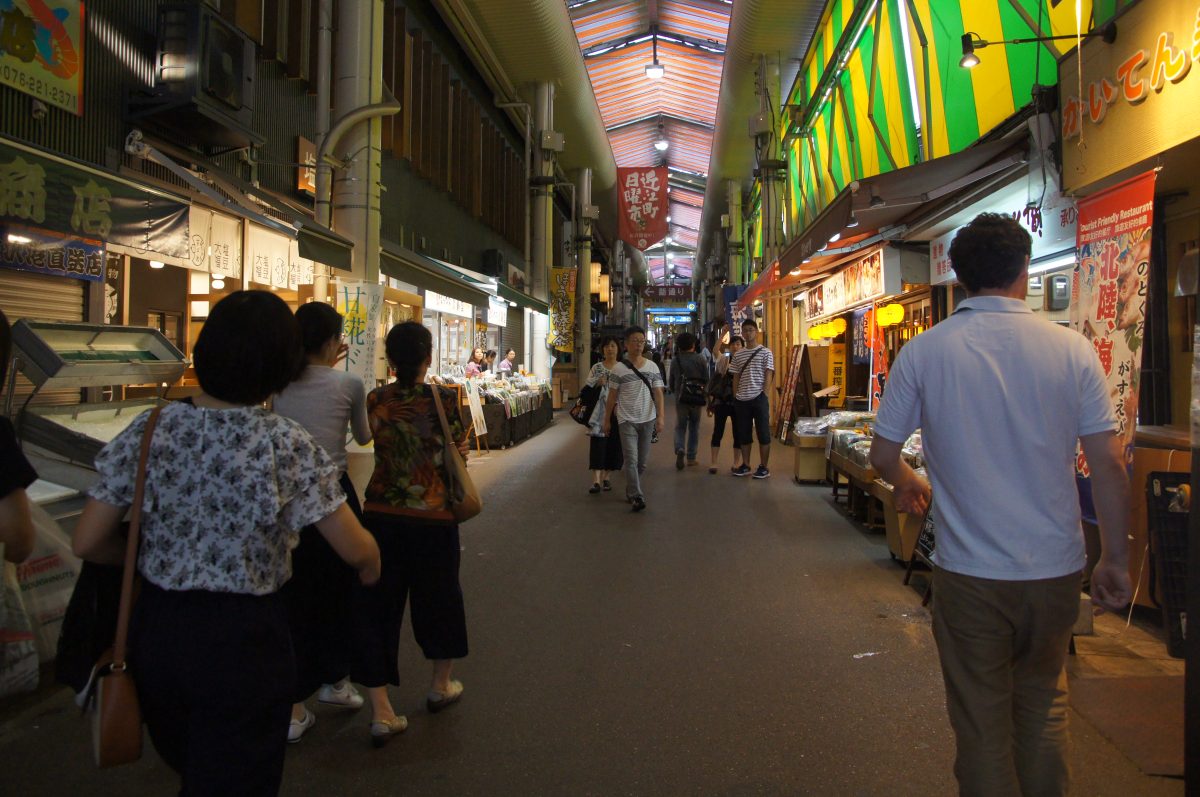
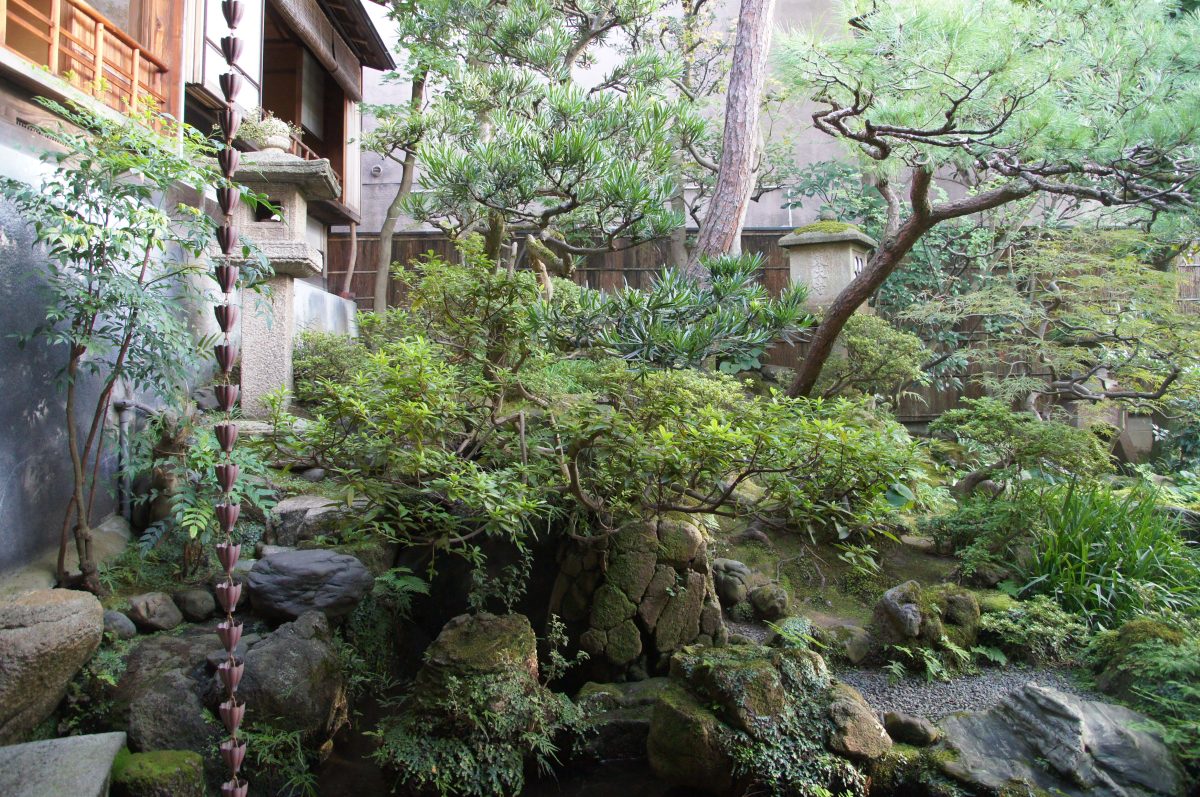
Give Kanazawa a full day. Start early at Kenroku-en or the castle area. Our Kanazawa Castle guide explains what is free and whether the reconstructed interiors are worth paying for. Then add Omicho Market, Nagamachi and Higashi Chaya in an order that matches what matters most to you. We left Higashi Chaya too late and found many shops already closed. The buildings remained lovely. The opportunities to buy or eat things had sensibly gone home.
Gary and I stayed for three nights in 2017. One day went to the city, another disappeared into our Jigokudani expedition, and the arrival day included Matsumoto. If I were following this route now, two Kanazawa nights would be enough because the monkey park sits where it belongs.
Our one-day Kanazawa itinerary gives you the walk, current prices and what I would move earlier. We paid ¥38,600 for three nights at HOTEL MYSTAYS PREMIER Kanazawa in September 2017, including the 8% VAT charged at the time and no meals. That receipt is useful evidence of what we booked, not a forecast for your stay.
Day 7: Leave Kanazawa without undoing the route
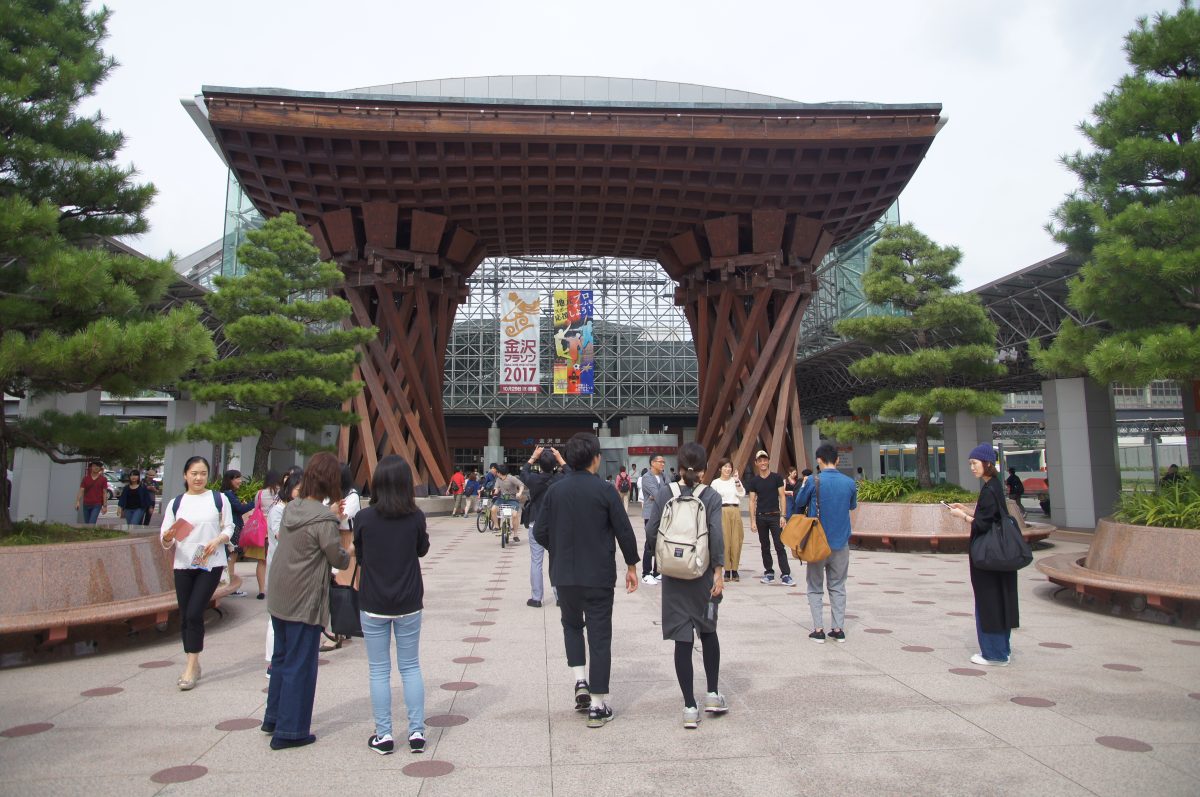
From Kanazawa, direct Hokuriku Shinkansen services reach Tokyo in roughly 2 hours 30 minutes. For Kyoto or Osaka, travel by Hokuriku Shinkansen to Tsuruga and change to the Limited Express Thunderbird. The current official guide estimates about 45 minutes from Kyoto to Tsuruga and another hour from there to Kanazawa; reverse those legs and allow proper transfer time.
If your next stop is Kyoto or Osaka, this westbound version makes particular sense. If you began in Kansai, run the whole itinerary backwards and finish in Tokyo. There is no prize for forcing a route to face the wrong way.
How to make this a five-day or nine-day route
A five-day Japanese Alps itinerary
For five days, remove Jigokudani and start in Matsumoto. Spend Day 1 at the castle, travel to Takayama on Day 2, use Day 3 for Takayama, pass through Shirakawa-go to Kanazawa on Day 4 and explore Kanazawa before a late departure on Day 5.
It’s workable, but there’s little slack. A delayed mountain bus can nibble through the day with impressive efficiency. I wouldn’t add Kamikochi or another major detour to this version.
A nine-day Japanese Alps itinerary
With nine days, add a second Matsumoto night and one slower day where you most want it. That might mean another Kanazawa day, a ryokan night around Yudanaka or an extra Takayama morning.
During the normal visitor season, confident walkers could research Kamikochi as the larger addition between Matsumoto and Takayama. Access, accommodation and some buses are seasonal or reservation-based, so check the official Kamikochi information rather than grafting an old timetable onto a new trip.
Japanese Alps transport times and reservations
| Leg | Typical planning time | What to book |
|---|---|---|
| Tokyo to Nagano | About 1 hour 20 minutes on the fastest Shinkansen services | Reserve if travelling at a busy time |
| Nagano to the Snow Monkey Park stop | About 45 minutes by express bus, or 55–60 minutes by Nagaden train plus local bus | Check the current seasonal timetable |
| Nagano to Matsumoto | About 50–55 minutes by Limited Express Shinano | Check the live JR connection |
| Matsumoto to Takayama | About 2 hours 33 minutes on most current buses | Reservation required |
| Takayama to Shirakawa-go | About 50 minutes | Some departures require reservations |
| Shirakawa-go to Kanazawa | About 75–85 minutes | Reserve the appropriate service |
| Kanazawa to Tokyo | About 2 hours 30 minutes | Check the live Shinkansen timetable |
The Matsumoto–Takayama and Shirakawa-go bus legs are the route’s fixed points. Book those before becoming emotionally attached to a particular hotel night. Trains run more often; the mountain bus you need may not.
What does this Japanese Alps itinerary cost?
There is no honest single total without your travel dates, room choices and long-distance rail tickets. But these current adult prices show where the less flexible costs sit.
| Item | Adult price checked in September 2026 |
|---|---|
| Nagano to Snow Monkey Park express bus | ¥2,000 one way |
| Nagaden limited express plus local bus | About ¥1,680 one way with an unreserved train seat |
| Jigokudani Monkey Park | ¥800 |
| Matsumoto to Takayama bus | ¥4,400 one way |
| Takayama to Shirakawa-go bus | ¥2,800 one way |
| Shirakawa-go to Kanazawa bus | ¥2,800 one way |
| Shirakawa-go historic houses | Usually ¥300–¥400 each; open-air museum ¥600 |
| Named paid stops in our Kanazawa day | About ¥2,050, excluding food and transport |
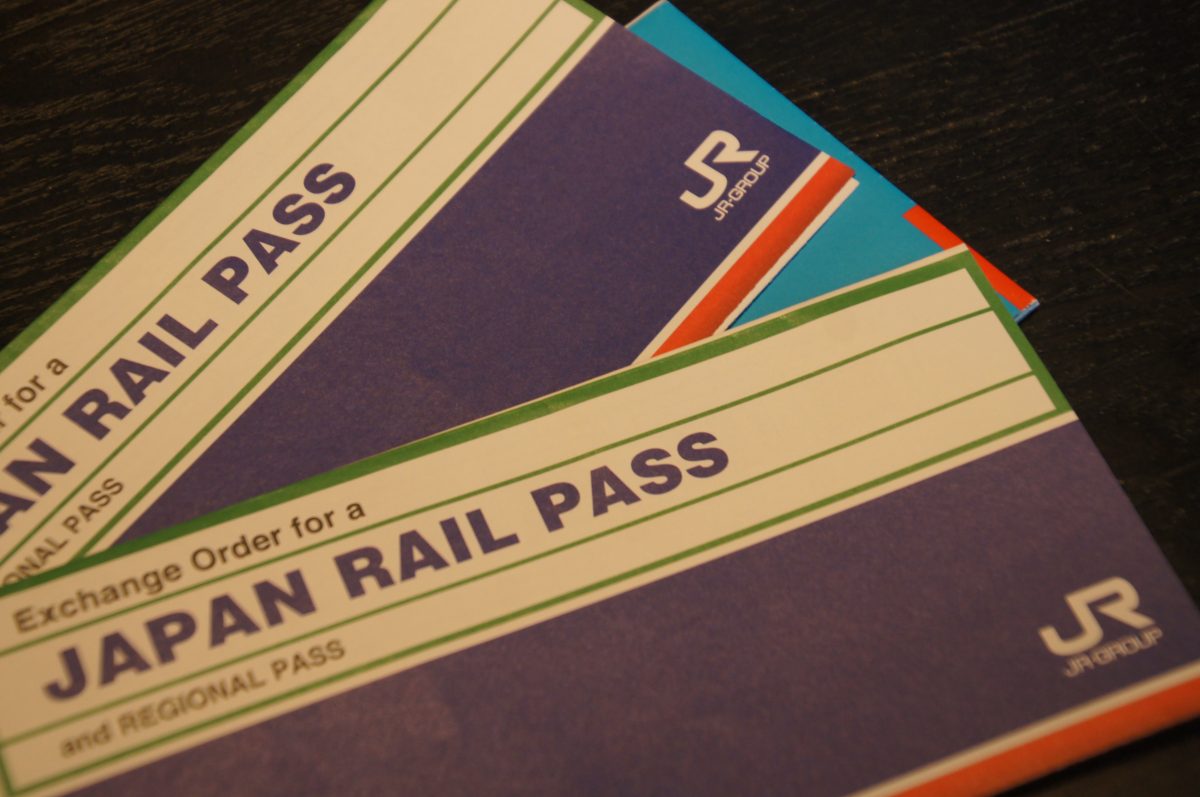
A nationwide JR Pass isn’t automatically good value for this itinerary. It can cover eligible JR trains, but not the private Nagaden railway, local and express monkey-park buses, the Matsumoto–Takayama bus, the Shirakawa-go bus legs or attraction admissions. Price your exact rail journeys against the pass that applies on your dates. Our Japan travel budget explains how our own costs fitted together.
Where to stay along the route
| Base | Nights | Best location for this itinerary |
|---|---|---|
| Nagano or Yudanaka | 1 | Nagano Station for simple transfers; Yudanaka or Shibu Onsen for atmosphere and earlier local access |
| Matsumoto | 1 | Near the station or between the station and castle |
| Takayama | 2 | Near the station and bus centre for luggage, or closer to Sanmachi for prettier evenings |
| Kanazawa | 2 | Near the station for arrival and departure, or centrally if evening access to the old districts matters more |
Four bases in six nights is already plenty of repacking. Adding separate nights in Shirakawa-go or every onsen town can be lovely if you have more time, but not if it turns a seven-day holiday into competitive suitcase handling.
We haven’t stayed at any of these ourselves, so treat the names below as a starting point rather than a personal recommendation. Near Nagano Station, Hotel New Nagano NeXT and Hotel Kokusai 21 are both a short walk from the platforms. Around Yudanaka and Shibu Onsen, Yudanaka Seifuso Ryokan and Ryokan Biyunoyado add an onsen to the evening, and some run a shuttle towards the monkey-park trailhead. In Matsumoto, Toyoko Inn Matsumoto Station East Exit, Hotel M Matsumoto and Hotel Morschein all sit within a few minutes of the station. In Takayama, Eph Takayama is close to the station, while Hotel Wood Takayama and Takayama Ninja House are nearer Sanmachi. In Kanazawa, Smile Hotel Premium Kanazawa Higashiguchi Ekimae, Toyoko Inn Kanazawa-eki Higashi-guchi and CHISUN BUDGET Kanazawa Ekimae are all close to the station’s east exit. Rates move constantly and we haven’t checked them in person, so compare current prices and reviews before booking any of them.
When is the best time for this Japanese Alps itinerary?
| Season | What to expect |
|---|---|
| Spring | Pleasant city sightseeing, possible blossom dates and increasing access to mountain areas. Kamikochi normally reopens during April, but use the current year’s official dates. |
| Summer | Green mountain scenery and warm towns. Expect heat, humidity and rain lower down, even when high areas feel cooler. |
| September to October | September worked well for our trips, with warm weather and some rain. Autumn colour arrives at different times by elevation; festival dates and foliage weekends increase demand. |
| Winter | The best chance of the classic snowy monkey scene and possible snow in Takayama or Shirakawa-go. Also expect shorter days, icy paths and a greater risk of road disruption. Kamikochi isn’t open for normal sightseeing. |
I would happily repeat the route in September, provided you understand that Jigokudani may be green and the monkeys may regard the hot pool with complete indifference. Winter gives you stronger snow odds, not contractual weather.
Luggage and booking lessons
- Pack lightly. Gary and I shared an average suitcase, carried a small cabin case and used backpacks for day trips. That made stations and compact hotel rooms much easier.
- Reserve the Matsumoto–Takayama bus and any marked Shirakawa-go services before the accommodation around them becomes non-refundable.
- Forward large luggage from Takayama to Kanazawa if possible, then take a small bag through Shirakawa-go.
- Don’t assume an IC card or JR Pass covers private railways and highway buses. Keep some cash and read the rules for each leg.
- Leave breathing room before the final bus, last train or expensive dinner. Our three-hour Shirakawa-go traffic jam wasn’t improved by optimism.
What we would do differently
I wouldn’t visit Jigokudani from Kanazawa again. Staying around Nagano or Yudanaka turns it from a six-hour return journey into a sensible stage of the route. That single change makes the week feel less like a transport endurance test.
I would keep two nights in Takayama. One night gives you an evening and a morning; two let you enjoy the old town, market and one longer choice without checking the bus time every quarter of an hour.
Also, I would use Shirakawa-go as the link between Takayama and Kanazawa rather than a return trip. The through-route saves time, but only when both buses and your luggage are settled. Spontaneity is charming. Being stranded with a large suitcase is less so!
Official planning links
- Use JR East Train Reservation for current eastern-Japan rail times and fares.
- Check the Jigokudani Monkey Park visitor guide for admission, opening hours and current notices.
- Use Nohi Bus for the live Matsumoto–Takayama timetable and the Takayama–Shirakawa-go–Kanazawa route.
- If you add a mountain day, read the current access and safety information on the official Kamikochi website.
Japanese Alps itinerary FAQ
How many days do you need for the Japanese Alps?
Allow seven days for this no-car cultural route through Jigokudani, Matsumoto, Takayama, Shirakawa-go and Kanazawa. Five days is possible if you omit Jigokudani and accept a brisker pace. Nine days gives you room for slower bases or a separately researched seasonal mountain extension.
Can you visit the Japanese Alps without a car?
Yes. This itinerary uses JR trains, the private Nagaden railway and highway or local buses. The main limitation is frequency: some mountain and Shirakawa-go services need reservations, so their departure times should shape the route.
What is the best direction for this Japanese Alps itinerary?
From Tokyo, travel to Nagano and Jigokudani, then continue through Matsumoto, Takayama and Shirakawa-go to Kanazawa. From Kyoto or Osaka, reverse the route. Both versions move broadly in one direction and avoid using Kanazawa as a base for the monkey park.
Is the JR Pass worth it for a Japanese Alps itinerary?
Not automatically. A JR Pass can cover eligible gateway trains, but it doesn’t cover Nagaden services, the buses to Jigokudani, the Matsumoto–Takayama bus or the bus corridor through Shirakawa-go. Compare current point-to-point rail fares with the pass price for your wider Japan trip.
Can you follow this Japanese Alps itinerary in winter?
The cultural route is possible in winter, but snow, ice and road closures can delay buses. Allow extra time and check live service information. Kamikochi is closed for normal sightseeing in winter, while Jigokudani and Shirakawa-go become particularly popular for snow scenes.
Does this itinerary include hiking in the Japanese Alps?
No. It includes a forest trail at Jigokudani and town walking, but it isn’t a high-altitude hiking itinerary. For mountain scenery and longer walks, research adding Kamikochi between Matsumoto and Takayama during its normal visitor season.
Our final verdict
Seven days is enough to connect these places without turning every morning into a platform change. The route has variety: wildlife and woodland, a severe black castle, Takayama’s food and timber streets, Shirakawa-go’s farmhouses and a final day of gardens in Kanazawa.
But the order matters. Stay near Jigokudani instead of attacking it from Kanazawa, give Takayama two nights and pass through Shirakawa-go on the way west. Those three choices remove most of the needless effort while keeping the parts we still talk about.
Would I do it? Yes. I would just like another attempt in which the monkeys, buses and weather all recognise the authority of my spreadsheet. I’m not optimistic.