OUR GERMANY TRAVEL GUIDE
Located in central Europe, Germany is often considered to be the heart of the continent. It is famous for its bratwurst, its beer and its car industry. Germans are said to be very efficient, and the country has the largest economy in Europe. But Germany is so much more than that!
Germany is filled with stunning architecture. It is some to so many historic cathedrals and fairy-tale castles. It has a vast range of landscapes from expansive forests to a beautiful river valley and a tall mountain range. It also features several futuristic cities – Berlin and Frankfurt being just two of them. Even though Germany is mostly a landlocked country, its northern towns have a deeply ingrained marine history.
Germany has something on offer for every type of traveller, whether you are keen to eat your way around the country, drink yourself under the table at the Octoberfest, take part in Christmas festivities, immerse yourself in its notorious history or explore its many castle, churches and museums.
Plus, it is one of the safest countries in Europe and a large part of the population speaks English, which makes travelling around the country as a family easy and stress free.


LANGUAGE
The official language in Germany is German.
However, more than half of the population understands and speaks at least a little English, especially the younger generations. Even though English isn’t used as a means of communication, you will generally be able to find someone to ask for help or directions as a tourist.
That being said, a couple of words or sentences in German, will go a long way in gaining the favour of locals.

CURRENCY
The currency in Germany is the Euro. 1£ is equivalent to just over 1 Euro.
Most Germans prefer to use cash, but you will have no problem using your credit card in Germany if you want to. Note however that it is better to have a Visa or Mastercard. American Express is not as widely accepted.
Cash Machines (Bankomat) are usually found inside a bank for security. They are accessible even when the bank is closed as they are usually located in the entrance area between two automatic doors. You might need your bank card to get into this space. It is unlikely that you will find a cash machine in a shopping center or at a petrol station, so plan ahead.

Electric Sockets
The standard voltage in Germany is 230 V, and the standard frequency is 50 Hz. The power outlets take type F outlets (two-prong round and sometimes three-prong round).
To avoid the hassle of having to buy new adaptors for everywhere you go, we recommend picking up a Universal Travel Adaptor before you leave

Visa
Germany is a member of the European Union and has signed the Schengen convention. If you are a EU national, you do not need a visa to visit the country, as long as your visit does not exceed 90 days. You will however need a passport that has been valid for at least 3 months. If you are an EU national and want to stay in Germany longer than 90 days you will need to register with the local Burgeramt within 2 weeks of arrival.
You can also travel around the Shengen Zone for 90 days without a visa, if you are a British, American, Australian passport holder or from New Zealand.
Nationals of other countries such as Russia, China, the Philippines, and other Asian countries however must apply for a Schengen visa for any travel in Germany.

Safety
Most European countries are pretty safe to travel to and Germany is no exception. In fact, German is probably safer than France or the UK. It is one of the safest countries to visit in Europe.
The crime rates are low, and the laws are strictly enforced and respected. Petty theft is pretty rare and there has been no natural disaster. Terror threat remains high due to Germany’s political power but attacks are rare and have so far not resulted in many casualties.
However no matter how safe the country, we still recommend that you get Travel Insurance. Personally, we would never leave without booking some sort of travel insurance beforehand. We recommend World Nomads as they cover you on a large variety of activities, from snorkeling to hiking. If you are looking for something more short-term, Safety Wings is a good alternative, as they have insurance plans that can be renewed on a monthly basis.

BUDGET
Germany is neither an expensive or a cheap country to travel to. Living and travel costs in Germany are pretty comparable with the UK, although eating out tends to be more expensive. It is however cheaper to buy food in the supermarket than it is in the UK.
As with any country you can travel cheaply or splash the cash. The cheapest budget you will get away with in Germany is around 45£ a day, if you stay in a budget hostel, stick to food from bakeries and street vendors and only use public transport.
The average budget however is about 110£ a day. You can get a mid-range hotel for about 65£ a night, but can spend up to 300£ a night in a high end hotel.
OUR SUGGESTED ITINERARY FOR GERMANY
We have created the ultimate itinerary for Germany that includes as many German destinations as possible. This should alleviate any fear of missing out (FOMO). Here is the summary of the 14 day japan itinerary that we highly suggest you follow:
- DAY 1 to 4 – Berlin (4 nights)
- DAY 4 – Dresden (1 night)
- DAY 5 – Nuremberg (1 night)
- DAY 6 to 7 – Munich (2 nights)
- DAY 8 – Garmisch-Partenkirchen (1 night)
- DAY 9 – Schloss Neuschwanstein (1 night)
- DAY 10 – Rothenburg ob der Tauber (1 night)
- DAY 11 – Heidelberg (1 night)
- DAY 12 – Bacharach (1 night)
- DAY 13 to 14 – Cologne (2 nights)
The Lonely Planet has written a very detailed post about the suggested two week Germany itinerary with lots of information and travel tips. The post also includes a couple of alternative itineraries for those who prefer to travel at a slower pace.
WHERE TO GO IN GERMANY
Are you travelling to Germany for the first time or returning for more? We hope to simplify your German trip and help you chose where to go, how long to stay there and what to do once you have arrived. We research every destination we visit in-depth and have been to Japan multiple times. We travelled to various areas in Germany and have created travel guides for all the places we visited. Each destination guide also includes a detailed tried and tested travel itinerary.
BERLIN
Berlin is the capital city of Germany and is known for its rich history, vibrant culture, and diverse population. It has played a significant role in shaping world events, including World War II and the Cold War. Today, it is a bustling metropolis with iconic landmarks, delicious food, and an energetic nightlife scene.
MUNICH
Munich is the third-largest city in Germany and is famous for its beer, festivals, and architecture. It is home to the world-renowned Oktoberfest and is a hub for technology, finance, and culture. Munich is also known for its beautiful parks, historic landmarks such as the Neuschwanstein Castle, and a lively nightlife scene.
FRANKFURT
Frankfurt is a major financial and commercial center in Germany, and the largest city in the state of Hesse. It is home to the European Central Bank and the Frankfurt Stock Exchange. The city is a blend of modern architecture and historic landmarks, including the famous Römerberg square and the Goethe House museum.
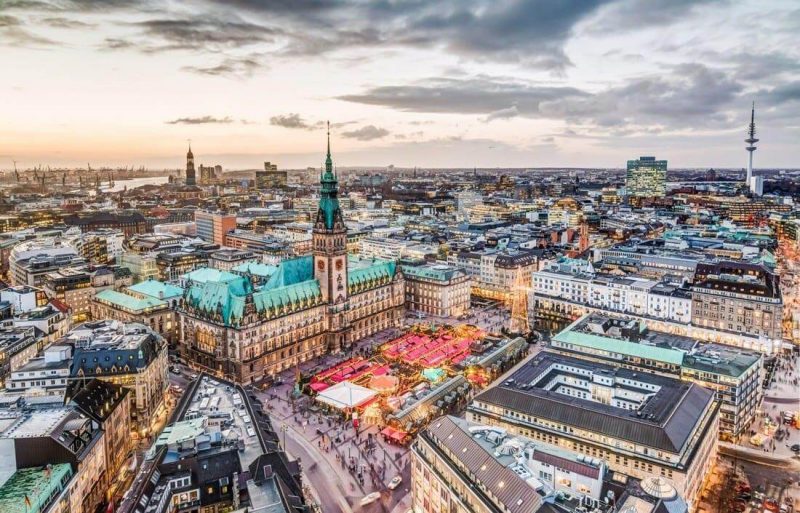
Hamburg is the second-largest city in Germany and a major port city on the Elbe River. It is known for its maritime history, rich cultural scene, and delicious food. The city is home to many popular attractions, including the Elbphilharmonie concert hall, Miniatur Wunderland, and the historic St. Michaelis Church.
COLOGNE
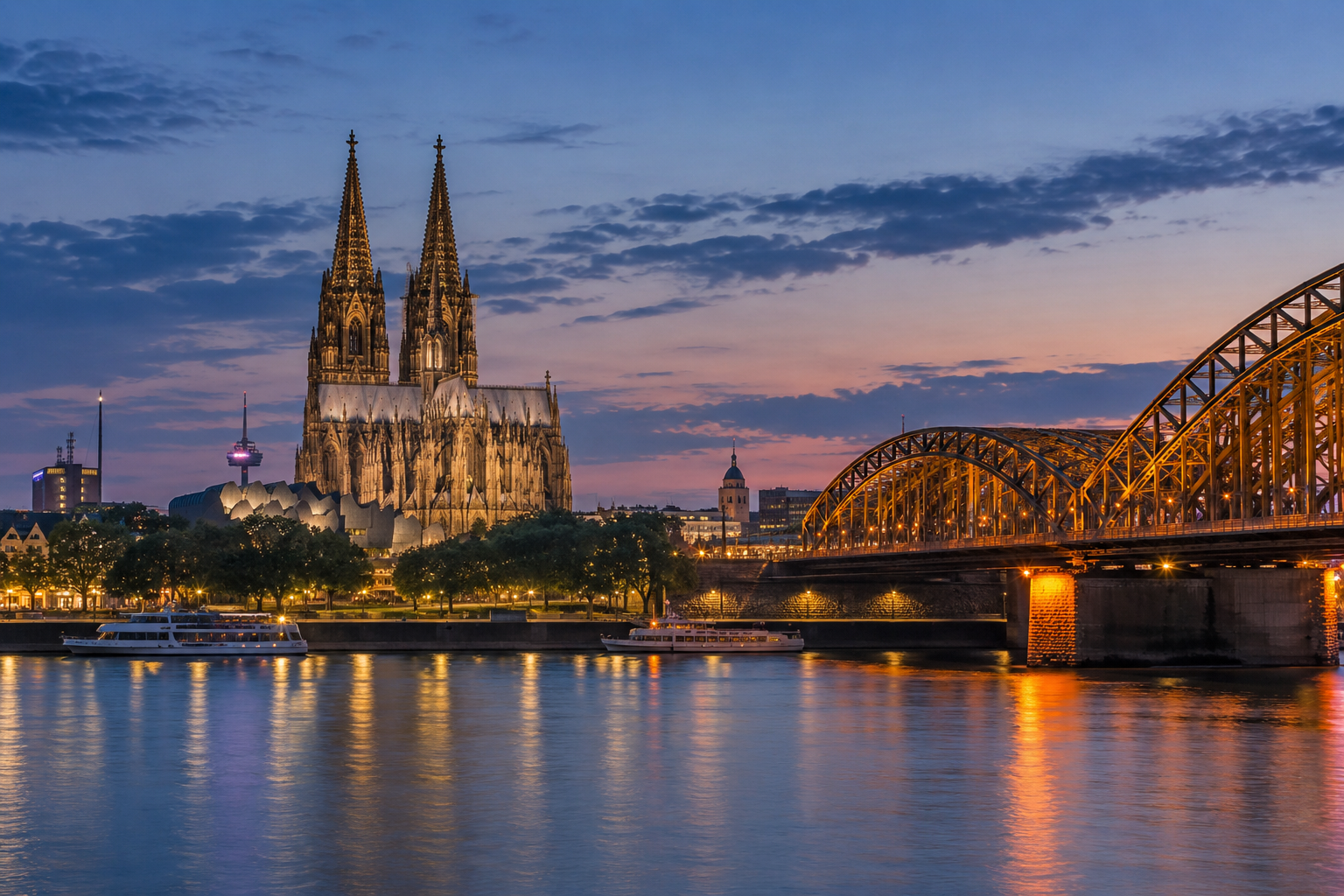
Cologne is a vibrant city in western Germany, known for its stunning Gothic architecture, cultural landmarks, and delicious Kölsch beer. It is home to the impressive Cologne Cathedral, a UNESCO World Heritage Site, as well as many museums and galleries. The city also hosts the annual Cologne Carnival, a festive celebration of local culture.
DRESDEN
Dresden is a picturesque city in eastern Germany, known for its Baroque architecture, rich cultural history, and beautiful natural surroundings. It is home to the impressive Zwinger Palace, the Semperoper opera house, and the Frauenkirche church. The city also offers a range of outdoor activities, including hiking in the nearby Elbe Sandstone Mountains.
The Harzgebirge, or Harz Mountains, is a beautiful mountain range in central Germany, known for its stunning landscapes, picturesque towns, and rich cultural history. The region offers a range of outdoor activities, including hiking, skiing, and mountain biking. It is also home to many historic landmarks, including the famous Wernigerode Castle.
Regenerate response
HEIDELBERG
Heidelberg is a charming university town in southwestern Germany, known for its stunning castle, historic architecture, and scenic location along the Neckar River. It is home to the oldest university in Germany, as well as many museums and cultural institutions. The town also offers a range of outdoor activities, including hiking and cycling.
TRANSPORTATION IN GERMANY
Most of Germany’s bigger cities have an airport. You can even find smaller airports in more remote parts of the country. The most popular airports in Germany however are Frankfurt and Munich.
Within cities the best way to get around is by public transport which is very efficient and will get you to most places you want to visit. Simply take the U-Bahn, S-Bahn or a bus. This should cost around 2-3£ for a one-way ticket. Some cities also have a day and week passes. You will find taxis almost everywhere but these can be expensive. Your ride will usually start at 3.50£ and then increase by 2£ for each kilometer travelled. Uber, a cheaper alternative, is available in Germany in Berlin, Frankfurt, Munich and Düsseldorf.
The bet way to get around Germany is by train. You can access most parts of the country through the rail network. Tickets usually cost 30 to 50 euros for a one-way trip. If you are planning to use the train a lot, you should consider getting a multi-day pass to save some money.
You can also rent a car in Germany, as long as you are over 21 and have a valid driving license. Note that some places might require an International Driving license. You can expect a rental car in Germany to cost about 60£ a day. Renting a car is a great way to explore Germany at your own pace. It is fairly affordable and very practical when you travel with your kids.
BEST TIME OF YEAR TO VISIT GERMANY
You can visit Germany at any time of the year, as so often it really depends what you want to see and do. Always look up date of festivals if this is what you are interested in. The weather in Germany does change across the season though and some parts of the year are busier than others.
Generally the best time of year to visit Germany is said to be spring to fall (so May to October).
You can expect frequent rain shower in spring from May to June, so bring an umbrella if this is when you are planning to visit Germany. But temperature are usually a little warmer than in winter, and Germany isn’t all too crowded yet
The peak season for tourism in Germany is summer. This season is full of great festivals celebrated with music, food, wine and even samba. Summer days in Germany are usually warm with plenty of sunshine. You will want to pack lighter clothes if this is when you are travelling to Germany. Just be aware that attractions will be packed with tourists.
If you want to take part in the Oktoberfest, you will need to travel to Munich between September to early October. In fall the temperatures drop, and the colour of the trees starts to change.
Even though it can get pretty cold in Germany in Winter, especially more Eastern regions, this is a great time of year to visit the country. Everyone should experience a German Christmas market at least once in their life. You can expect snow in certain parts of Germany. Ski resorts are obviously very busy in this season, but other attractions will be less so. However, some places will have restricted opening times or might even be closed. It is a great time of year to go to the to the theatre, an opera or a concert.

ACCOMODATION IN GERMANY
Finding a bed is rarely a problem in Germany and the range of accommodation – from half-timbered hostel to high-rise designer hotel, pension to palace – means there’s something to suit all budgets and tastes. Compared to many other European countries, accommodation in Germany is quite cheap. Cheaper accommodation options range from hostels (which are plentiful, especially in the cities), budget hotels, and Airbnb.
In the past decade the country’s hoteliers have busied themselves updating what was a fairly frumpy hotel stock to at least a nod to contemporary decor, even if that does mean a preponderance of identikit, bland furnishings in cheaper places.
A peculiarly German quirk is the enduring love affair with the sauna and spa or “wellness” centre, which you’ll find even in dated hotels – worth remembering before you thrill to the notion of a “spa hotel”. Another national tradition is the Kurtaxe, which is charged in spa towns and “health” resorts, a definition extended to encompass most coastal resorts. This adds €2–4 to your hotel bill on the grounds that facilities are laid on for the resort’s tourists.
While camping is technically illegal in Germany, you can still find many around that charge from €5-20 ($6-23) per night.
If you’re traveling during national holidays, peak season, or Oktoberfest, we highly recommend that you book your accommodations ahead of time.
The Hotel Louis C. Jacob is a luxurious hotel located in the prestigious Elbchaussee district of Hamburg. With stunning views of the Elbe River and a beautiful park setting, the hotel offers elegant rooms and suites, Michelin-starred dining, and exceptional service. It is a perfect destination for a luxurious and relaxing stay in Hamburg.
The Hotel Walpurgishof is a charming hotel located in the picturesque town of Hahnenklee in the Harz Mountains of Germany. With beautiful views of the surrounding forest and mountains, the hotel offers comfortable rooms, a relaxing spa, and delicious regional cuisine. It is a great base for outdoor activities, including hiking, skiing, and mountain biking..
THINGS TO DO IN GERMANY
Germany is a country with a rich history, vibrant culture, and beautiful landscapes, offering an endless array of activities for visitors to enjoy. Here are some of the top things to do in Germany:
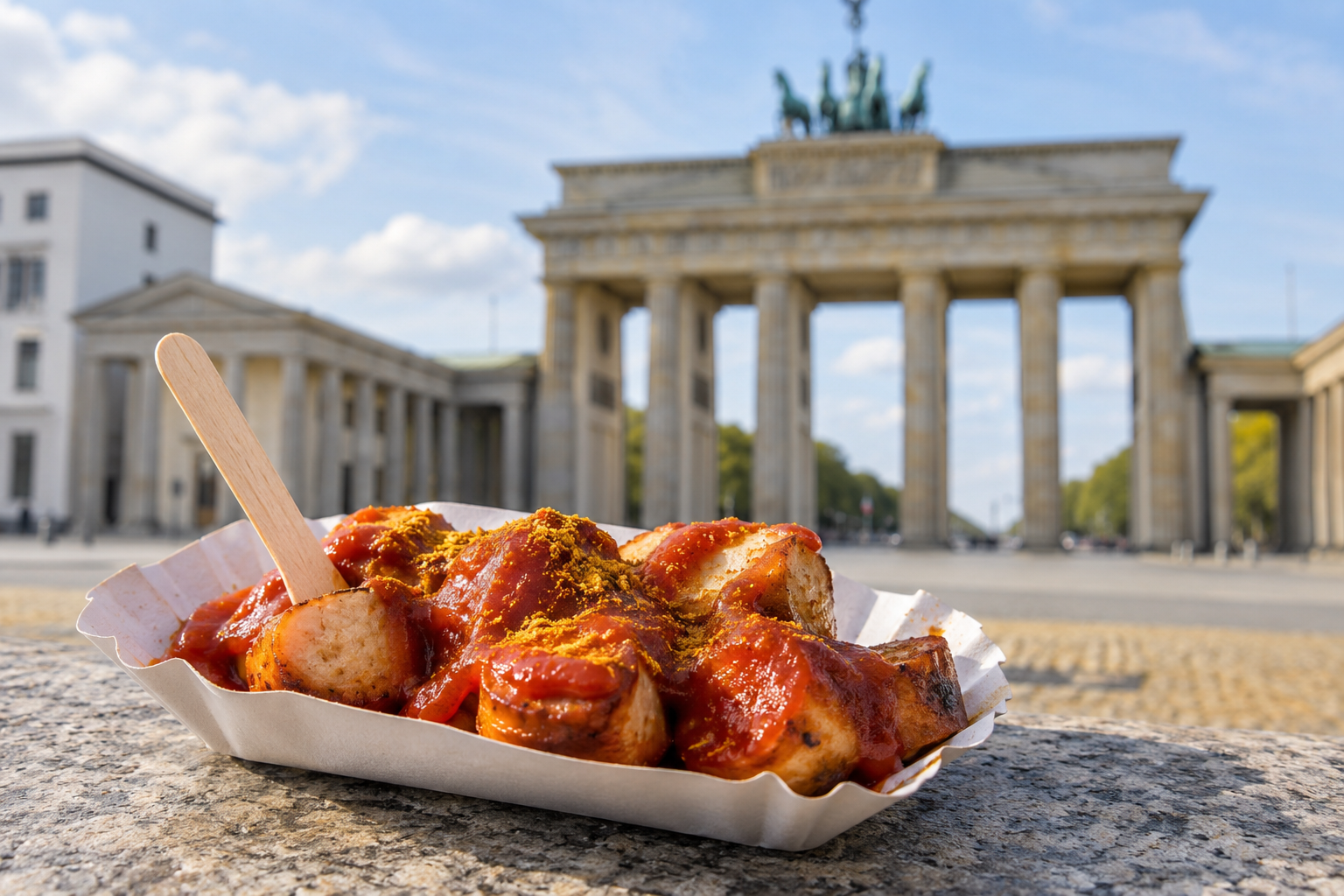
- Visit historic landmarks: Germany is home to many historic landmarks, including the Berlin Wall, Neuschwanstein Castle, Cologne Cathedral, and the Brandenburg Gate.
- Explore natural beauty: Germany offers a range of breath-taking landscapes, from the Bavarian Alps to the Black Forest, as well as beautiful beaches along the North Sea and Baltic Sea coasts.
- Attend festivals and events: Germany hosts many festivals throughout the year, including Oktoberfest in Munich, the Christmas markets in Dresden and Nuremberg, and the Carnival in Cologne.
- Experience the arts and culture: Germany is home to many museums and cultural institutions, including the Museum Island in Berlin, the Frankfurt Museum District, and the Dresden State Art Collections.
- Explore the outdoors: Germany offers many opportunities for outdoor activities, including hiking, cycling, skiing, and water sports.
- Visit charming towns and cities: Germany is home to many charming towns and cities, including Heidelberg, Rothenburg ob der Tauber, and Bamberg, with picturesque architecture, cobbled streets, and a rich cultural history.
With so many things to do in Germany, visitors are sure to have a memorable experience exploring this beautiful country.
Hamburg is a vibrant city with plenty of activities to enjoy during the winter months. From visiting the enchanting Christmas markets to ice skating in Stadtpark, there’s something for everyone. The Elbphilharmonie concert hall and Miniatur Wunderland are also great indoor attractions. Don’t miss out on the delicious winter food, including Glühwein and hearty stews.
The Harz is a beautiful region in Germany that offers plenty of outdoor activities and attractions. In winter, skiing and snowboarding are popular on the Brocken Mountain. In warmer months, hiking and mountain biking are great ways to explore the scenic landscapes. Don’t miss the historic towns of Goslar and Quedlinburg and the unique steam train ride through the mountains.
FAMILY TRAVEL IN GERMANY

If you are wondering where to go in Thailand with kids, then Bangkok, Pattaya, Ao Nang and Phuket are all be great destinations for Thailand holidays with kids.
The people are just superb and very kid friendly which helps make a Thailand holiday with kids very easy. People in Thailand will stand up on trains for families and just help out without you having to ask. However, if your kids are young be prepared for people to keep touching them.
There are many great Thailand activities that cater specifically to kids such as Kidzania in Bangkok. There are also many other kid focused attractions in Thailand such as theme parks, play centres and zoos. Plus the beautiful beaches and pools are sure to be a hit.
Beware that travelling around in a car in Bangkok can be slow going due to the traffic. The skytrain can save some of the traffic drama, but there are lots of stairs which makes it very hard unless your child is old enough to handle this. It is very important in Bangkok to stay somewhere well located to food.
You should not have any problems buying nappies in Thailand . Although the maximum size is 12kg, which might not be big enough for a British 2 year old. the price of nappies and wipes in Thailand is similar to the UK. Baby food, that isn’t just vegetable or fruit puree, is a bit more difficult to come by. And the formula looks a bit different to that sold in Europe.
FOOD TO TRY IN GERMANY
Germany isn’t particularly well know for it’s food, especially compared to its neighbours such as France, Italy and Spain. When most people think of German food, the main dish that comes to mind are sausages. But German cuisine isn’t only made up of meat. Some of Germany’s most traditional dishes are some of our favourite things to eat. If you are planning a trip to Germany you should consider trying some of the following:
Bratwürste: If there is one meat to mention, it has to be the famous Bratwurst sausage that everyone knows and loves! No matter where you are in Germany, you can find a delicious Bratwurst to feast on, with the best supposedly coming from Nürnberg.
Spätzle: A delicious (and completely vegetarian!) dish to come out of Germany! One of the most famous dishes, Spätzle is a kind of pasta, consisting of eggs, flour, salt and a splash of fizzy water to fluff up the dough. Sounds too simple right? Try it as a side dish or topped with a heap of cheese as a main and you’ll be amazed!
Maultaschen: A delicious ravioli dish, Maultaschen parcels can be packed with minced meat, sauerkraut, spinach or anything that takes your fancy! Whether you eat them boiled or fried, as a side or as a main, this is heaven on a plate.
Pretzel: Ahh the German pretzel, a simple yet mouth-watering creation! Twisted into a bracelet shape with a brown crust that is crisp and glossy and a doughy inside, these bad boys can be found everywhere in Germany ready to devour.
Okinawa offers a variety of activities and attractions for visitors to enjoy. From exploring the historical sites of Shuri Castle and the Okinawa Peace Memorial Park, to enjoying the beautiful beaches and water sports, such as snorkeling and scuba diving. Visitors can also experience Okinawan culture through traditional performances, cuisine, and crafts..
WHAT TO PACK FOR YOUR GERMANY TRIP

If you are planning a trip to Germany consider packing a variety of clothes to suit all weather conditions. You should expect it to rain at any time of the year, so a good rain jacket is an essential.
It is always a good idea to pack a variety of layers to suit all weather conditions. Bring several items of clothes that you can wear other each other when it is cold but that are also suitable to be worn separately when it gets warm. German nights can be chilly at any time of the year and if you are in the Bavarian Alps you can expect cool mornings as well.
Germany can get very cold in winter. Especially in ski resorts and around Eastern Germany. So make sure to pack warm clothes if this is the season you are planning a trip to Germany for.
Additional items you might want to consider packing are sunglasses for sunny days (especially if you are going to be outside), some comfortable waterproof shoes (especially if you want to go hiking), and a collapsible water bottle.
When it comes to footwear, comfortable and waterproof shoes are essential, especially if you plan on exploring the great outdoors or hiking in the mountains. Sunglasses are also a must for sunny days, especially if you’re planning to spend time outside.
Finally, consider bringing a collapsible water bottle to stay hydrated while you’re out and about. Not only is it better for the environment, but it’s also a convenient way to make sure you always have water on hand. With a little bit of planning, you can pack the right clothes and gear to ensure a comfortable and enjoyable trip to Germany.
When traveling to Europe, it’s important to wear the right shoes for the cobblestone streets. Flat, comfortable shoes with a rubber sole are recommended to provide grip on the uneven surface. Avoid high heels or shoes with a smooth sole to prevent slipping. Ankle boots or sneakers are a good choice for both comfort and style.
When packing for a hiking trip, it’s important to bring the right gear to ensure a safe and enjoyable experience. Essential items include a sturdy pair of hiking boots or shoes, a backpack to carry gear, plenty of water and snacks, a map and compass or GPS device, and appropriate clothing for the weather. Other useful items include a first aid kit, sunscreen, insect repellent, and a headlamp or flashlight in case of low light conditions.
Best Guide Books for Germany
Planning a trip to Germany can be overwhelming with so many things to see and do. To make the most of your time and experience all that Germany has to offer, it’s essential to have a reliable source of information.
On this blog we try to cover as much information as we can and provide information based on our own experience travelling to Germany. Since we have now travelled to this beautiful country several times, we are able to cover quite a bit of ground.
While travel blogs can provide a wealth of information, they often cannot compare to the convenience and comprehensiveness of a good guidebook. Guidebooks offer detailed information about a country’s history, culture, attractions, and transportation systems, as well as maps, recommendations, and insider tips from experts. They can be easily carried around and referred to at any time, even when you don’t have access to the internet.
There are many guidebooks available for Germany, each with its own unique style and features. Below we have highlighted some of the best guidebooks for Germany, to help you plan your trip and get the most out of your visit to this amazing country.