
Written by Katharina Mungall
Travel writer, photographer and architect
We visited Shirakawa-go from Takayama on our first trip to Japan. I had pictured the steep thatched roofs, the mountain backdrop and a day of peaceful pottering. I had not pictured spending three hours in holiday traffic and nearly missing the bus home, which was a rather efficient lesson in the difference between an itinerary and reality.
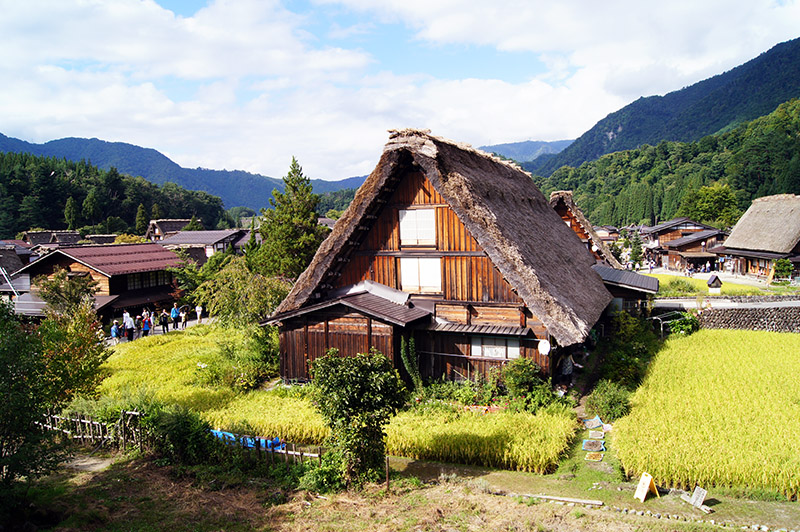
But I’m still glad we went. Ogimachi, the main village at Shirakawa-go, is compact enough for a day trip and unlike anywhere else on our route. The gassho-zukuri houses aren’t film-set scenery: people still live here, and that changes how you should visit.
This guide covers what to do in Shirakawa-go in one day, how long you need, current bus fares and admission prices, and the timing mistake I wouldn’t repeat. It’s based on our own visit, with practical details checked against official sources in September 2026.
Shirakawa-go day trip: the quick answer
Is it worth visiting? Yes, if traditional architecture, mountain scenery and small historic settlements interest you. I wouldn’t sacrifice most of Kyoto for it, but it fits beautifully between Takayama and Kanazawa.
How long do you need? The tourist association says two to three hours to walk around the village. Allow four to five if you want the viewpoint, lunch and the inside of one or two houses without trotting about like an anxious tour flag.
What does it cost? Walking around Ogimachi is free. Individual houses currently charge ¥300–¥400 per adult; the Gassho-zukuri Minkaen open-air museum is ¥600.
Best starting points: Takayama is about 50 minutes away by bus. Current Kanazawa services generally take around 75–85 minutes.
Is Shirakawa-go worth visiting on a day trip?
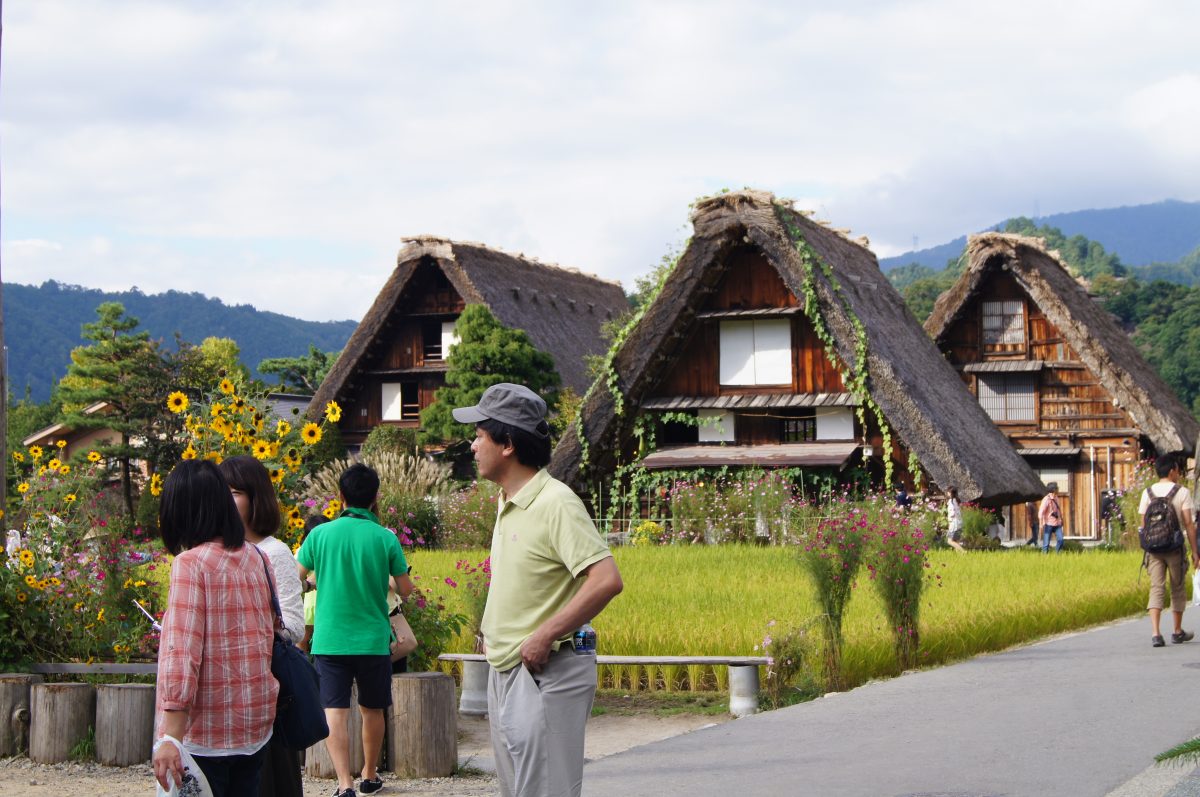
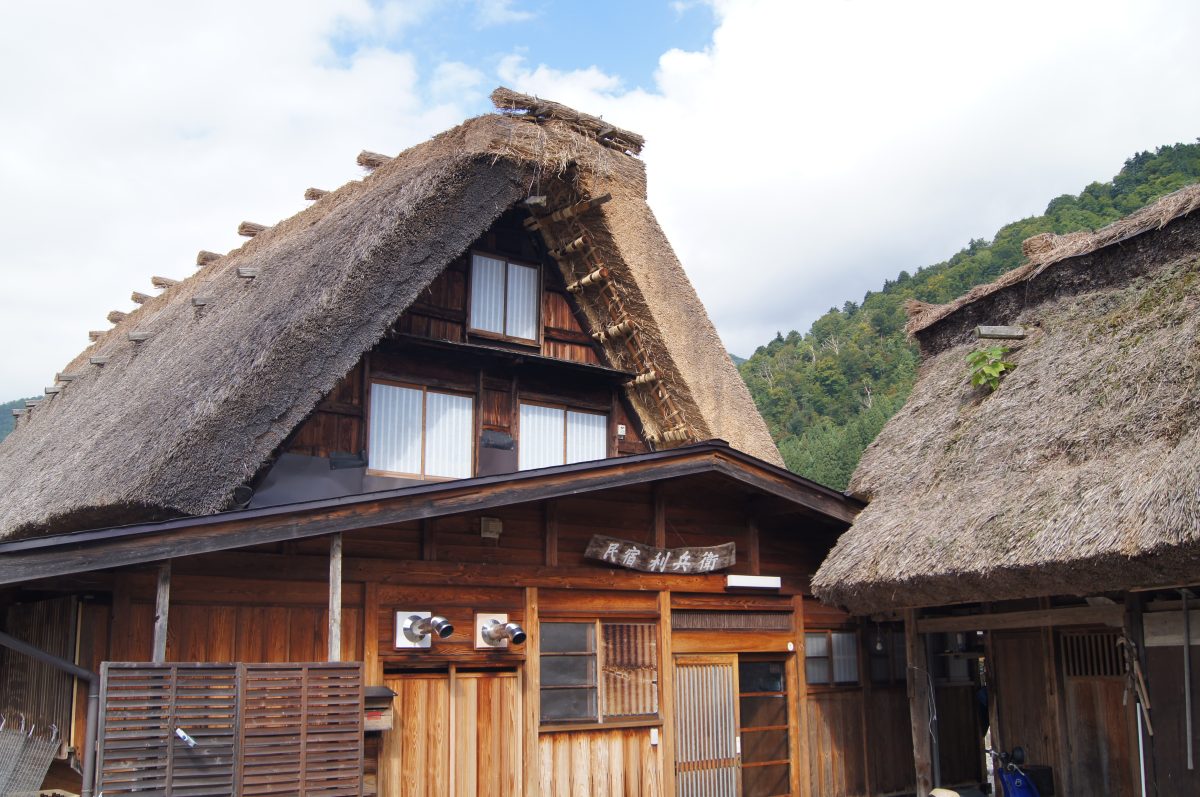
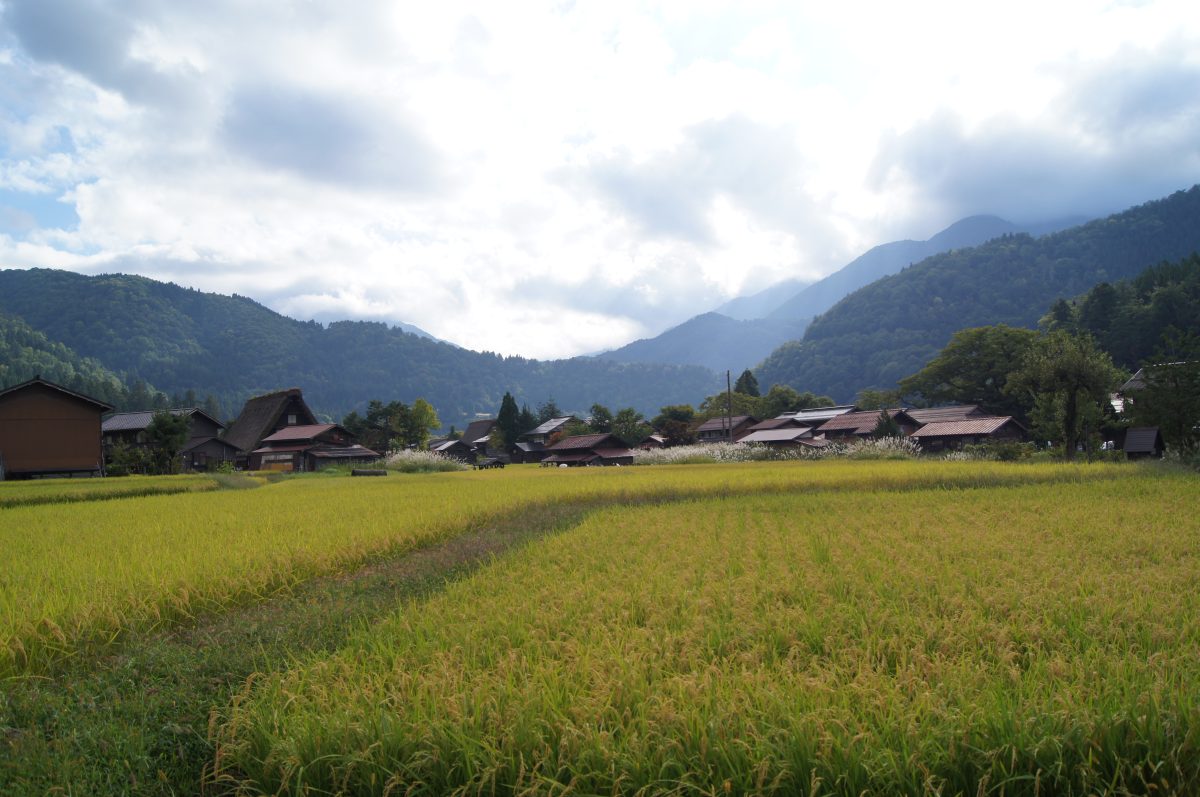
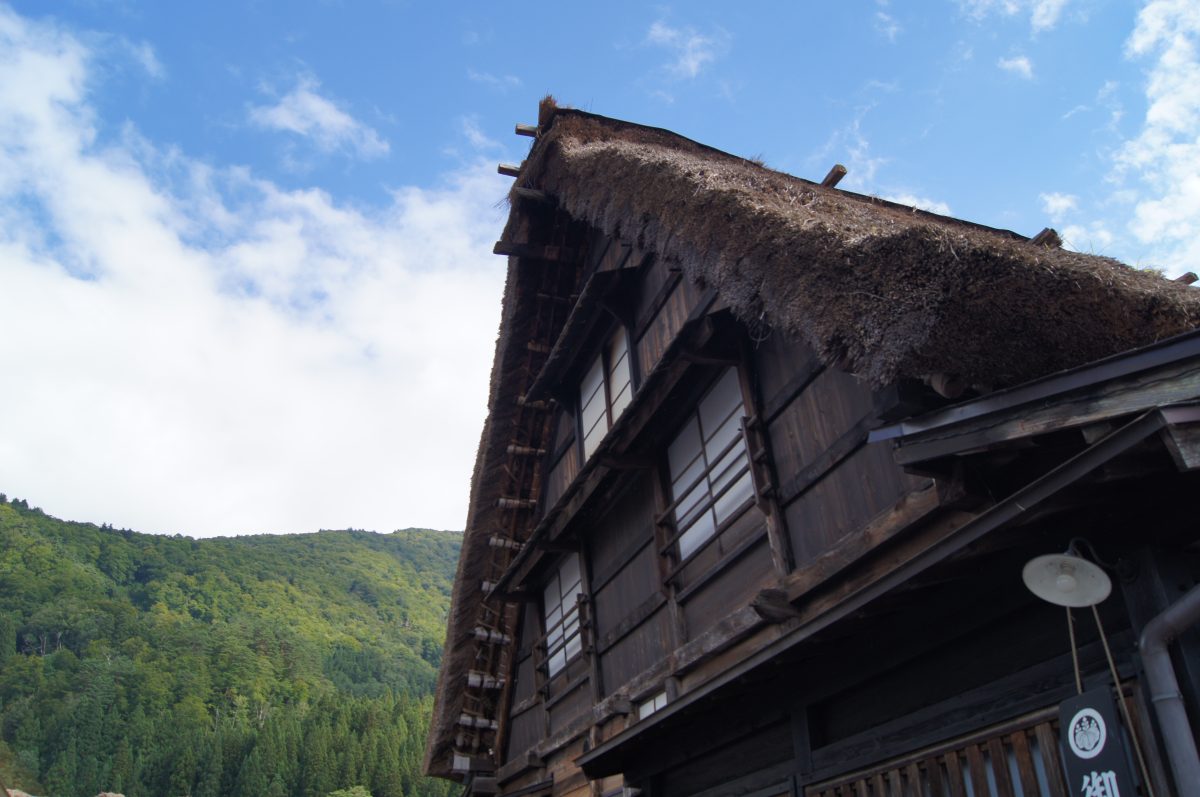
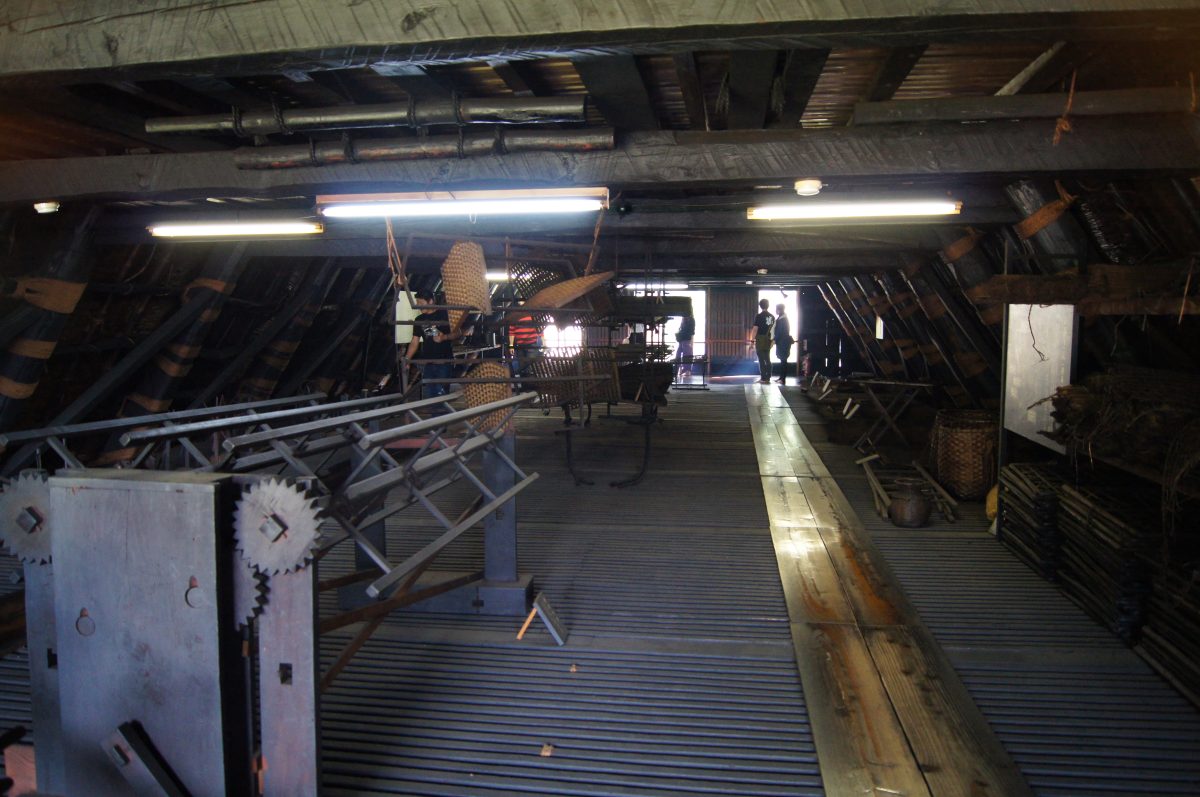
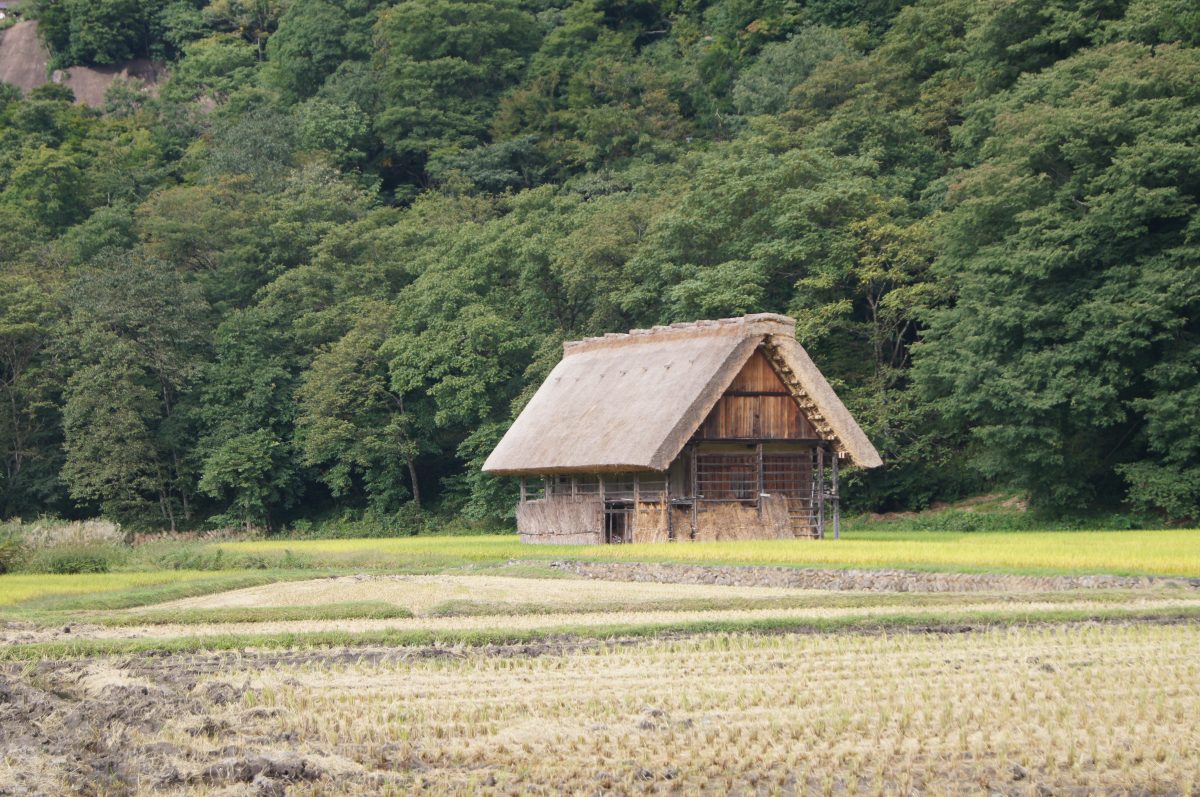
Yes. Shirakawa-go is worth a day trip because the landscape and architecture make sense together. The roofs are steep for a reason: this is a heavy-snowfall region, and their triangular form helps shed the weight. The name gassho-zukuri refers to hands pressed together in prayer. Inside, the upper floors were traditionally used for sericulture, so those handsome roof spaces were working parts of the house rather than decorative lofts designed to impress future Instagram users.
Ogimachi is one of three historic villages included in UNESCO’s Historic Villages of Shirakawa-go and Gokayama World Heritage Site, inscribed in 1995. More than 100 large and small gassho buildings remain in Shirakawa-go, and many are still homes. That is the appeal, but also the boundary: this is a lived-in settlement, not an architectural theme park.
The trade-off is popularity. You’re not discovering an unknown mountain hamlet, and the central lanes can be busy. Go early, enter at least one farmhouse and look beyond the famous wide view. If all you do is arrive at noon, take the photograph and leave, you’ll have seen Shirakawa-go without learning very much about it.
On a longer trip, it sits naturally between our two days in Takayama and one-day Kanazawa itinerary. Our wider two-week Japan itinerary shows how we fitted the village into the route.
A realistic one-day Shirakawa-go itinerary
Choose your return bus before you plan the sightseeing. Then work backwards. That sounds unromantic, but the final bus is considerably less moved by a lovely photograph than you’re likely to be.
| Time after arrival | Plan | Why it works |
|---|---|---|
| 0:00–0:35 | Wada House and the northern end of Ogimachi | Wada House is beside the bus terminal and gives you useful context before the village becomes only a collection of roofs |
| 0:35–1:20 | Shiroyama viewpoint | Walk uphill or use the paid shuttle from near Wada House; go early before the day becomes busier |
| 1:20–2:20 | Walk south through Ogimachi and choose one more house | Kanda, Nagase and Myozenji each add something different, but visiting every interior is unnecessary |
| 2:20–3:10 | Lunch | Most village restaurants concentrate on daytime service, so don’t leave lunch until everything is winding down |
| 3:10–4:15 | Deai Bridge and the open-air museum, or a slower final walk | The museum is worthwhile if you want more interiors; otherwise use the time to explore without manufacturing a race |
| Final 30 minutes | Return to the bus terminal | Collect any luggage, find the correct queue and leave margin for the journey onwards |
Start at Wada House
Wada House is one of the largest gassho-zukuri houses in Ogimachi and a nationally designated Important Cultural Property. The Wada family served as village leaders and traded silk products and an ingredient used in gunpowder. The first and second floors are open, while the building remains a home.
This is the interior I’d prioritise if your time is short. Seeing the hearth, timber structure and upper floor stops the houses from becoming pretty triangles viewed at a distance. Adult admission is currently ¥400, paid in cash, and the published hours are 9am–5pm with irregular closing days.
See Ogimachi from the Shiroyama viewpoint
The viewpoint gives you the familiar panorama across the roofs and valley. You can walk uphill in roughly 20 minutes from the bus-terminal area, or take the paid shuttle from in front of Wada House. The shuttle normally runs at 20-minute intervals with a break around noon.
The current Japanese timetable and 2026 visitor map list the shuttle at ¥300 one way, paid in cash. That reflects the rise from ¥200 introduced in October 2024, although the official English FAQ still shows the old fare. I’d budget ¥300 and confirm it at the stop. Also, private vehicles aren’t allowed up to the viewpoint.
Walk through Ogimachi
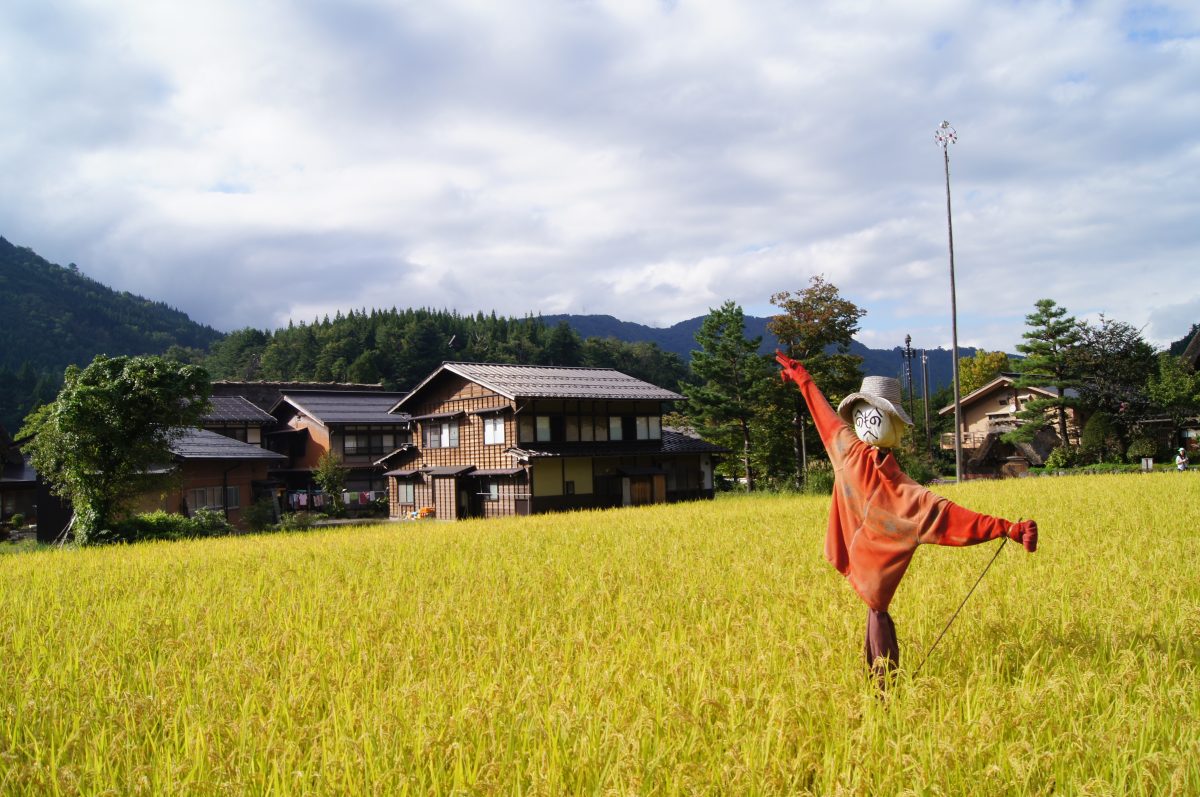
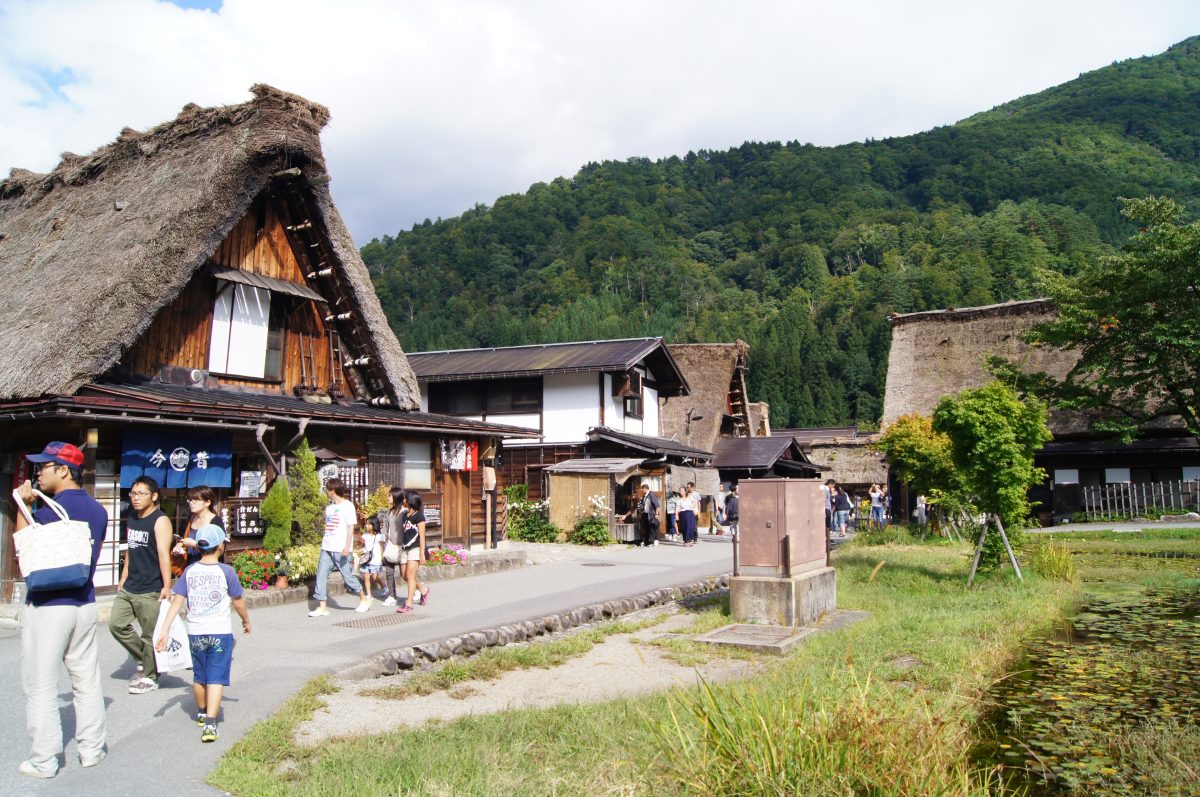
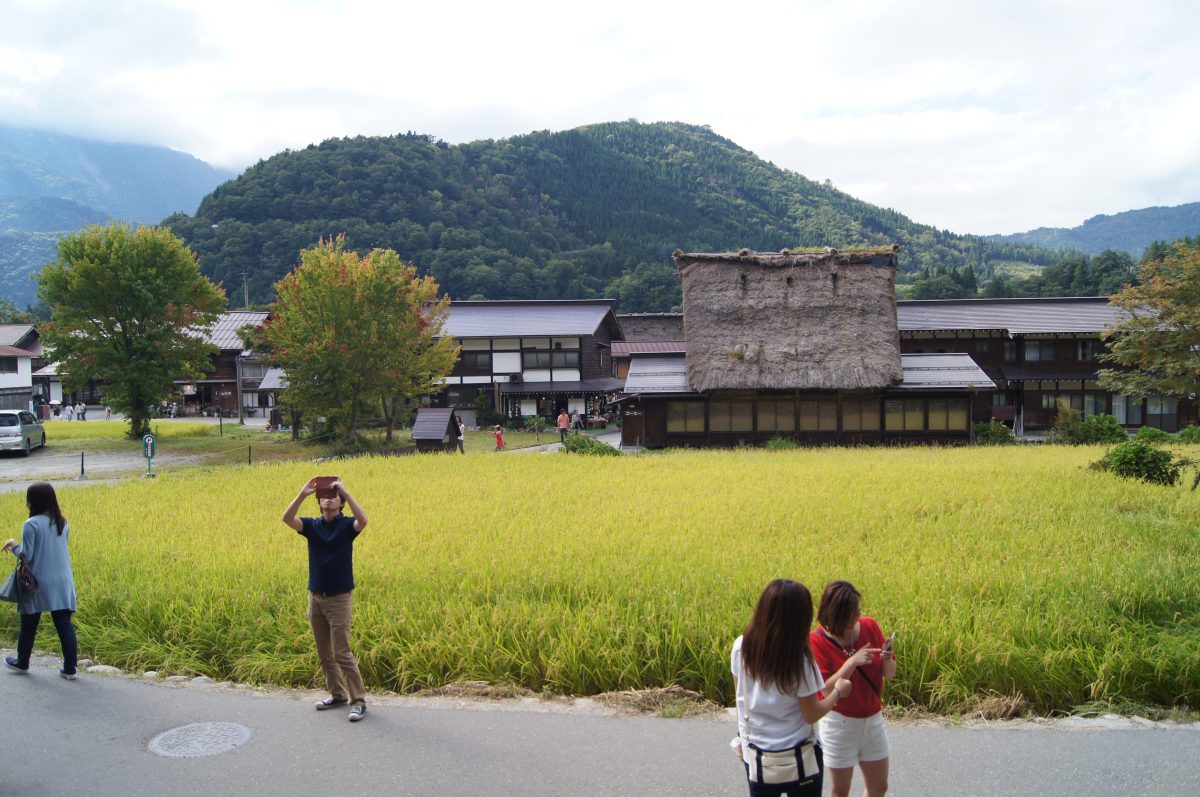
Ogimachi is the main settlement most people mean when they say Shirakawa-go. Walk south from Wada House through the central lanes, but remember that many buildings are private homes. Stay on public paths, don’t enter fields or gardens for a cleaner angle, and take your rubbish with you; the village doesn’t provide public bins.
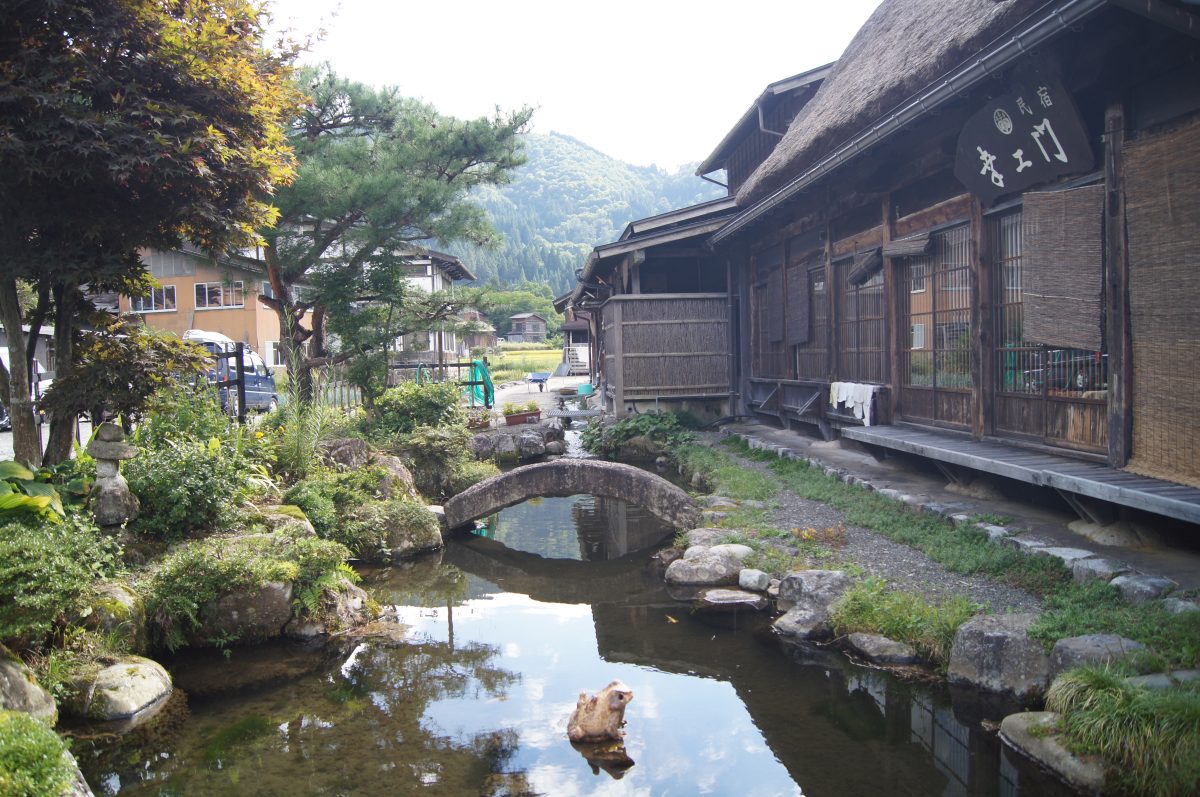
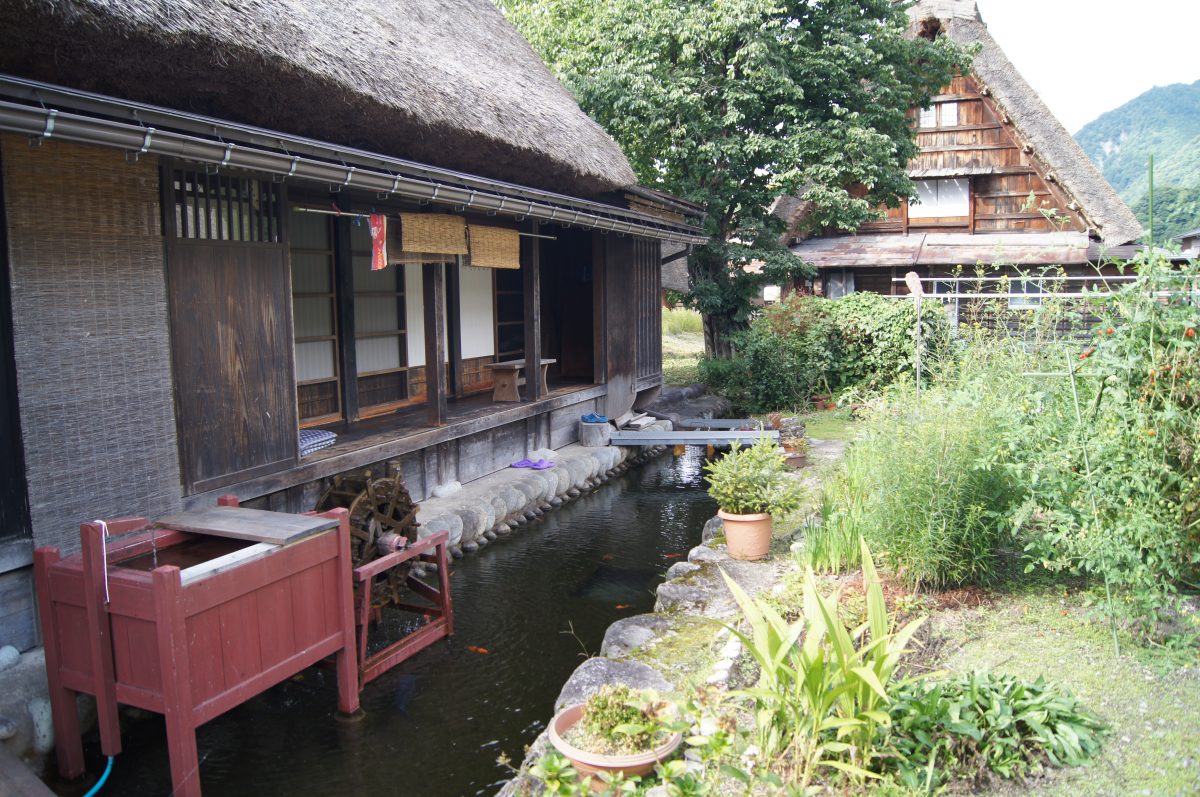
Look at the houses from the side as well as head-on. The thick thatch, long rooflines, water channels and cultivated plots explain far more about the village than the single postcard view. I’m quite capable of taking 27 versions of the same roof, so this advice is offered with some experience.
Choose one more historic house
You don’t need to pay for every open house. Pick one according to what interests you.
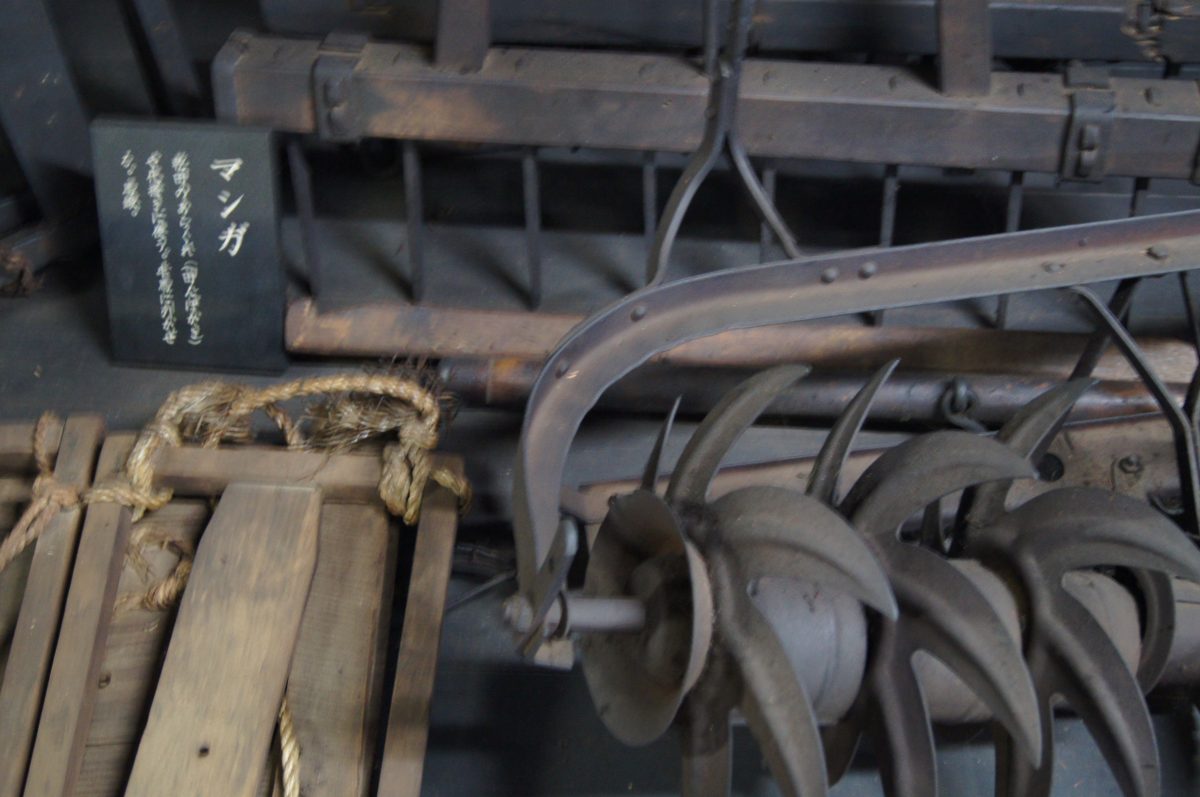
- Kanda House has four floors and displays tools connected with silk cultivation. Adult admission is ¥400; published hours are 9am–4pm.
- Nagase House is a five-storey farmhouse associated with a family of doctors. It contains household, craft and medical objects. Adult admission is ¥300; published hours are 9am–5pm.
- Myozenji Museum forms part of an unusual thatched temple complex. Adult admission is ¥300. It opens from 8.30am–5pm from April to November and 9am–4pm from December to March.
All three may close irregularly, so check the official Shirakawa-go attraction listings before choosing one. Two interiors are ample for most day trips. By the fourth, even excellent roof joinery starts competing with the whereabouts of lunch.
Add the Gassho-zukuri Minkaen open-air museum if you have time
The open-air museum stands across the Deai Bridge on the parking side of the river. Historic buildings moved from elsewhere in Shirakawa have been preserved here, and several interiors are open. It is less hurried than the central lanes and a good addition if the construction and domestic history interest you more than souvenir shops.
Adult admission is currently ¥600. It opens from 8.40am–5pm from March to November and 9am–4pm from December to February; last admission is 20 minutes before closing. It is open daily from April to November and normally closes on Thursdays from December to March, with a holiday adjustment. Allow about an hour.
Current Shirakawa-go prices and opening hours
These figures were checked against the relevant official bus, village and attraction pages on 23 September 2026. Irregular closures are common and winter conditions can change plans, so recheck shortly before travelling.
| Item | Adult price | Published hours or journey time |
|---|---|---|
| Walking around Ogimachi | Free | Allow 2–3 hours for a basic circuit |
| Wada House | ¥400 | 9am–5pm; irregular closures |
| Kanda House | ¥400 | 9am–4pm; check the current closing day |
| Nagase House | ¥300 | 9am–5pm; irregular closures |
| Myozenji Museum | ¥300 | 8.30am–5pm Apr–Nov; 9am–4pm Dec–Mar |
| Gassho-zukuri Minkaen open-air museum | ¥600 | 8.40am–5pm Mar–Nov; 9am–4pm Dec–Feb |
| Shiroyama viewpoint shuttle | ¥300 one way | Every 20 minutes; cash; no service during most of the noon hour |
| Takayama–Shirakawa-go bus | ¥2,800 one way | About 50 minutes; some services require reservations |
| Kanazawa–Shirakawa-go bus | ¥2,800 one way | Usually about 75–85 minutes; many services require reservations |
| Seseragi Park ordinary-car parking | ¥2,000 | 8am–5pm; last entry 4.30pm |
How to get to Shirakawa-go
From Takayama
The direct bus leaves from Takayama Nohi Bus Center beside JR Takayama Station. The scheduled journey takes about 50 minutes and the current adult fare is ¥2,800 each way. Some departures require reservations and others don’t; the official Nohi Bus timetable marks reserved services with an “R”.
Book a reserved departure when you can, especially at weekends, on national holidays and during winter. Nohi Bus warns that traffic, snow or road closures can produce delays of two hours or more. We managed three. I’d have preferred not to test the upper end of that warning personally!
From Kanazawa
Direct buses connect Kanazawa Station and Shirakawa-go. Current scheduled journeys are generally around 75–85 minutes and cost ¥2,800 one way. Most useful departures are reservation-only, so this isn’t the leg on which to cultivate an air of spontaneity.
Visiting en route between Takayama and Kanazawa can be efficient, provided your seats and luggage plan are settled. Shirakawa-go Bus Terminal has coin lockers, but space is finite. The official visitor FAQ currently lists small and medium lockers at ¥500 between 8am and 5pm.
By car
Use Seseragi Park Parking Lot rather than attempting to drive through Ogimachi. Ordinary-car parking is currently ¥2,000, open from 8am–5pm with last entry at 4.30pm. You then cross the Deai Bridge into the village.
Driving gives you flexibility, but not immunity from queues. Congestion at the car park is one of the reasons the bus operator warns of severe delays. In winter, mountain-road conditions add another variable.
How long do you need in Shirakawa-go?
Two to three hours is enough to walk through Ogimachi, enter one house and see the viewpoint. Four to five hours is better. That gives you time for lunch, two interiors and either the open-air museum or a leisurely wander without watching the clock every seven minutes.
An overnight stay changes the experience because the village grows quieter after the day buses leave. You can stay in a traditional minshuku, including some gassho-style houses, but accommodation is limited and should be booked early. We visited as a day trip; I’d consider one night on a future journey if the village itself were a priority.
When is the best time to visit Shirakawa-go?
Winter supplies the famous deep-snow image, but it isn’t the only season worth considering. Spring brings fresh green fields, summer gives you long daylight for walking, and autumn colours the surrounding mountains. We visited without snow and still found the setting distinctive enough to justify the journey.
Snow also brings cold, slippery paths and a greater chance of transport disruption. The annual winter light-up is a separate, tightly managed event rather than an ordinary evening visit; parking, transport and viewpoint access require the appropriate advance reservation. Do not arrive after dark with optimism and a woolly hat and assume it will work itself out.
The last bus matters more than getting the photograph
We travelled on a national holiday and spent about three hours stuck in traffic. The delay ate into our time in the village and left us alarmingly close to missing the bus back to Takayama. At the time, I had concentrated on what we would see. I had not given quite enough respect to the one part of the day capable of stranding us in the mountains.
I’d still include Shirakawa-go in the trip. But I’d take an early reserved bus, avoid a public holiday if possible and leave a generous buffer before any onward train or final service. Also, save the return timetable offline. Mountain scenery is excellent company; it’s less useful as a transport adviser.
Practical tips for your Shirakawa-go day trip
- Reserve the buses marked “R” on the official timetable, and make the return journey part of the plan rather than an end-of-day surprise.
- Arrive early if you can. The lanes, viewpoint and open houses become busier through the middle of the day.
- Carry cash for smaller attractions and the viewpoint shuttle.
- Choose one or two house interiors. Their displays overlap, and more isn’t automatically more illuminating.
- Wear shoes suited to slopes, steps and changeable weather. Historic houses may have steep interior stairs.
- Keep your rubbish with you. There are no public bins around the village.
- Remember that many buildings and plots are private. Stay on public paths and ask before photographing people at close range.
- Leave at least an hour of slack before an important onward connection. I arrived at this recommendation through field research of the least elegant kind.
Where to go after Shirakawa-go
For the neatest Central Japan route, place Shirakawa-go between Takayama and Kanazawa. Takayama deserves its own time rather than being reduced to a bus platform, while Kanazawa gives you gardens, samurai districts and a different kind of historic city.
If you’re building a wider Japanese Alps itinerary, our one-day Matsumoto guide and honest account of Jigokudani Monkey Park without snow cover the Nagano side. The connections take planning, but together these stops form a much more coherent route than collecting isolated day trips from Tokyo.
Shirakawa-go day trip FAQ
Is Shirakawa-go worth visiting?
Yes, particularly if you’re already travelling between Takayama and Kanazawa and enjoy traditional architecture or mountain scenery. It’s popular and can be crowded, but entering a farmhouse and allowing four to five hours makes the visit far more rewarding than a quick photograph.
Is one day enough for Shirakawa-go?
Yes. One day is enough for Ogimachi, the Shiroyama viewpoint, one or two historic houses, lunch and the open-air museum. Stay overnight only if you want to experience the village after the day-trippers leave or sleep in a traditional minshuku.
How long should you spend in Shirakawa-go?
The official tourist association suggests two to three hours to walk around the village. Allow four to five hours for a comfortable day trip with the viewpoint, lunch and several interiors.
Is Shirakawa-go free to visit?
Walking around Ogimachi is free. Individual historic houses currently charge ¥300–¥400 per adult, while the Gassho-zukuri Minkaen open-air museum charges ¥600.
How do you get from Takayama to Shirakawa-go?
Take the direct bus from Takayama Nohi Bus Center. It is scheduled to take about 50 minutes and currently costs ¥2,800 one way. Some departures require advance reservations, so check the live Nohi Bus timetable.
Is Shirakawa-go worth visiting without snow?
Yes. The roofs, working village and mountain setting are interesting in every season. Snow creates the most famous view, but warmer months make walking easier and reveal the fields, water channels and surrounding greenery.
Is it better to visit Shirakawa-go from Takayama or Kanazawa?
Takayama is the shorter journey at about 50 minutes by bus. Kanazawa usually takes around 75–85 minutes. If your route includes both cities, visit Shirakawa-go between them and continue onwards, provided you reserve the relevant buses and have a workable luggage plan.
Can you stay overnight in Shirakawa-go?
Yes. Ogimachi has guesthouses and traditional minshuku, including some gassho-style accommodation. Rooms are limited, so book well ahead, especially for winter and busy weekends.
Our final verdict
Shirakawa-go earned its place in our Japan route. The houses are extraordinary, but the visit becomes more meaningful when you step inside one, notice how the village still works and give yourself time beyond the viewpoint.
Would I go again? Yes. I’d simply do it with an earlier bus, a reserved seat and considerably less confidence in the power of a neat schedule. Visit for the architecture and the valley. Just let the timetable have the final word.
Would you prioritise the viewpoint, the village houses or the open-air museum?