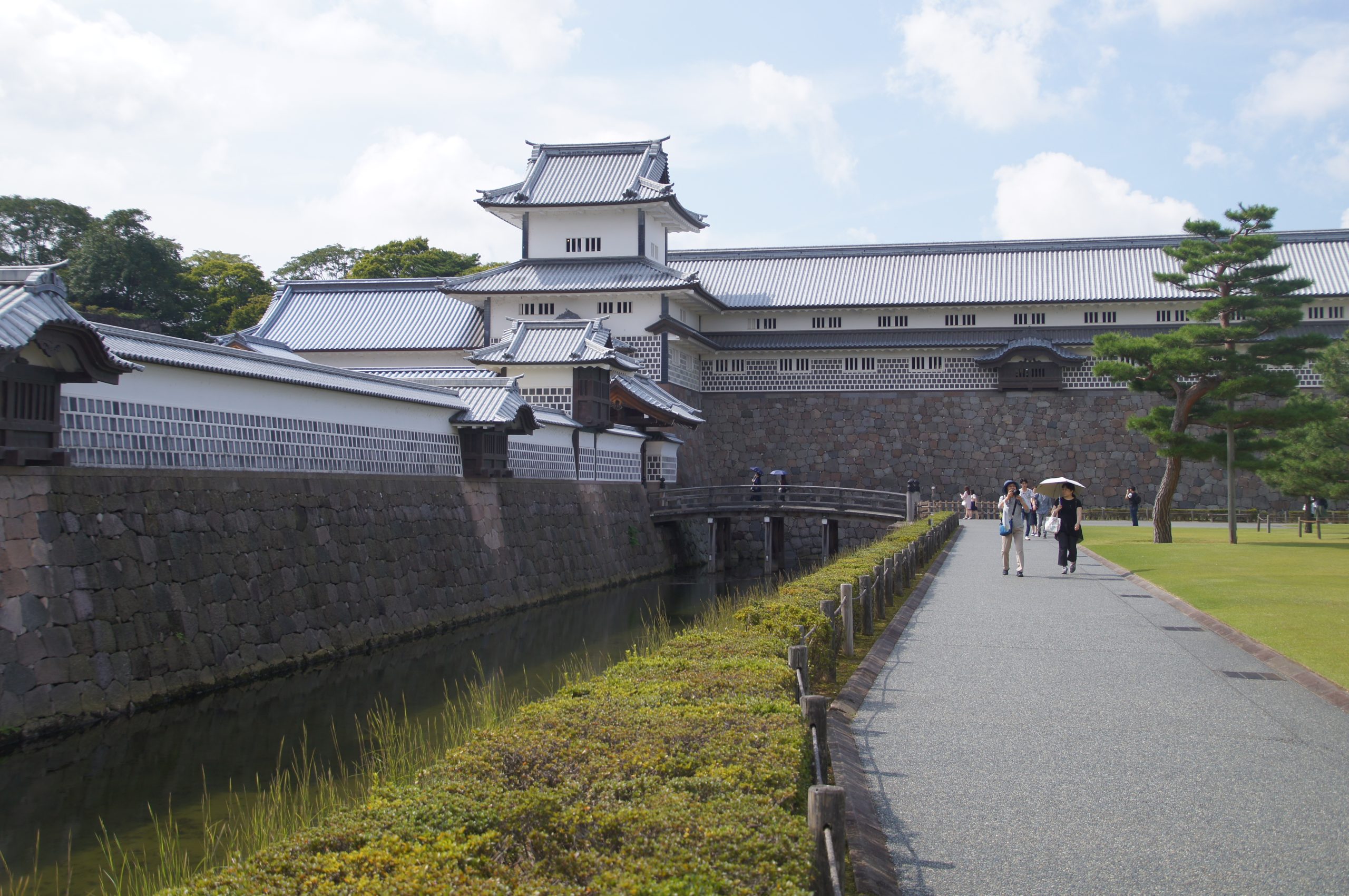
Gary and I arrived in Kanazawa after a long day that had already included Matsumoto Castle. Sensible people might have checked into their hotel and had a rest. We went to another castle.
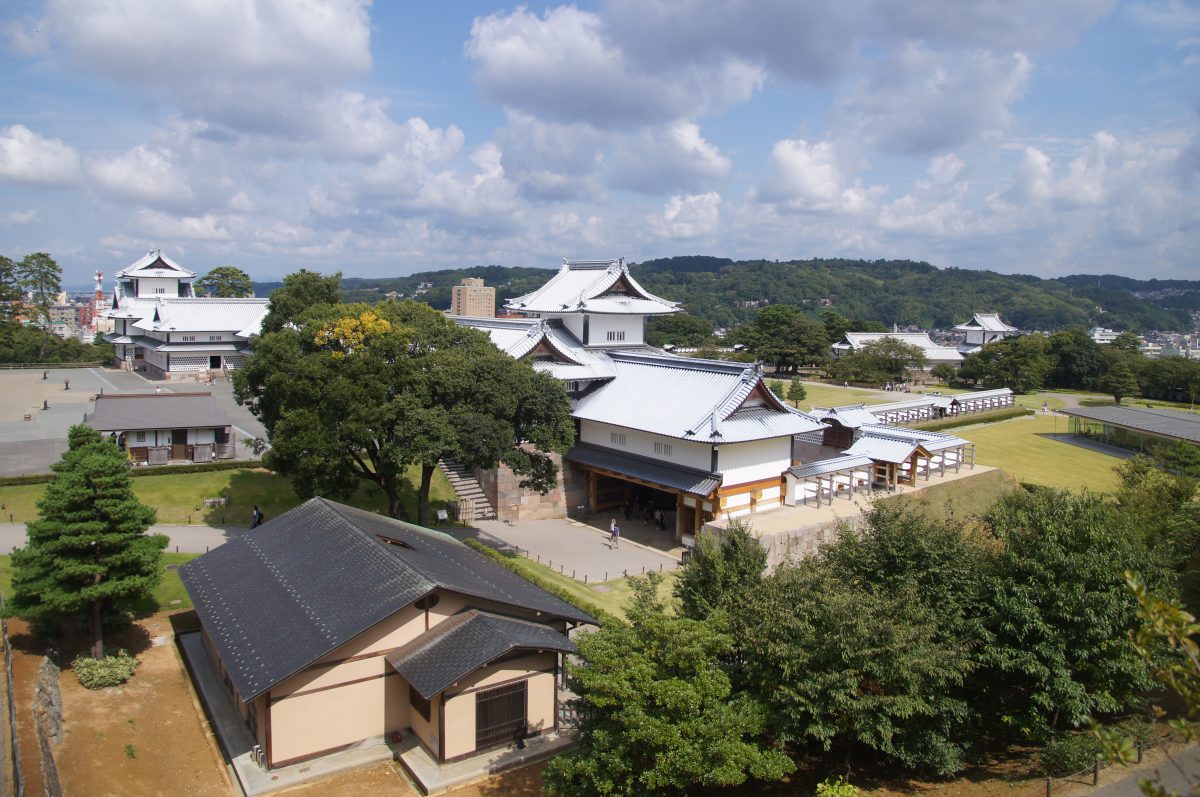
Kanazawa Castle was our first substantial stop in the city. I expected the broad lawns, white walls and gates to be the memorable part. But, as an architect, I became far more interested in the displays explaining how the reconstructed timber buildings had been assembled. Apparently even I can be distracted from a photogenic exterior by a sufficiently good roof joint!
Kanazawa Castle Park is the former Maeda stronghold in central Kanazawa, directly beside Kenroku-en. My short answer is yes, it’s worth visiting, particularly if you enjoy architecture, gardens or the awkward business of rebuilding history faithfully. The park is free and the paid interiors cost only ¥320 for adults. Just do not arrive expecting an intact keep like Himeji or Matsumoto. Kanazawa’s original keep disappeared centuries ago.
We visited in September 2017. I rechecked prices, opening hours, access and current reconstruction work against official sources on 25 September 2026.
Kanazawa Castle: the quick answer
Worth visiting? Yes. Go for the gates, stone walls, timber reconstruction and spacious grounds rather than a surviving castle keep.
How long? Allow 45–60 minutes for a free walk through the park, or 90 minutes to two hours if you enter the paid buildings and look at the displays properly.
What does it cost? The grounds are free. Entry to Hishi-yagura, Gojikken-nagaya and Hashizume-mon Tsuzuki-yagura is ¥320 for adults. A ¥500 Kenroku-en+1 ticket covers those buildings and Kenroku-en.
Best pairing: Visit Kenroku-en on the same half-day. If time is tight, I would give the garden longer and use the free castle route.
One warning: Kanazawa Castle is an active reconstruction site. The Ninomaru Palace project began in 2025 and Phase 1 is due to continue until fiscal year 2033, while earthquake-damaged stone walls are also being restored.
Kanazawa Castle admission, opening hours and practical facts
| Japanese name | Kanazawa-jō (金沢城) |
| Address | 1-1 Marunouchi, Kanazawa, Ishikawa 920-0937 |
| Park admission | Free |
| Paid buildings | ¥320 adults, ¥100 ages 6–17, free for under-6s and visitors aged 65+ with ID |
| Combination ticket | ¥500 for the paid castle buildings plus Kenroku-en |
| Park hours | 7am–6pm, 1 March–15 October; 8am–5pm, 16 October–end of February |
| Early-walk entry | From 4am, 5am or 6am depending on the month; some facilities are unavailable before regular hours |
| Paid building hours | 9am–4.30pm, last entry 4pm |
| Closed days | None listed for the park or paid buildings |
| Time needed | 45–60 minutes outside; 90 minutes–2 hours with the interiors |
| From Kanazawa Station | About 25 minutes on foot, or take a bus to the Kenrokuen Garden/Kanazawa Castle Park stop and walk about 5 minutes |
| Free English guidance | Walk-up service, generally 9.30am–3.30pm except over New Year; no advance reservations |
| Parking | No general visitor car park; limited accessible parking is available |
Is Kanazawa Castle worth visiting?
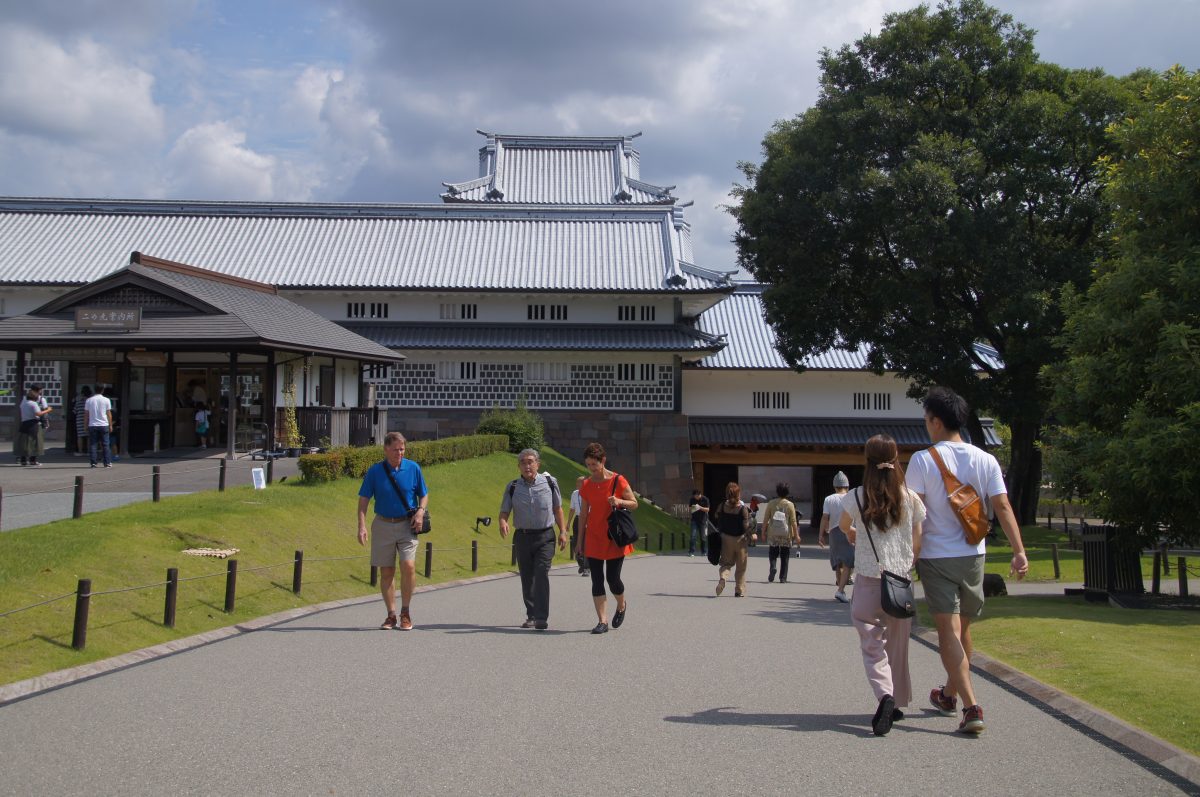
Yes, but it is worth visiting for different reasons from Himeji Castle or Matsumoto. Those two give you original keeps, steep staircases and the slightly bruising pleasure of moving through spaces built for people with smaller feet. Kanazawa gives you a much broader complex of lawns, gates, moats, storehouses and carefully reconstructed timber buildings.
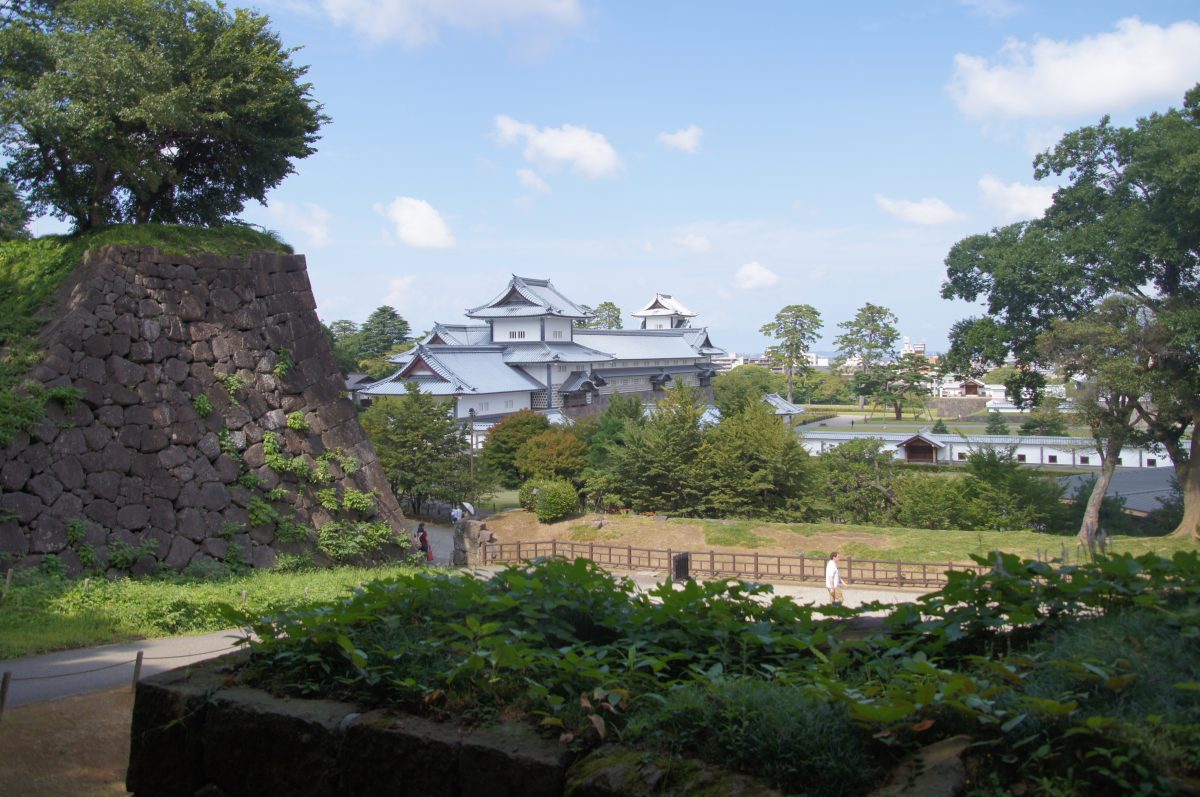
The absence of a keep will disappoint you if that is the only part of a Japanese castle you want to see. It’s not hidden behind the next wall. It burned after a lightning strike in 1602 and was never rebuilt. But the surviving Edo-period structures, changing styles of stonework and modern reconstructions tell a more complicated story than one photogenic tower.
It’s also unusually easy to fit into a day in Kanazawa. The grounds cost nothing, the main route sits beside Kenroku-en and you can shorten or lengthen the visit without feeling you have wasted an expensive ticket.
What our visit to Kanazawa Castle was actually like
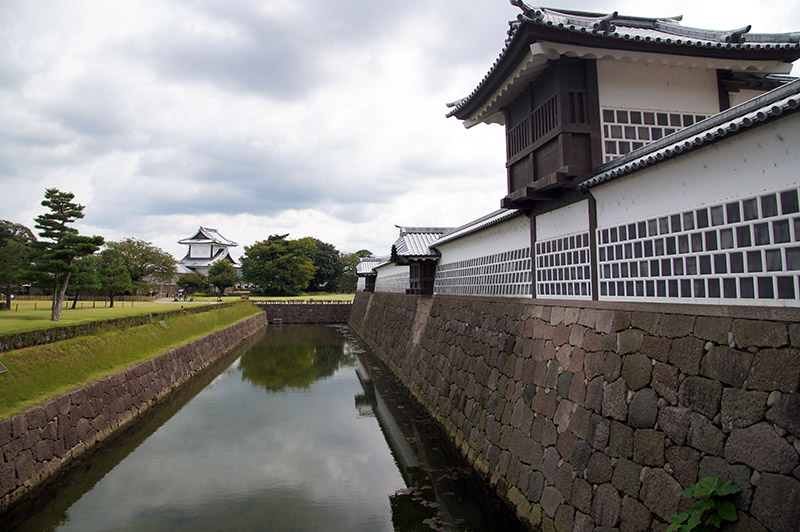
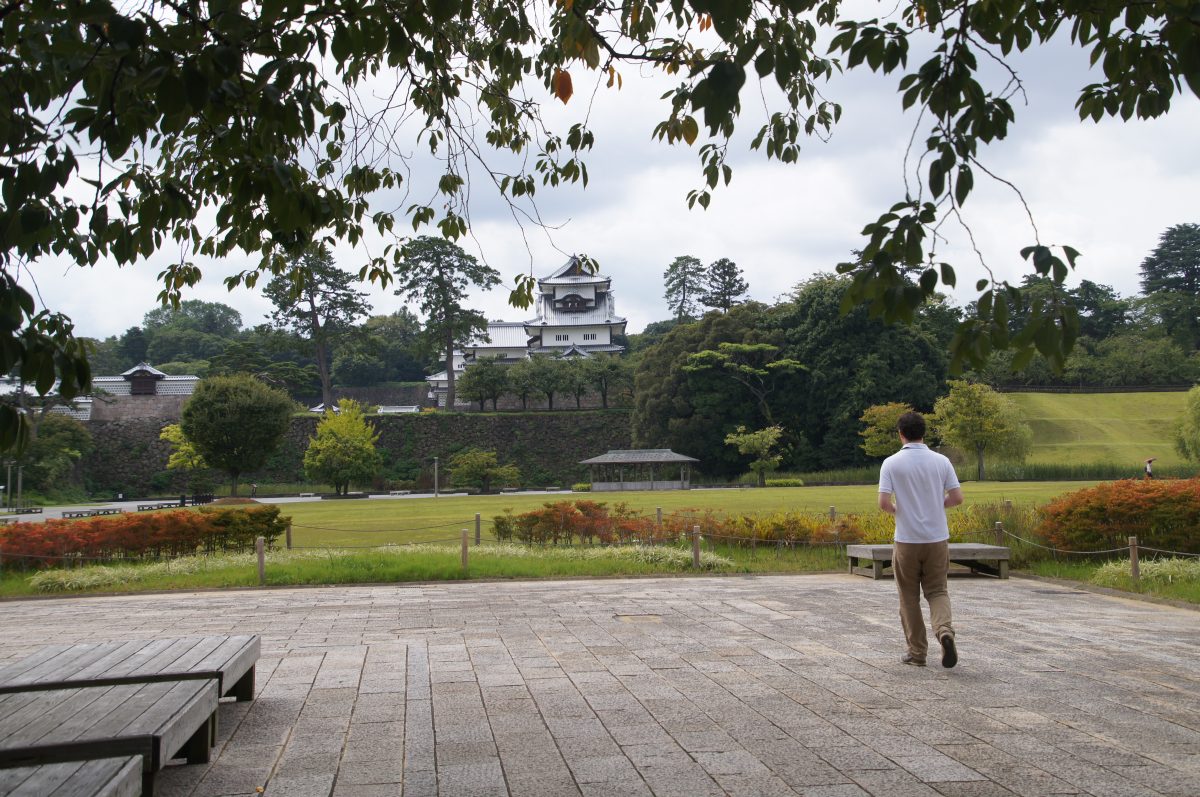
We visited in September, after travelling from Tokyo to Matsumoto and then continuing west to Kanazawa. The castle was busy. There was scaffolding in places too, which became something of a recurring character in that Japan trip.
At the time, we assumed the work we kept encountering around the country was preparation for 2020. Some of it may well have been. I would not now pretend I can assign every pole and sheet of mesh to a particular project nine years later. What I do remember is that the work did not swallow the whole site.
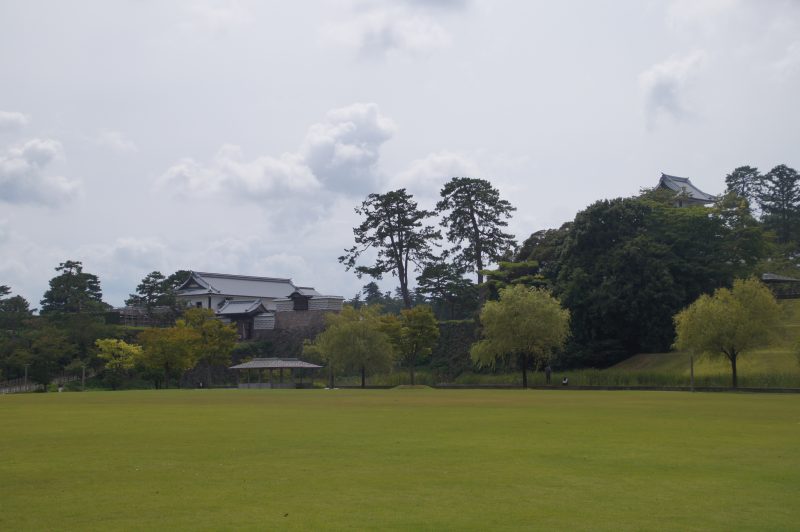
The park still felt relaxing despite the crowds and construction. I remember telling my mum it was relaxing, but not so relaxing that I became bored. This is not a recognised scale used by Japanese heritage authorities, sadly, but it remains a fairly accurate review.
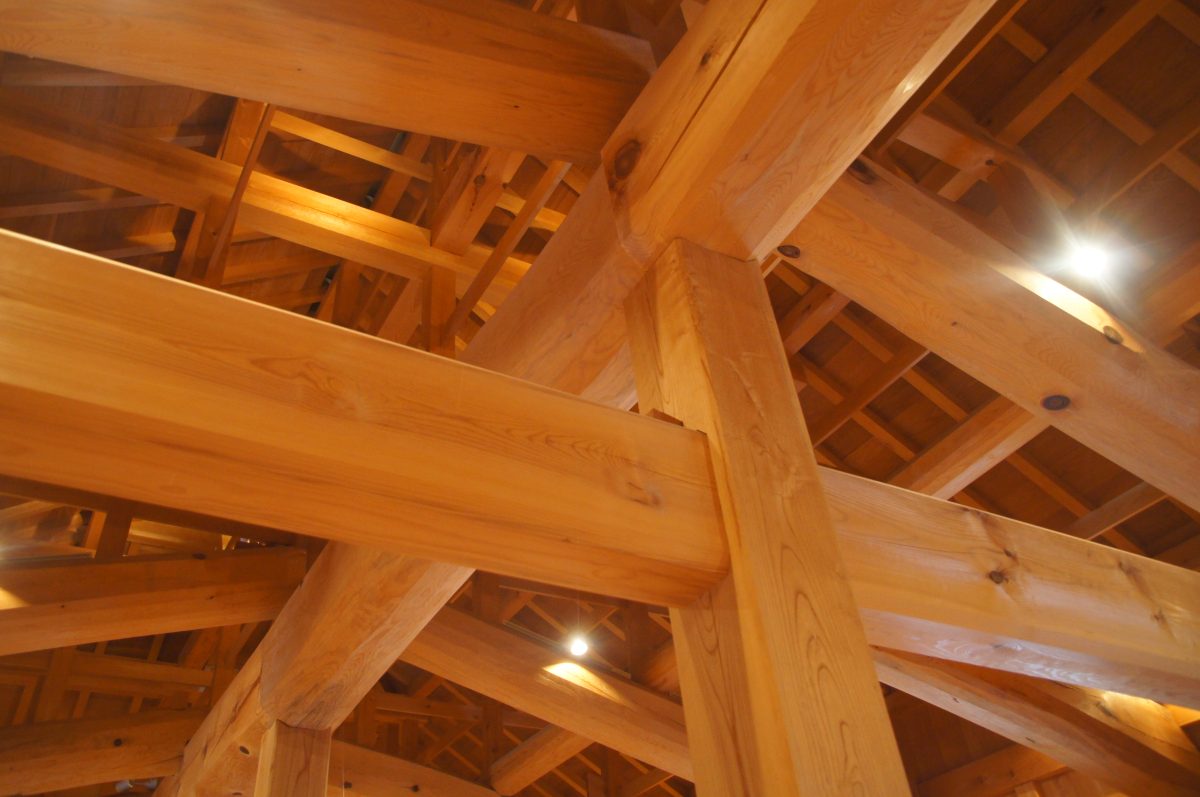
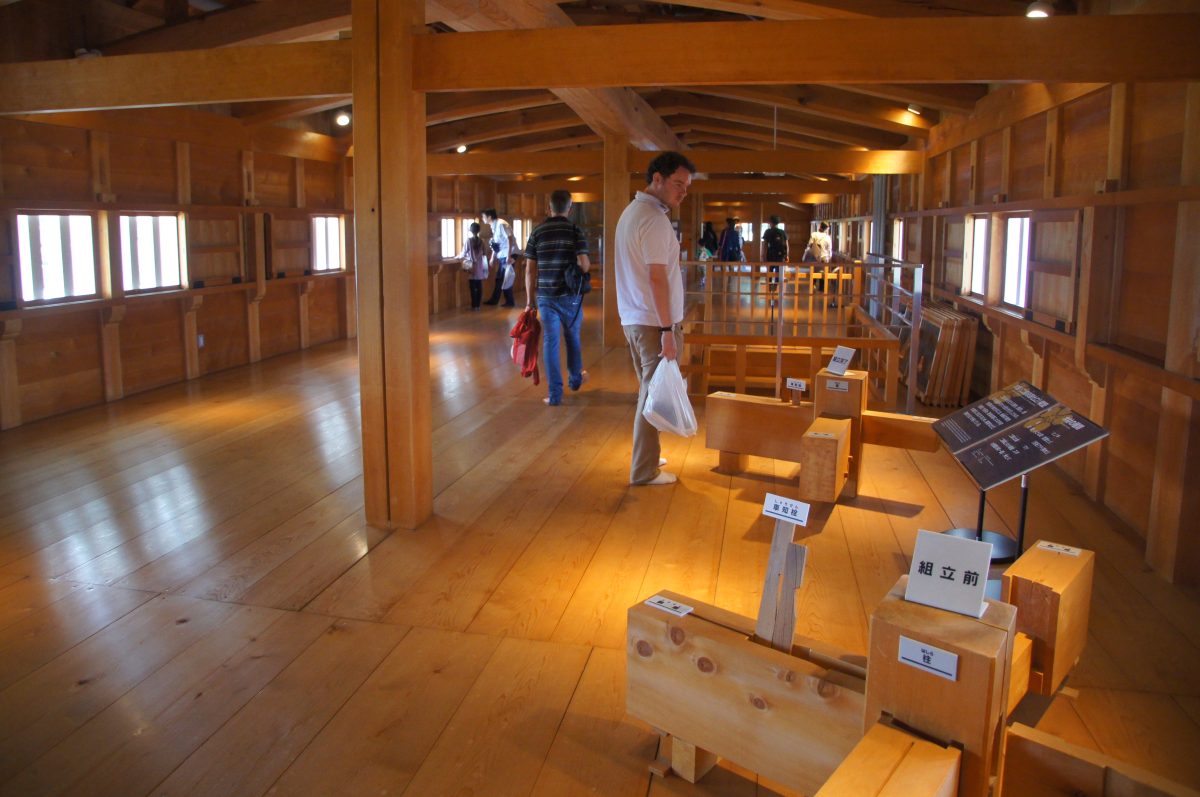
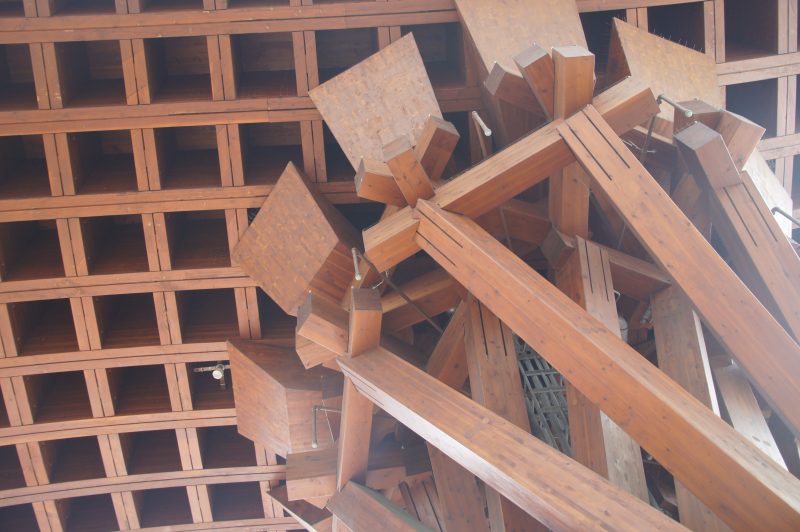
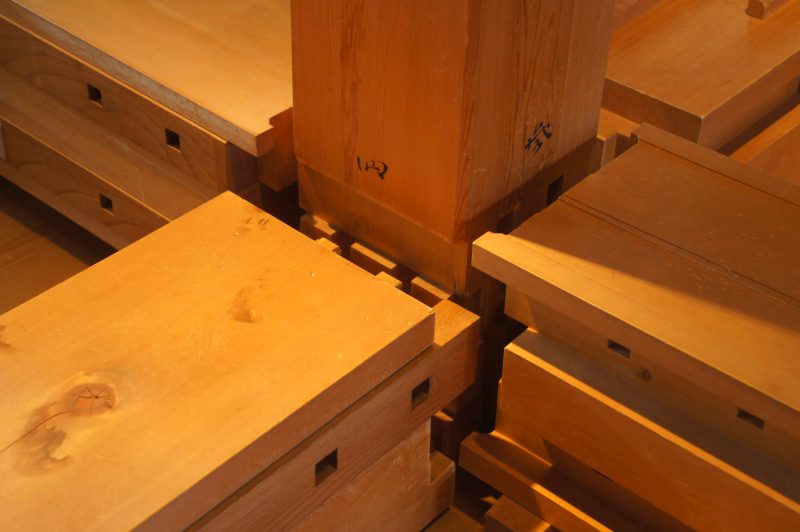
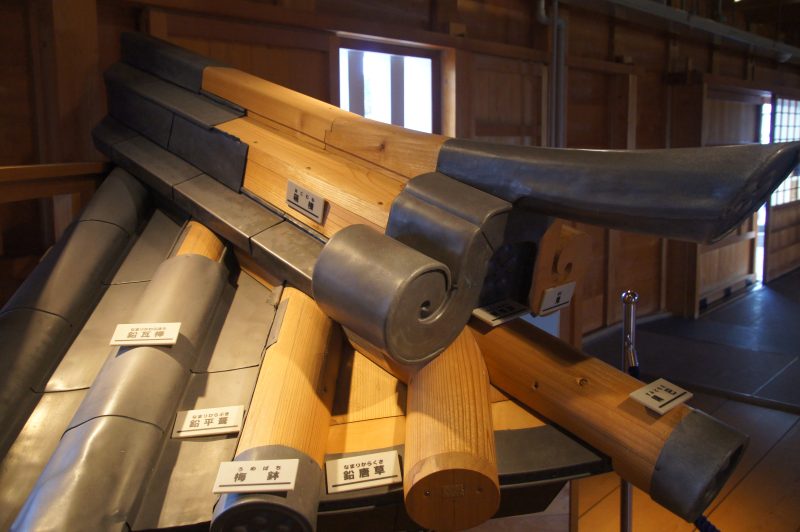
Inside, the building-technique displays changed the visit for me. Reconstructed interiors can feel bare once you have admired the outside. Here, seeing the timber frame, joints and models made the empty volume legible. You could understand how the architecture stood up, not merely that it looked handsome in white plaster.
After the castle we stopped for gold-leaf ice cream, crossed into Kenroku-en and continued through a day that eventually included tea at Shigure-tei, Omicho Market, Nagamachi and Higashi Chaya. You can follow the full order in our one-day Kanazawa itinerary. It was an ambitious day. Our arrival at Higashi Chaya after many of the shops had closed provides the evidence.
Is Kanazawa Castle original or reconstructed?
Kanazawa Castle is partly historic and partly reconstructed. Maeda Toshiie took the site in 1583 and the Maeda family developed the castle and its surrounding town for generations. Fire repeatedly altered the complex. The keep vanished in 1602, major buildings burned again in 1631 and 1759, and an 1881 blaze destroyed most of what remained in the Ninomaru area. The official castle history sets out that rather combustible timeline in more detail.
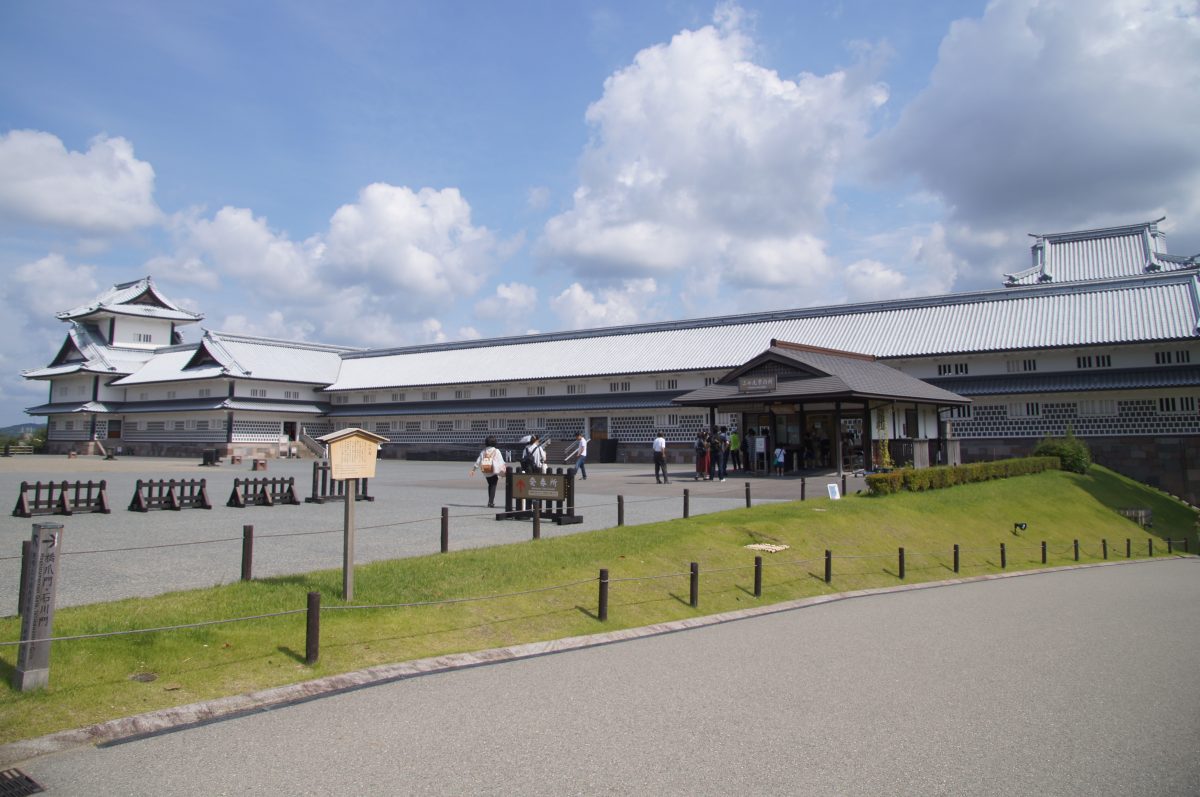
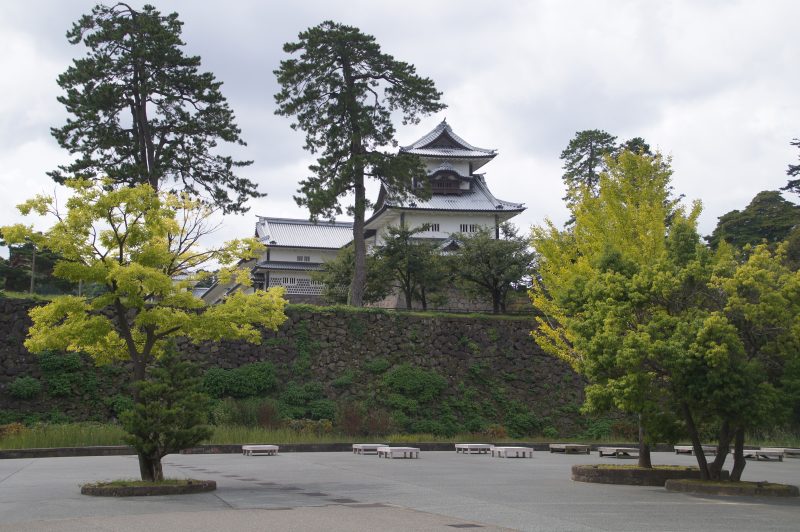
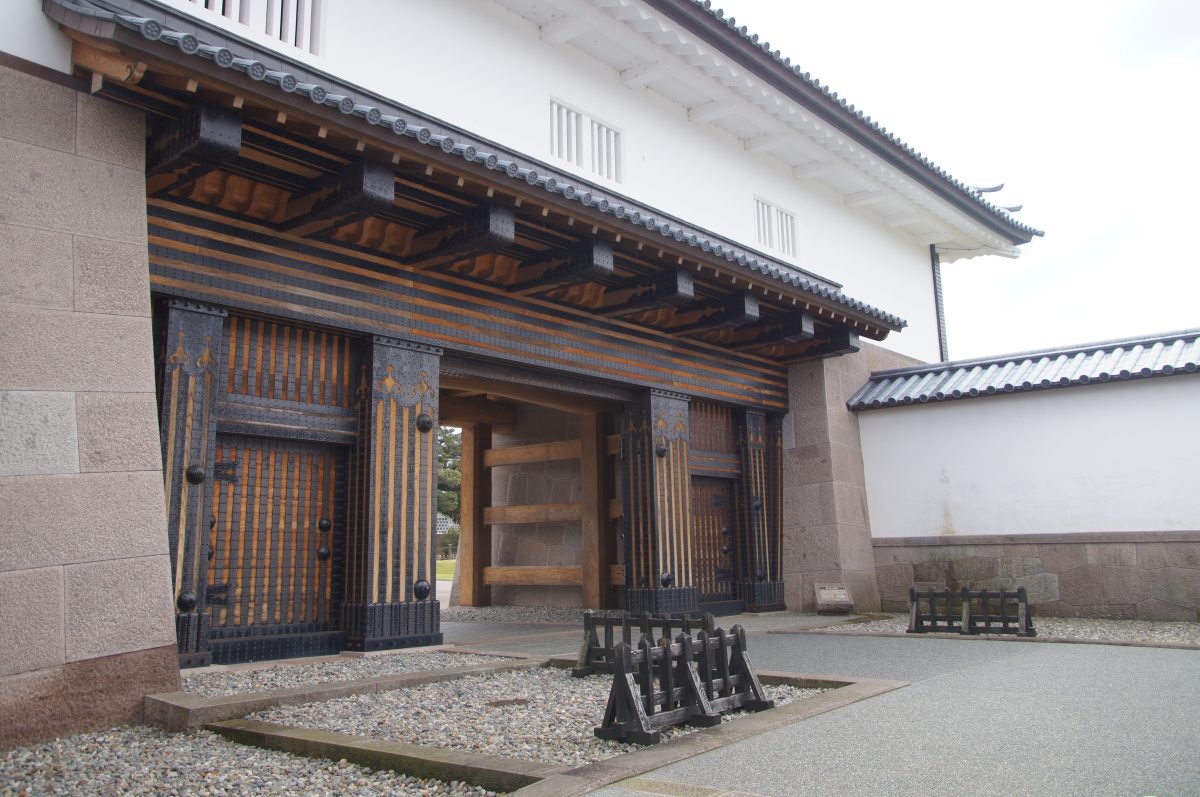
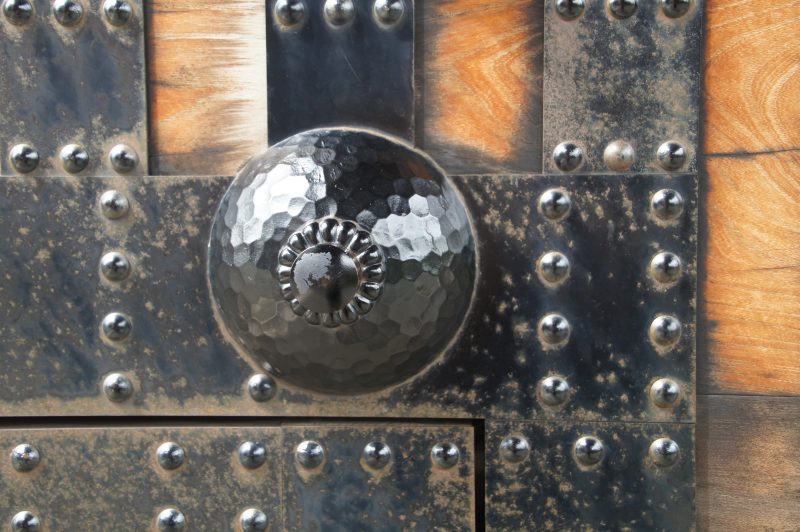
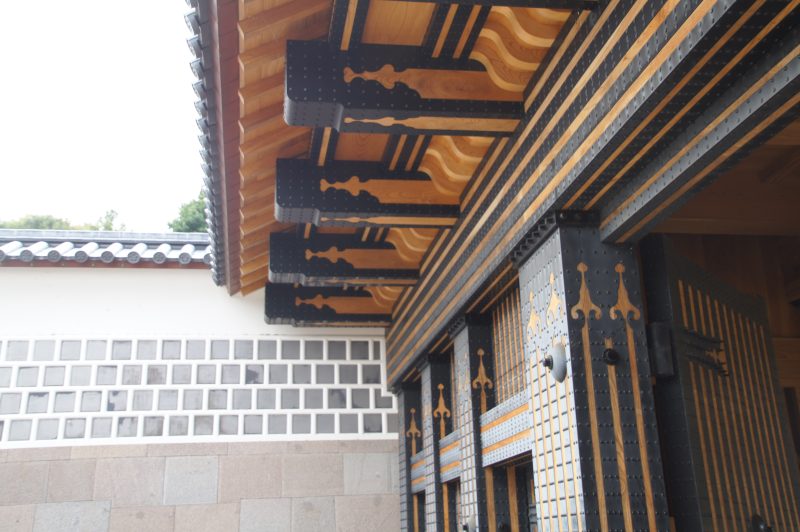
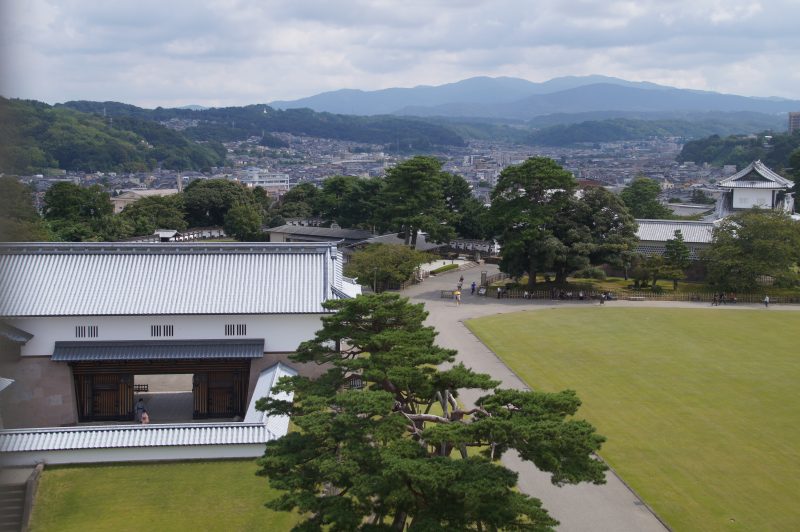
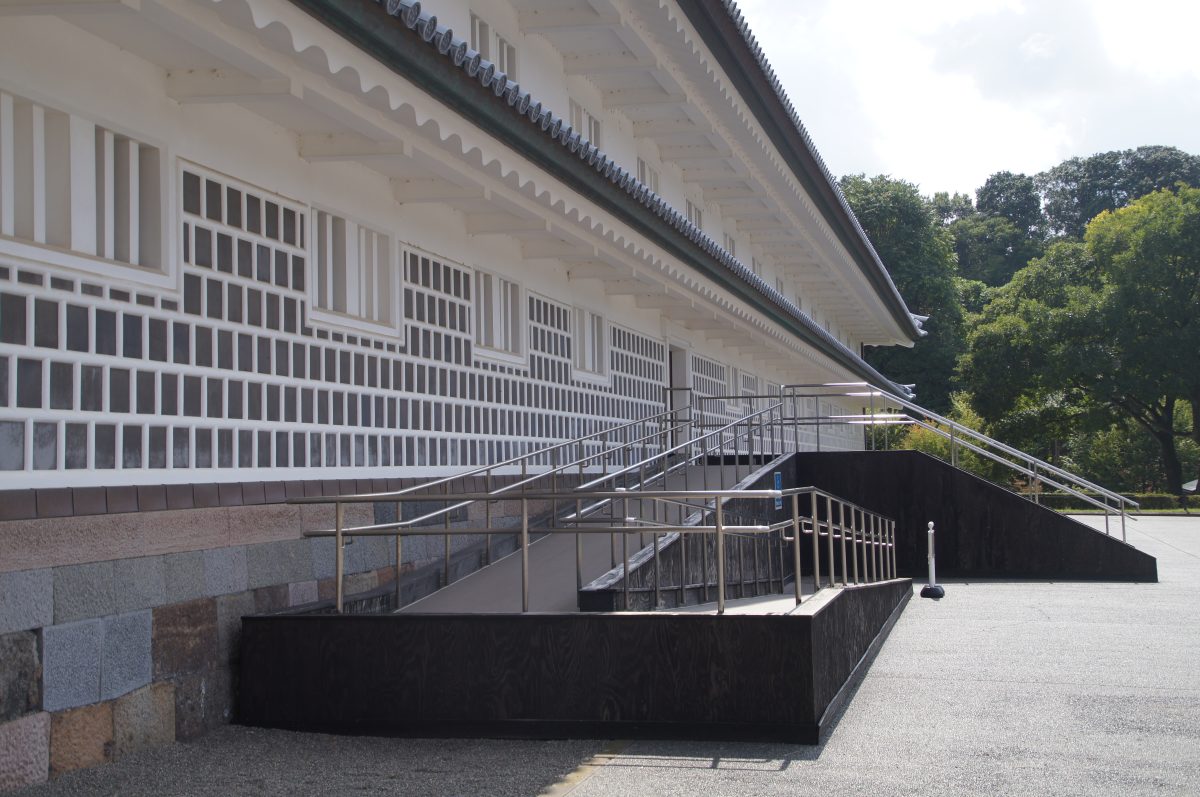
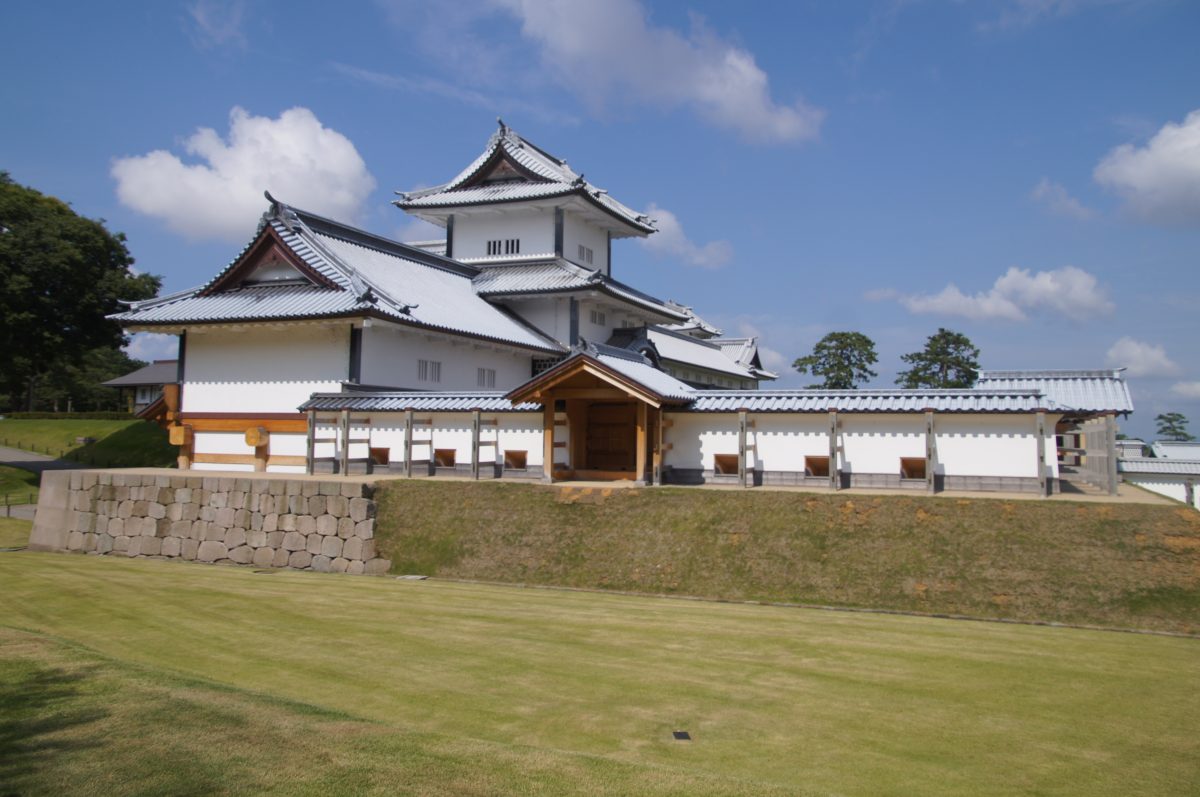
Three Edo-period structures survive: Ishikawa-mon Gate, Sanjikken-nagaya Storehouse and Tsurumaru Storehouse. The familiar Hishi-yagura turret, long Gojikken-nagaya storehouse and Hashizume-mon Tsuzuki-yagura turret were reconstructed in 2001 using historic photographs, drawings, archaeological evidence and traditional timber techniques.
That distinction matters. You are not looking at a complete sixteenth-century castle preserved in one miraculous piece. You are looking at a site that has been burned, repurposed by the army, used as a university campus and then painstakingly rebuilt. I find that more interesting than pretending reconstruction is a dirty word.
What should you see at Kanazawa Castle?
1. Ishikawa-mon Gate and the stone walls
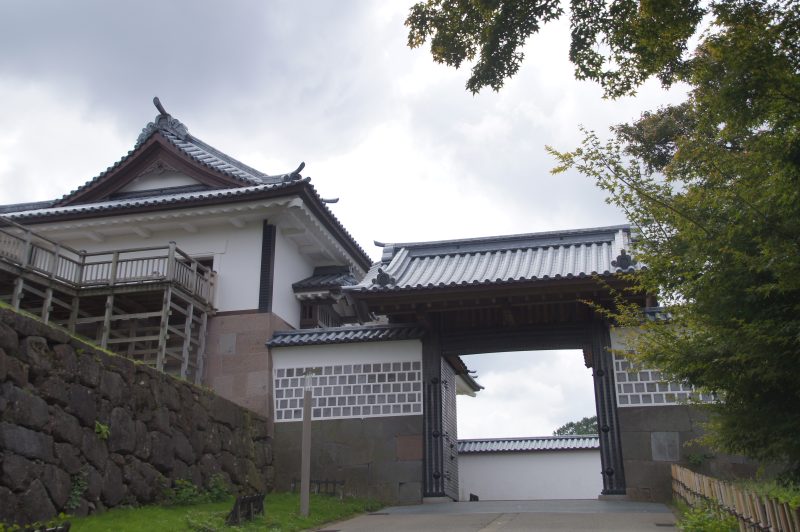
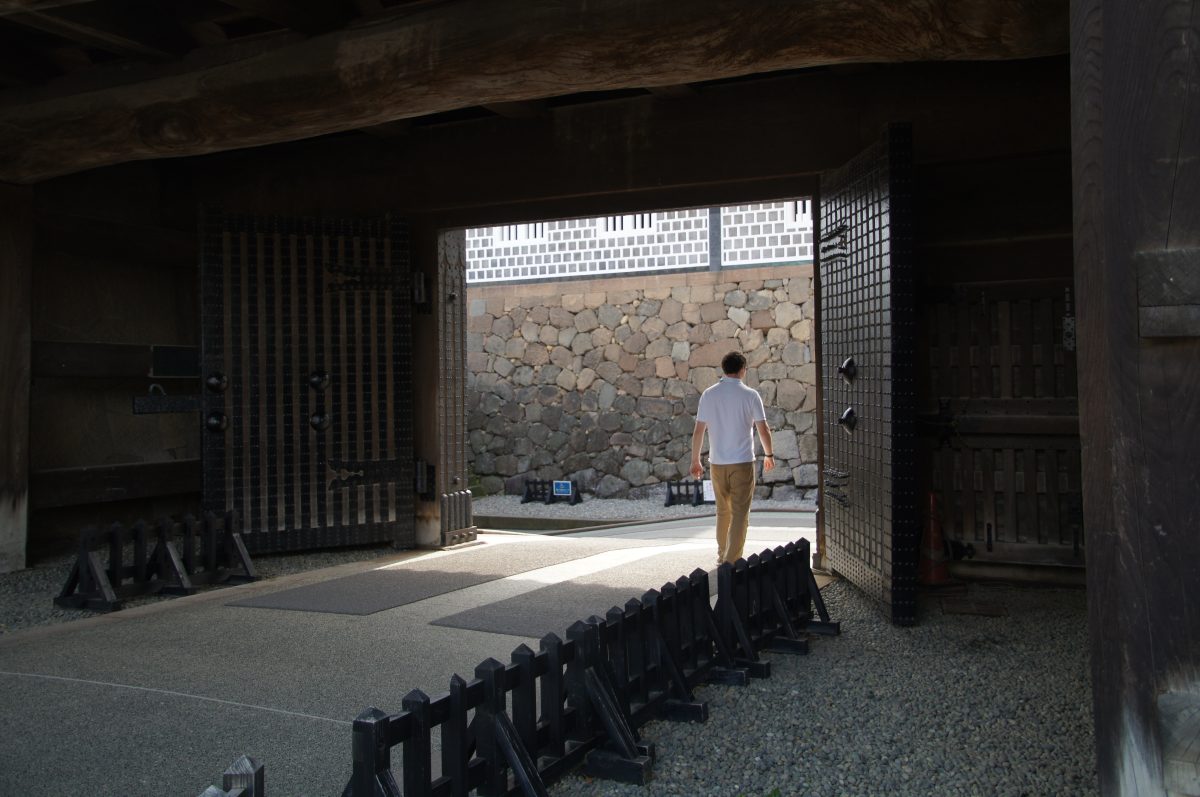
Ishikawa-mon faces Kenroku-en and makes the most convenient entrance when you are combining the two sights. Rebuilt in 1788, it is the oldest surviving structure in the park and one of the three remaining Edo-period buildings.
Also look down. Kanazawa’s walls were built and repaired in different periods, with visibly different stone-cutting and stacking methods. The official guide calls the site a “museum of stone walls”, which is one of the rare tourism slogans that becomes more convincing once you walk around it.
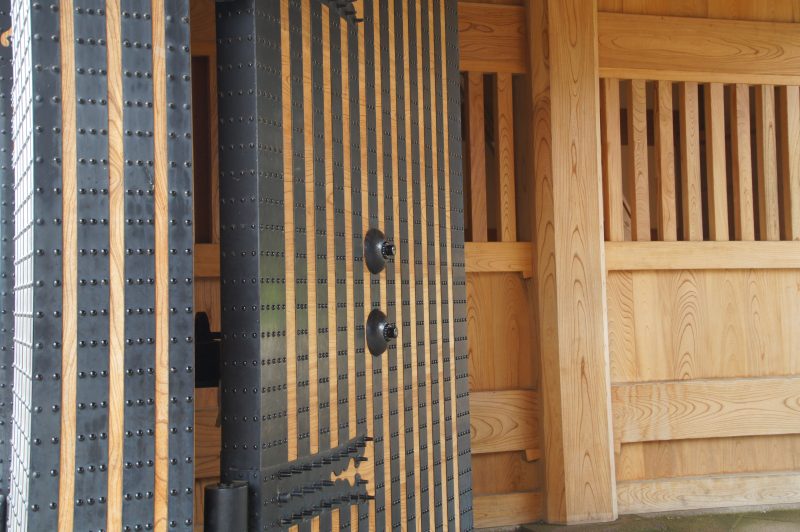
2. Hishi-yagura, Gojikken-nagaya and Hashizume-mon Tsuzuki-yagura
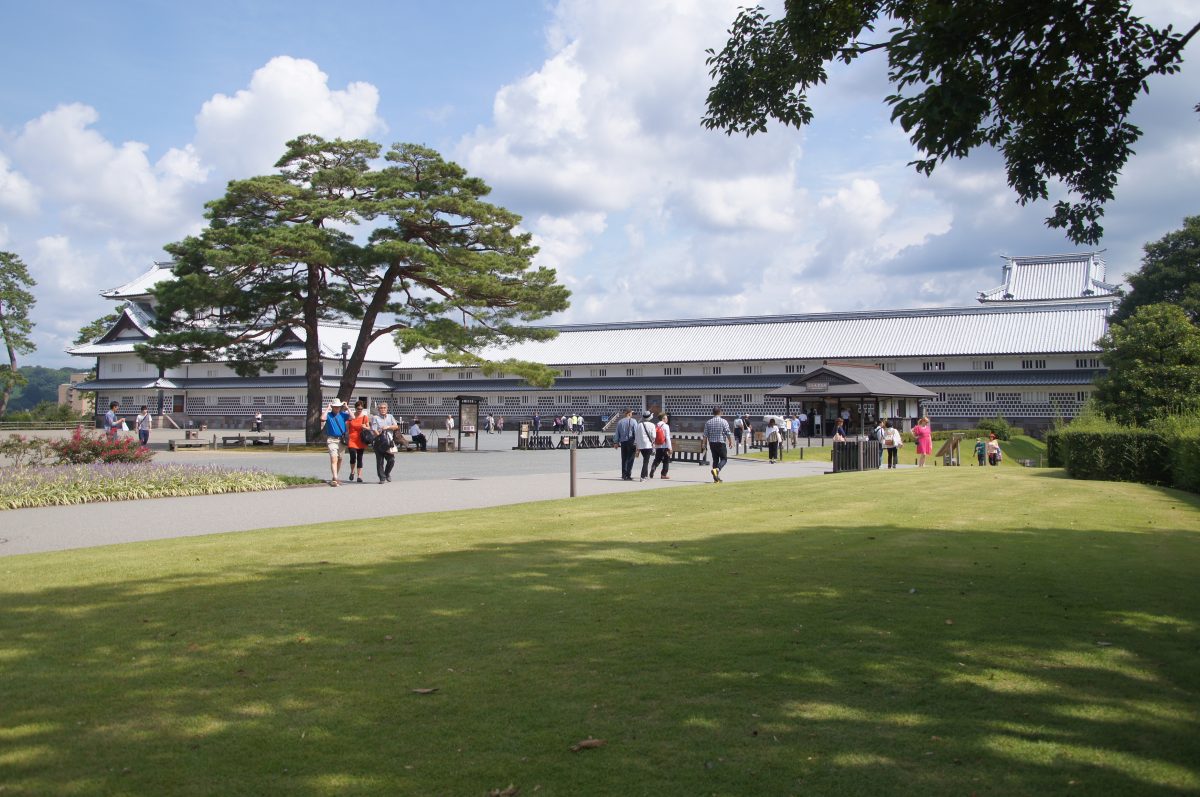
These connected reconstructions are the main paid part of the visit. Hishi-yagura is a three-storey turret, Gojikken-nagaya is the long storehouse beside it and Hashizume-mon Tsuzuki-yagura guarded the approach to the Ninomaru.
Go inside if the construction of the castle interests you. The admission is modest, and the exposed frame and explanatory models gave me far more to think about than another circuit of the lawn would have done. If you only want exterior photographs, the free park may be enough.
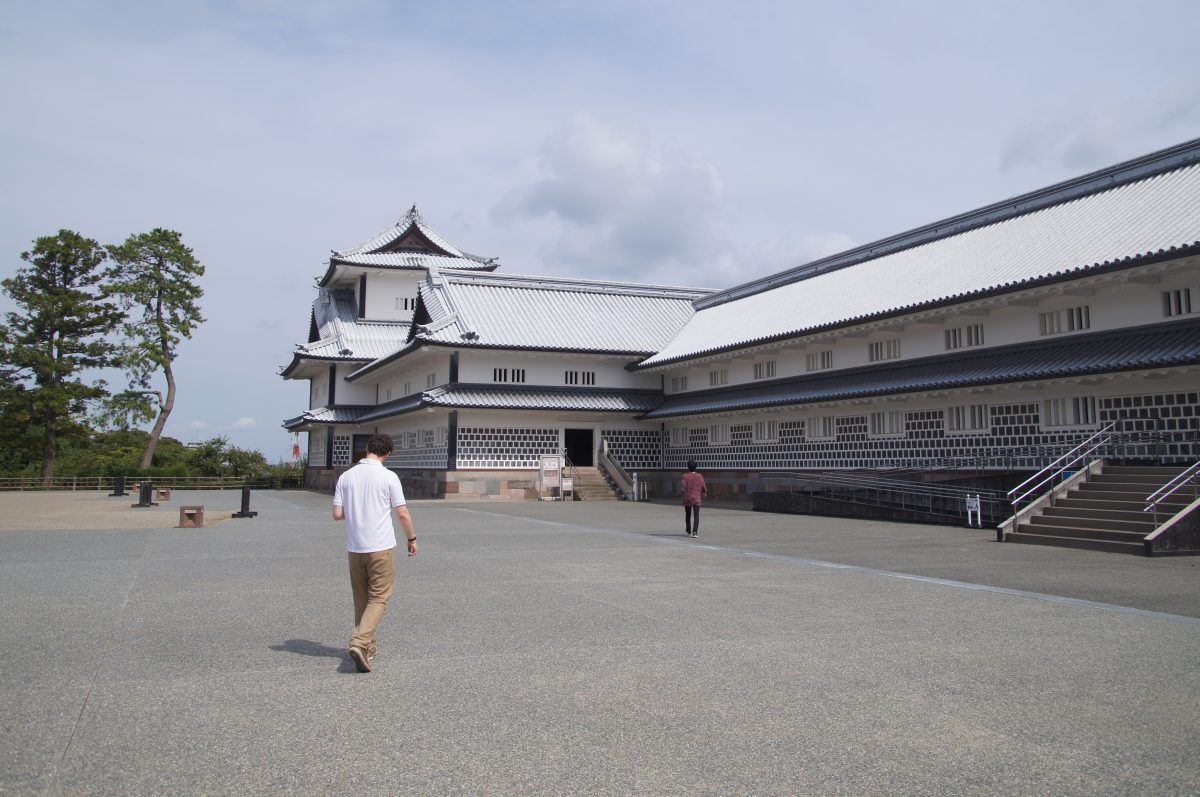
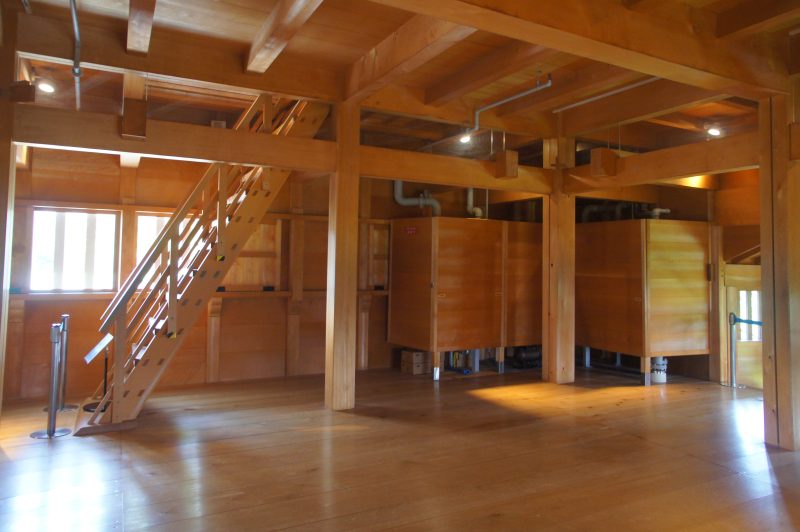
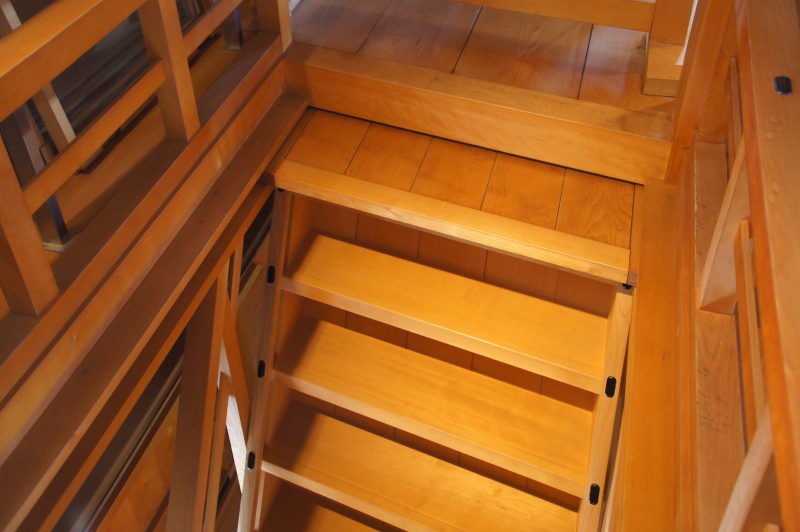
3. Gyokusen’inmaru Garden
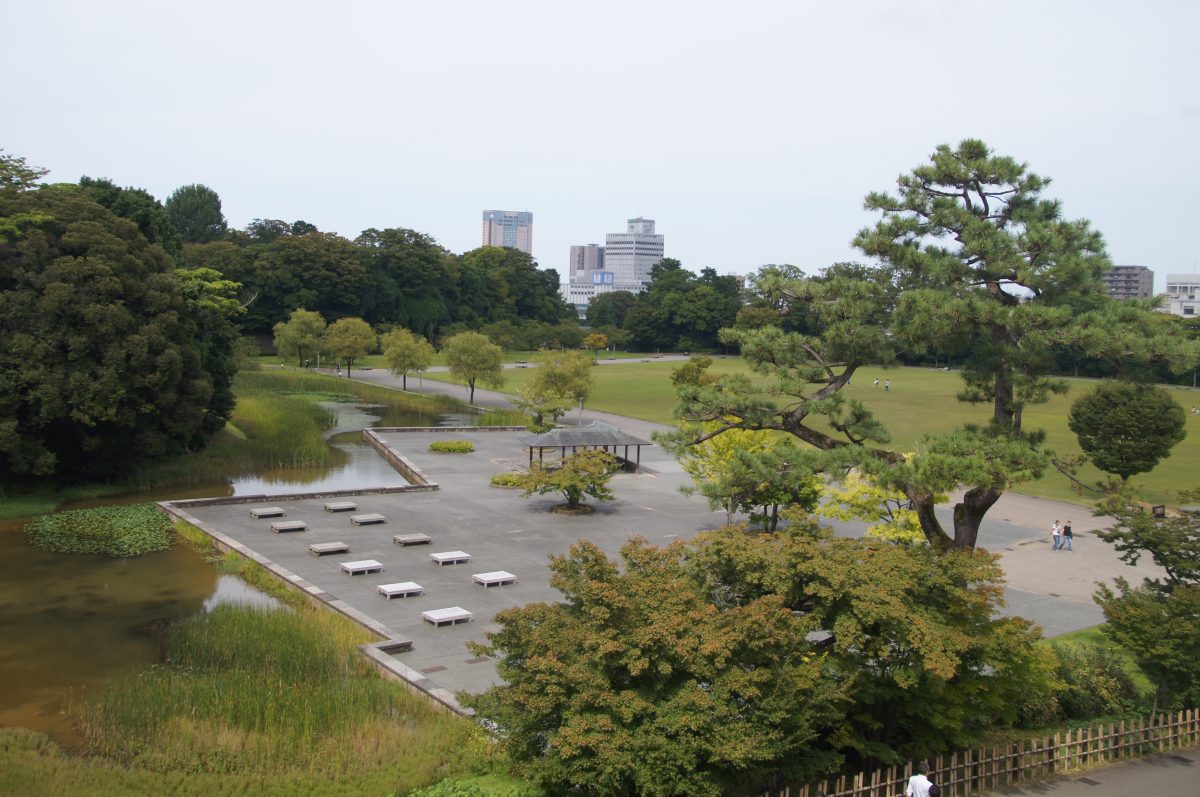
This restored daimyo garden sits inside the castle grounds and is free to enter. It was reconstructed in 2015 from historic drawings and archaeological work. Water, height changes and decorative stonework make it feel more enclosed than the large open lawns elsewhere in the park.
Evening illuminations take place on selected dates. Check the official calendar rather than assuming one will coincide with your visit. Japan has already taught me that building an itinerary around an unverified light-up is a very elegant way to stand in the dark.
4. The restoration work itself
Kanazawa Castle is still changing. Phase 1 of the Ninomaru Palace reconstruction began in 2025 and is scheduled for completion in fiscal year 2033. The project uses traditional timber construction while adding modern seismic protection, heating, cooling and step-free access.
Restoration is also under way on stone walls damaged by the 2024 Noto Peninsula Earthquake. The official park authority recorded damage at 30 locations across the castle and Kenroku-en. Some routes or views may therefore change. Treat the scaffolding as evidence that this is a working heritage site, although I appreciate that this philosophy becomes harder to maintain when it is directly in front of your photograph.
Are the paid interiors worth ¥320?
For us, yes. The paid interiors are where Kanazawa Castle stopped being a pleasant park and became an architectural visit. You see the scale of the timber structure, the defensive purpose of the turrets and models explaining the reconstruction.
But you do not need to pay to appreciate the site. The historic gates, stone walls, moats, lawns and Gyokusen’inmaru Garden are outside the ticketed buildings. If you have 45 minutes or no appetite for displays, take the free route and save your time for Kenroku-en.
How long do you need at Kanazawa Castle?
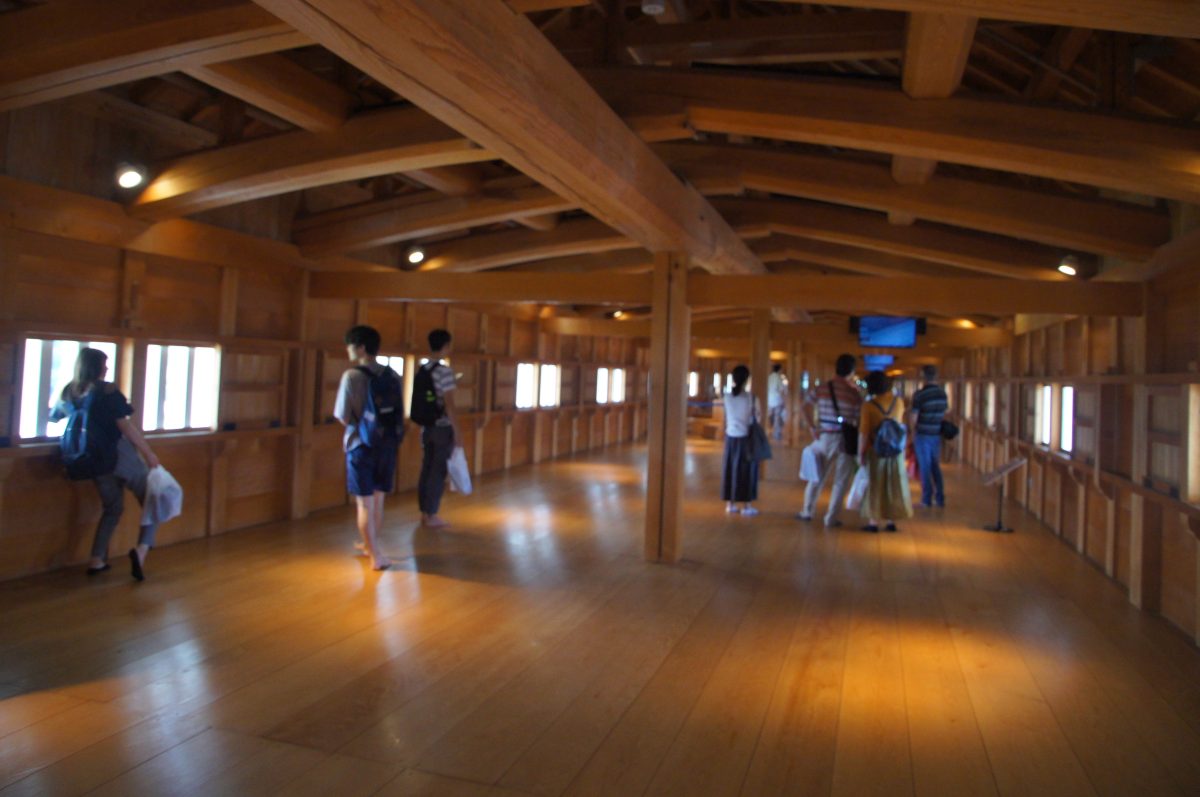
Allow 45–60 minutes for a brisk circuit of the free grounds. Give it 90 minutes to two hours if you want to enter the reconstructed buildings, read the displays and wander through Gyokusen’inmaru Garden without marching.
For the castle and Kenroku-en together, set aside half a day. The two are neighbours, but both are larger than they look on a phone screen. We fitted them into the same day and continued elsewhere. We also reached our final neighbourhood rather late, so perhaps do not treat our stamina as an instruction manual.
Kanazawa Castle or Kenroku-en: which should you choose?
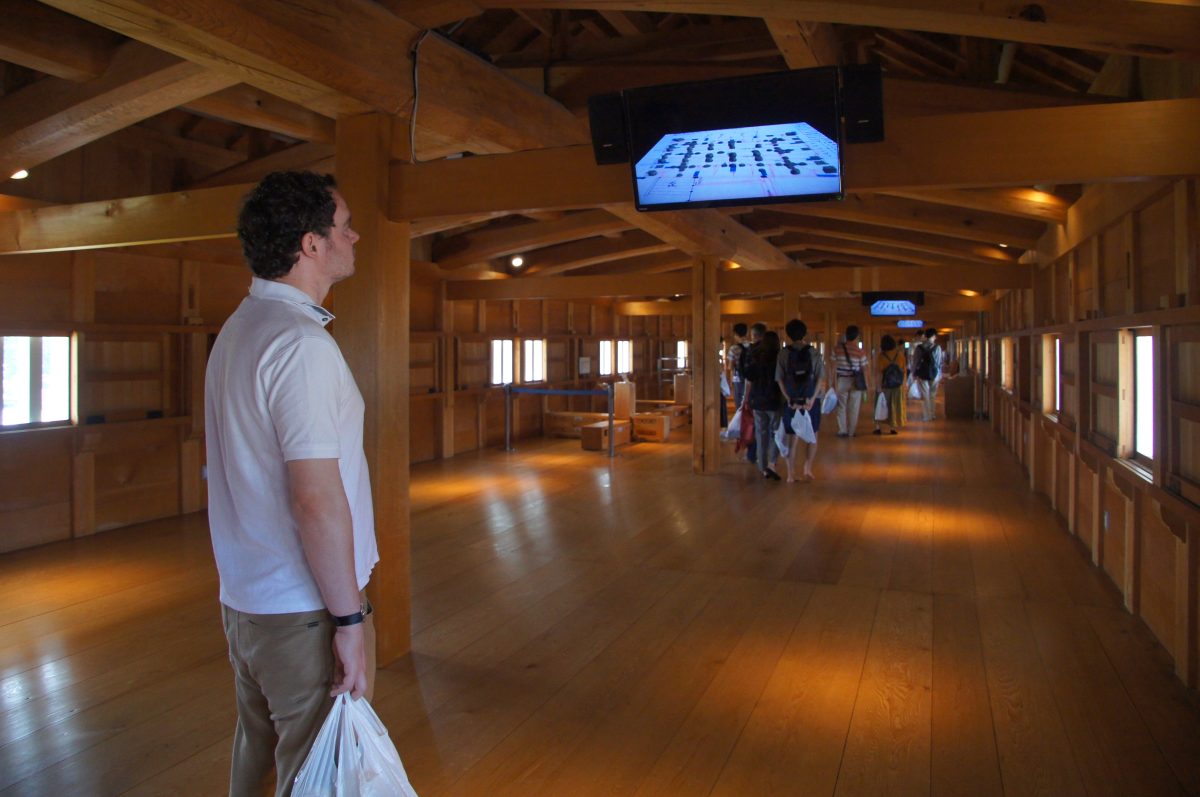
If you only have time for one, I would choose Kenroku-en. The garden is the stronger standalone sight and rewards a slower visit. Then, if you can spare another 45 minutes, walk through the free castle grounds beside it.
Ideally, do both. They explain different halves of the Maeda legacy: defence, government and construction on one side; landscape design and cultivated leisure on the other. The ¥500 Kenroku-en+1 ticket is cheaper than buying two separate ¥320 admissions, so it makes sense if you plan to enter the castle buildings as well.
How to get to Kanazawa Castle
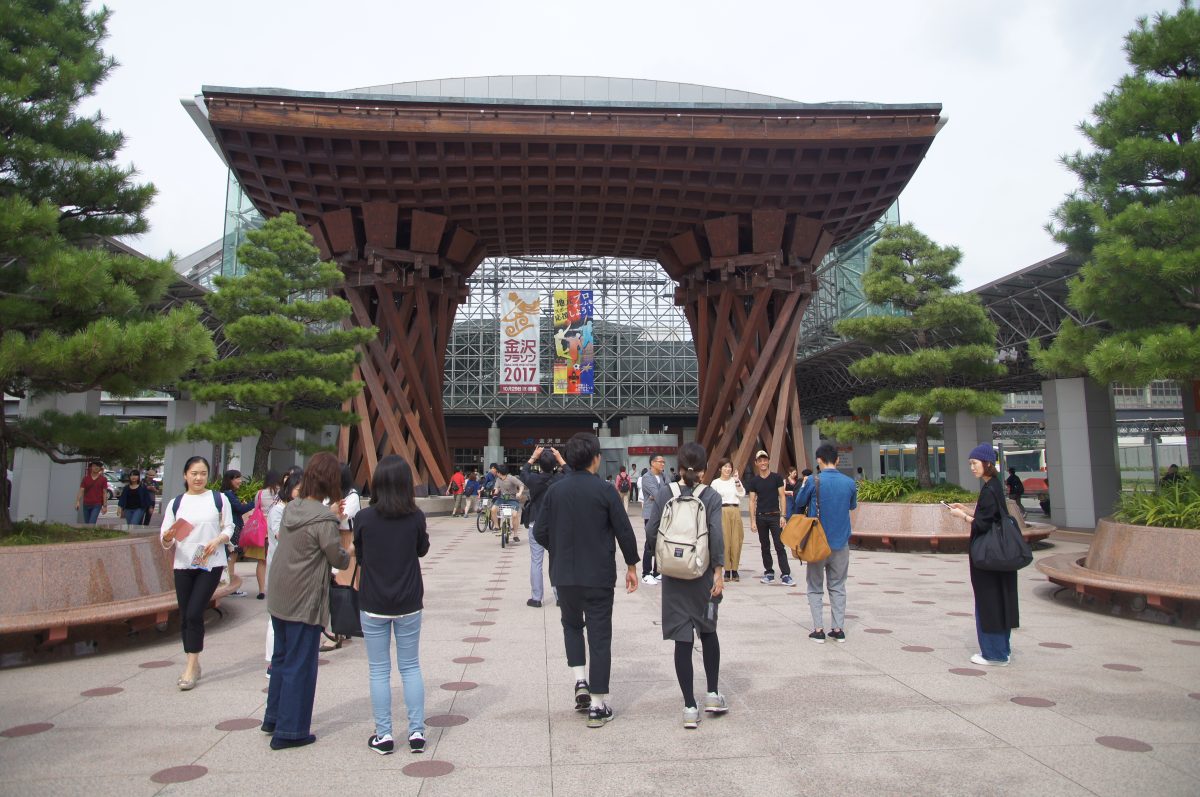
From Kanazawa Station, the walk takes roughly 25 minutes. Going via Omicho Market creates a sensible route and breaks up the distance. It’s how I would connect the station to the historic centre on foot.
The Kanazawa Loop Bus and other local services stop near the park. For Ishikawa-mon, get off at the Kenrokuen Garden/Kanazawa Castle Park stop and allow around five minutes to walk to the entrance. The castle has five entrances, so the best stop depends on which side you want to approach.
Can you take a free English tour?
Yes. Free guidance in English is available from 9.30am to 3.30pm every day except the New Year holiday period. You cannot reserve it: ask at the Ishikawa-mon Gate Entrance Rest Area or Gyokusen-an Rest Area on the day. A short explanation may be available even when a longer tour is not, which is still a considerable improvement on me pointing at a wall and announcing that it looks old.
There is no general visitor parking inside the castle park. If you are driving, use a nearby public car park and check its current charges before setting out. Limited parking for wheelchair users is available; contact the management office in advance for the space at Omiya Hiroba.
When is the best time to visit?
Arrive soon after the paid buildings open at 9am if you want quieter interiors and still plan to visit Kenroku-en. The park itself opens earlier. There is even special entry for early-morning walks from 4am, 5am or 6am depending on the month, although some facilities are unavailable while staff prepare for the day.
We went in September. It was green, warm, busy and partly scaffolded. Spring blossom, autumn leaves and winter snow will change the photographs, but not the basic decision: give yourself enough time for the scale of the grounds, and check current works before you go.
My recommended route through Kanazawa Castle
If you are visiting the castle and Kenroku-en on the same morning, I would reverse the order we followed in 2017. Start in Kenroku-en when it opens, then cross into the castle as the paid buildings begin admitting visitors at 9am.
- Leave Kenroku-en and cross Ishikawa Bridge.
- Enter through Ishikawa-mon Gate and look at the changes in stonework around it.
- Walk into Sannomaru for the main view of the white turrets and long storehouse.
- Visit Hishi-yagura, Gojikken-nagaya and Hashizume-mon Tsuzuki-yagura.
- Continue through the grounds towards Gyokusen’inmaru Garden.
- Exit on the western side for Oyama Shrine and Nagamachi, or turn north towards Omicho Market.
This order uses Kenroku-en’s earlier opening time and avoids returning to the same gate. But restoration can alter paths, so follow the signs on the day rather than defending my route against a temporary fence.
Is Kanazawa Castle accessible?
The official visitor information lists step-free routes, an elevator in the paid buildings, accessible toilets and free wheelchair loans. That makes the reconstructed interiors more accessible than the steep original keeps at Matsumoto and Himeji.
The site is still large and includes slopes, gravel and outdoor paths. If mobility is a concern, choose your entrance carefully and ask staff about the easiest current route, especially while restoration work continues.
Our Japanese castle comparison puts Kanazawa’s careful timber reconstruction beside original keeps, a concrete museum tower, Shuri’s royal complex and Zakimi’s limestone ruins.
How does Kanazawa Castle compare with other Japanese castles?
| Castle | What you are visiting | Choose it for |
|---|---|---|
| Matsumoto | An original wooden keep | Dark timber, moat views and steep historic interiors |
| Himeji | A vast original castle complex and surviving keep | Scale, defensive design and the classic white exterior |
| Osaka | A modern museum inside a concrete reconstruction | History exhibits, city views and a large urban park |
| Kanazawa | Surviving gates and storehouses beside timber reconstructions | Carpentry, stone walls, gardens and an evolving restoration |
Kanazawa is not the castle I would choose for a first encounter with an original Japanese keep. It is the one I would choose to understand how a major castle site can be reconstructed without turning every interior into a conventional museum. For Okinawa’s Ryukyuan alternative, compare it with the red-palace architecture of Shuri Castle and the curved limestone ruins at Zakimi.
Our verdict: should you visit Kanazawa Castle?
Visit Kanazawa Castle if you are already spending time in the city. It’s central, mostly free and directly beside Kenroku-en. The surviving gates and varied stone walls carry the age of the place, while the rebuilt interiors show how much thought and skilled work goes into recovering what fire removed.
Pay the ¥320 if architecture, construction or castle history interests you. Stick to the grounds if it does not. And do not dismiss the site because the keep is missing. Kanazawa is less about climbing to the top of one tower and more about reading a whole landscape.
For us, it was a very good opening to Kanazawa. Calm, interesting and not so relaxing that I became bored. High praise indeed!
Kanazawa Castle FAQs
Is Kanazawa Castle free?
Kanazawa Castle Park is free. The connected Hishi-yagura, Gojikken-nagaya and Hashizume-mon Tsuzuki-yagura buildings cost ¥320 for adults and ¥100 for visitors aged 6–17. Under-6s and visitors aged 65 or older with ID enter those buildings free.
Is Kanazawa Castle original?
It is partly original and partly reconstructed. Three Edo-period structures survive, including Ishikawa-mon Gate. Many prominent buildings were reconstructed from historic and archaeological evidence, and the castle keep has not been rebuilt.
How long should I spend at Kanazawa Castle?
Allow 45–60 minutes for the free grounds, or 90 minutes to two hours if you enter the paid buildings and visit Gyokusen’inmaru Garden. Set aside half a day for the castle and Kenroku-en together.
Are the paid buildings at Kanazawa Castle worth entering?
They are worth entering if you enjoy architecture, timber construction or military history. The exposed structure, models and displays explain how the reconstructed buildings were made. Exterior views and gardens remain free.
Should I visit Kanazawa Castle or Kenroku-en?
Choose Kenroku-en if you only have time for one. Ideally, visit both because they are next to each other. A ¥500 combination ticket covers Kenroku-en and the paid castle buildings.
What are Kanazawa Castle’s opening hours?
The park opens 7am–6pm from 1 March to 15 October and 8am–5pm from 16 October to the end of February. The paid buildings open 9am–4.30pm, with last entry at 4pm. These times were checked on 25 September 2026.
Does Kanazawa Castle close on any days?
The official site lists no regular closed days for the park or its main paid buildings. Temporary restrictions can still occur during events or restoration work, so check before travelling.
How do I get to Kanazawa Castle from the station?
Walk for roughly 25 minutes from Kanazawa Station, optionally via Omicho Market, or take a local bus to the Kenrokuen Garden/Kanazawa Castle Park stop. Ishikawa-mon Gate is about five minutes from that stop.
Is there parking at Kanazawa Castle?
There is no general visitor car park inside Kanazawa Castle Park. Drivers need to use a nearby public car park and should confirm its opening times and charges separately. Limited accessible parking is available, with advance contact requested for the wheelchair-user space at Omiya Hiroba.
Is Kanazawa Castle under construction?
Yes, parts of the site are under active restoration. Phase 1 of the Ninomaru Palace reconstruction began in 2025 and is scheduled to finish in fiscal year 2033. Stone walls damaged in the 2024 Noto Peninsula Earthquake are also being repaired.