Kenroku-en was the part of Kanazawa I had been told was unmissable. We visited in September 2017, after exploring Kanazawa Castle, and it was very busy indeed. But a famous garden does not need to be empty to be worth seeing. The water, stone bridges, pines and constantly changing views still made it the place in Kanazawa where it was easiest to slow down.
This guide explains what we experienced, how I would approach a visit now, and the current essentials for pairing Kenroku-en with the castle next door.
We visited in September 2017. Admission, opening times and tea prices were checked against official sources in September 2026.
Is Kenroku-en Garden worth visiting?
Yes, particularly if you are already visiting Kanazawa Castle. They sit side by side, but offer very different things: the castle is the better stop for history and construction; Kenroku-en is for the deliberate, carefully composed landscape around it.
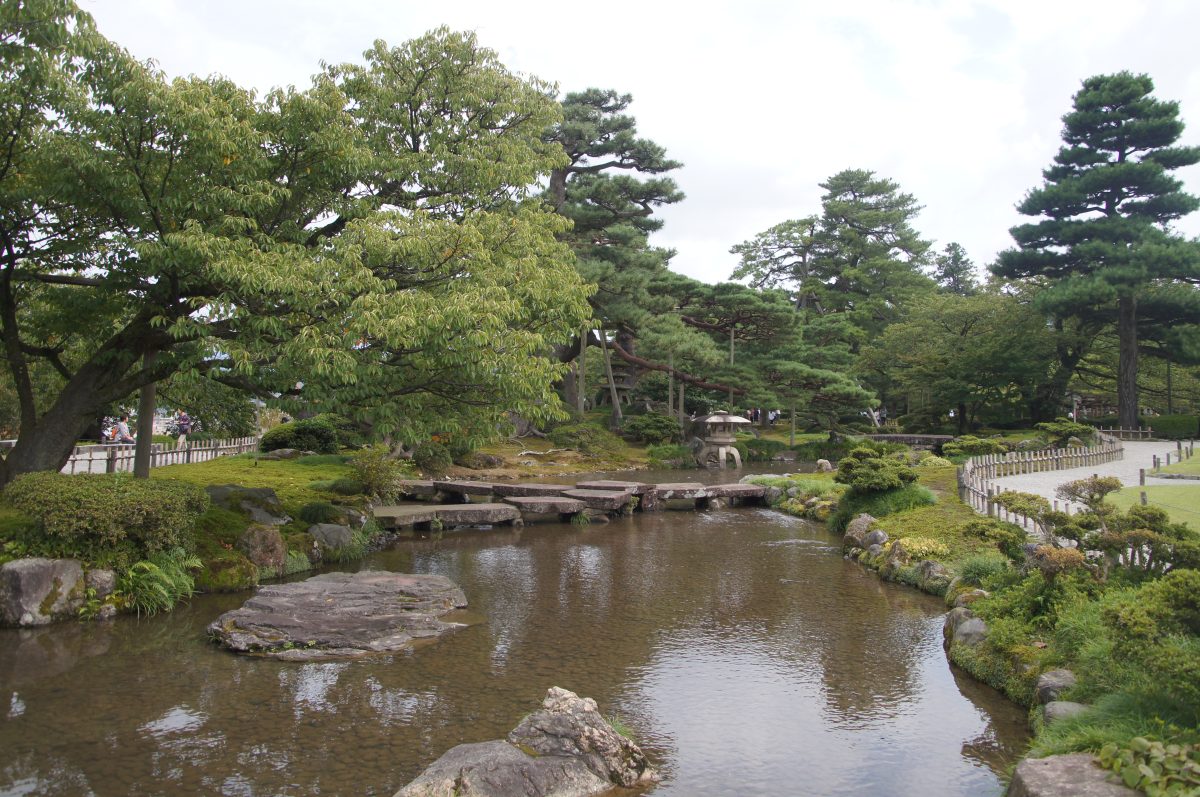
We popped in expecting a picturesque garden and found it much busier than we had hoped. Even so, it did not feel like a single view with a queue attached. Water, clipped trees, rocks, paths and borrowed-looking vistas kept rearranging themselves as we walked. It rewards a proper wander rather than a dash to the lantern and back out again.
If gardens do very little for you, I would not make a special journey to Kanazawa solely for it. But for a first visit to the city, the modest entry fee and immediate proximity to the castle make it an easy yes.
What is Kenroku-en actually like?
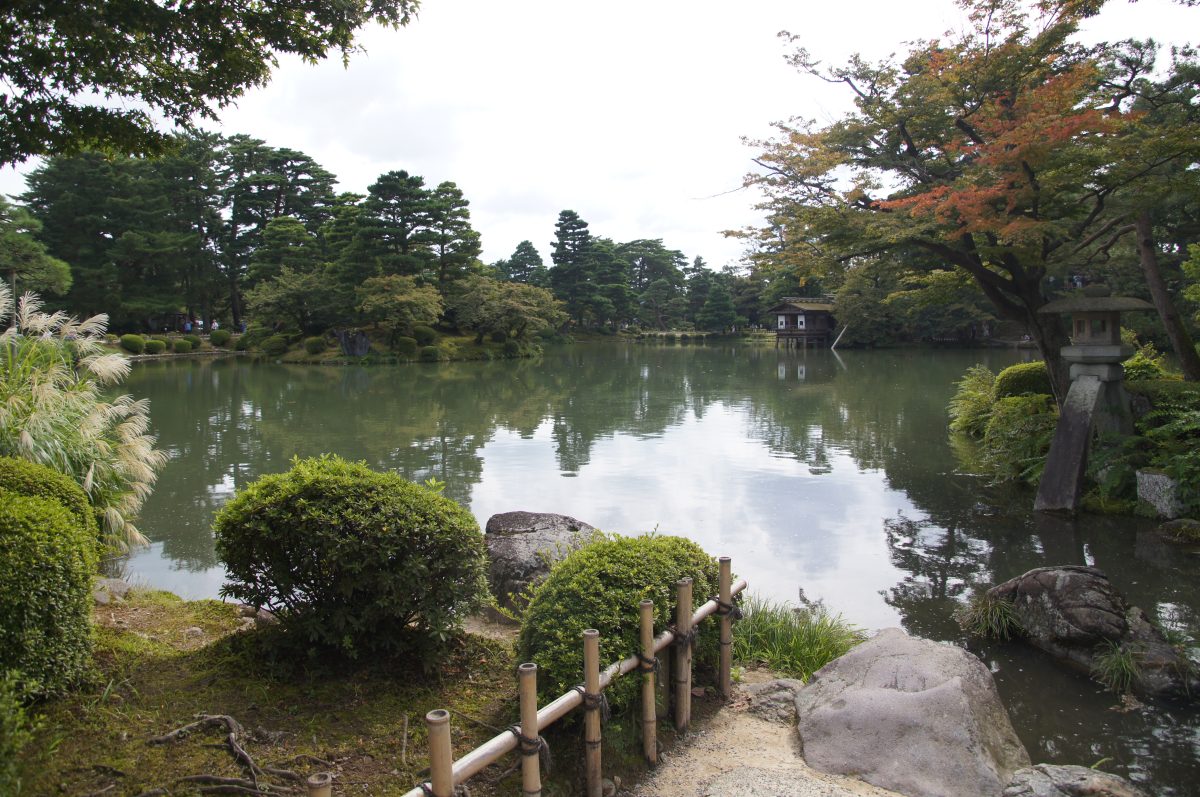
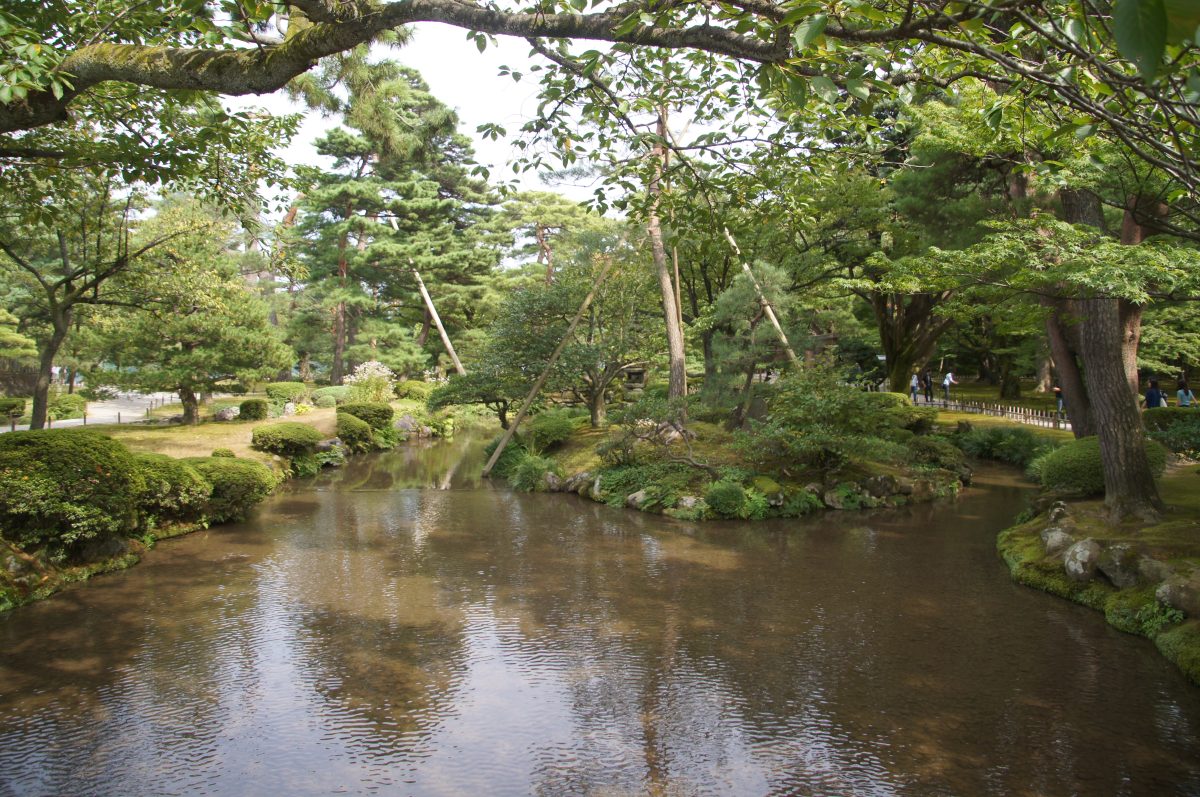
Kenroku-en is one of Japan’s celebrated landscape gardens, created beside the seat of the Maeda lords. It is not a botanical garden in the label-every-plant sense, nor a wild woodland walk. It is a designed landscape: ponds, streams, small bridges, lawns, pines and carefully controlled views, with the sense of space changing as you move through it.
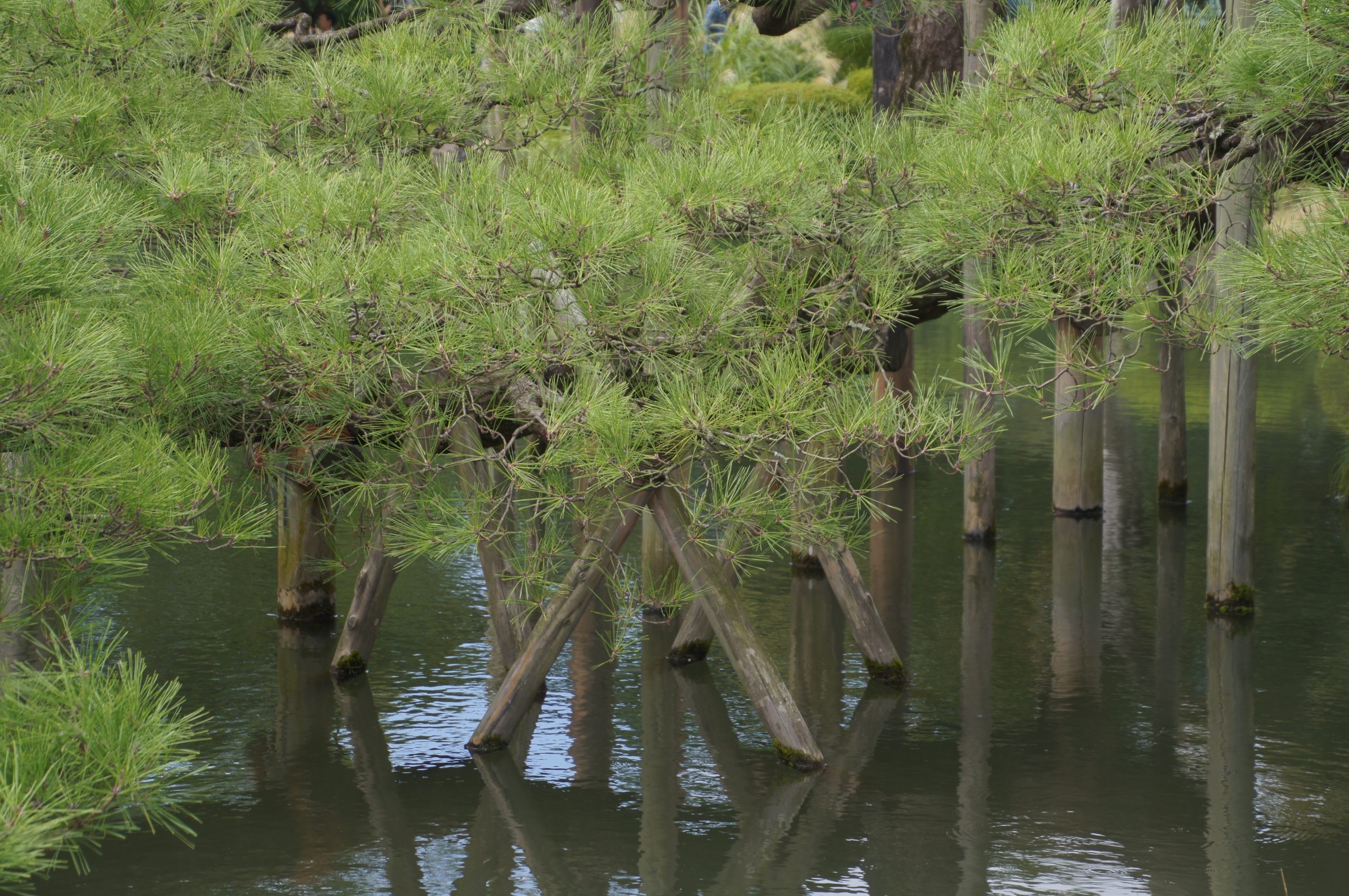
We were there in September, before the famous autumn colour and winter snow scenes. The garden was lush and green, with water catching the trees and sky. That is worth saying because photographs of Kenroku-en often focus on blossom, blazing maple leaves or the winter ropes supporting the pines. Our visit was neither of those postcard seasons, and it was still lovely.
Do not rush past Shigure-tei
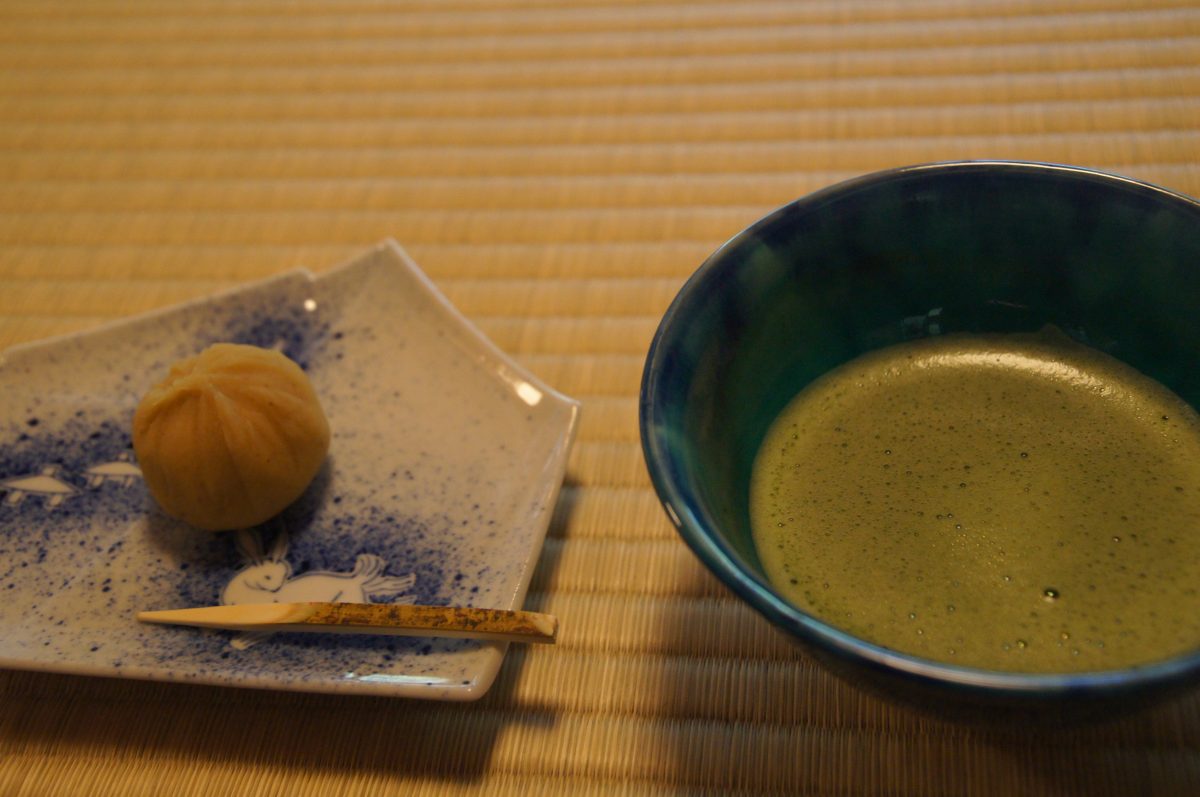
The unexpected highlight for us was stopping at Shigure-tei, the tea house inside the garden. After the busy paths, it felt unusually quiet. We had our first Japanese tea service there, with matcha and a seasonal sweet, and the garden just outside the room made the pause feel part of the visit rather than an interruption to it.
Gary, who likes green tea, got on much better with the matcha than I did. I enjoyed the ritual and the setting, but I remember the tea as very bitter. The sweet helped, although it was not anything like the sort of pudding we would have chosen at home. That is not a complaint; it is simply the honest version of our first matcha experience.
It is worth putting Shigure-tei in the middle of your visit, not saving it until the end. The official site currently lists tea service from 9am to 4.30pm, with last reception at 4pm; it is closed from 29 December to 3 January. It also notes a noon-to-1pm cleaning break, so check the day’s arrangements if the tea stop matters to you.
How to combine Kenroku-en with Kanazawa Castle
We did the castle first, tried gold-leaf ice cream nearby and then entered the garden. It worked, but I would reverse the first two substantial stops if I went back: start with Kenroku-en early, then cross into the castle grounds. The garden is open before the castle’s paid reconstructed buildings, and an early start gives you a better chance of quieter paths.
The garden itself is manageable, but the wider day adds up. From there we walked on through Omicho Market, Nagamachi and eventually Higashi Chaya, arriving after many of the shops had closed. For the full route, timings and the bits I would do differently, read our one-day Kanazawa itinerary. If you are deciding whether to pay for the castle interiors as well, our Kanazawa Castle guide explains what is there.
Current admission and opening hours
When checked in September 2026, entry to Kenroku-en costs 320 yen for adults. It is open every day, from 7am to 6pm between 1 March and 15 October, and from 8am to 5pm between 16 October and the end of February. The garden’s official site also publishes early-morning admission periods and occasional seasonal evening openings, so check it directly before you travel.
If you want both Kenroku-en and the paid reconstructed interiors at Kanazawa Castle, the official castle site lists a combined ticket at 500 yen for adults. The castle park itself is free, so only buy the combined ticket if you do plan to go inside the paid buildings.
At Shigure-tei, the official site currently lists powdered tea with the tea house’s Japanese confection at 800 yen, and green tea with a confection at 340 yen. Prices, hours and seasonal access are exactly the sort of detail that can change, so use the official Kenroku-en visitor guidance and Shigure-tei page for the final check.
Our verdict
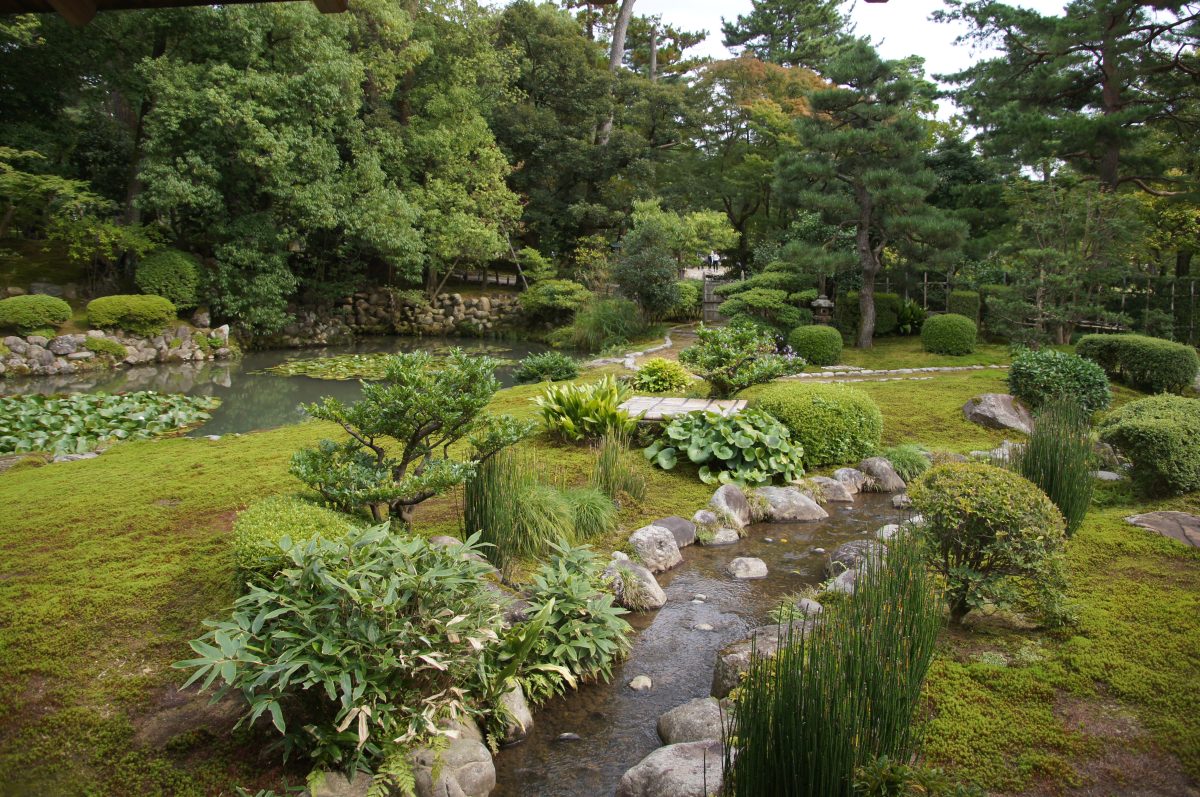
Kenroku-en was busy, green and much calmer than I expected once we stopped trying to rush through it. The famous views are good, but the quietest memory I have is sitting inside Shigure-tei with a bowl of matcha I found far too bitter and a garden outside the window.
Visit early if crowds irritate you, allow enough time to wander and have tea if you can. Then carry on to the castle, or use the garden as the gentler half of a longer day in Kanazawa. It is absolutely worth including.
Planning a longer Japan route? Our two-week Japan itinerary by train shows where Kanazawa fitted into our wider trip, while our Japanese Alps itinerary is useful if you are approaching from Matsumoto or continuing into the mountains.