If there is an aquarium within realistic reach of one of our hotels, I will find it. Gary has accepted this. Tanks have a habit of appearing in our itineraries, usually because I put them there.
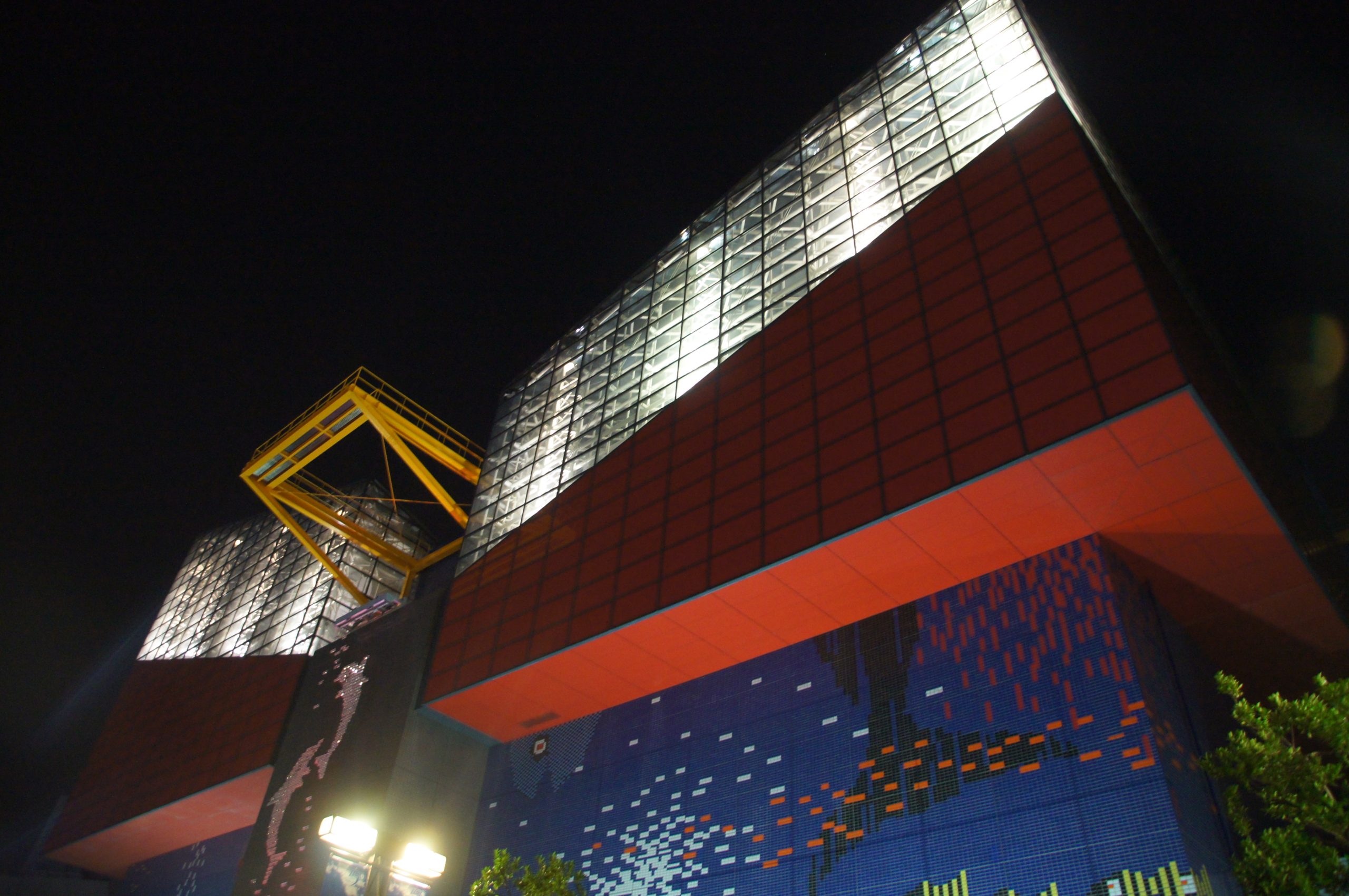
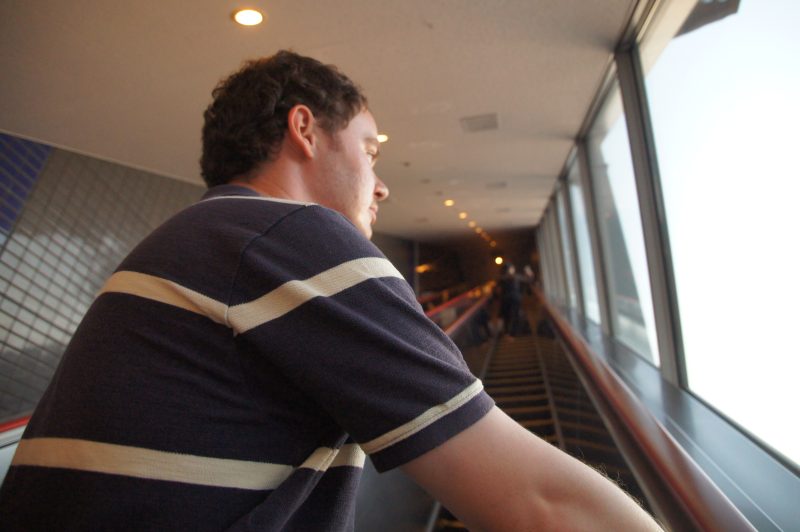
So, on our first afternoon in Osaka, we took the train to the port and visited Osaka Aquarium Kaiyukan (海遊館). We had originally planned to stop in Kyoto that day, but decided to leave our luggage at the hotel first. Check-in was not open yet, Kyoto fell off the plan and Kaiyukan gained two slightly travel-weary visitors.
Was Osaka Aquarium worth it? Yes, with a fairly important but. The building and its enormous central tank were genuinely impressive. The Japanese spider crabs were both a highlight and my total nightmare. But watching two whale sharks swim around that tank also made me wonder whether even a very large enclosure could be large enough.
So I am not going to show you a procession of fish, call the whole thing magical and leave it there. You need to know what we loved, what bothered me, how long to allow and whether your Osaka time might be better spent elsewhere.
Osaka Aquarium Kaiyukan at a glance
| Question | Our answer |
|---|---|
| Is Osaka Aquarium worth visiting? | Yes, if you enjoy aquariums and are comfortable with large marine animals in captivity. It’s impressive, but the whale sharks made the experience more complicated for me. |
| How long do you need? | Allow about two hours. There is no official viewing-time limit during opening hours. |
| Where is it? | In Osaka’s Tempozan Harbour Village, a short walk from Osakako Station on the Chuo Line. |
| What does admission cost? | Kaiyukan uses date-based pricing. When checked on 24 September 2026, adult e-tickets in the live 30-day sales window ranged from ¥2,800 to ¥3,200. The published adult price when we visited in 2017 was ¥2,300. |
| What stood out? | The Pacific Ocean tank, the two whale sharks and the giant Japanese spider crabs. |
| Best for | Aquarium enthusiasts, families and anyone wanting an indoor half-day in Osaka. |
| Think twice if | Keeping whale sharks in captivity is a firm ethical boundary for you. |
We visited on 25 September 2017. The personal account is from that trip; current practical details were checked against official Kaiyukan information and its live e-ticket calendar on 24 September 2026. Prices and opening hours vary by date, so use Kaiyukan’s official English website for your visit.
What has changed since our Kaiyukan visit?
The ticket system is the most useful change for planning. Kaiyukan now uses date-based admission and timed e-tickets. When I checked the live calendar on 24 September 2026, adult tickets in the available 30-day window ranged from ¥2,800 to ¥3,200, depending on the day.
The e-ticket portal opens sales 30 days ahead and allocates entry in 15-minute slots. Kaiyukan also warns that same-day visitors may have to wait if their preferred time is unavailable, so advance booking makes sense once your Osaka plans stop moving around.
We have not revisited since 2017, so I am not going to pretend the current admission system is part of our first-hand experience. It is a dated practical update. Apparently an evergreen travel article is only evergreen until somebody introduces variable pricing.
Is Osaka Aquarium worth it?
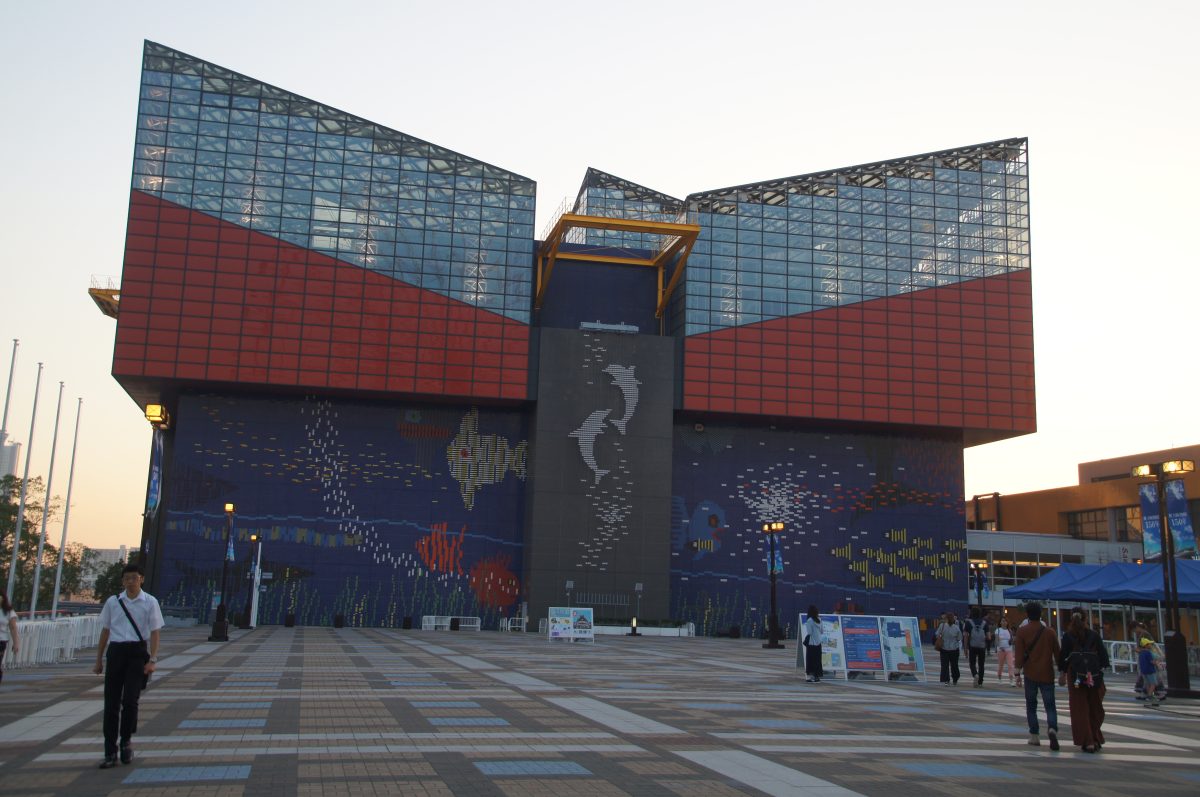
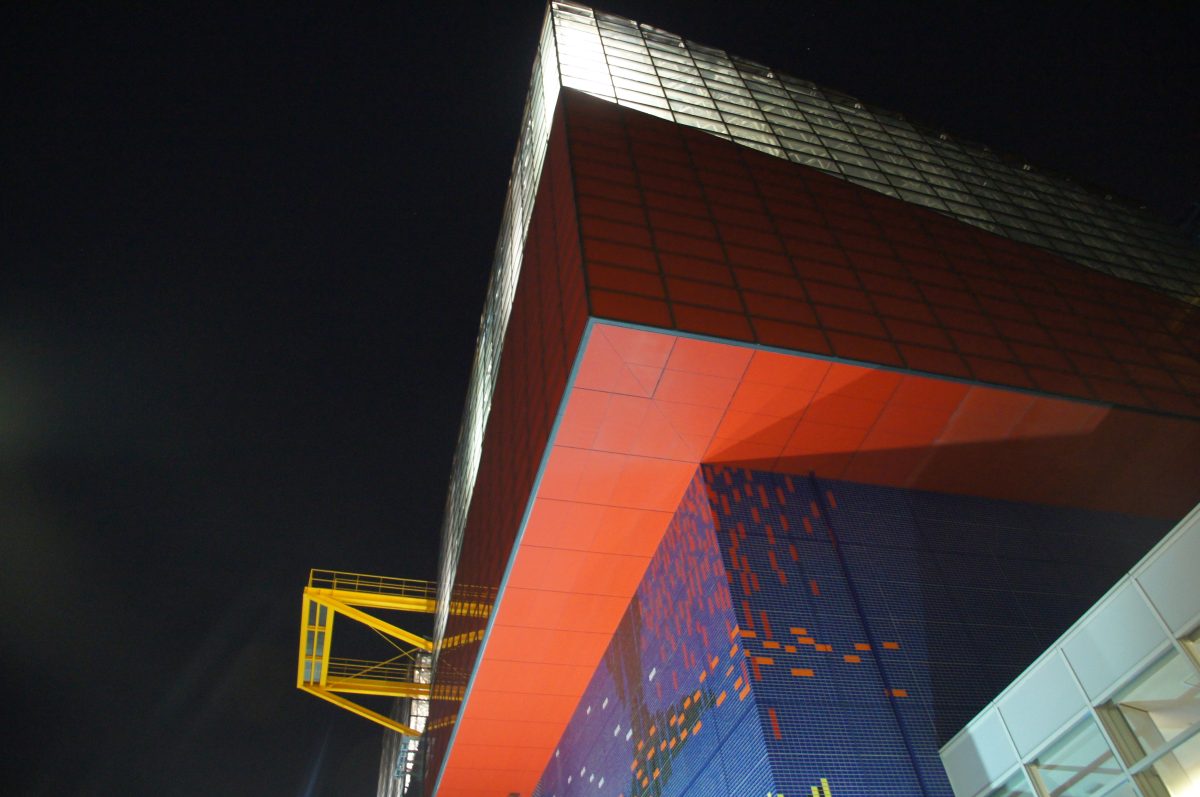
For us, yes. Kaiyukan works particularly well as an indoor half-day because the route around its central tank is cleverly designed. Instead of walking through a string of unrelated rooms, you keep returning to the same body of water at different depths. Your view of the sharks, rays and shoals alters as you descend, so it never feels quite the same twice.
But I would not call it essential for every Osaka itinerary. If you have only one or two days and aquariums leave you cold, spend that time on the city itself. Our two-day Osaka itinerary also includes Osaka Castle, Kuromon Market, Shinsaibashi and Dotonbori, all of which tell you more about the place than a collection of tanks can.
And if you feel uneasy about captive whale sharks, that discomfort will not vanish simply because the main tank is huge. Mine certainly did not.
Our afternoon at Osaka Aquarium Kaiyukan
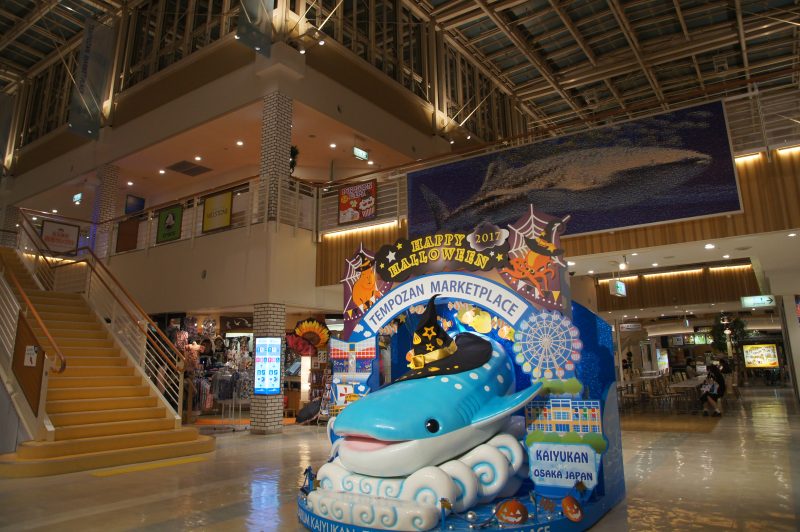
Kaiyukan was not part of an exquisitely timed master plan. We arrived in Osaka, found that we could not yet check into Hotel Cordia Osaka and wandered around Grand Front Osaka before heading towards the bay. It’s often how our better travel days happen: a sensible plan collapses and something more interesting fills the gap.
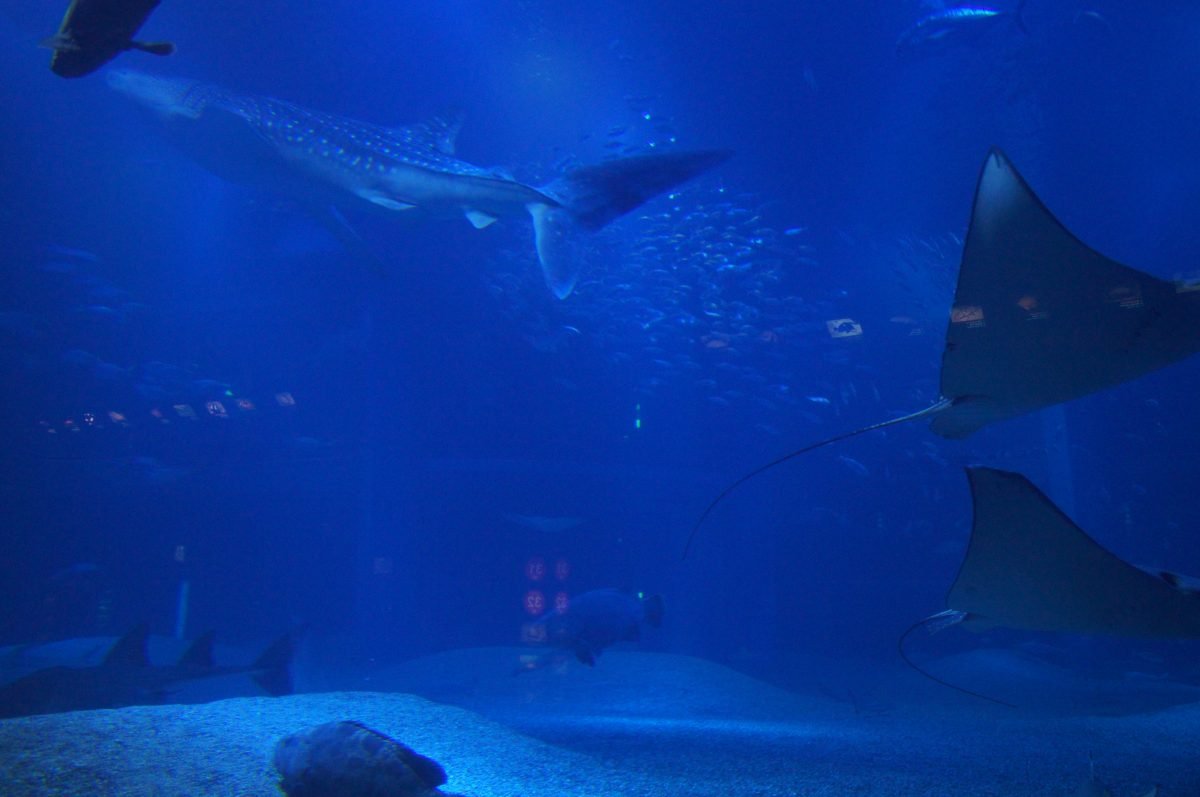
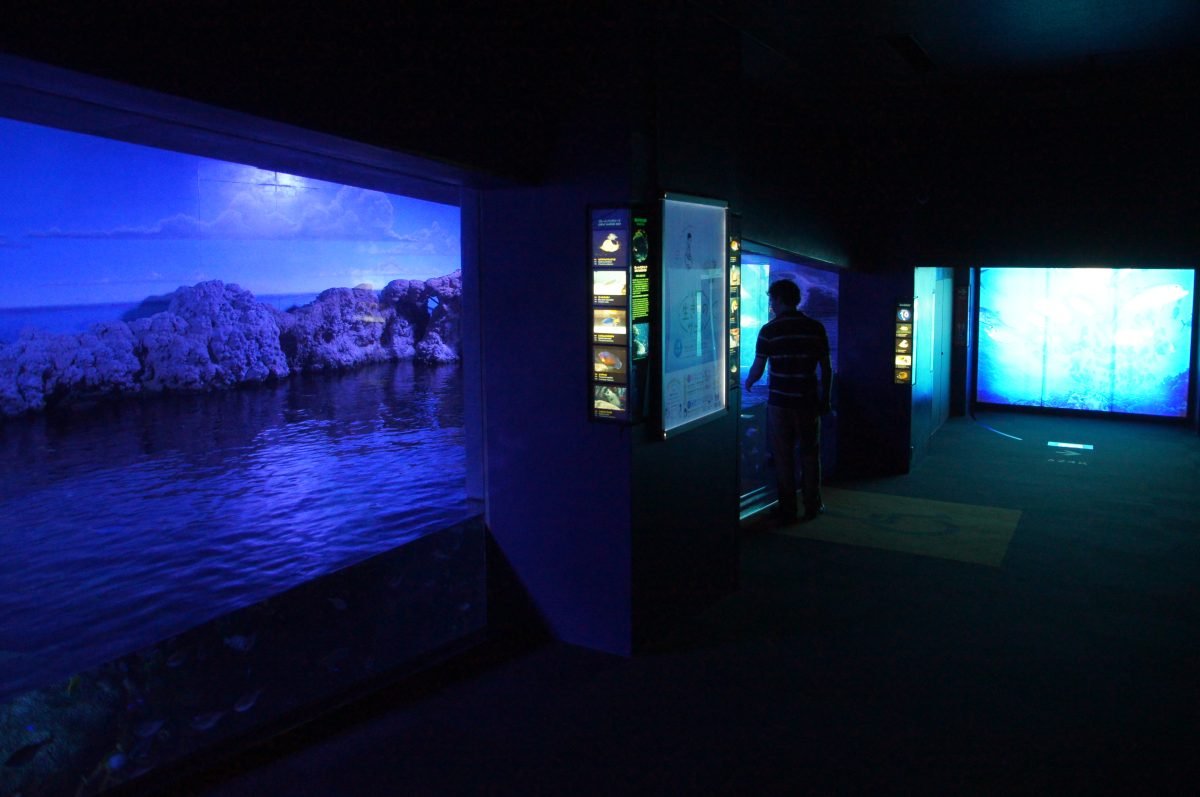
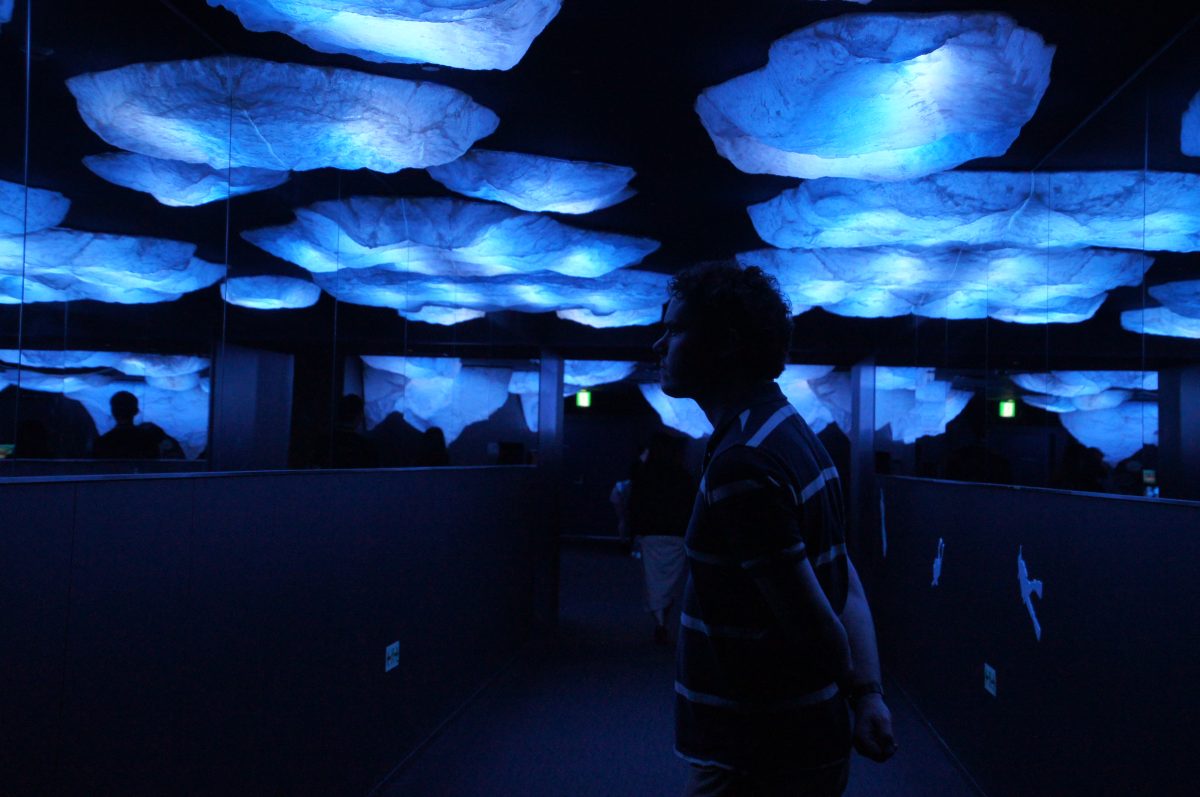
The aquarium is dark. Deliberately, atmospherically and rather unhelpfully if you are carrying a camera. I took plenty of photographs, most of which made rare marine creatures look like blue smudges with fins. Put the camera down occasionally. Your eyes will cope much better than the automatic setting.
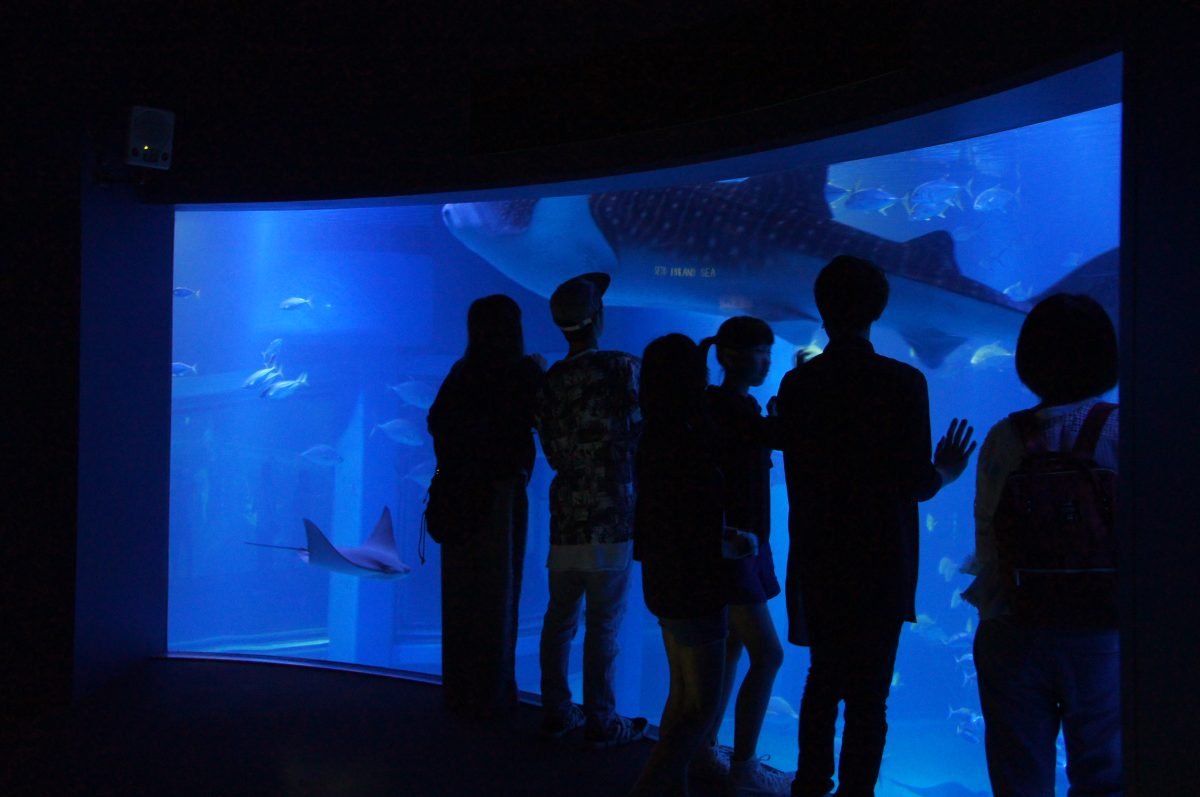
The visit begins high in the building and then spirals down around the Pacific Ocean tank. According to Kaiyukan’s published information, that tank is nine metres deep, 34 metres long and holds 5,400 tonnes of water. Those figures explain the visual impact, although they do not answer every welfare question. More on that shortly.
The whale sharks
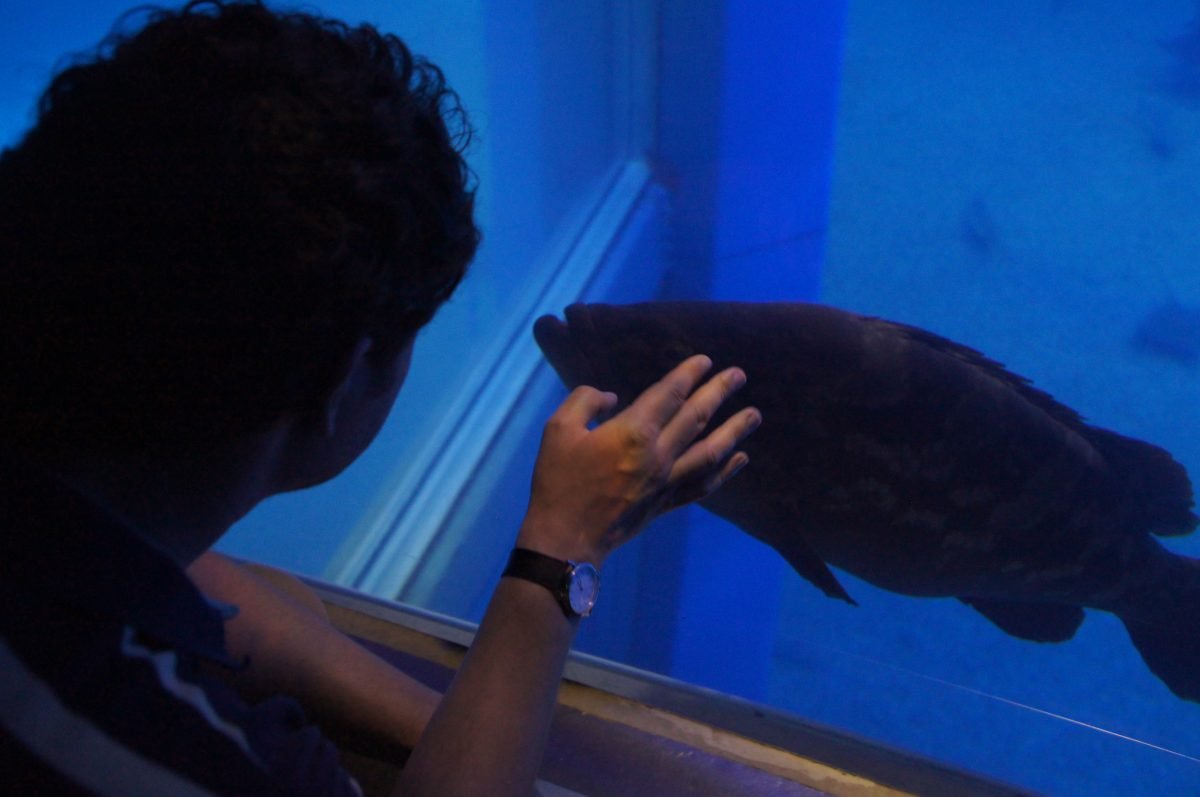
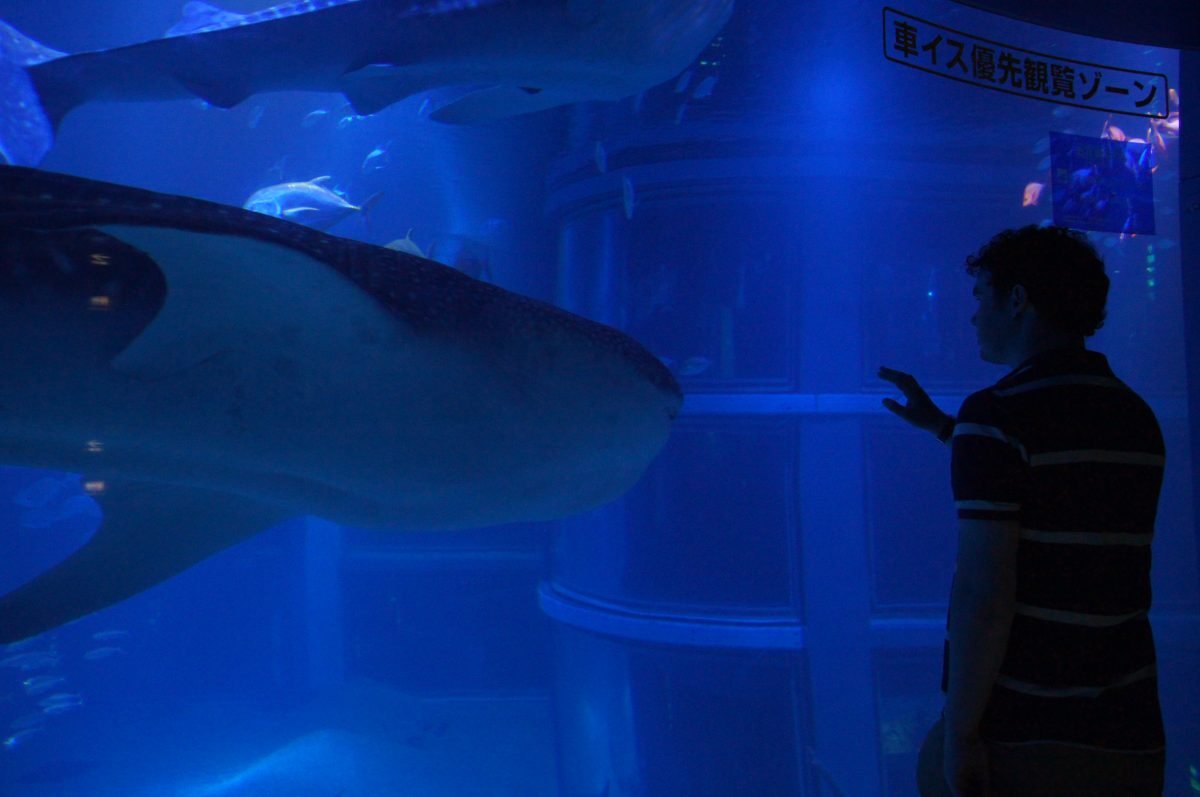
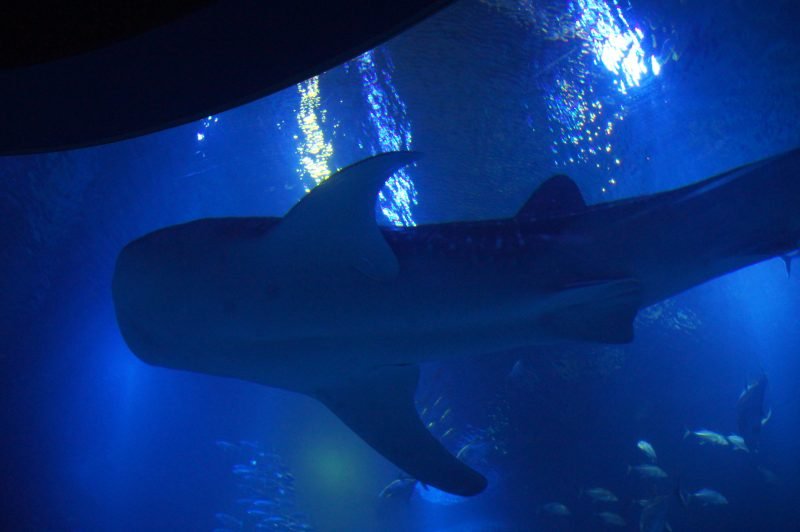
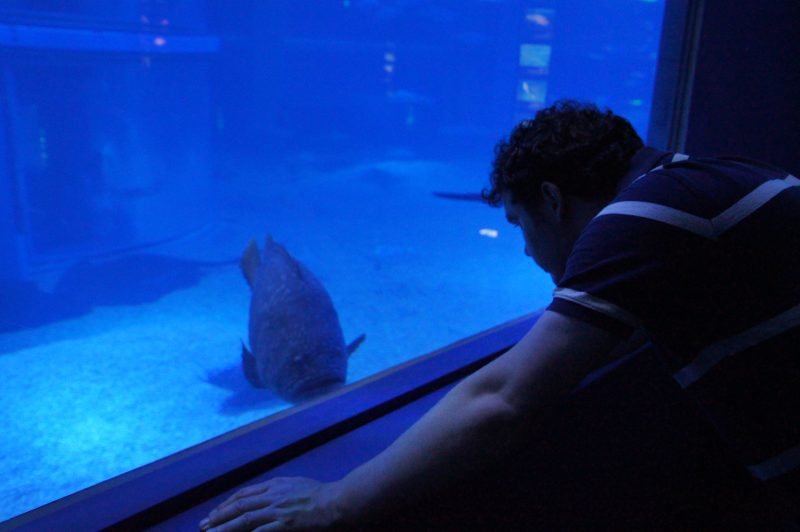
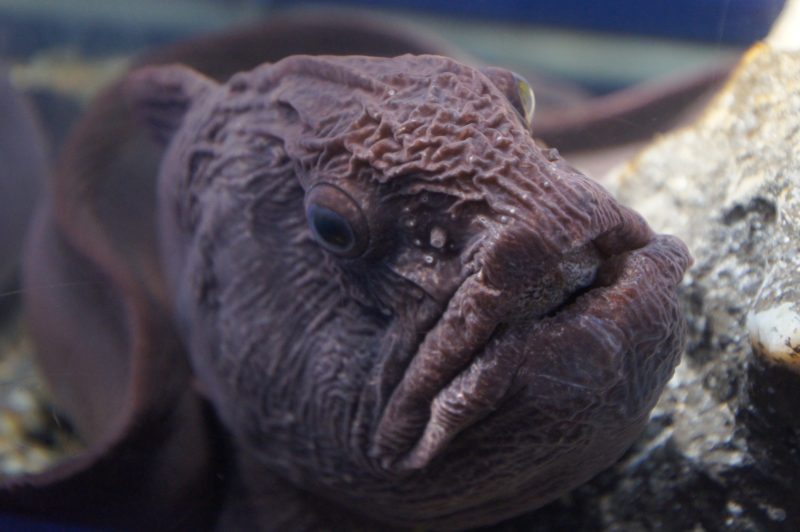
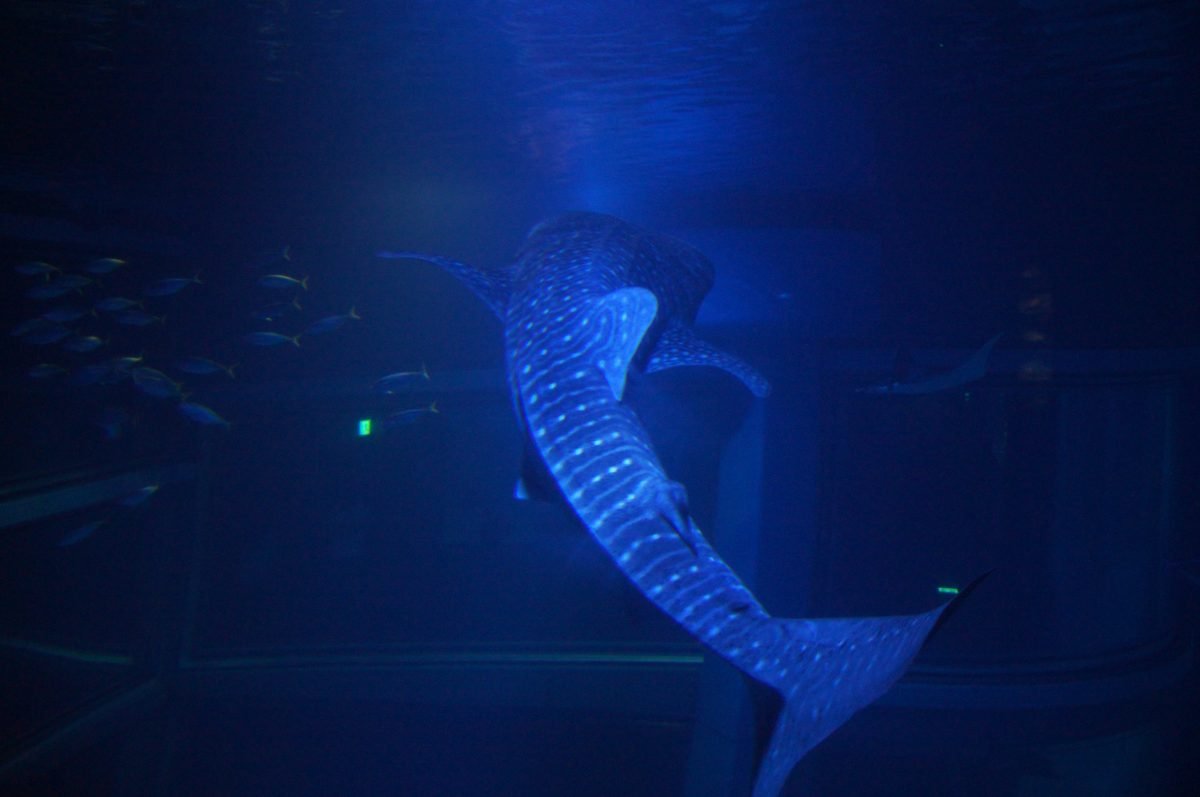
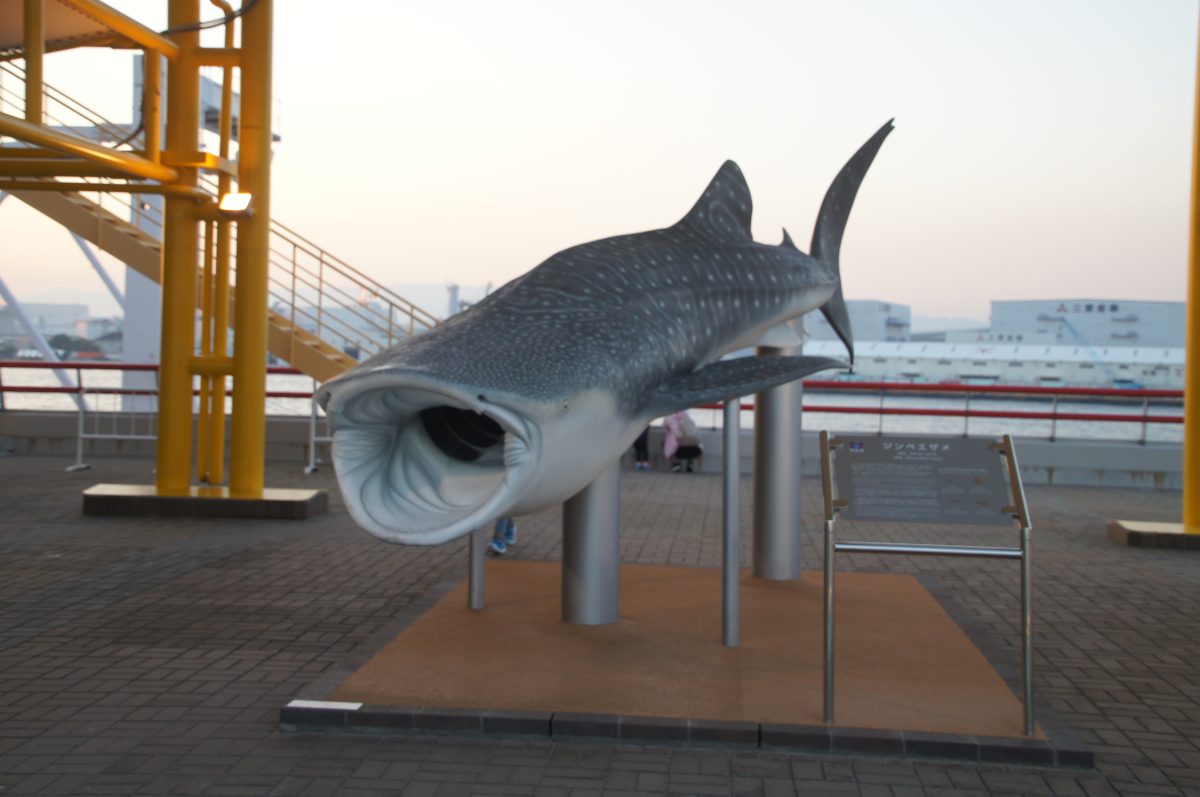
There were two whale sharks in the central tank during our visit. Seeing them appear out of the blue was extraordinary. They were so much larger than everything around them that the other fish seemed to rearrange the picture as each one passed.
I was impressed. I was also uneasy. The tank looked vast from our side of the glass, but a whale shark is a wide-ranging animal, and I kept wondering whether the space could ever be enough. That thought stayed with me after the spectacle had faded.
This was not my favourite aquarium in the world. At the time, I still preferred the one we had visited in Valencia. Kaiyukan was nevertheless memorable, and the repeated views of the main tank were the reason.
The giant Japanese spider crabs
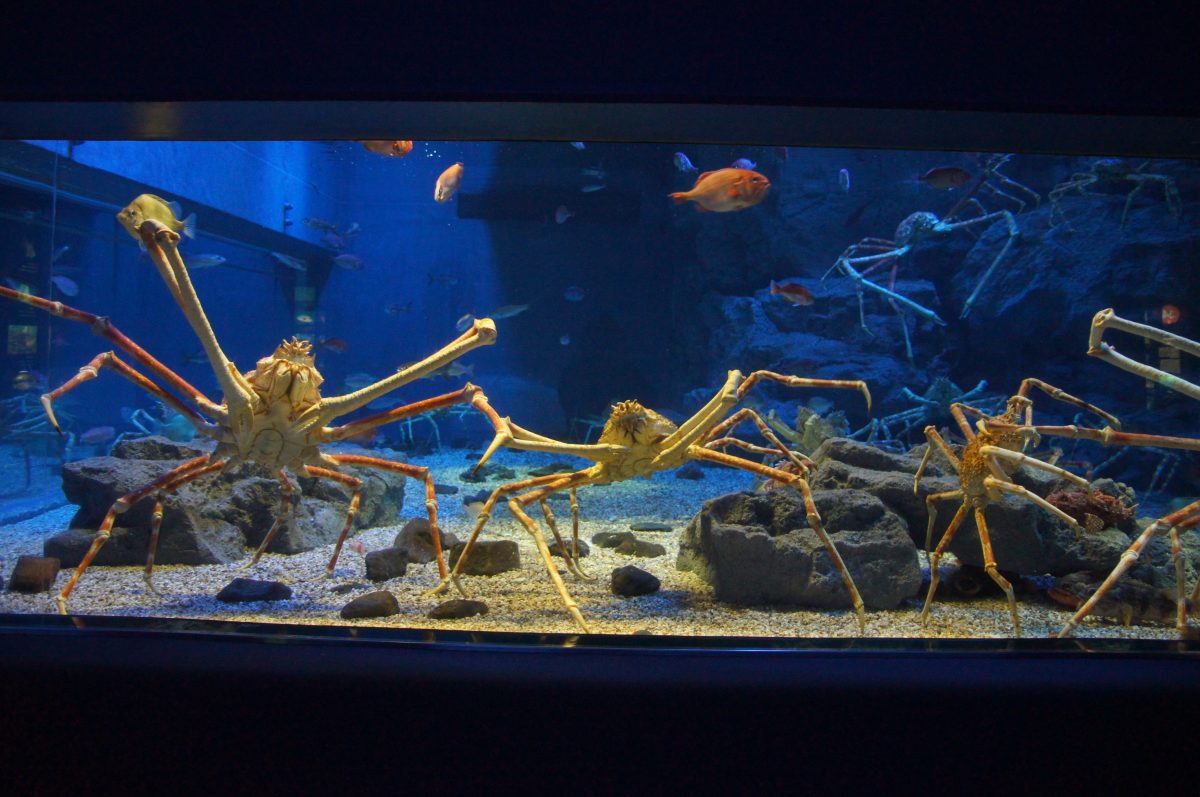
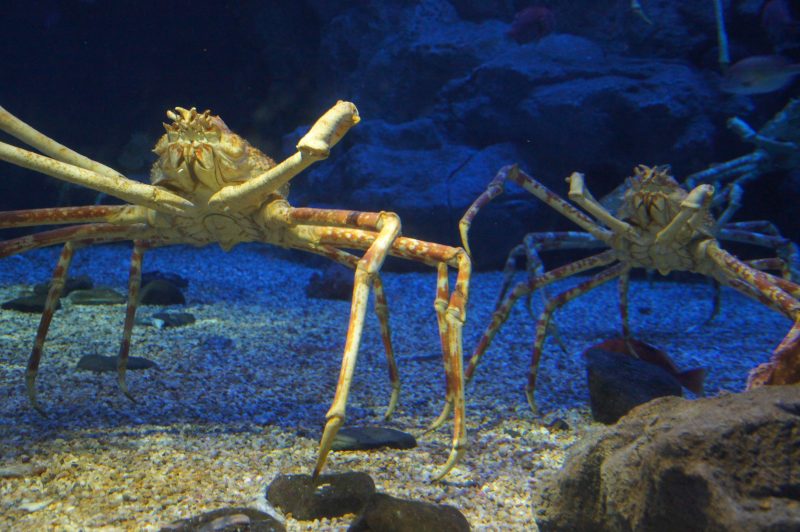
Then we reached the giant Japanese spider crabs.
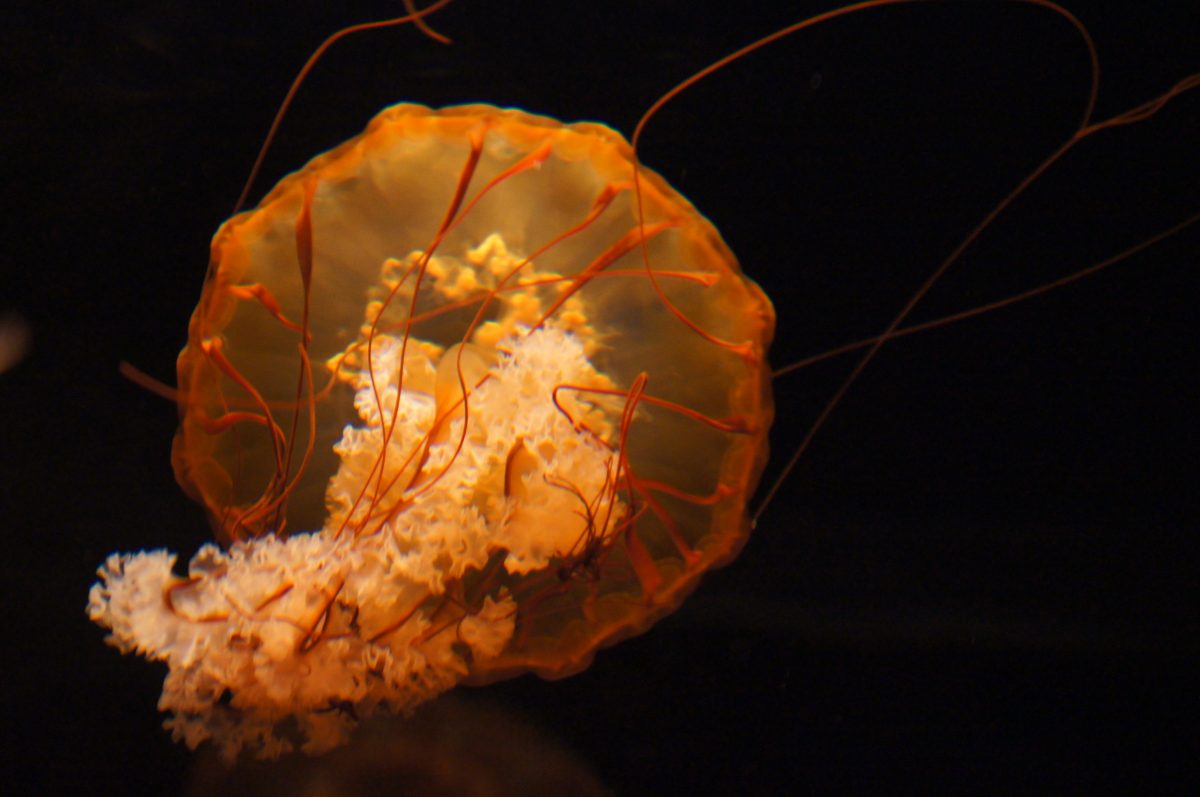
They have impossibly long legs, small bodies and the unnerving air of something that has been waiting patiently in a science-fiction film. I hated them. I could not stop looking at them. They were my total nightmare and, at exactly the same time, one of the best parts of the visit.
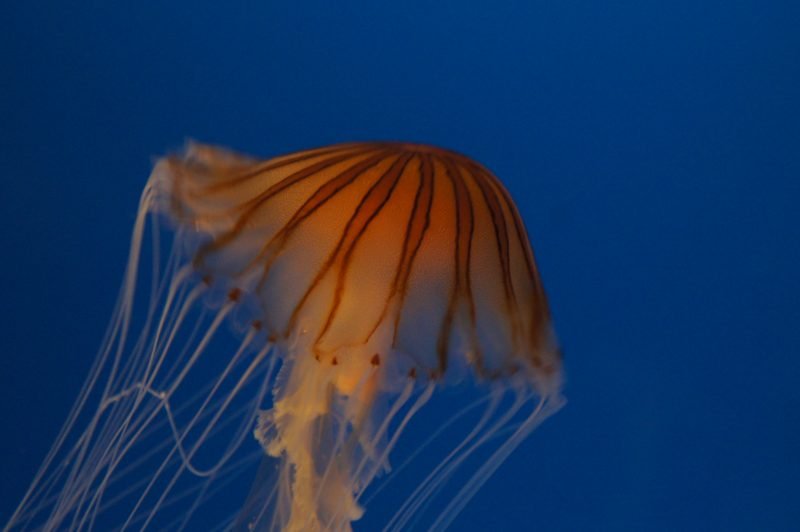
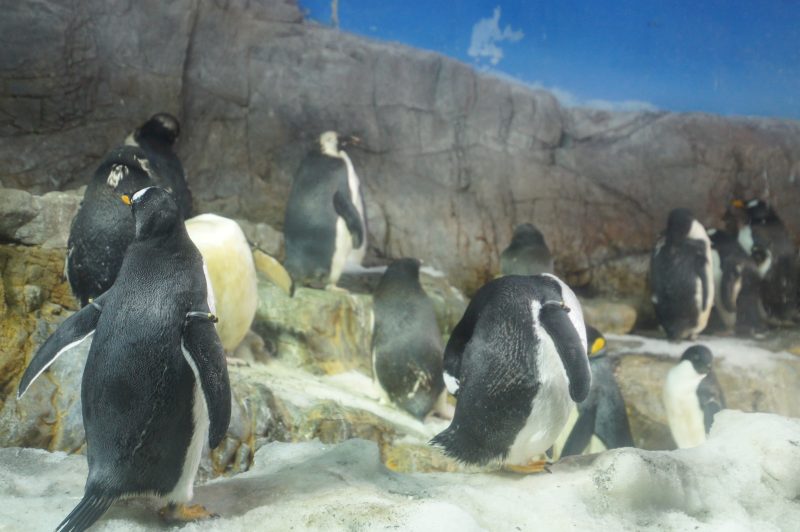
What is the route through Kaiyukan like?
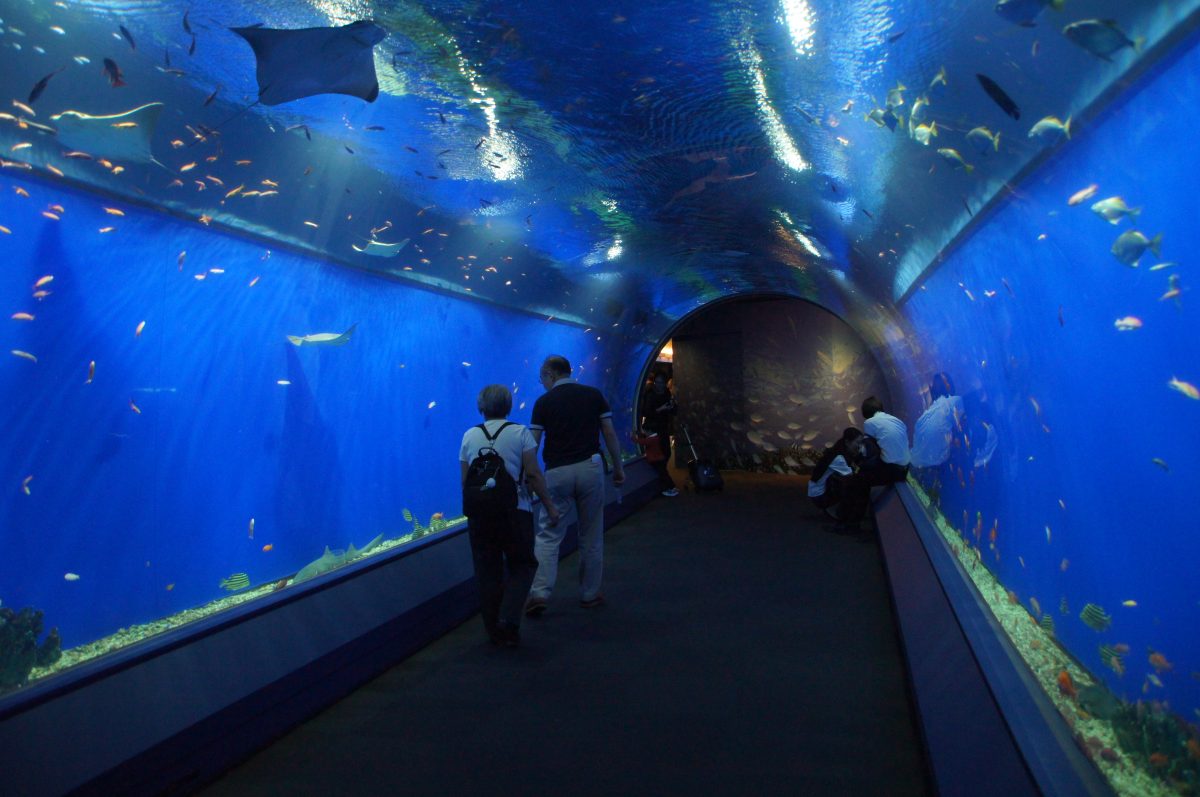
The route is mostly a gradual downward slope. You begin near the top, pass habitats representing areas around the Pacific Rim and circle the central tank as you descend. Different viewing windows reveal it from the surface to the deeper sections.
That structure is Kaiyukan’s great strength. You are not shown the star attraction once and hurried onward. You leave it, meet other animals and then find it beside you again from a new angle. It gives the visit a natural rhythm without requiring you to study a map every six minutes, which I appreciate because my sense of direction does not improve indoors.
Most of the public route is sloped. Kaiyukan’s visitor information notes that a few sections use stairs or escalators; staff can guide wheelchair users and people who need step-free access to lifts. Free wheelchairs and accessible toilets are available.
Is Osaka Aquarium ethical?
There is no neat answer I can hand you here. I do not have the expertise to diagnose an animal’s welfare from a few hours on the public side of the glass, and neither does the size of a viewing window make me an authority.
Kaiyukan publishes information about research and conservation work involving whale sharks and other marine animals. Its visitor material also says that it does not stage dolphin or sea-lion shows, preferring visitors to observe behaviour presented as closer to the animals’ natural lives. Both points are relevant. Neither, on its own, proves that keeping a whale shark in an aquarium is ethically acceptable.
The Pacific Ocean tank is enormous by ordinary aquarium standards. But tank dimensions tell us about scale, not whether an enclosure meets the behavioural needs of every species inside it. That is why I cannot turn my unease into either a condemnation or a reassuring certificate.
If whale sharks in captivity are a hard boundary for you, skip Kaiyukan. You will not enjoy arguing with yourself all the way around. If you are undecided, read the aquarium’s own research material and independent animal-welfare commentary before buying a ticket. Also, allow yourself to reach a different conclusion from mine.
We later visited Okinawa Churaumi Aquarium on a day trip from Naha. That is another first-hand review if you are comparing Japan’s large aquariums, although the same questions about captive whale sharks deserve consideration there too. For a smaller, design-led city aquarium, read our Sumida Aquarium review in Tokyo.
How long do you need at Osaka Aquarium?
Allow about two hours for a normal visit. Kaiyukan’s official frequently asked questions say that many people take roughly that long, and there is no fixed viewing-time limit during opening hours.
Give yourself closer to three hours if you like reading every display, take a great many photographs or are visiting with children who intend to develop a personal relationship with each penguin. If you rush, you lose the advantage of seeing the main tank from several levels.
For planning purposes, treat Kaiyukan as a half-day once you include the journey to Osaka Bay and time around Tempozan. It paired easily with our arrival day. It would also fit into the wider route in our two-week Japan itinerary.
How much does Osaka Aquarium cost?
The standard adult admission published by Kaiyukan in 2017 was ¥2,300. I could not find our original ticket receipt, so that is the official price from the year of our visit, not a claim that I remember handing over exactly ¥2,300. I wish I had kept the useful receipt. But of course that is the one that has vanished.
Kaiyukan now uses date-based pricing. When I checked the official ticket calendar on 24 September 2026, adult e-tickets were ¥2,800 or ¥2,900 on most dates then available, rising to ¥3,200 on 10 October. That is a snapshot of the live 30-day sales window, not a permanent price range.
E-tickets go on sale 30 days ahead and use 15-minute entry slots. The official site says same-day tickets may not be available for your preferred time, so check your own date rather than relying on any fixed amount quoted here — or by another travel writer who has also discovered that ticket pricing refuses to sit still.
How to get to Osaka Aquarium Kaiyukan
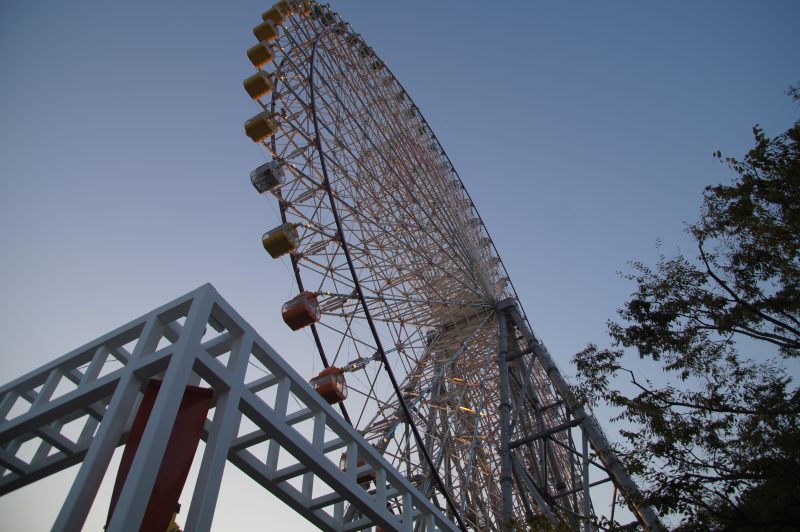
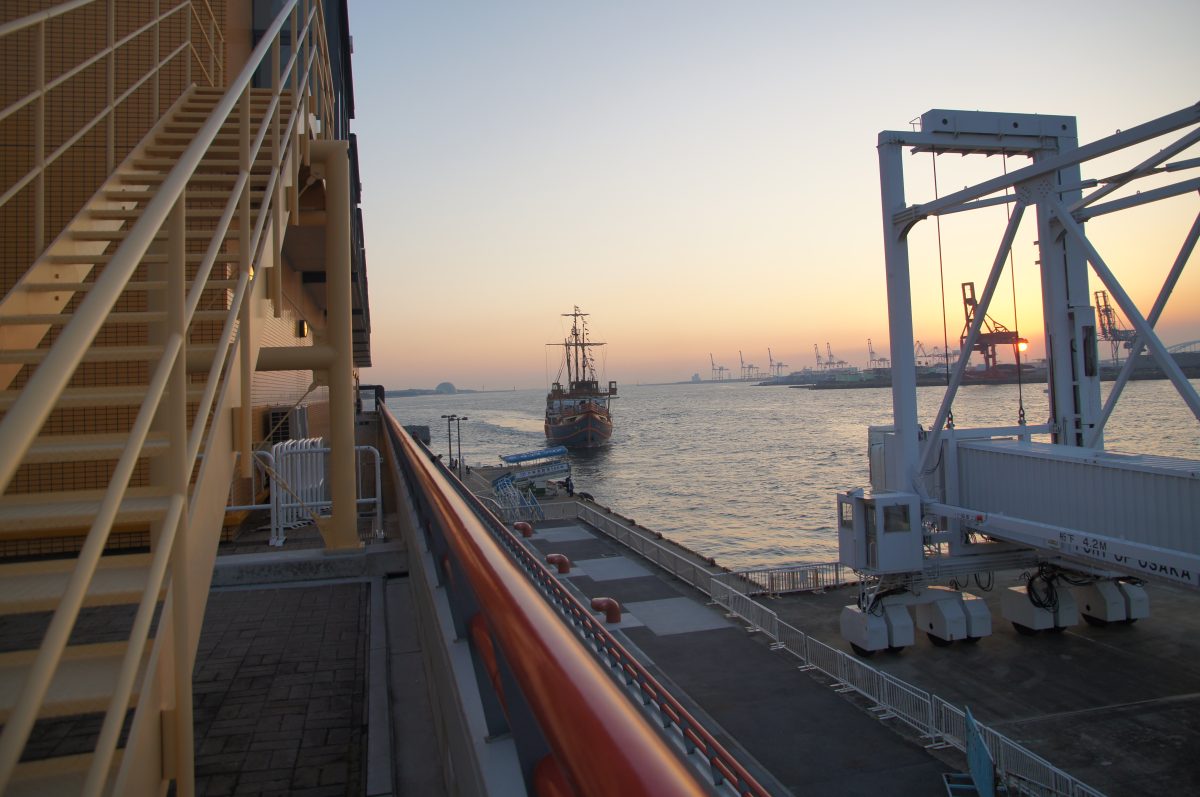
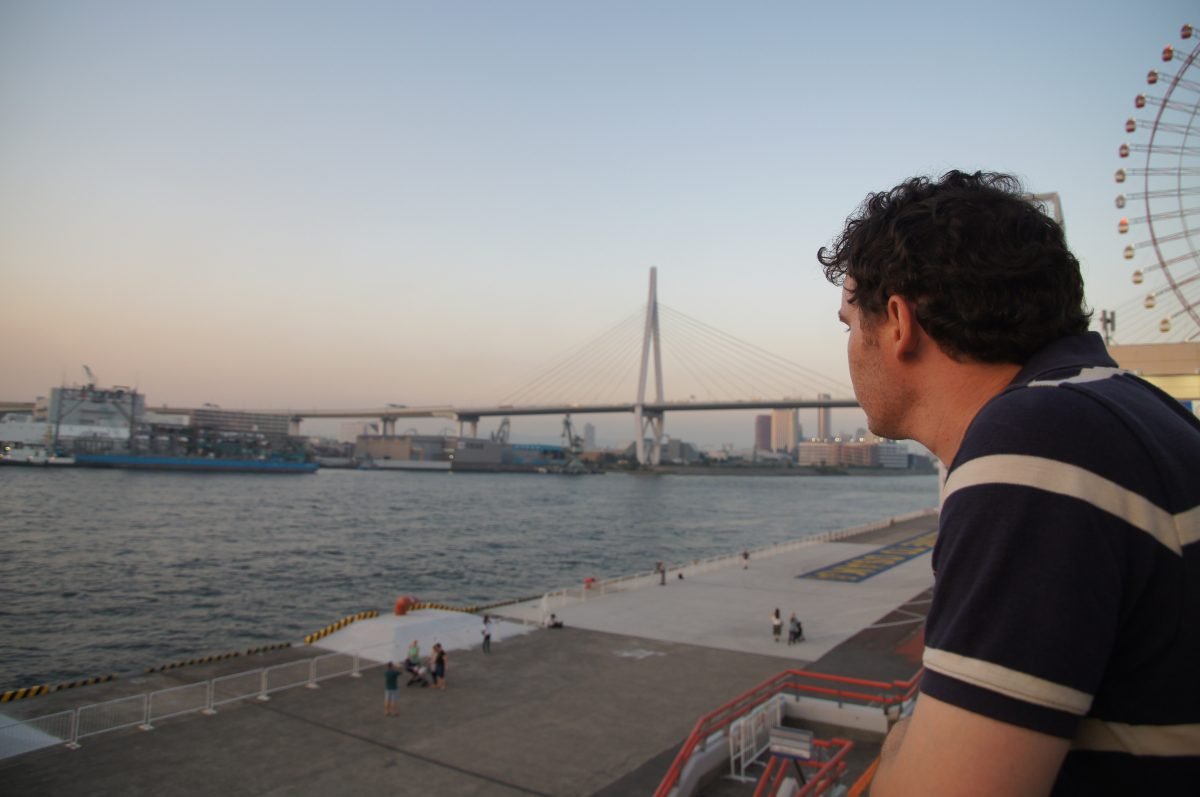
Kaiyukan is in Tempozan Harbour Village in Osaka’s bay area. Take the Osaka Metro Chuo Line to Osakako Station, then follow the signs for a short walk to the aquarium. We travelled there by train from central Osaka and found the journey straightforward.
The bay location means it is not something you casually pass while exploring Dotonbori. Plan the journey into your day. From central Osaka, allow roughly 30–40 minutes each way depending on your starting point and connection.
When is the best time to visit Osaka Aquarium?
It’s tempting to look for one magic hour when Kaiyukan is empty. I cannot give you one. We visited on our arrival afternoon, but I did not make reliable crowd notes and one September visit would not prove very much anyway.
First-hand guides disagree: some recommend arriving for opening, while others found later weekday visits quieter. The cautious choice is a weekday outside Japanese public holidays, with a timed ticket if one is offered for your date. Also, check the official calendar before setting out because opening and final-entry times vary.
Practical tips for visiting Kaiyukan
- Check the official calendar. Opening times and admission can vary by date, and final entry is normally before closing time.
- Allow about two hours inside. Add transport and time around Tempozan when building your Osaka plan.
- Expect low light. Personal photography is allowed, but Kaiyukan’s published rules prohibit tripods. Use a fast lens or your phone’s night mode, and accept that some fish are committed to becoming abstract art.
- Do not hurry past the first main-tank window. You will see the tank repeatedly as the route descends.
- Ask staff about step-free access. Much of the route slopes down, but lifts bypass the sections with stairs or escalators.
- Read about the animal-welfare question before you go. It is better to decide where you stand before the whale sharks appear in front of you.
Who should visit Osaka Aquarium — and who should skip it?
Visit Kaiyukan if…
- You actively enjoy aquariums rather than merely tolerate them for somebody you love.
- You want an indoor activity for a wet, very hot or travel-weary afternoon.
- The building’s spiral route and the scale of the Pacific Ocean tank interest you.
- You have enough time in Osaka to give the bay area half a day.
Skip Kaiyukan if…
- Captive whale sharks are incompatible with your view of animal welfare.
- You have only one day in Osaka and would rather understand the city through its neighbourhoods, food and streets.
- You have recently visited another major aquarium and are suffering from what I can only call tank fatigue.
- Dark, crowded indoor attractions make you miserable.
Our honest verdict on Osaka Aquarium Kaiyukan
Kaiyukan impressed me. Its descending route is clever, the central tank is hypnotic and the spider crabs remain horribly magnificent. I understand why it is one of the places most often added to an Osaka itinerary.
But the whale sharks stopped this from being an uncomplicated recommendation. I enjoyed seeing them and questioned whether I should enjoy it. Both reactions were real.
Would I tell an aquarium enthusiast to go? Yes, after reading about the welfare debate. Would I return automatically on another Osaka trip? Probably not. I would be more likely to spend that half-day eating my way around Kuromon Market or investigating one of the many Osaka sights we missed the first time. This is helpful to you and considerably less helpful to Gary, who knows I can still locate an aquarium in any city!
For more planning ideas, see our Japan travel guide and the complete Osaka itinerary we actually followed.
Osaka Aquarium Kaiyukan FAQs
Is Osaka Aquarium Kaiyukan worth visiting?
Yes, if you enjoy aquariums and are comfortable seeing large marine animals in captivity. See our Sumida vs Kaiyukan vs Churaumi comparison if you are deciding which aquarium best suits your Japan route. Its descending route and Pacific Ocean tank are impressive, but visitors concerned about captive whale sharks may prefer to skip it.
How long do you need at Osaka Aquarium?
Allow about two hours inside. There is no fixed viewing-time limit during opening hours, and keen photographers or families may want closer to three hours.
How much does Osaka Aquarium cost?
Kaiyukan uses date-based admission. When checked on 24 September 2026, adult e-tickets in the live 30-day window ranged from ¥2,800 to ¥3,200. The published adult price when we visited in 2017 was ¥2,300.
How do you get to Osaka Aquarium Kaiyukan?
Take the Osaka Metro Chuo Line to Osakako Station. Kaiyukan is a short, signposted walk away in Tempozan Harbour Village.
When is the best time to visit Osaka Aquarium?
There is no guaranteed quiet time. First-hand advice varies between opening time and later weekday visits, so choose a weekday outside Japanese public holidays and check the ticket calendar for your date.
Can you take photographs inside Osaka Aquarium?
Personal photography is allowed under Kaiyukan’s published visitor rules, but tripods are prohibited. The galleries are dark, so moving animals can be difficult to photograph sharply.
Is Osaka Aquarium ethical?
I cannot give this a simple yes or no. Kaiyukan publishes research and health-management work and does not stage dolphin or sea lion shows, but those points do not settle the ethical question of keeping whale sharks in captivity.