
Written by Katharina Mungall
Travel writer, photographer and architect
Seven days is enough for a first proper look at Kansai, as long as you stop trying to see all of it. I’d give Kyoto three days, Nara one,Osaka two and Himeji one, sleeping in Kyoto for the first half of the week and Osaka for the second. That gets you temples, a very old capital full of deer, Osaka’s food streets and Japan’s best original castle, with only one hotel change.
We didn’t do this exact week in one go. We saw Kyoto and Nara on our first Japan trip in 2015, then came back in September 2017 for three nights in Osaka, a rainy day at Himeji and a last-minute visit to the Golden Pavilion on the way back to Tokyo. This itinerary is the route I’d put together now, using what worked on those two trips and fixing what didn’t.
| Day | Sleep in | Route | Pace |
|---|---|---|---|
| 1 | Kyoto | Sanjusangendo, Kiyomizu-dera, Higashiyama lanes, Kodaiji, Yasaka Shrine, Gion | Long walking day |
| 2 | Kyoto | Fushimi Inari early, then Kinkaku-ji | Two big sights, one long transfer |
| 3 | Kyoto | Arashiyama: bamboo grove, river, Togetsukyo Bridge, monkey park | Early start, looser afternoon |
| 4 | Osaka | Nara day trip, then continue to Osaka | Full day plus a hotel move |
| 5 | Osaka | Osaka Castle, Kuromon Market, Shinsaibashi, Dotonbori | Full day; evening in Dotonbori |
| 6 | Osaka | Himeji Castle and Koko-en | Full day trip |
| 7 | Depart | Umeda, the aquarium or anything you rushed | Flexible |
Is seven days enough for Kansai?
Yes, for a first visit. A week gives you three Kyoto days (the minimum I’d give it), a proper day in Nara and a Himeji day trip that doesn’t have to share space with anything else. It is still a busy week. You won’t see northern Higashiyama, Uji, Kobe or Mount Koya, and Osaka gets the lively highlights rather than every neighbourhood.
If you only have five days, drop Himeji and one Osaka day before you cut Kyoto. With ten days, add a slower fourth Kyoto day and a second Osaka day before adding new cities. Our Japan planning guide covers the bigger decisions if Kansai is part of a longer trip.
How our two trips shaped this route
On our first trip we came from Hiroshima and arrived in Kyoto after about three hours on the train, so our first Kyoto day was really three-quarters of a day. We spent it in southern Higashiyama and Gion and finished with a kaiseki dinner that cost ¥5,000 – the most expensive meal of that whole trip, and worth it. The next day was Nara. On another day we went to Arashiyama, where we lost time in the morning, skipped the Okochi Sanso garden and climbed up to the monkey park instead.
We also stayed at the Urban Hotel Kyoto, near Fushimi Inari. It was clean, modern and in a quiet residential area, but with hindsight I’d have stayed closer to the centre. Most of our Kyoto train journeys were covered by our JR Pass; we still needed the odd bus.
The 2017 trip was a different mess. We planned to stop in Kyoto on the way to Osaka, then decided we’d rather drop our bags at the hotel first. Check-in wasn’t until 1pm, so we stayed in Osaka for the afternoon and left Kyoto for the end of the trip. That’s how Kinkaku-ji ended up squeezed in on our last day in Kansai, on the way back to Tokyo. It worked, but it was not a plan so much as a rescue.
That’s why this itinerary sleeps in Kyoto first, gives Kinkaku-ji a day of its own planning, and doesn’t try to sightsee with suitcases.

Where to stay: split the week between Kyoto and Osaka
Stay in Kyoto for three nights, then Osaka for three nights. Kyoto rewards early starts, and you can’t really get those if you’re commuting in from Osaka each morning. Osaka is the better base for Himeji and for evenings out. Nara sits neatly between the two, so it works as the day you change hotels: leave your bags at the station or send them ahead, see Nara, then carry on to Osaka.
- Kyoto: stay near Kyoto Station for trains, or downtown around Kawaramachi for restaurants and buses in several directions. Gion and Higashiyama are the most atmospheric, and usually the most expensive. I wouldn’t repeat our choice of the far south near Fushimi Inari.
- Osaka: Namba if food and late evenings matter most, Umeda if you care more about train connections. We stayed at Hotel Cordia Osaka near Higobashi, a quieter spot between the two. It was clean and modern, and it cost us ¥35,640 for three nights in September 2017. Dotonbori was a metro ride or a roughly 35-minute walk away.
This post contains affiliate links; if you book through one, we may earn a commission at no extra cost to you.
The day-by-day route
Day 1: Sanjusangendo, Kiyomizu-dera, Higashiyama and Gion
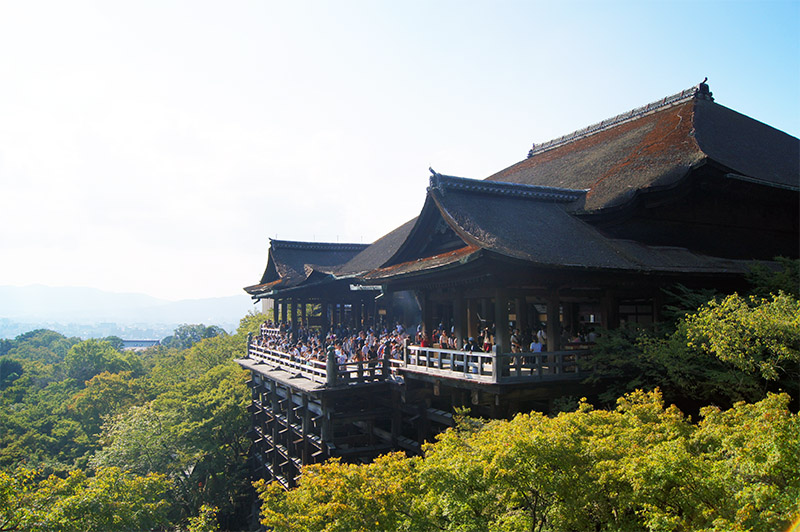
Start at Sanjusangendo, with its long hall of 1,001 Kannon statues (no photos inside), then walk about 25 minutes north to Kiyomizu-dera. At the temple’s Jishu Shrine you’re meant to walk between two stones with your eyes closed for luck in love. It seems to have worked for Gary and me, though it’s harder than it sounds with a crowd in the way.
Walk down through Sannenzaka and Ninenzaka, and leave time for Kodaiji. We found it completely by chance, and it was the least crowded place we visited in Kyoto. Finish with Yasaka Shrine and Gion in the evening, when the lanterns are lit and you’re more likely to see Gion as a working neighbourhood rather than a day-trip stop. Please don’t follow or photograph geiko and maiko; Kyoto’s official guidance asks visitors not to.
If you arrive with more time than we had, northern Higashiyama (the Philosopher’s Path and Ginkaku-ji) is the natural extension. We didn’t make it that far. Our three-day Kyoto itinerary has more detail on the route.
Day 2: Fushimi Inari early, then Kinkaku-ji
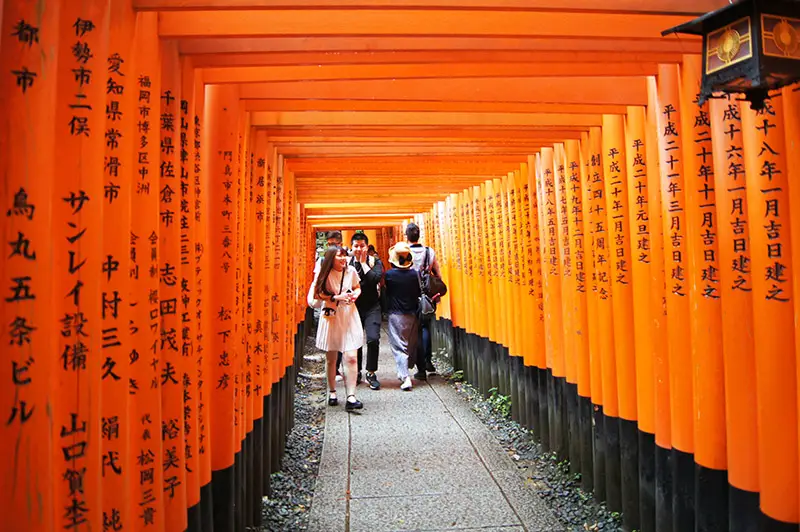
Go to Fushimi Inari as early as you can manage; the lower torii tunnels are the busiest part. JR Inari Station is right by the shrine, a couple of stops from Kyoto Station. You don’t need to climb to the summit. The Yotsutsuji intersection, roughly 30–45 minutes up, is where most people turn round, and it has a view over the city.
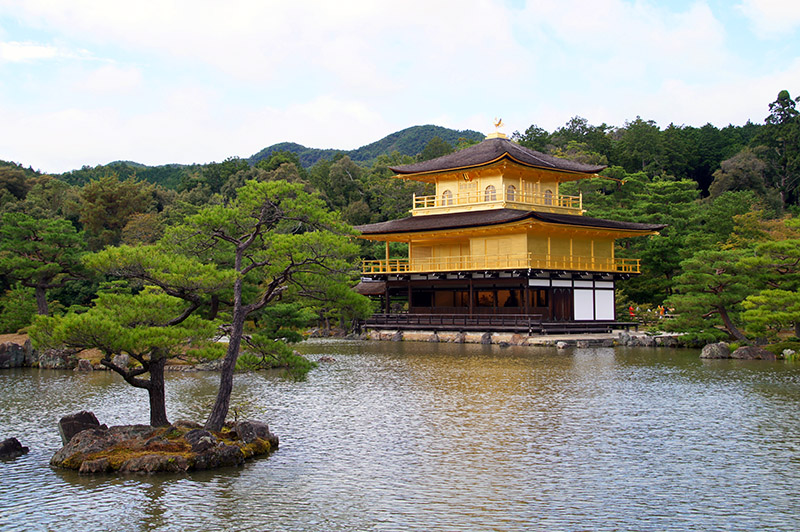
Then cross the city to Kinkaku-ji. It’s on the opposite side of Kyoto, so treat the journey as part of the day rather than something to squeeze in. We missed it on our first trip and only saw it on our second, on our final day in Kansai. The official site lists opening hours of 9am–5pm, so don’t leave it until late afternoon.
Day 3: Arashiyama and the monkey park
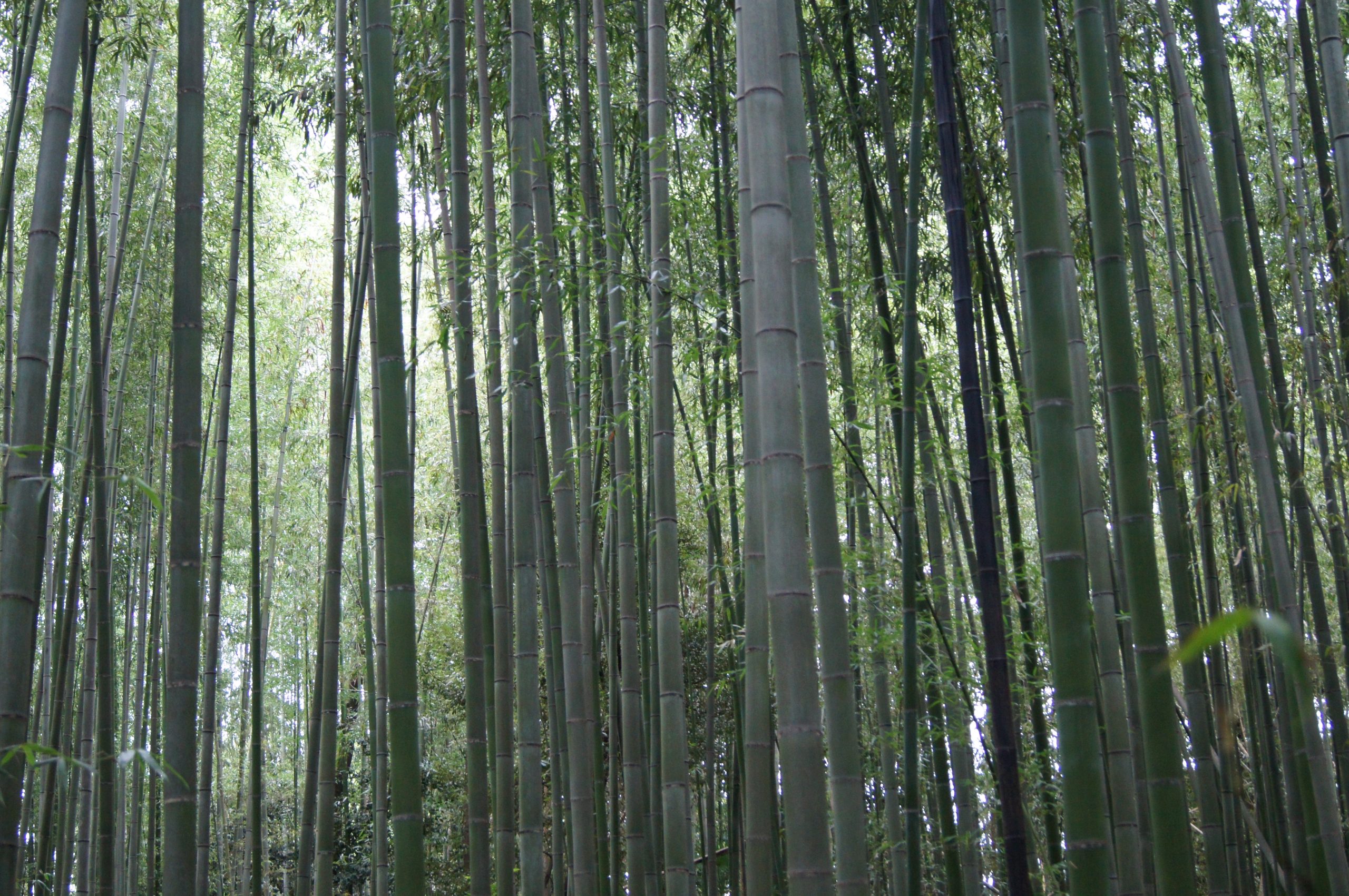
Catch an early train to Arashiyama and walk the bamboo grove before the crowds build; it fills up quickly. From there you have a choice. The path leads on to Okochi Sanso, the former villa and gardens of an actor, which I’d planned for but we skipped because we’d lost too much time that morning. Or you can head down to the river, cross Togetsukyo Bridge and climb to Iwatayama Monkey Park.
We did the monkey park. The climb took us about 15–20 minutes, and at the top there were monkeys roaming freely and a wide view back over Kyoto. If gardens appeal more than a steep path, choose Okochi Sanso instead, but check its current prices and hours; I can’t review it from experience.
Keep the evening free. By day three you’ll have walked a lot.
Day 4: Nara, then on to Osaka
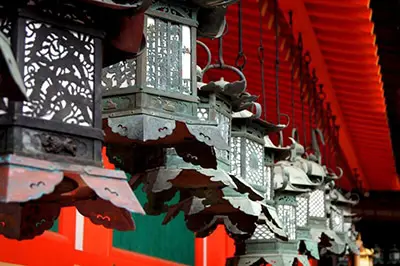
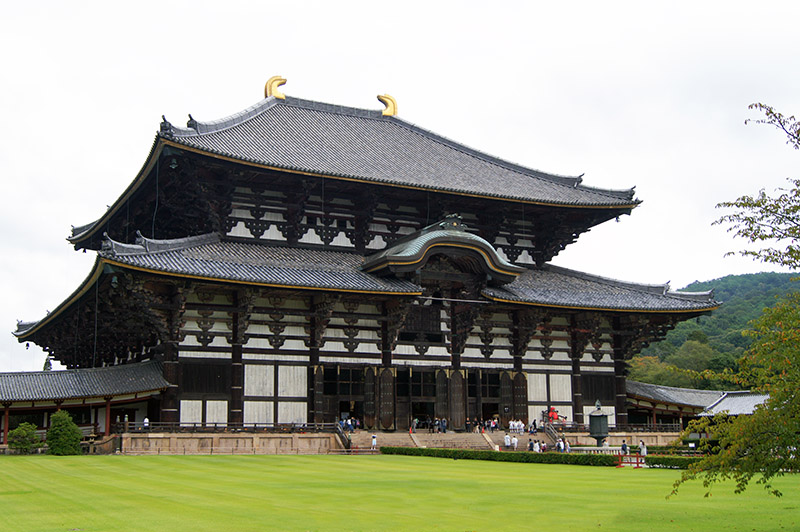
On our first trip we took the JR Nara Line from Kyoto, about 45 minutes. The Kintetsu line is quicker and arrives closer to Nara Park, but it isn’t covered by a JR Pass. Either way, the main sights are close together: Kofuku-ji and its five-storey pagoda, Nara Park and its deer, Todai-ji with its huge bronze Buddha, and Kasuga Taisha with its lanterns – still my all-time favourite shrine in Japan. One day is enough for those if you start early.
The deer are sweet but pushy once they spot deer crackers. Buy the official shika senbei if you want to feed them, keep other food and paper out of sight, and don’t tease them with the crackers. Our Nara day-trip guide has the walking route.
Move to Osaka in the evening. From Nara, both JR and Kintetsu run direct to Osaka, so it’s an easy last leg.
Day 5: Osaka Castle, Kuromon, Shinsaibashi and Dotonbori
This is based on our own long Osaka day in 2017, reordered. We did Osaka Castle, then walked through Shinsaibashi to Dotonbori, then carried on to Kuromon Market and Den Den Town. It was around 28°C, we reached Kuromon later than was useful, and by Den Den Town our feet had had enough.
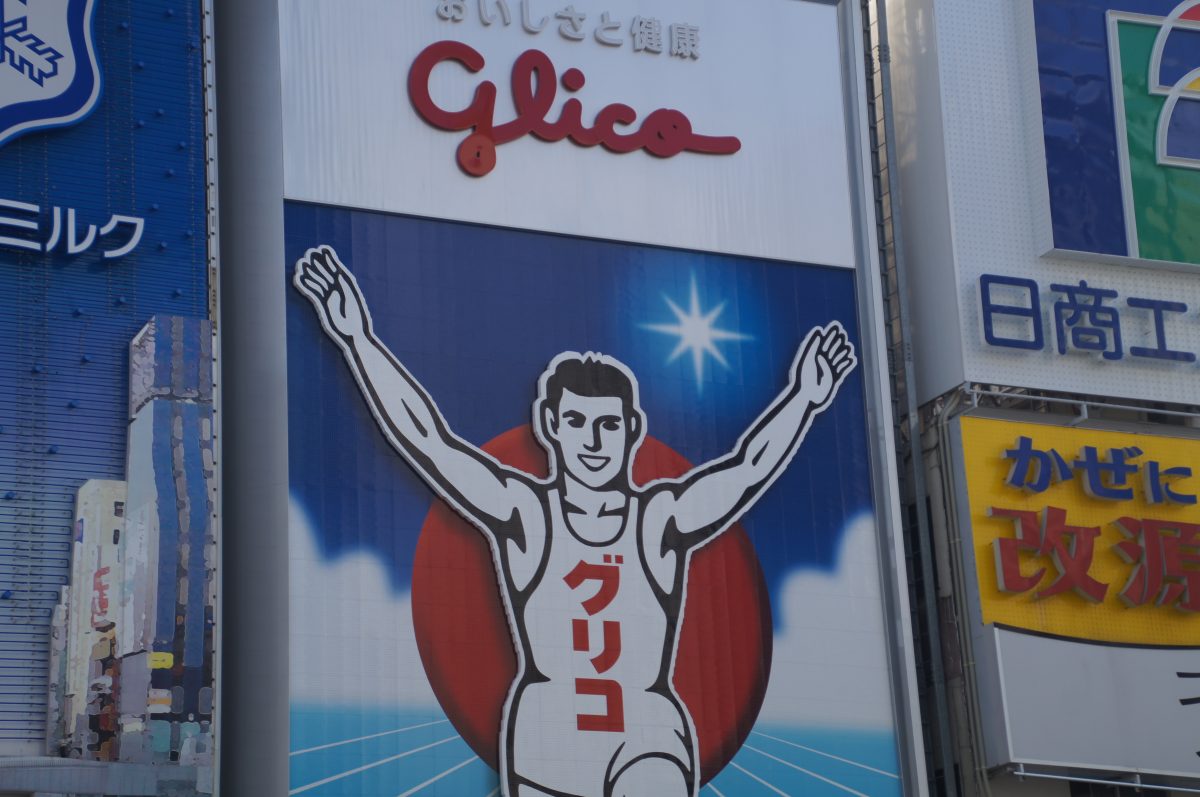
I’d now do the castle first thing, take the metro rather than walking the long gap, then Kuromon Market in the late morning while more of its stalls are open. Spend the afternoon in Shinsaibashi and walk down its covered arcade to Dotonbori for the evening. Dotonbori is much better after dark, when the signs are lit. Den Den Town is only worth adding if anime, games or electronics are your thing.
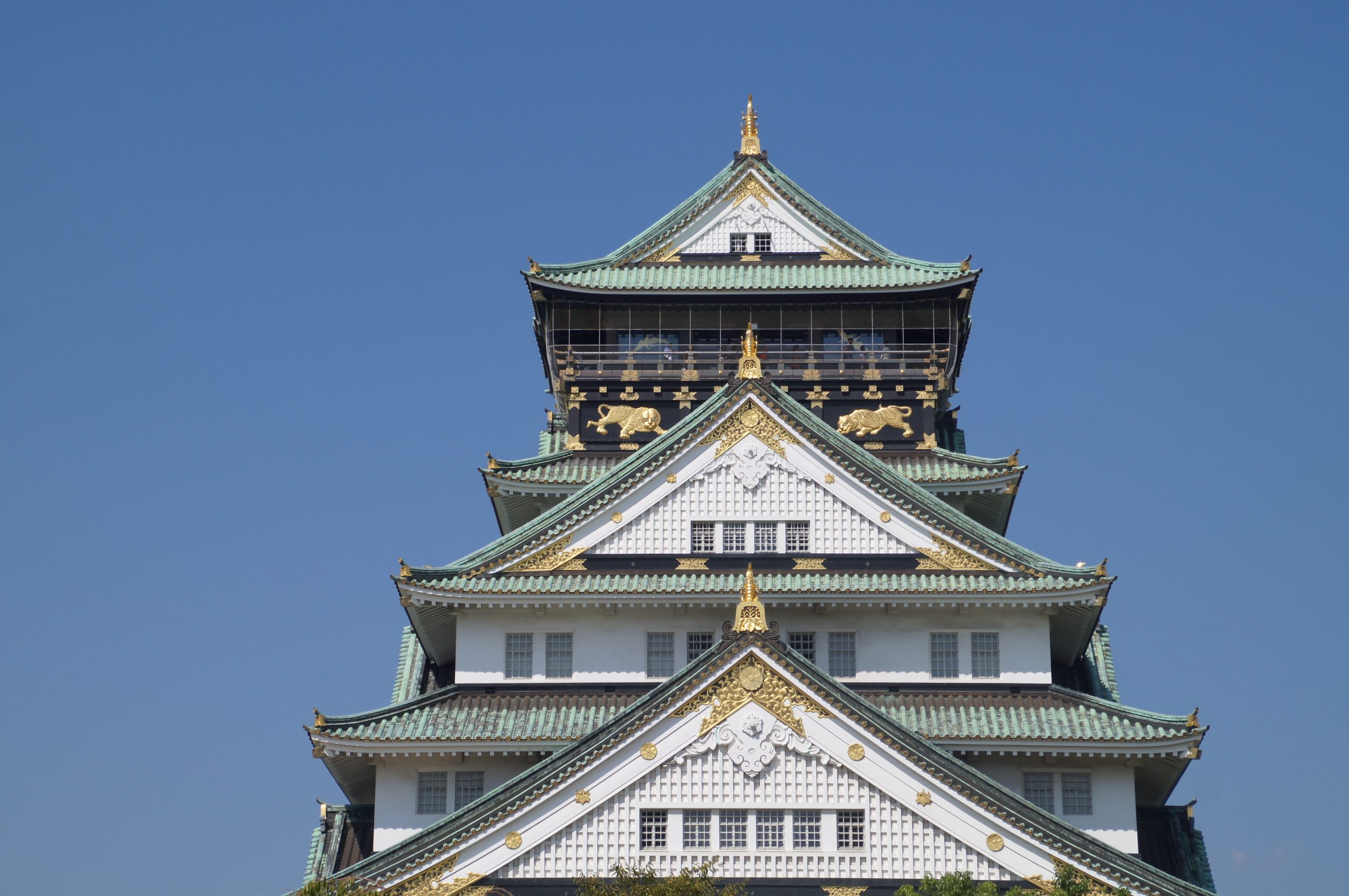
The castle’s main tower is a 1931 reconstruction housing a modern museum, so go for the grounds, walls and moats as much as the interior. See our Osaka Castle review, Kuromon Market guide and Dotonbori guide for the details, and our two-day Osaka itinerary for the full city plan.
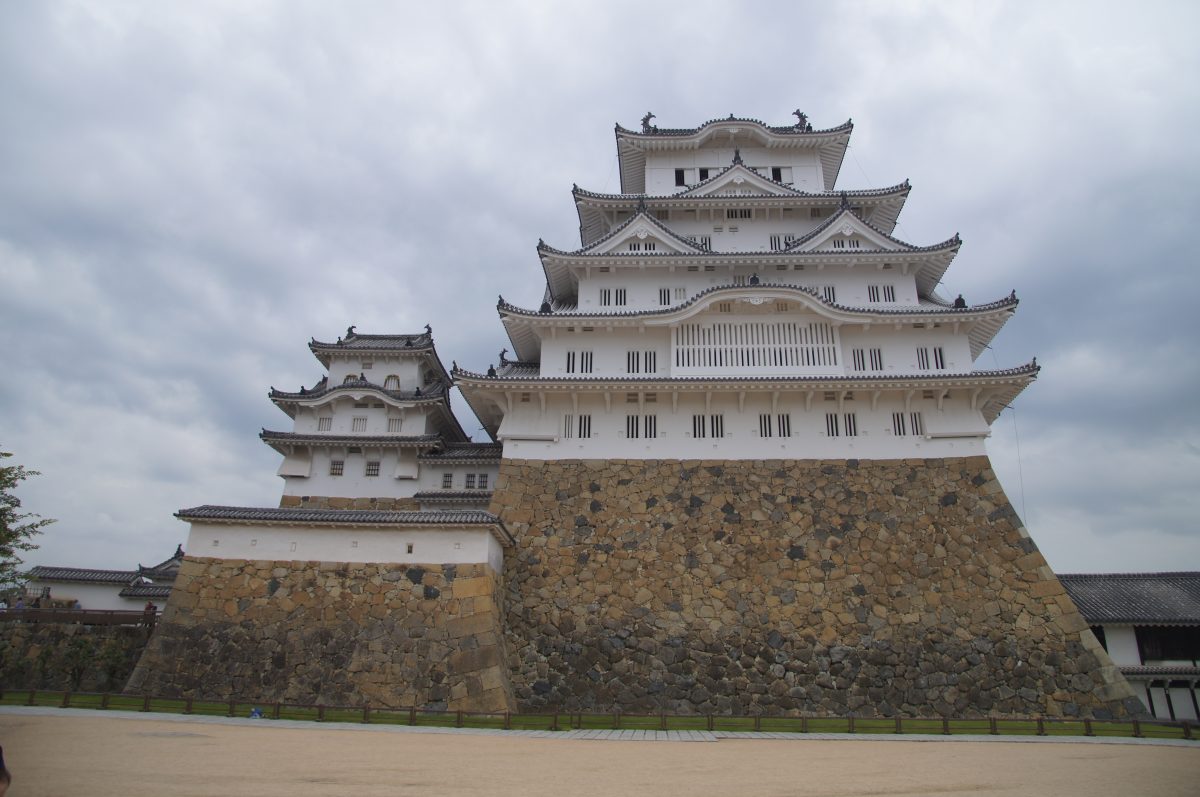
Day 6: Himeji Castle and Koko-en
Give Himeji a whole day. From Osaka it takes about an hour on the JR Special Rapid, or about half that by shinkansen from Shin-Osaka. We went in the rain after a week of heat, which was bad for photos but didn’t make the castle any less impressive. Unlike Osaka, it’s an original castle, with wooden interiors, steep internal stairs and defences you can still pick out as you climb. We walked about 25,000 steps that day.
Pair the castle with Koko-en, the gardens next door, and don’t try to add Kobe or Hiroshima the same day. The official site lists regular opening hours of 9am–5pm, with last entry at 4pm. Our Himeji day-trip guide covers trains, tickets and our route through the keep; for the castle interior, steep stairs and a closer look at whether it is worth paying to go inside, read my Himeji Castle guide.
Day 7: A flexible last day in Osaka
Keep the last day loose, especially if you have a flight to catch. Our first afternoon in Osaka was spent at Grand Front Osaka, next to Osaka Station, and then the Kaiyukan aquarium, and either would suit a departure day. Otherwise, go back to whichever part of Osaka you rushed, or just eat.
Getting around Kansai without buying the wrong pass
On our first trip, a nationwide JR Pass made sense because we were travelling the length of the country. For a Kansai-only week, it rarely does, especially since the pass price went up in 2023. This route mixes JR, Kintetsu, the Osaka Metro and Kyoto buses, and no single pass covers all of them.
Price your actual journeys first and use an IC card (ICOCA, Suica or Pasmo) for local trains, subways and buses. Then compare the total with JR West’s Kansai area passes; they can pay off if Himeji and your airport transfers are on JR, but they don’t cover Kintetsu or the metro. For the Kyoto–Osaka hotel move, forwarding your luggage (takkyubin) or a station locker on Nara day will save you a lot of hassle.
What I’d do differently
- Stay central in Kyoto. Our hotel near Fushimi Inari was clean and quiet, but with hindsight I’d have stayed closer to the centre.
- Never sightsee with luggage. It’s why our 2017 Kyoto stop turned into an Osaka afternoon.
- Plan Kinkaku-ji properly. We missed it in 2015 and only saw it in 2017 because we squeezed it in on our last day.
- Go to Kuromon before Dotonbori. The market winds down just as Dotonbori gets going.
- Start Arashiyama early. Losing an hour there cost us the Okochi Sanso garden.
Kansai itinerary FAQs
Should I stay in Kyoto or Osaka?
For this route, both. Three nights in Kyoto lets you start early at the busiest sights; three in Osaka suits Himeji and evenings in Dotonbori. Staying in one city saves a hotel move but costs you time twice a day.
Can I visit Nara from Osaka instead?
Yes. Nara is easy from either city. This version uses it as the day you change bases, so the move doesn’t waste a day.
Is Himeji worth a whole day?
I think so. It’s one of Japan’s few original castles, and the castle and Koko-en filled our day. If you’re short on days, it’s the first thing I’d cut, but I’d rather cut it than squeeze it.
Would I add Kobe or Uji?
Only by swapping something out. They aren’t part of this route, and seven days won’t absorb extra cities without losing a Kyoto day or turning Himeji into a half-day.
For the wider picture, see our Japan travel guide or fit this week into our two-week Japan itinerary by train.
Which stop would you give the extra day on your own Kansai itinerary?