Our Nikko day trip from Tokyo was supposed to happen on a Sunday. Then a typhoon arrived, the rain became biblical and we postponed it. The following morning was scorching hot and brilliantly sunny, because Japan apparently wanted to make sure we experienced every possible weather condition within 24 hours.
We also began that morning with a 9.30am furoshiki workshop at Shiba Park Hotel. Lovely? Yes. Compatible with catching the earliest train to Nikko? Not remotely.
Even with our rather relaxed start, Nikko was worth the journey. We concentrated on the UNESCO World Heritage area and visited Nikko Toshogu Shrine, Futarasan Shrine and Shinkyo Bridge. By the time we returned to Tokyo, we had walked around 14,000 steps and were shattered. But the carvings, cedar forest and sheer detail of Toshogu made this one of the most memorable day trips from our Tokyo itinerary.
The short answer: Nikko is an excellent day trip from Tokyo if you focus on the central shrines and temples. Leave early, allow a full day and do not try to squeeze in Lake Chuzenji, Kegon Falls and three theme parks for good measure!
Nikko sits in Tochigi Prefecture, about 125 kilometres north of Tokyo. It’s close enough for a day trip, but far enough away to feel as though you have properly left the city.
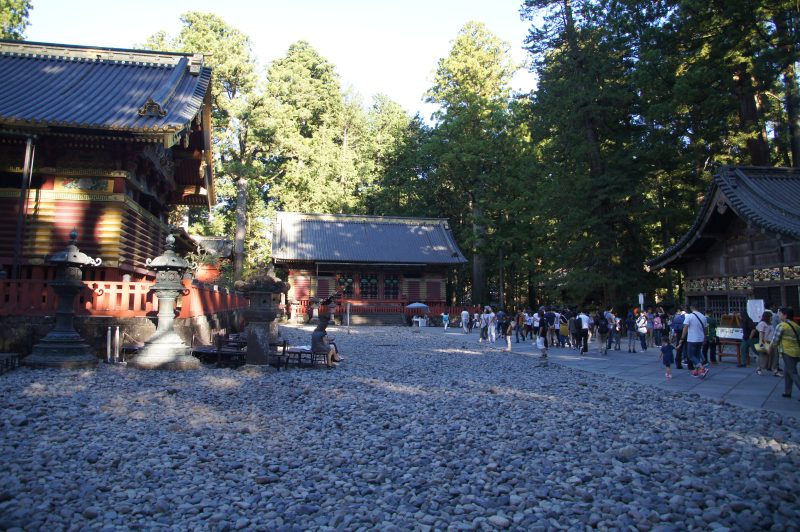
Our Nikko day trip at a glance
| Question | Our answer |
|---|---|
| Is Nikko worth a day trip? | Yes, especially for Japanese history, ornate architecture and forest scenery. |
| Our actual route | Nikko Toshogu Shrine → Futarasan Shrine → Shinkyo Bridge |
| The route I would use now | Shinkyo Bridge → Rinnoji Temple → Toshogu Shrine → Futarasan Shrine |
| Time needed | A full day from Tokyo; allow at least four to five hours in central Nikko. |
| Walking | We recorded about 14,000 steps, including a fair amount of climbing. |
| Best transport for most visitors | Tobu Railway from Asakusa; the World Heritage Area Pass currently costs ¥3,000, with limited-express tickets extra. |
| Current entry costs | Toshogu ¥1,600; Shinkyo crossing ¥300; Futarasan’s main grounds are free and its Shinen Garden is ¥300. |
Prices and opening information in this guide were checked on 24 September 2026. I could not recover exactly what we paid in 2017, so I have used current official prices rather than pretending my memory is a filing cabinet.
Is Nikko worth visiting for one day?
Yes. Nikko should be on your Japan list if you enjoy temples, shrines, craftsmanship or history. The UNESCO site is not a single building but a complex of 103 religious structures belonging to two Shinto shrines and one Buddhist temple, all set among wooded hills.
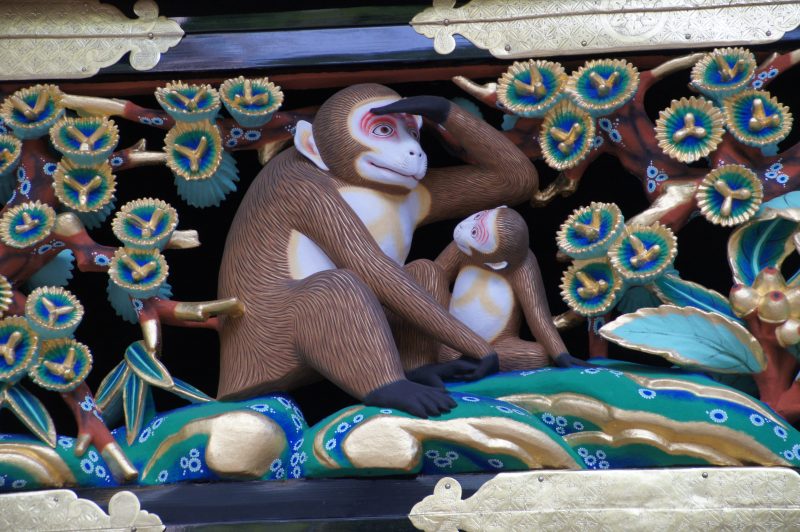
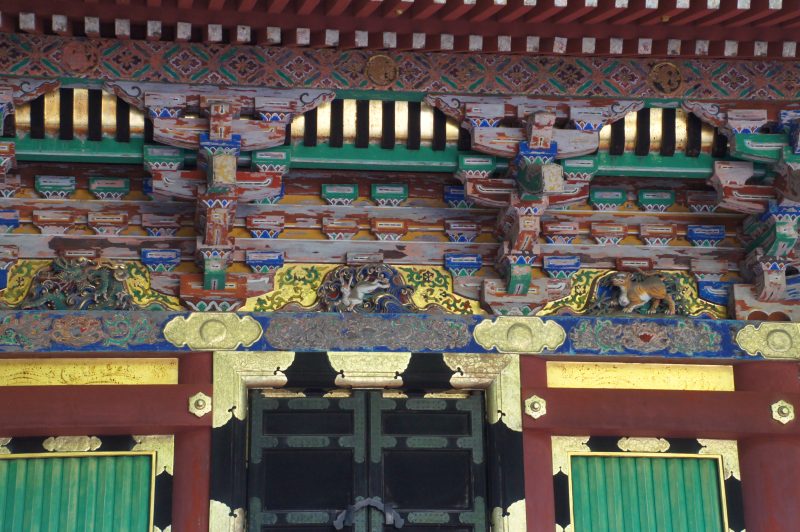
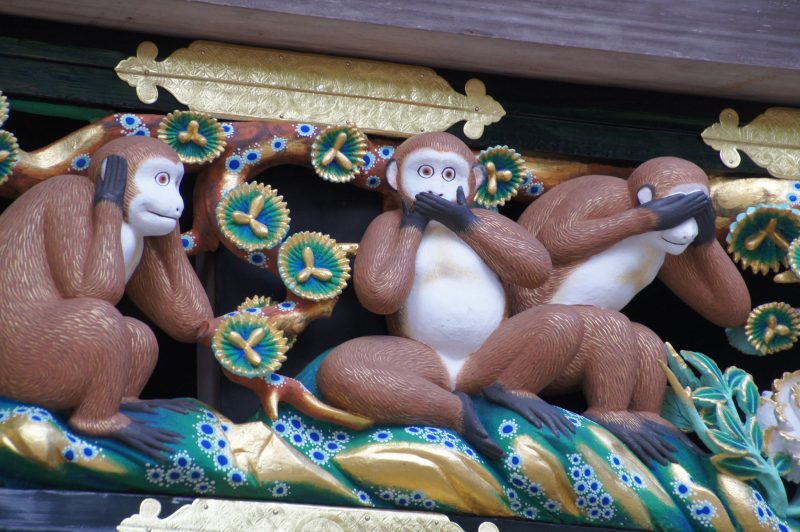
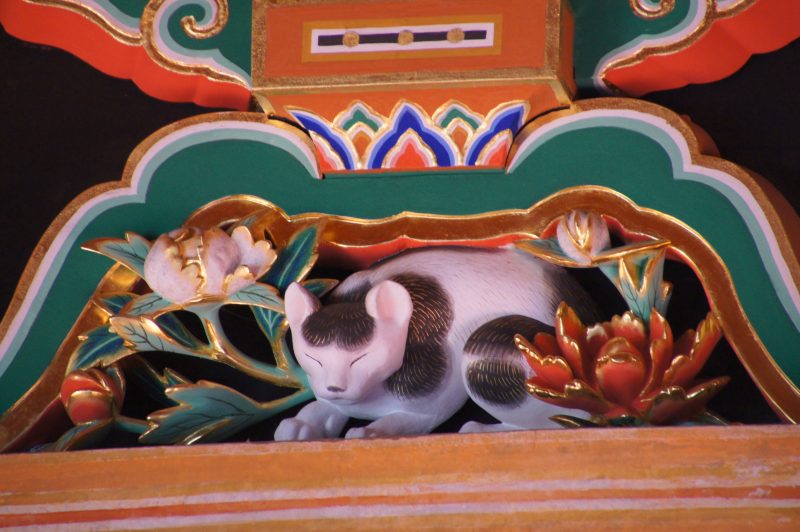
Toshogu was the reason Nikko stayed with me. I had already seen plenty of beautiful religious buildings in Japan, but its wood carvings were on another level. Gold, colour, animals, flowers, tiny details tucked into gates and storehouses: it is almost absurdly decorated. Somehow, the surrounding cedars stop it from feeling gaudy.
But Nikko is not a quick hop from Tokyo. The journey usually takes around two hours each way, and the heritage area involves steps, slopes and more walking than it first appears. It works in one day because the main historic sights sit close together. Greater Nikko does not.
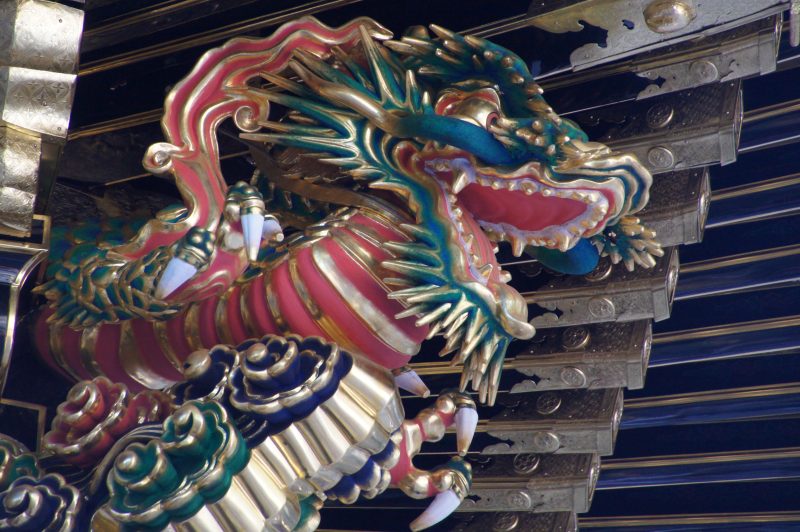
Things to do in Nikko in one day: our real route
Our route was not the neatest geographical order. We went straight to Toshogu, continued to Futarasan and finished at Shinkyo Bridge. Most itineraries put the bridge first because it stands between the stations and the shrine complex. We did it backwards. This is not unusual for us.
1. Nikko Toshogu Shrine
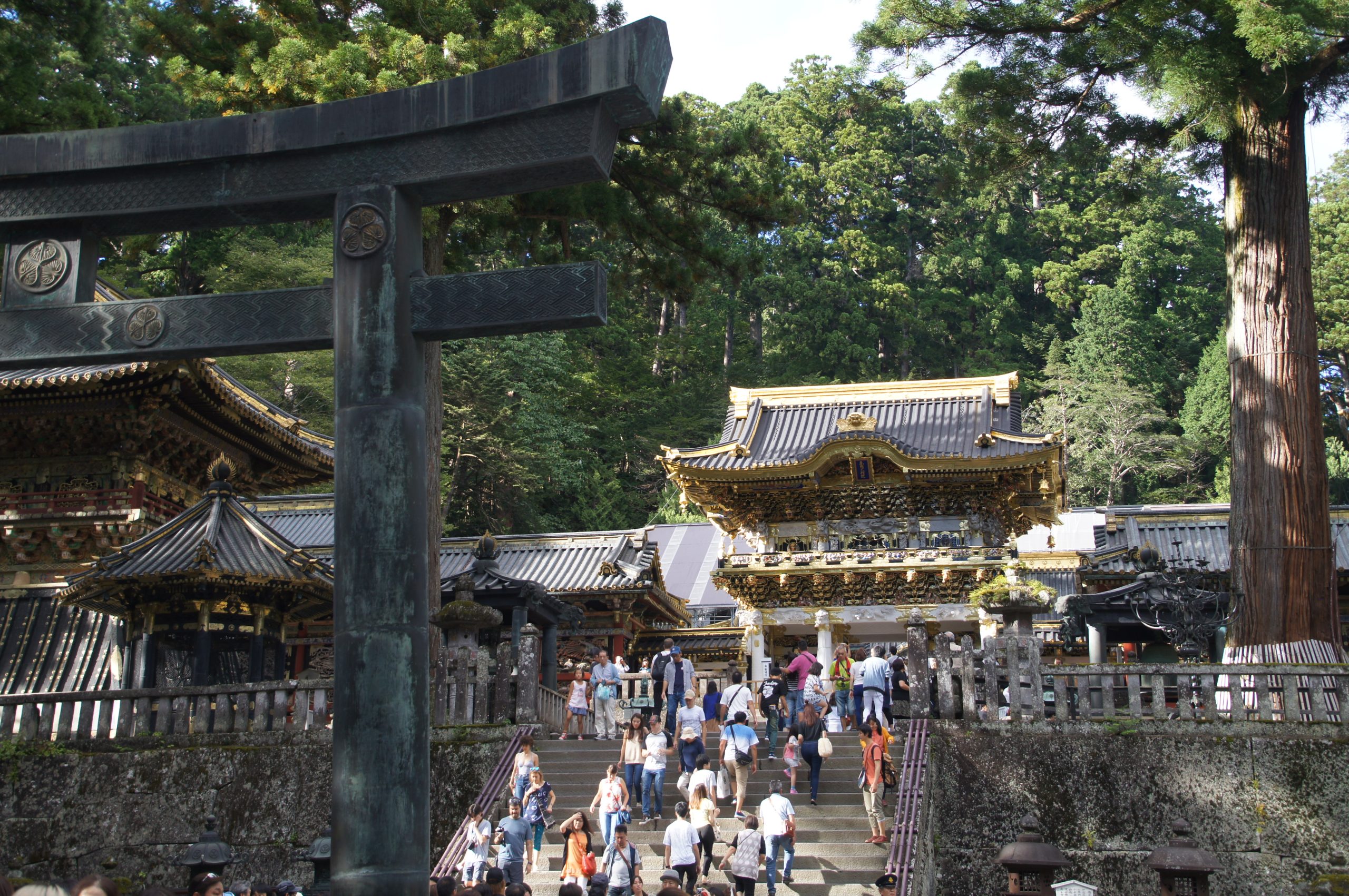
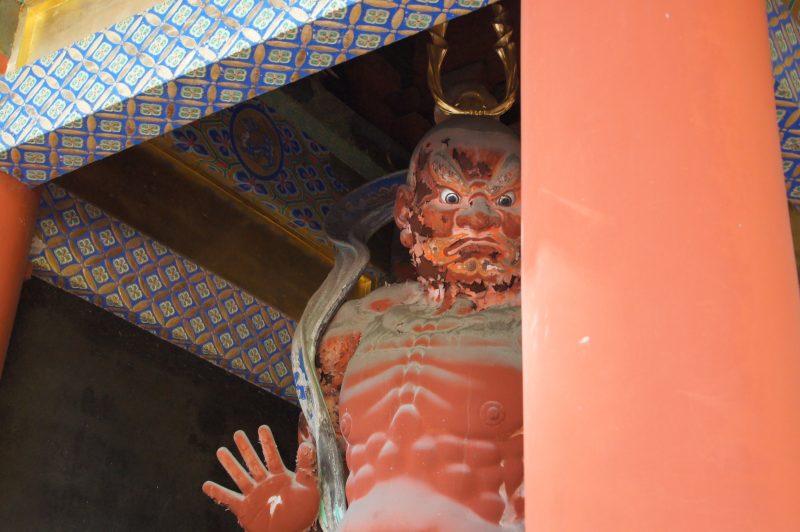
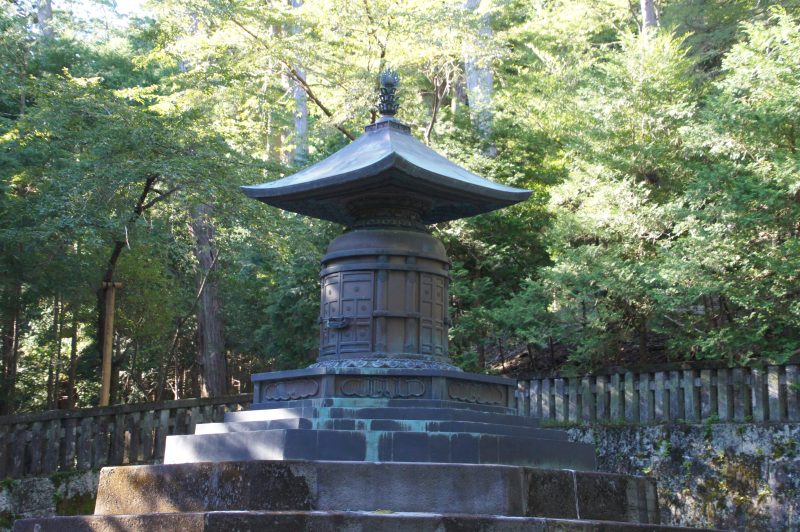
Nikko Toshogu was our first stop and the main event. The shrine honours Tokugawa Ieyasu, founder of the Tokugawa shogunate, and his mausoleum lies higher up the wooded hillside.
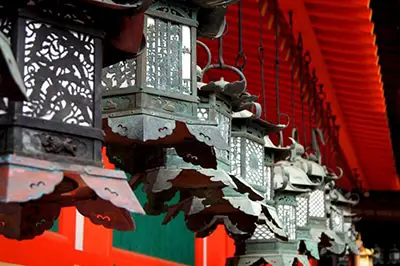
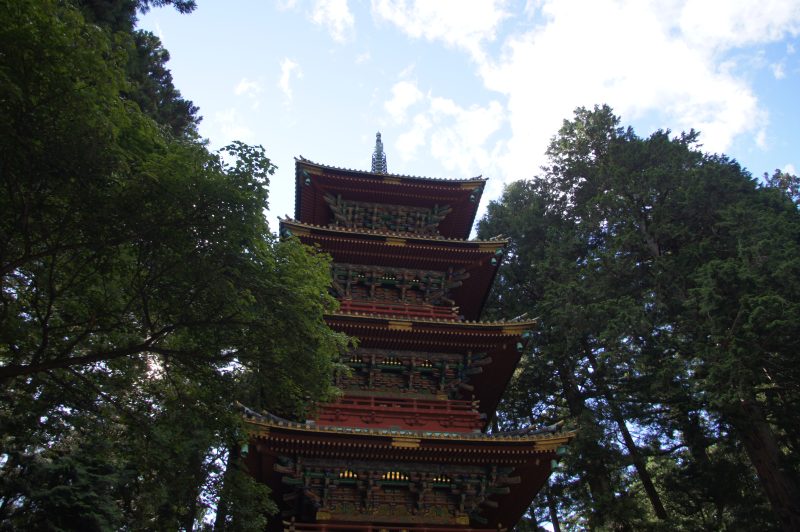
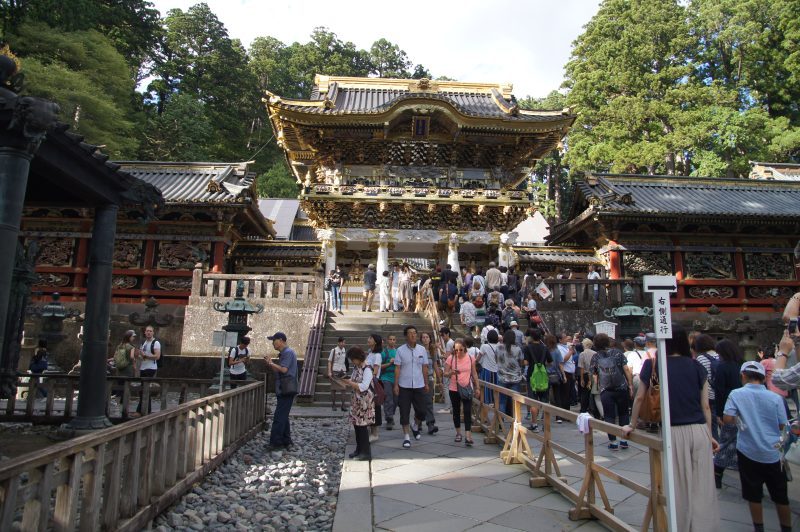
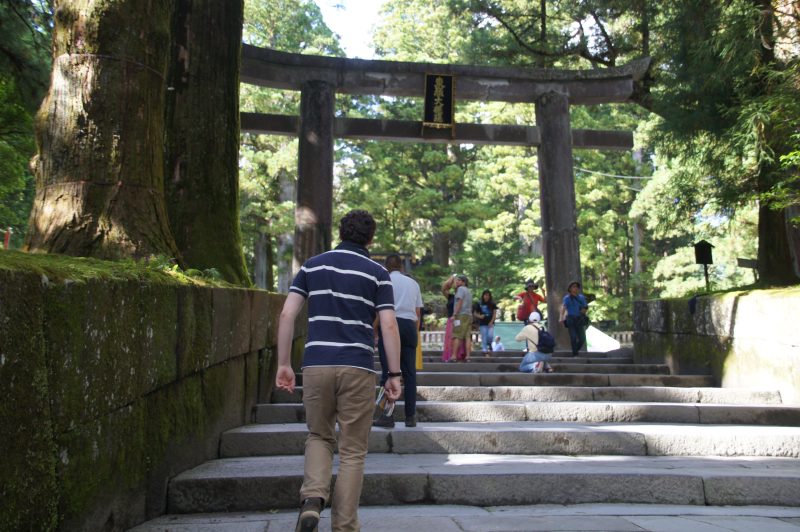
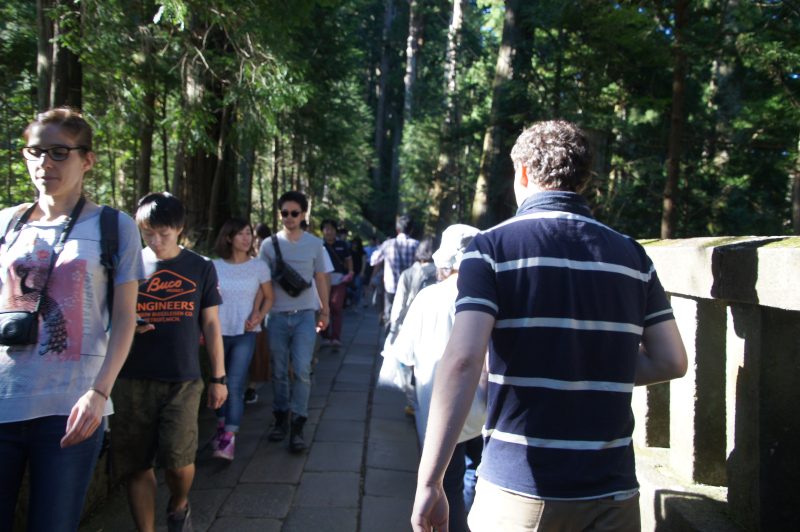
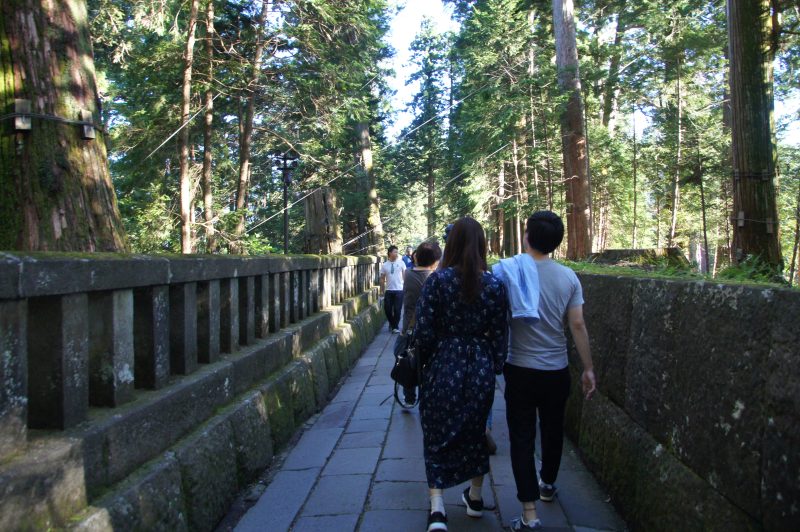
The contrast is immediate. Outside, tall cedar trees and dark stone paths make the approach feel restrained. Inside, the gates and buildings are covered in lacquer, gold leaf and elaborate carving. Look for the Three Wise Monkeys, the Sleeping Cat and the gilded Yomeimon Gate, but also look up. Some of the best details sit above eye level, where tired visitors are very capable of missing them.
We climbed towards Ieyasu’s mausoleum too. The forest makes the ascent atmospheric, although by that point I was appreciating the artistry and questioning my life choices in roughly equal measure. Wear proper shoes. Those stone steps are not interested in your holiday sandals.
- Current admission: ¥1,600 for an adult or high-school student
- Current hours: 9.00am–5.00pm from April to October; 9.00am–4.00pm from November to March
- Allow: 90 minutes to two hours if you visit the mausoleum and stop to study the carvings
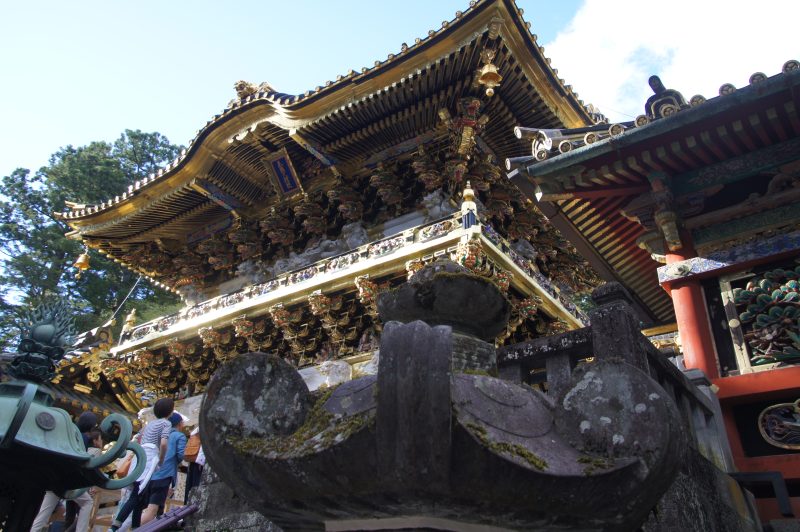
2. Futarasan Shrine
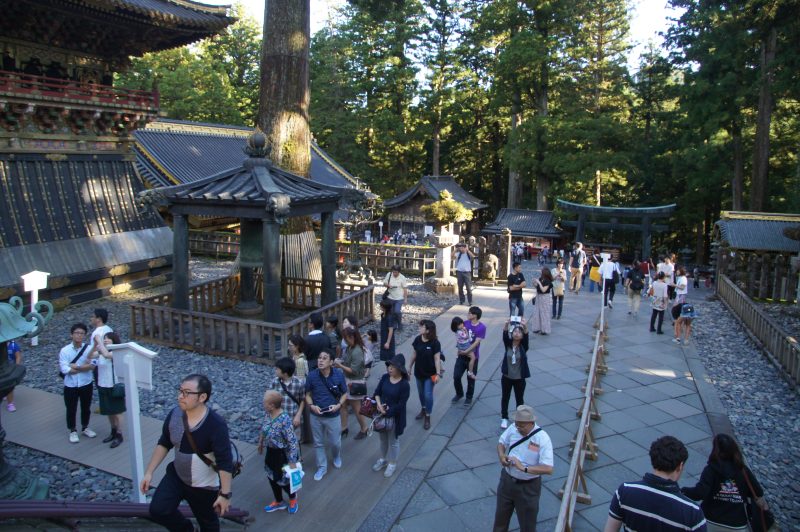
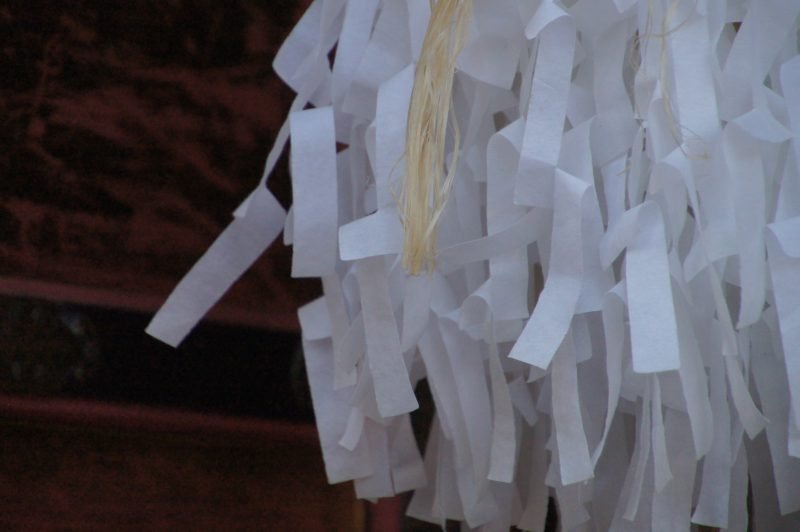
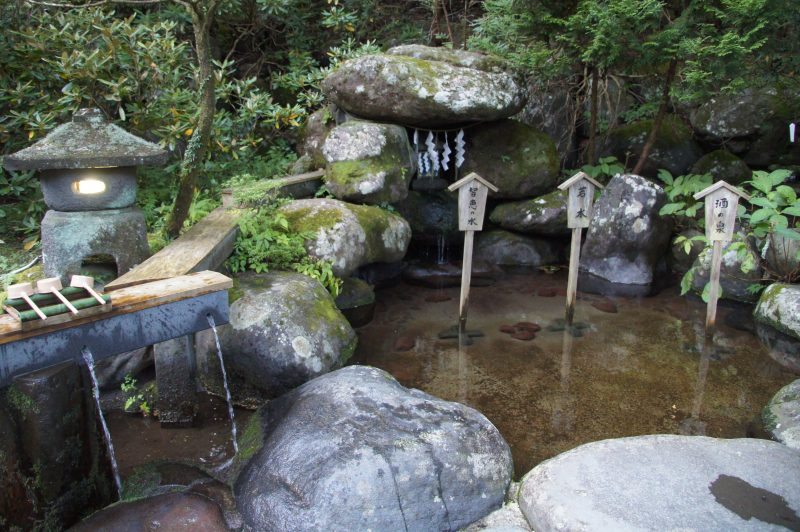
From Toshogu we continued through the trees to Futarasan Shrine. Its history reaches back to Nikko’s eighth-century beginnings under the Buddhist monk Shodo Shonin, and the shrine venerates Nikko’s three sacred mountains.
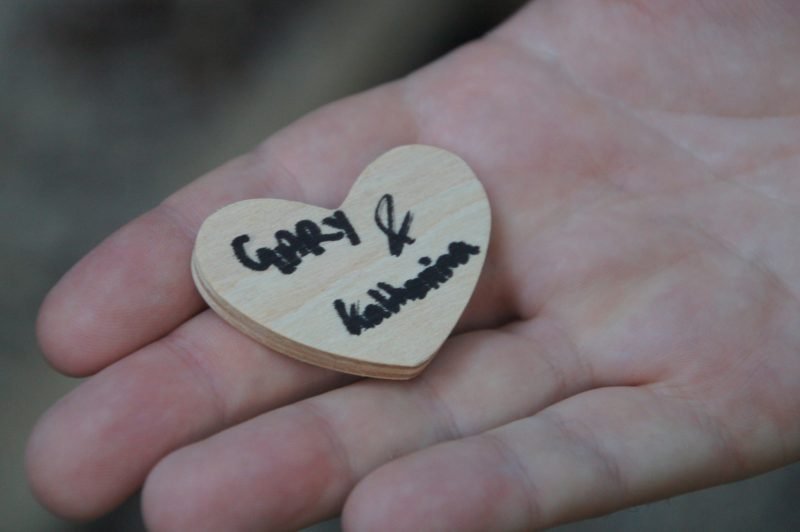
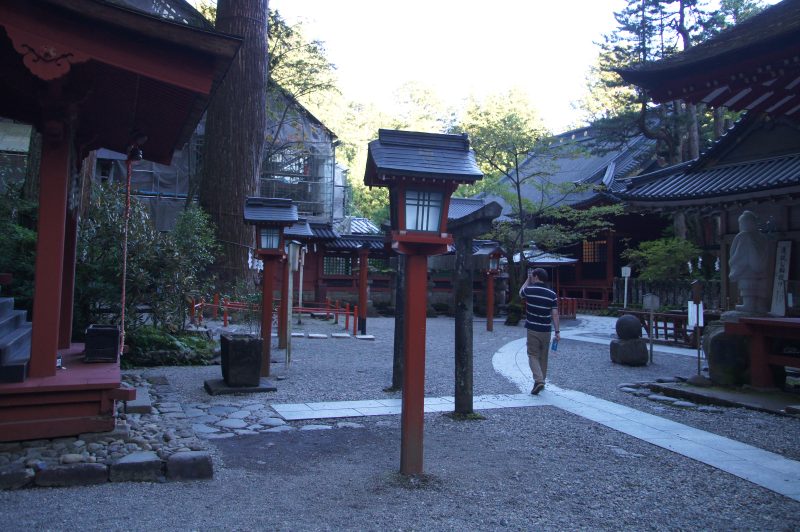
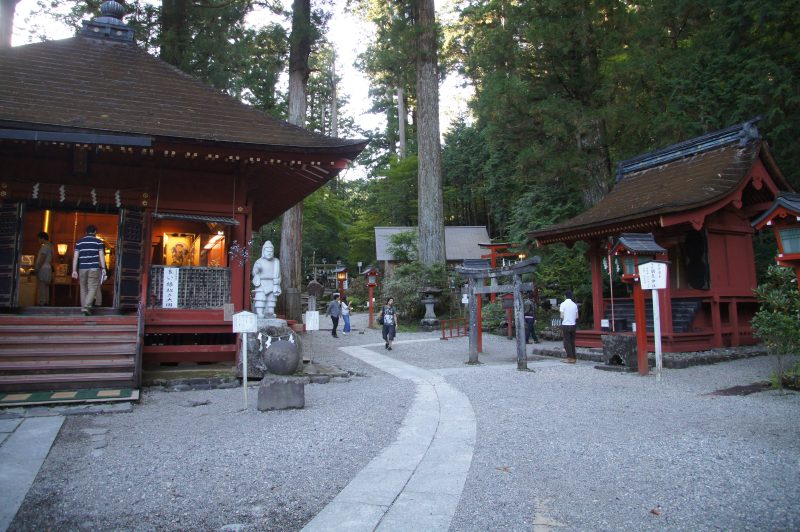
Futarasan felt calmer after the visual onslaught of Toshogu. The vermilion buildings still stand out against the forest, but the mood is quieter and more intimate. Today people come here to pray for good luck, fertility and happiness in marriage. As we were not yet married, perhaps our timing was rather efficient after all.
- Main shrine grounds: free to enter
- Shinen Garden: ¥300 for adults
- Allow: around 30–45 minutes, longer if you enter the garden
3. Shinkyo Bridge
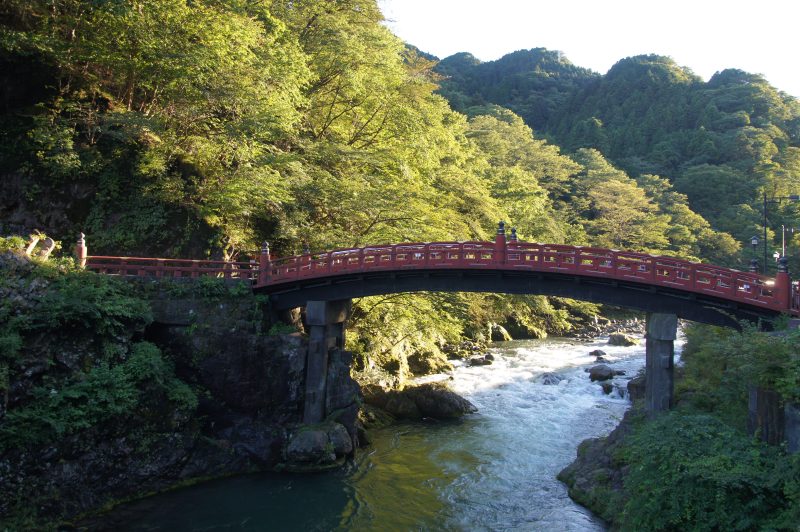
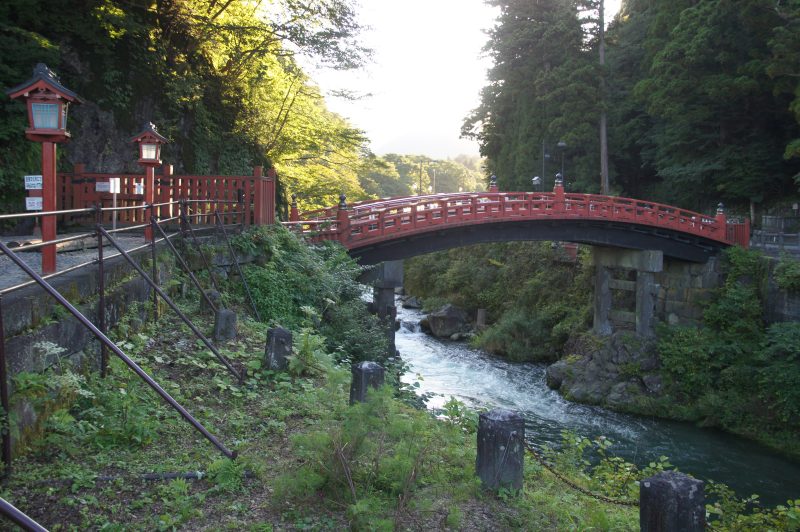
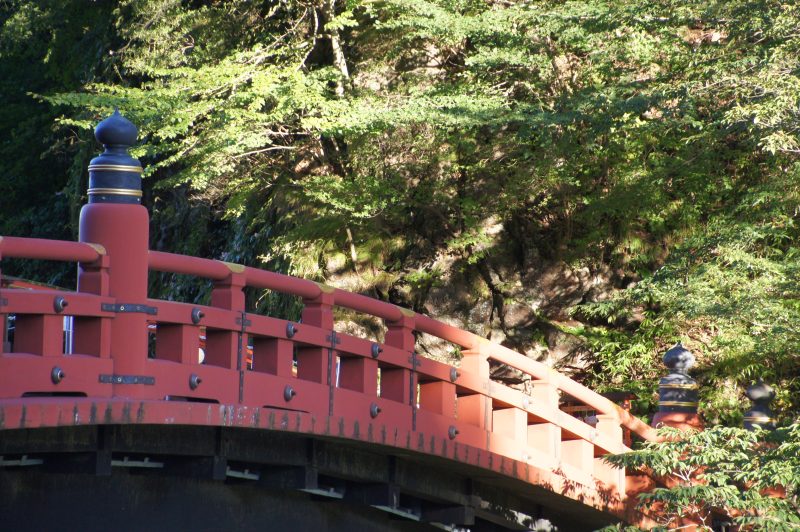
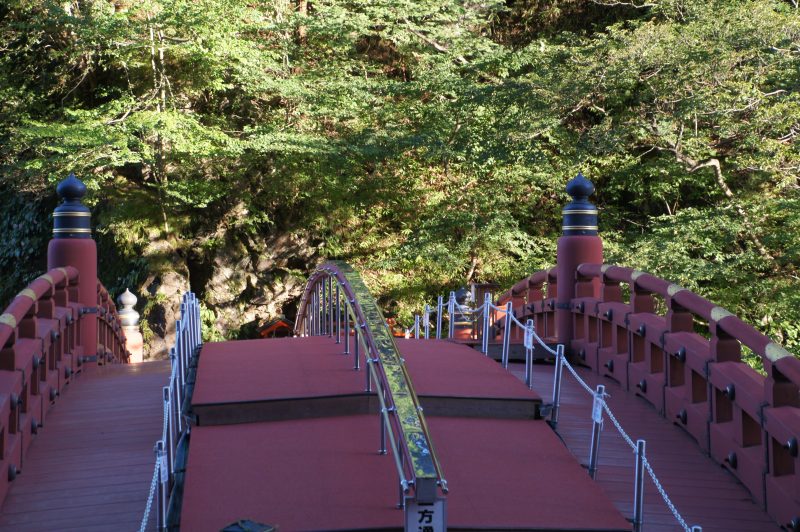
We finished at Shinkyo Bridge, which is normally the first sight visitors reach. The vermilion bridge spans the Daiya River at the entrance to Nikko’s sacred area and belongs to Futarasan Shrine.
You can see and photograph Shinkyo from the roadside without paying. A ¥300 ticket lets you step onto the bridge, although the crossing is a short out-and-back rather than a practical route to the other bank. We visited in summer, when the red lacquer looked particularly sharp against the green river gorge.
Ending here worked surprisingly well. After the density of Toshogu and the climb through the forest, Shinkyo gave us one clear, simple image to finish the day. Then we went back to Tokyo, checked the step count and prepared to become horizontal.
- Bridge crossing: ¥300, cash only at the ticket counter
- Current hours: 8.30am–4.30pm from April to October; 9.00am–4.00pm from November to March
- Allow: 15–30 minutes
The Nikko route I would recommend now
If this is your first Nikko day trip from Tokyo, I would make the route slightly more logical:
- Shinkyo Bridge: stop for photographs while you are already passing it.
- Rinnoji Temple: add the Sanbutsudo Hall, which we missed, before the crowds build at Toshogu.
- Nikko Toshogu Shrine: give this the largest part of your day.
- Futarasan Shrine: finish with the quieter forest setting.
- Walk back towards the stations: stop for food or a coffee along the main road if time allows.
Rinnoji matters because it completes the three-part UNESCO group with Toshogu and Futarasan. Its Sanbutsudo Hall currently costs ¥400 for adults and opens at 8.00am, earlier than Toshogu. We did not visit it, so I am not going to describe the experience as though we did. But it is the obvious addition if you catch an early train.
I would not add Lake Chuzenji and Kegon Falls to this central route unless you are comfortable with a very long, tightly timed day. They sit in Okunikko, well beyond the heritage area by bus. Give them a second day, or choose a tour designed around those sights and accept that you will spend less time at the shrines.
What about Kanmangafuchi Abyss?
If you arrive early and still have energy, Kanmangafuchi Abyss is the most sensible extra. The small gorge follows the Daiya River in central Nikko and is known for a line of roughly 70 stone Jizo statues. We did not visit it, so this is an optional extension rather than a mysteriously recovered memory. Also, allow for the extra walking honestly. Nikko has already had you climbing stone steps.
How to get from Tokyo to Nikko
For most visitors, the choice is between Tobu Railway from Asakusa and JR via Utsunomiya. Check live timetables before you travel because services and supplements change.
| Route | Best for | What to know |
|---|---|---|
| Tobu Railway from Asakusa to Tobu-Nikko | Most independent day-trippers | The two-day Nikko Pass World Heritage Area costs ¥3,000 for adults and includes one return journey between Asakusa and Shimo-Imaichi, onward Tobu trains and buses in the World Heritage area. A limited-express ticket costs extra. |
| JR from Tokyo or Ueno via Utsunomiya | Travellers using a valid Japan Rail Pass | Take the Tohoku Shinkansen to Utsunomiya, then change to the JR Nikko Line. The change makes this less simple, but eligible JR travel is covered by the pass. |
Tobu-Nikko and JR Nikko stations sit close together. From either, Shinkyo is about a 20–30 minute walk or a short bus ride. The shrine complex continues uphill beyond the bridge.
Is the Nikko Pass worth it for one day?
Usually, if you plan to use the local buses. The ¥3,000 pass includes specified travel around the World Heritage area as well as its return-journey allowance. If you intend to walk from the station and back, compare the pass with current point-to-point fares before buying. It’s not a magic discount card, and it does not include attraction entry or the limited-express supplement.
If you are staying in western Tokyo, remember to add the journey across the city to Asakusa. An early departure suddenly feels rather less early when Shinjuku is involved.
How much does a Nikko day trip cost?
Using the current prices for the route in this guide, a basic independent day costs from roughly ¥4,900 per adult before food and any limited-express supplement.
| Item | Current adult price |
|---|---|
| Nikko Pass World Heritage Area | ¥3,000 |
| Nikko Toshogu Shrine | ¥1,600 |
| Shinkyo Bridge crossing | ¥300 |
| Futarasan Shrine main grounds | Free |
| Futarasan Shinen Garden, optional | ¥300 |
| Rinnoji Sanbutsudo Hall, optional | ¥400 |
| Total for our three main stops | From ¥4,900 |
| Total with both optional paid areas | From ¥5,600 |
The Nikko Pass does not include shrine or temple admission. It also excludes the limited-express supplement. That catches people out, so budget for both rather than discovering the distinction at the ticket barrier.
Practical tips for one day in Nikko
- Leave Tokyo early. Aim to reach Nikko around opening time. Our later start worked, but it left no room for Rinnoji or a leisurely meal.
- Keep central Nikko and Okunikko separate. Toshogu, Futarasan, Rinnoji and Shinkyo make a coherent walking day. Lake Chuzenji and Kegon Falls need more bus time.
- Wear shoes with grip. Expect stone steps, slopes and gravel as well as ordinary pavements.
- Bring water. Our postponed rainy day turned into a very hot one, and the climb to Ieyasu’s mausoleum is not the moment to discover you are carrying an empty bottle.
- Check seasonal closing times. Several sites close an hour earlier from November to March.
- Carry some cash. Shinkyo’s official ticket information specifies cash at the counter.
- Start with your priority. Toshogu was non-negotiable for us, so visiting it first protected the part of the day we cared about most.
When is the best time to visit Nikko?
Nikko works year-round, but autumn is its busiest season. Winter can bring snow and several main sights close an hour earlier from November to March. We visited in September, immediately after a typhoon, and got scorching sunshine instead. So check the forecast, check the closing times and then allow Japan a little creative freedom!
Nikko or another Tokyo day trip?
Choose Nikko for history, sacred architecture and a proper change of scenery. It feels farther from Tokyo than the map suggests, in a good way.
If Mount Fuji views are your priority, read our Lake Kawaguchiko day trip. For hot springs, museums and an enjoyably complicated transport loop, try our Hakone day trip. Kamakura is easier to reach and combines major temples with a coastal setting, while Shibamata gives you an old-Tokyo atmosphere without surrendering four hours to trains. For an easier, food-focused city day, our Yokohama itinerary is much easier to keep flexible.
Nikko asks more of the day. But it also gives you something none of those places quite replicate: the exuberance of Toshogu enclosed by a quiet, centuries-old sacred landscape.
Nikko day trip FAQs
Can you visit Nikko as a day trip from Tokyo?
Yes. Allow about two hours each way and keep your itinerary focused on central Nikko’s World Heritage shrines, temples and Shinkyo Bridge.
Is one day in Nikko enough?
One day is enough for the central heritage area. It is not enough for a relaxed visit to both the shrines and the lakes, waterfalls and hiking areas of Okunikko.
What should I see in Nikko in one day?
Prioritise Shinkyo Bridge, Rinnoji Temple, Nikko Toshogu Shrine and Futarasan Shrine. If time is tight, Toshogu deserves the largest share of your day.
What is the best order for the Nikko shrines and temples?
The most efficient walking order is Shinkyo Bridge, Rinnoji Temple, Toshogu Shrine and Futarasan Shrine. Our real route started at Toshogu and ended at Shinkyo, which also works if Toshogu is your priority.
Does the Nikko Pass include Toshogu Shrine admission?
No. The Tobu Nikko Pass covers specified train and bus travel, but admission to Nikko’s shrines and temples is not included.
Can I combine Toshogu Shrine with Kegon Falls in one day?
It is possible with a very early start or a tightly planned tour, but it makes the day rushed. For an independent trip, spend one day in central Nikko and save Kegon Falls and Lake Chuzenji for another day.
How much walking is involved in a Nikko day trip?
Expect a substantial walking day with slopes and stone steps. We recorded about 14,000 steps while visiting Toshogu, Futarasan and Shinkyo Bridge.
Is the Nikko Pass worth it for one day?
It can be if you use the local buses. The pass costs ¥3,000 and includes specified train and bus travel, but not attraction entry or the limited-express supplement. If you plan to walk from the station, compare the pass with separate fares.
When is the best time to visit Nikko?
Nikko can be visited year-round. Autumn is the busiest season, while winter can bring snow and shorter opening hours at several main sights.
Final thoughts on our Nikko day trip
Nikko should really be on more Japan itineraries. The wood carvings at Toshogu are extraordinary, Futarasan brings the pace back down and Shinkyo supplies the photograph everyone wants without feeling like an afterthought.
Would I start the day with a 9.30am workshop again? Probably not if I wanted to see Rinnoji as well. But travel days are not laboratory experiments, and ours still gave us the part of Nikko that mattered most.
For the wider route around the country, see our two-week Japan itinerary by train. If you are still working out costs, our Japan travel budget guide will help too. And if the real question is whether Nikko deserves your one spare day, compare all six journeys in our Tokyo day-trips guide.