
Written by Katharina Mungall
Travel writer, photographer and architect
Gary and I gave Takayama two nights on our first trip to Japan. It was a very good decision, although I did briefly undermine the cultural seriousness of the whole thing by becoming unusually excited about a hamburger.
Takayama, also called Hida-Takayama, sits in the mountainous Hida region of Gifu Prefecture. After Tokyo, its low wooden buildings, river, morning stalls and compact streets felt like a complete change of pace. You can walk almost everywhere, eat extremely well and still have time to stop rather than sprint from one landmark to the next.
This is the two-day Takayama itinerary I would recommend now, based on what we genuinely did, what we loved and what I would arrange differently. I have kept the researched additions separate from our own experience. No retroactive sightseeing heroics here.

Takayama in two days: the quick answer
Is Takayama worth visiting? Yes, particularly if you want a smaller, walkable stop between Japan’s major cities.
How long do you need? One full day covers the centre. Two nights give you an evening, a morning market and enough room for either the Higashiyama walk or a museum without turning the day into a military exercise.
Our route: Tokyo → Takayama → Shirakawa-go → Hiroshima. For a more coherent Japanese Alps trip today, I would pair Takayama with Matsumoto, Kanazawa and Shirakawa-go.
Is Takayama worth visiting for two days?
Yes. Takayama is worth two days if you like old streets, small museums, local food and places that reveal themselves on foot. It is not a mini Tokyo and it does not need to be. The pleasure lies in wandering Sanmachi, spotting the cedar balls outside sake breweries, eating Hida beef and seeing the town before or after the day-trippers arrive.
One day is enough for the morning market, Takayama Jinya and the old town. But an overnight stay changes the rhythm. You can reach the market while it is still a market rather than a row of stalls quietly considering lunch, and the wooden streets are far calmer in the early morning and evening.
Takayama also works well as a break in a longer rail itinerary. Our wider two-week Japan itinerary explains where it fits and why I would not try to squeeze the whole country into a blur of station platforms.
Our two-day Takayama itinerary at a glance
| When | Plan | Why it works |
|---|---|---|
| Day 1 afternoon | Arrive, leave your luggage and walk through Sanmachi | The centre is compact and the old streets suit a slow first wander |
| Day 1 evening | Try Hida beef and stay near the station or old town | You avoid travelling onwards just as Takayama becomes quieter |
| Day 2 early morning | Miyagawa or Jinya-mae Morning Market | The stalls run only until noon and are better before the later crowds |
| Day 2 late morning | Takayama Jinya, then Sanmachi and sake breweries | These sights sit close together and require little backtracking |
| Day 2 afternoon | Choose the Festival Floats Exhibition Hall or part of the Higashiyama Walking Course | Trying to do both properly makes the day needlessly rushed |
| Extra day | Shirakawa-go | Keep the village as its own outing rather than pretending it is a quick detour |
Day 1: arrive in Takayama and explore the old town
Take the scenic Limited Express Hida
We travelled from Tokyo to Nagoya by shinkansen, then changed onto the Limited Express Hida. JR Central currently puts the Nagoya–Takayama leg at about two hours and 20 minutes. It is not merely the administrative part of the day: the railway follows valleys and rivers into the mountains, and it remains one of the most memorable train journeys from that first trip.
If you are coming from Matsumoto instead, the direct bus takes about two hours and 33 minutes on most current departures, while the earliest listed service takes about two hours and 48 minutes. The fare is ¥4,400 one way. Reservations are required. That route makes Takayama a natural continuation after our one-day Matsumoto stopover.
Drop your bags near Takayama Station
We stayed for two nights at Hida Takayama Washington Hotel Plaza, opposite the station. The location was extremely practical. Breakfast was included, although it was not particularly good. There: the glamorous life of a travel writer, courageously reporting an underwhelming hotel breakfast years later.
A station-area hotel is useful if you have luggage or an early bus. Staying nearer Sanmachi gives you a prettier setting and easier access to the old streets after the day visitors leave. Choose according to what will irritate you less: carrying a bag or walking ten extra minutes.
Walk through Sanmachi, Takayama’s old town
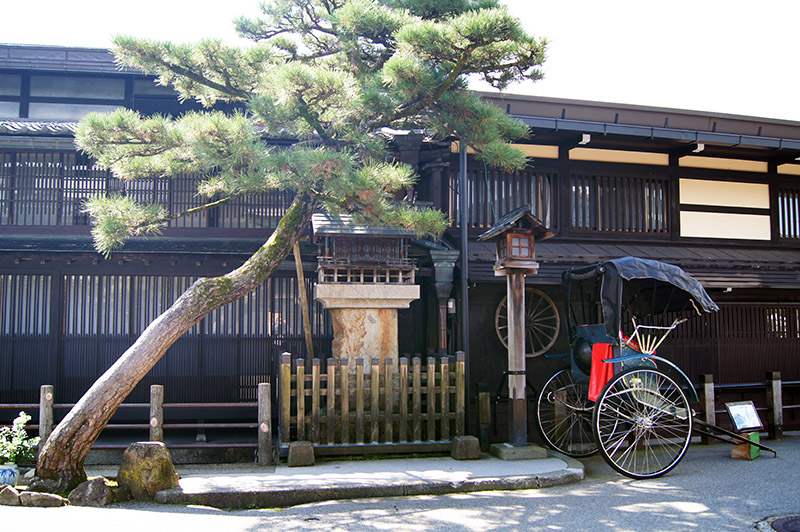
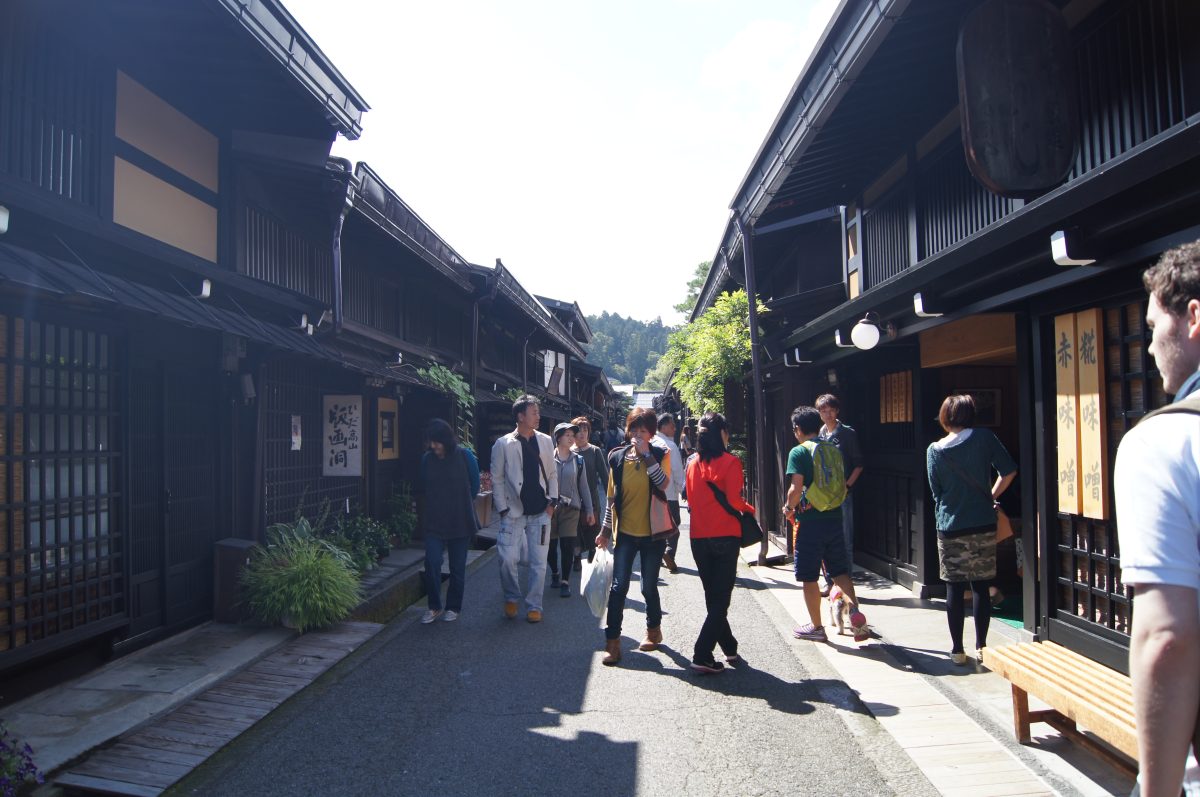
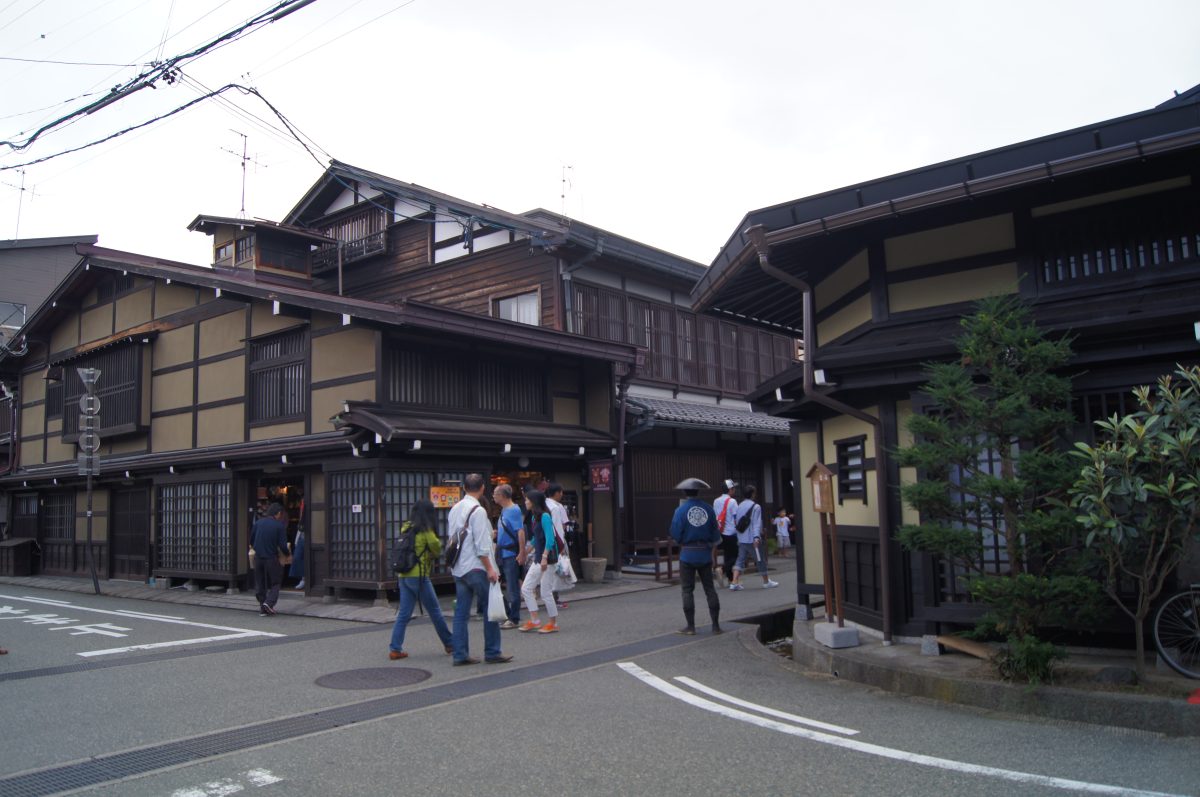
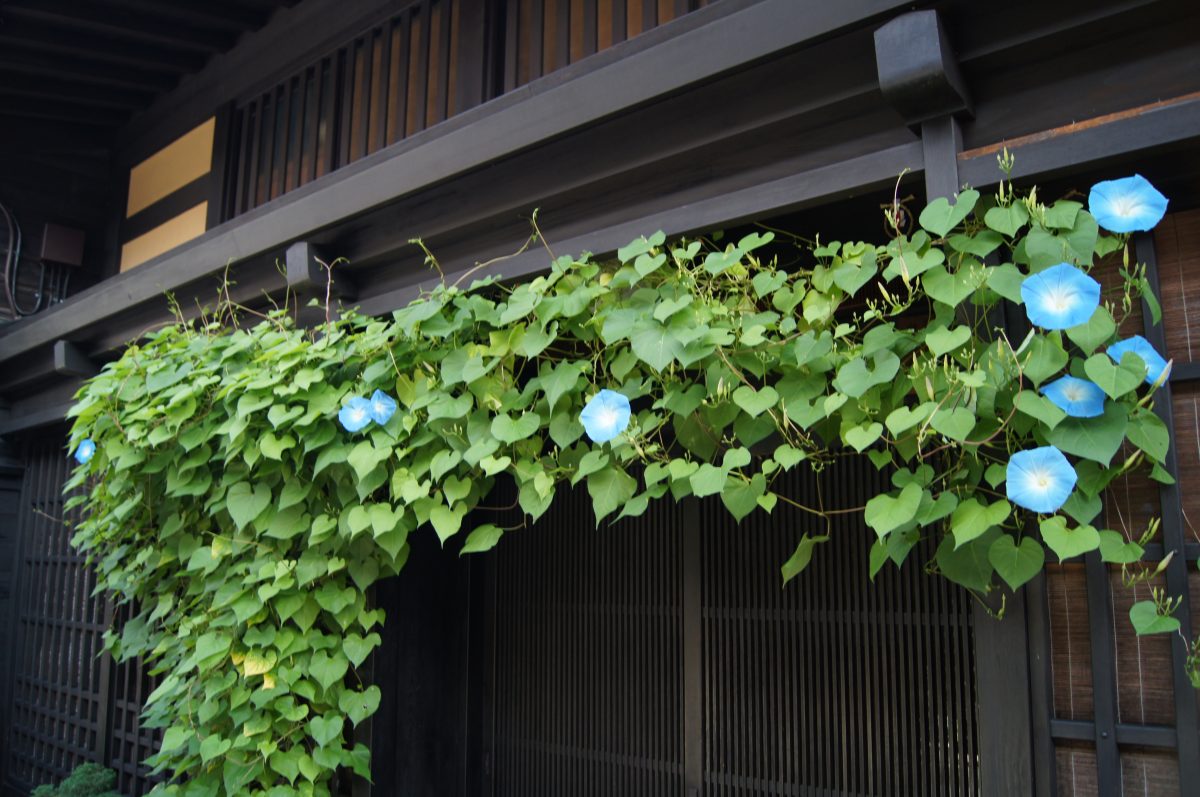
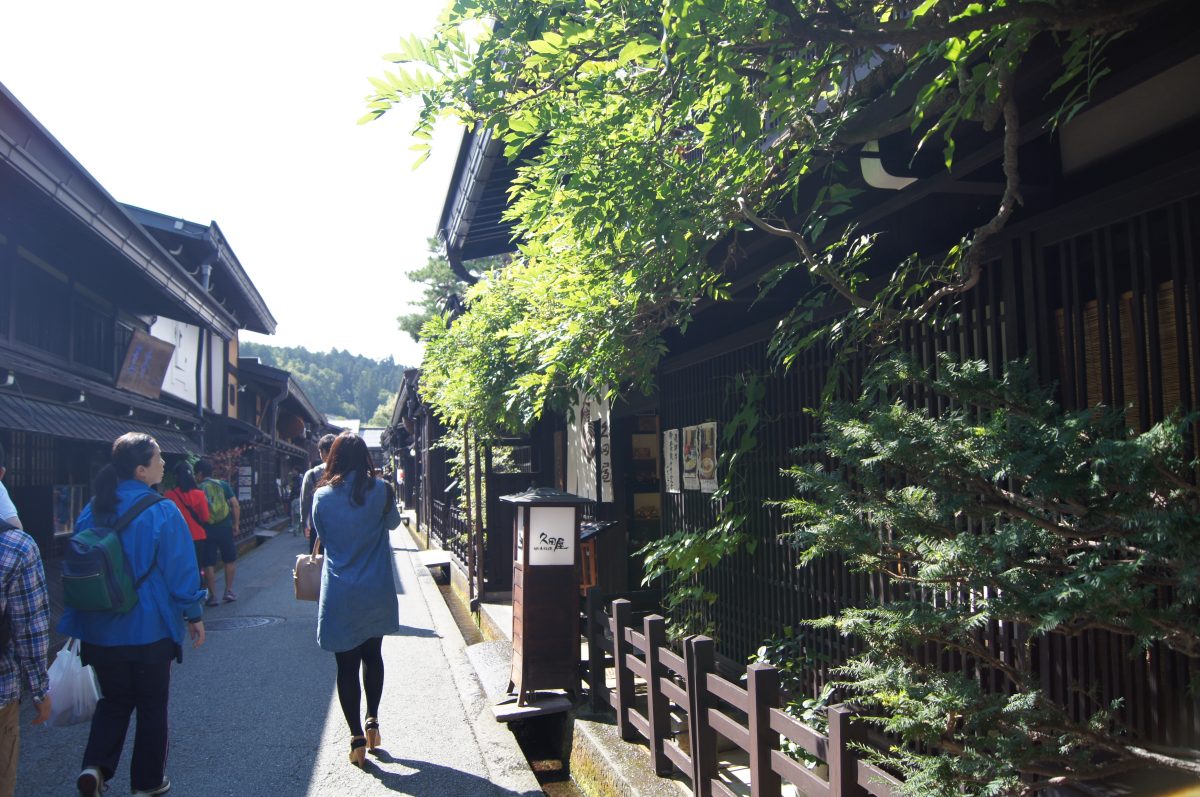
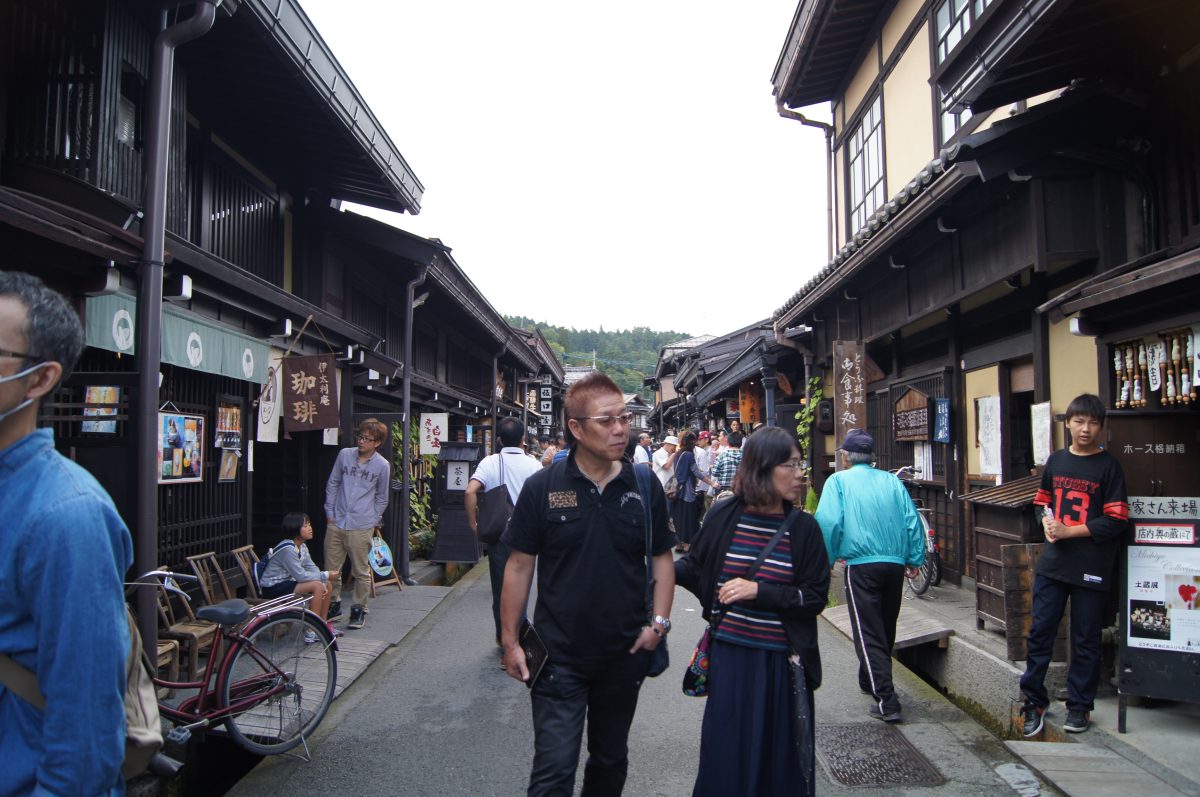
Sanmachi is the part of Takayama most people picture: narrow streets, dark wooden merchant houses, water channels, little shops and sake breweries. The preserved townscape grew from Takayama’s merchant district, and the workmanship is not incidental. Hida’s carpenters have long been celebrated for their skill.
Do not treat the streets as a corridor between attractions. Browse. Look into the courtyards that are open to visitors, notice the wooden latticework and stop when something smells promising. This is a town in which wandering is part of the itinerary, not evidence that you have failed to organise one.
Taste local sake
Several breweries operate in the old town. You can recognise them by the large sugidama, balls of cedar leaves hung above the entrance. We browsed the breweries and tasted the local sake as we explored Sanmachi. Also, a small tasting makes an excellent justification for lingering in a handsome old building.
Eat a Hida beef burger at Center4
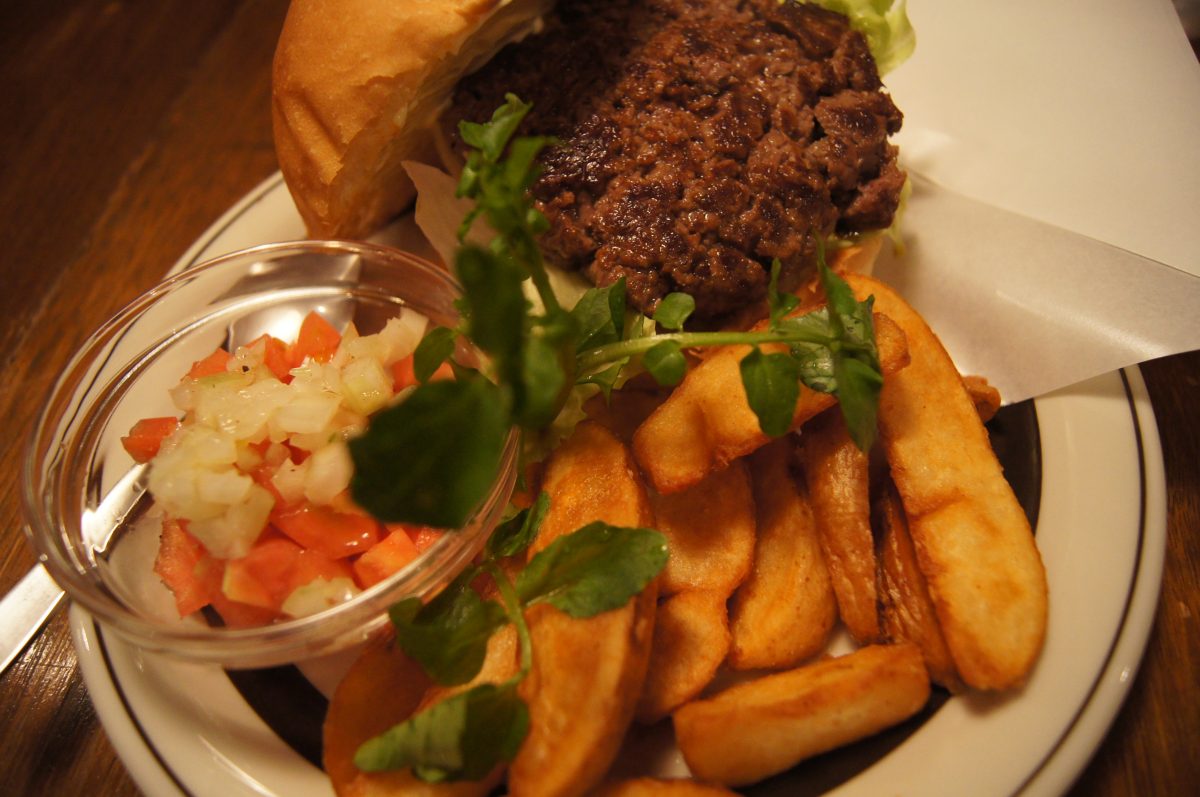
Recommending a burger in Japan feels faintly sacrilegious. But Center4 earned its place in our Takayama memories. The entrance was easy to miss and the long passage made us wonder whether we were walking into somebody’s house. Once inside, Gary ordered the Hida beef burger and declared it the best burger of his life.
That verdict has had years to calm down and has chosen not to. Center4 is still operating, but opening days and reservation arrangements can change, so check the restaurant’s current notice before building an evening around it.
Day 2: morning markets, Takayama Jinya and one longer choice
Start at a Takayama morning market
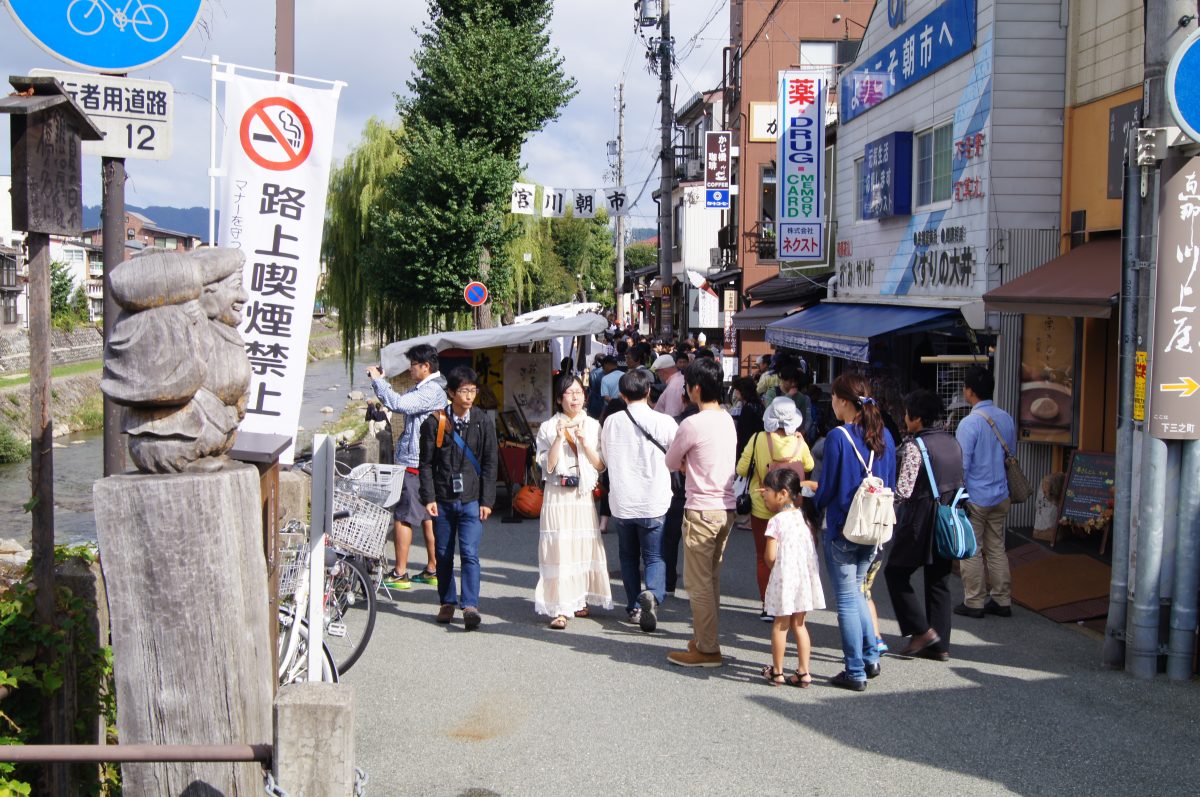
Takayama has two daily morning markets. Miyagawa runs beside the river, while Jinya-mae sits in front of Takayama Jinya. They sell produce, pickles, dried foods, snacks and crafts. We loved the idea of breakfasting here, and after our forgettable hotel offering I can confirm that this was not merely romantic travel-blog posturing.
Both morning markets are currently open from 7am to noon between April and November, and from 8am to noon between December and March. Admission is free. Go early for more stalls and fewer people; turning up at 11.50am with a camera and optimism is not a market strategy.
Visit Takayama Jinya
Takayama Jinya was the local government office used by officials serving the Tokugawa shogunate. It is the only surviving building of its kind in Japan, which makes it the most useful researched addition to this itinerary if you want context for the old town rather than another row of souvenir shelves.
Adult admission is currently ¥500 for an individual visitor. A separate rate applies only to groups of 30 or more, so it is not relevant to this individual visitor guide. Entry remains free for senior-high-school pupils and younger visitors. It opens at 8.45am; closing time varies by season. Takayama Jinya is closed from 29 December to 3 January and may also close temporarily for inspections or severe weather. Check the official Takayama Jinya site before you go.
Choose the festival floats or the Higashiyama walk
For the afternoon, choose according to your energy and the weather.
- The Takayama Festival Floats Exhibition Hall displays four of the autumn festival’s 11 floats at a time, with the selection rotated during the year. Adult admission is currently ¥900. It is the better choice if you want craftsmanship, history and a roof over your head.
- The Higashiyama Walking Course runs for roughly four kilometres through the temple district to Shiroyama Park. It costs nothing, but it does involve slopes and more time on your feet. Do part of it if a full circuit would turn an enjoyable afternoon into a private grudge against hills.
We did not manage every attraction in Takayama ourselves, so I will not pretend otherwise. These are the two additions I would weigh up on a return visit rather than cram into a misleading minute-by-minute reconstruction.
Finish with curry at Jakson
Some of the best food we ate in Japan was in Takayama. Jakson Curry & Coffee served a beautifully balanced curry with tender Hida beef, and the traditional low tables required us to sit on our knees. The little notepads provided for customers to leave drawings were a welcome distraction once my legs began filing formal complaints.
It is a small restaurant, so check current opening hours and arrive early. I would not quote a menu price from our old trip as if it were still useful now.
Current Takayama prices and journey times
These figures were checked against official attraction and bus pages in September 2026. Transport timetables and admission charges do change, so use them for planning rather than as a solemn promise from the internet.
| Item | Current price or time | Planning note |
|---|---|---|
| Miyagawa and Jinya-mae markets | Free | Open until noon; seasonal opening time |
| Takayama Jinya | ¥500 per individual adult | Free for senior-high-school pupils and younger visitors; closed 29 December–3 January |
| Festival Floats Exhibition Hall | ¥900 per adult | Seasonal closing time |
| Higashiyama Walking Course | Free | Roughly 4km; allow for slopes |
| Takayama–Matsumoto bus | ¥4,400 one way; about 2hr 33min on most departures | Reservation required |
| Takayama–Shirakawa-go bus | ¥2,800 one way; about 50min | Some departures require reservations |
| Takayama–Kanazawa bus | ¥4,200 one way; roughly 2hr 5min–2hr 20min | Services run via Shirakawa-go; many departures require reservations |
How to get to Takayama
From Tokyo
Take the Tokaido Shinkansen from Tokyo to Nagoya, then change to the JR Limited Express Hida for Takayama. The second leg takes about two hours and 20 minutes. Allow at least four hours for the full trip once your connection is included, and check a live JR timetable for your date rather than relying on an old Hyperdia screenshot.
From Matsumoto
The direct Nohi/Alpico bus takes about two hours and 33 minutes on most current departures; the earliest listed service takes about two hours and 48 minutes. The current adult fare is ¥4,400 and reservations are required. This is the cleanest link between our Matsumoto and Takayama itineraries.
From Kanazawa or Shirakawa-go
Nohi and partner buses connect Kanazawa, Shirakawa-go and Takayama. Kanazawa to Takayama takes a little over two hours on through services; Shirakawa-go to Takayama takes about 50 minutes. Reserve any marked service in advance, especially at weekends and in busy seasons.
The operator now warns that congestion, snow and road closures can cause delays of two hours or more around Shirakawa-go. That sounds dramatic until I mention that we once spent three hours in traffic on a national holiday and nearly missed our bus back. This is one warning I endorse with feeling.
Should Shirakawa-go be part of your two days in Takayama?
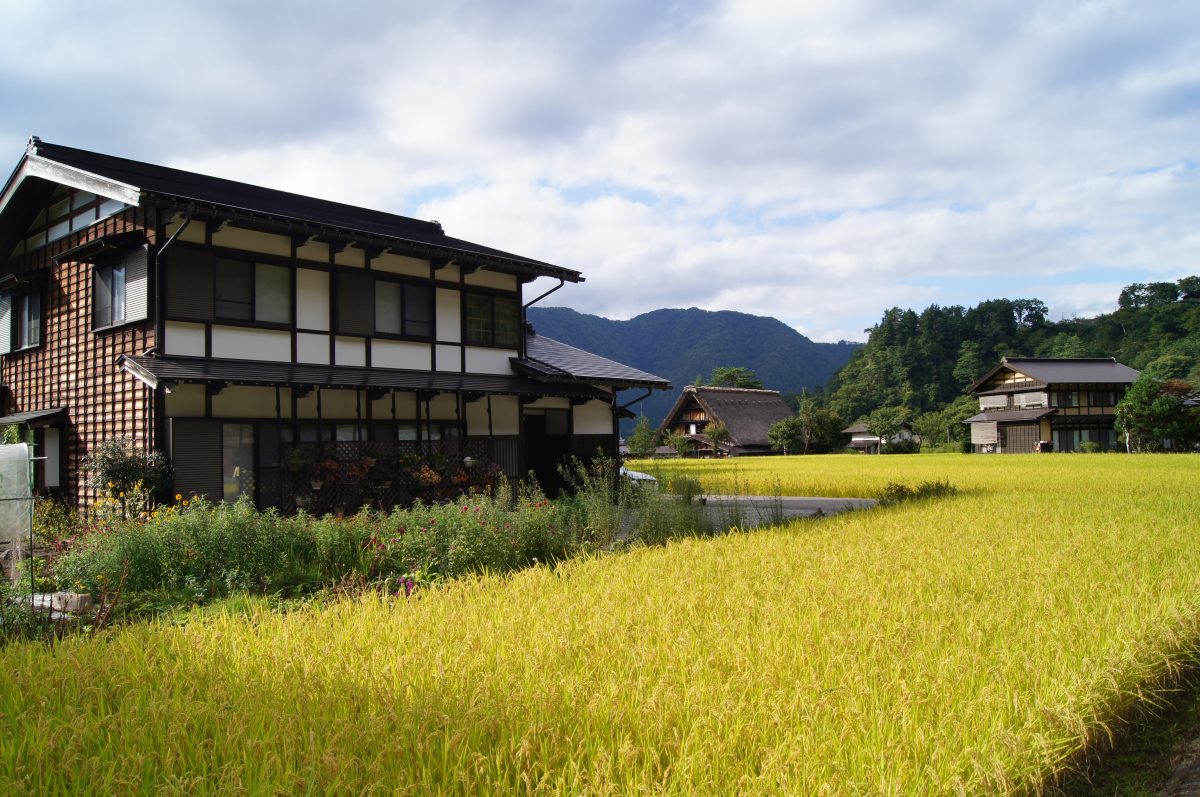
Only if you accept that it will take most of a day. We used Takayama as our base for Shirakawa-go, and I am glad we went. But the excursion reduced the time we had for Takayama itself.
If you have two nights and one full sightseeing day, keep that day in Takayama. Add Shirakawa-go when you have a third day, or visit it en route between Takayama and Kanazawa if your luggage plan allows. Also, book the bus early. Our holiday-traffic episode was educational, but I cannot honestly recommend it as an experience.
When is the best time to visit Takayama?
Spring and autumn bring mild walking weather and Takayama’s two famous festivals. The spring Sanno Festival is held on 14 and 15 April; the autumn Hachiman Festival takes place on 9 and 10 October. Those dates are exciting but busy, so reserve accommodation and transport well ahead.
Summer is green and can be warm, while winter gives the mountain town a very different atmosphere and may bring snow. The trade-off is that short days and winter conditions can affect walking and road travel. For the quietest version of Sanmachi, the hour matters almost as much as the month: stay overnight and go out before the coaches arrive.
Is Takayama accessible?
Central Takayama is compact, and the station, bus centre, morning markets and old town are relatively close together. But this is a historic mountain town. Some traditional buildings have steps, and the Higashiyama route includes slopes and uneven outdoor sections.
If step-free access is essential, ask each attraction directly before travelling and build the day around Sanmachi, the riverside and the flatter central area. The Nohi bus operator says passengers who need luggage assistance can ask staff, although luggage space is limited.
What we would do differently in Takayama
I would still stay for two nights. I would also protect one full day for the town instead of allowing Shirakawa-go to consume it, then add the village as a separate day or onward stop.
I would eat breakfast at the market, choose one paid museum rather than collecting admissions like stamps, and leave time to revisit Sanmachi after the shops close. But I would keep both memorable meals. Takayama fed us exceptionally well, even if one of its triumphs arrived in a bun!
Takayama itinerary FAQs
Are two days in Takayama enough?
Yes. Two nights and one full day are enough for Takayama’s morning market, old town, Takayama Jinya, local food and one longer museum or walk. Add another day if you want to visit Shirakawa-go without sacrificing time in Takayama.
Can you see Takayama in one day?
You can see the central highlights in one day because Takayama is walkable. Start at a morning market, continue to Takayama Jinya and Sanmachi, then choose the Festival Floats Exhibition Hall or part of the Higashiyama route.
Is Takayama a sensible day trip from Tokyo?
No. The rail journey takes at least four hours each way once the Nagoya connection is included. Stay overnight, or use Takayama as part of a route through the Japanese Alps.
Do you need a car in Takayama?
No. The centre is easy to explore on foot, and buses connect Takayama with Matsumoto, Shirakawa-go and Kanazawa. A car is useful only if you plan to explore more remote parts of the Hida region.
What food should you try in Takayama?
Try Hida beef, local sake, pickles and market snacks. We particularly enjoyed the Hida beef burger at Center4 and the curry at Jakson Curry & Coffee, but check current opening days before visiting either small restaurant.
Is Takayama or Shirakawa-go better?
They offer different experiences. Takayama is a proper town with restaurants, markets, museums and enough to fill a day. Shirakawa-go is a compact historic village best treated as a separate outing or onward stop. If time is tight, Takayama gives you more variety.
Continue planning: connect Takayama with one day in Matsumoto, our Kanazawa itinerary, Jigokudani Monkey Park without snow or the complete two-week Japan route. For the wider cost picture, see our Japan travel budget.
Which part of Takayama would you give the most time?