
Written by Katharina Mungall
Travel writer, photographer and architect
Two days in Hiroshima gives you enough time for one properly paced day in the city and one full day on Miyajima, provided you arrive the evening before. We spent two nights here during our first Japan trip, after a half-day railway relay from Takayama. It worked! But it wasn’t roomy, and Past Kat had once again treated changing hotels as though it were a brief administrative detail rather than an activity in its own right.
Hiroshima was one of the most important stops on that trip. The Peace Memorial Museum is extremely upsetting; some of the personal objects stayed in my mind long after we left. That is precisely why I think you should go. It turns a familiar historical fact into individual lives, and it makes peace feel far less abstract.
This itinerary gives the Peace Memorial Park and museum the time they deserve, then moves through Hiroshima as the living city it is today. Day two belongs to Miyajima. You can technically squash both into one frantic day, but I wouldn’t. Hiroshima isn’t a box to tick before racing for a ferry.
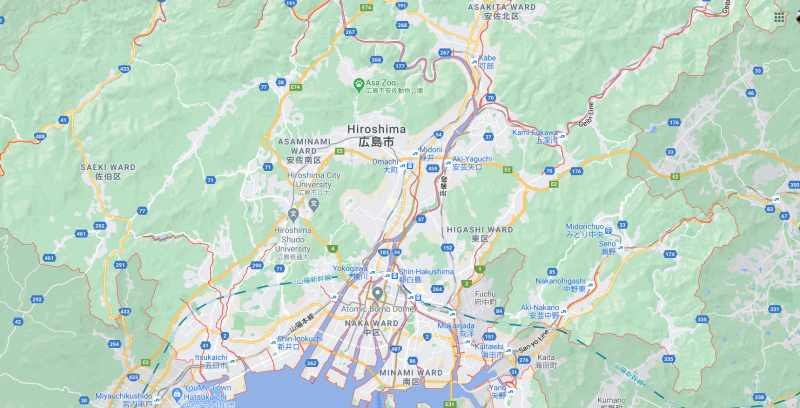
A realistic two-day Hiroshima and Miyajima itinerary
On our own visit we concentrated on the Peace Memorial area, okonomiyaki and a full Miyajima day. The route below keeps those first-hand priorities, then adds Hiroshima Castle and Shukkeien using current opening information. Those two are researched additions rather than places we went.
| Day | Morning | Afternoon | Evening |
|---|---|---|---|
| Day 1: Hiroshima city | Peace Memorial Museum and National Peace Memorial Hall | Peace Memorial Park, A-Bomb Dome, Hiroshima Castle grounds and Shukkeien | Hondori and Hiroshima-style okonomiyaki |
| Day 2: Miyajima | Ferry, Itsukushima Shrine and the waterfront | Mount Misen or Daisho-in, depending on your pace | Return to Hiroshima for dinner |
If you only have two nights rather than two complete sightseeing days, be honest about the maths. Arrival and departure time will eat into the plan. I would prioritise the Peace Memorial Museum and Park, then choose between the rest of the city and Miyajima according to what matters most to you.
We visited Hiroshima as part of our two-week Japan itinerary, travelling from Takayama and continuing to Kyoto. That made geographical sense. It also meant the journey into Hiroshima took around half a day, something my early itinerary rather breezily failed to count as actual time.
Day one: Hiroshima Peace Memorial Park and the city
Start with the Peace Memorial Museum while your mind is fresh. Then work north through the park towards the A-Bomb Dome. After lunch, continue to Hiroshima Castle and Shukkeien before finishing around Hondori. The route is compact enough to walk in sections, with trams there when your feet start drafting a formal complaint.
7.30am: Hiroshima Peace Memorial Museum
The Hiroshima Peace Memorial Museum opens at 7.30am on its normal opening days throughout the year, although closing time changes by season. It’s worth going early if you can. The galleries can become busy, but this is also a place where you need mental room rather than someone else’s backpack pressed into your shoulder blades.
Allow at least 90 minutes; two hours is more comfortable. The museum explains what happened before, during and after 6 August 1945 through photographs, testimony and possessions donated by victims’ families. Those ordinary objects affected me most. They belonged to people who had plans for the rest of that day.
At 8.15am on 6 August 1945, the atomic bomb exploded over Hiroshima. The precise death toll is unknown, but the City of Hiroshima estimates that about 140,000 people had died by the end of December 1945. Many more lived with the consequences for decades.
This isn’t the part of a travel article where I tell you the museum is an easy experience. It isn’t. But I believe everyone who can visit should do so. A few politicians might benefit from sitting quietly in there too, although I won’t hold my breath waiting for that particular group booking.
9.30am: National Peace Memorial Hall
Next, visit the Hiroshima National Peace Memorial Hall for the Atomic Bomb Victims. It’s free and sits beside the museum. Its focus on names, portraits and recorded memories complements the larger collection without simply repeating it.
Don’t plan this morning too tightly. You may need a pause after the exhibits, and that’s perfectly normal. Sit outside, drink some water and let the experience settle before continuing through the park.
10.15am: Peace Memorial Park
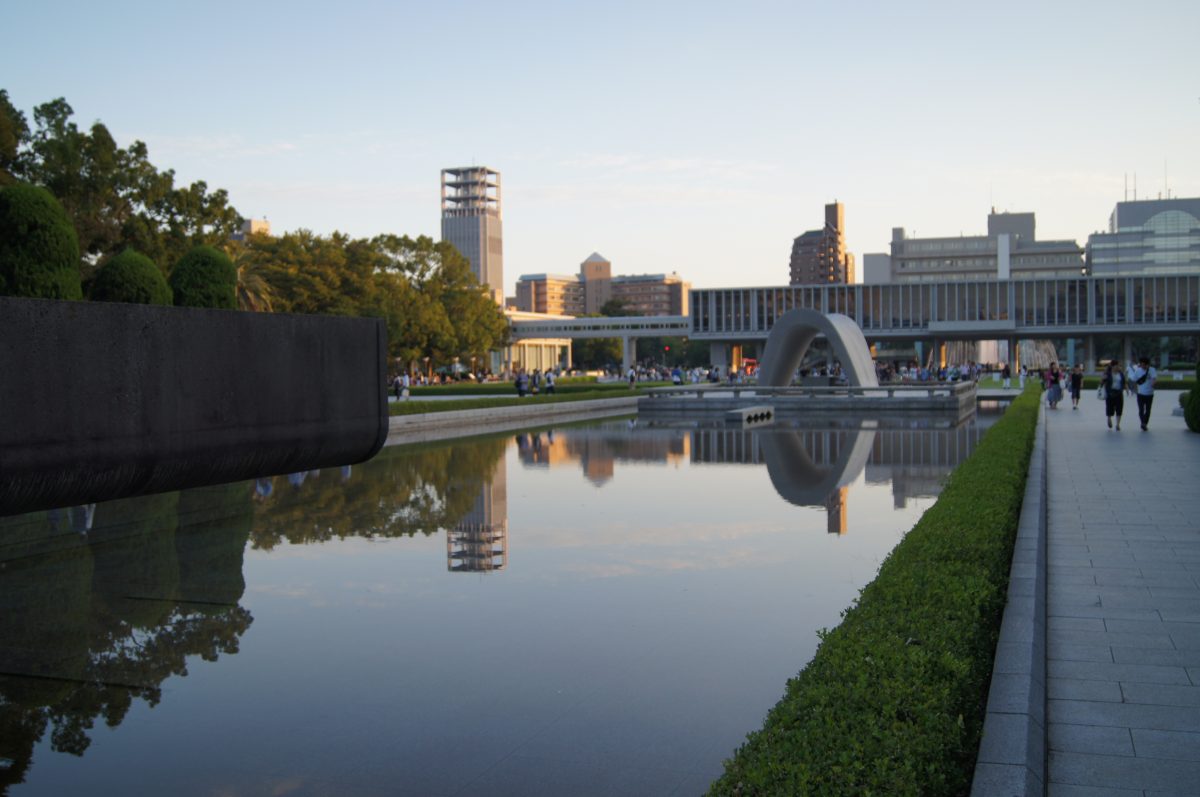
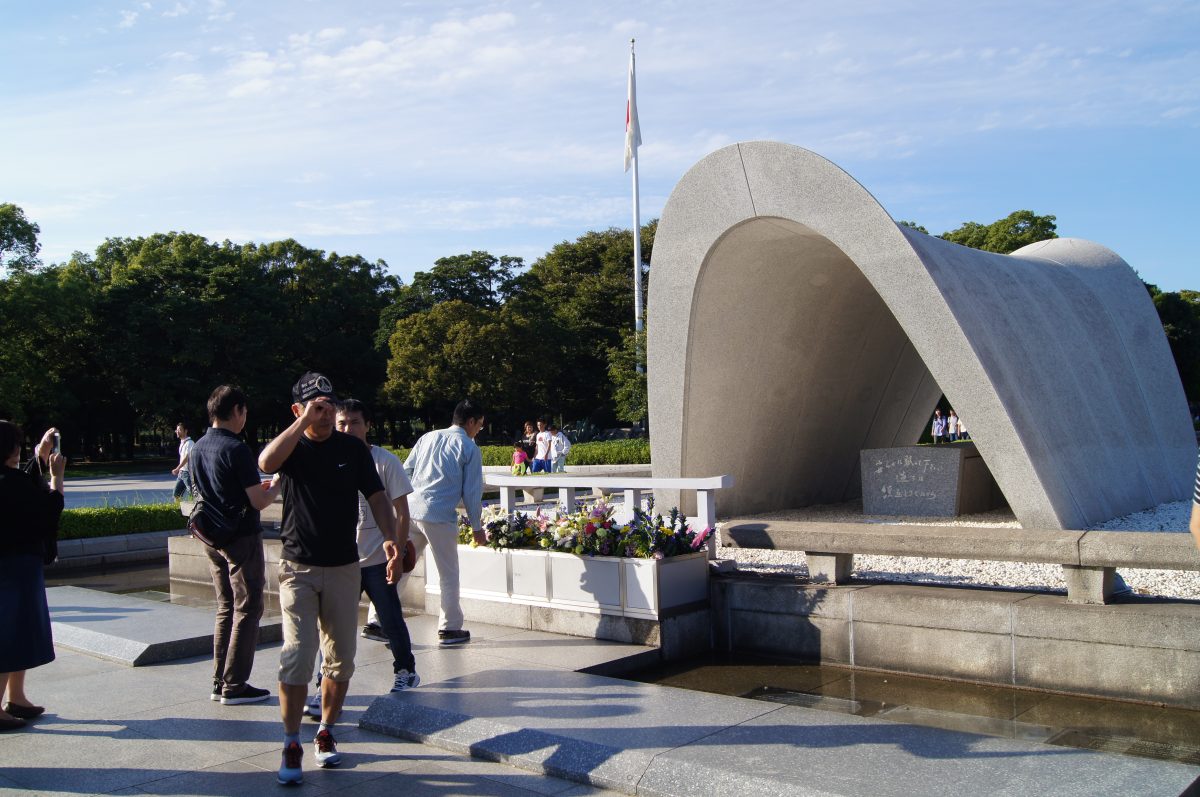
Peace Memorial Park covers more than 122,000 square metres, yet its main memorials sit along a clear walking route. Give yourself around 60 to 90 minutes for the Cenotaph, Flame of Peace, Peace Bell and Children’s Peace Monument.
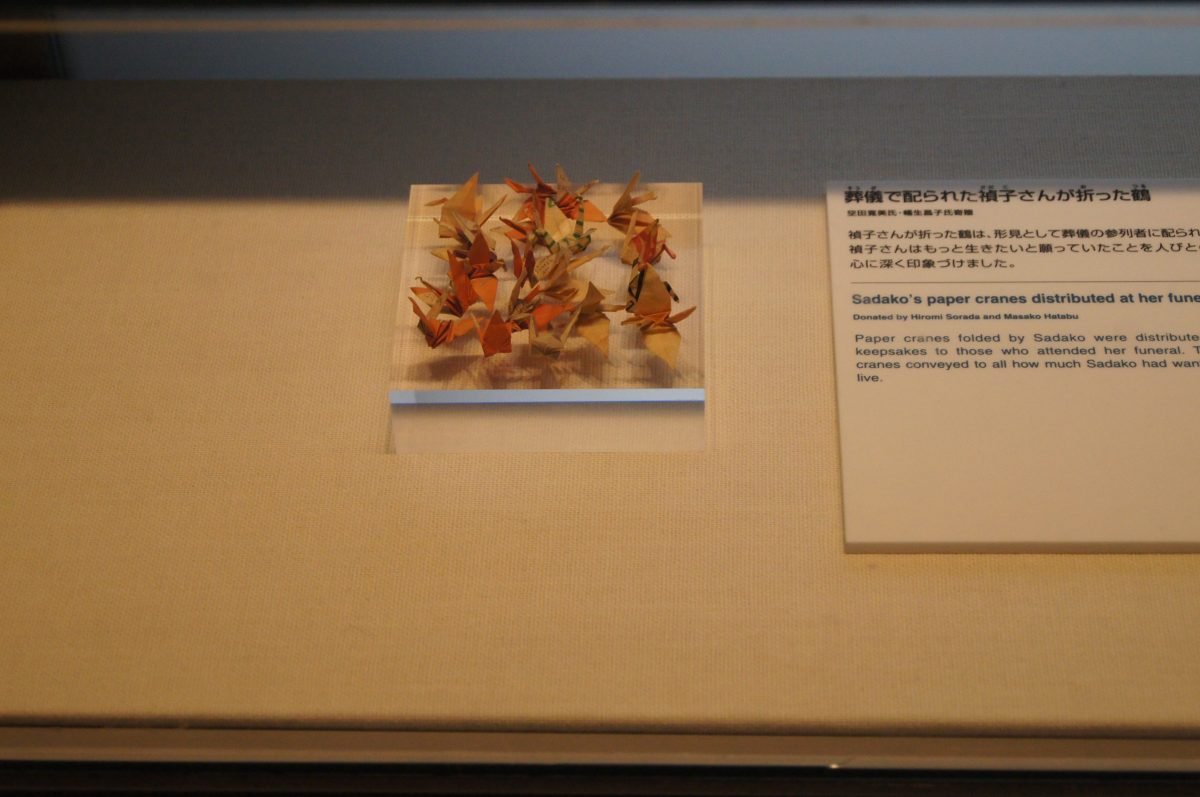
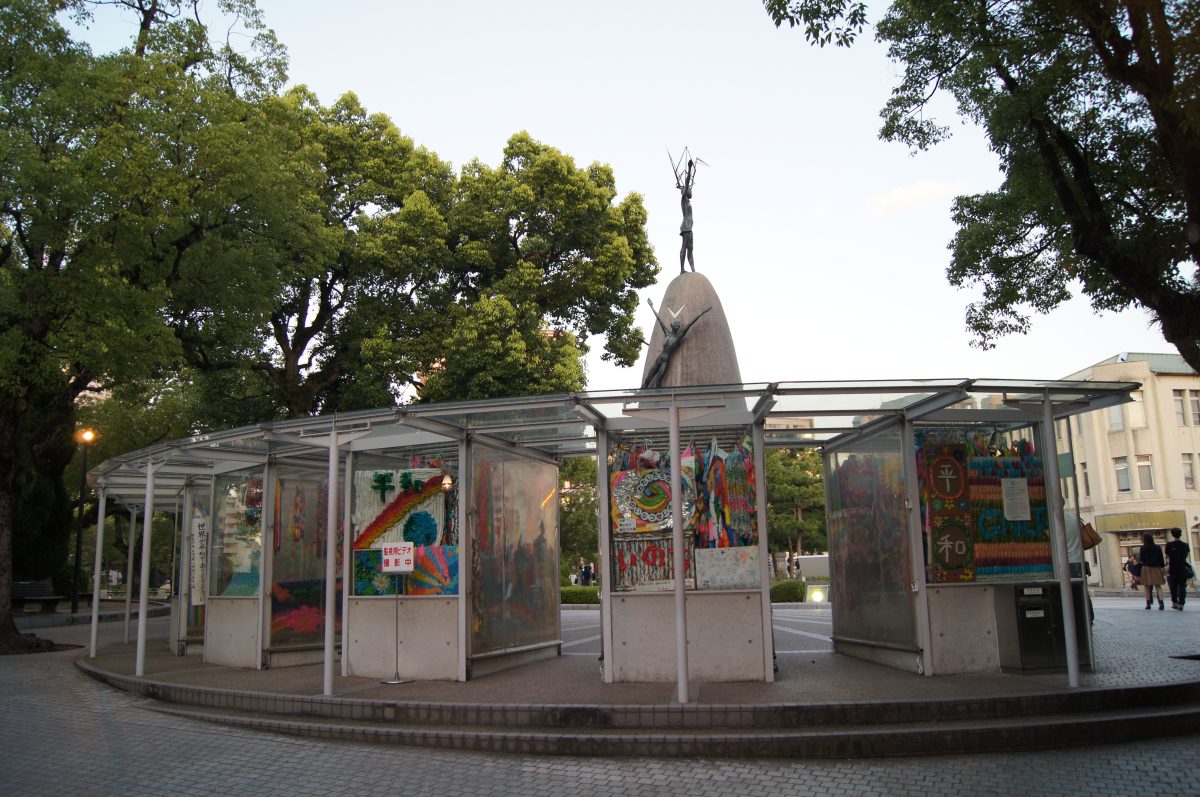
The Children’s Peace Monument was inspired by Sadako Sasaki, who was two when the bomb was dropped and later developed leukaemia. School groups and visitors still bring strings of paper cranes. It is a colourful sight with a desperately sad reason for being there.
If you are in Hiroshima on 6 August, the annual Peace Memorial Ceremony runs in the morning and includes a minute of silence at 8.15am. Access arrangements differ on that date, so check the city’s current notices rather than relying on an itinerary written months earlier.
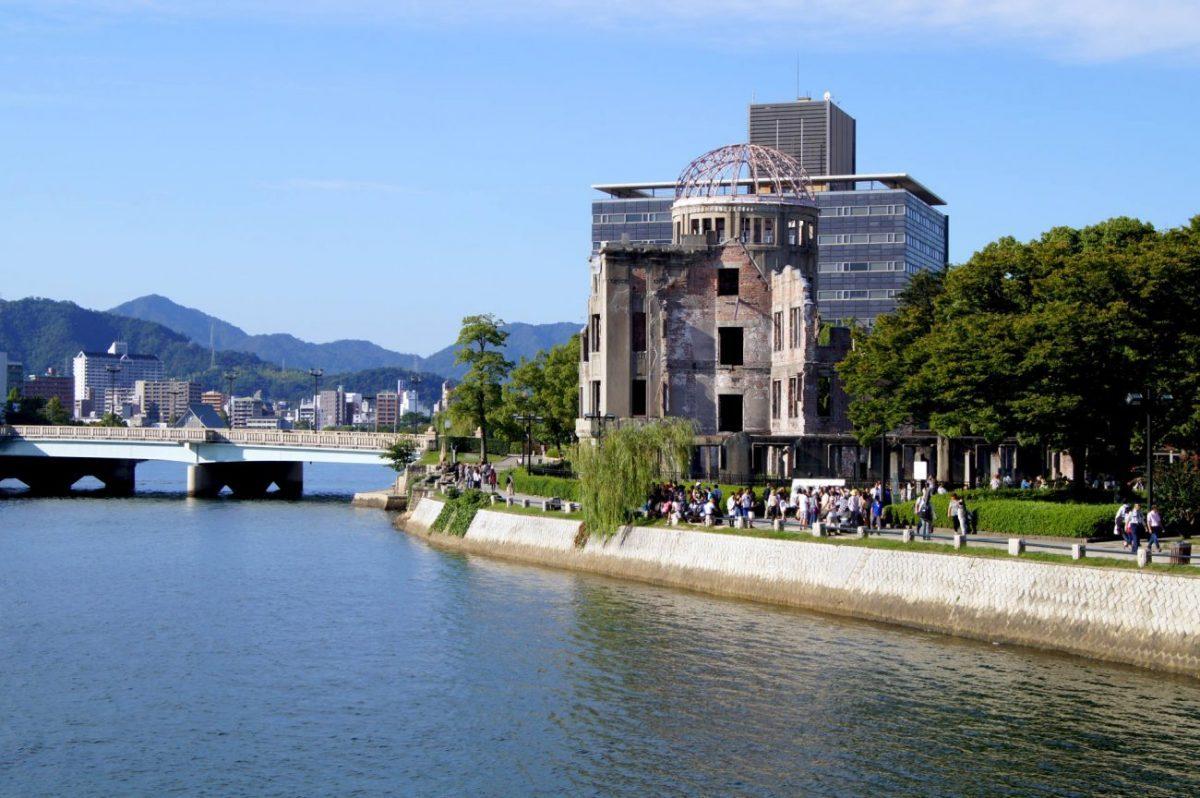
11.30am: Atomic Bomb Dome
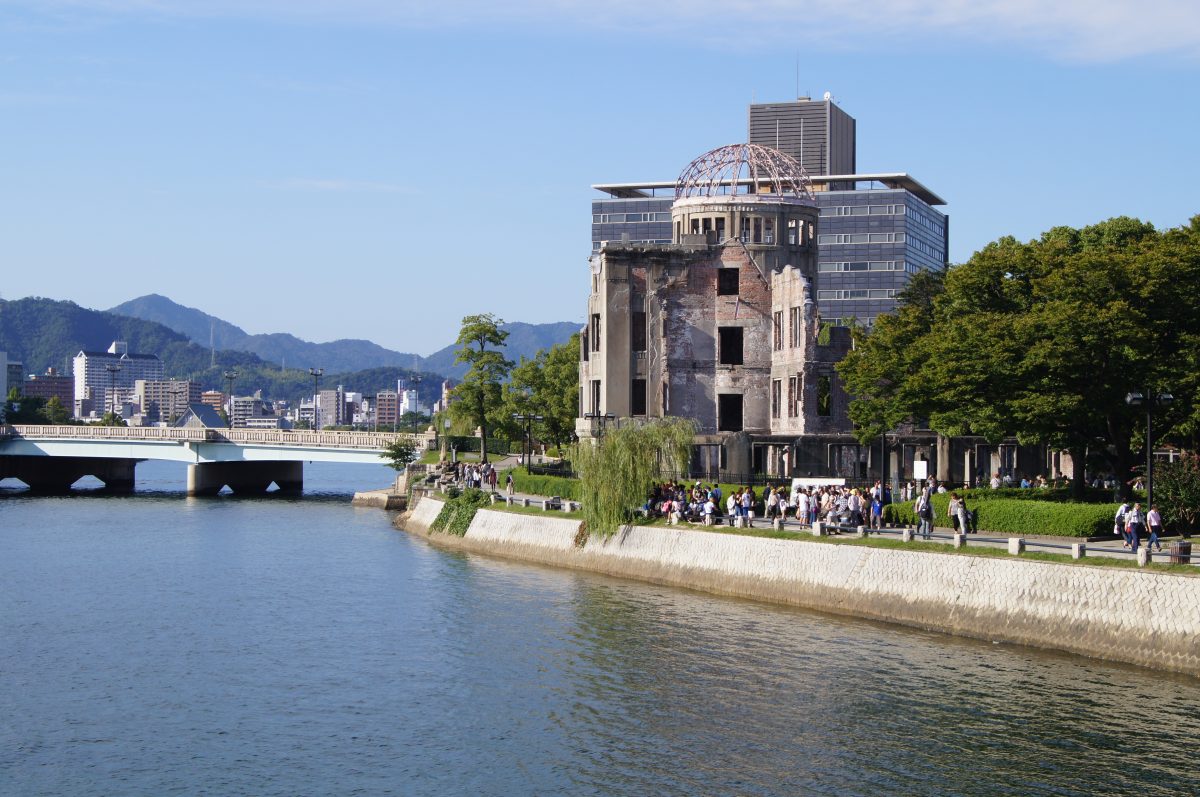
Cross towards the river for the Atomic Bomb Dome. The building was formerly the Hiroshima Prefectural Industrial Promotion Hall and stood roughly 160 metres from the hypocentre. Its skeletal remains were preserved rather than reconstructed, and UNESCO added the site to its World Heritage list in 1996.
The dome is always visible from outside and costs nothing to visit. You don’t need long here, but don’t rush it either. Seeing the structure after the museum joins the historical account to a real place in a way photographs cannot quite manage.
12.15pm: What to eat in Hiroshima near Hondori
Walk towards Hondori for lunch. You can have Hiroshima-style okonomiyaki now or save it for dinner; just make sure you eat it at some point. That is not an official municipal requirement, but it ought to be.
Unlike Osaka’s version, the Hiroshima style is built in layers rather than mixed into one batter. Cabbage, noodles, pork, egg and sauce are cooked on a hot plate, often directly in front of you. I found the whole process oddly mesmerising. It’s dinner and theatre, only with more mayonnaise!
Okonomimura is the well-known building filled with small okonomiyaki counters. It is convenient if you want choice in one place, though there are plenty of independent restaurants elsewhere in the centre. We ate the dish in Hiroshima and loved it, but I can’t point you to one counter from a visit in 2015.
Hiroshima is also known for its oysters, served grilled, raw or in hotpots. We didn’t eat them on this trip, but if you like seafood, they are the other local speciality to look for.
1.45pm: Hiroshima Castle grounds
Walk or take a tram towards Hiroshima Castle. Mori Terumoto began building the original castle in 1589. It was destroyed by the atomic bomb, and the main keep seen in recent decades was a 1958 reconstruction.
The reconstructed main keep closed in March 2026 because of deterioration and ageing facilities. You can still view its exterior, explore the grounds and visit the restored Ninomaru buildings. The Ninomaru is free. Check the official Hiroshima Castle website before visiting because redevelopment plans may change access.
Allow about an hour. If castles are a major reason for your Japan trip, visit Himeji Castle as well; it is an original surviving structure and a very different experience.
3.15pm: Shukkeien Garden
Finish the sightseeing day at Shukkeien, a compact landscape garden whose name means “shrunken scenery”. Paths loop around a central pond through miniature valleys, bridges and carefully framed views. After the emotional weight of the morning, its slower rhythm is welcome.
The garden is open until 6pm from 16 March to 15 September and until 5pm for the rest of the year, with last admission 30 minutes before closing. Adult entry is currently ¥350. Verify seasonal opening hours on the official Shukkeien website, particularly around New Year.
If your museum visit ran long, skip the garden rather than turning the entire afternoon into a speed trial. Good itineraries need an escape hatch. Mine did not always have one, which is how I once ended up running down a mountain before dark—but that particular bit of poor judgement belongs in the Miyajima day-trip guide.
5.30pm: Hondori and dinner
Hondori is a covered pedestrian shopping street a short walk from the Peace Park. It gives you an easy, unstructured evening after a day that has asked rather more of you than the average sightseeing schedule.
Have okonomiyaki if you didn’t at lunch, browse the side streets or simply stop. Also, don’t feel obliged to manufacture a busy night because an internet itinerary has left two blank hours. Dinner and bed is a perfectly respectable plan.
Day two: Take a day trip to Miyajima
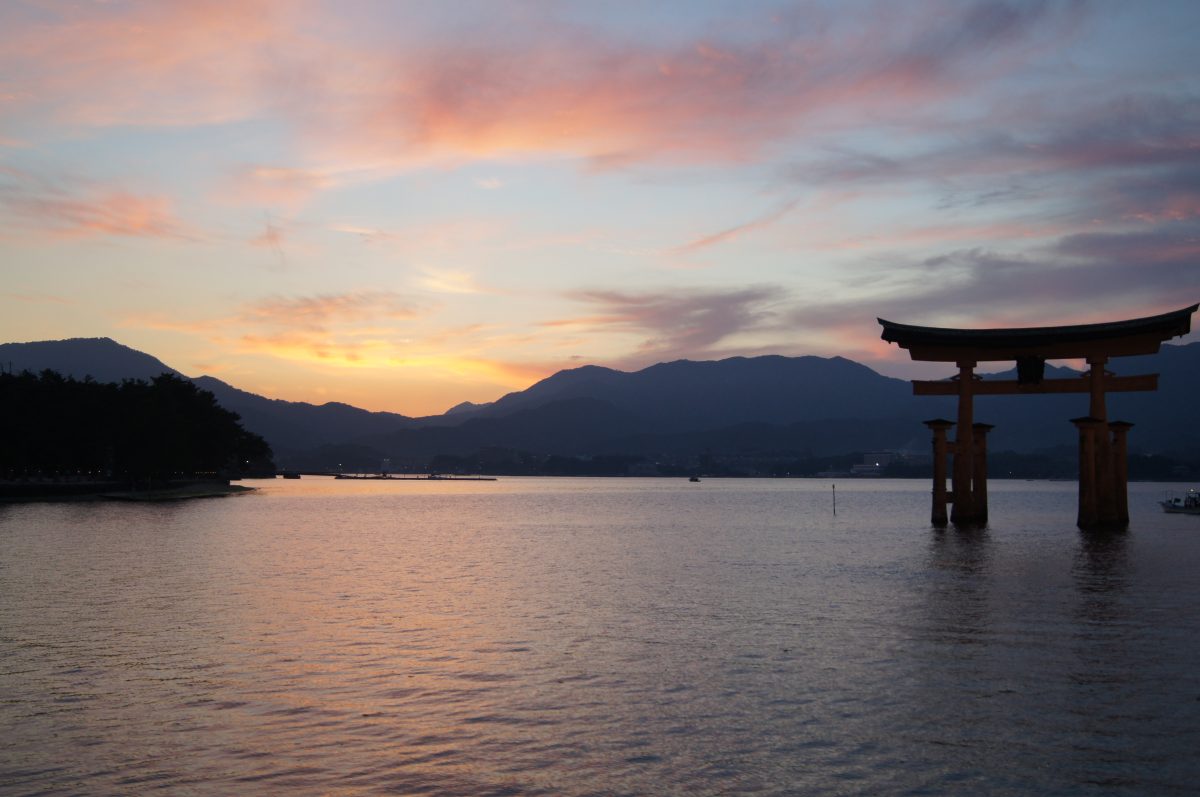
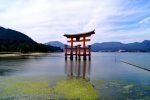
Use your second day for Miyajima, the island officially called Itsukushima. The headline sights are Itsukushima Shrine and its torii gate, but the island deserves more than a dash from ferry to photo spot. Daisho-in temple and Mount Misen make it a full day.
We travelled over from Hiroshima, visited the shrine and went up Mount Misen. We also left the descent later than was sensible and hurried down the Momijidani trail before dark. My legs submitted their review the next morning. One star; would not repeat.
Ferry choice, tide times, shrine admission and the Mount Misen options need their own explanation, so I have kept those details in our complete Hiroshima to Miyajima day-trip itinerary. Check the tide forecast before fixing the order of your day: high and low tide create quite different views of the torii gate.
How much do two days in Hiroshima cost?
These prices were checked against official sources on 24 September 2026. Food, hotel and long-distance rail costs vary too much to pretend there is one useful total.
| Expense | Adult price | Notes |
|---|---|---|
| Peace Memorial Park and A-Bomb Dome | Free | Open outdoor sites |
| Peace Memorial Museum | ¥200 | University age and above; audio guide ¥500 |
| National Peace Memorial Hall | Free | Beside the museum |
| Hiroshima Castle grounds and Ninomaru | Free | Main keep closed from March 2026 |
| Shukkeien Garden | ¥350 | Adult admission |
| Hiroshima streetcar | ¥240 per ride | Flat adult fare in the city |
On our 2015 trip, our mid-range hotels across Japan averaged about ¥3,750 per person per night. That is a trip-wide historical average, not a current Hiroshima quote. Prices have moved, sometimes with alarming enthusiasm, so compare live rates for your dates.
Getting to Hiroshima
Hiroshima sits on the Sanyo Shinkansen line, which makes it straightforward to combine with Kansai and western Honshu. Direct services take roughly 1 hour 40 minutes from Kyoto and about 1 hour 25 minutes from Shin-Osaka, depending on the train.
We arrived from Takayama using the Limited Express Hida to Nagoya, then shinkansen connections via Shin-Osaka. It took the best part of half a day once transfers were included. Current timetables and pass rules change, so use an official journey planner for your actual date rather than copying our 2015 sequence carriage by carriage.
If you are following a similar route, Hiroshima works well after Osaka or Kyoto. You can also stop at Himeji between Kansai and Hiroshima instead of making a separate return journey.
Can you visit Hiroshima as a day trip from Kyoto or Osaka?
You can. I still wouldn’t make that my first choice. The train journey is quick enough on paper, but the Peace Memorial Museum, park and Miyajima should not be crammed between two long travel legs. Stay overnight if your wider route allows it.
Getting around Hiroshima
Central Hiroshima is walkable, and the streetcar fills the gaps. The current flat adult fare is ¥240. Major IC cards including Suica and PASMO are accepted; touch in when you board and touch out when you leave. If you pay cash, have small change ready.
From Hiroshima Station, take a streetcar towards Genbaku Dome-mae for the A-Bomb Dome, or use the sightseeing loop bus if it suits your pass. Hiroshima Station’s streetcars now use the second-floor platform opened in 2025, so an older station map may be more confusing than helpful.
Where we stayed in Hiroshima
We spent two nights at Chisun Hotel Hiroshima, near the Ginzancho tram stop. It was a practical base between Hiroshima Station and the centre, which mattered more to us than a dramatic lobby or a pillow menu with seventeen emotional settings.
The hotel still operates under the same name, but our stay was in 2015. Treat that as location advice, not a current room review. For the easiest sightseeing, look around Hatchobori, Hondori or the Peace Park. The station area is handy when arriving late, leaving early or carrying luggage that has somehow gained weight without buying anything.
What I’d change about our Hiroshima itinerary
- Arrive the previous evening. Two full days are much better than two nights with travel nibbling at both ends.
- Visit the museum first. Starting early gives you fewer crowds and enough time to absorb it properly.
- Leave breathing room. The Peace Park is not the place for a stopwatch itinerary.
- Keep Miyajima separate. It can be done in half a day, but a full day lets you explore beyond the waterfront.
- Check live closures. The castle keep is closed, museum reservation rules can change during busy periods and Mount Misen transport is weather-dependent.
Most of all, I would resist treating Hiroshima solely as a sombre obligation. Its history is the reason many of us go, and it must not be softened. But the rebuilt city, its trams, gardens, restaurants and ordinary evening life are part of the story too.
Hiroshima itinerary FAQs
Is two days enough for Hiroshima?
Yes. Two full days are enough for one day in Hiroshima city and one day on Miyajima, especially if you arrive the evening before. If you only have two nights, travel time will make the schedule tighter.
How long do you need at the Hiroshima Peace Memorial Museum?
Allow at least 90 minutes, although two hours is more comfortable. The museum is emotionally demanding and often busy, so leave time afterwards rather than booking the next hour too tightly.
Is Hiroshima Castle open in 2026?
The reconstructed main keep closed in March 2026 because of deterioration and ageing facilities. The exterior, castle grounds and restored Ninomaru buildings remain accessible; the Ninomaru is free.
How much is the Hiroshima Peace Memorial Museum?
Adult admission is ¥200, high-school admission is ¥100 and junior-high pupils and younger children enter free. An audio guide costs ¥500. These prices were checked in September 2026.
Should you visit Hiroshima or Miyajima first?
I would visit Hiroshima city first, then spend the second day on Miyajima. But tide times and weather can justify reversing the order, particularly if seeing Itsukushima Shrine at high tide matters to you.
Is Hiroshima worth visiting?
Yes. The Peace Memorial Museum and Park make history personal in a way a textbook cannot, while the rebuilt city, Shukkeien and Hiroshima-style okonomiyaki show present-day Hiroshima too.
Can Hiroshima be a day trip from Osaka or Kyoto?
It is possible by shinkansen, but it is rushed. A day trip can cover the Peace Memorial Museum and central memorial sites; it cannot do those justice and include a relaxed Miyajima visit as well.
Plan the rest of your Japan trip
Start with our Japan travel guide, then use the Japan planning guide for transport, timing and the less photogenic bits that still need arranging. You can also see what we actually spent in our Japan travel budget.
Heading east next? Continue with our three-day Kyoto itinerary and Nara day-trip guide. But give Hiroshima its own space first. It deserves more than a hurried pin on the map.
Would you give Hiroshima and Miyajima one full day each?

“… destroying Hiroshima almost in its entirety and killing millions of people.”
Not to lessen the devastation caused but Hiroshima wasn’t almost totally destroyed and nor were millions killed by the atomic bomb. Estimates vary from about 90,000 to 146,000 killed (Wikipedia).