Planning a trip to Okinawa and looking for an itinerary to follow? We have got you covered with this five-day Okinawa itinerary based on our own honeymoon.
It includes five full sightseeing days, with our arrival evening, flight to Ishigaki and departure day shown separately so you can see exactly how the route fits together.
Okinawa is an archipelago of Japanese islands that my husband and I visited on our honeymoon in 2019—and promptly fell in love with. It combines gorgeous beaches, a fascinating history and culture, and the sort of food that makes us plan entire days around lunch. This itinerary follows what we actually did, including the days that worked brilliantly and the parts I would plan differently now. For all of our detailed island, attraction and hotel articles, use the Okinawa Travel Guide as your starting point.
The archipelago of Okinawa, which is the most southern prefecture of Japan, is well-known for its crystal-clear oceans, coral reefs, and warm weather. While being a part of Japan, Okinawa differs from the main island of Japan in terms of its culture and history. Before Japan annexed the island in the late 19th century, it was a sovereign state known as the Ryukyu Kingdom. Okinawa thus has its own unique traditions and customs that are influenced by Southeast Asian and Chinese civilizations.
This article sets out our route for exploring Okinawa, including Naha’s historic sites and markets, a main-island road trip, quieter beaches and three very different island experiences. We travelled as a couple on our honeymoon. Okinawa struck us as exceptionally family-friendly, and we would love to return with our children, but the practical family notes are reflections—not claims that we completed this itinerary with children.
Personally, we have a special connection to Okinawa because it was where we celebrated our honeymoon. The island exceeded our expectations and left us with unforgettable memories. We hope that by sharing our itinerary, we can help you create your own unforgettable experience in Okinawa.
So, without further ado, let’s dive into our perfect itinerary for Okinawa!
A QUICK OVERVIEW OF OUR 5 FULL DAYS IN OKINAWA
Our itinerary includes five full sightseeing days, plus our arrival evening in Naha, the day we flew to Ishigaki and our final departure day. Here is the route at a glance:
- DAY 0: Arrive in Naha
- DAY 1: Explore Naha
- DAY 2: Take a day trip to Zamami Island
- DAY 3: Road trip around Okinawa Honto
- DAY 4: Fly to Ishigaki and settle into the hotel after arrival
- DAY 5: Day trip to Taketomi Island
- DAY 6: Day trip to Iriomote Island
- DAY 7: Fly home or continue to your next destination
Keep reading for the route we followed, where we stayed and what we would recommend in each place based on our own honeymoon in Okinawa.
WHY SHOULD YOU VISIT OKINAWA
We fell in love with Okinawa for a variety of reasons, and we wholeheartedly recommend it as a travel destination. Listed below are just a few of the top reasons you should add Okinawa to your travel bucket list:
- The beaches: Okinawa is home to some of the world’s most stunning beaches. You’ll think you’re in paradise with the fine, white sand and the pure, blue sea. We lounged on the beach for hours, went swimming in the sea, and used snorkelling equipment to see the undersea world. I would definitely have gone diving too, but Gary doesn’t have his diving license.
- The culture: As we mentioned earlier, Okinawa has a unique culture and history that sets it apart from the rest of Japan. The locals are incredibly friendly and welcoming, and we learned so much about the Ryukyu Kingdom’s history by visiting historic sites such as Shuri Castle.
- The people: the Okinawan people are incredibly kind and welcoming, and we learned so much about the Ryukyu Kingdom’s past by touring historical sites like Shuri Castle. The cuisine is highly flavourful and delicious, with influences from Southeast Asia, China, the USA and Japan. We strongly recommend that you try at least taco rice, goya champuru, and Okinawa soba.
- The nature: Okinawa moves from white beaches and coral reefs to mangrove rivers and dense subtropical jungle. Our most adventurous nature experience was kayaking through Iriomote’s mangroves and hiking to the top of Pinaisara Falls.
- The quiet: Although having a large number of tourist attractions, Okinawa nonetheless maintains a calmer pace of life than mainland Japan. We were grateful for the opportunity to unwind and rest outside of hectic cities.
Overall, we strongly believe that Okinawa is the ideal location for anyone seeking a distinctive cultural experience, outstanding natural beauty, and mouth-watering cuisine. It’s a location where you may unwind, appreciate life’s simple pleasures, and make priceless memories.
SHOULD YOU TRAVEL INDEPENDENTLY OR BOOK A TOUR IN OKINAWA?
It can be difficult to choose whether to travel solo or join a tour; ultimately, your travel interests and style will determine your choice. We realise that both approaches have advantages when it comes to travelling around Okinawa.
You’ll have more freedom and flexibility to plan your own itinerary and explore at your own speed if you choose to travel independently. This is especially the case if you wish to venture off the beaten road and find undiscovered treasures that might not be included in a tour package. We personally relish the freedom to make our own plans and spend as much time as we want at each location without feeling hurried.
On the other hand, booking a tour can also have its advantages. For example, if you’re short on time or want a hassle-free experience, a tour can take care of all the logistics and planning for you. Additionally, some tours may offer exclusive access to certain attractions or experiences that may be difficult to arrange independently.
We used a mixture of independent travel and organised activities during our Okinawa trip. We visited Zamami Island independently by ferry from Naha. For Taketomi, a message sent during the trip records that we bought a ferry package which included the buffalo-cart ride. Our kayaking and Pinaisara Falls experience on Iriomote was a guided tour. For the rest of the trip, we rented a car and explored independently, which gave us the freedom to take our time at each destination.
Ultimately, whether you choose to travel independently or book a tour comes down to your personal preferences and travel style. We recommend doing some research beforehand to see what options are available and what will best fit your needs. Either way, we’re sure you’ll have an incredible time exploring Okinawa!
OUR 5 FULL DAYS IN OKINAWA: THE DETAILED ITINERARY
DAY 1 IN NAHA
WHY SHOULD YOU VISIT NAHA
When touring the archipelago, Naha (the capital of Okinawa) deserves to be at the top of your list of places to see. We certainly prefer it as a base, even over Okinawa City. Here are some of the reasons we thought Naha was fantastic and that you should include it on your itinerary of Okinawa:
- The history and culture: Okinawa has a rich history and culture that you can experience through Naha’s historic sites and museums.
- The food: Okinawa is known for its delicious cuisine, which blends Japanese and Okinawan flavours, and Naha with its many restaurants and Kokusai-dori street is a great place to taste the local food.
- The shopping: Naha offers a wide range of shopping opportunities if you enjoy this. Those interested in purchasing local products should definitely visit the Makishi Public Market, while the Kokusai-dori strip is home to both traditional Okinawan crafts and contemporary fashion businesses.
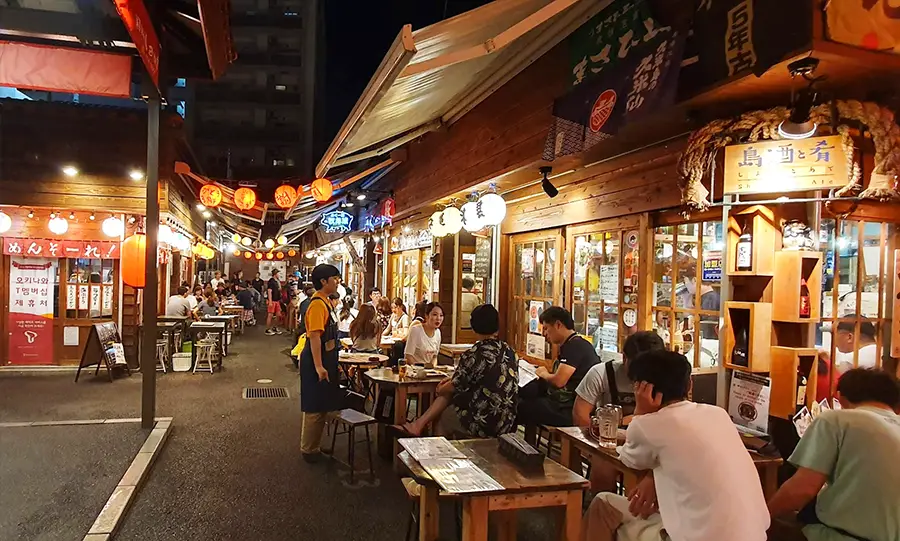
- The evening atmosphere: We loved wandering around busy Kokusai Dori, examining all the food choices and eventually eating in the lively food-village area. It was crowded and late, but it gave central Naha a completely different energy from the quieter attractions we visited during the day.
- The accessibility: With an international airport and a major port that connects to other islands in the region, Naha serves as Okinawa’s transportation hub. This makes it an ideal starting point for travelling around the remainder of the island, nearby islands, and its many attractions without a car.
Overall, we believe Naha to be a must-see city for everyone travelling around Okinawa. It is a wonderful place to stay for a few days or longer because of its distinctive combination of history, culture, gastronomy, shopping, and nightlife.
HOW MANY DAYS SHOULD YOU SPEND IN NAHA
How long you need in Naha depends on whether you count day trips from the city as time in Naha. For the city itself, we used one full sightseeing day, an arrival evening and a final morning. That was enough for our principal sights without pretending that our Zamami trip and main-island road trip were also days spent exploring Naha.
We based ourselves in Naha for several nights because it also gave us access to Zamami and the wider main island. Our full Naha sightseeing day covered the museum, Shuri area, pottery streets and markets; we used the edges of our stay for Kokusai Dori and Fukushu-en Garden. This distinction matters if you are trying to work out how many actual city days to allow.
If you have more time, you could also consider taking additional day trips from Naha to other parts of the island. For example, you could visit the nearby Okinawa World theme park to learn more about Okinawan culture and history, or head south to explore the beaches and nature of the Nanjo area.
On the other hand, if you have a more packed itinerary and are short on time, you could still get a taste of Naha in just one day.
Ultimately, the length of your stay in Naha will depend on your preferences and schedule, but we highly recommend dedicating some time to explore this vibrant and historic city.
HOW TO GET TO NAHA
Getting to Naha is relatively easy, with a range of options available depending on your budget and preferences. During our honeymoon, we opted to fly to Naha from Singapore, which took around 8 hours with a stop in Taiwan and provided us with stunning views of the Okinawan archipelago from above.

If you’re already in Japan, you can fly to Naha from most major cities, including Tokyo, Osaka, and Fukuoka. There are also direct flights from some international destinations, such as Hong Kong, Taipei, and Seoul.
You can take a ferry from the Japanese mainland to Naha if you’d like to travel by boat. Regular ferries leave from Tokyo, Osaka, and Kobe. Depending on the route, travel periods range from 24 to 48 hours.
You can take a cab, bus, or monorail into the city centre after landing at Naha Airport. If your accommodation is close to a station, we suggest using the monorail since taxis can be pricey. The monorail is effective, reasonably priced, and offers fantastic city views as you travel. But you might not want to drag your suitcases behind you for too long in the tropical climate.
Overall, getting to Naha is a straightforward process with a range of options available to suit different travel styles and budgets. Whether you choose to fly or take a ferry, we’re sure that you’ll be rewarded with stunning views and a warm welcome to this fascinating corner of Japan.
HOW TO GET AROUND NAHA
Naha’s well-developed public transportation system makes getting about the city easy and reasonably priced. During our honeymoon, we discovered that the best way to see the city and its surroundings was by pairing the monorail with walking.
The Yui Rail, commonly known as the Okinawa Monorail, is a fantastic method to travel swiftly and cheaply throughout Naha. Along the journey, the monorail makes stops at significant tourist destinations and shopping areas as it travels from Naha Airport to Shuri Castle. The trains are spotless and up-to-date, and they provide breath-taking city views as you travel.
If you prefer to travel by bus, there are several bus companies operating in Naha, including Okinawa Bus and Ryukyu Bus. Buses are an affordable way to get around the city and its suburbs, and many routes operate late into the night.
Taxis are also readily available in Naha, but they can be expensive, especially for longer journeys. We would suggest that using taxis sparingly and opting for public transportation whenever possible is the most cost-effective way to explore the city.
Overall, getting around Naha is easy and affordable, with a range of public transportation options available to suit different travel styles and budgets. Whether you choose to ride the monorail, hop on a bus, or flag down a taxi, we’re sure that you’ll enjoy the convenience and efficiency of getting around this vibrant city.
WHAT SHOULD YOU SEE AND DO IN NAHA
From its interesting history and culture to its breathtaking natural surroundings and cutting-edge attractions, Naha has a lot to offer holidaymakers. We explored the city for one whole day on our honeymoon, taking in everything it has to offer. Here are a handful of the top Naha attractions and activities to add to your itinerary:

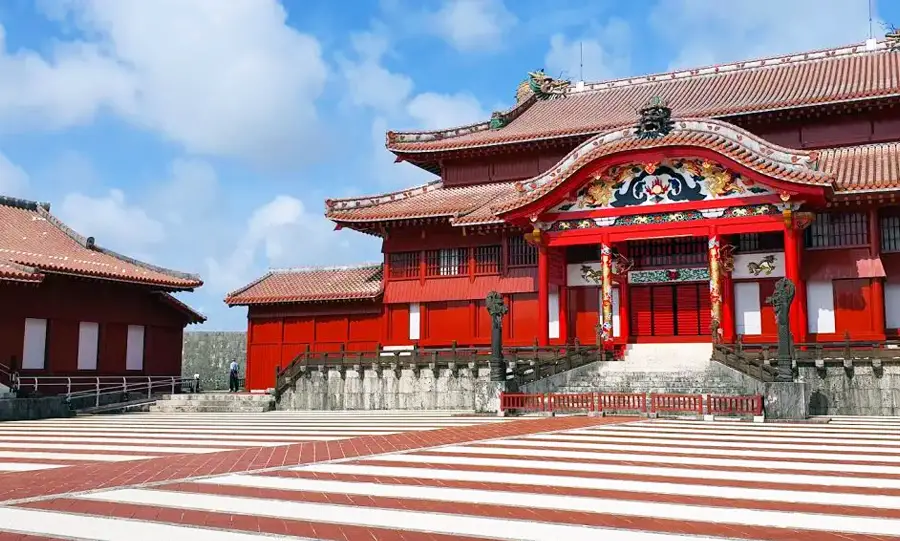
- Visit Shuri Castle: The most popular attraction in Naha and a must-see for all tourists is Shuri Castle, a UNESCO World Heritage Site. The castle, which served as the Ryukyu kings’ home for many years, is now a museum that showcases the history and culture of the Ryukyu Kingdom to visitors.
- Stroll through Kokusai Dori: This lively street in the centre of Naha is dotted with stores, restaurants, and bars, making it the ideal location to take in the lively ambiance of the city. We enjoyed perusing the gift stores and sampling some of the regional cuisine and beverages.
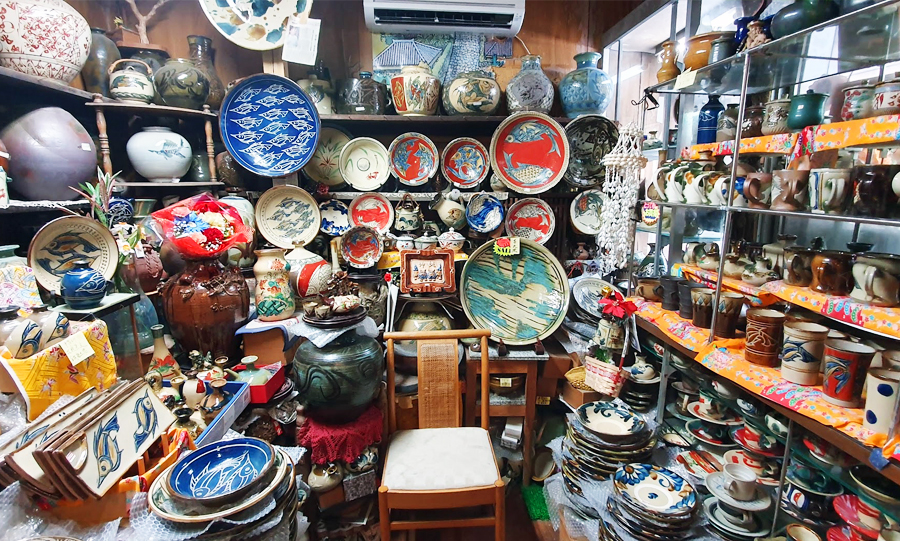
- Take a gander through the Tsuboya Pottery District: It is home to a large number of traditional pottery stores and studios, and it is only a short stroll from Kokusai Dori. For for over 400 years, the locals have been making pottery here, and they are renowned for their unique designs and techniques. We enjoyed exploring the narrow streets and marveling in at the exquisite ceramics that were on show. You could even participate in a pottery-making class, and don’t forget to bring some of these distinctive creations home with you as souvenirs.
- Shop at the Makishi Public Market: Fresh produce, seafood, and regional delicacies can all be found at this bustling market. We enjoyed perusing the stalls and tasting some of the scrumptious food on offer. We highly recommend trying the Okinawan soba noodles and the local goya (bitter melon) dishes. You can even sample some of the exotic delicacies, like sea urchin or enormous clams, if you’re feeling very daring.
- Discover the history of Okinawa at the Okinawa Prefectural Museum & Art Museum: Anybody interested in the history and culture of Okinawa should definitely stop by this complex of museums. Displays on Okinawan history, art, and traditional crafts are housed in the museum.
- Take a day trip to a nearby island: Naha is surrounded by several beautiful islands that are perfect for a day trip. We highly recommend visiting Zamami Island, which is known for its stunning beaches and crystal-clear waters.
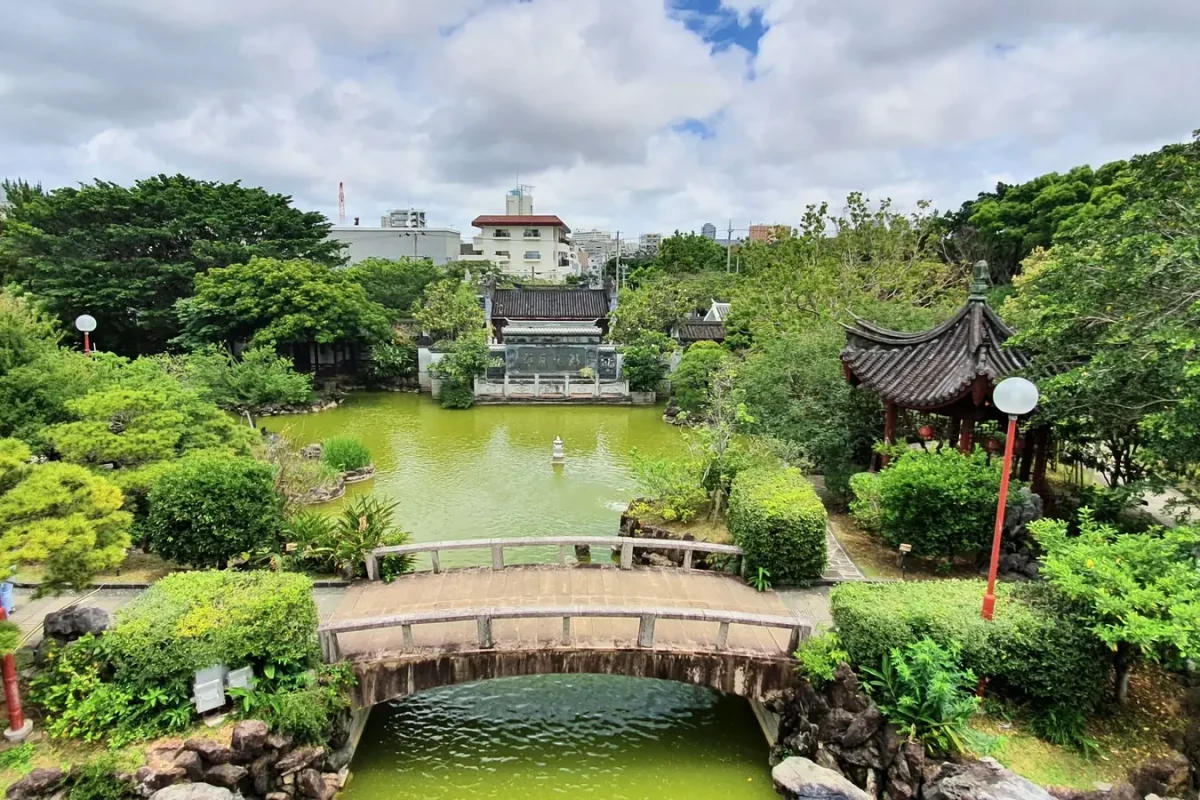
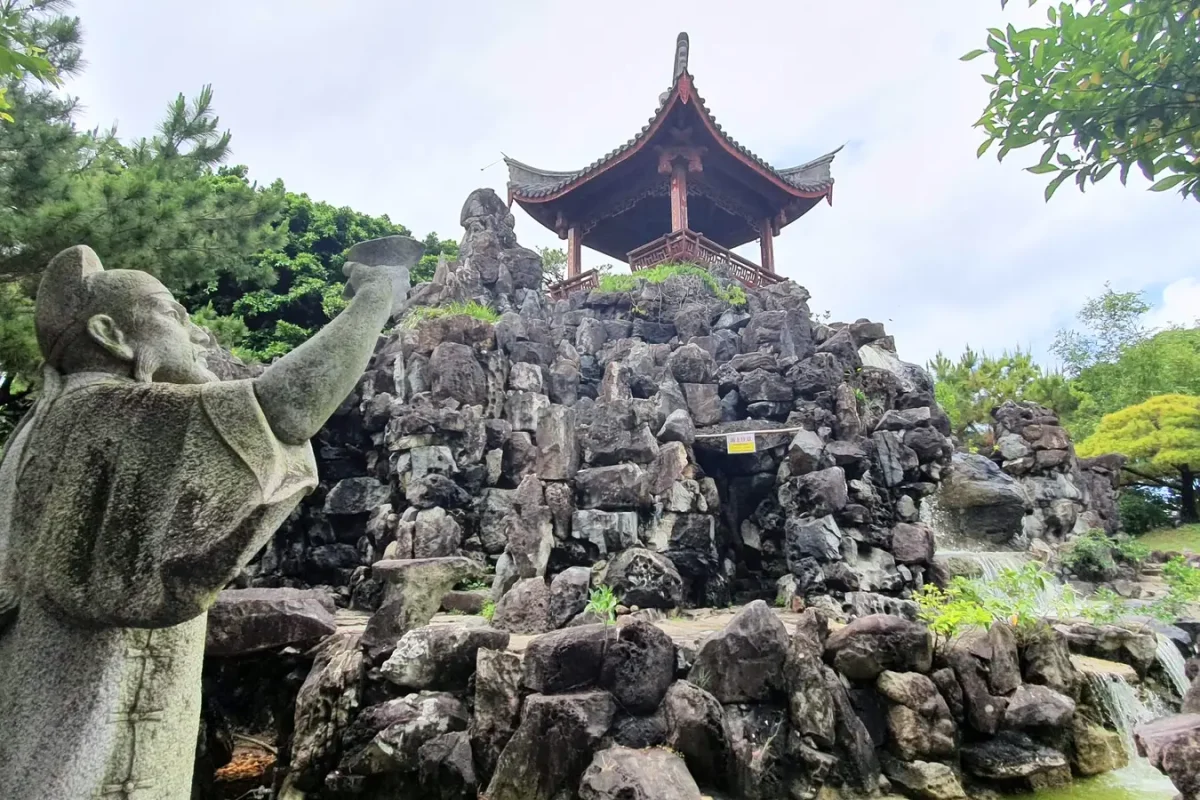
- Explore the natural beauty of the city: Naha has several parks and gardens that are perfect for a leisurely stroll or picnic. One of our favourites was Fukushu-en Garden, which features a traditional Chinese-style garden and a tea house.
These are just a few of the many things to see and do in Naha. Whether you’re interested in history, culture, or nature, there’s something for everyone in this vibrant city.
DAY-TRIPS FROM NAHA
Day trips from Naha are a great way to explore more of Okinawa’s beauty and culture. We went on two fantastic day trips during our stay – one exploring Okinawa Honto and another to Zamami Island. And we would highly recommend both of them.
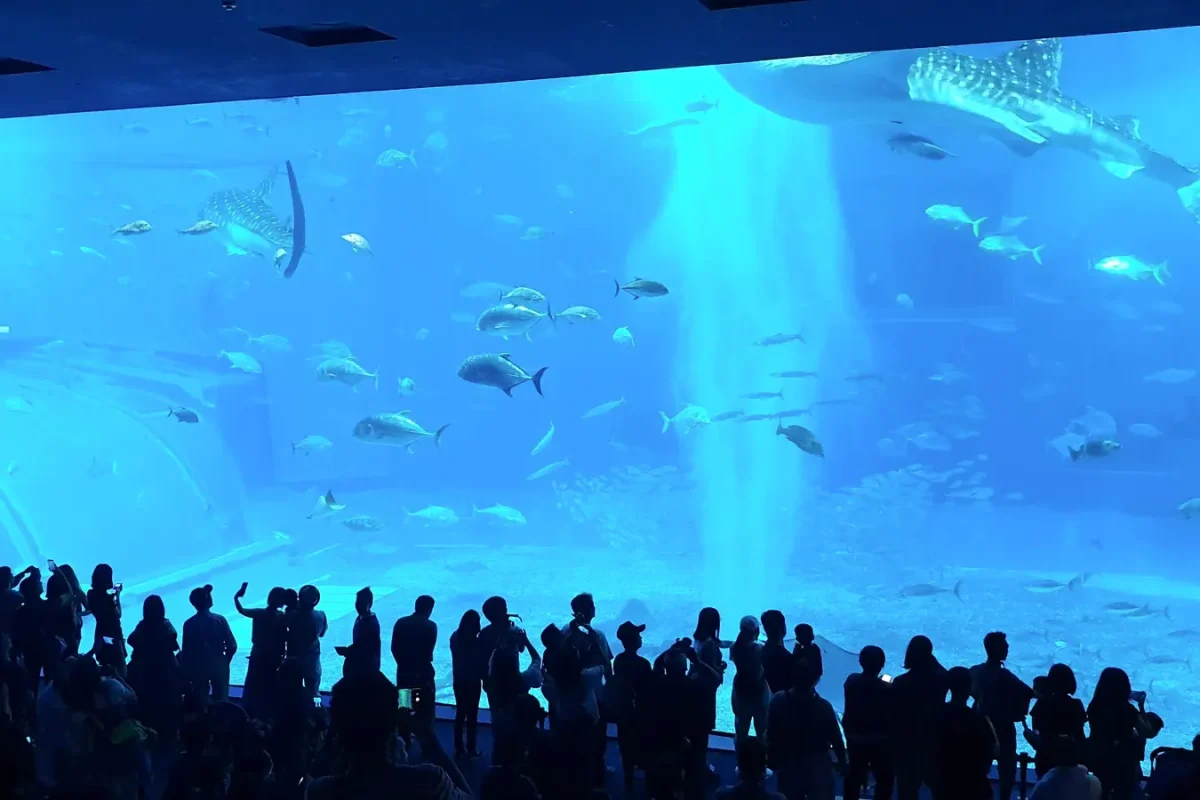
Exploring Okinawa Honto – the main island of the archipelago – was a fantastic experience. We hired a car and followed our one-day Okinawa main island road-trip route to see the famous Churaumi Aquarium, which is home to a vast variety of sea creatures, including whale sharks, manta rays, and more. We also visited the stunning Cape Manzamo, which offers breathtaking views of the clear blue ocean below. We also visited the Nakijin Castle ruins, which are a UNESCO World Heritage Site and offer a glimpse into the island’s fascinating history.
Our day trip to Zamami Island was an interesting part of our Okinawa trip. We travelled independently by ferry from Naha, walked through Zamami Village and continued to Ama Beach, where we spent most of our limited time snorkelling. The weather was intermittently rainy rather than relentlessly sunny, and we did not reach Furuzamami Beach as originally planned.
Overall, taking day trips from Naha allowed us to see more of what Okinawa has to offer and explore beyond the city limits. It’s definitely worth considering when planning your itinerary.
A BRIEF SUGGESTED OKINAWA ITINERARY FOR NAHA
Here is a brief overview of the itinerary we followed whilst staying in Naha:
DAY 0 – ARRIVAL IN NAHA
6.45 PM – Arrival at Naha Airport
8.30 PM – Check-in at Hotel
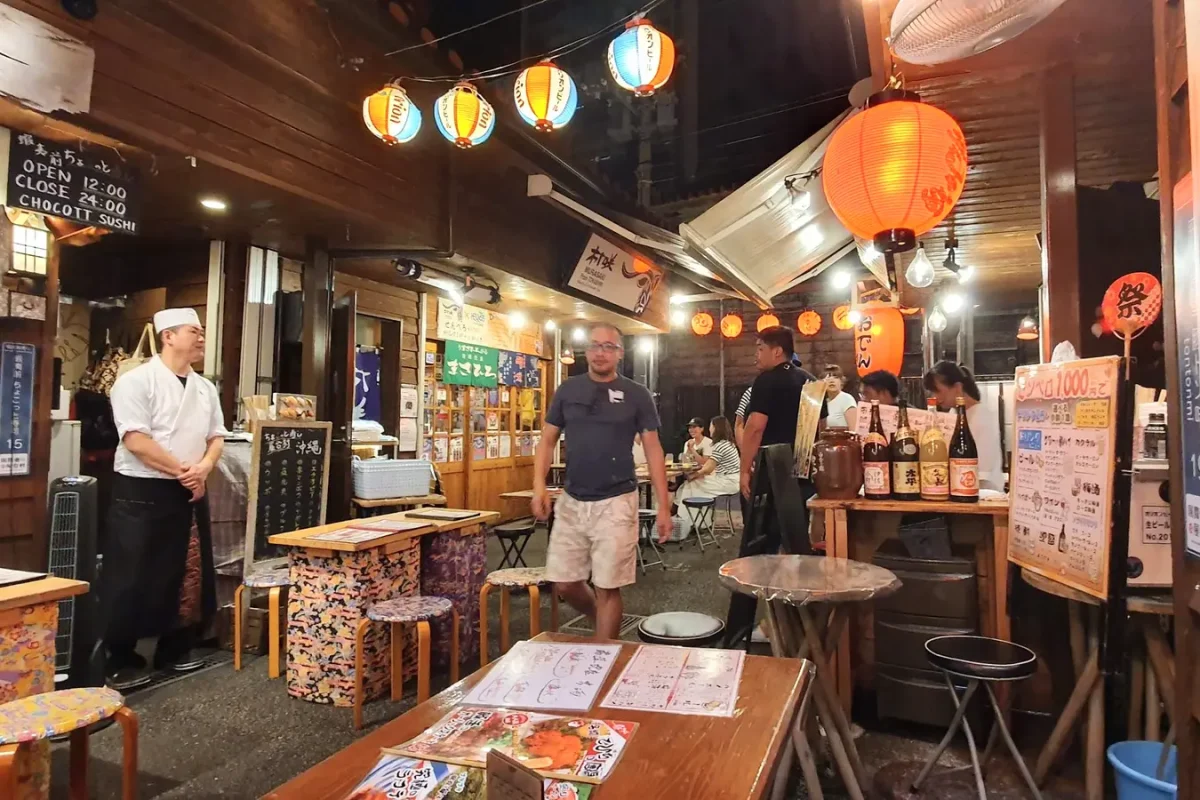
9.30 PM – Dinner at Kokusai Food Street Village
DAY 1 – EXPLORE NAHA
9.30 AM – Okinawa Prefectural Museum & Art Museum
1.30 PM – Lunch at Shuri Soba
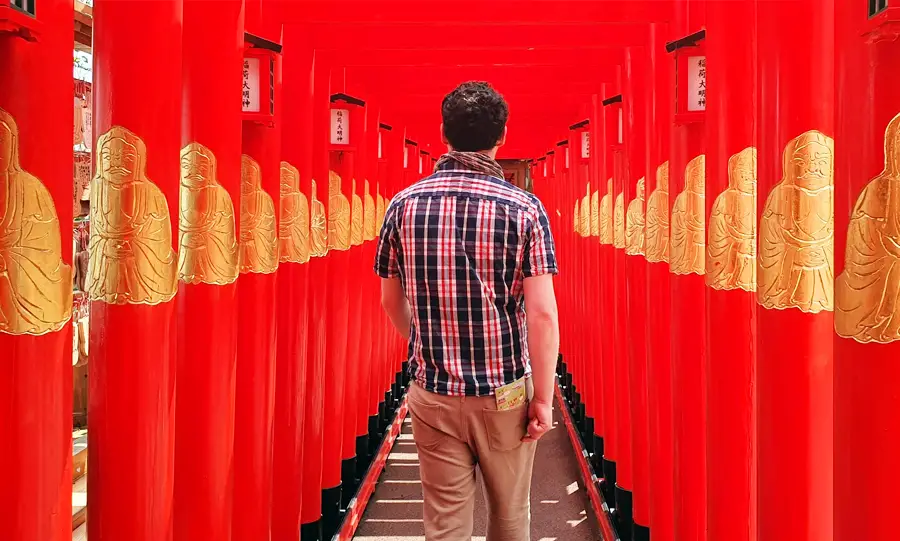
2.30 PM – Sairaiin (Daruma Temple)
3.00 PM – Shurijo Castle
6.00 PM – Tsuboya Pottery District
6.30 PM – Dinner in Makishi Market
DAY 2 – DAY TRIP TO ZAMAMI ISLAND (read more below)
DAY 3 – EXPLORE OKINAWA HONTO BY CAR (read more below)
DAY 4 – DEPARTURE FROM NAHA
11.30 AM – Fukushu-en garden
2.45 PM – Flight to Ishigaki
WHERE SHOULD YOU STAY IN NAHA
There are plenty of choices for every budget range and taste when it comes to selecting the perfect location to stay in Naha. My husband and I chose to book the Naha Terrace for our honeymoon, and we couldn’t be more pleased with our decision.
The Naha Terrace is a luxury hotel in Naha with a quieter hilltop location that offers generously sized, exquisitely furnished rooms, first-rate amenities, and unmatched service. Its quieter setting still made it a good base for exploring the city, but it is not beside a monorail station or directly on Kokusai Dori. For anyone seeking a relaxing and comfortable stay in Naha, we wholeheartedly suggest this hotel.
Generally, we would recommend choosing a hotel or guesthouse located in the city center. This way, you can easily explore the area by foot and minimize your reliance on public transport. The convenience of being close to downtown means that you can easily access all the shops, restaurants, and attractions that Naha has to offer.
But if you’re on a tight budget, there are still plenty of great options on the outskirts of Naha. The monorail system is an efficient and reliable way to get around the city, so don’t hesitate to consider accommodation further out if you’re looking to save money. Just be prepared to spend a little more time on commuting.
DAY 2 DAY-TRIP TO ZAMAMI ISLAND
WHY YOU SHOULD VISIT ZAMAMI ISLAND
Zamami Island should be on your list if you’re searching for a spot to unwind and relax amidst the nature’s splendour. It is a tiny island that can be reached from Naha in about an hour by high-speed ferry. This island is ideal for honeymooners because of its beautiful beaches and crystal-clear waters.
Ama Beach was almost deserted during our visit, although the intermittent rain may have contributed to that. The quiet atmosphere was one of the things we liked about our Zamami Island day trip, but it should not be taken as a promise that the island or its beaches are always uncrowded.
Zamami is known for diving and snorkelling around its clear waters and coral reefs. We snorkelled independently from Ama Beach, where I was bitten by what I remember as a territorial triggerfish. We had intended to visit Furuzamami Beach too, but spent too long in the water and had to hurry back for our ferry.
The island also has elevated viewpoints and hiking routes, but we did not visit them during our short day trip. Travellers wanting to combine beaches, viewpoints and a more relaxed pace should consider the faster ferry or an overnight stay.
Overall, Zamami Island is a great escape from the hustle and bustle of Naha. It is a place where you can relax and connect with nature, and we highly recommend it to anyone looking for a peaceful retreat.
HOW MANY DAYS SHOULD YOU SPEND ON ZAMAMI ISLAND
A Zamami Island day trip was enough for the simple route we followed—Zamami Village, Marilyn’s statue and Ama Beach—but it was not enough to see all of the island’s best-known places.
Our conventional ferry took about two hours each way and left us only a few hours on Zamami Island. That was enough for lunch, the walk to Ama Beach and snorkelling, but not enough to add Furuzamami Beach or any hiking paths without arranging faster transport.
But, if you have more time on your hands, spending the night on Zamami Island is a brilliant option. It would allow you to experience some of the island’s activities more thoroughly and tour the island at a more leisurely pace.
Zamami can be a worthwhile addition to an Okinawa itinerary if quiet beaches and snorkelling are priorities. However, if we had to remove one day from our five-day route, this is the day we would sacrifice because the other experiences stood out more strongly.
HOW TO GET TO ZAMAMI ISLAND
Getting to Zamami Island is relatively easy and can easily be done as a day trip from Naha.
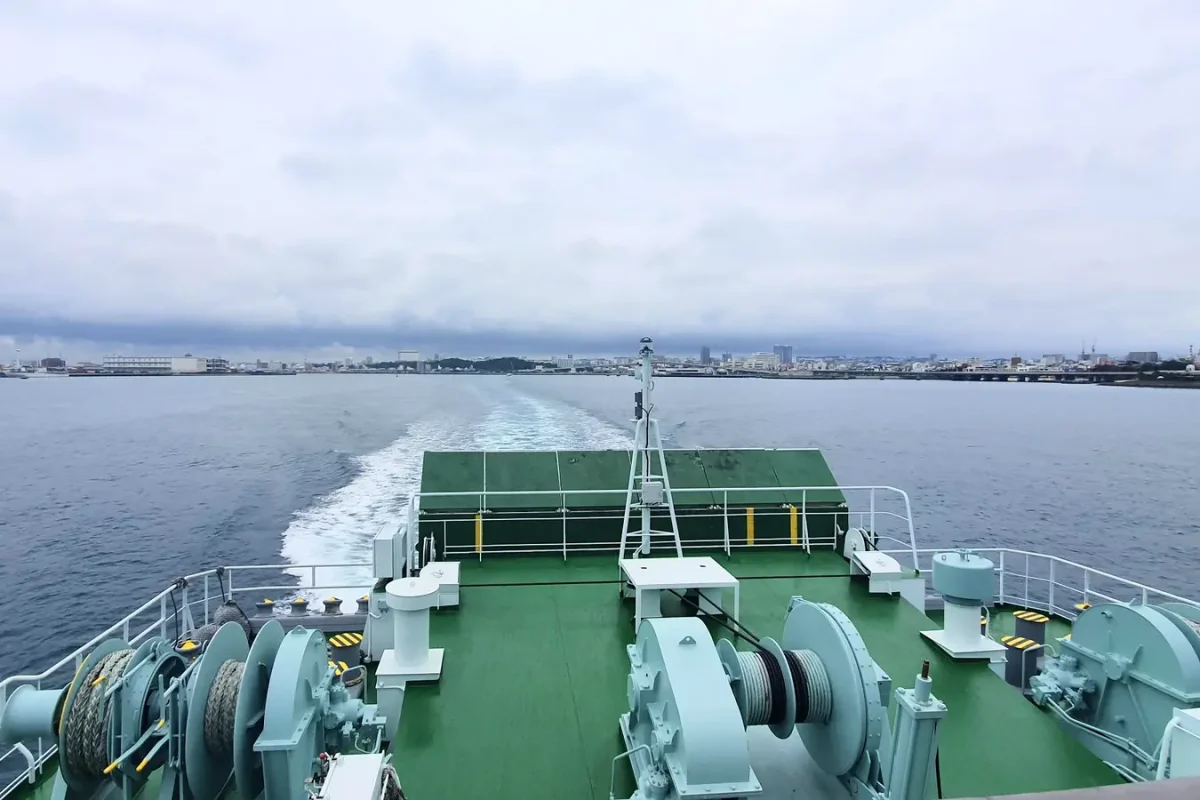
We took a ferry from Tomari Port in Naha, which took about two hours to reach Zamami Island. The ferry ride was comfortable, and the views of the crystal clear waters and surrounding islands were breath-taking.
We turned up without booking and almost missed the ferry, but I would not recommend copying us. Sailings are limited and can sell out, especially during peak travel season. Check the current timetable, reserve your return journey where possible and choose between the conventional ferry and high-speed boat according to how much time you want on the island.
HOW TO GET AROUND ZAMAMI ISLAND
Some parts of Zamami Island can be explored on foot. We walked from Zamami Port to Ama Beach via Marilyn’s statue, but the island is hilly and combining widely separated places on a short ferry day requires more planning.
But you can rent a bicycle or an electric scooter if you wish to cover more ground or if the weather is unsuitable for walking.
The majority of accommodations on the island offer electric scooter and bike rentals, and the rates are relatively affordable. The rental shops also provide maps of the island, so you can plan your route and explore the island’s attractions at your own pace.
There is also a shuttle bus service that runs between the main port of Zamami and popular beaches on the island. The shuttle service is convenient, and the prices are reasonable.
Overall, getting around Zamami Island is stress-free and enjoyable, and it is one of the highlights of the island experience.

WHAT SHOULD YOU SEE AND DO ON ZAMAMI ISLAND
One of the top things to do on Zamami Island is to go snorkelling or diving. The island has several dive shops that offer rental equipment, as well as guided tours for both beginners and experienced divers. The coral reefs around the island are teeming with colourful fish, sea turtles, and other marine life, making for an unforgettable underwater experience.
Furuzamami Beach is one of the island’s best-known beaches, but we did not reach it. We had planned to visit after Ama Beach; instead, we spent too long snorkelling and had to rush back to Zamami Port for the limited return ferry.
Zamami also has elevated viewpoints and walking routes for visitors with more time. We did not hike Mount Takatsuki or visit the lighthouse, so our experience cannot support claims about their difficulty or views.
Visiting the statue of Marilyn the dog is a must-do when on Zamami Island in our opinion. The statue is located near the port and is also a popular spot to watch the sunset. The statue is a testament to a local story of pure love between Marilyn and another dog named Shiro, who swam three kilometres daily from Aka Island to visit her. Marilyn’s statue faces towards Aka Island, where a statue of Shiro is also located.
We did walk through Zamami Village, but found fewer open shops and restaurants than expected and bought lunch from a tiny convenience shop. Opening days and hours can be limited, so day-trippers should consider bringing food from Naha rather than assuming a restaurant will be available.
A BRIEF SUGGESTED ITINERARY FOR ZAMAMI ISLAND
Here is a brief overview of the itinerary we followed to explore Zamami Island:
09.45 AM – Take the ferry to Zamami Island
12.00 PM – Arrive at Zamami Port
12.15 PM – Explore Zamami Village and have lunch
1.00 PM – Marilyn the Dog
1.15 PM – Ama Beach
3.00 PM – Return to Naha on ferry
5.15 PM – Arrive back in Naha
WHERE SHOULD YOU STAY ON ZAMAMI ISLAND
If you plan to stay on the island for a few days, we suggest staying in one of the small guesthouses located close to the beach. They offer a unique and more intimate experience, giving you a chance to connect with the locals and their culture.
DAY 3 EXPLORING OKINAWA HONTO BY CAR
WHY SHOULD YOU VISIT OKINAWA HONTO
Okinawa Honto should certainly be on your list if you’re looking for a destination that combines culture, history, and outdoor pursuits. It has a wide range of attractions and is the biggest and most urbanized island in the Okinawa Prefecture.
Listed as a UNESCO World Heritage Site, Shuri Castle is one of Okinawa Honto’s top attractions. This stunning castle, which served as the Ryukyu Kingdom’s royal residence, offers a fascinating glimpse into the peculiar history and culture of Okinawa. The Okinawa Churaumi Aquarium, one of the biggest aquariums in the world and home to a variety of marine life, including whale sharks, is another must-see location.
There is also a large variety of activities for outdoor enthusiasts on Okinawa Honto. The island has beautiful beaches, hiking trails, and even offers a chance to come across rare wildlife such as the Okinawa rail, a bird native to the island.
There are also plenty of restaurants on Okinawa Honto where you can taste local food such as Okinawa soba and goya champuru.
Overall, Okinawa Honto is a fantastic destination for anyone interested in learning about Okinawan culture and history while also enjoying the island’s natural beauty.
HOW MANY DAYS SHOULD YOU SPEND ON OKINAWA HONTO
If you plan to visit Okinawa Honto, we recommend staying for at least three to four days to fully appreciate the island’s culture, food, and natural beauty. This will give you enough time to explore Naha, the island’s capital city, as well as visit some of its historical sites and relax on its beautiful beaches.
Personally, we stayed for 3 days, as you might have spotted in our suggested itinerary for Naha.
If you have more time, however, we recommend extending your stay to up to a week to truly appreciate everything Okinawa Honto has to offer. There are many hidden gems waiting to be discovered, from scenic drives along the coastline to hidden waterfalls and charming villages.
HOW TO GET TO OKINAWA HONTO
It is simple to get to Okinawa Honto. The majority of visitors arrive at Naha Airport, which has direct flights from many major Japanese cities as well as several international destinations.
We flew into Naha and later flew from Naha to Ishigaki. Do not assume there is a practical passenger ferry between Naha and the distant Miyako or Yaeyama islands; check current transport for your dates, as flying is normally the useful connection for this itinerary.
HOW TO GET AROUND OKINAWA HONTO
Naha is straightforward to explore by monorail, bus and on foot, but attractions elsewhere on Okinawa Honto are much more spread out. Public transport can work for selected places, although it does not make every stop on our route equally easy.
However, the most convenient way to get around the island has got to be by car. This is the option we chose for our one-day road trip around the prefecture’s main island.
Renting a car in Okinawa is relatively affordable, and the roads are well-maintained, making it easy to navigate.
Driving also provides the freedom to explore off-the-beaten-path locations and venture into more remote areas that may not be accessible by public transportation.
For those who prefer not to drive, buses are a reliable option. Okinawa has an extensive bus network, with frequent services that connect most major destinations on the island. The buses are comfortable and air-conditioned, making them an excellent choice for those who want to sit back, relax, and enjoy the scenery.
Taxis are also available on the island, and they can be an efficient and convenient way to get around, especially for shorter trips. However, they can be quite expensive, so it’s worth checking prices beforehand and budgeting accordingly.
Overall, getting around Okinawa Honto is straightforward, with plenty of options available to suit every budget and travel style.
WHAT SHOULD YOU DO IN OKINAWA HONTO
There are numerous things to do on Okinawa Honto, making it a must-see during your visit to Okinawa.
One of the biggest highlights of our trip to Okinawa was visiting the Churaumi Aquarium, home to one of the largest tanks in the world and a wide variety of marine life, including whale sharks and manta rays. We were amazed by the beauty and diversity of the creatures we saw and loved learning about the efforts being made to protect the ocean and its inhabitants.
There are many beautiful beaches on Okinawa Honto if you want to relax and soak up some sun. Naminoue Beach, which is conveniently located in Naha city, is one of the most popular. This beach has clear water and beautiful views of the nearby Naminoue Shrine.
Another must-visit destination outside of Naha is the Ryukyu Mura, a cultural theme park that offers visitors a glimpse of traditional Okinawan culture. Here, you can learn about local customs and see traditional performances, including eisa dancing and karate demonstrations. You can also participate in various workshops such as pottery making, weaving, and dyeing, and try Okinawan delicacies like sata andagi, a type of fried doughnut.
The Okinawa Peace Memorial Park and Museum is a significant attraction that showcases the impact of the Battle of Okinawa during World War II. The museum is located in the southern part of Okinawa Honto and features exhibits and artifacts, including personal belongings and photographs, to illustrate the devastating effects of the war on the people of Okinawa.
The museum is accessible to visitors from all over the world as the information is presented in both Japanese and English. In addition to the indoor exhibits, the museum also has a beautiful outdoor area with a park and memorial monuments, such as the “Cornerstone of Peace” which lists the names of those who lost their lives in the battle. A visit to the museum is a humbling and emotional experience that highlights the importance of peace and the resilience of the people of Okinawa.
Another popular attraction is the Nago Pineapple Park, located in the northern part of the island. As the name suggests, the park is dedicated to pineapples and offers visitors a chance to learn about the history and cultivation of this tropical fruit. You can take a tour of the park on a pineapple-shaped vehicle, taste different pineapple-based products, and even try your hand at picking pineapples in the fields. Don’t forget to try their famous pineapple ice cream before you leave!
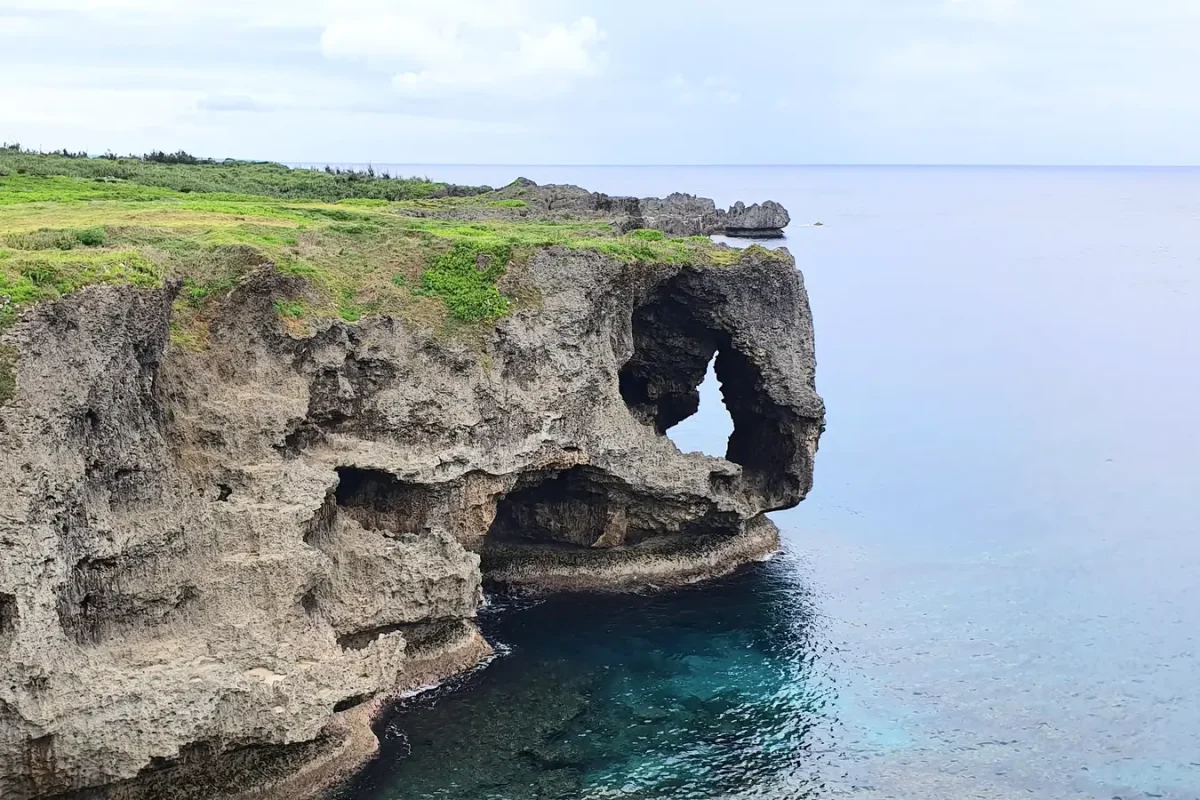
We stopped at Cape Manzamo on the west coast while driving south from the aquarium. This is a coastal viewpoint rather than a swimming beach. We followed the short visitor route, admired the dramatic cliffs and sea views, and then continued because our already ambitious road-trip schedule was beginning to catch up with us.
Finally, the Nakijin Castle Ruins are yet another must-see attraction on Okinawa Honto. This UNESCO World Heritage site was once the residence of a powerful Ryukyu dynasty king, and visitors can now explore the ruins of the castle walls and gates, as well as take in the staggeringly beautiful views of the surrounding coastline.
Overall, Okinawa Honto has something for everyone and is definitely worth spending at least a few days exploring. Whether you’re interested in history, nature, or just soaking up the beauty and culture of the island, Okinawa Honto is sure to leave you with unforgettable memories.
DAY-TRIPS FROM OKINAWA HONTO
Aside from the many attractions on the island of Okinawa Honto, there are also several other islands that can be easily reached by ferry and visited within a day.
One such island is Zamami, which we already mentioned earlier as a great place for snorkelling and diving. However, even if you’re not interested in those activities, the island is still worth a visit for its beautiful beaches and laid-back atmosphere. You can catch a ferry from Tomari Port in Naha, and the journey takes around 1.5 to 2 hours.
Another option is to visit Tokashiki Island, which is known for its stunning beaches and crystal-clear waters. The island is also home to several hiking trails if you’re looking for a more active day trip. Ferries run from Tomari Port and take around 35 minutes to 1 hour to reach Tokashiki Island.
Finally, if you’re looking for a quirky and fun day trip, consider visiting Kouri Island, which is known for its heart-shaped rock and picturesque bridge. You can enjoy a leisurely stroll across the bridge, visit the nearby beach, or sample local seafood.
No matter which island you choose, you’re sure to have a memorable day trip from Okinawa Honto.
A BRIEF ITINERARY SUGGESTION FOR A ROADTRIP OF OKINAWA HONTO
Here is a brief overview of the itinerary we followed to explore Okianawa Honto by car:
7.30 AM – Get a Spam Onigiri for breakfast at
8.00 AM – Pick up the rental car
9.30 AM – Visit Churaumi Aquarium
12.30 PM – Lunch at Pizza in the Sky
1.30 PM – Manzamo Bay
2.30 PM – Ryuku Mura
5.00 PM – Zakimi Castle Ruins
6.00 PM – Go shopping and have dinner at American Village

WHERE SHOULD YOU STAY ON OKINAWA HONTO
When it comes to choosing where to stay on Okinawa Honto, there are several areas worth considering based on your preferences and interests.
Naha is the capital city of Okinawa Prefecture and the largest city on the island. It’s a bustling urban center with plenty of shopping, dining, and entertainment options, as well as historical and cultural sites like Shuri Castle and the Okinawa Prefectural Museum. If you want to stay in the heart of the action, Naha is a great choice.
If you’re looking for a more laid-back atmosphere, consider the towns of Onna or Chatan. Onna is located on the western coast of the island and is known for its beautiful beaches and resorts. It’s a great choice if you want to relax and unwind in a picturesque setting. Chatan, on the other hand, is a popular tourist area with a variety of restaurants, bars, and shops, as well as a lively nightlife scene.
For a more rural and traditional experience, consider staying in the northern part of the island. The towns of Nakijin and Motobu are located in this area and offer a glimpse into the local way of life. You can visit the Nakijin Castle ruins, Churaumi Aquarium, and several scenic spots like Cape Hedo and Sesoko Beach.
No matter where you choose to stay on Okinawa Honto, there are plenty of accommodations available to suit all budgets and preferences, from luxury resorts to budget-friendly guesthouses.
DAY 4 ON ISHIGAKI ISLAND
WHY SHOULD YOU VISIT ISHIGAKI ISLAND
If you’re planning a similar route, our three-night Ishigaki Island itinerary shows how we used the island as a base for Taketomi and Iriomote.
Ishigaki is the third-largest island in the Okinawa archipelago, known for its white sand beaches, crystal clear waters, and stunning coral reefs. This island is home to some of the best beaches and snorkelling spots in all of Japan.
Ishigaki is also known for its delicious local cuisine, which includes fresh seafood, tropical fruits, and traditional Okinawan dishes. We highly recommend trying the local Ishigaki beef, which is known for its tender texture and unique flavour.
If you’re looking for some adventure, Ishigaki offers plenty of activities like scuba diving, hiking, kayaking, ziplining and even island hopping.
Overall, Ishigaki was a beautiful and practical base for exploring the Yaeyama Islands. We spent most of our two full days on Taketomi and Iriomote rather than touring Ishigaki itself, so I would add another day or two if you also want to explore Ishigaki’s beaches and viewpoints properly.
HOW MANY DAYS SHOULD YOU SPEND IN ISHIGAKI ISLAND
If you’re planning a trip to Okinawa, make sure to add Ishigaki to your itinerary.
Be sure to include Ishigaki in your itinerary if you’re travelling to Okinawa.
The third-largest island in the Okinawa archipelago, Ishigaki, is renowned for its pristine beaches, clean waters, and breath-taking coral reefs. Some of Japan’s top beaches and snorkelling locations can be found on this island.
Moreover, Ishigaki is acclaimed for its delightful regional cuisine, which features local ingredients such as fresh fish and tropical fruits to create traditional Okinawan dishes. We highly recommend trying the local Ishigaki beef, which is known for its tender texture and unique flavour.
If you’re looking for some adventure, Ishigaki offers plenty of activities like scuba diving, hiking, kayaking, ziplining and even island hopping.
Overall, Ishigaki was a beautiful and practical base for exploring the Yaeyama Islands. We spent most of our two full days on Taketomi and Iriomote rather than touring Ishigaki itself, so I would add another day or two if you also want to explore Ishigaki’s beaches and viewpoints properly.

HOW TO GET TO ISHIGAKI ISLAND
Ishigaki has its own airport with daily flights from major Japanese cities including Tokyo, Osaka, and Fukuoka, making travel there very simple. Our flight from Naha was scheduled to take around one hour and five minutes. Note that you must first take a flight to one of the main Japanese cities if you are flying internationally before continuing on to Ishigaki.
There is no regular passenger ferry from Naha to Ishigaki, so flying is the practical way to make this journey. Our booked flight from Naha was scheduled to take around one hour and five minutes, which made it easy to continue the trip in the Yaeyama Islands.
HOW TO GET AROUND ISHIGAKI ISLAND
Once you arrive in Ishigaki, you can easily rent a car or take a taxi to get around the island. We would recommend renting a car if you are planning to stay several days, as it is the most convenient way to explore all the sights and beaches of Ishigaki. Plus, it will give you the flexibility to make our own schedule and stop wherever you want along the way.
Since most of our time on Ishigaki was spent island hopping we didn’t personally require a car.
WHAT SHOULD YOU SEE AND DO IN ISHIGAKI ISLAND
One of the top things to do on Ishigaki Island is to visit Kabira Bay, a stunning white sand beach with crystal clear water. You can even take a glass-bottom boat tour to see the colourful marine life below the surface.
For an authentic taste of Okinawan culture, make sure to check out the Ishigaki Yaima Village, a recreated traditional village where you can see historic homes and try local dishes. We also highly recommend visiting the Yaeyama Museum, which showcases the fascinating history and culture of the Yaeyama Islands.
If you’re feeling adventurous, take a hike up to the top of Mount Nosoko for breath-taking views of the island. And don’t miss out on trying the local specialty, Ishigaki beef, which is known for its exceptional quality and flavour.
Finally, make sure to spend some time strolling through the streets of Ishigaki City, where you can find charming shops and restaurants serving up delicious Okinawan cuisine. Whether you’re looking for adventure, culture, or relaxation, Ishigaki Island has something for everyone.
DAY-TRIPS FROM ISHIGAKI ISLAND
Ishigaki Island offers many exciting day trip opportunities.
One of the most popular day trips is our Taketomi Island day trip from Ishigaki. Taketomi is a tiny island known for its traditional Okinawan-style houses and white coral-sand streets. It is a unique experience to explore the village, take a buffalo-cart tour and visit the island’s beaches.
Another memorable experience was our Iriomote Island day trip from Ishigaki. During our honeymoon, we took a ferry to Iriomote and joined a guided kayaking and Pinaisara Falls jungle trek. It was beautiful and fascinating, but considerably more physically and emotionally challenging for me than the original description suggested.
For those who love marine activities, a trip to the nearby Yaeyama Islands is highly recommended. The Yaeyama Islands are known for their clear blue waters and vibrant coral reefs, which are perfect for snorkeling and diving.
Kabira Bay, located on the northwestern coast of Ishigaki Island, is also an excellent place to see manta rays swimming in the wild.
Lastly, we recommend Yubu Island for a day trip. Located just off the coast of Ishigaki Island, it is known for its shallow waters and unique star-shaped sand.
A BRIEF SUGGESTED ITINERARY FOR ISHIGAKI ISLAND
Here is a brief overview of the itinerary we followed whilst staying in Ishigaki
DAY 4 AFTERNOON – Arrival in Ishigaki
DAY 5 – Go island hopping to Taketomi island
DAY 6 – Go on a hiking and kayaking tour on Iriomote island
DAY 7 – Depart Ishigaki island
WHERE SHOULD YOU STAY ON ISHIGAKI ISLAND
We stayed at Grandvrio Resort Ishigakijima during our Okinawa honeymoon. Our room was spacious, with a balcony and sea view, and the resort was a comfortable place to recover between island trips. It was away from the centre of Ishigaki and not beside the ferry terminal, however, so travellers prioritising early ferries may prefer to stay closer to Ishigaki Port.
Our room was spacious and clean, with two beds, a seating area, balcony and sea view. We ate dinner at the resort after arriving exhausted from Naha, booked a massage during the stay and received a pair of chopsticks as a thoughtful honeymoon gift.
Grandvrio was a comfortable place to recover between our Taketomi and Iriomote trips, but it was not beside Ishigaki Port. In hindsight, we would compare the resort setting more carefully with the convenience of staying within walking distance of the ferries. Our dedicated Grandvrio Resort Ishigakijima review will explain that trade-off in more detail once it is published.

DAY 5 ON TAKETOMI ISLAND
WHY SHOULD YOU VISIT TAKETOMI ISLAND
Taketomi Island should be a top destination for anyone visiting Okinawa. The natural beauty of the island, as well as the unique cultural experiences it provided, blew us away. We felt like we had stepped back in time to a simpler way of life the moment we arrived.
Taketomi Island is a magical place that we will always remember. We would strongly recommend it to anyone visiting Okinawa, especially if you want a peaceful and authentic experience steeped in tradition and natural beauty.
HOW MANY DAYS SHOULD YOU SPEND ON TAKETOMI ISLAND
When visiting Taketomi Island, we recommend staying for at least a full day to fully appreciate the island’s unique culture and beauty. If you have more time, consider staying for a few days to truly immerse yourself in the slow-paced island lifestyle and take your time exploring everything the island has to offer.

HOW TO GET TO TAKETOMI ISLAND
We took the ferry from Ishigaki Port to Taketomi Island. The crossing took about 15 minutes, making it an ideal day trip from Ishigaki.
Because the ferry schedule can be subject to change, we planned our journey accordingly. To avoid last-minute stress, we strongly advise checking the ferry schedule and purchasing tickets ahead of time. You can also book a guided tour to Taketomi Island, which will arrange everything for you.
HOW TO GET AROUND TAKETOMI ISLAND
There are several options for getting around Taketomi Island. Renting a bicycle is one of the most popular options for those who want to explore the island at their own pace. The island is small enough that you can cycle around it in about an hour or two.
A water buffalo cart tour is another popular option for exploring the island in a unique and traditional way. Locals lead these tours, which take you on a leisurely ride around the island while providing commentary on the island’s history and culture.
Walking is also a possibility, as Taketomi Island is relatively small and compact. The island’s charming streets are perfect for a leisurely stroll, and you’ll be able to take in the sights and sounds of the island at your own pace. Walking is also a great way to explore the unique architecture and traditional houses that are scattered throughout the village. We tried to cover far too much of the island on foot and would not recommend repeating that mistake in intense heat. The walk between the beaches felt endless, and the glare from the white sand contributed to Gary getting badly sunburned even though we had rented a parasol.
Lastly, there are shuttle buses that run regularly around the island, which is a convenient option for those who prefer not to cycle or take a water buffalo cart. These buses run on a fixed schedule, and tickets can be purchased at the island’s tourist information center.
No matter which mode of transportation you choose, getting around Taketomi Island is relatively easy and straightforward, allowing you to enjoy the island’s beauty and charm to the fullest.

WHAT SHOULD YOU DO ON TAKETOMI ISLAND
One of the things we loved most about Taketomi Island was its stunning beaches. The crystal-clear water and soft white sand made for the perfect place to relax and unwind. We spent hours lounging on the beach, soaking up the sun and taking in the beautiful scenery.
But the island has much more to offer than just beautiful beaches. We also enjoyed wandering through the quaint village, which is filled with traditional Okinawan-style houses and beautiful gardens. The village has a real sense of community and history, and we loved learning about the island’s unique culture and traditions.
One of the highlights of our trip to Taketomi Island was taking a water buffalo cart tour through the village. The guide’s stories and explanations were genuinely interesting, although the cart was quite full and taking unobstructed photographs was difficult. I cannot remember feeding the buffalo, so I would rather not turn that uncertain detail into a fact.
A BRIEF ITINERARY SUGGESTION FOR TAKETOMI ISLAND
Here is a brief overview of the itinerary we followed for our day trip to Taketomi Island:
9.15 AM – Take the Ferry
9.45 AM – Arrive at Taketomi island
10.00 AM – Buffalo Tour of Taketomi-Jima
10.30 AM – Tour Taketomi-Jima by foot
11.30 AM – Visit West Pier
12.00 PM – Go swimming on Kondoi Beach
2.15 PM – Walk along Kaiji Beach
2.45 PM – Return to Taketomi-Jima and have a Shaved Ice
3.45 PM – Return on the ferry to Ishigaki Island
WHERE SHOULD YOU STAY ON TAKETOMI ISLAND
Although we only went on a day trip to Taketomi Island, we did some research on where to stay if we decided to spend the night.
Taketomi Island has a handful of cozy guesthouses and small hotels for visitors to choose from.
One of the most popular accommodations is the HOSHINOYA Taketomi Island, which offers traditional Okinawan-style villas, each with its own private garden and outdoor bath.
Another option is the Minshuku Taketomi, a family-run guesthouse that provides comfortable and affordable rooms, along with authentic local meals.

DAY 6 ON IRIOMOTE ISLAND
WHY SHOULD YOU VISIT IRIOMOTE ISLAND
Iriomote Island is the place to go if you’re seeking a remote destination with breath-taking natural beauty. This island is a hidden gem that is renowned for its clear rivers, spectacular waterfalls, and lush jungles. Iriomote Island provides a special experience for nature lovers and thrill seekers alike that is difficult to obtain anywhere else in Japan.
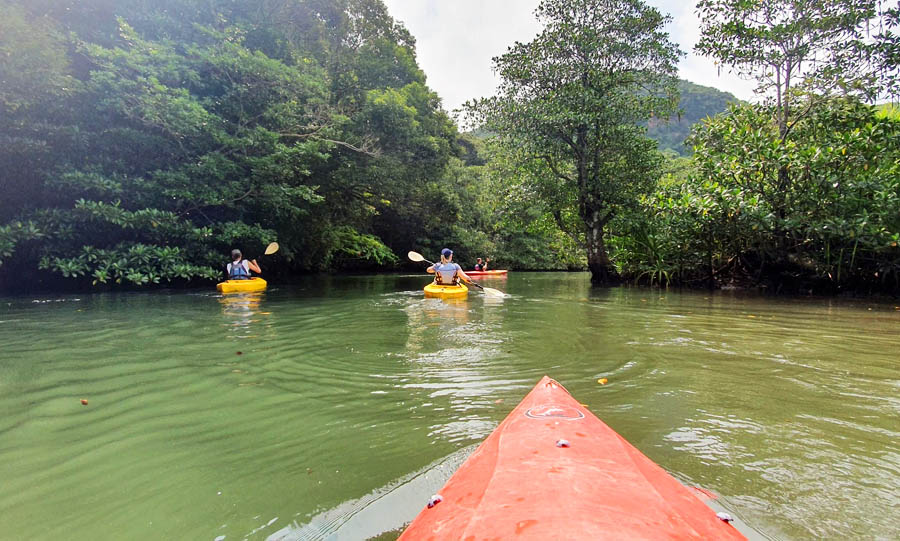
Exploring the vast mangrove forests of Iriomote Island, which are only accessible by canoe, is one of the attractions of a trip to Ishigaki. You’ll be surrounded by an astonishing variety of wildlife and plants as you paddle through the narrow rivers, including kingfishers, mudskippers, and even monkeys. You could even be fortunate enough to see the elusive Iriomote wildcat, which is unique to this island.
Furthermore, there are many hiking options on Iriomote Island, with trails that wind through the island’s untamed landscape and lead to some of its most magnificent sites, like the Pinaisara Waterfall. The falls are a must-see landmark on Iriomote Island. They plummet down a series of rocky ledges into a crystal-clear pool below.
You can also visit one of the island’s secluded beaches if you’re looking for a more tranquil location. These beaches are among the most picturesque in Japan thanks to their fine white sand, clear waters, and numerous snorkelling and diving opportunities. You can also go on a nighttime kayak tour to view the bioluminescent plankton that light up the water. Or you can take a boat tour around the island to discover its numerous coves and bays.
In short, Iriomote Island is a paradise for nature lovers, adventurers, and anyone who wants to experience a side of Japan that is off the beaten path. If you’re looking for an unforgettable experience that combines adventure, relaxation, and natural beauty, then Iriomote Island is not to be missed.
HOW MANY DAYS SHOULD YOU SPEND ON IRIOMOTE ISLAND
It really depends on how much time you have and what you want to do when deciding how many days to spend on Iriomote Island.
We visited Iriomote on a guided day trip from Ishigaki for kayaking and the Pinaisara Falls hike; we did not explore its beaches. One day was enough for that organised excursion, but not enough to understand the whole island—and I did not complete the full planned route because the steep descent became too frightening.
However, it would have also been great if we had more time to explore the island and experience everything it has to offer. So, if you have the time, we suggest staying for at least two to three days to fully immerse yourself in the island’s culture and activities.
If you are looking to do some serious hiking and exploring of the island’s interior, then you might want to spend several days on the island. However, if you are just looking to relax on the beaches and take a boat tour of the surrounding islands, then two or three days should be enough.
HOW TO GET TO IRIOMOTE ISLAND
Getting to Iriomote Island from Ishigaki Island is quite easy. You can take a ferry from Ishigaki Port to Uehara Port on Iriomote Island. The ferry ride takes about 40 minutes, and the boats run several times a day.
We personally recommend taking an early morning ferry to maximize your time on Iriomote Island. You can easily book your ferry tickets online or at the ferry terminal in Ishigaki. It’s important to note that the ferry schedules may change depending on the season, so it’s best to check the ferry company’s website for the latest information.
You can also book a guided hiking tour where everything is pre-arranged for you. Nice and easy. This is what we opted to do.
HOW TO GET AROUND IRIOMOTE ISLAND
Once you have arrived at Uehara Port, you have several options for getting around Iriomote island. You can explore the place at your own pace by renting a car, taking a taxi or bus, or even by renting a bicycle.
Keep in mind though that public transportation on the island can be limited, so plan ahead and check schedules before venturing out.
WHAT SHOULD YOU DO ON IRIOMOTE ISLAND
The possibilities for activities on Iriomote Island are limitless. We decided to spend our one day on the island hiking and kayaking. The dense jungle and unspoiled nature of the island are its main draws, and there are numerous hiking trails to choose from, depending on your level of fitness and experience.
The trail to Pinaisara Falls, a beautiful waterfall that cascades down from the top of the mountain, is one of the most popular hikes on Iriomote Island. Note that the trail is difficult, with steep inclines and rocky terrain, but the views are spectacular.
We kayaked along the Hinai River before the hike, paddling through the mangroves while the guides explained the plants around us. The kayaking was one of my favourite parts, despite my questionable steering sending Gary into a spiky bush and leaving his arm scratched.
There are also boat tours available to explore the Iriomote’s coastline and nearby islands, such as Hatoma Island and Barasu Island, for those who prefer a more leisurely experience. You can also go snorkelling or diving in the crystal-clear waters, which are teeming with marine life such as manta rays and sea turtles.
Overall, Iriomote Island is a must-visit destination for nature lovers and adventure seekers. With so many activities and sights to see, you’ll never run out of things to do.
If you are planning to go hiking on Ishigaki, to check out our suggested packing list for going on a day hike.
A BRIEF ITINERARY SUGGESTION FOR IRIOMOTE ISLAND
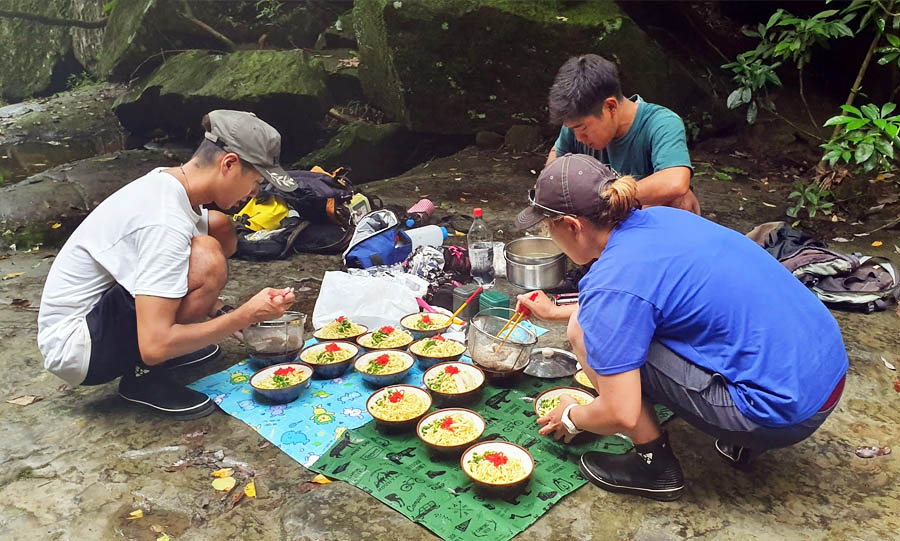
Here is the itinerary our full group was meant to follow on the guided kayaking and hiking tour. The times come from old notes and conflict with our booking email, which instructed us to take an earlier ferry, so treat them as approximate historic timings rather than a current schedule. Gary and I reached the top and ate lunch there, but returned separately with one guide during the descent; we did not continue to the waterfall basin with the rest of the group.
8.45 AM – Take Ferry from Ishigaki Port
9.30 AM – Arrival at Guided Tour Centre
10.00 AM – Kayaking tour of Hinai River
11.00 AM – Start of Hike
11.45 AM – Enjoy the view from the top of the Pinaisara Falls and have
12.00 PM – Picnic Lunch (Soba Noodles)
12.30 PM – Return to Hiking Trail
1.30 PM – The main group continued towards the bottom of Pinaisara Falls; Gary and I had already turned back with one guide
2.00 PM – Kayaking Tour
2.30 PM – Return to Guided Tour Centre
3.00 PM – Return to ferry at Iriomote Port
3.45 PM – Arrival in Ishigaki
WHERE SHOULD YOU STAY ON IRIOMOTE ISLAND
If you’re planning an overnight trip to Iriomote Island, don’t forget to think about where you’ll stay. There are numerous options, ranging from hotels and resorts to guesthouses and homestays.
One popular choice among visitors is to stay in Ohara, which is the main town on the island. There are a variety of accommodations available here to suit various budgets and preferences. For a truly authentic experience, some options even provide traditional Japanese-style rooms and onsen (hot springs).
Another option is to stay closer to the island’s natural attractions, such as the mangrove forests and beaches. There are a few guesthouses and lodges in these areas that provide a more secluded and peaceful environment. It is important to note, however, that these accommodations may have fewer amenities and services than those in Ohara.
No matter where you stay on Iriomote Island, it’s critical to book your accommodations ahead of time, especially during peak travel season. This will ensure that your stay on the island is comfortable and enjoyable.
BUDGET BREAKDOWN FOR OUR 5 FULL DAYS IN OKINAWA
Although we were on our honeymoon when we visited Okinawa, and therefore spent maybe a little more than we usually would, we were still mindful of our budget.
We wanted to make sure we could enjoy all the activities and experiences that Okinawa had to offer without breaking the bank. After our five full sightseeing days in Okinawa, we were relieved to discover that having a good time in Okinawa does not require a large budget.
Here’s a breakdown of our expenses for the trip:
- Accommodation: We stayed in two separate luxury hotels and spent an average of ¥30,000 (£185) per night for a double room.
- Food: Okinawa is known for its delicious cuisine, and we tried as many local dishes as possible. We spent an average of ¥6,000 (£37) per day for two people.
- Transportation: We rented a car on the main island, which cost us ¥8,850 (£55) for the day. For transportation to other islands, we took ferries, which ranged from ¥1,500 (£9) to ¥2,500 (£15) per person.
- Activities: Okinawa has plenty of outdoor activities to enjoy, and we made sure to experience as many as we could. We spent an average of ¥4000 (£25) per day on activities, such as visiting museums, guided hiking tours, and exploring the aquariums.
Overall, our total expenses for the trip came out to approximately ¥135,000 (£840) per person for six days. Of course, this can vary depending on your accommodation choices and the activities you choose to do. But we found that with some planning and research, it is possible to have a great time in Okinawa without overspending.
We hope this breakdown helps you plan your own budget for a trip to Okinawa!
WHAT TO PACK FOR OKINAWA
When packing for a trip to Okinawa, keep in mind the various activities you’ll be participating in. Pack comfortable swimsuits, cover-ups, flip-flops, and sunscreen to protect your skin from the sun on beach days.
Lightweight, breathable clothing is ideal for city exploration, and comfortable walking shoes are required for any city or town adventures.
If you intend to go on a trek, bring sturdy, comfortable shoes or hiking boots, breathable clothing, sunscreen, and insect repellent. Also, don’t forget to bring a hat to protect your head from the sun, as well as plenty of water to stay hydrated.
Pack a small daypack to carry essentials like sunscreen, water, and snacks, as well as a waterproof bag to keep valuables safe during any water activities.
Mosquitoes and other bugs can be common, especially if you plan on hiking or visiting the jungle. So bring insect repellent to avoid bites.
With stunning natural scenery and unique cultural experiences, Okinawa is a great place to capture memories. Don’t forget to pack your camera or phone to take pictures and videos.
Overall, the key is to pack light and efficiently, with versatile clothing and shoes suitable for a variety of activities. Okinawa’s climate is generally warm and humid, so packing lightweight, breathable clothing is really the most essential bit.
OTHER PRE-TRIP ESSENTIALS FOR OKINAWA
Before embarking on your trip to Okinawa, it’s essential to ensure that you have all the necessary documents and preparations in order. Here are some pre-trip essentials that you should take care of to ensure a smooth and hassle-free experience:
Passports and Visas: If you’re a foreigner visiting Okinawa, you’ll need a valid passport with at least six months of validity remaining. Additionally, check if you need a visa to enter Japan. Japan offers visa exemptions to many countries, including the US, Canada, UK, Australia, and most of Europe. However, it’s essential to check your eligibility and apply for a visa if necessary well in advance to avoid any last-minute complications.
International Driving License: If you plan on renting a car and driving around Okinawa, you’ll need an international driving permit. You can obtain this from your home country’s driving license authority or automobile association. It’s essential to have this sorted out before you arrive in Japan, as car rental companies will typically ask for this document when you pick up your vehicle.
Vaccinations: While Japan is generally a safe destination and there no mandatory vaccinations required to enter Japan, it’s always a good idea to check with your doctor before traveling to ensure that you are up to date on routine vaccinations such as flu shots. You may also want to consider getting vaccinated for diseases such as hepatitis A and B, typhoid, and Japanese encephalitis, especially if you plan on spending time in rural areas or interacting with animals.
Travel Insurance: Travel insurance is essential for any trip, and Okinawa is no exception. In the event of an unforeseen circumstance such as illness, injury, or trip cancellation, travel insurance can help protect you from financial loss. Be sure to choose a policy that covers all your needs, including medical expenses and emergency evacuation.
OUR FINAL THOUGHTS ABOUT THE OKINAWA ITINERARY WE HAVE SUGGESTED ABOVE
As we wrap up our unforgettable honeymoon trip to Okinawa, we can’t help but feel grateful for the incredible experiences we’ve had on this beautiful island. From exploring the vibrant city of Naha to basking in the sun on the stunning beaches, and hiking through lush forests, Okinawa fulfilled all our travel wishes.
Our day trip to Taketomi Island was a particular highlight, where we got to immerse ourselves in the island’s unique culture and beauty. We highly recommend taking a day trip to this enchanting island and experiencing its serene ambiance, rich history, and picturesque landscapes.
As we reminisce about our time in Okinawa, we feel that it’s a perfect destination for honeymooners and families who want to escape the hustle and bustle of the city and enjoy a peaceful, laid-back vacation. Whether you’re seeking adventure, relaxation, or cultural experiences, Okinawa has it all. And with the friendly locals, delicious cuisine, and scenic views, we can’t think of a better place to celebrate our love and make unforgettable memories.
We hope our itinerary and tips have been helpful in planning your own perfect trip to Okinawa. From the stunning beaches and historic sites to the natural wonders and delicious food, we’re sure you’ll fall in love with this beautiful island just as we did.
If you enjoyed this post and found it useful, don’t forget to check-out our other posts about Okinawa:
- Our awesome guides on where to stay in Okinawa
- Our in depth look at the best things to do in Okinawa
- Our suggestions on what food to eat in Okinawa
- Our advice on the best time to visit Okinawa
You can find more guides for Japan here. Or if you haven’t fully decided where to go yet, you can find other great destinations in Asia here.
ADDITIONAL TRAVEL TIPS FOR FIRST TIME VISITORS OF OKINAWA
Here are some FAQ about travelling to Okinawa, that might help you plan your own travel itinerary.
WHAT IS THE BEST TIME TO GO TO OKINAWA?
The best month to visit Okinawa is from late March to early May, when the weather is generally warm and well suited to sightseeing and beach days. September to November is also a great time to visit as the weather is mild and pleasant. Tropical storms can affect Okinawa from summer into autumn, so check the forecast and allow some flexibility in your plans.
IS OKINAWA SAFE FOR TOURISTS?
Yes, Okinawa is generally considered safe for tourists. The crime rate is low, and the people are friendly and helpful. However, like any other tourist destination, visitors should take basic precautions such as not leaving their belongings unattended and being aware of their surroundings.
DO YOU NEED TRAVEL INSURANCE TO VISIT OKINAWA?
While travel insurance is not mandatory to visit Okinawa, it is highly recommended. In case of any unexpected medical emergencies, accidents or trip cancellations, travel insurance can provide you with financial coverage and peace of mind.
GETTING WIFI OR A DATA SIM IN OKINAWA?
Visitors can easily rent a pocket wifi or purchase a data SIM card at the airport or from any major electronics store in Okinawa. It is highly recommended to stay connected during your trip for navigation and communication purposes.
DO I NEED A VISA TO VISIT OKINAWA?
Most visitors to Okinawa do not need a visa for stays up to 90 days. However, it is important to check with the Japanese embassy or consulate in your home country for specific visa requirements.
WHAT CURRENCY IS USED IN OKINAWA?
The currency used in Okinawa is the Japanese Yen (JPY). Visitors can exchange their currency at the airport, banks or exchange offices.
WHAT ARE SOME MUST-TRY DISHES IN OKINAWA?
Okinawa is famous for its unique cuisine, which is a blend of Japanese, Chinese and Southeast Asian influences. Some must-try dishes include Okinawa soba, goya champuru (stir-fried bitter melon), and taco rice (taco meat and toppings on a bed of rice).
WHAT ARE SOME POPULAR SOUVENIRS TO BUY IN OKINAWA?
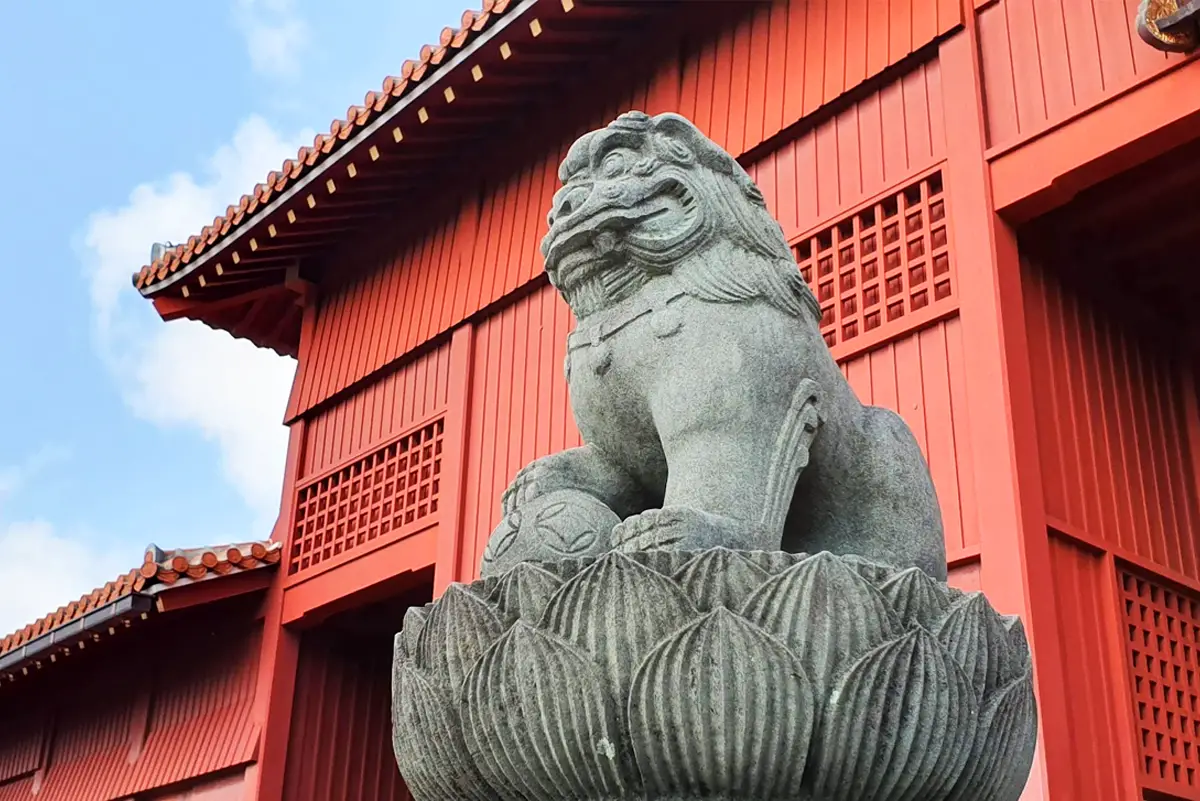
Some popular souvenirs to buy in Okinawa include Shisa (lion-dog statues), Ryukyu glassware, Awamori (Okinawan liquor), and Bingata (traditional Okinawan textiles).
HOW CAN I LEARN MORE ABOUT OKINAWAN CULTURE?
Visitors can learn more about Okinawan culture by visiting the various museums and historical sites on the islands, attending cultural festivals and events, and trying out traditional activities such as sanshin (Okinawan guitar) playing and Eisa (Okinawan dance) performances. It is also recommended to interact with the locals to gain a deeper understanding of the culture and way of life in Okinawa.
Are you planning a trip to Okinawa? Have you already been?
Comment below and let us know!
Did you Enjoy this article?
Share it with your friends and family on FACEBOOK, TWITTER AND PINTEREST