
Written by Katharina Mungall
Travel writer, photographer and architect
Are you planning a trip to Okinawa and wondering when to go? Let us give you the inside scoop on the best time to visit before you board an aircraft and fly to this paradise. Our Okinawa Travel Guide brings together the itineraries, islands, attractions and hotels you can plan once you have chosen your dates.
You need look no further than Okinawa for a romantic honeymoon destination! It’s spectacular and feels a little bit like the Hawai’i of Japan. We definitely recommend putting this Japanese destination on your bucket list!
We fell in love with this magnificent Japanese prefecture and did loads of research before planning our own trip to help us create the perfect itinerary. We are now happy to share all of that information with you.
This helpful guide contains all the information you need to decide when to book your trip to Okinawa. So, there’s no need to worry about when to go because I can give you the lowdown.
We really have you covered! We chatted to locals, read all the guidebooks and spent hours of research to bring you the latest advice.
QUICK ANSWER: For a balance of warm weather and comfortable sightseeing, we would shortlist late October to November. Based on our May 2019 honeymoon, we would also choose May again, ideally outside Golden Week—but travellers should know that Okinawa’s rainy season typically runs from mid-May to late June. There is no risk-free month: the official tourism guide notes a chance of typhoons from June through September.
- Best all-round sightseeing: late October to November.
- Beach-focused trip: spring through autumn, choosing dates around your tolerance for rain, heat and humidity.
- Fewer crowds or a lower budget: consider January to February outside New Year, accepting cooler and windier conditions.
- Our personal choice: May worked well for our honeymoon, but one trip cannot guarantee the same weather.
Seasonal guidance is based on our experience plus the official Okinawa climate and seasons guide. Always check the current forecast and typhoon information close to departure.
If you are a regular reader, you will know how much we value the details. We have therefore decided to break down the weather in this blog post by month, so you’ll know exactly what to expect whenever you travel. We will be outlining all the benefits and issues of travelling to Okinawa on a particular month for you, including the highest and lowest temperatures. We will also be covering what you need to pack, so no need to worry about that either.
We assure you that after reading our advice, you’ll be fully prepared. We really do have the full 411
So, grab a coffee, settle down, and allow us to provide some insider information about the best time to visit this stunning Japanese prefecture.
Note this guide on the best time to visit Okinawa compliments our other awesome Okinawa Travel guides on where to stay in Okinawa, the best things to do in Okinawa, all the food you must eat in Okinawa and our full five-day Okinawa itinerary.
AN OVERVIEW OF OKINAWA’S WEATHER
If you’re thinking about visiting Okinawa, you’re in for a treat weather-wise. Okinawa is more tropical and closer to the equator than the mainland Japan.
Okinawa has a subtropical climate, with mild winters and hot, humid summers. Typical daytime temperatures vary considerably through the year—from the high teens Celsius in winter to around 30°C in summer—so it is worth looking at the month of your trip rather than relying on one annual average.
Okinawa has four distinct seasonal patterns within its humid subtropical climate: mild winter, warmer spring, hot and humid summer, and a warm autumn. Conditions also vary between islands and from year to year.
The official Okinawa tourism guide places the rainy season typically between mid-May and late June, with a chance of typhoons from June through September. Rainy season and typhoon risk are related planning factors, but they are not one continuous “wet season” lasting half the year.
Rainy season does not mean constant rain: sudden showers are common, but it rarely rains all day. Even so, weather can disrupt ferries, flights and outdoor plans, so build flexibility into an island-hopping itinerary.
Our May 2019 honeymoon brought weather we enjoyed, which is why May remains a personal favourite. That experience is anecdotal rather than a forecast; late October to November is another strong option for warm sightseeing with less midsummer heat.
RAINY SEASON | Typically mid-May to late June
TYPHOON RISK | Possible from June through September
HOTTEST, MOST HUMID PERIOD | Usually July to August
COOLEST PERIOD | Usually December to February
BUSIEST HOLIDAY WINDOWS | Check the year’s Golden Week, summer holiday and New Year dates
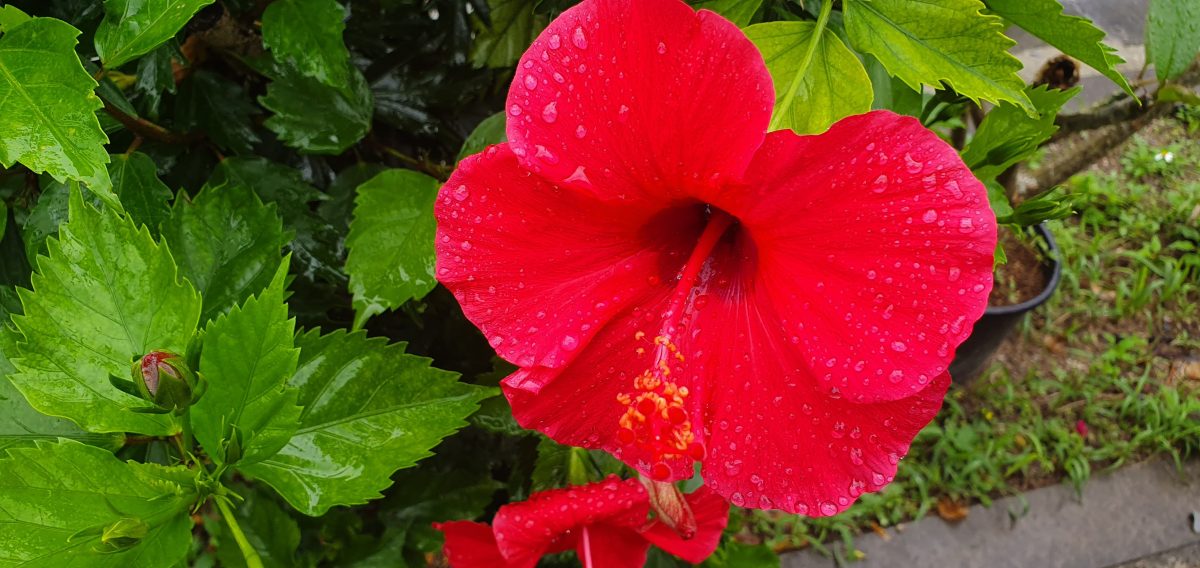
HIGH AND LOW SEASONS IN OKINAWA
We travelled in May 2019, a month that can include both the busy Golden Week holiday and the start of the typical rainy season. Instead of treating an entire month as simply “high” or “low” season, check the exact holiday calendar and compare accommodation for your dates.
Demand often rises around Golden Week, the main summer holidays and major events. These periods can bring livelier beaches and festivals, but flights and accommodation may book earlier and cost more. Exact peaks vary by island and year.
Outside major holidays, the cooler months can be quieter and may offer better value. Winter is still useful for sightseeing, cherry blossoms and whale-watching, but northerly winds can feel cool and some seasonal facilities may reduce their hours. Verify what matters to your trip before booking.
For a budget-focused trip, compare January and February dates outside New Year with shoulder-season offers. Prices are dynamic, so no month is guaranteed to be cheapest.
Overall, understanding holiday demand, weather trade-offs and island-specific openings is more useful when planning your trip. Each season has its advantages and disadvantages, so choose the one that fits your preferences and budget.
THE BEST TIME TO VISIT OKINAWA JAPAN
THE BEST TIME TO GO TO OKINAWA TO EXPERIENCE THE BEST WEATHER
LATE OCTOBER TO NOVEMBER FOR THE BEST BALANCE
For comfortable sightseeing, late October to November is our strongest all-round recommendation: it is generally less humid than midsummer while remaining warm. Spring can also work well, particularly outside Golden Week.
May was excellent on our 2019 honeymoon, but that personal experience should be balanced against the typical mid-May to late-June rainy season. July and August suit travellers who prioritise hot beach weather, though heat and humidity can make sightseeing tiring.
No month guarantees perfect weather. Check island-specific forecasts, keep ferry-dependent plans flexible and monitor tropical-weather updates during the June-to-September risk window.
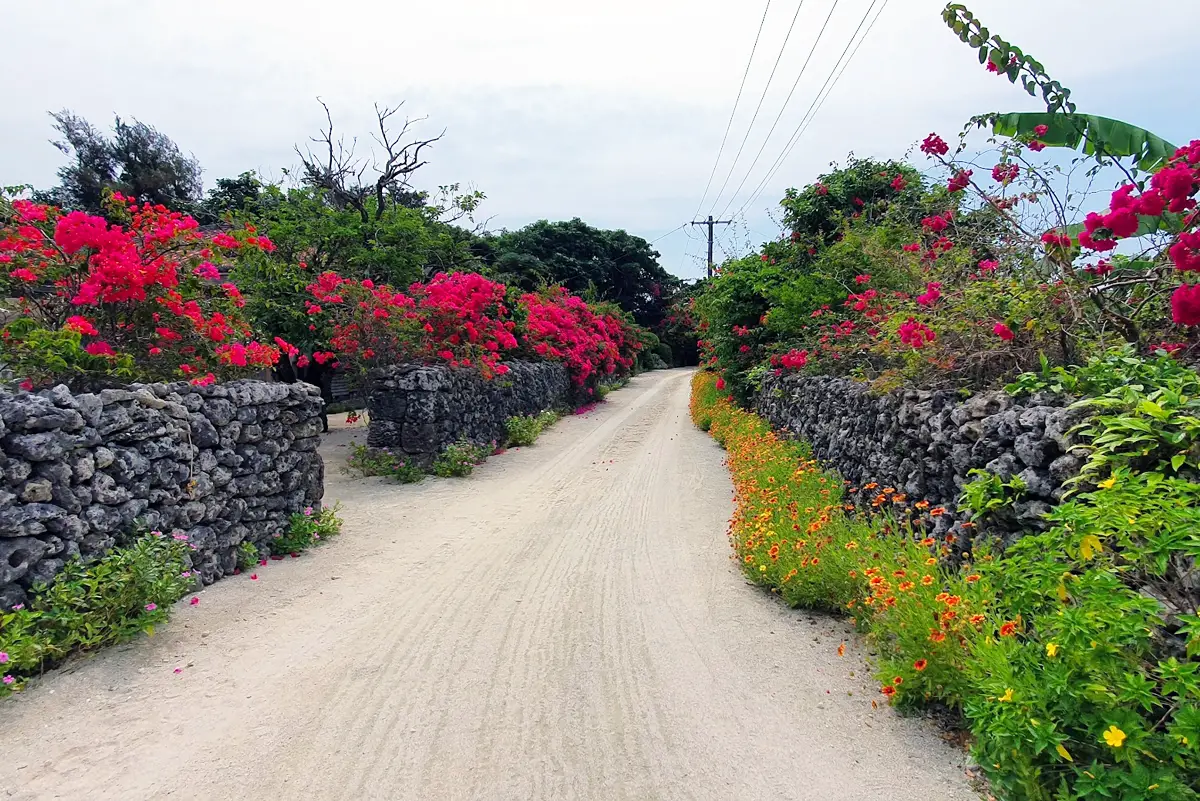
THE BEST MONTH TO VISIT OKINAWA TO GO TO THE BEACH
APRIL TO EARLY MAY OR OCTOBER FOR BALANCE
Okinawa’s beach season is long, and many resort beaches begin opening for swimming in March. For a balance of warmth and manageable humidity, consider April to early May or October, while remembering that individual beach facilities and marine activities set their own operating dates.
Late June through August brings hotter air and warmer water, but also stronger heat, humidity and a June-to-September typhoon risk window. Choose the trade-off that suits you, check the forecast and keep weather-sensitive bookings flexible.
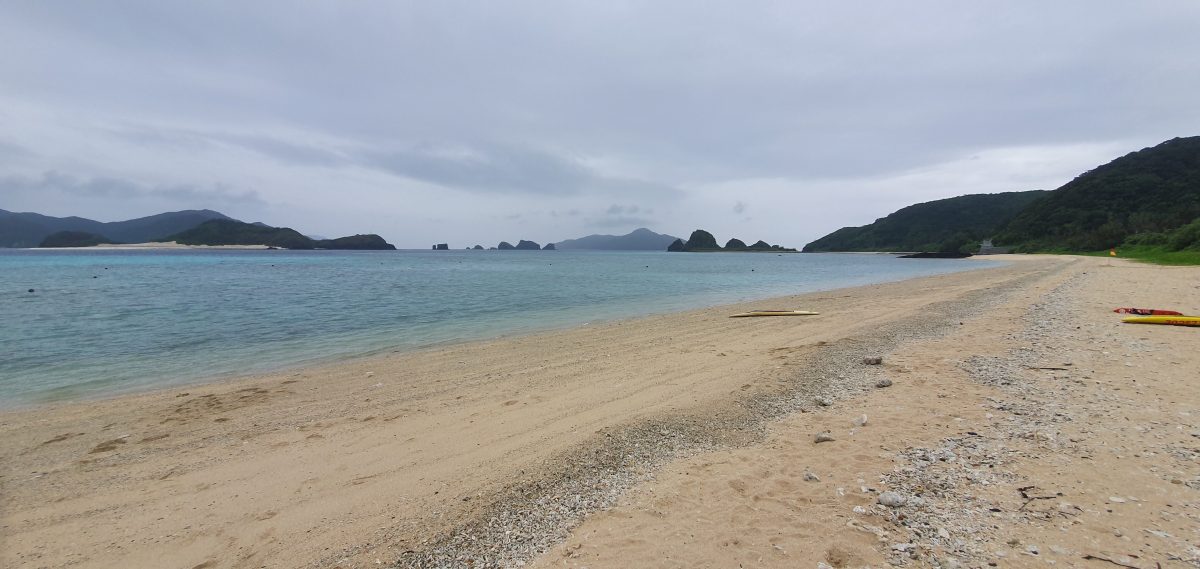
THE BEST TIME TO VISIT OKINAWA TO AVOID THE CROWDS
LATE MAY TO JUNE, SEPTEMBER TO OCTOBER AND DECEMBER TO FEBRUARY
If you’re looking to avoid the crowds, you might want to consider visiting Okinawa during the off-season. While Okinawa is a popular tourist destination year-round, there are definitely times when it’s easier to avoid crowds than others.
The summer months of July and August, as well as the Japanese holiday periods of Golden Week in late April and early May and Obon around mid-August, are often among the busiest times to visit Okinawa. During these periods, beaches and popular attractions can be much busier, and transport and accommodation may book up earlier.
Consider going in May/June or September/October, which are the shoulder seasons, if you want a more tranquil experience. This is certainly why we chose to have our honeymoon in Okinawa in May.
Shoulder-season dates can be quieter, but weather, crowds and prices vary. Compare current flights and accommodation rather than assuming every May, June, September or October date will be cheaper.
Consider visiting during the winter months of December through February if you really want to avoid the crowds. You’ll have the beaches nearly to yourself, and popular sights will be lot calmer, even though it may be a bit chilly. You’ll also get to sample the special winter festivals and cuisine of Okinawa. Just remember to bring some warm clothing!
POPULAR HOLIDAYS IN OKINAWA
GOLDEN WEEK | First week of May
SILVER WEEK | Mid-September
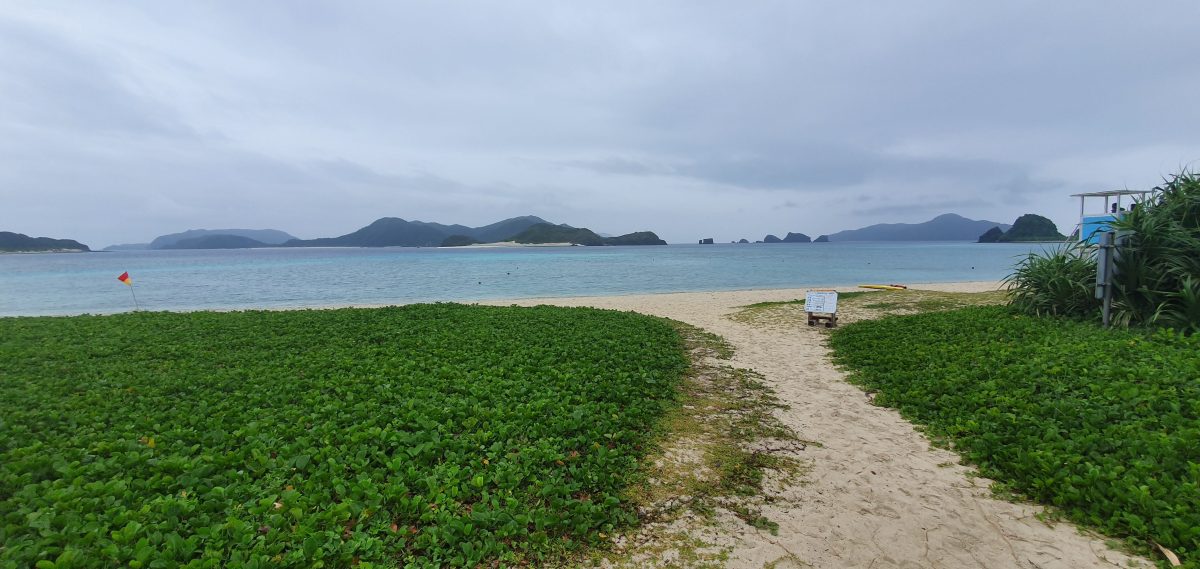
WHEN OKINAWA CAN BE CHEAPER
JANUARY TO FEBRUARY, OUTSIDE HOLIDAYS
If you’re planning to travel to Okinawa on a budget, it’s important to consider the cheapest time to visit.
January and February, outside New Year and major events, are often worth checking first for lower-demand dates. The weather is cooler and can feel windy, and prices still depend on route, island and booking time.
Another way to save money when visiting Okinawa is to plan your trip in advance and book your flights and accommodations early. This way, you can take advantage of early bird discounts and avoid the peak season rush.
In addition to visiting during the low season and booking early, you can save money by avoiding major holidays and events such as Golden Week in late April and early May. During these times, prices for accommodations and activities can be much higher than normal.
It’s important to note that while visiting Okinawa during the low season can save you money, some attractions may be closed or have limited hours, and some activities may not be available due to weather conditions. However, with proper planning and research, you can still have a great time exploring Okinawa on a budget.
EVENTS AND FESTIVITIES IN OKINAWA
Okinawa has a rich cultural heritage and is home to several exciting events throughout the year.
Here’s an overview of some popular events and festivals in Okinawa and their cultural significance. Dates, venues and programmes can change each year, so confirm the current event calendar before booking.
NAHA DRAGON BOAT RACE FESTIVAL (EARLY MAY)
This festival takes place in early May on the main island of Okinawa and features dragon boat races, live music, and traditional Okinawan food.
The festival commemorates the legacy of ancient Chinese sailors who traded goods with Okinawa. The dragon boat races are a symbol of their strength and skill.
ORION BEER FESTIVAL (CHECK CURRENT DATES)
This festival takes place in late May and features live music, food, and plenty of Orion beer.
The festival celebrates the island’s beloved beer brand and is a great opportunity to sample different types of beer, taste the local cuisine, enjoy live music, and mingle with locals and other tourists.
It’s a chance for locals and tourists alike to come together and celebrate the island’s unique culture.
This event is especially fun for beer lovers and those looking for a lively and festive atmosphere.
OKINAWA ZENTO EISA FESTIVAL (LATE SUMMER OR EARLY AUTUMN)
If your trip falls in late summer or early autumn, check the current dates for the Okinawa Zento Eisa Matsuri in Okinawa City.
Eisa is a traditional Okinawan dance and this festival is a celebration of this unique dance form.
The festival features traditional Okinawan drumming, high-energy dance performances, traditional costumes, and live music.
It is one of the most popular festivals on the island and attracts locals and tourists alike. It is a tribute to the island’s ancestors. It is believed that the performances drive away evil spirits and bring good luck.
This festival is a great opportunity to immerse yourself in Okinawan culture and experience the vibrant energy of this lively dance.
NAHA TUG-OF-WAR FESTIVAL (EARLY OCTOBER)
One of the most popular festivals in Okinawa is the Naha Tug-of-War Festival, which is held annually in early October.
It is one of the largest tug-of-war festivals in the world and is recognized by the Guinness Book of World Records.
The festival involves a massive tug-of-war contest using a huge rope that is over 200 meters long and weighs more than 40 tons.
This festival has a long history dating back over 400 years and is deeply rooted in Okinawan culture.
This festival is a celebration of the harvest season. It is believed to bring good fortune and prosperity to the participants and the community as a whole.
SHURI CASTLE FESTIVAL (LATE OCTOBER)
For those interested in traditional Okinawan culture, the Shurijo Castle Festival is a must-see event.
This festival is held in late October to early November and celebrates the rich history and cultural heritage of Okinawa.
The festival features traditional Okinawan dance and music performances, martial arts demonstrations, and a parade of elaborate floats and costumes.
The festival celebrates the history and culture of the Ryukyu Kingdom and its capital, Shuri Castle. The procession of traditional Okinawan dancers, musicians, and martial artists is a testament to the island’s rich cultural heritage.
Okinawa offers a diverse range of events and festivals that are sure to appeal to a wide range of travellers.
From the Naha Dragon Boat Race Festival to the Orion Beer Festival and the Shuri Castle Festival, each event offers a unique opportunity to experience the island’s culture and heritage.
So be sure to plan your trip around some of these festivals to get a true taste of Okinawan culture and tradition.
A BREAK DOWN OF THE OKINAWA WEATHER BY MONTH
OKINAWA’S WEATHER IN JANUARY
MAX TEMPERATURE | 19 C (66 F)
MIN TEMPERATURE | 13 C (55 F)
If you’re looking to escape the winter chill and have a beachy getaway, January might not be the best time to visit Okinawa. The weather typically stays in the 60s, and the beaches are largely closed. Brrr! Hence, if you’re eager to go island hopping or snorkelling, we would advise you wait until April or May.
It’s also definitely not bikini weather in January, so you can leave your beachwear at home if you’re heading to Okinawa at this time of year.
On the other hand, if you’re interested in celebrating New Year’s in Okinawa, you’re in luck! The “Shinshun no Utage” is a traditional ceremony that was once performed for the King of the Ryukyu Kingdom and his officials, and it’s held at Shuri-jo Castle. However, the castle suffered a major fire in late 2019, so the ceremony may be held elsewhere this year. It’s definitely a unique experience worth considering if you’re in Okinawa for the holidays!
On the other hand, you’re in luck if you want to ring in the new year on Okinawa! At Shuri-jo Castle, a traditional ritual known as “Shinshun no Utage” is held in honour of the former Ryukyu Kingdom king and his dignitaries. It’s definitely a unique experience worth considering if you’re in Okinawa for the holidays!
Note however, that the castle suffered a major fire in late 2019, so the ceremony may be held elsewhere until the castle renovations have been completed.
PROS | few-zero crowds
CONS | the coldest month
OKINAWA’S WEATHER IN FEBRUARY
MAX TEMPERATURE | 19C (66F)
MIN TEMPERATURE | 13C (55F)
If you’re considering a trip to Okinawa in February, listen up! Although it’s usually a tad warmer than January, it’s definitely the wetter of the two months, so be sure to pack a light rain jacket to avoid getting soaked.
In February, the temperature rarely rises beyond 21C degrees, so it’s not exactly hot. However, February is the best time to visit Okinawa if you’re hoping to catch a glimpse of the gorgeous Japanese cherry blossoms, February is your go-to month.
Keep a watch out for the most recent projections as these lovely blooms often bloom in Okinawa in late January to early February, which is sooner than on the mainland.
PROS | few-zero crowds
CONS | cold to wet winter month
OKINAWA’S WEATHER IN MARCH
MAX TEMPERATURE |22 C (71F)
MIN TEMPERATURE | 16 C (60F)
March in Okinawa can be a bit of a mixed bag, to be honest. You might encounter some cloudy and rainy days during the first half of the month, but don’t let that put you off entirely! It’s not the rainy season per se, but still, you’ll want to come prepared with a trusty umbrella and some warmer clothing to keep the chill at bay.
But don’t fret too much, because things start to look up in the latter half of March, with temperatures rising up to a pleasant 23C range. As a result, several of the island’s beautiful beaches become accessible, allowing you to catch some rays and dig your toes into Okinawa’s renowned soft, powdery sand.
If you’re looking to dodge the crowds and save a little cash, March could be a good option. But if you’re seeking the ultimate beach experience and ideal weather, you might want to wait a bit and consider coming in April or May.
PROS | temperatures start to rise and beaches begin to open up
CONS |still too cold to enjoy certain outdoor activities
OKINAWA’S WEATHER IN APRIL
MAX TEMPERATURE | 23C (73F)
MIN TEMPERATURE | 18C (64F)
Many managed beaches begin their official swimming seasons during March or April, although opening dates and lifeguard periods vary by beach, so check the individual beach before travelling. The weather is warm and pleasant, but not oppressively hot and humid, and the crowds are still low, making it an ideal time to visit. Plus, you may find that prices are a bit cheaper, as April can fall within the shoulder season, although prices and crowds rise sharply around Golden Week in late April and early May.
Now, we have been told that April can quite cloudy and rainy, despite it technically being in the dry season. Really, you can never fully predict the weather on tropical islands. You might have better weather in July in the middle of typhoon season. So, make sure to check the forecast before you depart.
Although the water temperature may still be a bit chilly, around 21C degrees, if you’re up for a dip, go for it!
Remember, Okinawa is not only about the beach though. There are so many other activities you can do, like exploring waterfalls, hopping around islands, and snorkelling.
If you’re interested in these activities, we would suggest it’s better to wait until May or June when the sea and air temperatures are a bit warmer.
Overall, April is a good time to visit Okinawa, just be prepared for a little bit of rain and remember to always check the weather before your trip.
PROS | all beaches are open, shoulder season so cheaper
CONS | still chilly
OKINAWA’S WEATHER IN MAY
MAX TEMPERATURE | 23C (73F)
MIN TEMPERATURE | 19C (66F)
We visited Okinawa during the month of May and therefore have some personal tips to share with you about this month.
Firstly, be aware that May brings some changes to the island’s weather, including warmer temperatures and the start of the wet season. So if you want to avoid the sweltering heat of the summer months, May is the best time to visit according to the locals.
Although May marks the beginning of the rainy season, it doesn’t mean you’ll be drenched every day. In fact, during our visit, we only experienced some light sprinkles. The average temperature may suggest that May is similar to April, but don’t be fooled. May brings temperatures close to the upper 20s and low 30s, which is perfect if you want to soak up the sun without feeling like you’re melting.
It is however also in this month that Japan‘s Golden Week takes place. So, if you’re planning on visiting in this time period (usually the first week of May) expect high prices and big crowds.
One of the best things about visiting Okinawa in May is that all the beaches are open, and you can even hop on a ferry to explore other islands like Miyako-Jima, Ishigaki-jima Island, and Ie Island. Just be sure to check the weather forecast before booking any island-hopping adventures.
So, whether you’re looking for some fun in the sun or an island adventure, May is a great month to visit Okinawa.
PROS | all beaches are open, warmer weather
CONS | crowded Golden week and higher chance of rain
OKINAWA’S WEATHER IN JUNE
MAX TEMPERATURE | 24C (75F)
MIN TEMPERATURE | 20C (68F)
If you visit Okinawa in June, you could encounter a little bit more rain and undoubtedly higher temperatures, but don’t let that stop you! Even though it was the rainy season when our friends visited Okinawa in late June, they were surprised to discover that the weather was mostly sunny for the entire month. They were certainly lucky because the weather on this tropical island is sometimes unpredictable.
With perfect weather, June is a terrific month for outdoor pursuits including hiking through a national park, snorkelling or diving around the coral reefs, and island hopping. Be ready, though, for excessive humidity and temps in the 80s. Also, keep in mind that June can still become busy around popular beaches and attractions, particularly once the rainy season ends. As a result, anticipate seeing more people at attractions during this time.
PROS | great weather for outdoor activities
CONS |rainy season and can be a bit crowded
OKINAWA’S WEATHER IN JULY
MAX TEMPERATURE | 29C (84F)
MIN TEMPERATURE | 24C (75F)
If you’re someone who loves the feeling of walking around in a humid and warm environment, then Okinawa in July is perfect for you!
However, if you prefer a cooler environment, then it’s best to avoid this month altogether. We personally do not like the feeling of walking into a sauna every time we step outside.
Not to mention, the number of tourists in July makes it a busy month, so popular spots will be packed.
Additionally, as July is in the midst of typhoon season, there is a higher possibility of experiencing one. However, this isn’t a guarantee, so if you’re planning to visit during this time, it’s best to check the weather forecast frequently.
Note that if a typhoon does occur, most buildings in Okinawa are designed to withstand it, and rainy weather usually lasts for only a few days before the sun comes back out.
So, although July isn’t the most ideal month for a visit, it’s still doable if you don’t mind the intense humidity and want to experience tropical weather.
PROS | warm weather
CONS | risk of typhoons and generally very humid
OKINAWA’S WEATHER IN AUGUST
MAX TEMPERATURE | 32C (89F)
MIN TEMPERATURE | 27C (80F)
When it comes to August in Okinawa, be prepared for some seriously hot weather. So, pack light and airy apparel because the temperature will rise into the high 20s or perhaps even the 30s. It’s also important to stay hydrated and take breaks in air-conditioned areas to avoid heat exhaustion or dehydration.
This month is hot and humid. Coming from the United Kingdom, this is personally not a climate we deal with very well. It is also one of the months when typhoons are most likely to strike the region. Don’t worry though, if a typhoon does strike, the islands should be fairly safe.
We would therefore suggest that August is not an ideal time to visit Okinawa.
If reducing the risk of tropical-storm disruption is a priority, May or the later part of autumn may suit you better than the peak summer months. No month is completely risk-free, so check forecasts and keep some flexibility in your itinerary.
PROS | warm weather
CONS |hottest month of the year, very humid and typhoon season
OKINAWA’S WEATHER IN SEPTEMBER
MAX TEMPERATURE | 32C (89F)
MIN TEMPERATURE | 27C (80F)
Because September falls in the shoulder season, we typically like travelling to Japan during this month.
It’s essential to keep in mind that the two months—September and August—are pretty comparable when it comes to the weather. Typhoons are likely, and both months are hot and muggy.
One significant distinction however is that September often has less tourists, which gives you a little more room to maneuver when you go sightseeing. But, it’s important to keep in mind that if a typhoon strikes, your plans can be derailed, so make sure to buy travel insurance in advance.
Generally, if you want to avoid a typhoon, September is not the greatest month to travel to Okinawa.
If you do decide to travel to Okinawa during this month, you should be prepared for somea certain amount of rain, but not enough to keep you trapped indoors too long.
We would suggest that September is an acceptable but undoubtedly mediocre time to travel to Okinawa.
PROS | warm weather, fewer crowds
CONS | typhoon season
OKINAWA’S WEATHER IN OCTOBER
MAX TEMPERATURE | 29C (84F)
MIN TEMPERATURE | 25C (77F)
If you’re planning a trip to Okinawa, October is definitely worth considering. It’s the ideal time to avoid the crowds and take advantage of cheaper prices.
As the month progresses, the weather gets milder, making it a comfortable time to explore the island.
Plus, you won’t have to worry about being hit by a typhoon since the season is on its way out. Although some typhoons have hit Okinawa in October in the past, they’re rare. But if you’re really concerned about typhoons, it might be a good idea to plan your trip for the latter half of October when the likelihood of a typhoon drops lower. Do keep in mind though that tropical weather is unpredictable, so stay up to date with the latest weather forecasts.
One of the biggest events in Okinawa, the world’s largest tug-of-war, takes place in October. This is an event you won’t want to miss!
Overall, October is an excellent time to visit Okinawa if you want to avoid the fall weather, save money, and enjoy the island without the crowds.
PROS | warm weather, less crowded and end of the typhoon season
CONS | although typhoon season is on it’s way out it’s not ended yet
OKINAWA’S WEATHER IN NOVEMBER
MAX TEMPERATURE | 24C (75F)
MIN TEMPERATURE | 13C (55F)
You are less likely to get a deal for your trip to Okinawa in November, but it’s still an awesome month to travel to the island.
The temperature drops significantly compared to the summer months and the typhoon season is officially over, so you don’t have to worry about any weather-related disruptions. This also means that the oppressive humidity is long gone, making it perfect for exploring Naha on the main island by foot.
For the best weather, it’s recommended to visit at the beginning of the month, as the temperature tends to cool down significantly by the end of November.
Moreover, ferries to other islands are still running during this month, so you can still plan some island hopping before winter sets in.
All in all, November is considered one of the best times to visit Okinawa, alongside May. So if you’re looking to avoid the crowds and enjoy a more relaxed vacation, this month might be the perfect time for you to go.
PROS | fewer crowds and official end of typhoon season
CONS | cooler weather
OKINAWA’S WEATHER IN DECEMBER
MAX TEMPERATURE | 21C (69F)
MIN TEMPERATURE | 18C (64F)
As the year winds down and December arrives in Okinawa, the temperature drops enough to make taking a dip in the ocean unappealing. So if you had your heart set on island hopping and snorkelling, this may not be the month for you.
Fortunately, with fewer crowds due to the cooler weather, December is a budget-friendly time to visit. However, keep in mind that most of the island’s highlights require warmer weather to be fully enjoyed, so plan accordingly.
While this may be considered the islanders’ “winter,” don’t expect temperatures to dip below 55-60 F, making it a great escape from the mainland snow.
Personally though, we don’t think December is the best time to visit due to the cold weather. If you can, try to schedule your trip for the spring or fall months instead.
PROS | cheap prices and fewer crowds
CONS | cooler temperatures
WHAT TO PACK FOR EACH SEASON IN OKINAWA
To have a comfortable and happy trip, it is important to plan what to you will wear in Okinawa no matter what season you are visiting.
We saw the value of carrying appropriate attire for the climate first-hand when we went to Okinawa for our honeymoon in May.
Here are some tips for what to wear in each season in Okinawa:
WHAT TO WEAR IN OKINAWA IN SUMMER (JUNE TO AUGUST)
Okinawa experiences hot, muggy summers with temperatures between 28°C and 32°C (82°F and 90°F). Packing lightweight, breathable clothing is crucial. Cotton or linen shirts, shorts, and skirts are all great.
To shield your skin from the harsh heat, don’t forget to take a hat, sunglasses, and sunscreen.
To navigate the streets of a city or a stroll down the beach, wear comfortable sandals or casual shoes.
Additionally, we would advise you to take a small umbrella or raincoat because it is rainy season.
WHAT TO WEAR IN OKINAWA IN FALL (SEPTEMBER TO NOVEMBER)
The weather starts to cool off and the humidity drops in the fall, making it a fantastic time to travel to Okinawa. 23°C to 29°C (73°F to 84°F) is the range you may anticipate.
We recommend that you pack light clothing for the daytime, but you should definitely bring a sweater or light jacket for cooler evenings. Additionally, a light scarf or shawl may also come in handy.
To see all the attractions Okinawa has to offer, you must have a comfortable pair of sneakers or walking shoes.
WHAT TO WEAR IN OKINAWA IN WINTER (DECEMBER TO FEBRUARY)
Temperatures in Okinawa during the winter are mild and range from 15°C to 21°C (59°F to 70°F).
A warm jacket or coat, as well as long-sleeved shirts or sweaters, are what we would advise you to bring.
For those cooler evenings, you should also bring a scarf and gloves.
Because temperatures can fluctuate, it’s still a sensible move to pack some lighter clothing for the daytime.
Comfortable boots or walking shoes are a must-have for trekking or city exploration.
WHAT TO WEAR IN OKINAWA IN SPRING (MARCH TO MAY)
As the weather begins to warm up, spring is another fantastic season to visit Okinawa. The range of temperatures is 19°C to 25°C (66°F to 77°F). Okinawa’s cherry blossoms normally appear much earlier, from around mid-January into February, rather than during the mainland’s later spring blossom season.
Pack shirts, shorts, and skirts made of cotton or linen if you want to stay cool and comfortable.
For those chillier evenings, it is wise to include a lightweight scarf or shawl in addition to a light jacket or sweater in your luggage.
Comfortable walking shoes or sneakers are essential to explore the city or hiking.
IN CONCLUSION
In conclusion, Okinawa is a perfect destination for those who want to experience Japanese culture and enjoy beautiful beaches.
After our honeymoon trip in May, we recommend visiting Okinawa during the spring or autumn, when the weather is pleasant, and the crowds are thinner.
However, if you’re looking for warm weather and water activities, the summer months can also be a great time to visit.
For budget travellers, the low season from December to February can offer significant savings.
We also recommend checking out some of the local festivals and events, which can provide a unique and culturally enriching experience.
Overall, Okinawa has so much to offer, and we encourage anyone considering a trip to this beautiful island to go for it!
If you enjoyed this post and found it useful, don’t forget to check-out our other posts about Okinawa:
- Our detailed Okinawa Itinerary
- Our awesome guide on where to stay in Okinawa
- Our in depth look at the best things to do in Okinawa
- Our suggestions on what food to eat in Okinawa
You can find more guides for Japan here. Or if you haven’t fully decided where to go yet, you can find other great destinations in Asia here.
FAQ ABOUT THE BEST TIME TO VISIT OKINAWA
WHAT IS THE BEST TIME OF YEAR TO GO TO OKINAWA JAPAN?
The best time to visit Okinawa is from April to June or October to December. During these periods, the weather is mild and comfortable, and you can enjoy outdoor activities without the extreme heat or cold.
WHAT IS THE PEAK TOURIST SEASON IN OKINAWA JAPAN?
The peak tourist season in Okinawa is from July to September. During this time, the island is crowded with tourists, and prices for accommodations and activities tend to be higher.
WHAT IS THE WORST TIME TO VISIT OKINAWA JAPAN?
You should avoid visiting Okinawa during the typhoon season, which is from July to October. Typhoons can cause flight and ferry cancellations, and severe weather conditions can make it difficult to enjoy outdoor activities.
WHAT IS THE CLIMATE LIKE IN OKINAWA JAPAN?
The climate in Okinawa is subtropical, with mild winters and hot summers. The temperature range is between 15°C (59°F) to 32°C (89°F), and humidity is high throughout the year.
WHAT IS THE RAINY SEASON IN OKINAWA JAPAN?
The rainy season in Okinawa is from May to June, but occasional showers can happen throughout the year.
WHAT FESTIVALS ARE HELD IN OKINAWA JAPAN?
Okinawa has several festivals throughout the year, including the Shuri Castle Festival in January, the Naha Dragon Boat Festival in May, and the Okinawa International Carnival in November.
WHAT IS THERE TO DO IN OKINAWA JAPAN?
Okinawa offers a wide range of activities, including beach hopping, exploring historical sites such as the UNESCO World Heritage Sites of Shuri Castle and the Nakagusuku Castle Ruins, and trying local cuisine such as Okinawa soba and Goya Champuru.
WHAT ARE THE BEST ACTIVITIES TO DO IN OKINAWA JAPAN?
Some of the best activities to do in Okinawa include snorkelling or diving in the crystal-clear waters, visiting the Okinawa Churaumi Aquarium to see whale sharks, and enjoying the sunset at Cape Manzamo.
WHAT IS THE BEST WAY TO GET AROUND OKINAWA JAPAN?
Renting a car is the best way to get around Okinawa, as public transportation is limited. However, if you prefer not to drive, you can also use taxis, buses, or hire a private tour guide.
WHAT ARE THE MUST-SEE SIGHTS IN OKINAWA JAPAN?
Some of the must-see sights in Okinawa include the Okinawa Churaumi Aquarium, Shuri Castle, the Nakagusuku Castle Ruins, and the beautiful beaches such as Emerald Beach and Sunset Beach.
What is your favourite season in Okinawa?