
Written by Katharina Mungall
Travel writer, photographer and architect
Five days is enough for a rewarding first trip to Tokyo if you plan by area, not by a wish list of sights. Our route uses five neighbourhood blocks: central Tokyo, the west-side classics, Skytree and Ryogoku, old Tokyo and the waterfront, then Tsukiji, Akihabara and Kanda. You can follow all five or swap in a day trip or one of the quieter neighbourhoods we discovered later.
We built this itinerary from three Tokyo visits: September 2015, September 2017 and 21–25 May 2019. The personal observations come from those trips; transport, opening information and booking advice were checked again on 26 September 2026. Tokyo changes quickly, so use the official links below for the details that can change.
Your five-day Tokyo route
- Day 1 — Central Tokyo: Imperial Palace East Gardens, Marunouchi, Tokyo Station, Ginza and Yurakucho.
- Day 2 — West Tokyo: Shibuya, Harajuku, Meiji Jingu and Shinjuku.
- Day 3 — Eastern views and sumo: Tokyo Skytree and Ryogoku, choosing the aquarium, museums or a sumo tournament to suit your day.
- Day 4 — Old Tokyo to the bay: Ueno and Asakusa, with an optional boat to Odaiba.
- Day 5 — Food, manga and books: Tsukiji Outer Market and Akihabara, with an optional Kanda-Jimbocho finish.
If we were planning it today: we would keep Days 1–3, choose between Day 4 and Day 5 according to our interests, then use any spare day for Shibamata, Nakameguro or a trip outside Tokyo.
Build your Tokyo route
The most useful idea we brought home from Tokyo was also the simplest: group places that sit naturally together. Crossing the city several times in one day wastes energy and makes a good itinerary feel frantic. This is the same modular approach we now use in our two-week Japan itinerary.
| Time in Tokyo | Route we would choose | Best for |
|---|---|---|
| 3 full days | Days 1, 2 and 3 | The essential first-timer mix |
| 4 full days | Days 1–3, then Day 4 or 5 | Adding old Tokyo or specialist interests |
| 5 full days | All five blocks | A broad introduction without a day trip |
| 7 days | Five blocks, one day trip and one slower Tokyo day | More breathing room and variety |
If you only have three days, do not try to compress all five. Central Tokyo, west Tokyo, and Skytree/Ryogoku give you gardens, modern city life, a shrine, major viewpoints and a cultural day without excessive backtracking. With seven days, add a day trip from Tokyo and a gentler neighbourhood such as Shibamata or Nakameguro. Our Tokyo neighbourhoods guide helps you decide which areas to prioritise.
Before you start
Where to stay
Choose a base near a useful station rather than chasing one supposedly ideal district. We have stayed in six very different Tokyo hotels and compared the practical trade-offs in our guide to where to stay in Tokyo. For this route, Shinjuku, Shibuya, Tokyo Station, Ueno and Asakusa can all work; the right answer depends on your budget, evening plans and airport transfer.
Getting around Tokyo
Tokyo’s rail and underground network looks intimidating on a map, but it is much easier once you plan one area at a time. A rechargeable IC card is the least fiddly choice for most city journeys. Google Maps is useful for routes and platform information, but check the operator signs in the station because several rail and metro companies share the city.
When to visit Tokyo
Spring and autumn are popular for good reason, but neither guarantees dry weather. May was comfortable on our 2019 visit. Both of our September trips were warm, and the 2017 visit included heavy rain. September can still be hot and humid, and it sits within Japan’s typhoon season; Tokyo’s autumn colour generally comes later than September. Pack for the forecast you actually have, not a generic seasonal promise.
Our first-time Japan planning guide covers the bigger decisions, including seasons, cash, connectivity and luggage. Always check the official page for any attraction you plan around. Opening hours, timed tickets and closure days change more often than an itinerary should.
Day 1 — Central Tokyo: gardens, Ginza and Yurakucho
- Allow
- A full day
- Best for
- Gardens, architecture, shopping and an easy first day
- Start
- Imperial Palace East Gardens
- Finish
- Dinner beneath the railway tracks in Yurakucho
Start at the Imperial Palace East Gardens. On our first visit we were handed a small admission token at the gate and had to return it when we left. The gardens gave us a quiet beginning before the scale of central Tokyo took over. Check the official calendar before you go: the grounds have closure days and can also close for palace events.
Continue through Marunouchi to Tokyo Station. The restored red-brick Marunouchi façade is worth seeing from the plaza, while the station itself is useful for lunch, shops and a first encounter with the organised chaos of a major Tokyo hub. From here, walk or take a short train ride to Ginza.
Ginza is polished, expensive and fascinating even if you have no intention of buying anything. We mostly window-shopped, then continued towards Kabukiza, though we have not been inside to see a show ourselves. If a performance interests you, check the official Kabukiza programme. Single Act Seats still exist, but the booking method and price depend on the performance; the old advice to join one particular queue with a fixed price is no longer reliable.

Finish in Yurakucho, where small restaurants occupy the arches and lanes around the elevated tracks. This was one of those evenings when the setting mattered as much as the meal: trains above us, compact counters around us, and the city feeling far less formal than Ginza a few streets away.
Day 2 — West Tokyo: Shibuya, Harajuku, Meiji Jingu and Shinjuku
- Allow
- A full day and evening
- Best for
- Tokyo’s famous crossings, fashion streets, a forested shrine and skyline views
- Start
- Shibuya
- Finish
- Shinjuku
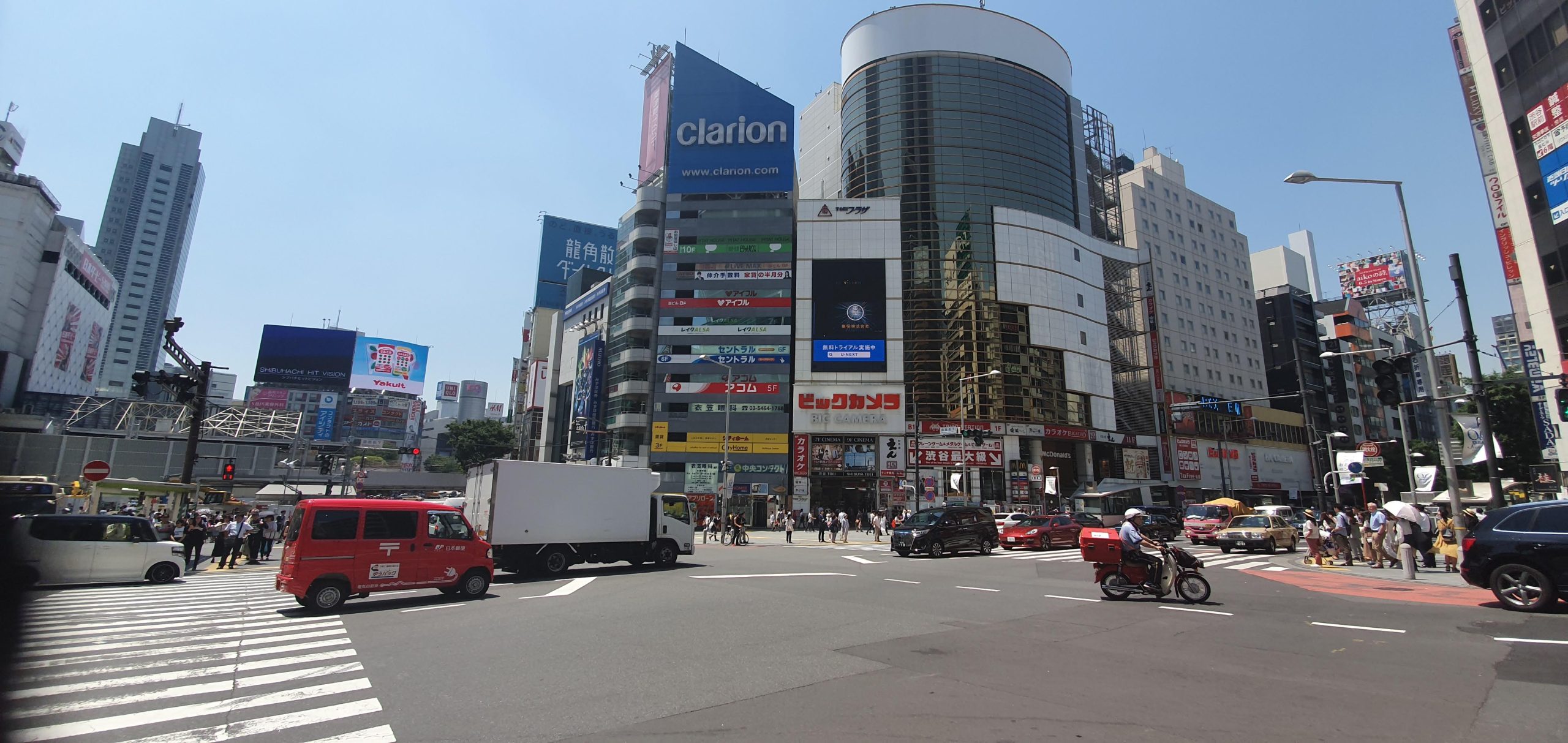
Take the train to Shibuya and follow signs for the Hachiko Exit. See the statue, cross the famous scramble at street level, then look back from above if you want the full pattern. Shibuya Sky is the purpose-built option — it didn’t exist yet on our own trips, so this is a pointer rather than personal experience — but it uses timed tickets and popular slots can sell out; check the official booking page before building the day around it.
From Shibuya, walk towards Cat Street and Omotesando. We would treat Harajuku as a set of contrasts rather than a single fashion stereotype: busy Takeshita Street, calmer side streets, vintage shops, modern architecture and Meiji Jingu’s wooded approach. On our first visit, the headline version of Harajuku did not grip us as much as we expected, but the smaller streets made the walk worthwhile.
At Meiji Jingu, slow down and follow the cues around you. We rinsed our hands at the purification fountain and watched visitors bow at the gate before approaching the main shrine. Opening times follow sunrise and sunset, so check the official site if you are visiting late in the day.
End in Shinjuku. The observation rooms at the Tokyo Metropolitan Government Building are a useful free viewpoint, but operating rooms and hours can change. We reached the top on a cloudy day and didn’t see Mount Fuji; that is the honest risk with any skyline ticket or queue. For the full route and what to cut when time is tight, see our Shibuya, Harajuku and Shinjuku one-day guide.
For dinner, choose between the tiny lanes of Omoide Yokocho and the larger range of restaurants around Shinjuku. Golden Gai is better approached as a late drink than as a sightseeing checklist: many bars are extremely small, some charge a cover, and not every one is aimed at visitors.
Day 3 — Tokyo Skytree, Sumida Aquarium and Ryogoku
- Allow
- A full day
- Best for
- Big views, a family-friendly aquarium and Tokyo history
- Start
- Tokyo Skytree
- Finish
- Ryogoku
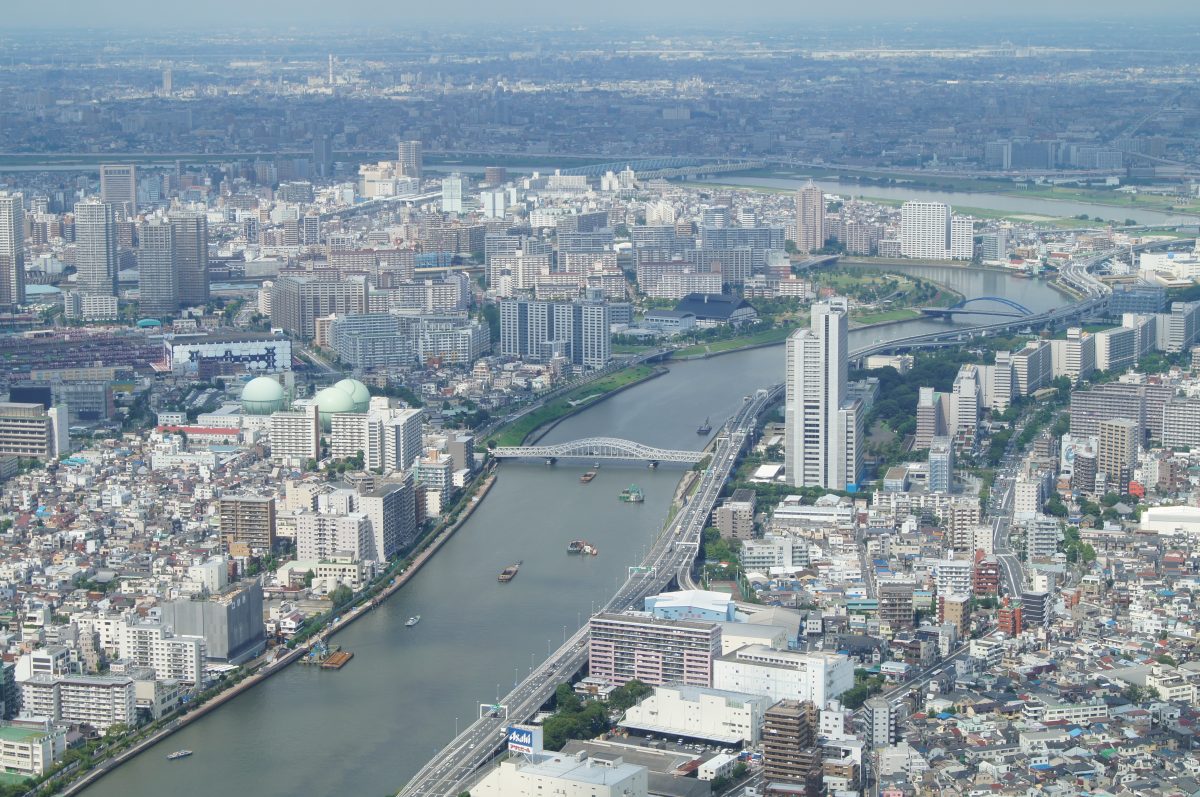
Book an early slot at Tokyo Skytree if the view matters to you. Tickets are timed, availability varies and weather can erase the distant landmarks. We still enjoyed the extraordinary scale of the city beneath us, even without a clear view of Mount Fuji. Torn between Skytree and Tokyo Tower? Our tower comparison can help. If you choose Tokyo Tower, our paid-deck decision guide helps you choose between Main Deck, Top Deck and staying outside. Our Skytree and Ryogoku day guide also explains when to put the museums first, or plan around a sumo tournament.
If you want to include an aquarium, stay in Tokyo Solamachi for Sumida Aquarium. This is not a token stop in a shopping centre: on our 2015 visit, it was the best-designed aquarium we had visited up to that point. Our detailed Sumida Aquarium review explains who we think will get the most from it. If aquariums are not your thing, use the time for more of Asakusa or Ryogoku instead.
After lunch, travel to Ryogoku. The Edo-Tokyo Museum reopened on 31 March 2026 after its long renovation, so older guides that still call it closed are now out of date. We visited before that renovation, so our own impressions of the museum are dated too. Allow several hours if you enjoy social history; our Edo-Tokyo Museum guide has current tickets and hours.
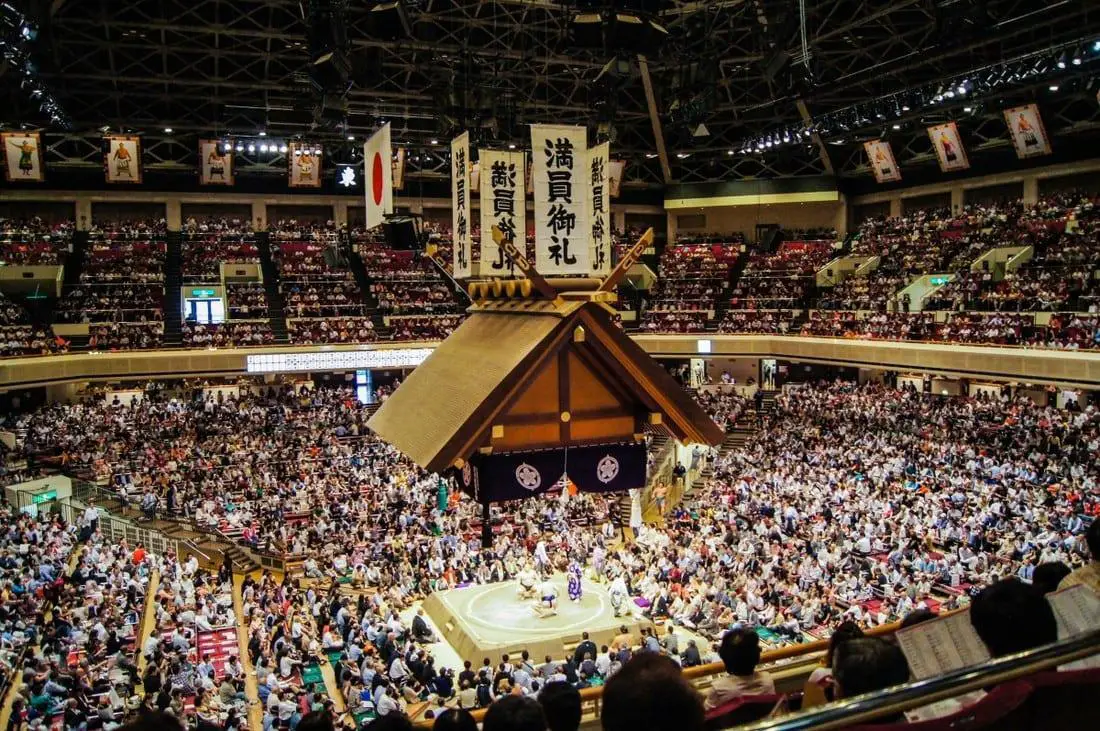
A professional sumo tournament is a separate, ticketed event rather than something you can casually add at 3.15 pm. Tournaments take place only during set periods, and Tokyo dates can sell quickly. Our guide to watching sumo at Ryogoku Kokugikan describes our experience; use the official sumo ticket site for the current calendar. Outside tournament dates, enjoy the district, look for sumo stables from the street and consider the museum exhibits available that day.
Day 4 — Ueno, Asakusa and Odaiba
- Allow
- A full day
- Best for
- Museums, old Tokyo streets and an evening by the bay
- Start
- Ueno
- Finish
- Asakusa, or optionally Odaiba
Begin in Ueno Park and choose one museum rather than attempting the whole cultural district. The Tokyo National Museum is our first choice for Japanese art and archaeology — we went ourselves and would happily return. The National Museum of Nature and Science is another strong option, particularly with children, though we haven’t been ourselves.
Continue to Asakusa for Kaminarimon, Nakamise and Senso-ji. This area is busy, but it still earns its place on a first visit. Give yourself permission to leave the main shopping street and wander the smaller roads around it.
If a suitable sailing leaves enough time for Ueno and Asakusa, take a Tokyo Cruise boat from Asakusa to Odaiba Seaside Park. Check the date-specific timetable, boarding point and operating notice before committing to the boat. Our Ueno, Asakusa and Odaiba day guide explains the trade-off and the rail alternative.
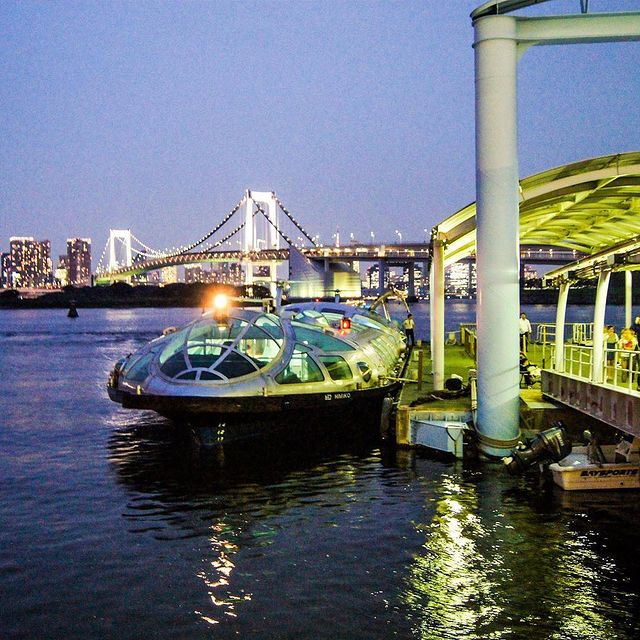
Odaiba is an optional waterfront finish. Keep it to a walk by the water and dinner if you have already spent the day in Ueno and Asakusa. Give a major indoor attraction its own time rather than assuming it will fit into the evening.
Day 5 — Tsukiji Outer Market, Akihabara and Kanda
- Allow
- Most of a day
- Best for
- Food, games, electronics, manga and second-hand books
- Start
- Tsukiji Outer Market
- Finish
- Akihabara, or optionally Kanda-Jimbocho
Plan general shopping at Tsukiji Outer Market from around 09:00; check a restaurant’s own hours for an earlier breakfast. The wholesale market moved to Toyosu in 2018, while the Outer Market’s food shops and restaurants remain. Keep working lanes clear, eat in a designated space and ask the shopkeeper before taking photographs. Buying food is not permission to photograph it.
Our guide to what to eat in Tokyo is a useful companion if you want ideas beyond sushi. One of our favourite food memories from the first trip was far less glamorous: convenience-store snacks when we were tired and still finding our feet.
Next, take the train to Akihabara. Do not try to “complete” it. Pick a theme — retro games, model kits, arcades, electronics or manga — and follow it through a few floors. Some shops have strict rules about photography, and adult material can sit surprisingly close to family-focused merchandise.
Continue to Kanda-Jimbocho if the bookshops interest you more than extra time in Akihabara; staying in Akihabara is a worthwhile finish too. Our Tsukiji and Akihabara day guide explains the optional walk via Kanda Myojin and Ochanomizu, with shop opening hours shaping the choice.
Extra blocks from our later Tokyo trips
Arrival day: Shinjuku Gyoen and a gentle evening
We visited Shinjuku Gyoen ourselves on arrival day. If you arrive early enough and still have energy, visit Shinjuku Gyoen before dinner. Do not schedule it tightly around a flight: on our first trip, lost luggage, a nearly missed connection and an expensive taxi made the arrival far more stressful than the plan suggested. Check the garden’s seasonal hours and closure days.
Shibamata: a slower neighbourhood day
We visited Shibamata in September 2017 and loved the shift in scale: an old-fashioned shopping street, traditional houses and a version of Tokyo that felt removed from the neon-centre shorthand. Gary was particularly taken with it. Our full Shibamata guide works well as a half-day alternative to a block that does not suit you.
Nakameguro and Roppongi: cafés, design and evening views
On our 2019 visit, Nakameguro gave us retro shops, bike shops, cafés and bookshops — a much better fit when we wanted a slower day. We spent an evening in Roppongi too, and it works well as a modern art, architecture or evening block. Both are easier to enjoy when you choose a small number of stops instead of treating the neighbourhood as another attraction list.
A day trip from Tokyo
With six or seven days, swap one city block for a trip beyond central Tokyo. We have personally done Hakone, Kamakura, Nikko, Lake Kawaguchiko, Yokohama and Kawagoe. Our comparison guide helps you choose by travel time, weather and what you actually want from the day.
Tokyo itinerary FAQs
Is five days enough for Tokyo?
Five full days is enough for a varied first visit, but not enough to see everything. The route above covers five distinct parts of the city without repeatedly crossing it. Add one or two days if you want a day trip, theme parks or a deliberately slower pace.
What should I do with only three days in Tokyo?
Choose central Tokyo, west Tokyo and Skytree/Ryogoku. That combination gives you gardens, Ginza, Shibuya, Meiji Jingu, Shinjuku, a major viewpoint and a strong cultural day. Replace Day 3 with Ueno and Asakusa if temples and museums matter more than the aquarium or sumo district.
Should I include a day trip in a five-day Tokyo itinerary?
Only if one of the five city blocks matters less to you. For a first visit, we would normally keep all five days in Tokyo. With six or seven days, a day trip becomes an easier decision.
Do I need a Japan Rail Pass for this itinerary?
No. A nationwide JR Pass is not required for these Tokyo days. Use an IC card for ordinary city transport and compare pass prices against your longer intercity route before buying anything.
Which Tokyo attractions should I book in advance?
Prioritise anything with timed entry or limited availability, particularly Shibuya Sky, Tokyo Skytree, teamLab venues and professional sumo tournaments. Availability and sales windows change, so use the official website rather than a timetable copied into a blog post.
Our final take
Tokyo is the rare city where we have returned three times and still felt we had barely started. That is why we love it: you can build a classic first trip, come back for smaller neighbourhoods, then return again for food, museums or places that did not exist last time. Use these blocks as a structure, keep the journeys sensible and leave one small part of each day unplanned.
Which part of Tokyo would you build into your own five-day route?

Such a detailed itinerary. Looking forward to using it as we plan our travels.
I absolutely adore Japan and your itinerary includes a lot of the reasons why! I love ryokans and onsens…everyone should do that!
Great itinerary. I went to Japan for about a week and a half and glad to say I got to do a good bit on your list! I wish I had gotten a chance to visit Kamakura, but ah well – next time!