
Written by Katharina Mungall
Travel writer, photographer and architect
If you are planning a first trip to Tokyo and trying to work out which neighbourhoods deserve your time, you’ll be glad to hear you don’t need to see all of them. Try to, and you’ll spend far too much of your holiday on trains going back and forth across the city.
For a first visit, I would prioritise Asakusa and Ueno and give the west side (Shibuya, Harajuku and Shinjuku) a day. Then choose between Akihabara and Ginza, depending on what you’re into. If museums matter more to you than shopping, give Ueno or Ryogoku more time. And if gachapon and retro games sound like more fun than department stores, Akihabara is the obvious pick.
On a second trip, I’d look further out. Shibamata and Nakameguro were both new to us on later visits, and they make for a very different kind of Tokyo day.
Tokyo quickly became our favourite destination in Japan and we kept going back – three trips in four years. That doesn’t mean every neighbourhood deserves the same share of your time, though.
We visited Tokyo in September 2015, September 2017 and 21–25 May 2019. The personal experiences here come from those trips. Current practical details were checked against official information on 30 September 2026.
Which Tokyo neighbourhoods should you prioritise?
Choose areas by what you actually want from them, then group the ones that sit sensibly together. Fame on its own isn’t a good enough reason to give somewhere half a day. It’s definitely not a good reason to cross Tokyo twice in one day.
| Neighbourhood (our visits) | Go for | Shorten or skip if | Time | Pairs with |
|---|---|---|---|---|
| Asakusa (2015, 2017) | Senso-ji, Nakamise snacks, the boat to Odaiba | You really can’t face crowds on the main approach | Half a day | Ueno |
| Ueno (2015, 2019) | Tokyo National Museum, the park, the zoo | Museums don’t interest you | 2–3 hours per attraction; up to a full day | Asakusa |
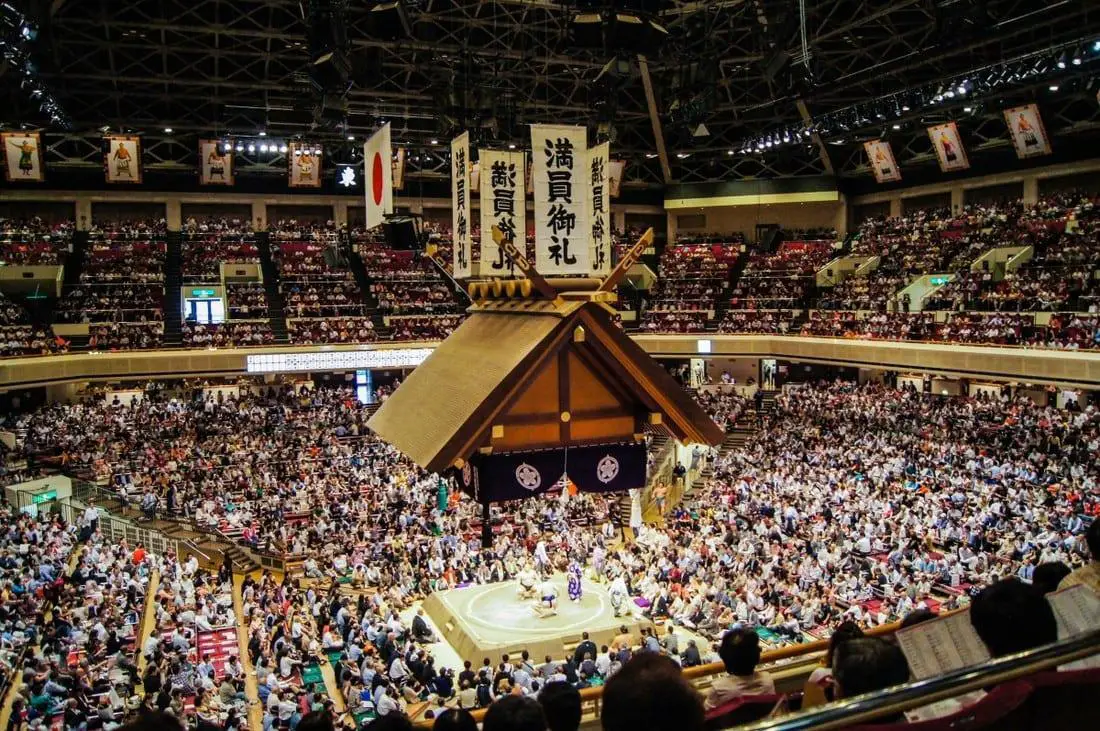
| Ryogoku (2015) | A sumo tournament, the Edo-Tokyo Museum | There’s no tournament and Tokyo’s history doesn’t grab you | 2–3 hours for the museum; an afternoon for a tournament | Skytree |
| Akihabara (2015, 2017, 2019) | Games, gachapon, anime, a maid café | None of that appeals | An hour or two for a look; an afternoon for collectors | Tsukiji / Ueno |
| Ginza + Yurakucho (2015) | A polished browse, dinner under the railway arches | You want budget or youth-fashion shopping | 2–4 hours | Imperial Palace / Tokyo Station |
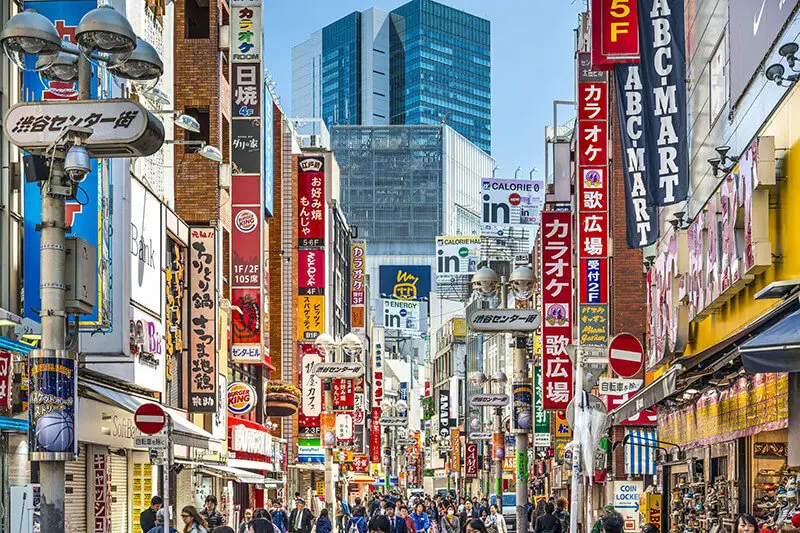
| Shibuya (2015, 2019) | The crossing, Hachiko, shopping | You only want to see the crossing | 1–2 hours | Harajuku |
| Harajuku (2015, 2019) | Meiji Jingu next door, novelty cafés, purikura | You’re expecting a parade of cosplay | 1–2 hours, plus the shrine | Shibuya, Meiji Jingu |
| Shinjuku (2015, 2019) | A free city view in the west; an evening in the east | You’re banking on seeing Mount Fuji | 2–3 hours or an evening | Harajuku |
| Roppongi (2017) | Modern architecture and high-rise Tokyo | You want older Tokyo | 2–3 hours | Tokyo Tower area / Odaiba |
| Odaiba (2015, 2017) | The waterfront and the boat from Asakusa | Miraikan is your main reason and you’re travelling between 1 October 2026 and 22 April 2027 | An evening to half a day | Asakusa, by boat |
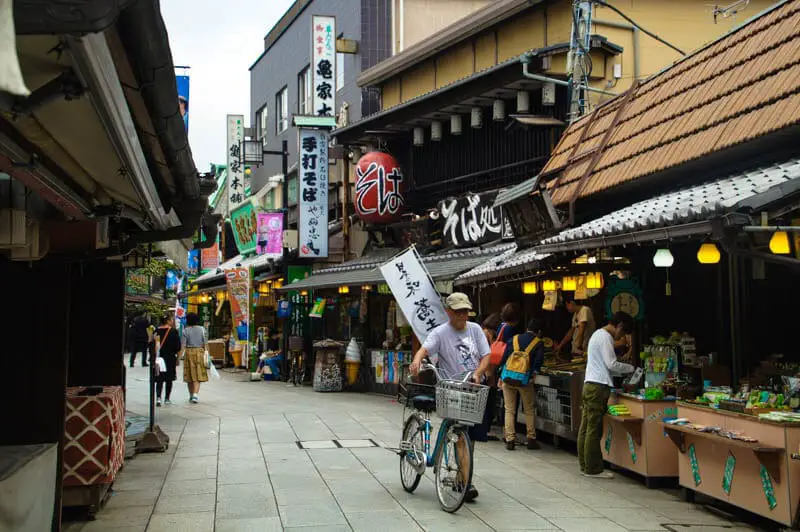
| Shibamata (2017) | Temple carvings, an older shopping street, Tora-san | It’s your first Tokyo trip and it’s a short one | 3–4 hours, plus travel | Asakusa / Skytree side of the city |
| Nakameguro (2019) | Browsing, the Meguro River, dinner | You want headline sights | 2–4 hours | Shibuya |
If you have four or five days on a first trip, pick a few of these groups and build your days around them rather than trying to collect all twelve. That’s how our 5-day Tokyo itinerary is put together.
On a repeat visit, Shibamata and Nakameguro come into their own, because they no longer have to compete with Senso-ji, Shibuya and the other obvious first-trip stops.
And if you’ve ended up with one spare afternoon, I’d choose by mood. Nakameguro for browsing followed by dinner. Ginza and Yurakucho for central Tokyo and food. Or Shibuya, if you want shopping and don’t mind a lot going on around you.
Old Tokyo on the east side: Asakusa, Ueno and Ryogoku
These three sit close enough together to plan sensibly, and between them they took up two of our days in 2015. I still wouldn’t treat them as interchangeable. Asakusa is the temple-and-street choice, Ueno earns its time through museums and the park, and Ryogoku becomes far more interesting if sumo or Tokyo’s history is one of your reasons for coming.
Asakusa
If this is your first Tokyo trip, yes, I would make time for Asakusa.
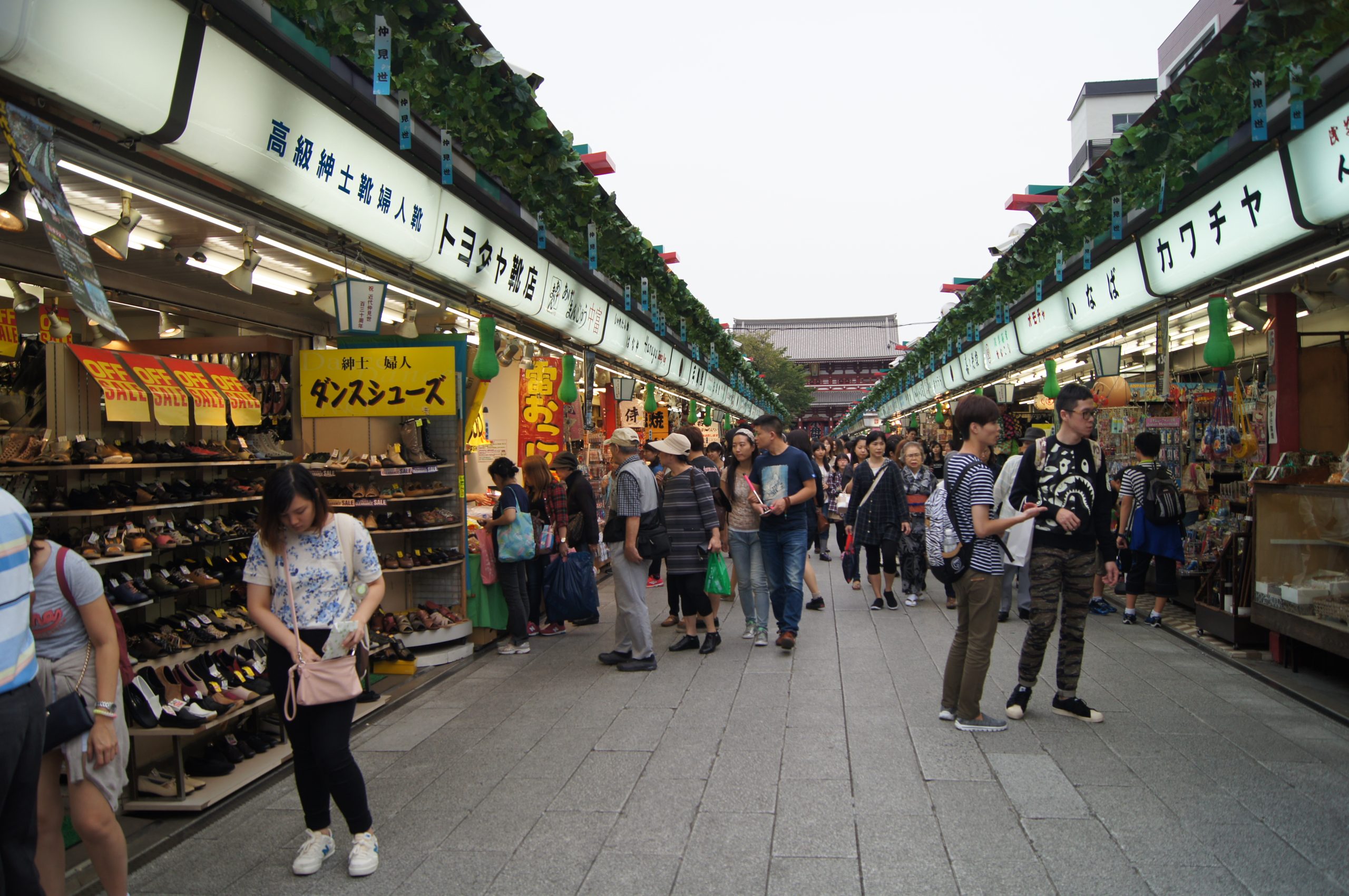
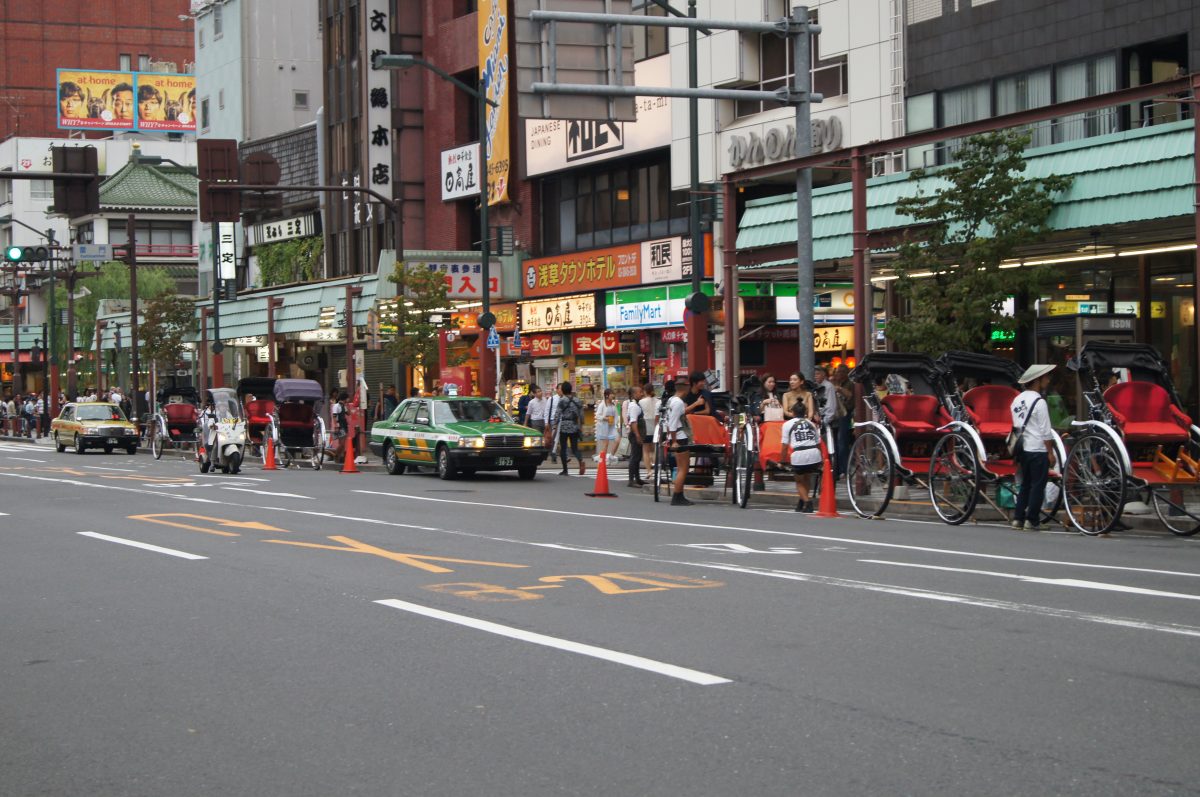
We arrived from Ueno in 2015 and started where most people do, at Kaminarimon, Nakamise and Senso-ji. Kaminarimon was busy, and Nakamise gave us about 200 metres of opportunities to get distracted by food and souvenirs. We managed quite well on that front: sweet-potato cake, a doughnut, cream taiyaki made in front of us and menchi-katsu. We were also quoted 9,000 yen for a 30-minute rickshaw ride for two (that was the 2015 price), and we declined.
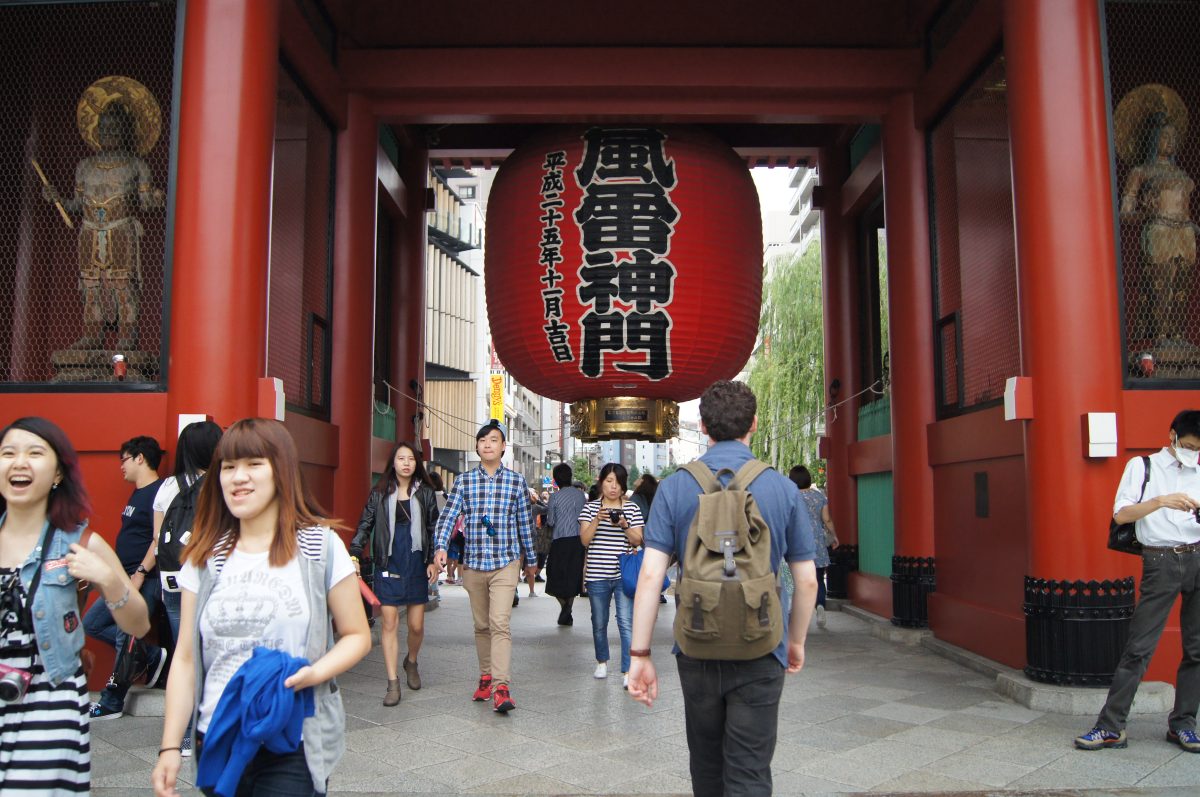
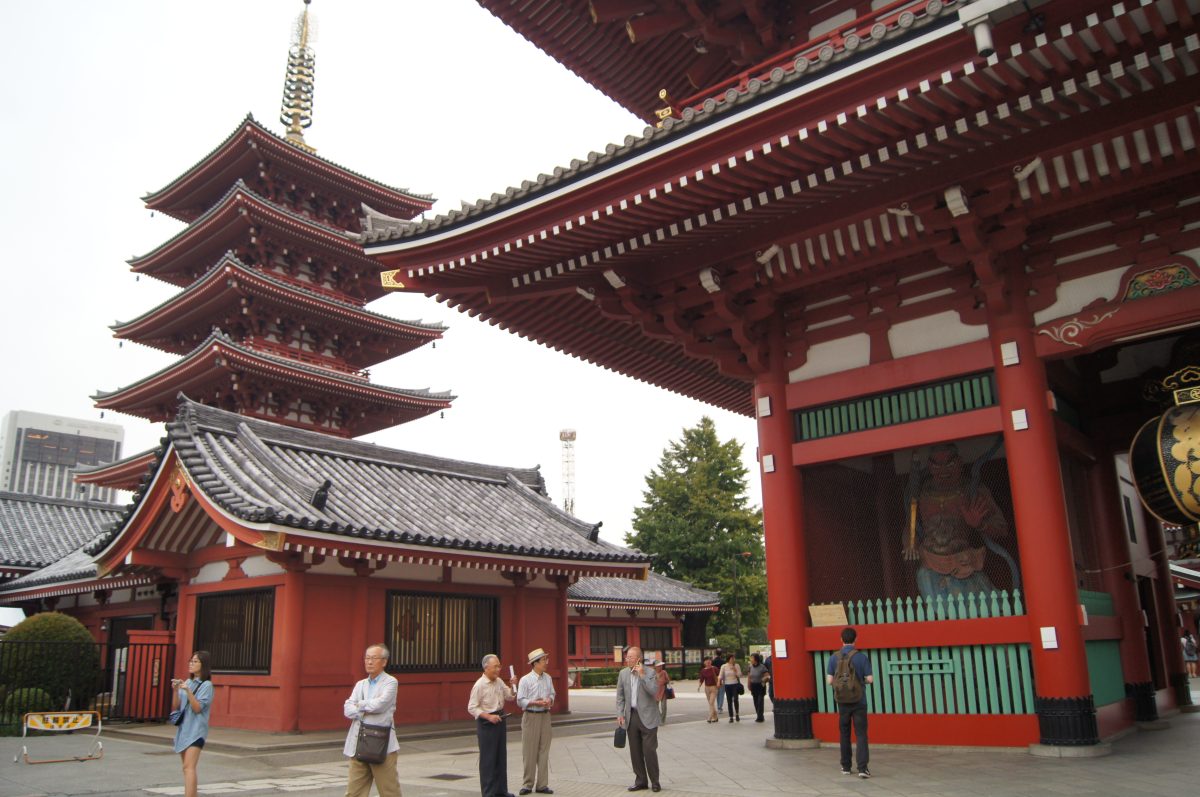
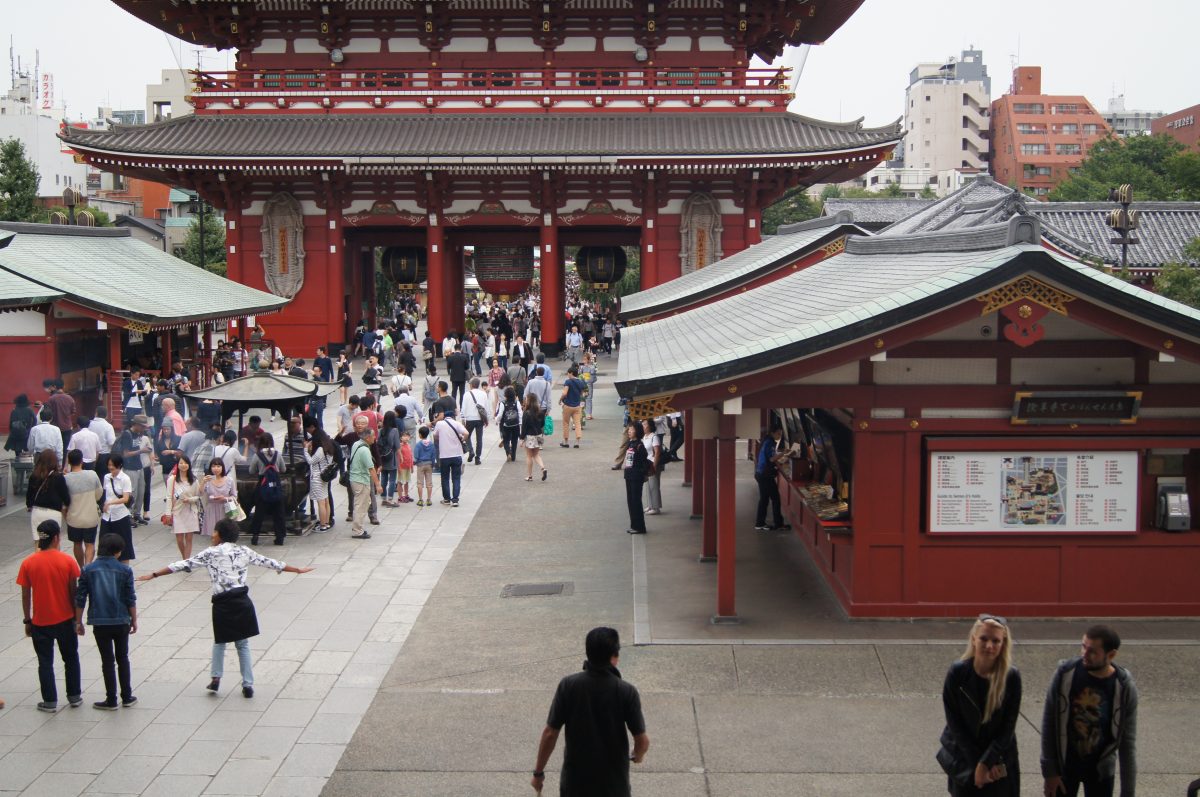
Even on that first trip, when we were working through a lot of Tokyo’s best-known places in a few days, Asakusa had a clear identity of its own. I wrote at the time that it had an “amazing atmosphere” that would “transport you back to old Tokyo”, and that’s the real reason to choose it. It’s nothing like the Shibuya crossing or the towers in Shinjuku.
Half a day is about right. It gives you time for Senso-ji and Nakamise without turning the visit into a race, and Ueno is close enough to combine without spending the day on trains. Our Ueno, Asakusa and Odaiba day goes through the practical order in more detail. I can’t promise you a quiet Senso-ji at any time of day, though – it’s one of Tokyo’s biggest draws, and no time guarantees it.
I would still consider leaving by boat. We took the water bus to Odaiba in 2015, and I wrote at the time that it made an enjoyable alternative to the crowded underground. Tokyo Cruise still lists an Asakusa–Odaiba service, but check the timetable for your actual date rather than assuming it will fit.
When we came back to Tokyo in 2017 we stayed in Asakusa, at The Gate Hotel Kaminarimon. But for sightseeing, I’d keep it straightforward. If you want older Tokyo on a first trip without heading out to the edges of the city, start here and save Shibamata for a second visit.
Ueno
Ueno needs more time than we gave it in 2015, and I think that’s the most useful thing I can tell you about it.
We walked through Ueno Park past Toshogu, Bentendo and the site of Kaneiji (with a panda-shaped sweet along the way) before going into the Tokyo National Museum. The archaeology galleries were closed for renovation, which disappointed Gary, but our bigger problem was our own schedule. I must admit we rushed it.
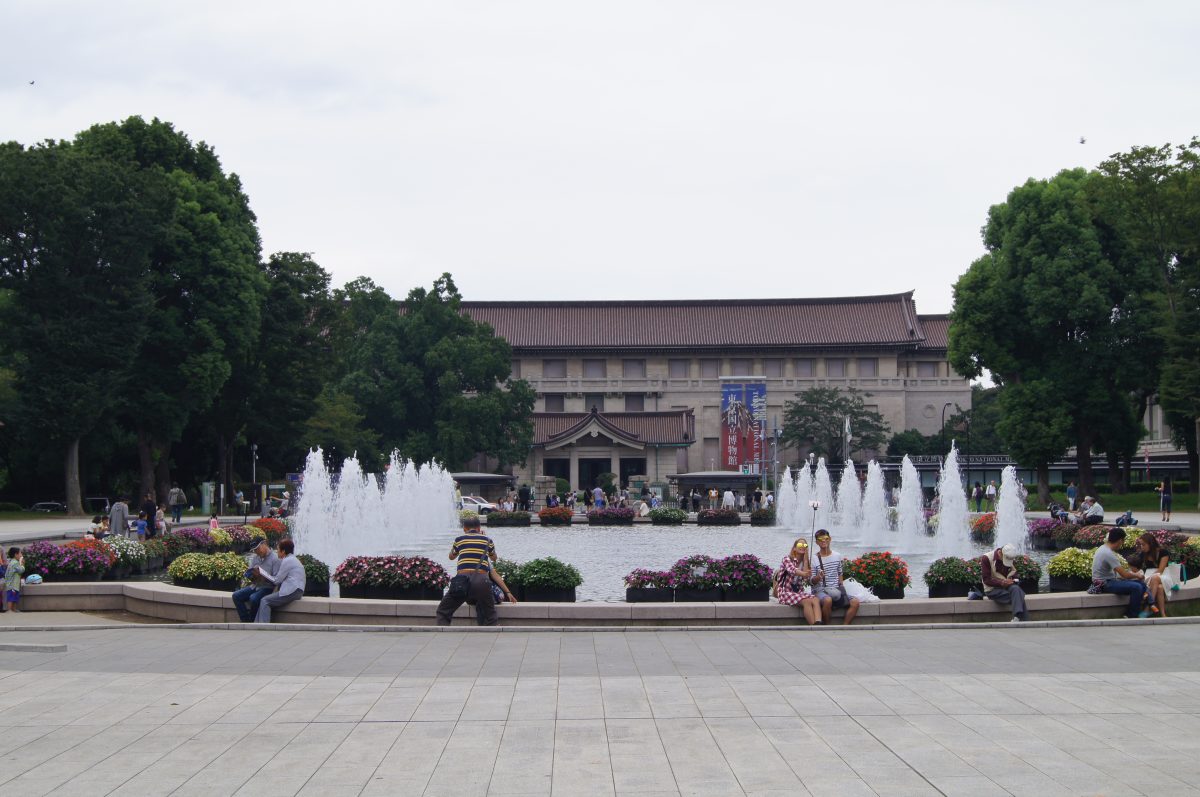
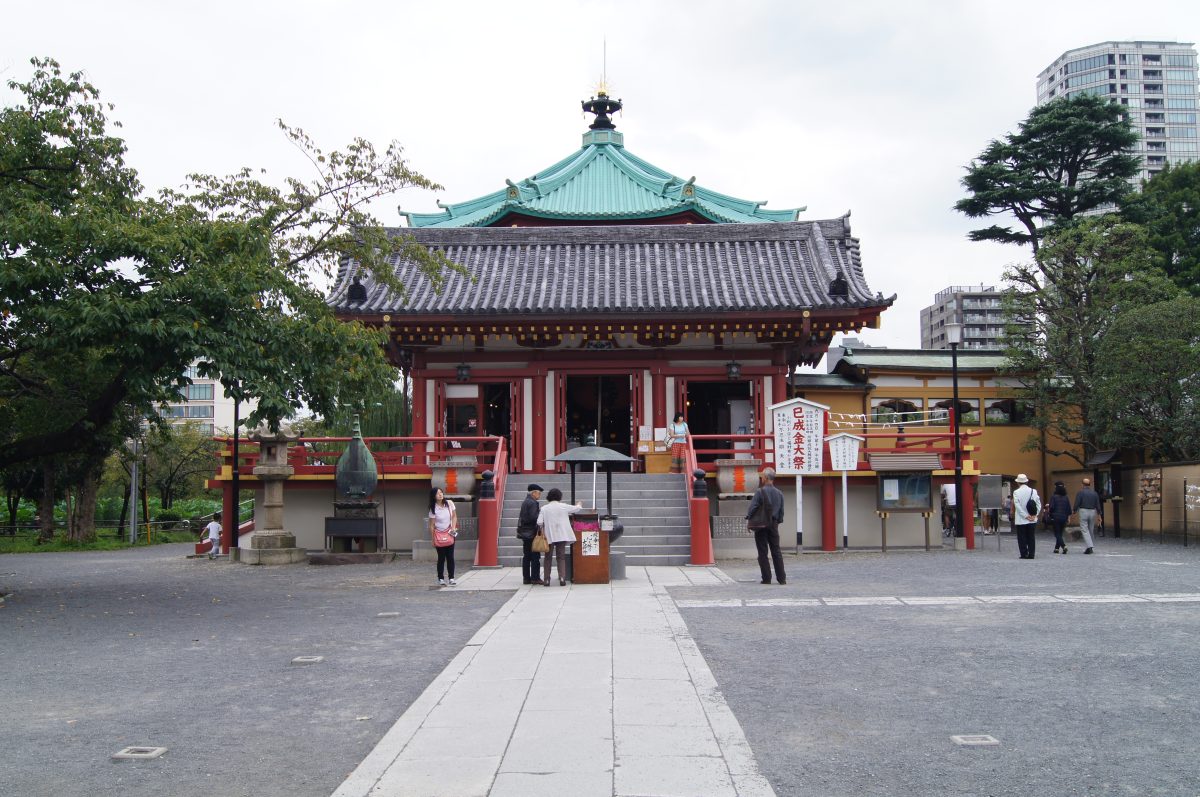
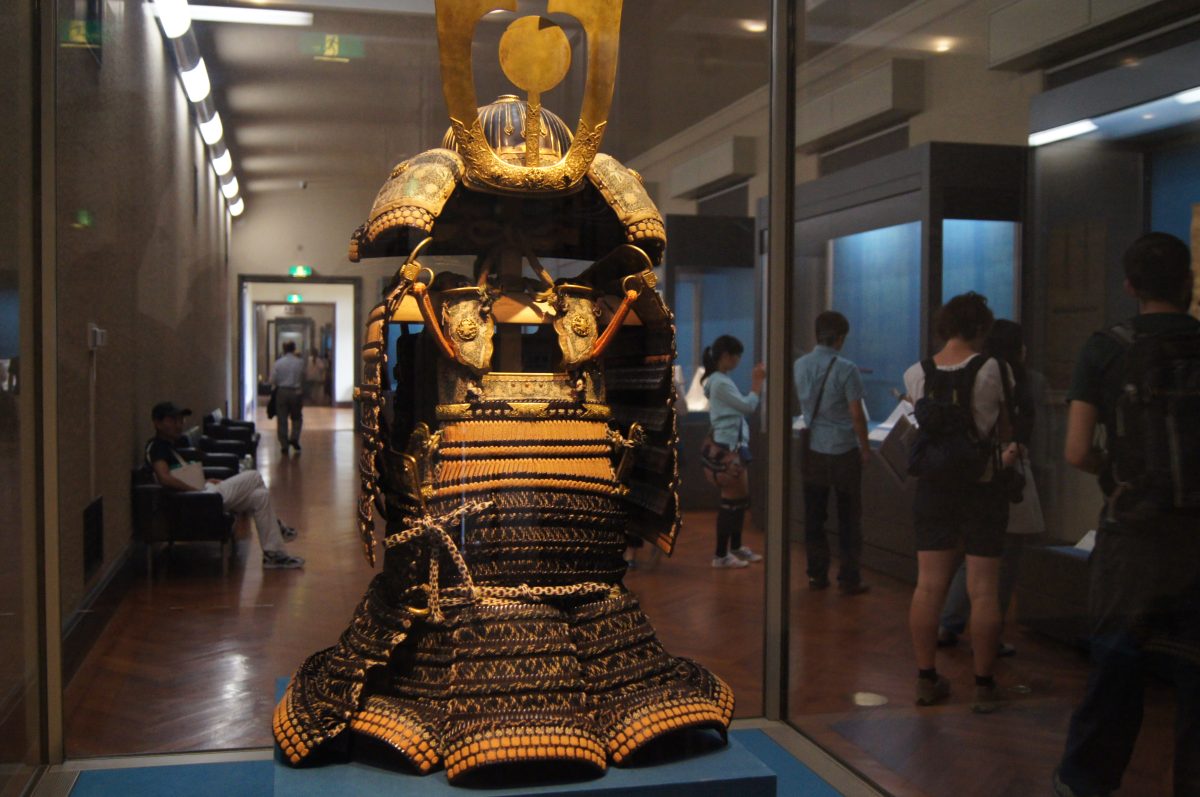
I wouldn’t squeeze the Tokyo National Museum between several other areas just because Ueno and Asakusa look conveniently close on a map. At the time I wrote that if you were following our packed route, you’d probably only manage the main exhibition in the Honkan. That was less a tip for an efficient museum visit and more a sign we’d put too much into the day.
When we came back on 22 May 2019, we meant to go to the museum again. The queue was gigantic, and since we’d been before, we went to Ueno Zoo instead.
So if the museum is your reason for coming, give it a proper morning and have a plan B in case the queue looks like ours did. It’s normally closed on Mondays, so check the calendar before you fix the day. If museums aren’t really your thing, Ueno becomes a different choice built around the park and the zoo. We have a separate guide on whether Ueno Zoo is worth visiting.
Either way, I wouldn’t treat Ueno as somewhere you pass through on the way to Asakusa. If Japanese art and history are priorities, it can easily deserve more of your day than Asakusa does.
Ryogoku
Ryogoku depends much more on what you’re into.
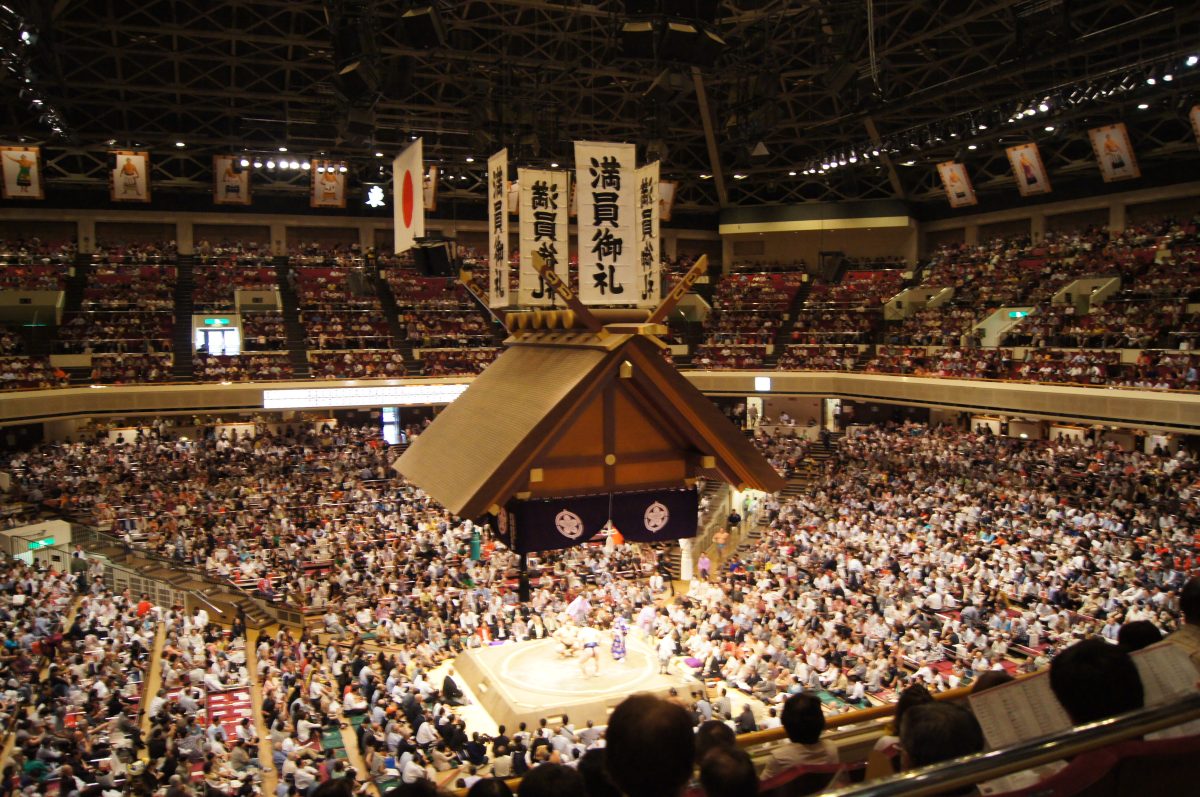
We walked there from the Skytree and Solamachi area in 2015, visited the Edo-Tokyo Museum and then went to the Kokugikan from about 4.30pm for the top-division bouts. Our museum visit was rushed. Again.
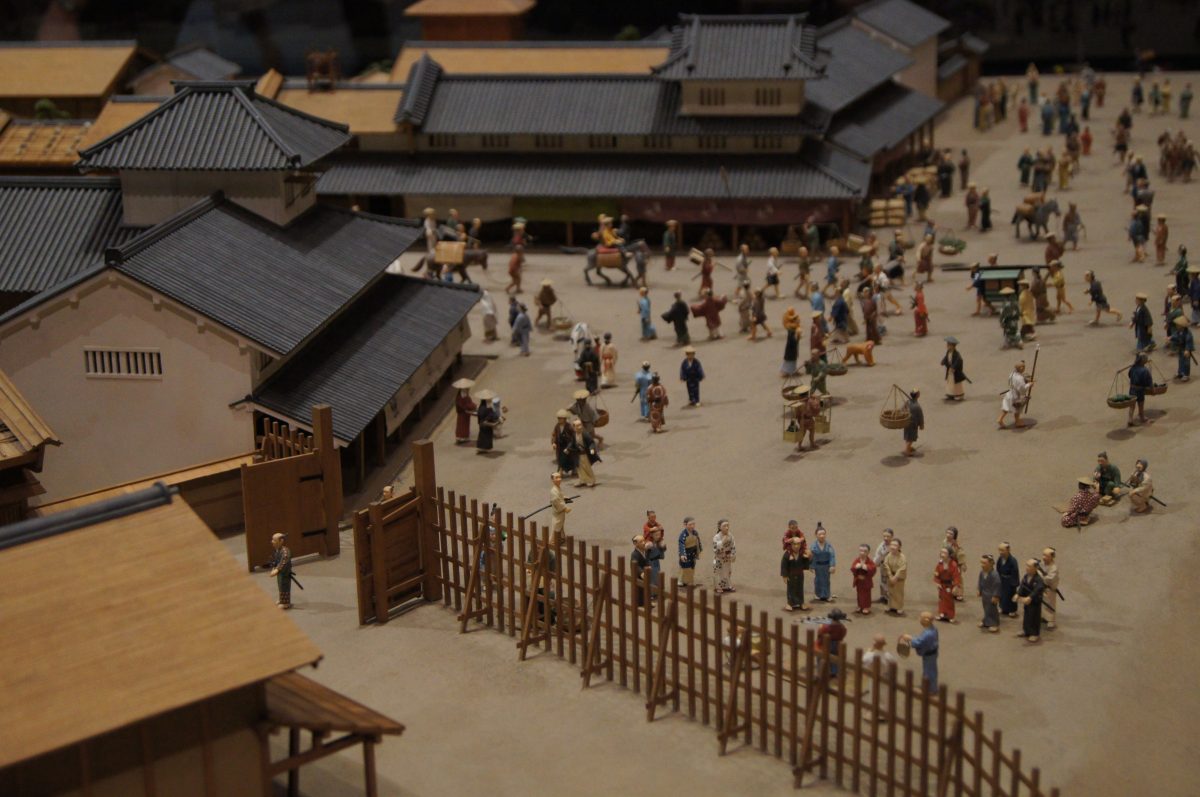
Even so, I came away describing the Edo-Tokyo Museum as a wonderful introduction to the culture and life of Tokyo. That was the museum before its long refurbishment, though, so don’t read it as a review of the one you’d walk into today (it reopened on 31 March 2026). If Ueno is the museum stop for Japanese art, Ryogoku is the one for the story of the city itself.
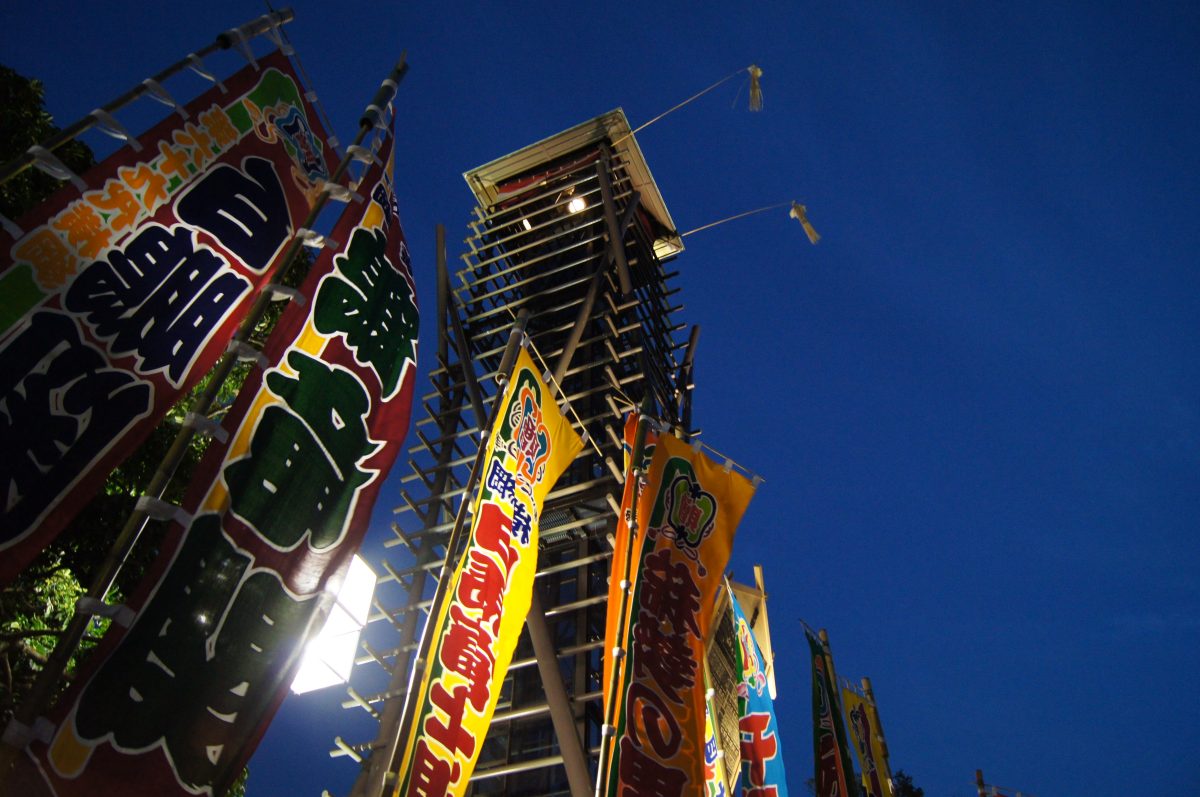
The other reason to come is rather less subtle. In 2015 I called Ryogoku “Sumo Heaven”. Tokyo’s grand sumo tournaments are held in January, May and September, and if your dates line up with one, Ryogoku moves a long way up the list. Check the Japan Sumo Association’s tournament schedule for exact dates and tickets. Gary has written up our day at the sumo in more detail, and our Skytree and Ryogoku day covers the wider area.
Outside tournament time its pull drops. I’d go if the Edo-Tokyo Museum really interests you, or keep it to a shorter stop alongside Skytree.
Is Akihabara worth it if you’re not into anime or games?
Honestly, if anime, gaming, figures, electronics and gachapon all leave you cold, I don’t think you need to give Akihabara half a day just because it’s famous. Have a look if you’re nearby, and skip it if your Tokyo time is tight.
We first went in 2015, after Tsukiji, and started at the gachapon machines. I recognised them from my own childhood, except “they weren’t colourful when I was a kid”.
Then we went looking for Super Potato. A lot of Akihabara’s shops are stacked on upper floors rather than sitting at street level, and we ended up hunting through a multi-storey building for the retro-gaming shop instead of simply spotting it from Chuo-dori.
And then there was the maid café. A promoter outside handed us a flyer, we went in for lunch and ordered pancakes that were “so cute to look at”. I later called it the most surreal experience we had in Japan.
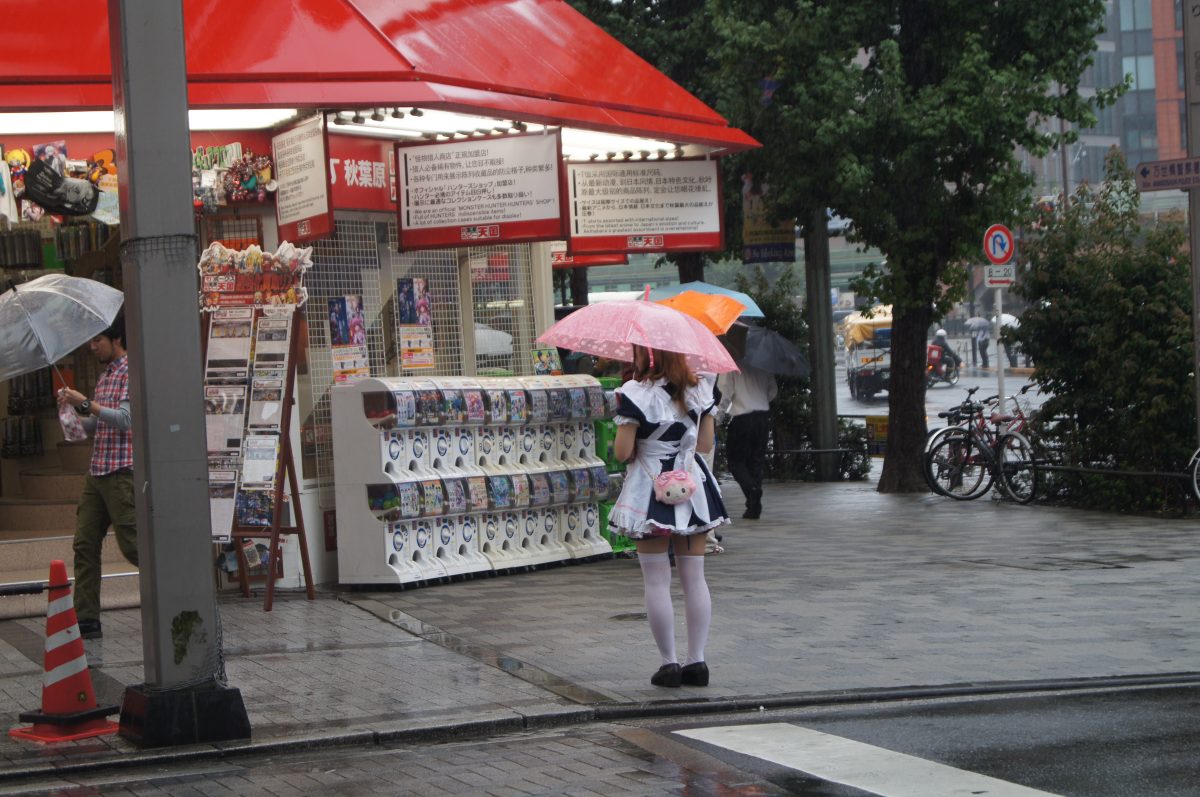
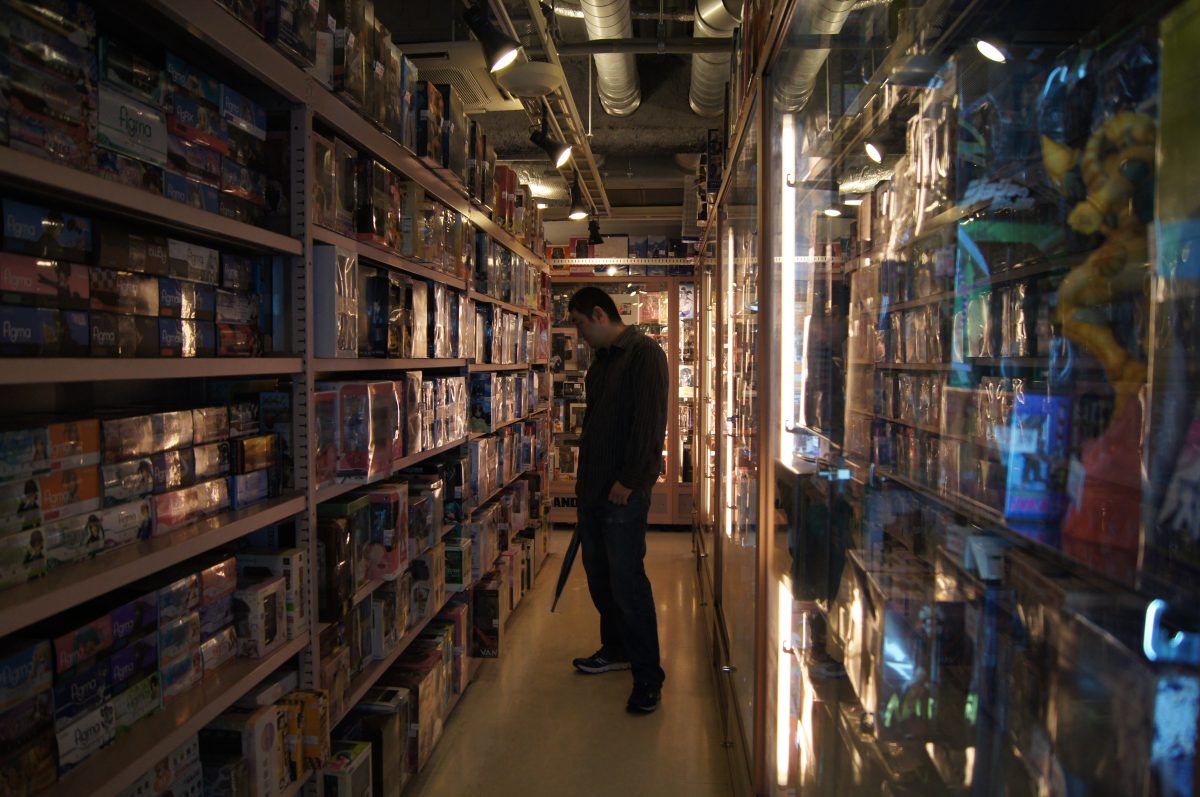
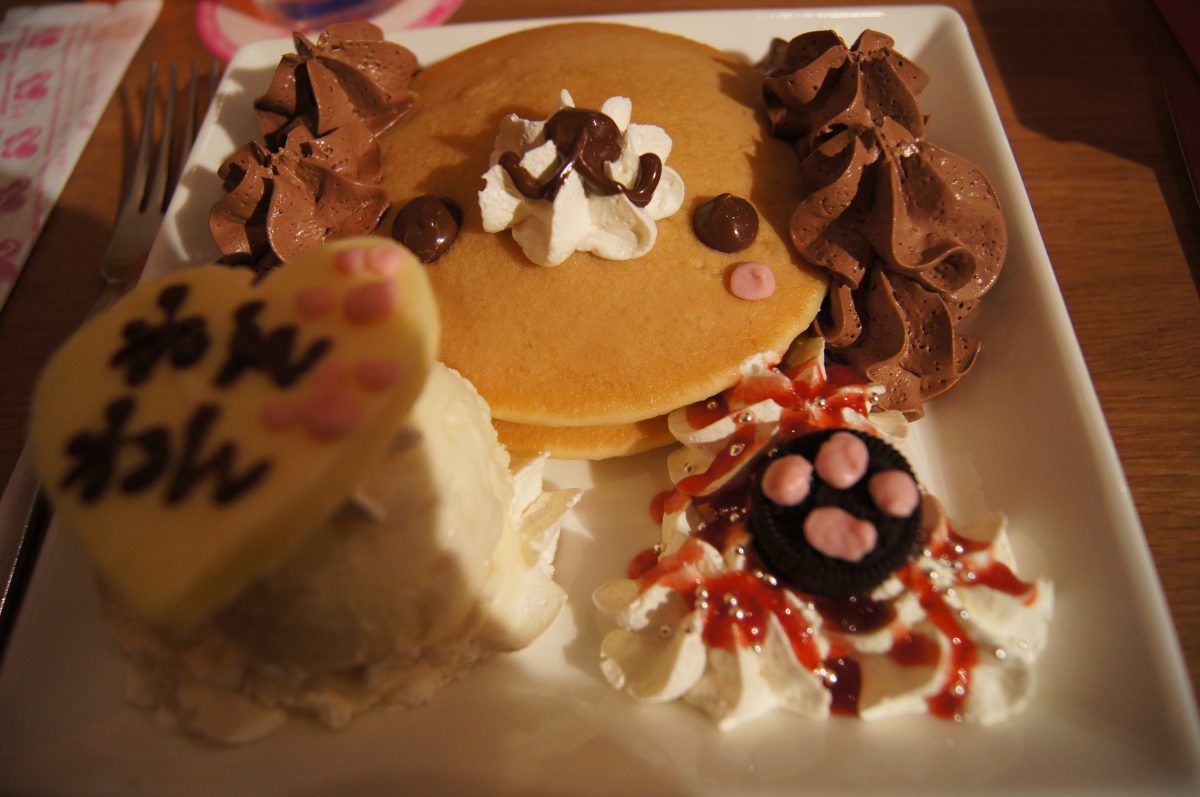
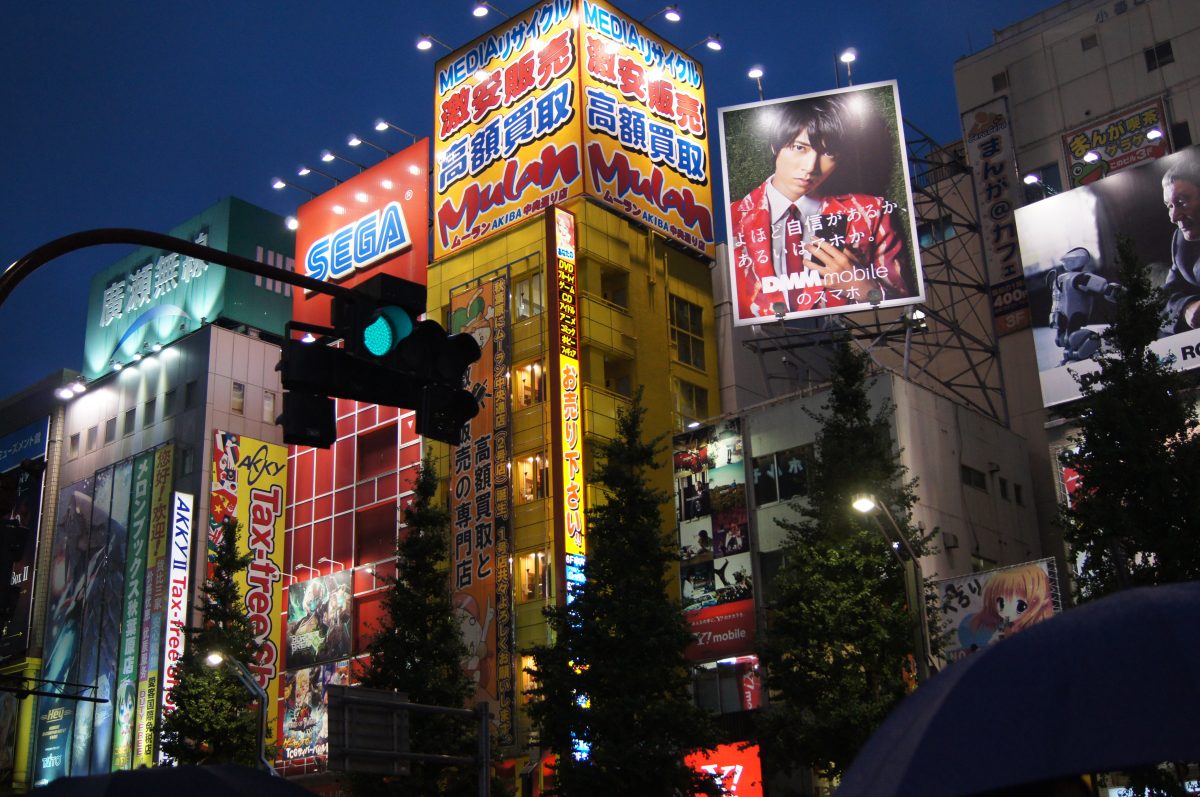
That’s a pretty good test, actually. If reading it makes you curious, go to Akihabara. If it makes you wonder why on earth you’d spend precious Tokyo time eating cute pancakes in a maid café, you have your answer too.
We went back to Akihabara in September 2017, and spent our last afternoon in Tokyo there in May 2019. Allow an hour or two if you mainly want to see what Electric Town is like. If you’re hunting for retro games, collectibles or particular shops, an afternoon is far more realistic, and you’ll get the most out of the area.
Our Tsukiji, Akihabara and Jimbocho day shows how it fits into a wider route. Heading on to Osaka? Den Den Town is the nearest equivalent – I wrote at the time that it was a bit less impressive than Akihabara – and our Den Den Town guide covers it properly.
Ginza, and dinner under the tracks at Yurakucho
Ginza was part of our arrival day in 2015, after lost luggage and a fairly stressful start to the trip, and we were jet-lagged on top of it all.
We walked from the Imperial Palace East Gardens through Marunouchi into Ginza, window-shopping as we went, past Printemps and on by Kabukiza (we never did see a kabuki show). I tried a kiwi sweet that “doesn’t really taste of kiwi” and came away talking about eye-watering coffee prices. That was 2015, though, so please don’t budget from it.
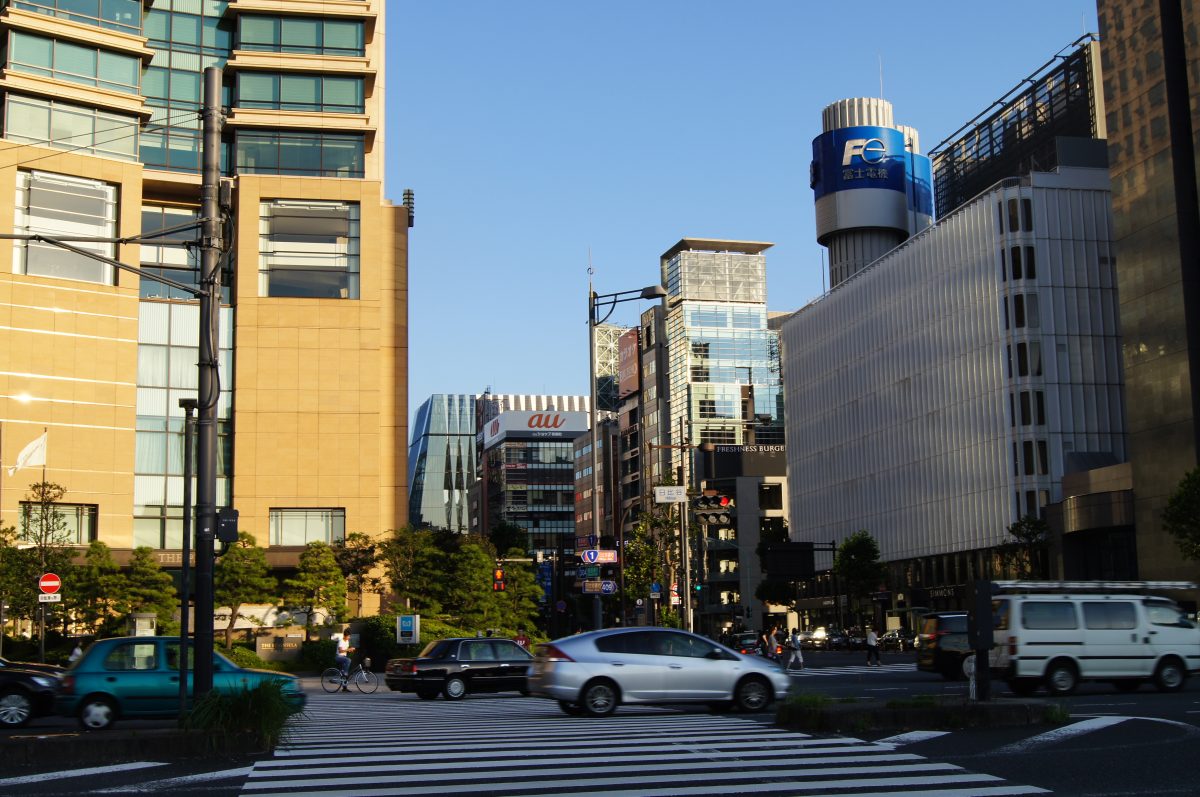
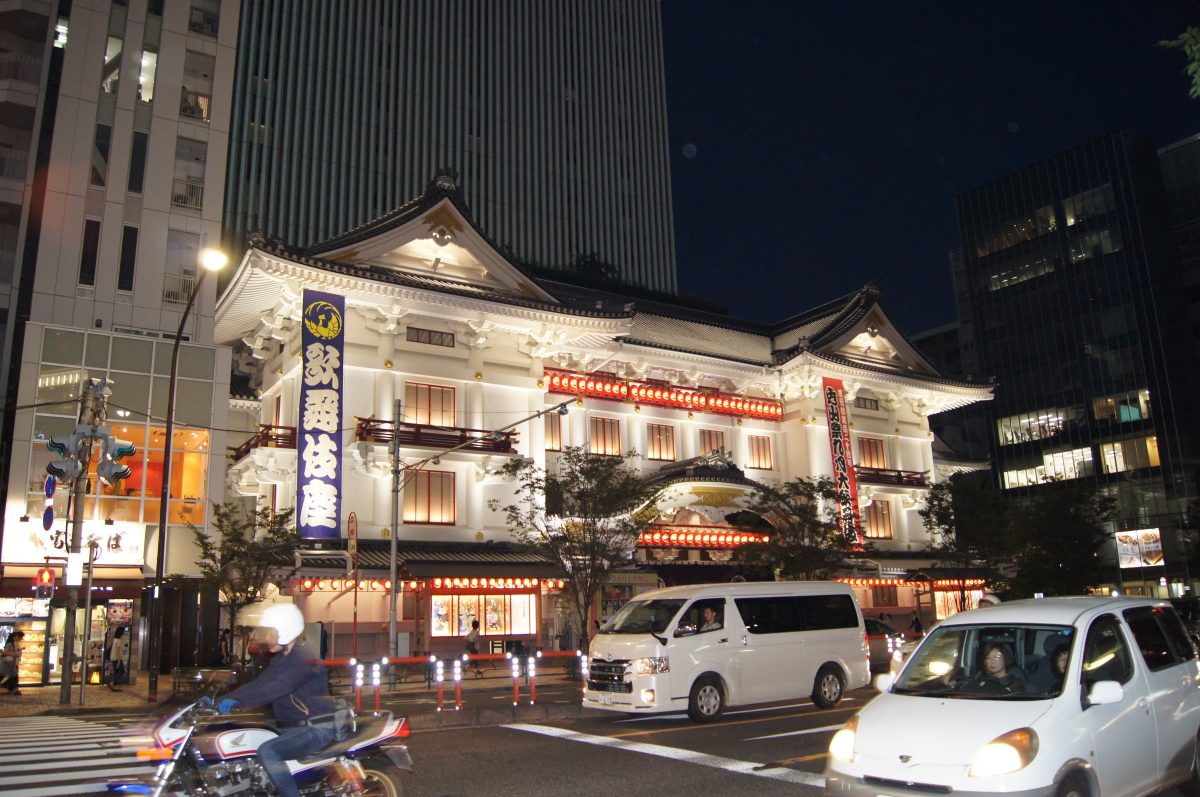
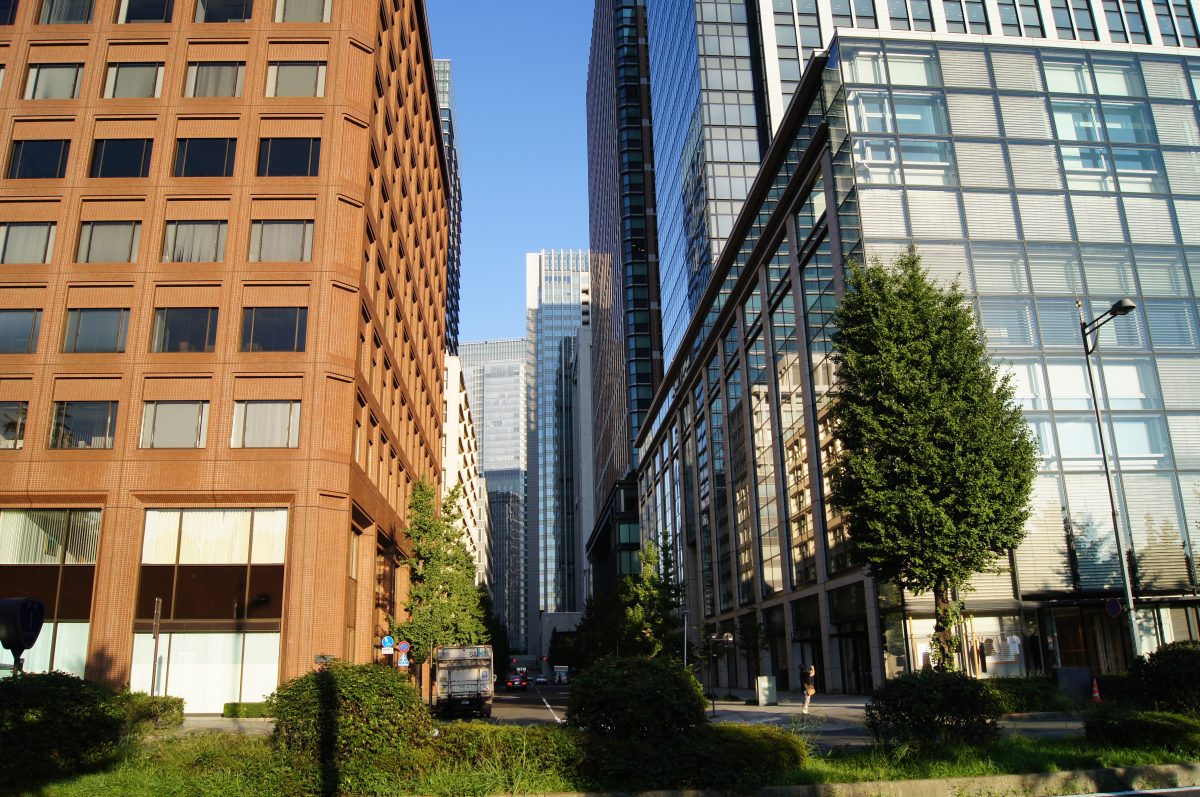
Ginza is for you if you actively want polished shopping streets and department stores. If youth fashion is more your thing, look at Harajuku instead. But for most people I wouldn’t give Ginza a full day. Two to four hours is plenty unless shopping, galleries or a kabuki performance are the reason you’re there.
Then we carried on into Yurakucho for dinner under the brick railway arches. I wrote at the time that Yurakucho had a more relaxed and approachable atmosphere than Ginza. I had thick udon that I called “brilliant”, and Gary had katsu with rice and a curry sauce that was “gorgeous”.
That contrast is why I’d keep the two together. Our central Tokyo day pairs Ginza and Yurakucho with the Imperial Palace area. It suits an arrival day, or any day when you want central Tokyo without another trek across the city.
The west side: Shibuya, Harajuku and Shinjuku
Shibuya, Harajuku and Shinjuku are a few stops apart on the same JR line, so they look very neat together on a map. They can work as one day, and our west Tokyo day covers that route. Just don’t assume each one needs the same amount of time. Give any of them free rein and you won’t get to the other two.
Shibuya
The Shibuya crossing is worth seeing once. It also takes minutes.
On our first trip in 2015, Gary and I went to Shibuya with my cousin, crossed the junction and somehow ended up swapping cash for 2,000-yen notes. I also made a crack about who still listens to CDs. We came back briefly on 25 May 2019 to see the Hachiko statue before carrying on with our last day.
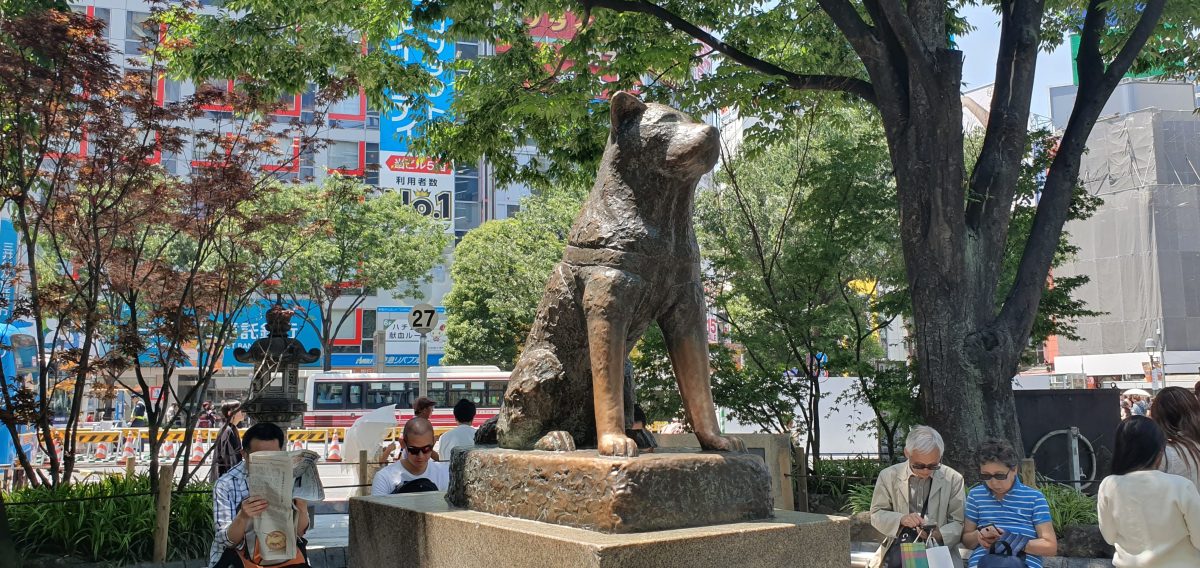
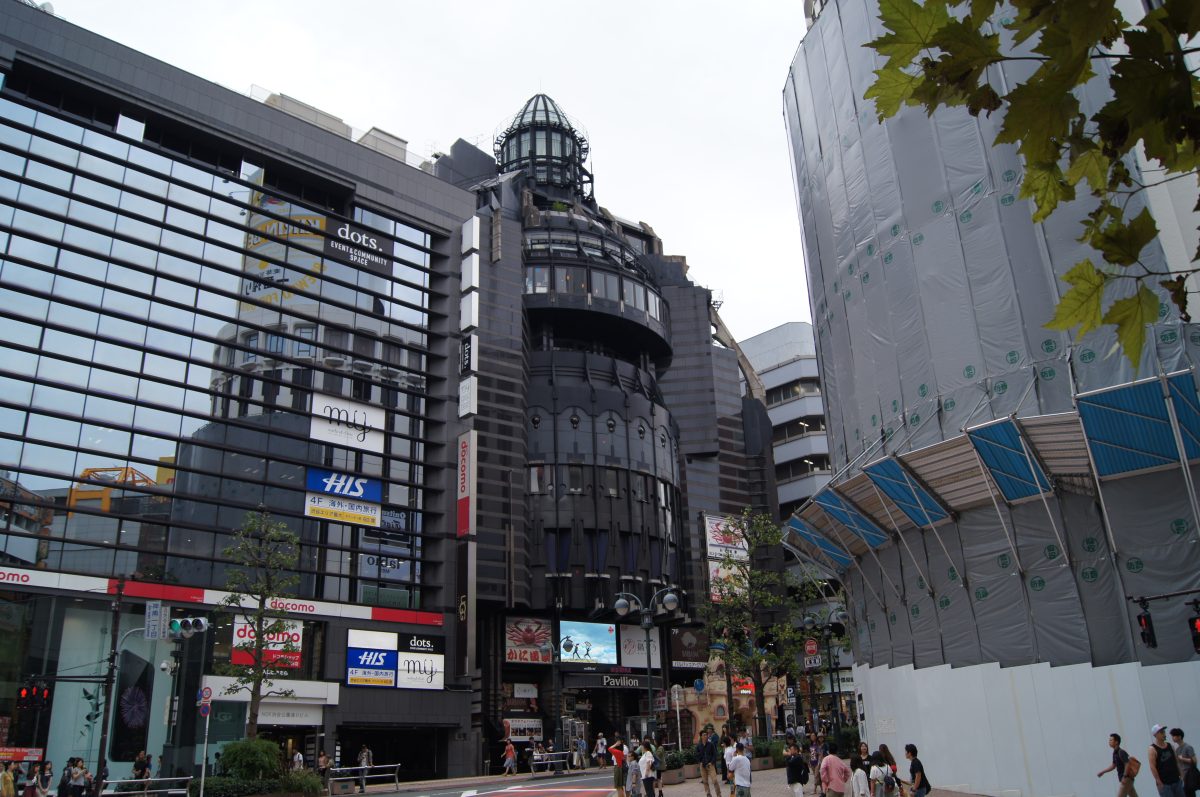
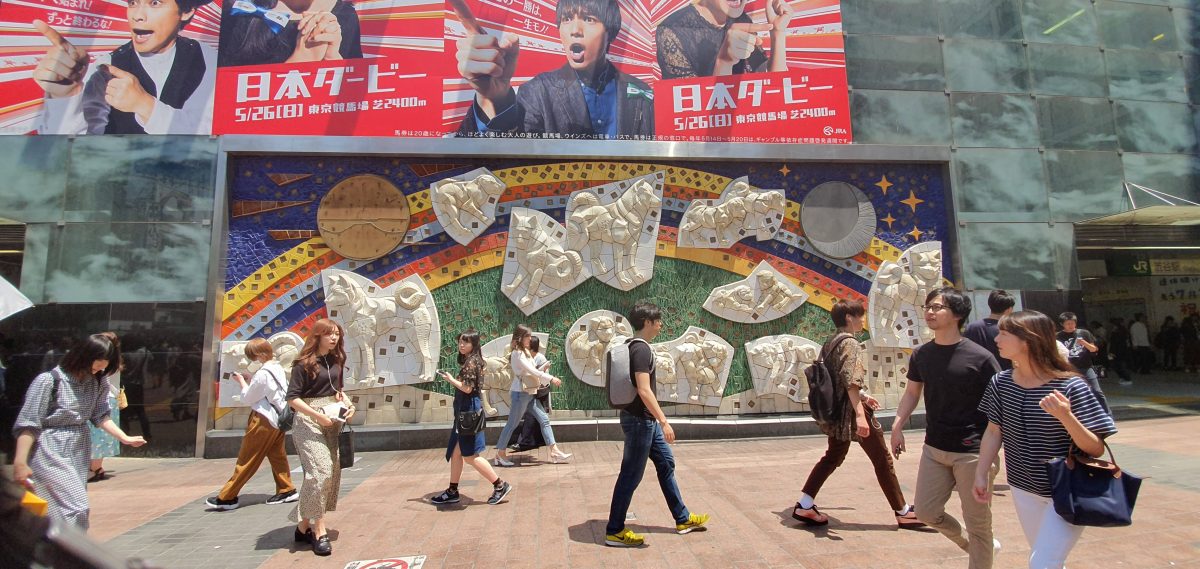
I wouldn’t give Shibuya itself half a day unless you want what surrounds the crossing. Shopping is the obvious reason. The other is a paid view. Shibuya Sky, the rooftop deck on top of Shibuya Scramble Square, opened after our last visit, so the Shibuya you arrive in isn’t quite the one we saw. We haven’t been up, and entry is by dated, timed ticket.
Otherwise, see the crossing, see Hachiko if that appeals, and carry on. Harajuku is one stop away.
Harajuku
Harajuku is where my advice gets less enthusiastic.
On our first visit in 2015 we bought a can of very sweet coffee from a vending machine, walked Takeshita Street and then carried on to Meiji Jingu. To be honest with you, Takeshita Street didn’t do that much for me that first time. I mean that specific experience, though, not every street around Harajuku Station, and I wouldn’t stretch it to Omotesando, Cat Street or the wider area.
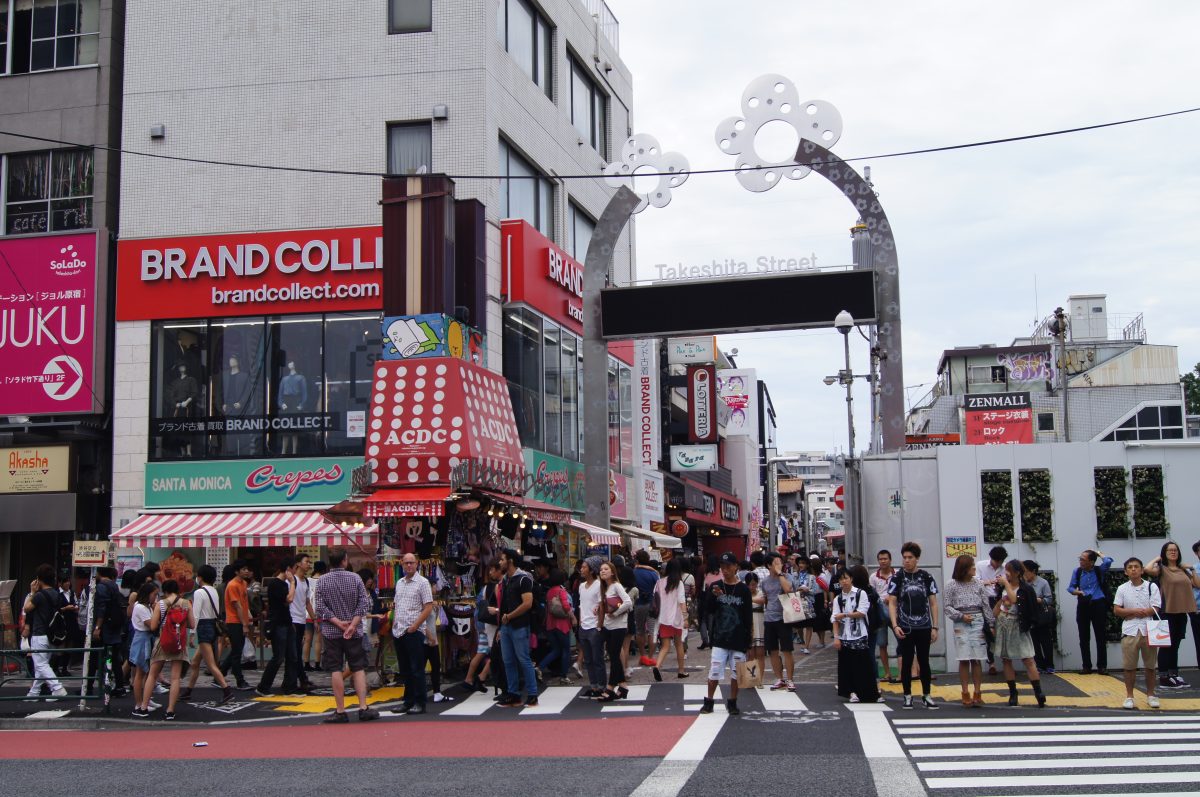
We went back on 23 May 2019. Lunch was at Kawaii Monster Cafe, where I had painter’s pasta and Gary ordered chocolate chicken (and yes, it really was chocolate). I described the place as “kind of like a maid cafe gone mad”. Dessert was at Cafe RonRon, where the sweets came round on a conveyor belt (Gary had seen it on an NHK programme). Then we walked Takeshita Street again and did purikura. We didn’t see anyone in cosplay.
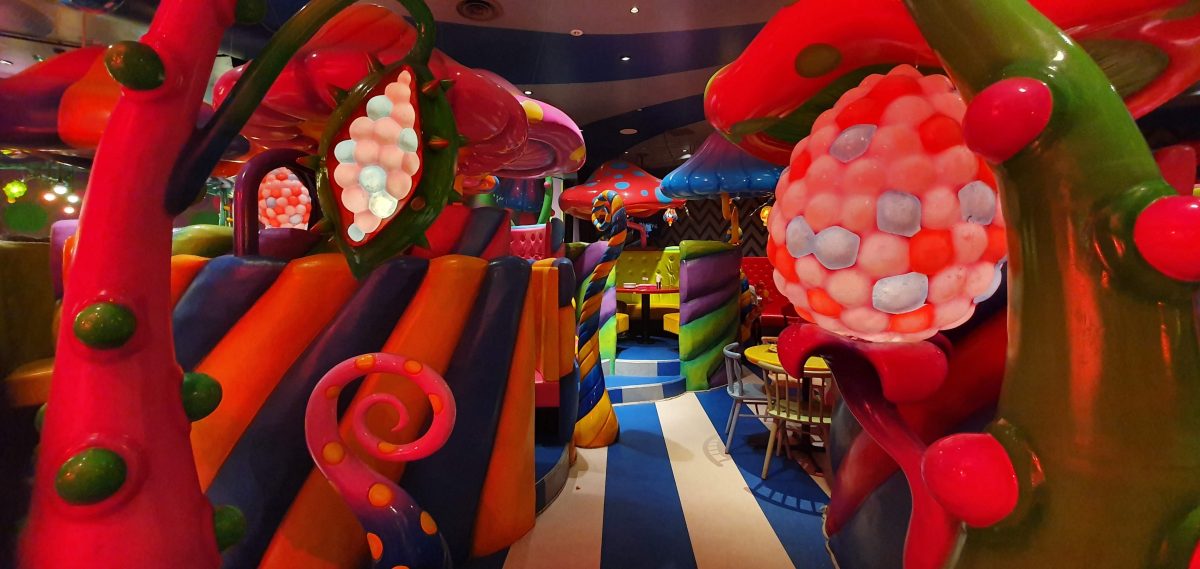
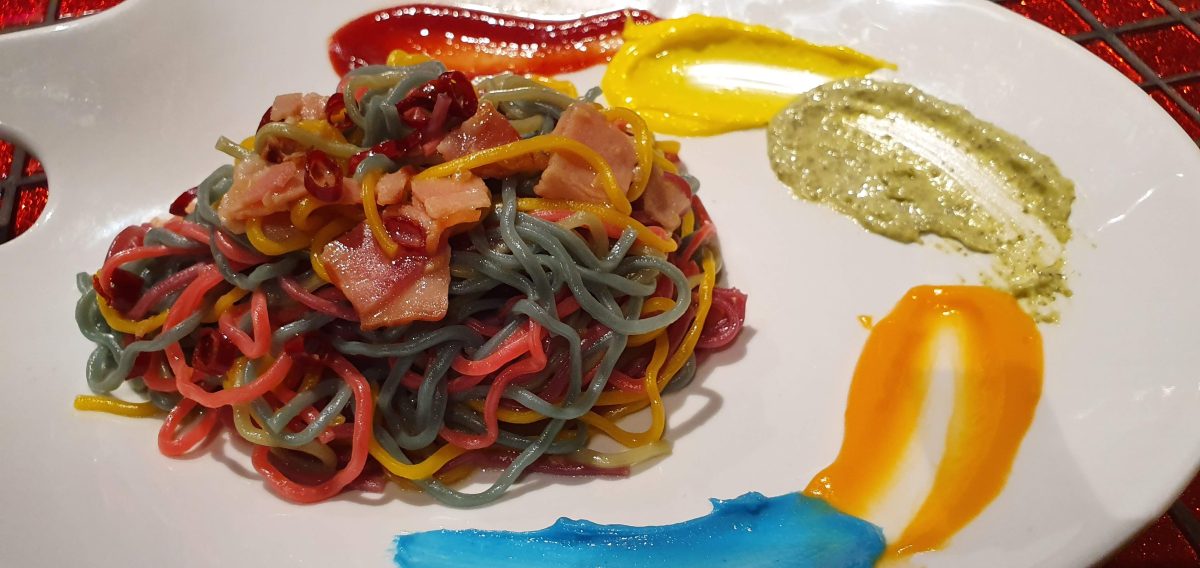
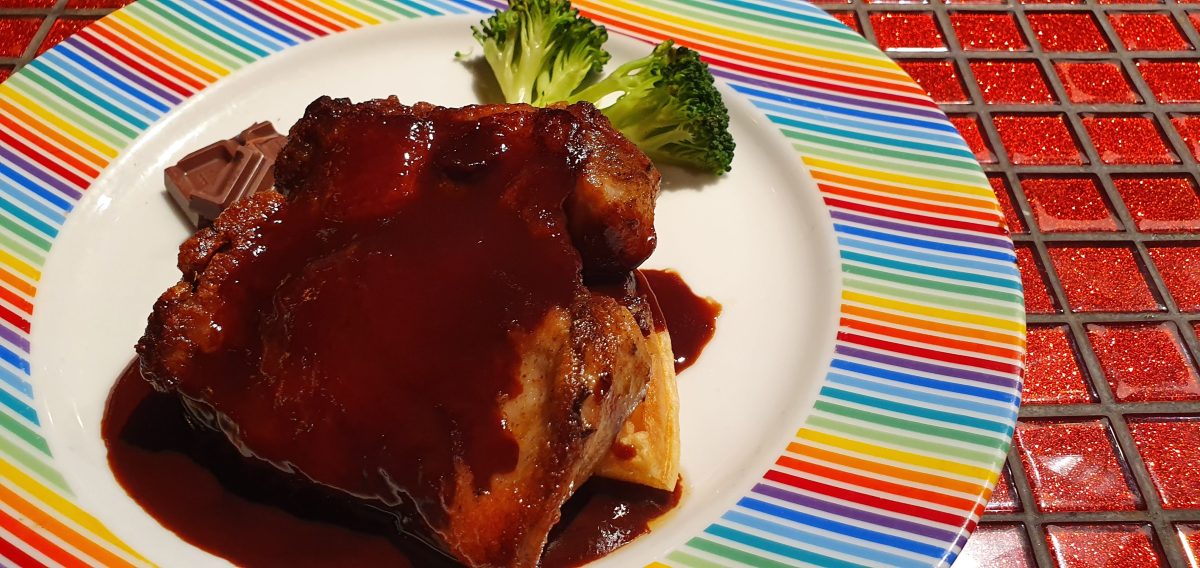
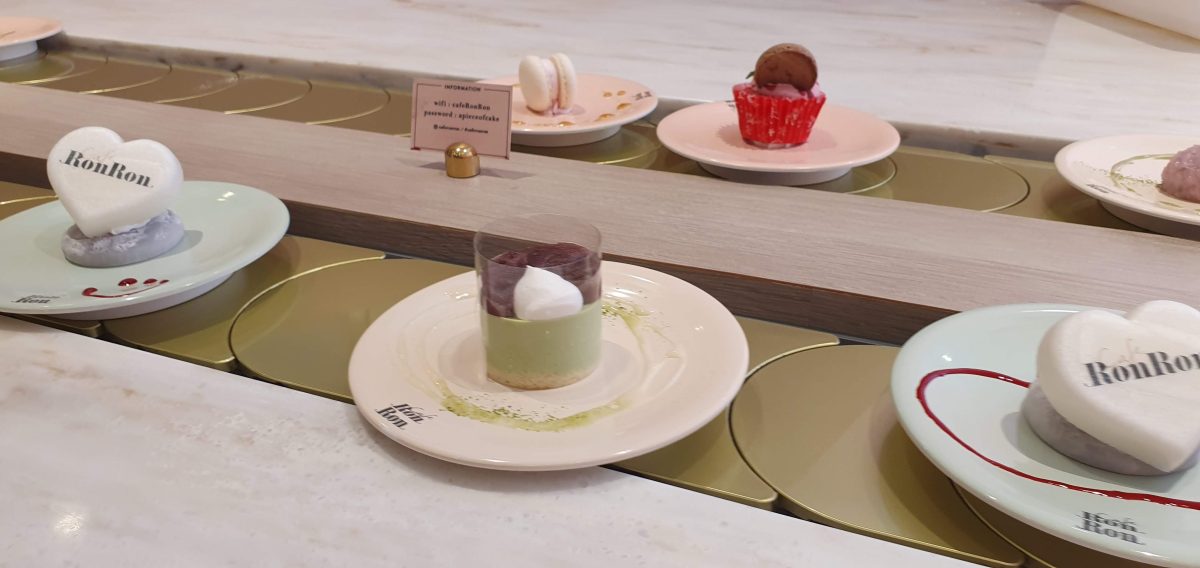
Kawaii Monster Cafe has since closed, so don’t use our 2019 afternoon as a current route.
If you’re picturing a guaranteed parade of elaborate costumes, I’d lower your expectations. I would go to Harajuku for a specific reason rather than because every first-time visitor is supposedly meant to see Takeshita Street. Purikura gets you a souvenir photo, shopping may give you a reason, and Meiji Jingu, right next door, is the strongest reason of all to be here. It’s a completely different kind of place.
If your list is already too long, though, I wouldn’t protect Takeshita Street just because it’s famous.
Shinjuku
Shinjuku is easier to plan once you stop treating it as one place. If you’re choosing between Shinjuku and Shibuya for modern Tokyo, Shinjuku gives you two distinct reasons to go rather than one famous junction. Our own visits split neatly between its west and east sides.
In 2015 we went west, to the free observatory at the Tokyo Metropolitan Government Building. Free makes it one of the easier skyline views to justify, especially if you’re also weighing up paying for Tokyo Tower or Tokyo Skytree. Just check which observation deck is open before you go. I wrote at the time that “you might even catch a glimpse of Mount Fuji on a good day (we didn’t)”. Cloud covered the view, so I’d treat Fuji as a bonus rather than the plan.
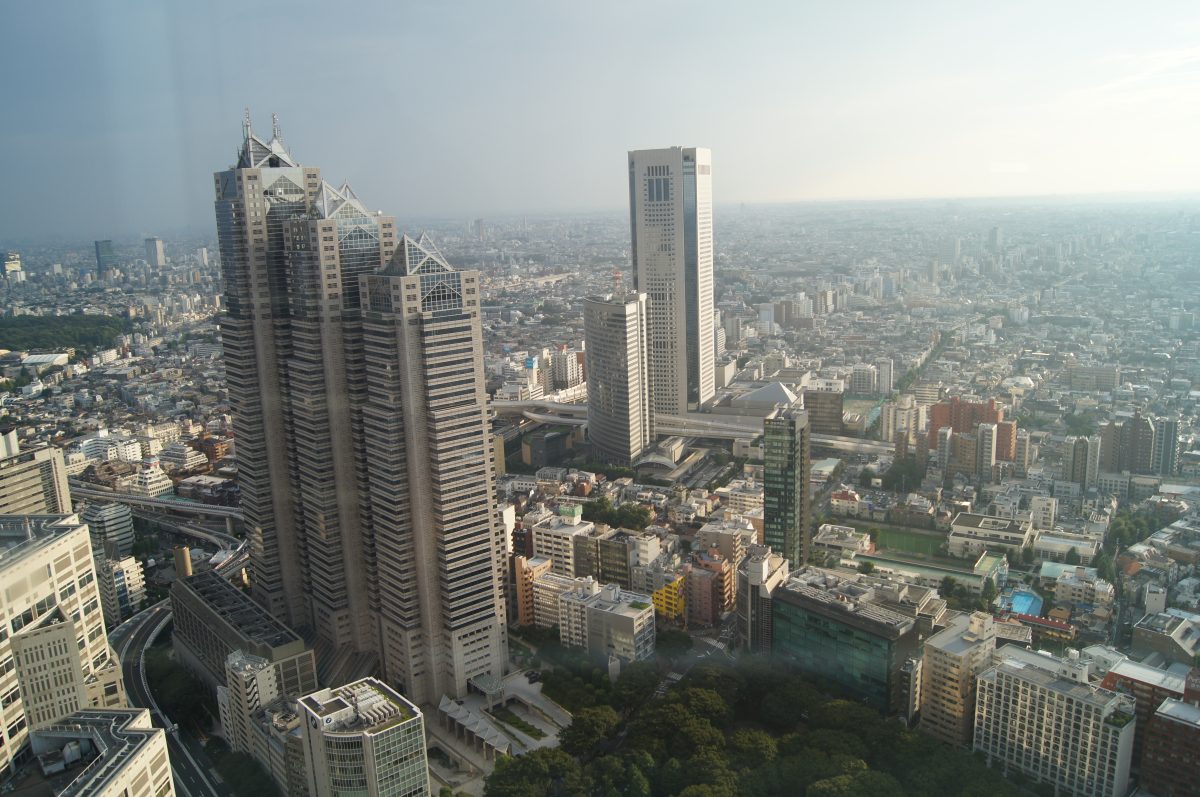
Then, on 23 May 2019, we saw the other side of Shinjuku at the Robot Restaurant in Kabukicho: lasers, dancers and robots. I summed it up at the time: “Is it a tourist trap? Yes 100%. Am I glad we went? Yes definitely.” I also called it “an assault on all your senses”. It has since closed, so that particular reason to visit east Shinjuku belongs to our 2019 trip.
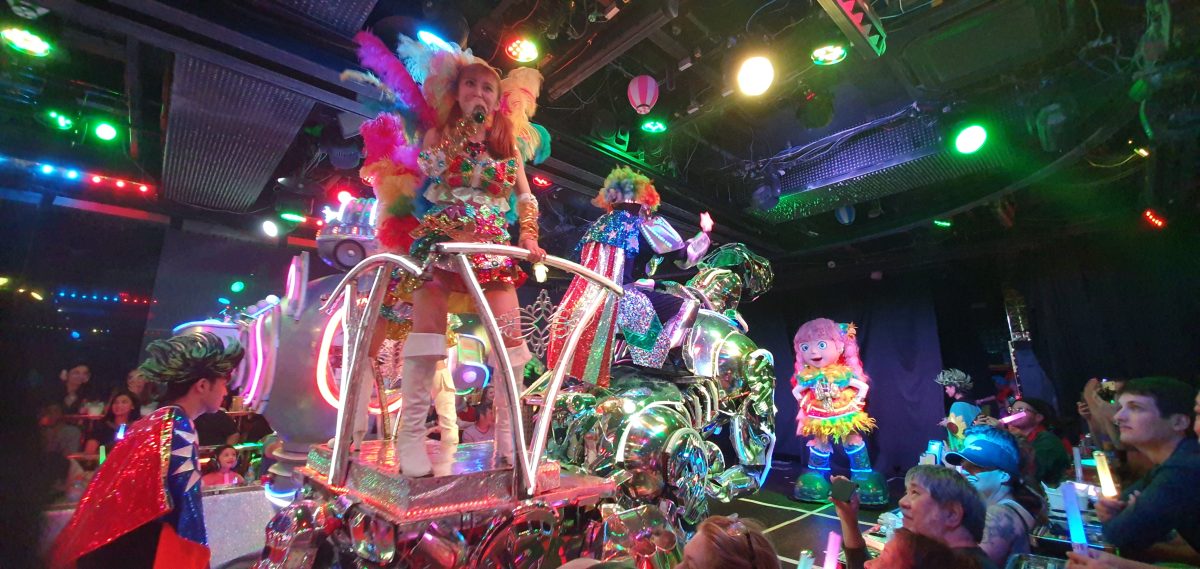
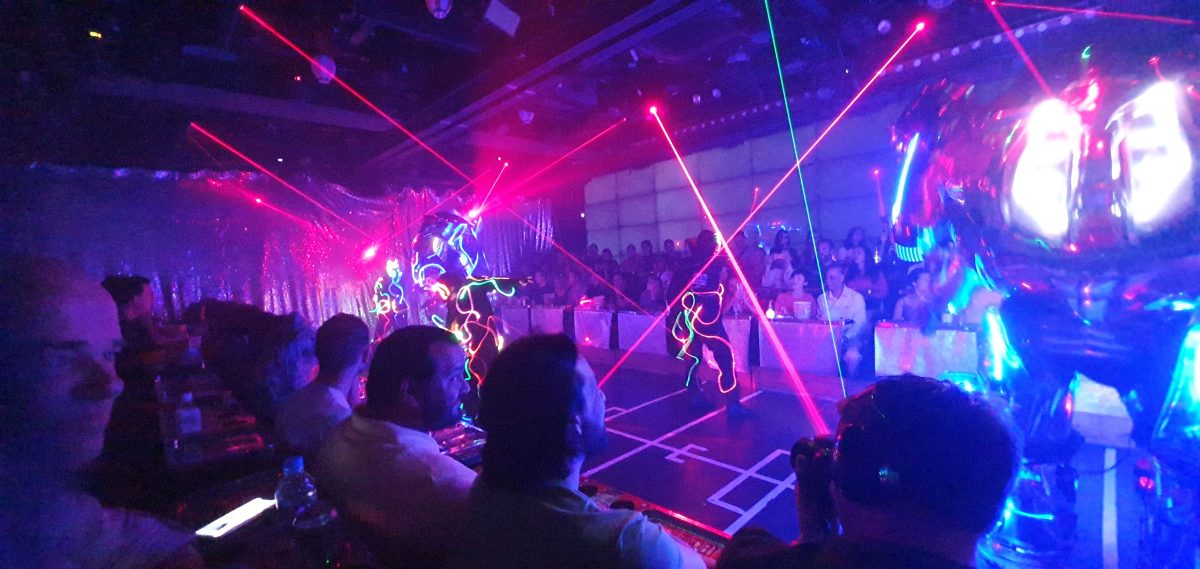
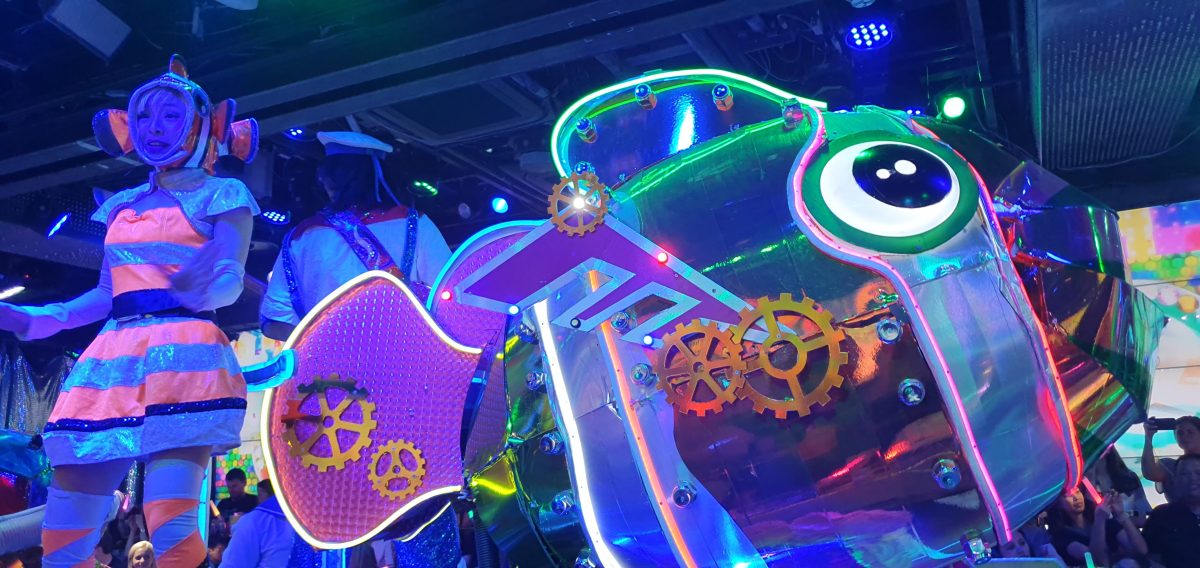
For a visit now, it still comes down to east or west. Go west for a free city view and the skyscraper district, or east if you want to spend your evening around Shinjuku’s food, shopping and entertainment streets. Pick your side before you leave the station, too.
Roppongi and Odaiba: modern Tokyo, then and now
Roppongi and Odaiba both fell on the same very long day for us, Thursday 21 September 2017. We walked 23,000 steps, but that included moving hotels to Asakusa, so it wasn’t 23,000 steps of Roppongi and Odaiba alone.
Roppongi
We only saw a small corner of Roppongi.
We were staying at the Ritz-Carlton Tokyo and had ended our Shibamata day there with cocktails on 20 September 2017. The next morning the sky was the clearest we’d ever seen it in Japan. We spotted Mount Fuji from the breakfast table at the hotel, then took a walk around Roppongi Hills. I described it at the time as “the Beverly Hills of Tokyo. Or so they say.”
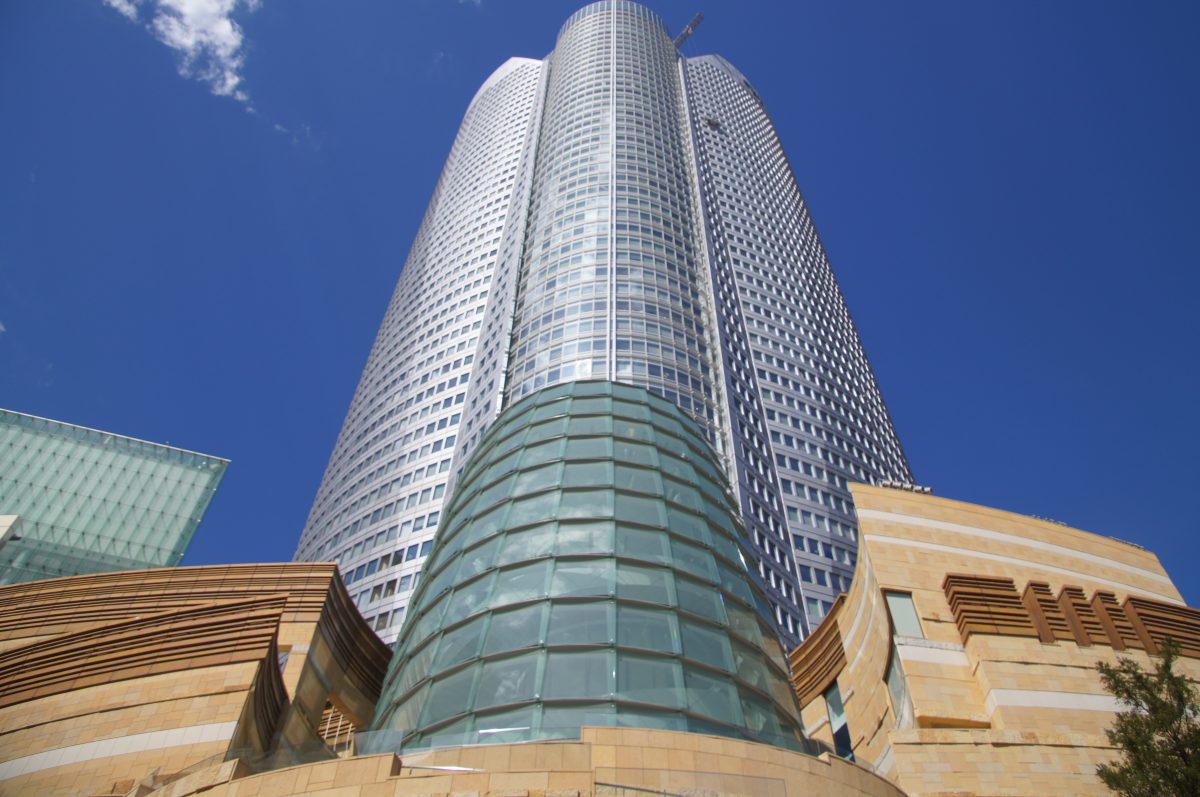
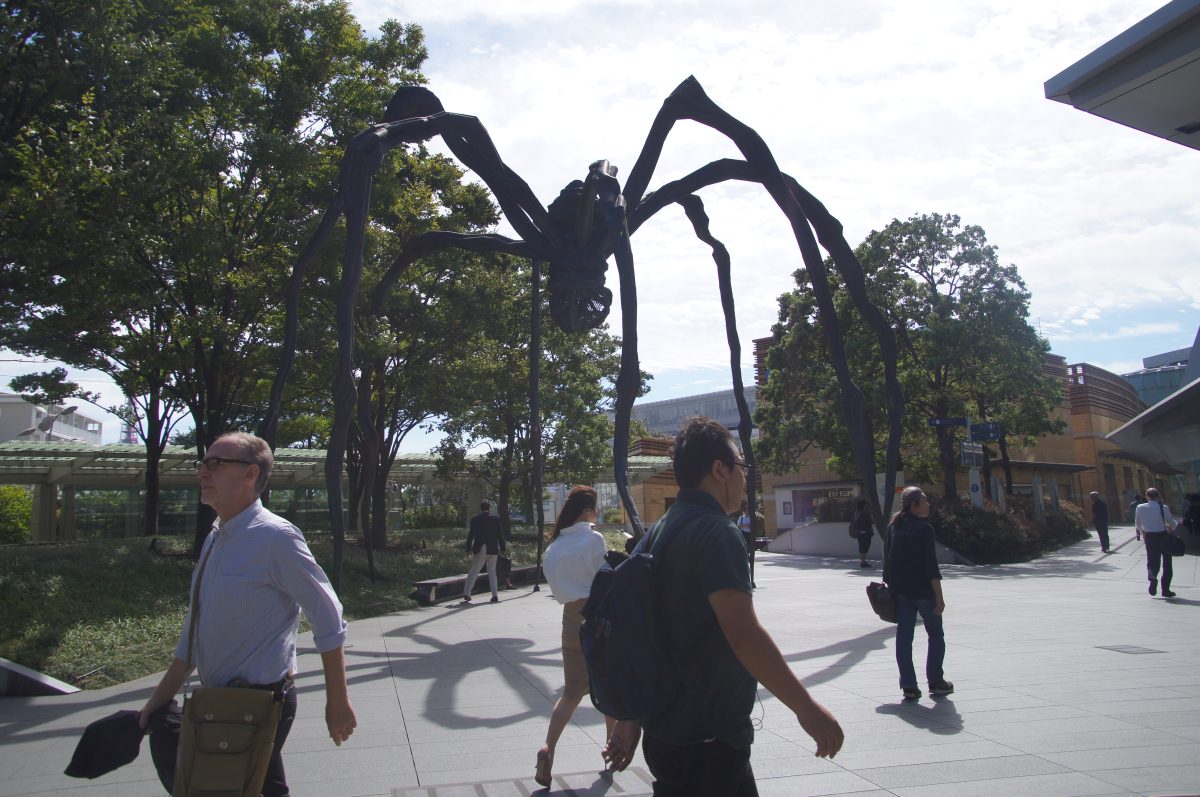
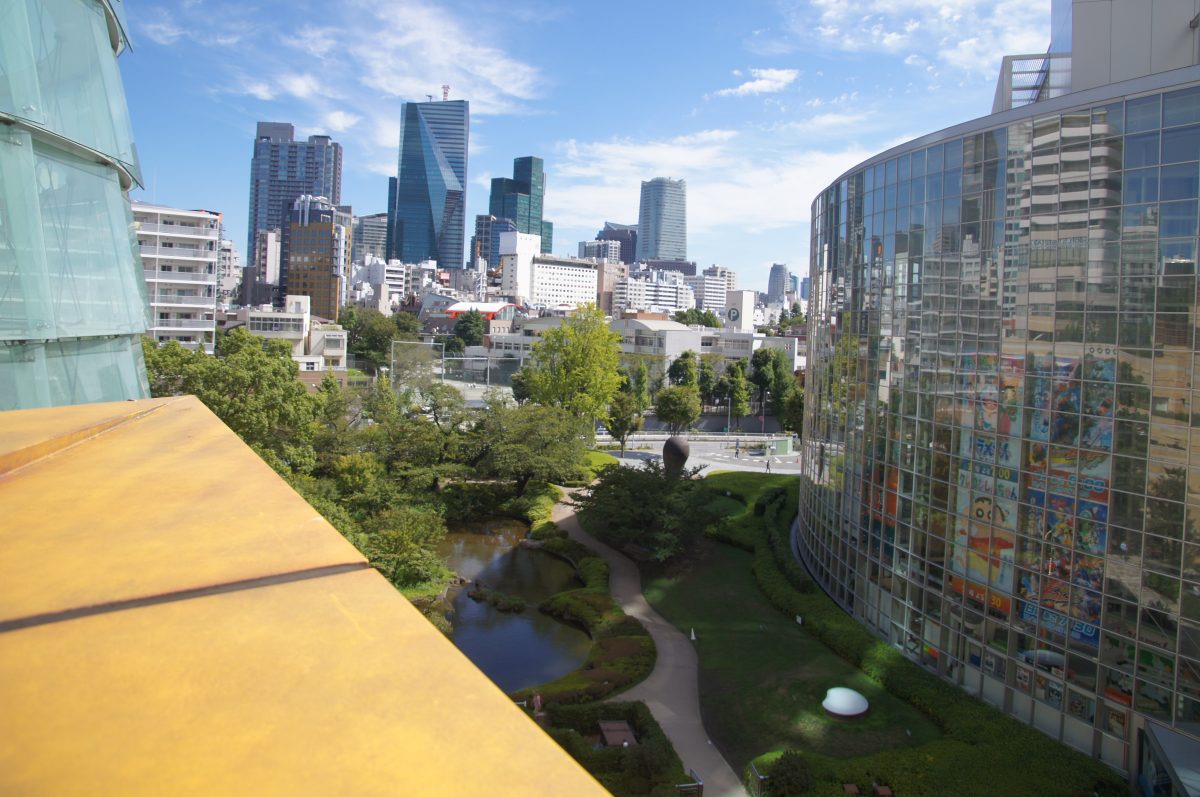
I’d keep that “or so they say”. Roppongi isn’t where I’d send you if you mainly want temples, older streets or the Tokyo we found in Asakusa and Shibamata. If modern architecture and high-rise Tokyo are what interest you, on the other hand, a couple of hours here is enough for the kind of visit we made. After that, carry on towards Tokyo Tower or fold it into a wider modern-Tokyo day.
Odaiba
Odaiba is where our experience needs the biggest then-and-now warning.
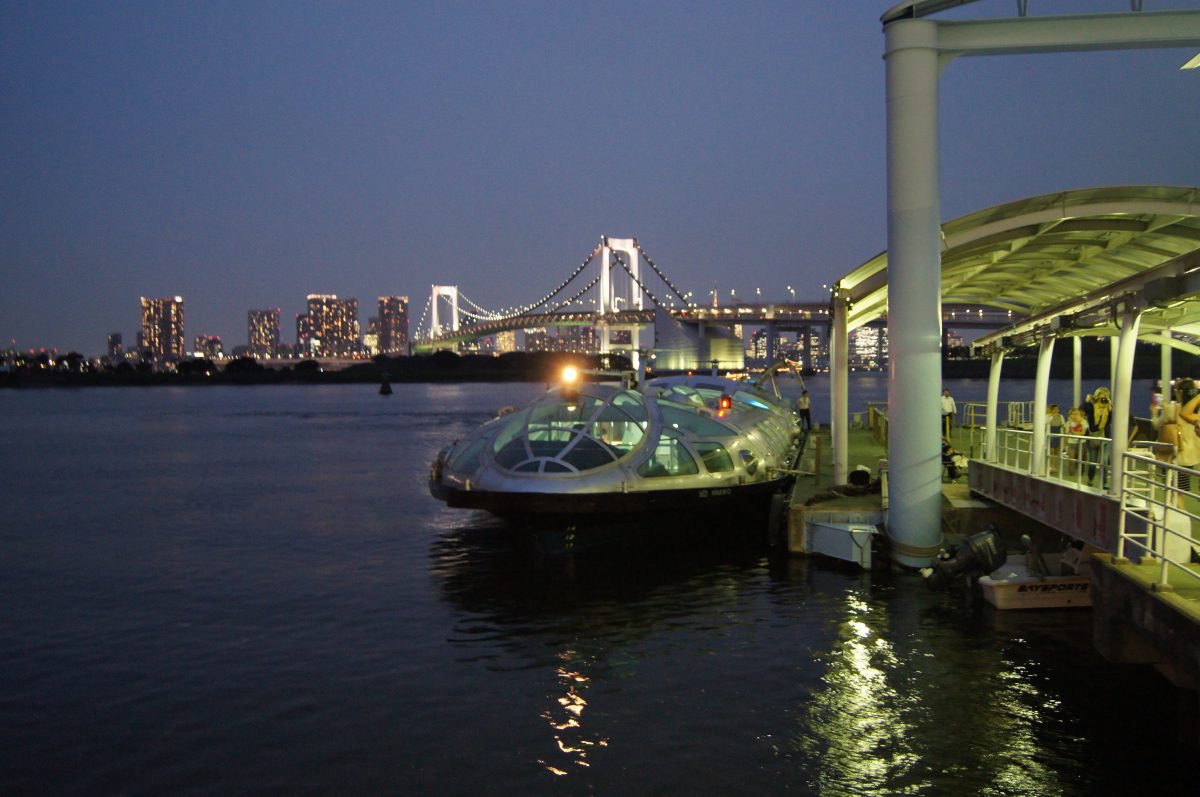
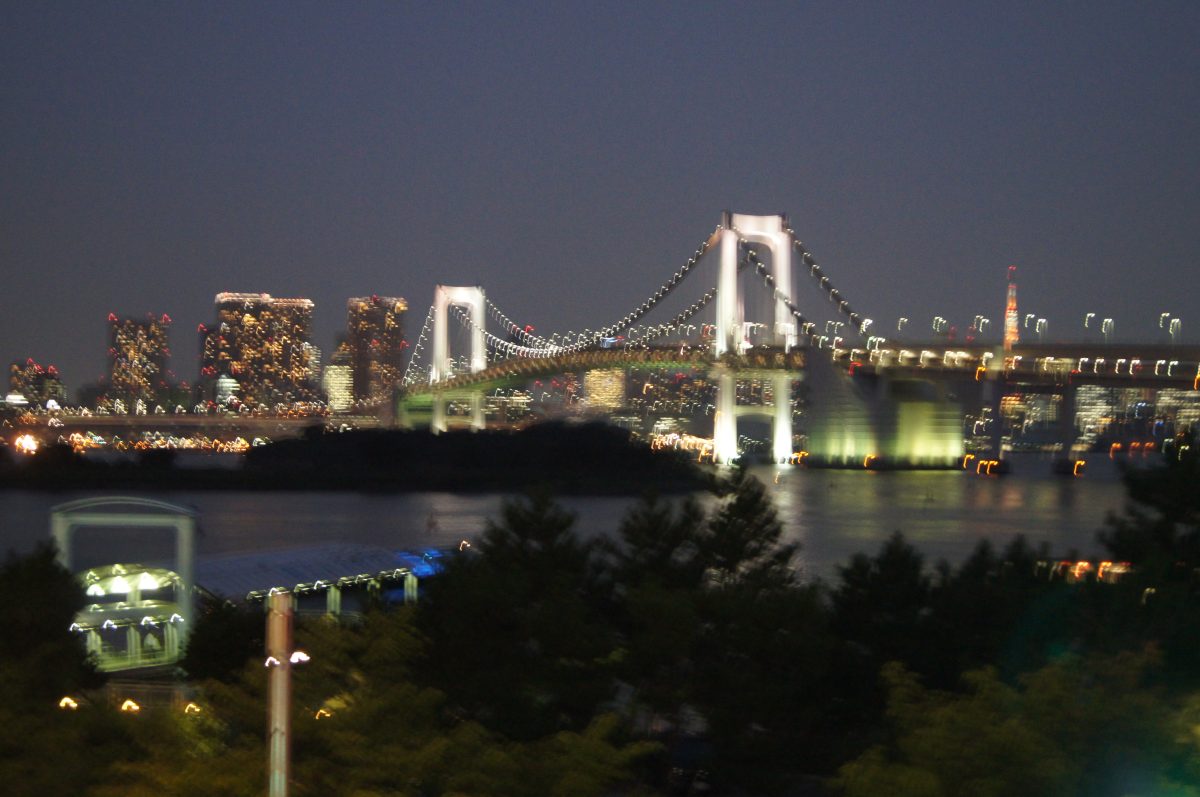
We first arrived by boat from Asakusa in 2015. As an architect, I noticed the planning: pedestrian walkways raised above the traffic and plenty of green space. The Yurikamome running through it all reminded me of the DLR around Canary Wharf. We also found the giant Palette Town Ferris wheel tricky to track down. That problem has since solved itself, as the wheel closed in 2022.
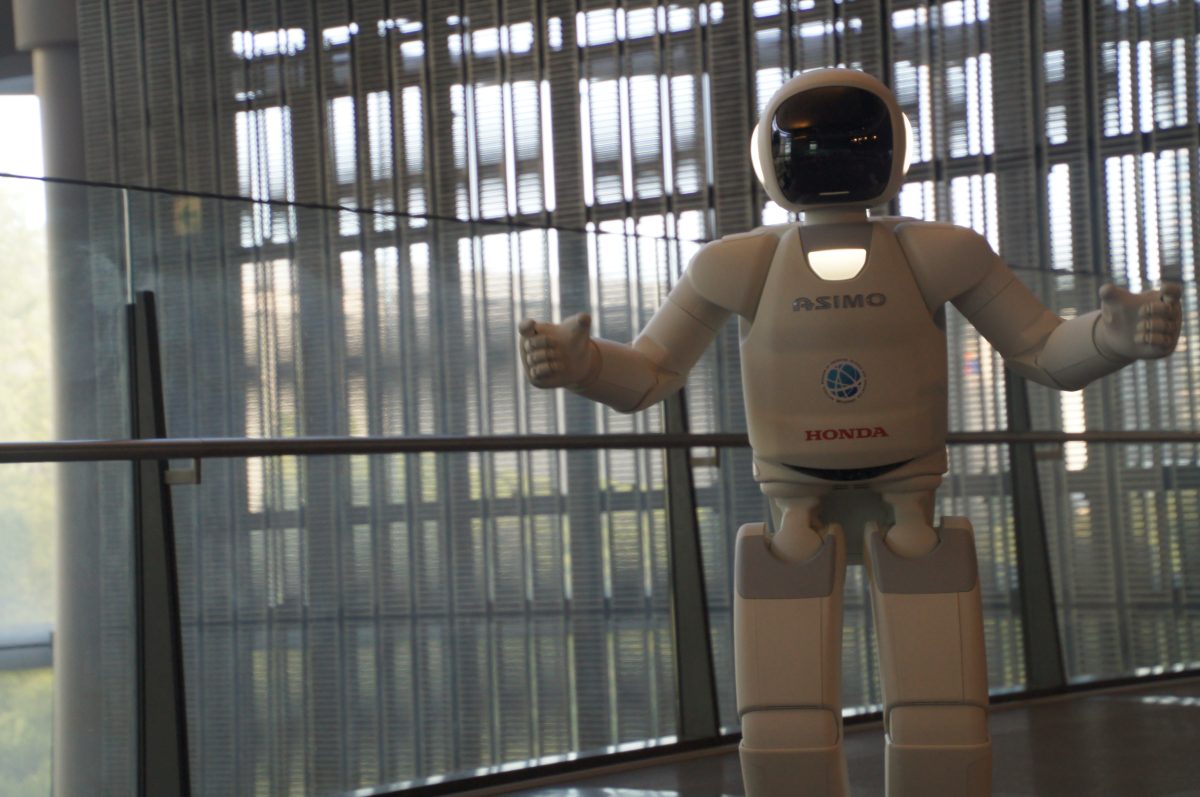
When we returned on 21 September 2017, we went to Miraikan, the National Museum of Emerging Science and Innovation, and were lucky enough to catch an ASIMO demonstration. ASIMO’s demonstrations ended in 2022, Palette Town as a whole has closed, and teamLab Borderless has moved to Azabudai Hills.
So is Odaiba still worth giving limited Tokyo time to?
On a first trip, I’d call it optional. The boat from Asakusa and a waterfront evening are the reasons I’d consider it now. Miraikan would normally strengthen the case, but the whole museum closes for refurbishment on 1 October 2026 and is due to reopen on 23 April 2027. If your trip falls in that window, it’s off the table. After that, check its current information before you build a day around it.
I wouldn’t write Odaiba off, but I wouldn’t go on the strength of an old list of attractions either.
Slower Tokyo for a second visit: Shibamata and Nakameguro
Shibamata and Nakameguro were both new to us on later Tokyo trips. Neither is about collecting major landmarks, which is exactly why I would save them for a second visit, once the headline sights are done.
Shibamata
We went to Shibamata on 20 September 2017, mainly because Gary is a huge Tora-san fan. He was terribly excited, giddy in the Tora-san Museum, and came away with a T-shirt. The museum has full sets from the films, so if you know the series, the appeal is obvious.
If you’ve never seen a Tora-san film, that part won’t mean much – but Shibamata still has a strong case, and for me it was Taishakuten.
After the museum we stopped at a Japanese teahouse, then carried on to Taishakuten and the old shopping street. The approach is particularly well known for its food, but it was the temple carvings that stopped me. As I put it at the time, “I have never seen such beautiful woodcarvings.”
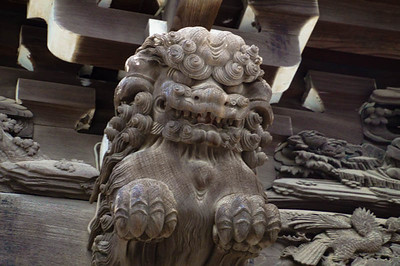

So if you’ve never watched the films, that’s why I’d still send you. You don’t need the cinema connection to appreciate the work in the carving gallery. If Tora-san means nothing to you, I’d skip the museum and put your time into the temple, the carvings and the street instead.
Asakusa is where I’d send you for older Tokyo on a first trip. Shibamata is further out and asks more of your time: around three to four hours once you’re there, plus travel. That’s hard to justify on a short first visit when you’re still choosing between Asakusa, Ueno and the west side. On a repeat trip, it’s a different story.
And just to be clear, Shibamata is in Katsushika, inside Tokyo. It isn’t a day trip from Tokyo. If you want to leave the city for the day, our day trips from Tokyo cover those options. Our full Shibamata guide has the detail on the temple, the Tora-san connection and getting there.
Nakameguro
We went to Nakameguro on 22 May 2019, well outside cherry-blossom season. That makes our visit rather useful if you’re wondering whether there’s any point going when the Meguro River isn’t covered in pink. There is, but you’d be going for a different reason.
I called Nakameguro a “very hipster trendy area of Tokyo” at the time. What we found were retro shops, bike shops, cafés and bookshops, then dinner at Seirinkan, which we’d seen on Ugly Delicious. We turned up as the doors opened and there were already lots of other people there. Afterwards we walked back along the river.
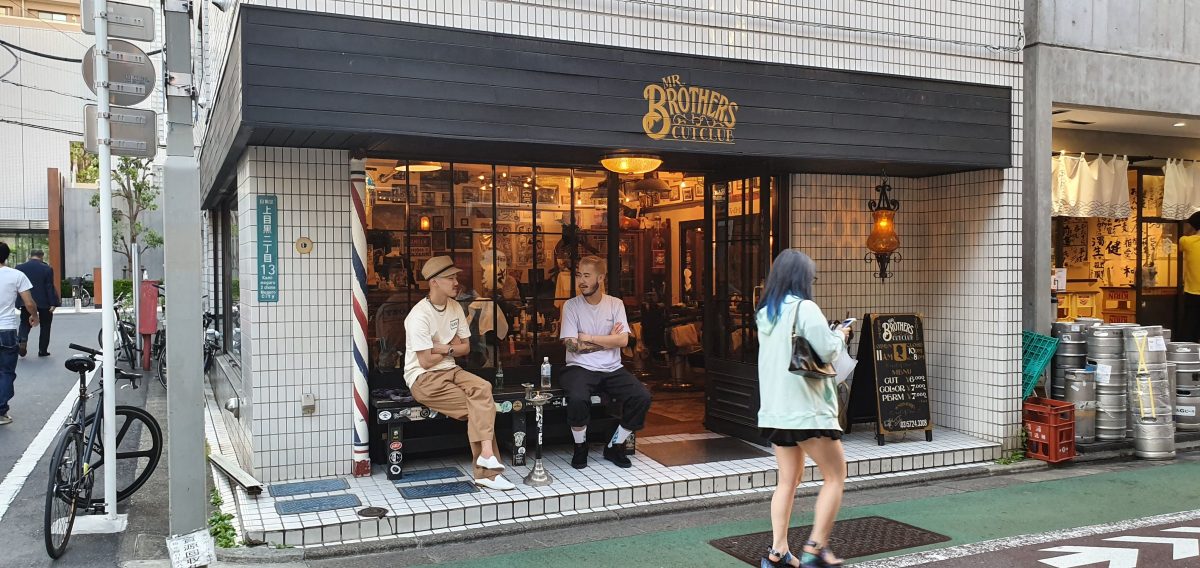
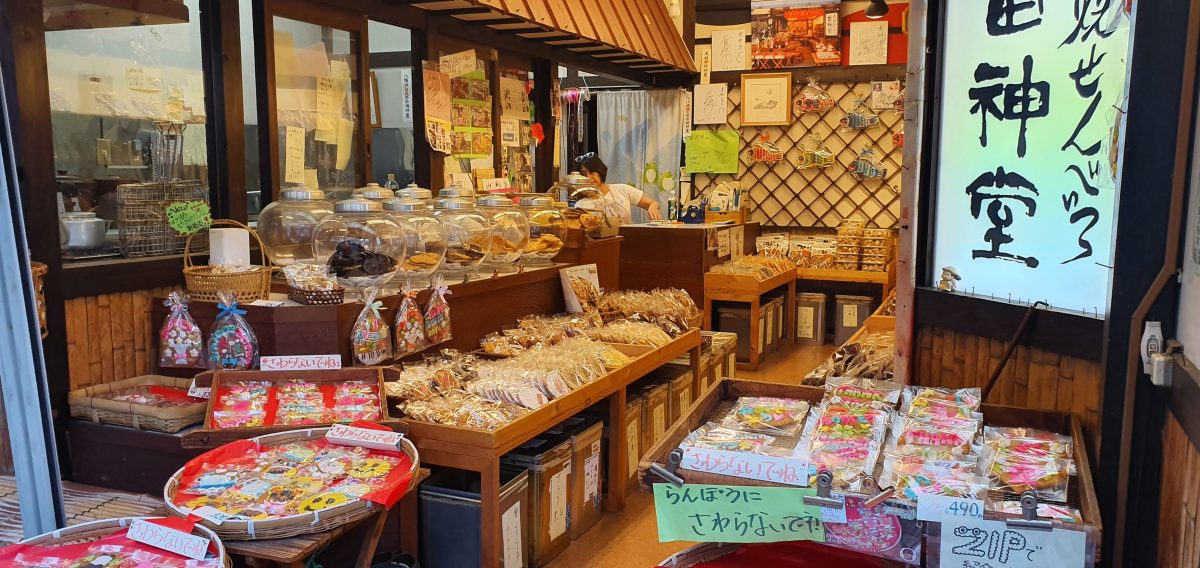

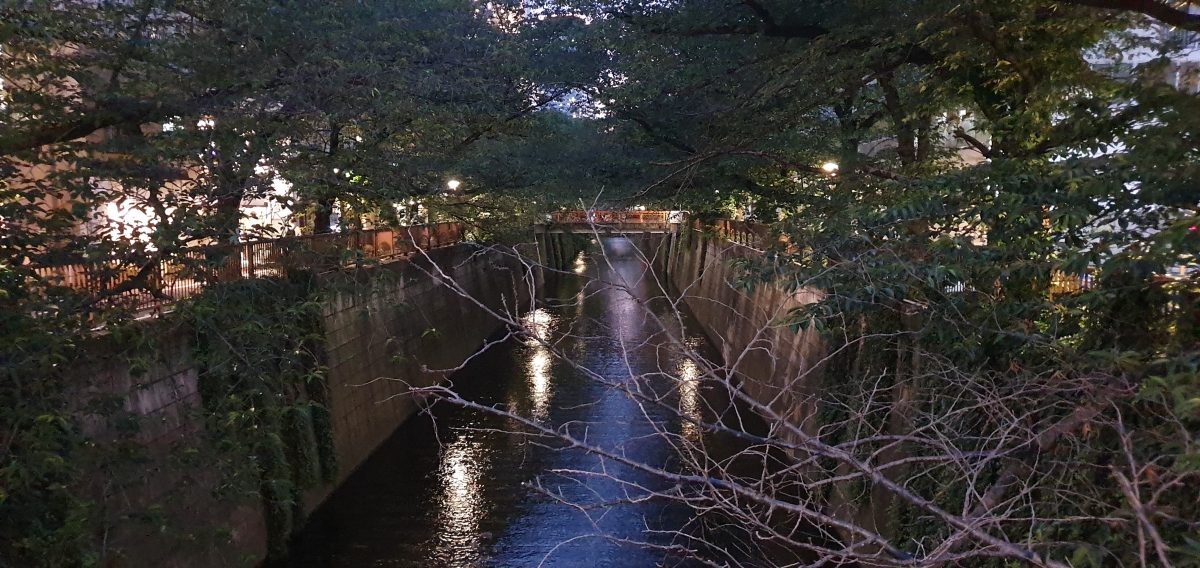
Blossom season changes the place completely, and that’s a separate decision. If this is your first Tokyo trip and you only have three days, I wouldn’t give up Asakusa or Ueno for it. There aren’t enough headline sights here to make that trade sensible. But if you’ve been to Tokyo before, or you’ve deliberately kept an afternoon free to browse rather than sightsee, Nakameguro works very well. Give it two to four hours and make dinner part of the plan.
Our full guide to Nakameguro outside cherry-blossom season has more on what we found there.
Which neighbourhoods fit together in one day?
Tokyo gets a lot easier once you stop treating every neighbourhood as a separate trip.
| Pairing | Why it works |
|---|---|
| Ueno + Asakusa | Museums or the park first, then Senso-ji and Nakamise. |
| Skytree + Ryogoku | A skyline view, the city’s history and possibly sumo. |
| Tsukiji + Akihabara | Food first, then Electric Town for the afternoon. |
| Imperial Palace + Ginza + Yurakucho | A central route that ends with dinner under the arches. |
| Shibuya + Harajuku + Shinjuku | They sit together on the west side, but cut one if the day gets too full. |
| Shibuya + Nakameguro | The busier sightseeing first, then Nakameguro for browsing and dinner. |
Our getting around Tokyo guide covers the transport side once you’ve chosen your areas. And if your real question is where to base yourself rather than what to explore, keep that as a separate decision. Our guide to where to stay in Tokyo is built around six hotels we stayed in.
Things we did that you can’t do any more
Some of what we did in Tokyo simply isn’t there any more.
We went to the Robot Restaurant in Shinjuku in May 2019, and on the same trip we had lunch at Kawaii Monster Cafe in Harajuku. Both have since closed.
In 2015 we struggled to find the Palette Town Ferris wheel in Odaiba. It closed in 2022.
And in 2017 we caught an ASIMO demonstration at Miraikan. Those demonstrations ended in 2022, and the museum itself closes for refurbishment on 1 October 2026 and is due to reopen on 23 April 2027.
Tokyo had already changed noticeably between our first and third visits. By 2019 I was remarking that English had “drastically improved” and that there were far more Western visitors than in 2015, when we’d “stood out like a sore thumb”. So if you’re working from an older Tokyo itinerary (ours included), check what’s still there before you plan a day around it.
Where we’d send you first
For a first Tokyo trip, I would build around Asakusa and Ueno and give the Shibuya–Harajuku–Shinjuku side of the city a day. Then let your own interests choose the rest. Akihabara if games and Japanese pop culture sound fun, Ginza and Yurakucho if you’d rather browse central Tokyo and end with dinner, or Ryogoku if sumo or the city’s history matters more to you than shopping.
On a second visit, I’d give Shibamata and Nakameguro the time they deserve instead of squeezing in another big sight. Nobody needs to see all twelve on one trip. On the last day of our third visit I wrote, “You can never get bored of Tokyo.” Which is exactly why it’s fine to leave some of it for next time.
For help putting those choices together, start with our 5-day Tokyo itinerary or the wider Japan travel guide.
Have you been to Tokyo? Which neighbourhood would you give a spare afternoon to? Comment below and let us know!