Yokohama is one of the easiest day trips from Tokyo, but ours was not planned at all. We were meant to visit Nikko. Then a typhoon began heading towards Japan, the forecast deteriorated and we decided that travelling two hours north to spend a day among forested shrines might not be our cleverest idea.
So we postponed Nikko and improvised. We visited Shiba Park and Tokyo Tower in the morning, then took the train to Yokohama for the Shin-Yokohama Ramen Museum and a wet wander around the city. It rained. A lot. But we made the most of it.
Our Yokohama visit was therefore closer to a half-day excursion than a polished dawn-to-dusk itinerary. I am not going to rearrange it into a suspiciously perfect schedule nearly a decade later. Instead, this guide shows you what we actually did, what worked in poor weather and how I would turn the same idea into a fuller Yokohama day trip now.
Practical information in this guide was checked against official sources on 25 September 2026. Prices from our September 2017 visit are labelled as historical.
Yokohama day trip from Tokyo at a glance
| Best for | Food, an easy change of scenery, modern waterfront architecture and a flexible day outside Tokyo |
|---|---|
| Allow | Half a day for the ramen museum and a short wander; a full day if you add the waterfront and Chinatown |
| Journey | Official tourism guidance lists about 25 minutes from Tokyo Station, 16 minutes from Shinagawa and 25 minutes from Shibuya to Yokohama; allow another local journey for Shin-Yokohama |
| Our main stop | Shin-Yokohama Ramen Museum |
| Weather | A useful wet-weather alternative, although you will still spend some time outside |
| Biggest planning trap | Confusing Shin-Yokohama Ramen Museum with CUPNOODLES MUSEUM YOKOHAMA |
| Our verdict | Easy, enjoyable and particularly good when food matters more than ticking off major landmarks |
Is Yokohama worth a day trip from Tokyo?
Yes, if you want a relaxed urban excursion rather than mountains, temples or an elaborate transport loop. Yokohama is close enough to Tokyo that you do not need a painfully early start, yet its port history, waterfront and food attractions give the day its own identity.
The Port of Yokohama opened to international trade in 1859, after the settlement had been little more than a fishing village. That contact shaped the city which grew around it, and it is still part of why Yokohama feels different from inland Tokyo. The broad waterfront and red-brick buildings are the obvious visual clues; Japan’s largest Chinatown and the city’s food museums make the international influence rather easier to eat.
But I would not choose Yokohama over every other excursion. Pick Kamakura for temples and the coast, Kawagoe for merchant streets and sweet-potato treats, Hakone for an onsen and a varied mountain loop, or Lake Kawaguchiko if seeing Mount Fuji is the priority. Yokohama wins when you want an uncomplicated day with good food and plenty of freedom to change your mind.
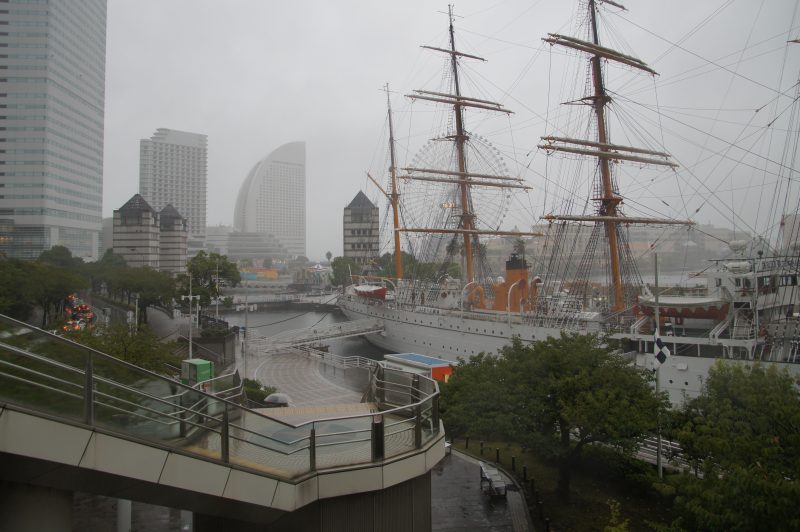
Our real Yokohama day trip from Tokyo
We visited on 17 September 2017, at the beginning of our second trip to Japan. We were staying at Shiba Park Hotel, with Tokyo Tower almost on the doorstep, and had intended to travel to Nikko that morning.
The approaching typhoon changed that. Nikko moved to the following day and Yokohama became our more flexible replacement. It was a sensible decision, although our insistence on going sightseeing at all perhaps says something about our inability to sit quietly in a hotel room.
1. Shiba Park and Tokyo Tower
We began close to the hotel with Shiba Park and Tokyo Tower. These are not part of Yokohama, so you do not need to copy this section of our day. For us, however, they made sense: both were nearby and gave the weather a little time to reveal whether travelling farther was sensible.
2. Shin-Yokohama Ramen Museum
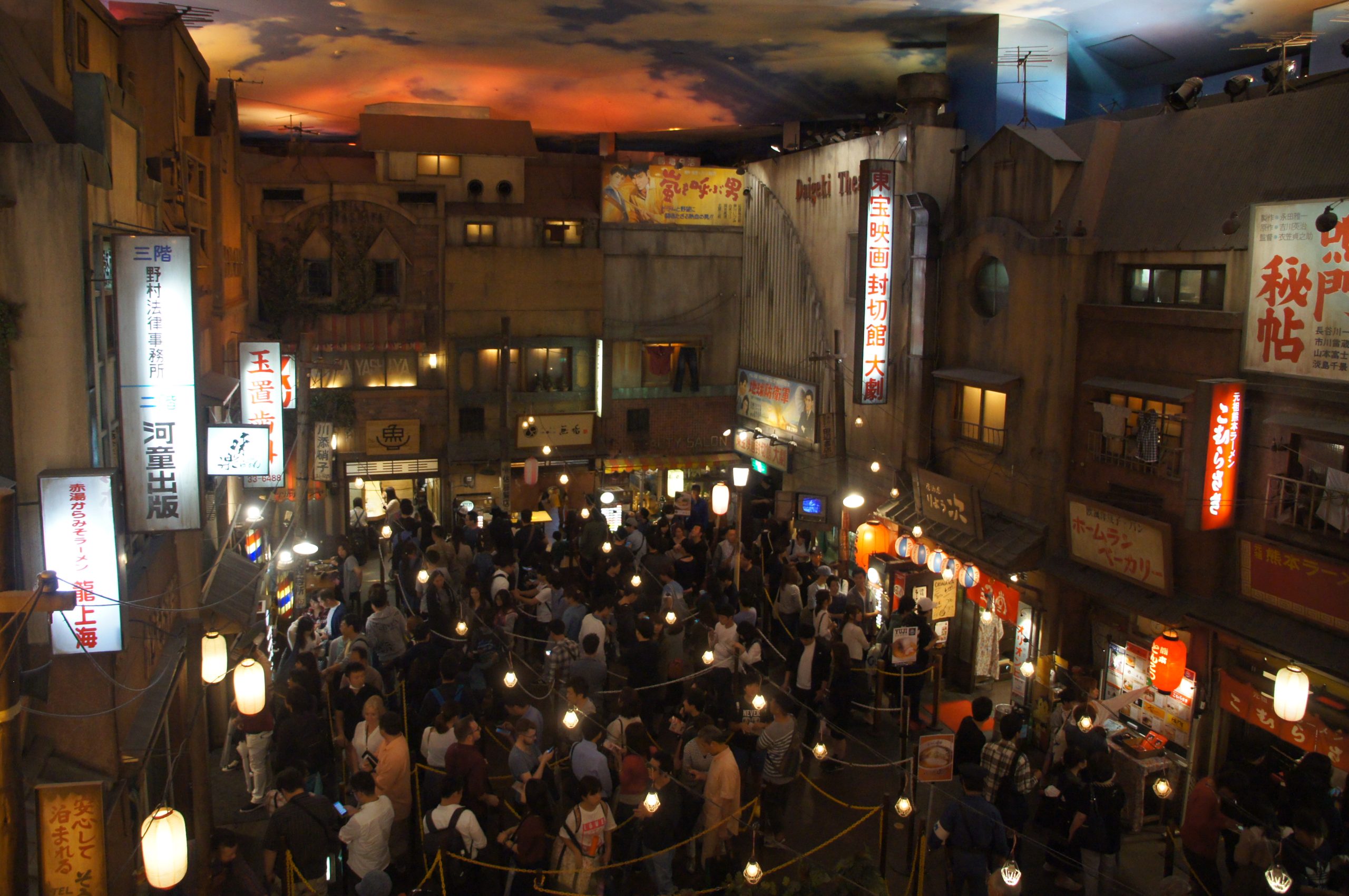
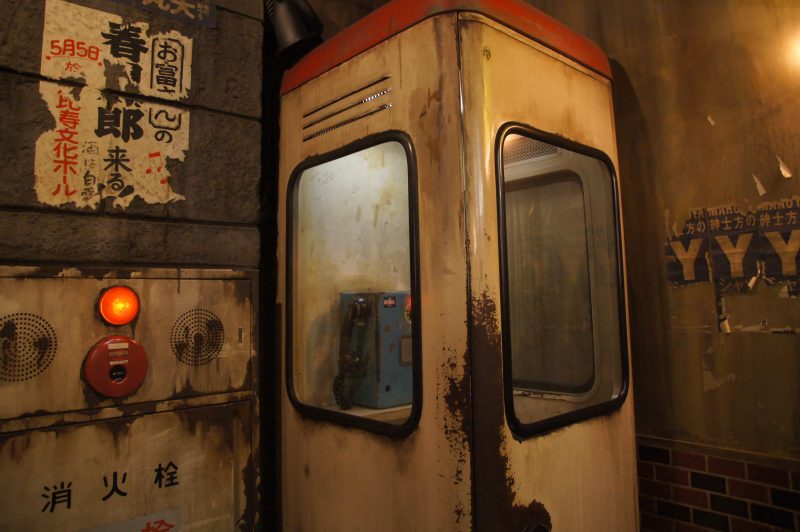
The Shin-Yokohama Ramen Museum was the main reason we went. Despite the name, it’s not a conventional museum where you study a line of bowls behind glass and leave hungry. The upper floor introduces the history and culture of ramen, but the centrepiece sits below ground: a recreation of a Japanese streetscape in 1958, currently filled with seven working ramen shops.
The museum chose 1958 because that was the year instant ramen was invented. The lighting, signs, shopfronts and narrow alleys make the basement feel theatrical, as though you have wandered into an evening street scene rather than descended beneath an ordinary building in Shin-Yokohama.
That atmosphere was the part which stayed with me. You are not merely choosing lunch from a food court; you are moving between regional ramen shops inside a deliberately nostalgic setting. It is a slightly odd combination of museum, themed attraction and practical excuse to eat noodles. I rather liked it!
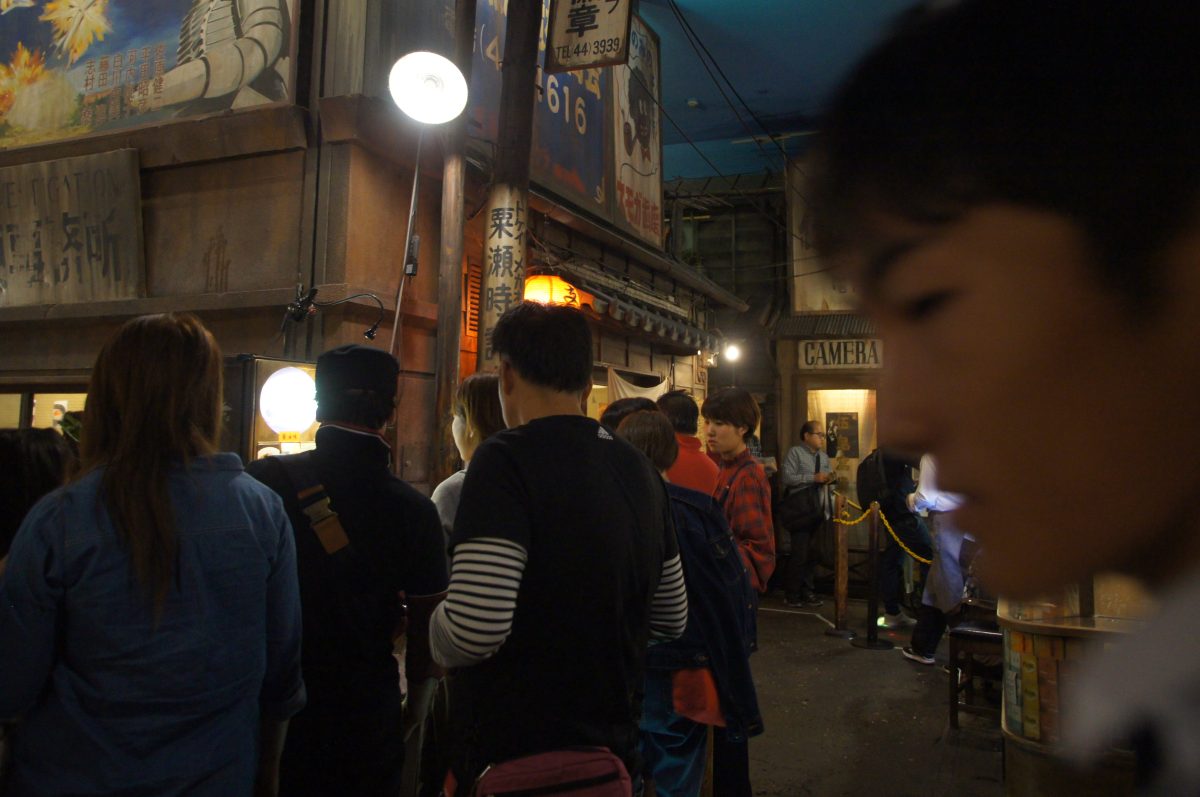
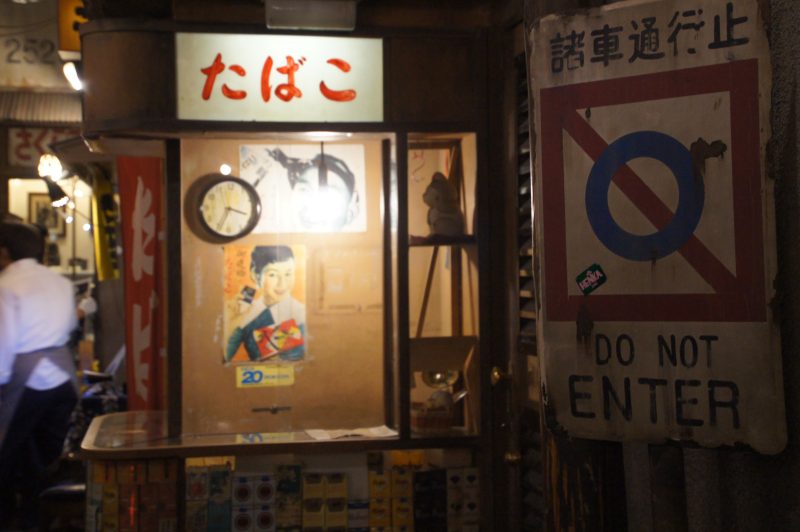
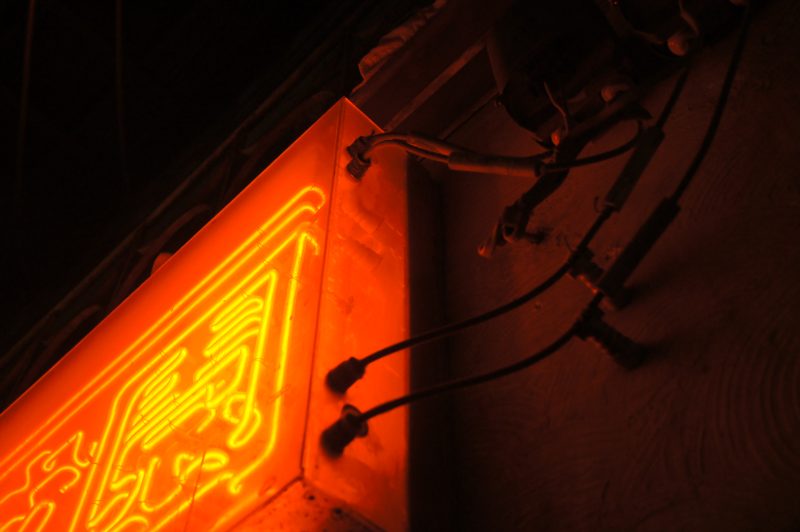
3. The queues defeated our ambitious ramen tasting plan
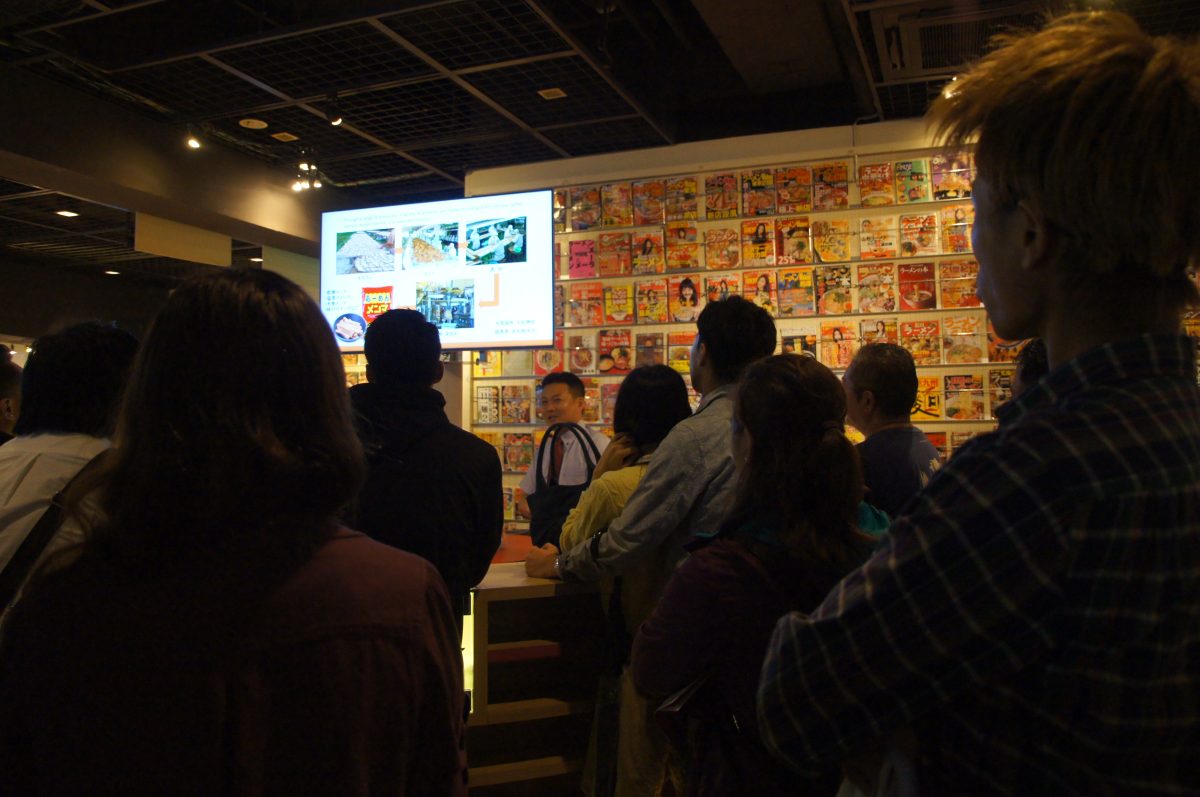
The idea is that you can compare ramen from different parts of Japan without travelling to each region. Every current restaurant offers a mini bowl, which makes sampling more than one style rather less heroic. But the museum asks visitors of junior-high-school age and above to order at least one bowl whenever they enter a ramen restaurant. The line-up and menus still change, so check before you visit.
In practice, the queues were long when we arrived. Very long. We ate one bowl rather than moving from shop to shop, because apparently several hundred other people had also concluded that noodles were the correct response to a typhoon.
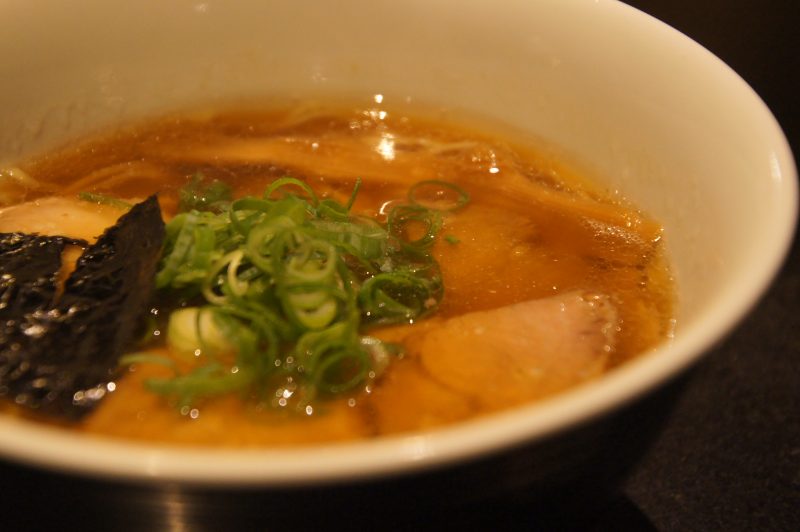
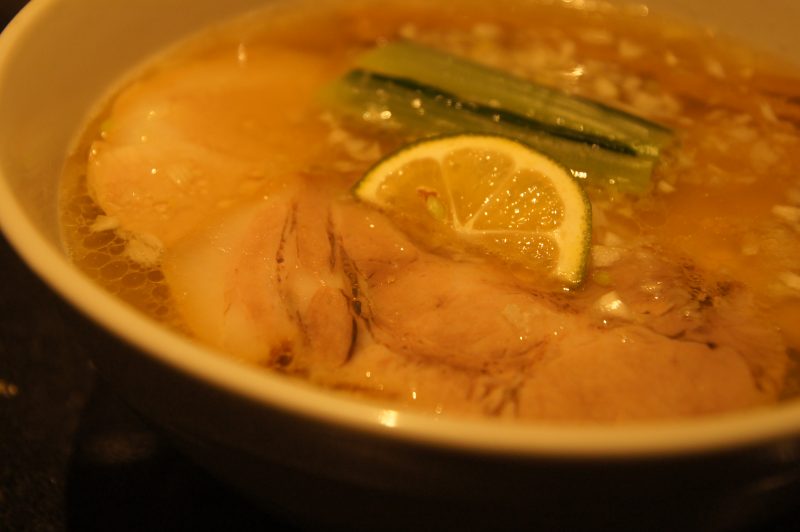
I no longer remember which shop we chose or exactly what we paid for the ramen, and I am not going to select a photogenic bowl from the current list and adopt it retrospectively. What I can say is that the museum was still worth visiting for the setting, but you should allow more time than the modest size of the building suggests. The individual restaurants do not accept table reservations.
4. A rainy walk around Yokohama
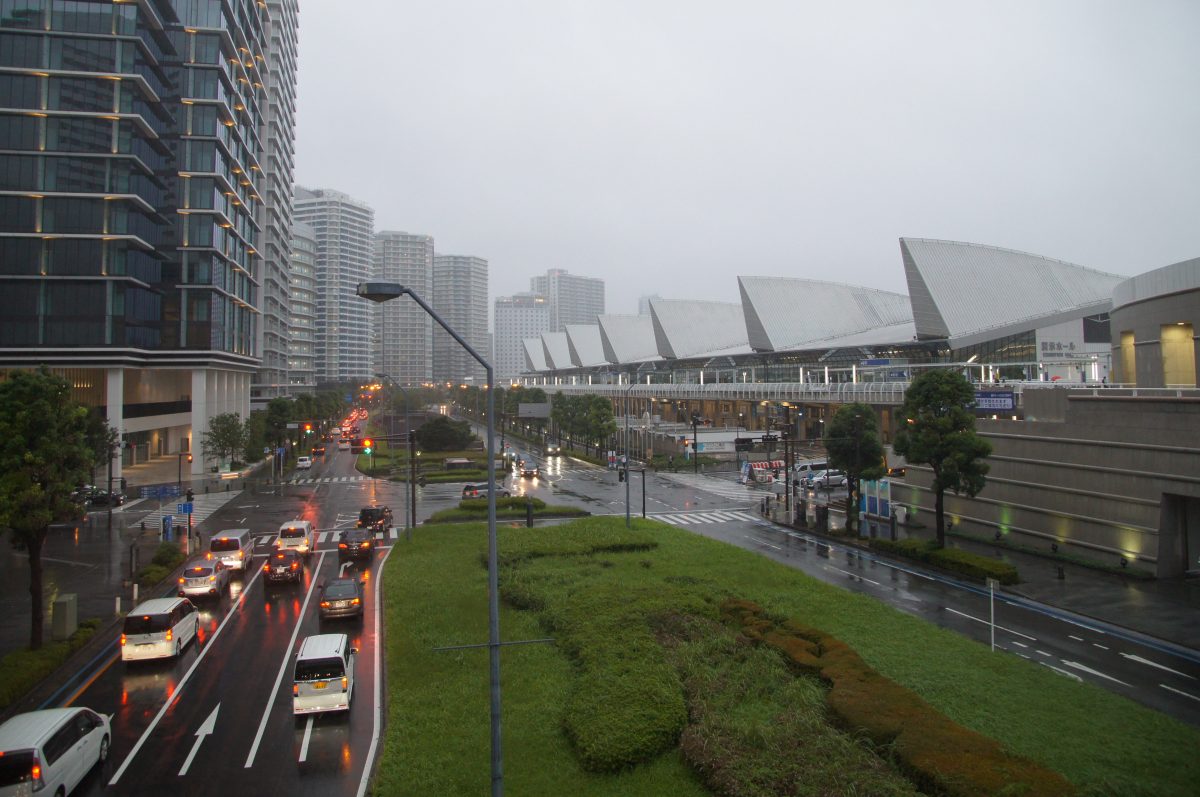
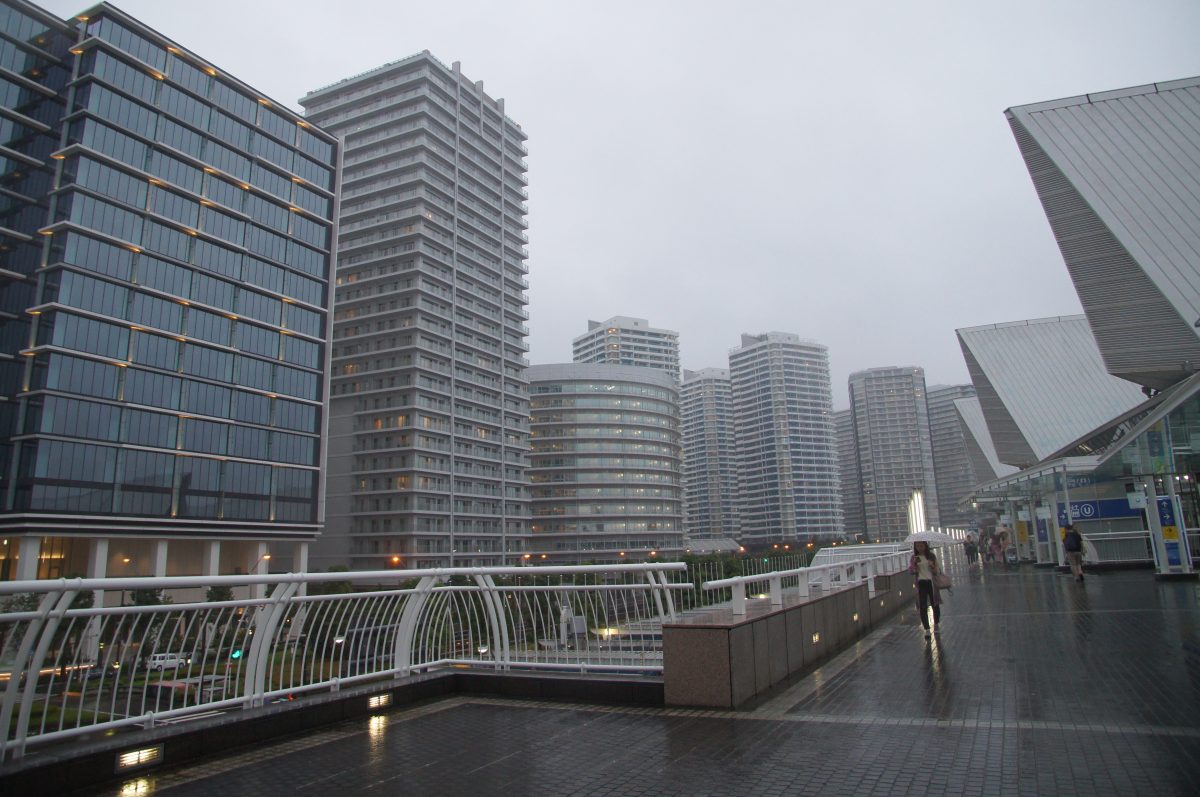
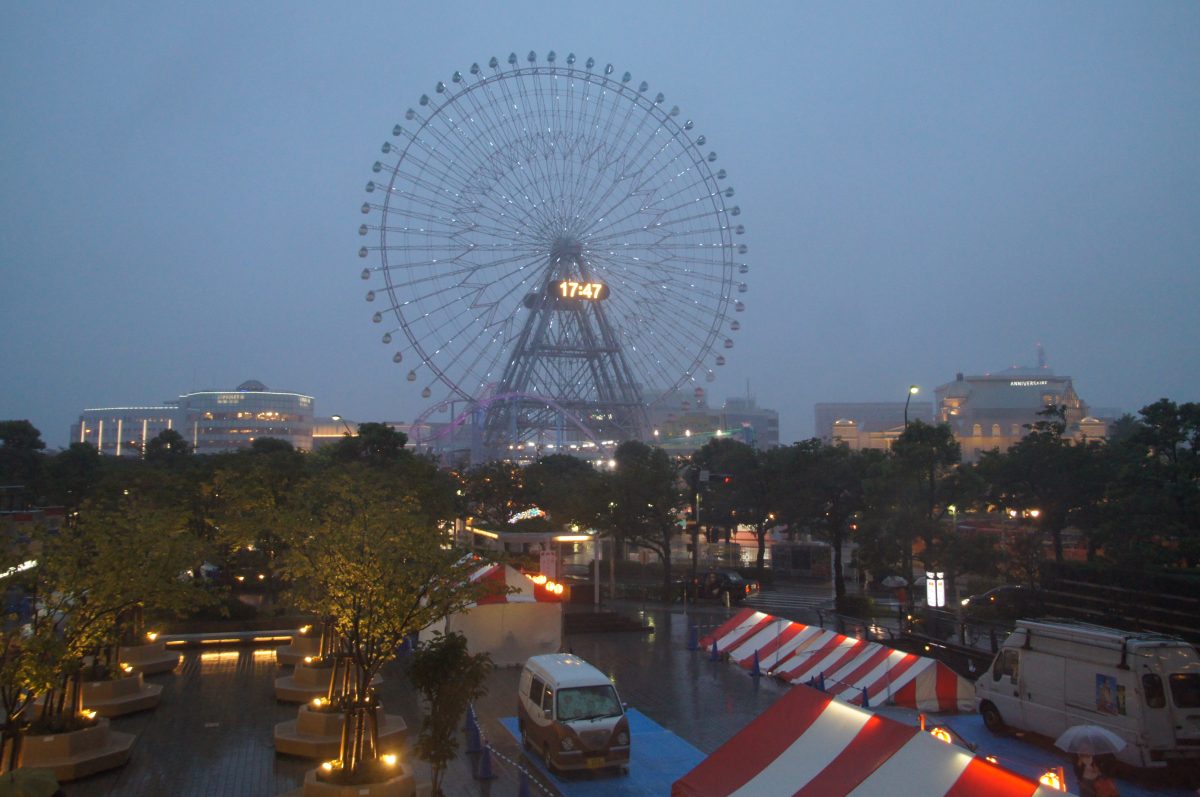
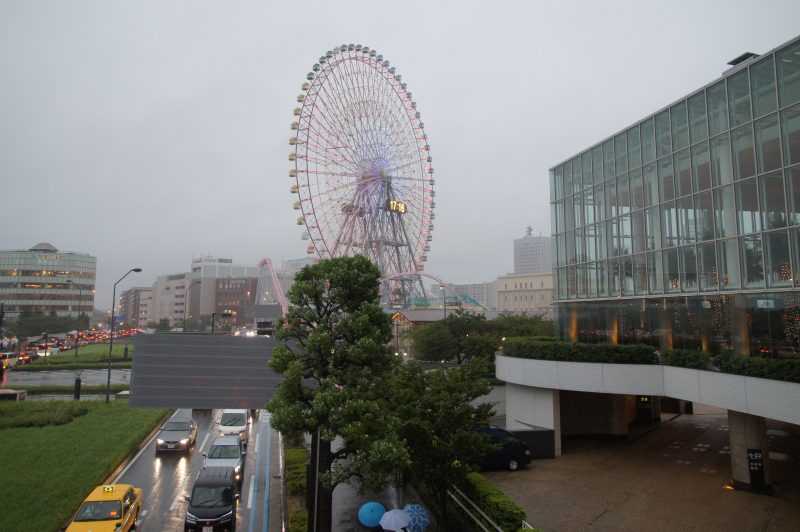
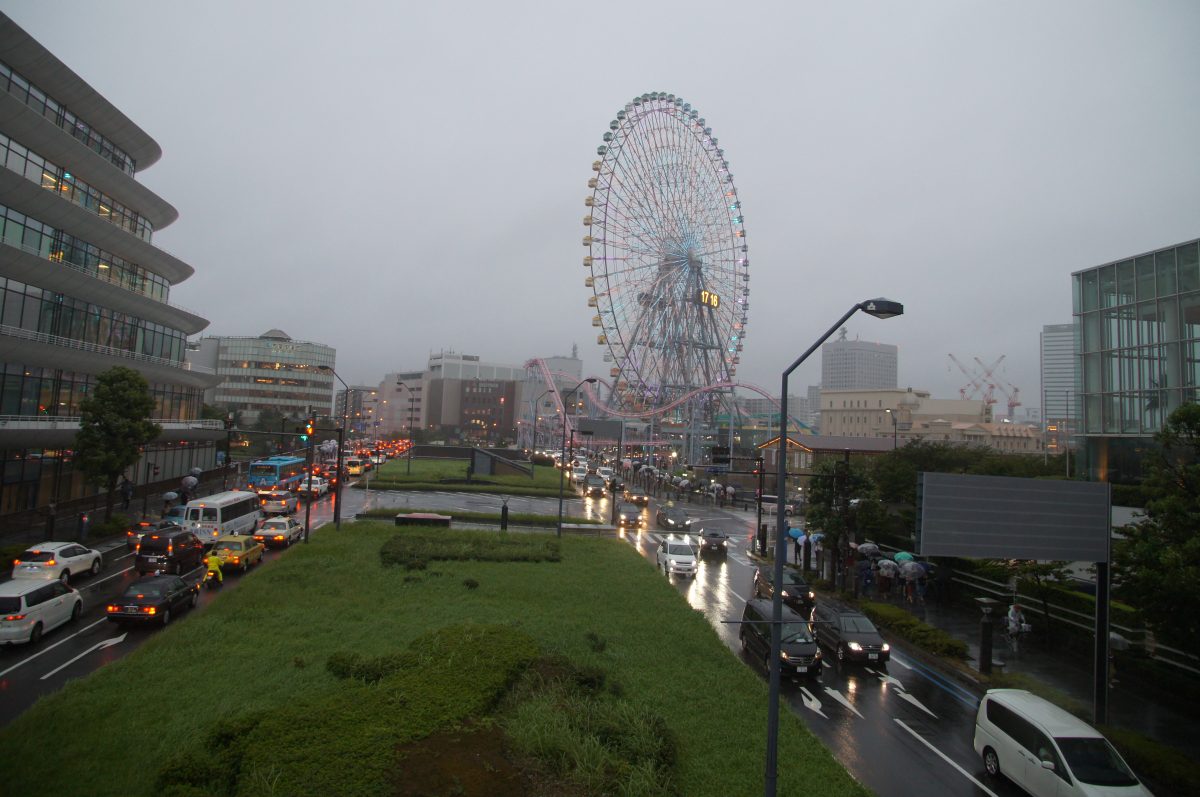
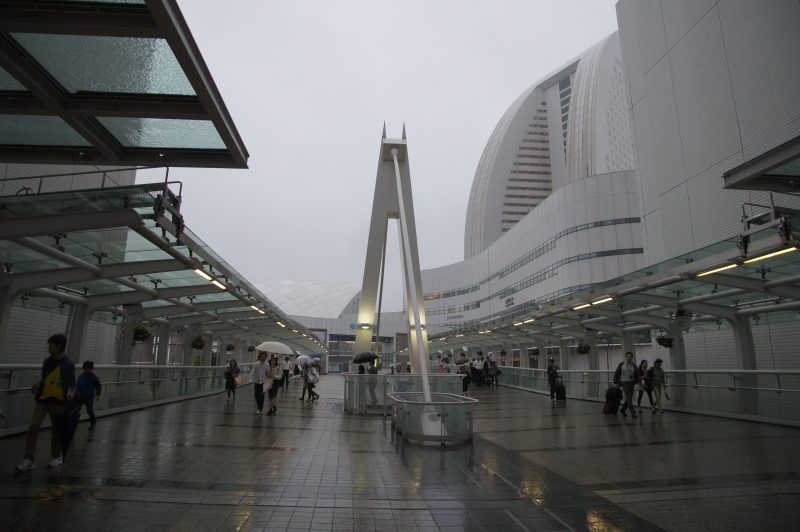
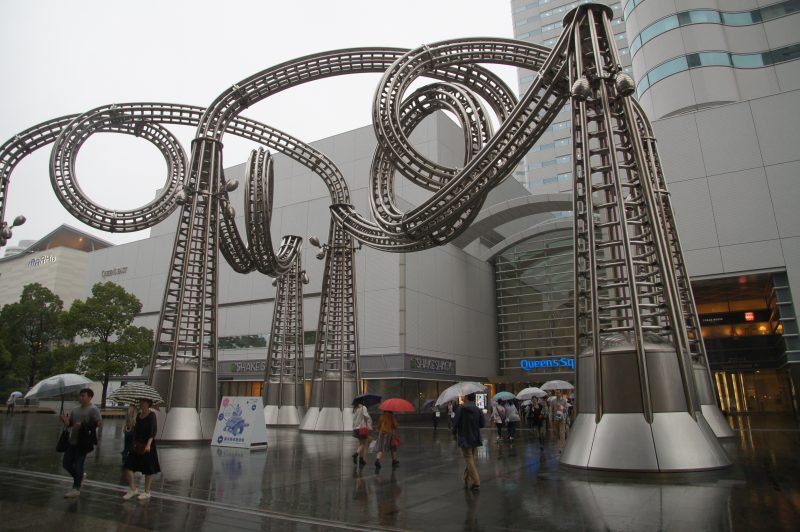
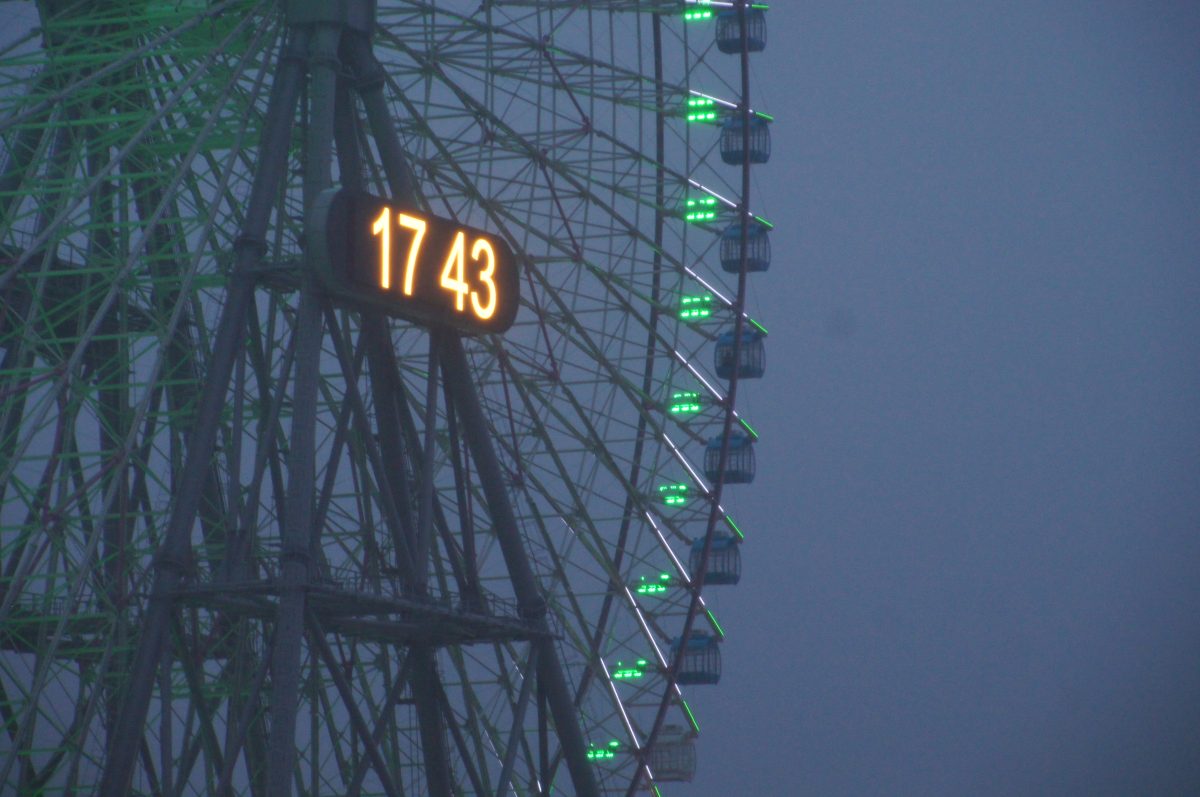
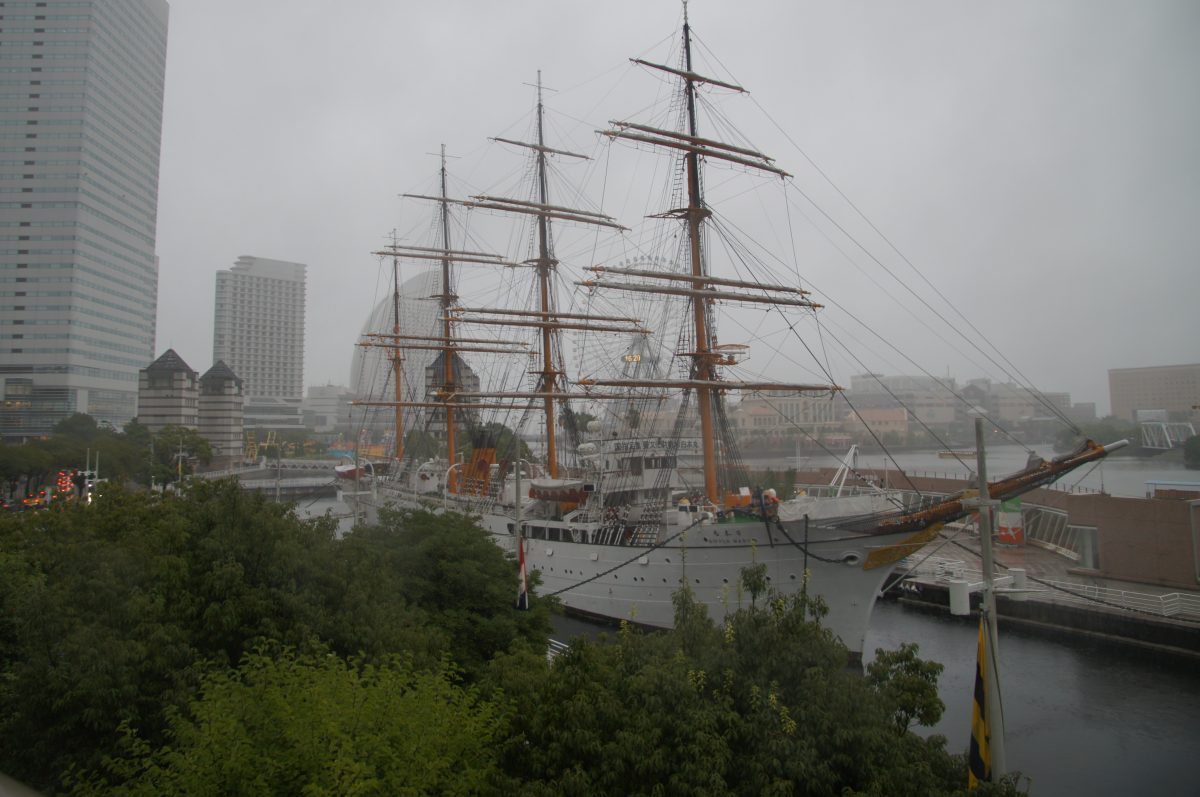
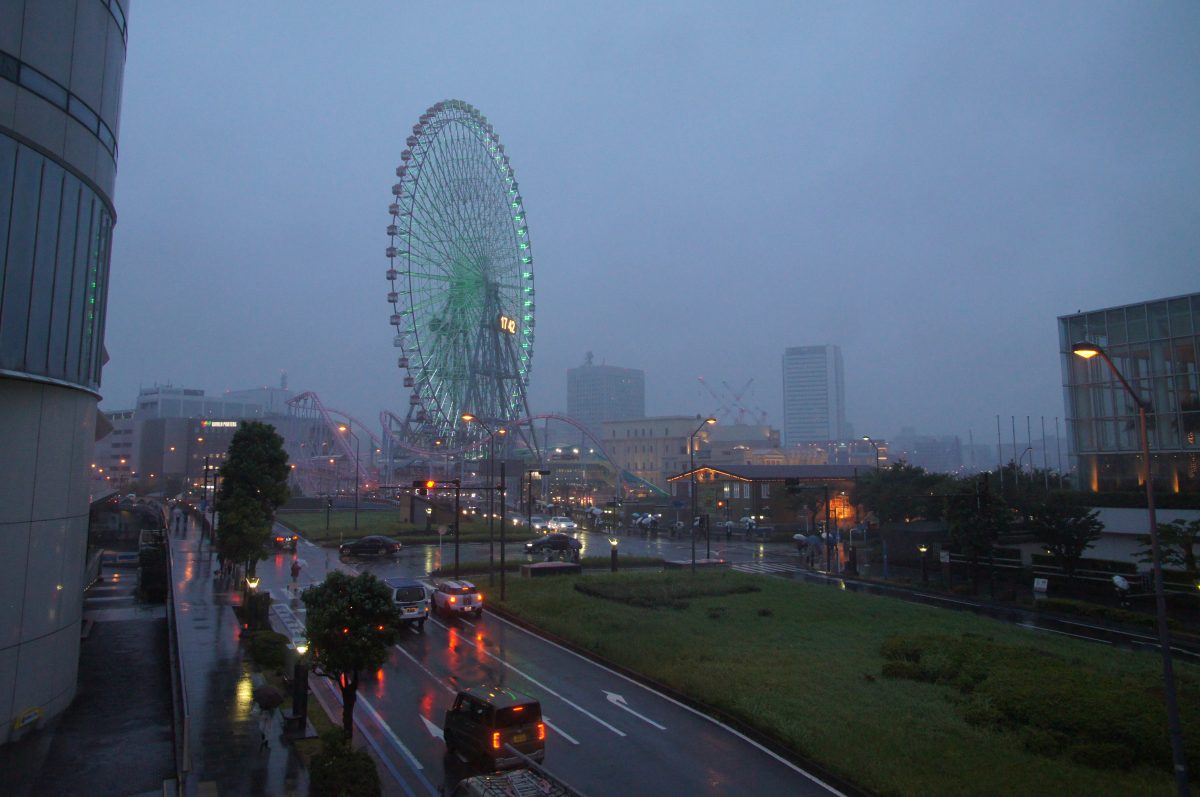
After the museum, we continued into Yokohama and walked around the city before returning to Tokyo. My surviving description of this part of the day is, rather magnificently, “then we strolled around Yokohama”. Detailed travel journalism at its finest.
Without positively identifying the buildings in our photographs, I cannot give you an exact turn-by-turn recreation of that walk. Nor would it be particularly helpful. The useful lesson is that the ramen museum and central waterfront are separate parts of Yokohama, so you need to plan the local connection rather than assuming every attraction sits beside Yokohama Station.
It remained a rainy day, but it did not feel wasted. Yokohama gave us an indoor attraction, lunch and enough flexibility to explore without committing ourselves to a long rural route during poor weather.
How I would plan a half-day or one-day Yokohama itinerary now
If the Shin-Yokohama Ramen Museum is your priority, I would keep it at the centre of the day rather than squeezing it between five waterfront attractions. The museum is in Shin-Yokohama, while Minato Mirai, the Red Brick Warehouse, Yamashita Park and Chinatown form a more natural sightseeing chain nearer the water.
For a half-day, visit the Ramen Museum and choose one waterfront area afterwards. If you have a full day, continue through Minato Mirai towards Yamashita Park and finish in Chinatown.
Suggested full-day Yokohama route
- Late morning: arrive at Shin-Yokohama and visit the Ramen Museum.
- Lunch: eat inside the museum and allow extra time for queues.
- Mid-afternoon: travel to Sakuragicho or Minato Mirai and walk towards the waterfront.
- Afternoon: choose one main attraction rather than collecting them all – the Cup Noodles Museum, Red Brick Warehouse or a longer waterfront walk.
- Evening: continue towards Yamashita Park and Chinatown, then return to Tokyo from a convenient nearby station.
This is a suggested route, not the exact itinerary we followed. It adds the places which make geographical sense around Yokohama’s waterfront, but it still leaves room for queues, rain and the occasional unplanned discovery. I would rather enjoy three or four stops properly than spend the day marching between eight of them because an online timetable told me to.
Shin-Yokohama Ramen Museum or Cup Noodles Museum?
Yokohama has two well-known noodle attractions, and they are not interchangeable. We visited the Shin-Yokohama Ramen Museum. It focuses on ramen history, regional bowls and a reconstructed 1958 streetscape. You pay for admission and then buy ramen separately from the restaurants inside.
CUPNOODLES MUSEUM YOKOHAMA is in the Minato Mirai waterfront area. It concentrates on Momofuku Ando, instant noodles and hands-on activities including designing your own cup. We did not visit it on this trip.
| Choose | What it offers | Area |
|---|---|---|
| Shin-Yokohama Ramen Museum | Regional ramen, a retro streetscape and lunch as part of the attraction. Adult entry is ¥450; ramen costs extra. | Shin-Yokohama |
| CUPNOODLES MUSEUM YOKOHAMA | Instant-noodle history, interactive activities and an easy waterfront itinerary. Adult entry is ¥500; My CUPNOODLES Factory costs ¥500 per cup. | Minato Mirai |
These prices were checked against the official museum websites on 25 September 2026.
You can visit both in one day, but I would only do so if noodles are genuinely the theme of your trip. Otherwise choose the one which interests you most and leave enough time to see something of Yokohama itself.
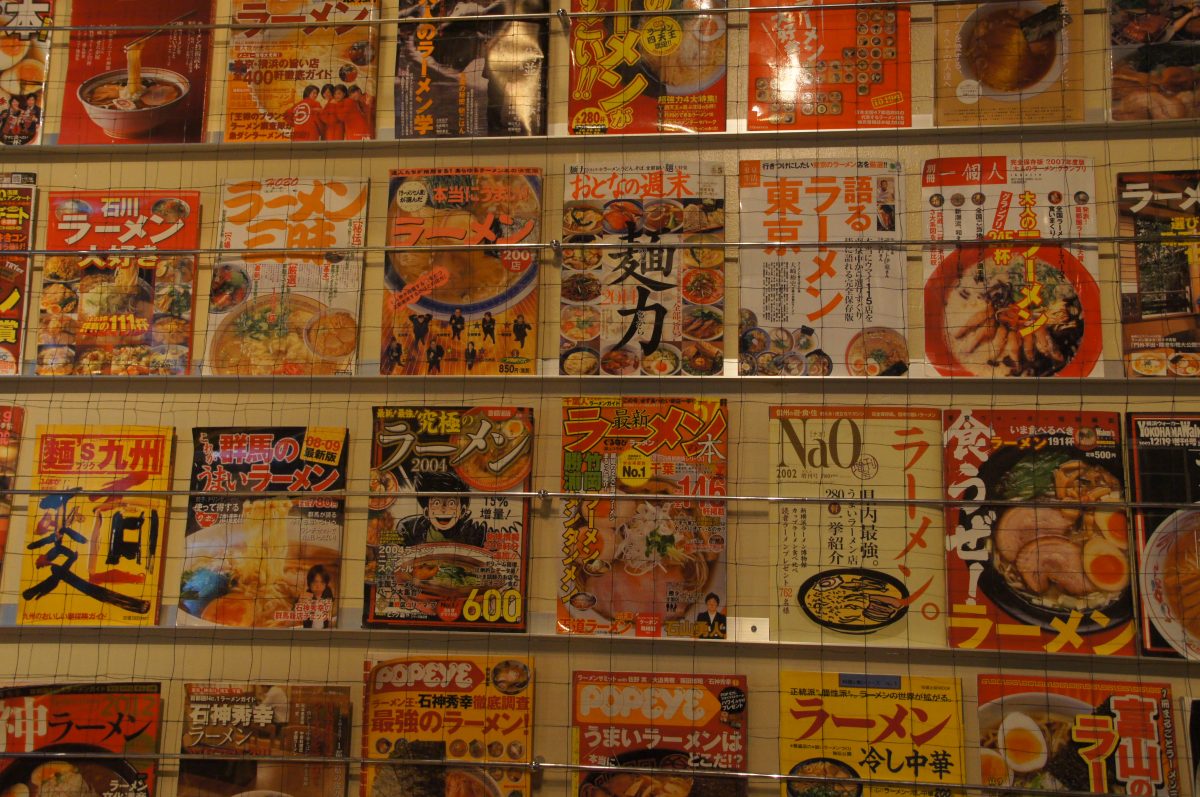
Shin-Yokohama Ramen Museum prices and opening hours
When we visited in September 2017, adult admission was ¥310. Ramen cost extra. The exact bowl price has escaped my memory, which is probably for the best given how enthusiastically I used to document every other holiday expense.
| Practical detail | Official information checked 25 September 2026 |
|---|---|
| Adult admission | ¥450 for visitors aged 19 and over |
| Age 6–18 | ¥100 |
| Under 6 | Free |
| Weekday hours | 11.00am–9.00pm |
| Weekend and holiday hours | 10.30am–9.00pm |
| Last ramen orders | 30 minutes before closing |
| Regular year-end closure | 31 December and 1 January |
Restaurant line-ups, menus and temporary closures change. Check the official museum website shortly before travelling, particularly if one specific style of ramen is the reason for your visit.
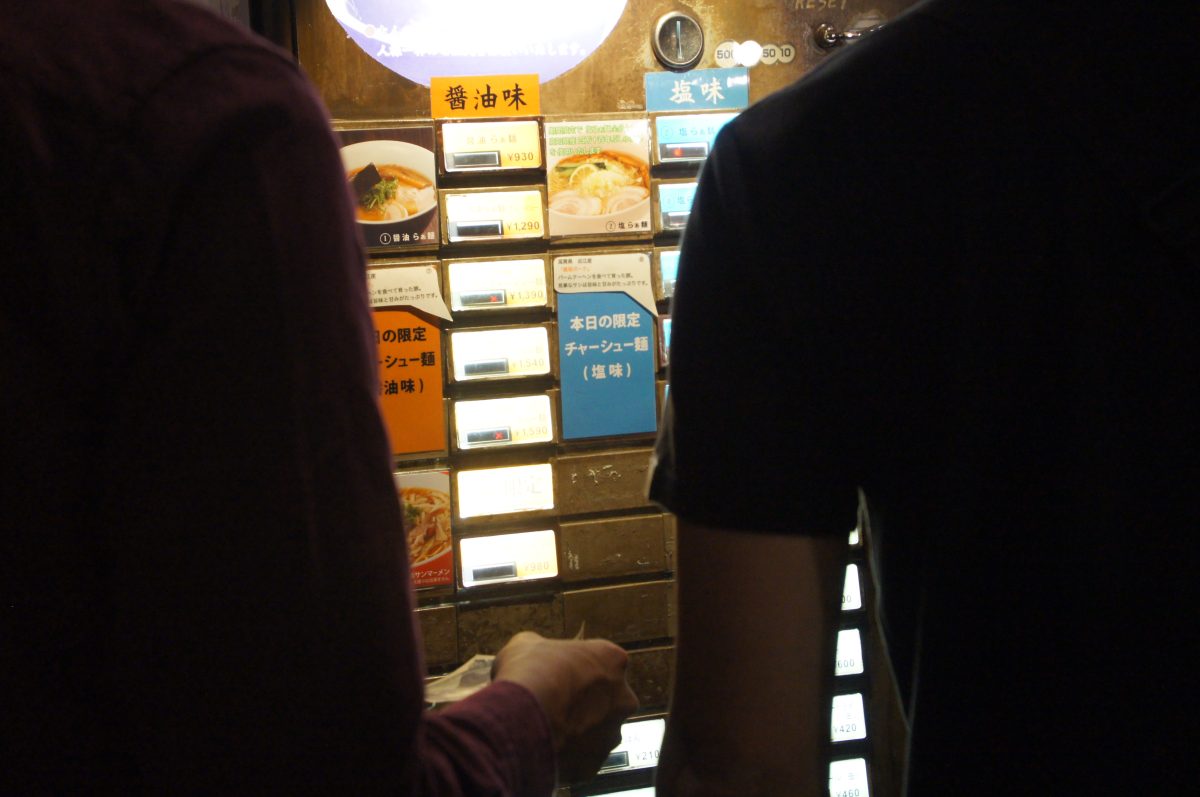
How to get from Tokyo to Yokohama
Official Yokohama tourism guidance lists about 25 minutes from Tokyo Station, 16 minutes from Shinagawa and 25 minutes from Shibuya. Your best line still depends on where you start, so do not cross Tokyo merely to follow somebody else’s instructions from the wrong station.
For the ramen museum, route yourself specifically to Shin-Yokohama Station. The museum states that it is roughly five minutes on foot from the JR station, or about one minute from Exit 10 when using the Sotetsu/Tokyu Shin-Yokohama Line or Yokohama Municipal Subway.
For the waterfront, stations such as Sakuragicho, Minatomirai and Motomachi-Chukagai can be more convenient than Yokohama Station itself. Check your full day as a sequence rather than buying a ticket to “Yokohama” and hoping geography will become self-explanatory when you arrive.
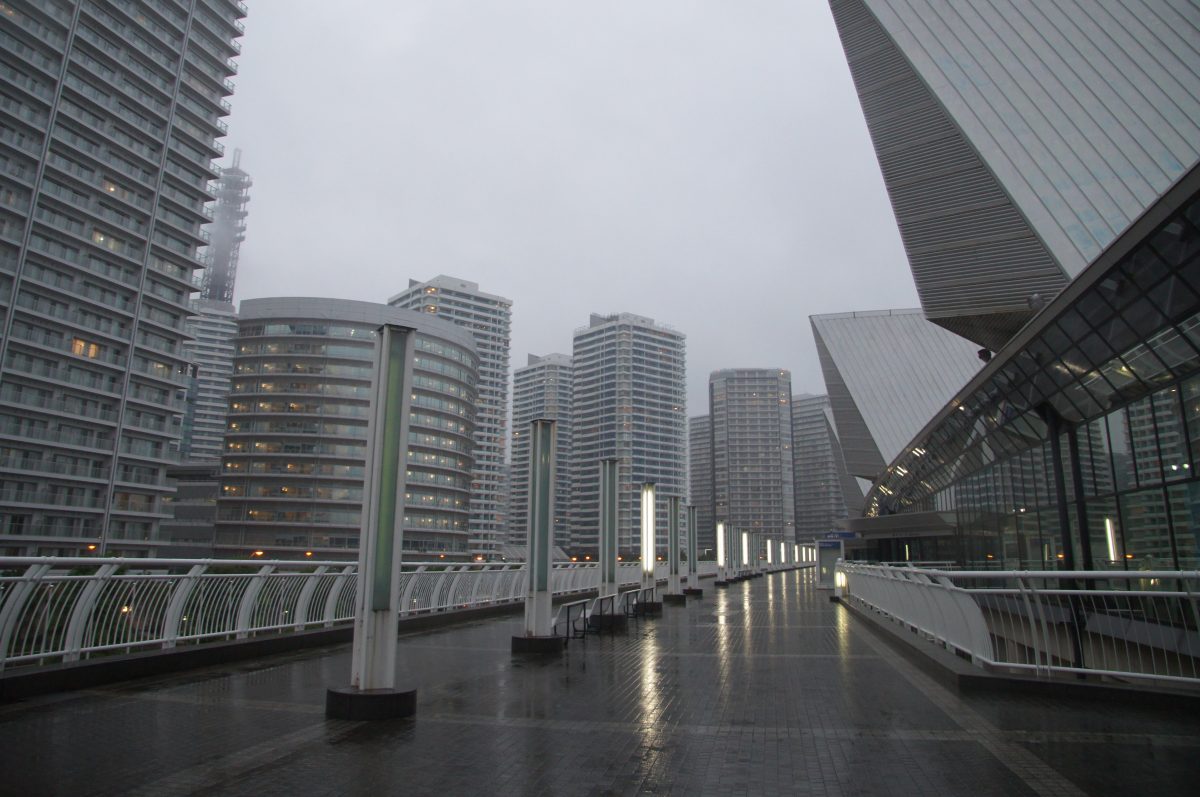
Is Yokohama a good rainy-day trip?
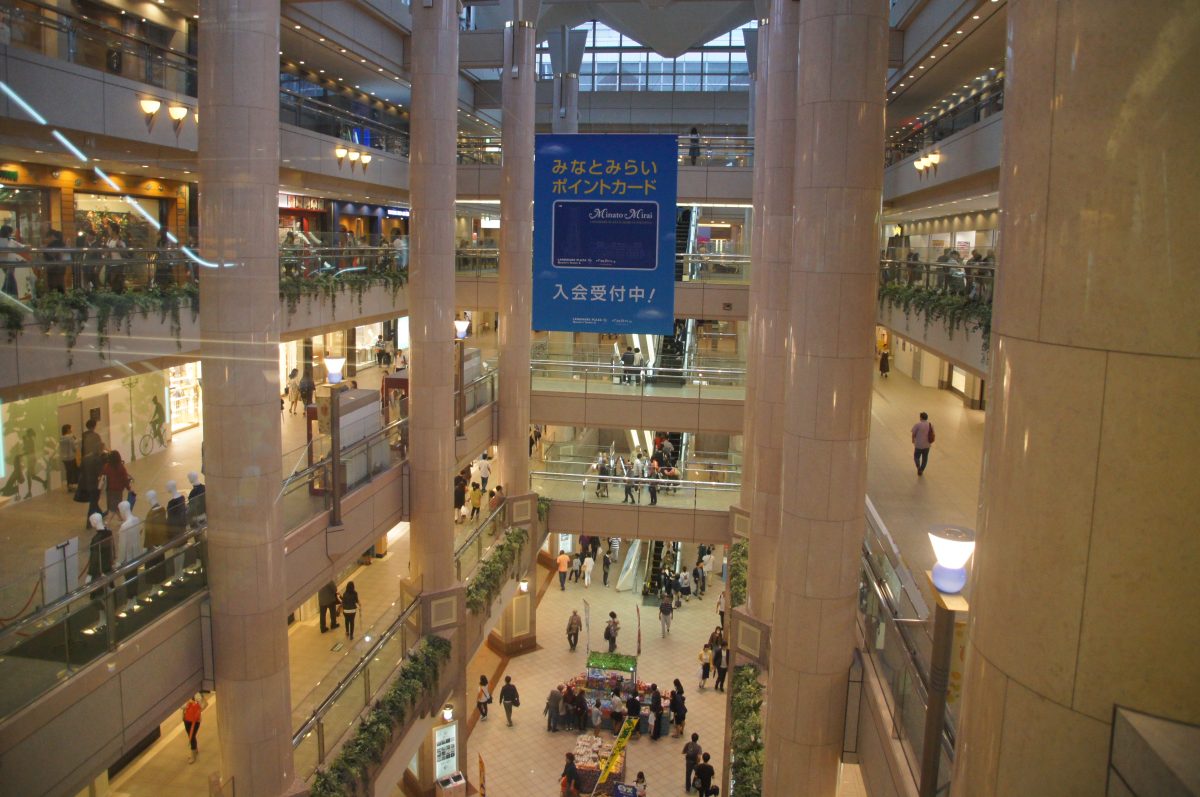
If you are visiting Yokohama in the rain, it can still work well. The Ramen Museum is mostly indoors, and the Cup Noodles Museum provides another substantial indoor option closer to the waterfront. Also, Yokohama has shopping centres and covered places to stop when the weather becomes particularly determined.
But Yokohama is not completely weatherproof. Its waterfront, parks and walkable cityscape are part of the appeal, so relentless rain will still change the day. Our trip worked because we accepted that and kept the plan loose. It’s worth bringing an umbrella rather than treating “mostly indoors” as an invitation to tempt the weather.
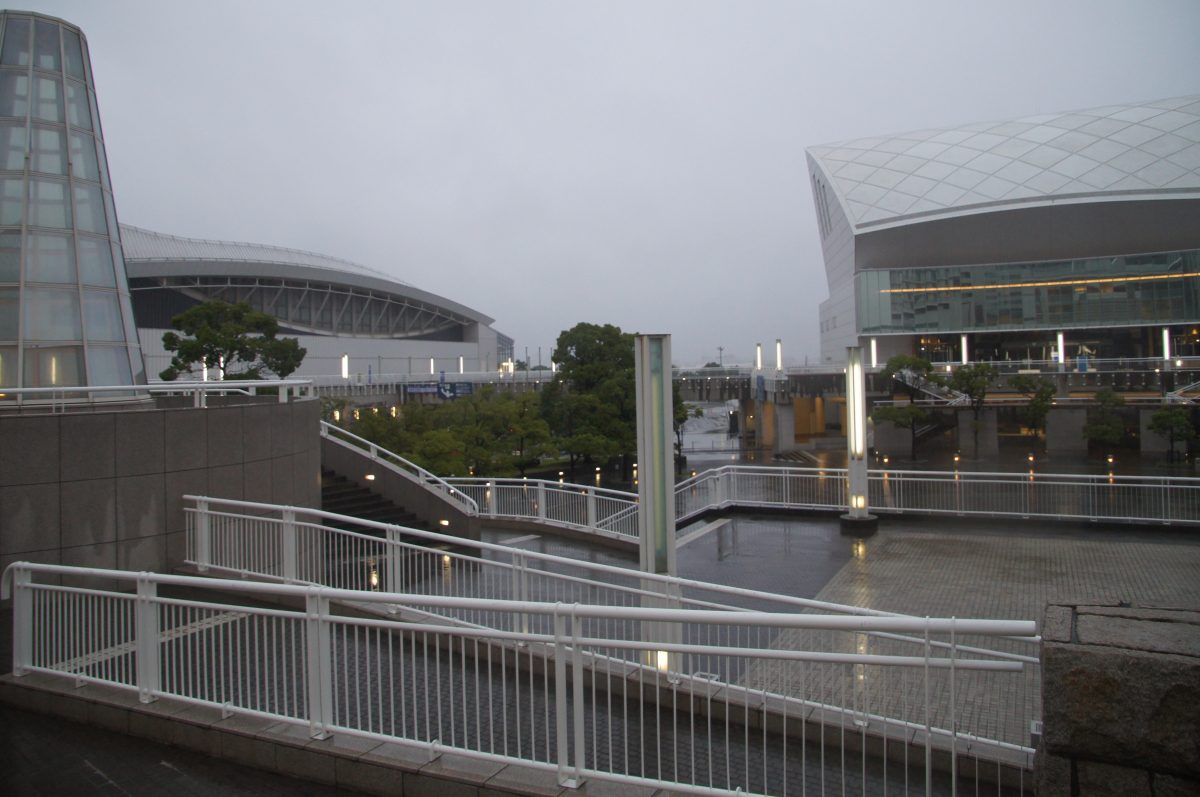
Practical tips for your Yokohama day trip
- Decide which ramen museum you mean. Shin-Yokohama Ramen Museum and CUPNOODLES MUSEUM YOKOHAMA are different attractions in different parts of the city.
- Check the restaurant waiting times. The Ramen Museum publishes current waiting information, and the shops do not take seating reservations.
- Allow time to change areas. Shin-Yokohama is not part of the compact Minato Mirai–Chinatown waterfront walk.
- Keep the day flexible in bad weather. Pair one main indoor attraction with a shorter walk rather than forcing a fair-weather itinerary through heavy rain.
- Wear comfortable shoes. Yokohama becomes a walking day very easily, even when you promise yourself it will not.
- Check current prices and hours. Admission changed between our 2017 visit and this update, and individual ramen shops rotate.
If Yokohama will be one of several excursions from the capital, our Tokyo itinerary will help you group the city days sensibly. You can also browse our first-time Japan planning guide and the rest of our Japan travel guides.
Our verdict: would I take this Yokohama day trip again?
Yes. Yokohama rescued a day which could easily have disappeared into the weather forecast. The Ramen Museum was entertaining as well as useful, and the city was close enough to Tokyo that changing our plans did not create another logistical epic.
I would plan it slightly differently now. I would arrive at the museum early enough to reduce the queues, allow time for more than one small bowl and then choose a clear waterfront route for the afternoon. But I would keep the same spirit: one anchor attraction, room to wander and no attempt to prove that we had completed Yokohama before catching the train home.
It is not the most dramatic day trip from Tokyo. That is precisely part of its appeal.
Yokohama day trip FAQs
Is Yokohama worth visiting on a day trip from Tokyo?
Yes. Yokohama is particularly worthwhile if you want food attractions, a waterfront city and an easy journey from Tokyo. Choose another day trip if temples, mountain scenery or Mount Fuji views are your main priority.
Is one day enough for Yokohama?
One day is enough for the Shin-Yokohama Ramen Museum plus a focused waterfront route. It is not enough to visit every museum, shopping area, garden and neighbourhood without rushing.
How long does it take to travel from Tokyo to Yokohama?
Official guidance lists about 25 minutes from Tokyo Station, 16 minutes from Shinagawa and 25 minutes from Shibuya. Shin-Yokohama, Minato Mirai and Chinatown use different stations, so plan for the attraction you want rather than the city name alone.
How much does a Yokohama day trip cost?
The total depends mainly on your trains and food. The fixed adult entry fee is currently ¥450 at Shin-Yokohama Ramen Museum or ¥500 at CUPNOODLES MUSEUM YOKOHAMA; ramen and hands-on activities cost extra, while much of the waterfront walk is free.
Are the Shin-Yokohama Ramen Museum and Cup Noodles Museum the same?
No. The Shin-Yokohama Ramen Museum combines ramen history, working regional restaurants and a recreated 1958 streetscape. CUPNOODLES MUSEUM YOKOHAMA focuses on instant noodles and Momofuku Ando and is located in Minato Mirai.
Do you pay for ramen after entering the museum?
Yes. Admission covers entry to the Shin-Yokohama Ramen Museum; food from the restaurants costs extra. Adult admission was ¥450 when the official information was checked on 25 September 2026.
Is this Yokohama day trip suitable for children?
The journey is short and both noodle museums have visual or interactive elements which may appeal to families. We visited before having children, however, so this is not a first-hand family review. Consider queue tolerance, dietary needs and how much walking your own child will enjoy.
For an easier decision, our Tokyo day-trips comparison weighs Yokohama against Kamakura, Kawaguchiko, Hakone, Nikko and Kawagoe by journey time, cost, effort and what each place does best.