Planning a trip to Japan can feel like a job in its own right. There are trains to understand, cities to choose between, accommodation that ranges from capsule hotels to traditional ryokan, and an alarming number of places that look absolutely essential once you start researching.
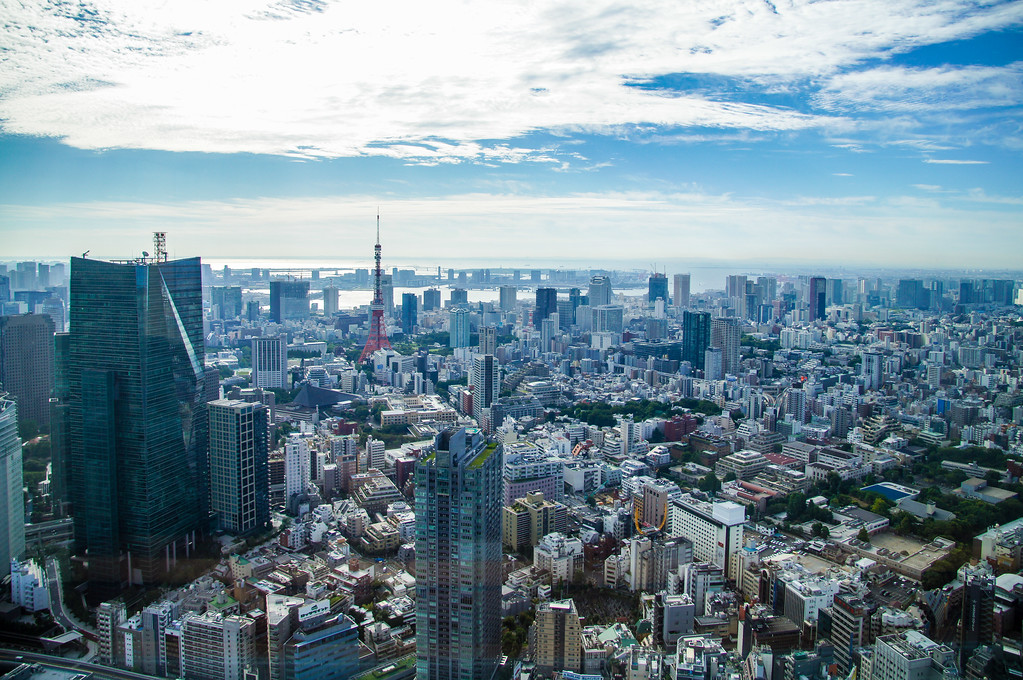
Japan had been on my bucket list for years before our first visit in 2015. Even after plenty of planning, arriving beneath Tokyo’s enormous skyline produced a proper wave of culture shock. It was exciting, disorientating and completely unlike anywhere we had travelled before.
The reassuring part is that Japan is much easier to navigate than it first appears. We have now visited several times, and the systems that initially seemed intimidating—especially the trains—usually make sense once you use them. This guide explains the decisions to make before your first trip, what we learned from our own route and which details you should check again shortly before travelling.
Japan trip planning: the quick version
- Allow around two weeks if you want to combine Tokyo, Kyoto and several stops or day trips without racing through everything.
- Choose the season according to the experience you want, rather than assuming cherry-blossom season is automatically best.
- Build a realistic route before deciding whether a nationwide Japan Rail Pass represents good value.
- Stay near a useful station, but check the actual walking route rather than judging a hotel by distance alone.
- Use an IC card for many local journeys and small purchases, while keeping another payment method available.
- Leave some empty space in the itinerary. Japan rewards wandering, and constant hotel changes become tiring.
When is the best time to visit Japan?
There is no single perfect month. Japan stretches a very long way from north to south, so the weather in Hokkaido can be completely different from Okinawa on the same day. Your ideal timing depends on whether you care most about comfortable sightseeing, blossoms, autumn colour, snow, beaches or avoiding the biggest crowds.
Spring: blossoms and very large crowds
Spring is understandably popular, but peak blossom dates vary by location and year. Accommodation and the most famous sights can become extremely busy. If blossom season matters to you, book flexibly where possible and treat forecasts as guidance rather than a guarantee.
Summer: festivals, humidity and heat
Summer brings festivals and mountain-hiking opportunities, but much of central and southern Japan can be extremely hot and humid. It is not the season I would choose for a first multi-city sightseeing trip unless school holidays or a particular event dictated the dates.
Autumn: foliage and comfortable touring
Autumn can be excellent for city sightseeing and changing leaves, although famous foliage locations also attract crowds. Colour arrives at different times around the country, so check the region rather than relying on one national date.
Winter: snow, clearer days and quieter cities
Winter works brilliantly for snow sports, hot springs and seasonal scenery. Major cities may feel quieter outside the holiday periods, but northern and mountain routes need more weather planning.
We first visited in September. It was warm, occasionally rainy and still humid, but manageable. September can also overlap with typhoon season, so anyone travelling then should monitor forecasts and allow some flexibility. The Japan National Tourism Organization is the sensible place to check seasonal and regional information before booking.

How long should you spend in Japan?
A week is enough for a focused trip, but not for “seeing Japan”. I would choose one principal area—perhaps Tokyo with two or three day trips, including our Nikko day trip for grand shrines and forest, or Kyoto and Osaka—rather than spending half the holiday checking in and out of hotels. For a shorter urban option built around food rather than temples, our Yokohama day-trip guide is easier to keep flexible.
Around two weeks gives first-time visitors enough room for a classic Tokyo-to-Kyoto route with several additional stops. Three weeks allows a slower pace or a second region. More time does not mean you need to add a new city every day; staying longer in fewer bases often makes the trip far more enjoyable.
How to build your Japan itinerary
Start with the experiences you care about, place them on a map and only then work out the transport. A route that looks logical geographically may still involve awkward connections, while places that appear far apart can be surprisingly easy to combine by train.
On our first two-week trip we travelled through Tokyo, Hakone, Kamakura, Takayama, Shirakawa-go, Hiroshima, Miyajima, Kyoto and Nara. It was wonderfully varied, but ambitious. If I planned the same trip now, I would be more protective of unstructured time and avoid changing accommodation merely to collect another destination.
For the full day-by-day version, see our two-week Japan itinerary by rail. If Tokyo is your main concern, our Tokyo itinerary groups the city by area to reduce unnecessary journeys. For a mountain-focused side trip, read our Lake Kawaguchiko day-trip guide.

How much does a trip to Japan cost?
The original version of this article included our exact 2015 spending. Those figures are now more misleading than useful: exchange rates, rail-pass prices, flights and accommodation have all changed.
Instead, price the trip in this order: international flights, accommodation for your actual dates, long-distance transport, local transport, food, attractions and a contingency allowance. Test two or three versions of the route before paying for a rail pass.
Japan can accommodate very different travel styles. Convenience-store breakfasts, casual noodle shops and business hotels can keep costs controlled; premium trains, ryokan dinners and luxury hotels can push the total in the opposite direction rather quickly. Our separate Japan travel-budget guide explains where we saved and where we thought spending more was worthwhile.

Flights and entry requirements
Tokyo has two major international airports, Haneda and Narita. Haneda is generally closer to central Tokyo, but the best choice still depends on your fare, arrival time and onward route. Osaka’s Kansai International Airport can also make sense for an itinerary beginning in western Japan.
Entry rules can change and depend on your passport and circumstances. Rather than copying a visa rule into an article that may later become wrong, UK travellers should check the current GOV.UK Japan entry requirements before booking and again shortly before departure.
Getting around Japan
Use route-planning apps, but check the operator
The old draft recommended Hyperdia as the essential planning tool. That is no longer the advice I would give. Mainstream mapping and Japan-specific transport apps can plan most journeys, but always look at the railway operator, platform, train category and any reservation requirement—not merely the departure time.
IC cards for local travel
Rechargeable IC cards such as Suica, PASMO and ICOCA make many urban journeys much easier and can also be used for some everyday purchases. Availability and the easiest way for overseas visitors to obtain or load them has changed over time, so check the relevant operator’s current guidance before relying on one particular card or phone setup.
Do you need a Japan Rail Pass?
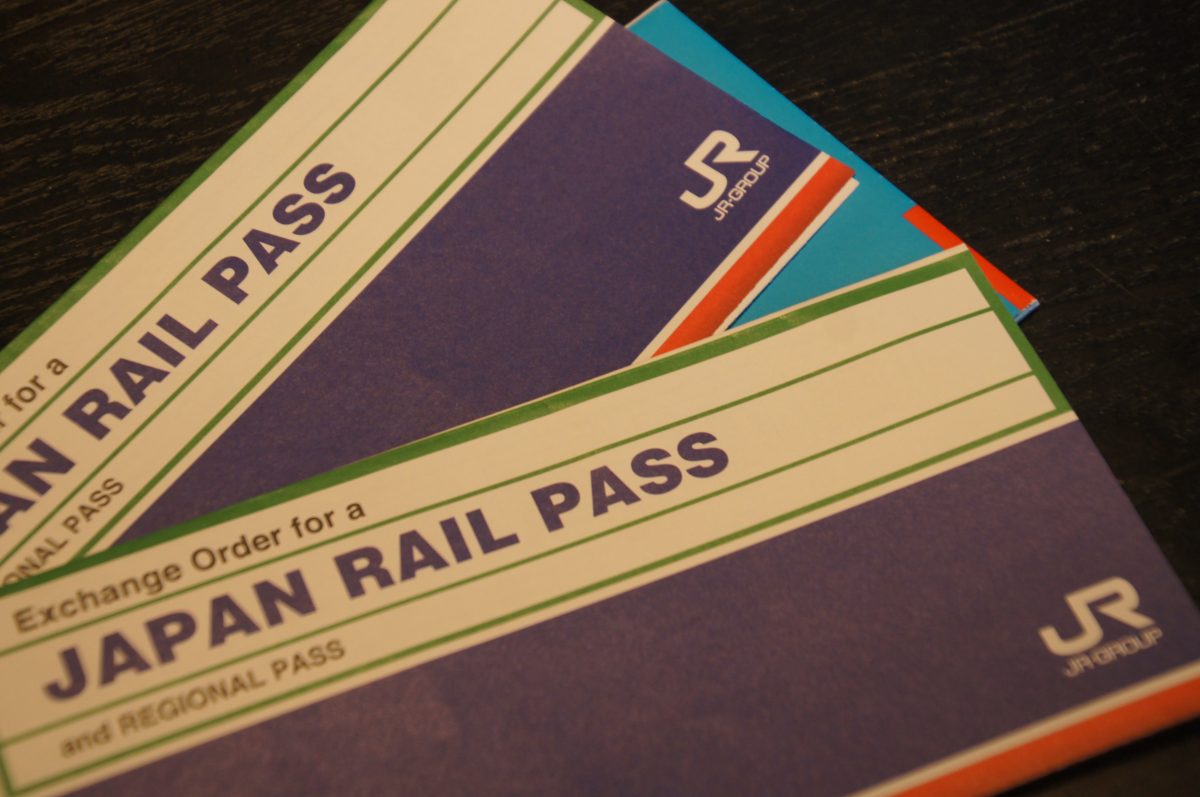
A nationwide JR Pass used to be an almost automatic recommendation for a busy first trip. It is now something you should calculate rather than assume. Add the individual fares for your planned long-distance journeys and compare them with the current pass price. Regional rail passes or ordinary tickets may be better value.
A rail pass also does not cover every train or city network. Read the current conditions on the official Japan Rail Pass website before buying.
Where to stay in Japan
Location matters, but “near the station” is not enough information. Japanese stations can be enormous, and the wrong exit can turn a short-looking walk into a luggage expedition. Check which entrance you need, whether lifts are available and how late your final connection runs.
Business hotels are often practical and well located. Hostels and capsule hotels suit some travellers, while a ryokan offers a very different experience built around Japanese hospitality, tatami rooms, bathing customs and often a set dinner. I would include at least one traditional stay if the budget permits, but I would not change hotels repeatedly simply to sample every category.
Rooms can be compact, particularly in major cities. Read the stated floor area, not just the photographs, and check whether your luggage will fit comfortably.
Cash, cards and paying for things
Our original advice said very few places accepted cards and told readers to carry enough cash for most expenses. That reflected our early visits, but it is too sweeping now. Card and contactless acceptance has expanded, especially in cities, hotels and larger businesses, while cash remains useful at smaller restaurants, temples, ticket machines and rural establishments.
Take more than one payment method, keep some yen available and check your bank’s foreign-transaction charges. Do not build the trip around the assumption that either cash or cards will work absolutely everywhere.
Internet access and useful preparation
Reliable mobile data makes transport, translation and finding addresses considerably easier. Compare an eSIM, physical SIM and pocket Wi-Fi according to your phone, trip length and the number of people connecting. Download key reservations and addresses offline as a backup.
Save hotel names and addresses in Japanese as well as English. Many Japanese addresses are based on districts and blocks rather than the sequential street system familiar to British visitors. Pinning the exact entrance on a map can prevent a surprising amount of circling.
Luggage forwarding and packing
Dragging large suitcases through stations is possible, but rarely delightful. Japan’s luggage-delivery services can send bags between many hotels, airports and service counters. Confirm the delivery time and whether your accommodation can send and receive luggage, then keep medication, documents and a change of clothes with you.
Pack comfortable shoes that are easy to remove, a small rubbish bag, a compact umbrella and layers appropriate to the region. Socks suddenly become more visible when shoes come off at temples, traditional accommodation and some restaurants, so this is not the trip for the pair with the mysterious hole.
First-time Japan etiquette that genuinely helps
- Queue where the platform or floor markings indicate and let passengers leave before boarding.
- Keep phone conversations and loud noise to a minimum on trains.
- Follow signs about shoes, bathing and photography rather than assuming one rule applies everywhere.
- Carry your rubbish until you find an appropriate bin.
- Learn a few polite phrases and remain patient when communication is imperfect.
- Treat temples, shrines and residential neighbourhoods as real places rather than photographic sets.
You do not need to arrive knowing every social rule. Pay attention, copy considerate local behaviour and respond politely when corrected. Our article about the things that surprised us on our first trip to Japan covers several of these differences in more detail.
What should you book before travelling to Japan?
- International flights and the first nights of accommodation.
- Popular or limited-capacity attractions that are essential to your trip.
- Accommodation during major holidays, blossom season or autumn-foliage weekends.
- Any long-distance train seats where travelling on a particular service is important.
- A data option and suitable travel insurance.
- Special ryokan stays, tasting menus or restaurants that require advance reservations.
Do not pre-book every meal and every hour. Some of our favourite Japan memories came from following an interesting side street, entering the restaurant we could actually understand and discovering somewhere that had never appeared on the spreadsheet.
Frequently asked questions about planning Japan
Is Japan difficult for a first-time visitor?
It can look intimidating during the planning stage, but transport signage, route-planning tools and generally well-organised systems make independent travel very achievable. Allow extra time on the first few days while everything is unfamiliar.
Is two weeks enough for Japan?
Two weeks is enough for a varied first trip, provided you accept that it is an introduction rather than an attempt to cover the whole country. A focused one-week holiday can also work extremely well.
Should I buy a Japan Rail Pass?
Only after comparing the current pass price with the individual fares for your exact route. The answer depends on the journeys you plan, not simply the length of the holiday.
Can I travel in Japan without speaking Japanese?
Yes, particularly on established visitor routes, but English is not guaranteed. Translation tools, saved Japanese addresses and a few polite phrases make the trip easier and more respectful.
Final advice for planning your first Japan trip
Japan is not effortless to plan, and that is partly because there are far too many good choices. Resist the urge to squeeze every famous city into one holiday. Choose a route that reflects what you actually enjoy, check changing practical information against official sources and give yourself time to experience ordinary neighbourhoods as well as headline sights.
Start with our complete Japan travel guide, then use the detailed itinerary and budget articles to turn the ideas into a workable trip.
Are you planning your first trip to Japan?
Tell me what you are most excited—or most confused—about in the comments.

AWESOME photos!!!!!
I tried to do Osaka and Kyoto on a tight budget and I managed just fine…I rented a bike and cycled my way around Kyoto, ate local, and booked accommodation in advance narrowing my best options down (through airbnb) and it turned out great!
As I’m planning on visiting Japan your posts are so useful ! Also I can’t wait to read how you packed
Thanks for all those precious informations !!
Oh. i’m so glad to hear, you found the post useful I hope you have a great time in Japan