Wondering what to eat in Tokyo? The unhelpful answer is: as much as physically possible.
Food was one of the main reasons I could not wait to visit Japan, and it played a fairly significant role in persuading us to return. Tokyo can take you from a tiny noodle counter to a polished tasting menu in the same afternoon, with a department-store food hall and several dangerously tempting bakeries in between.
The old version of this article collected recommendations from other travel bloggers. This new guide concentrates on the dishes worth looking for, where you are likely to find them and what we learned from eating around Tokyo on several trips.
Combine it with our one-week Tokyo itinerary and guide to planning a trip to Japan.
What to eat in Tokyo: the quick list
- Sushi and sashimi
- Ramen
- Udon and soba
- Tempura
- Tonkatsu
- Yakitori
- Yakiniku
- Japanese curry
- Unagi
- Gyoza
- Traditional set meals
- Wagashi and Japanese desserts
1. Sushi and sashimi
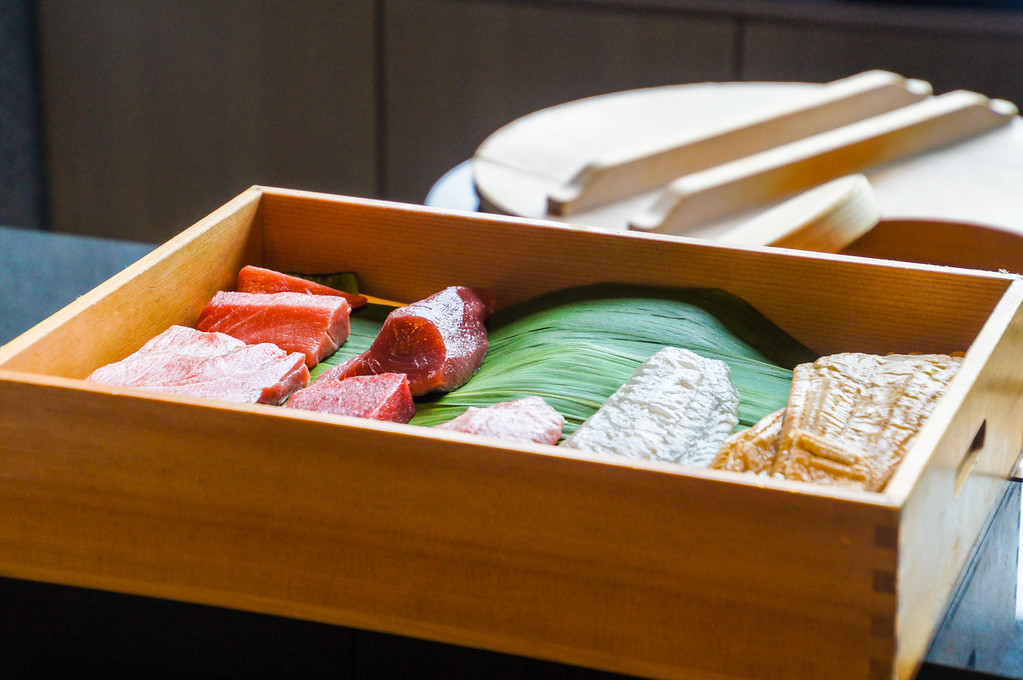
Tokyo makes it clear how much variety sits behind the word sushi. You can eat a quick standing lunch, choose plates from a conveyor belt or turn the meal into an elaborate chef-led experience. Nigiri pairs hand-pressed rice with a topping; maki is rolled; sashimi is served without rice.
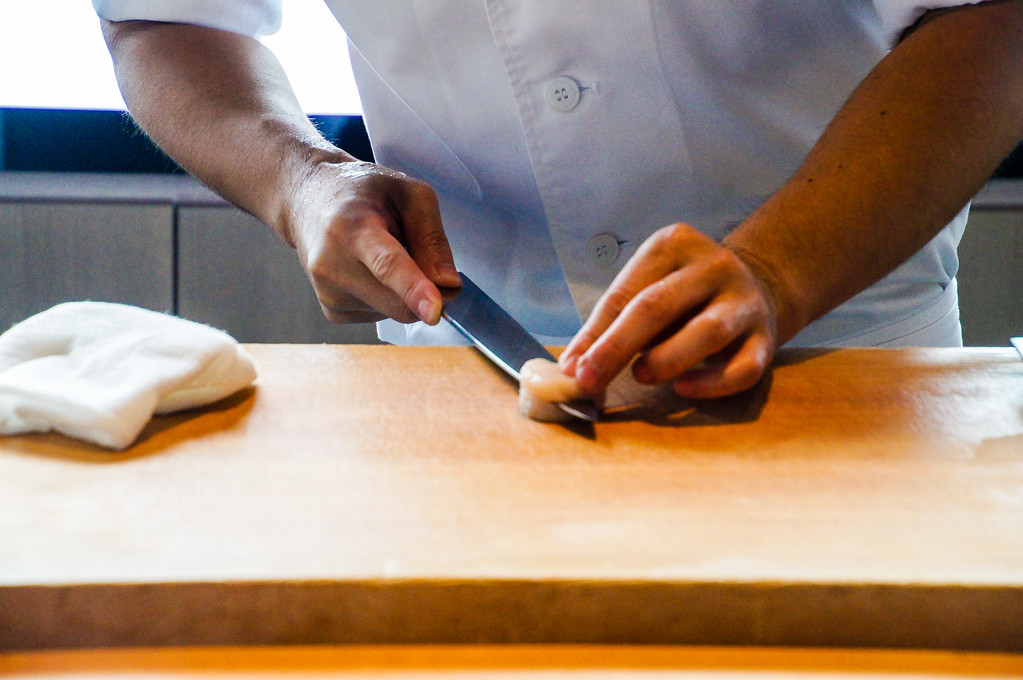
One of our most memorable meals was watching sushi being prepared at Hinokizaka. The precision was mesmerising. It also showed me that excellent rice, careful seasoning and properly handled fish do not need an absurd number of additions.
2. Ramen
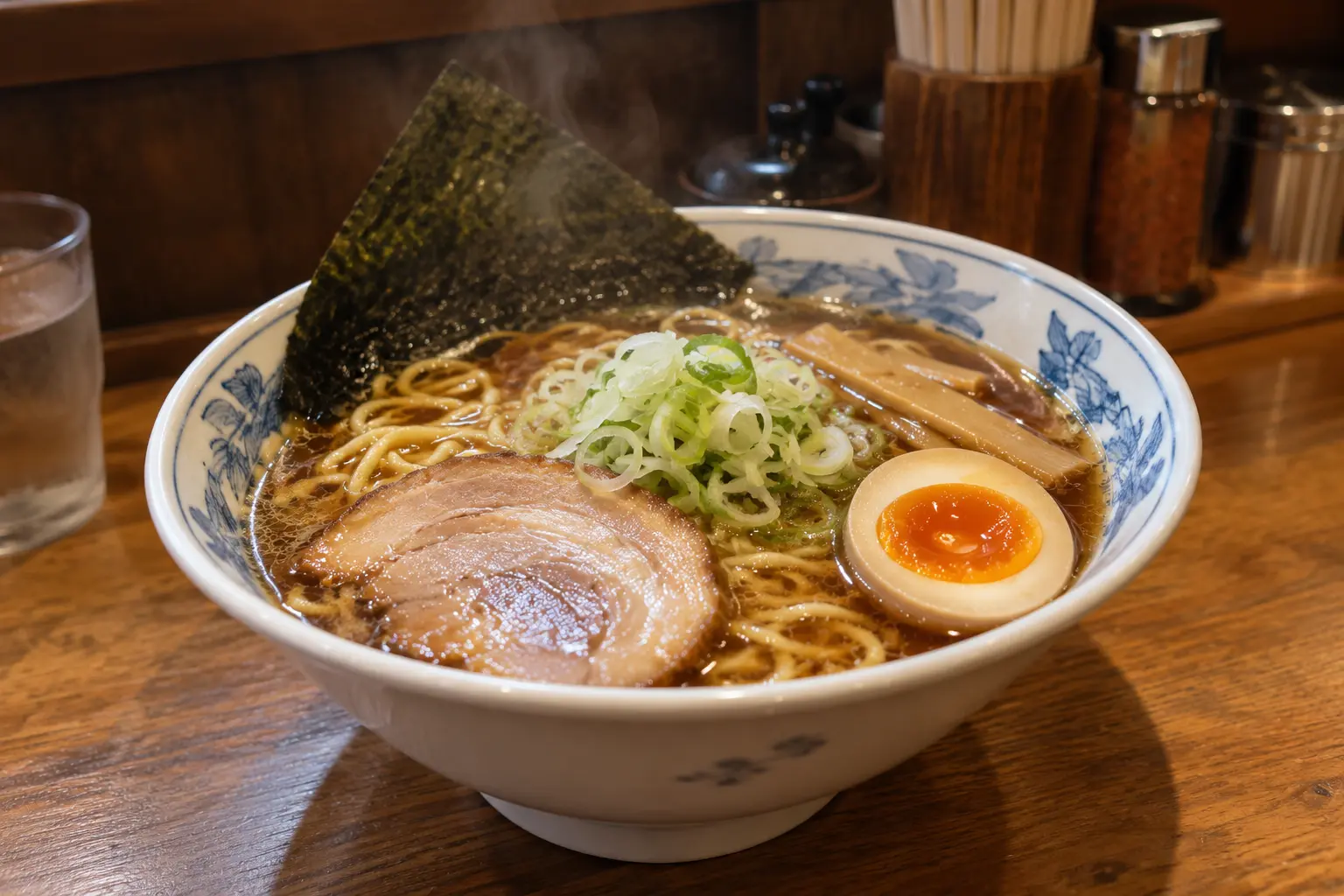
Ramen is not one standard bowl. Broths may be based on soy sauce, miso, salt or pork bones, while noodles and toppings vary enormously. This makes “we already had ramen” a very weak excuse for refusing another bowl.
Many ramen shops use a ticket machine near the entrance. Choose and pay for the dish, then hand the ticket to the staff. Photographs and translation tools help when the machine is entirely in Japanese.
If your commitment to ramen extends beyond one bowl in Tokyo, our Yokohama day-trip guide includes the wonderfully theatrical Shin-Yokohama Ramen Museum and its working regional ramen shops.
3. Udon, soba and regional noodles
Udon noodles are thick and pleasantly chewy; soba noodles are thinner and traditionally made with buckwheat. Both can be served hot in broth or chilled with a dipping sauce.
We ate a gloriously substantial bowl of hoto noodles near Lake Kawaguchiko. Hoto is from Yamanashi rather than Tokyo, but the capital is an excellent place to sample regional Japanese dishes without visiting every prefecture.

4. Tempura
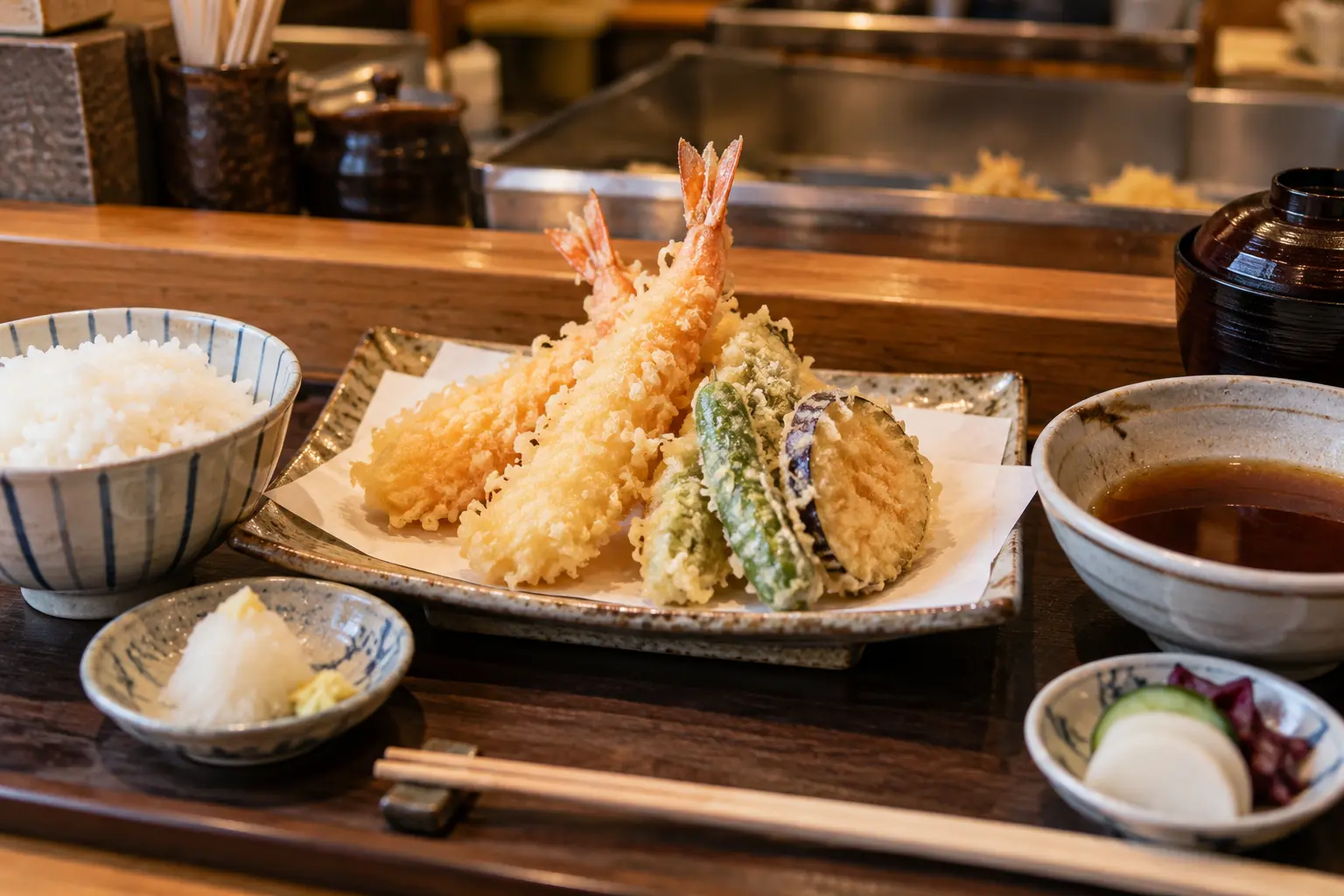
Good tempura is delicate rather than heavy: seafood and vegetables are coated in a light batter and fried until crisp. You may find it as a set meal, served piece by piece at a specialist counter, or placed over noodles and rice.
Eat it promptly. Tempura does not improve while everyone rearranges the table for photographs.
5. Tonkatsu
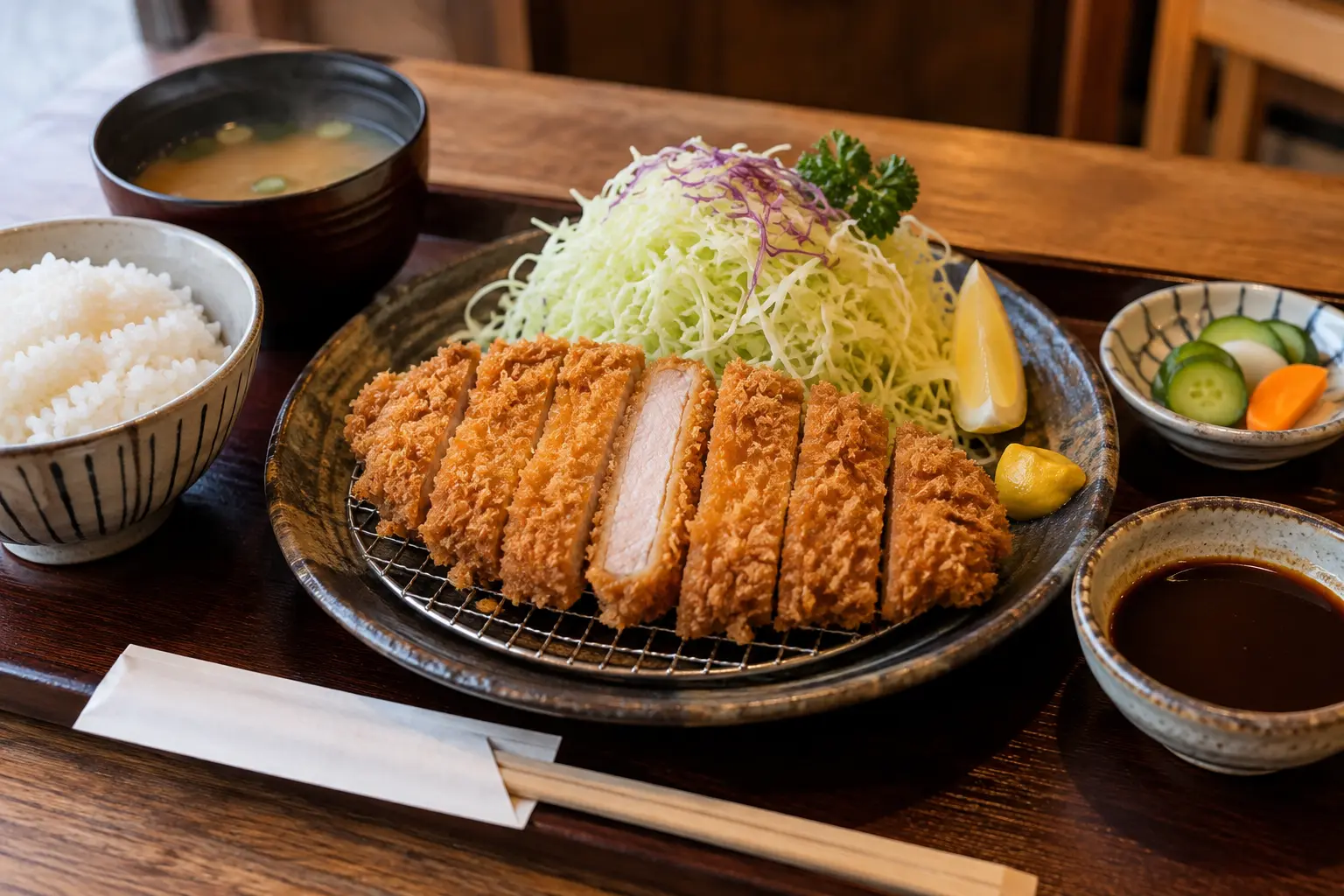
Tonkatsu is a breaded pork cutlet usually served with shredded cabbage, rice, pickles, miso soup and a thick savoury sauce. Fillet is leaner while loin tends to be richer.
Katsu sandwiches are also excellent for a train journey—although considerably better eaten promptly than rediscovered at the bottom of a bag.
6. Yakitori
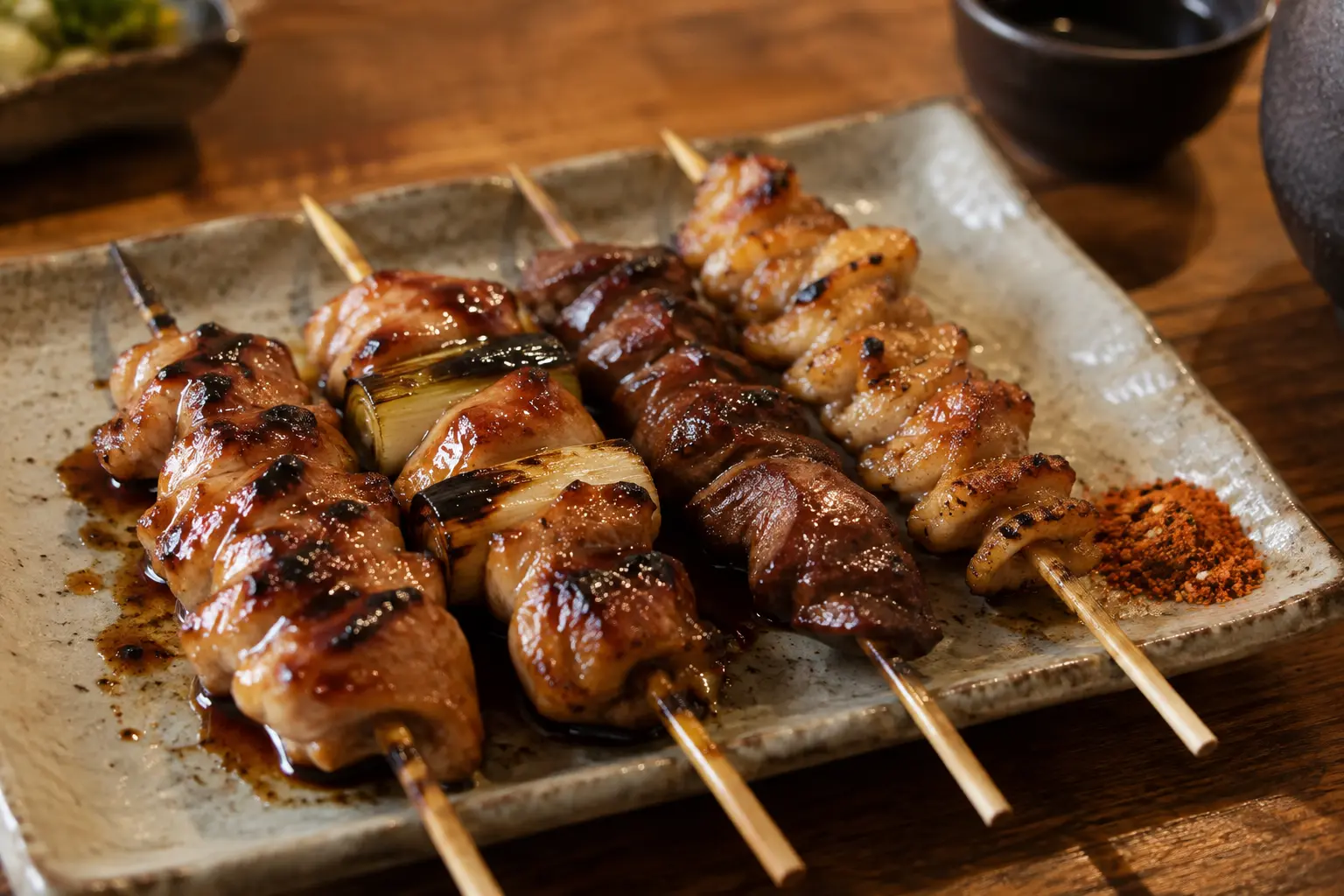
Yakitori restaurants specialise in skewered chicken cooked over a grill. Different skewers use different parts of the bird, along with vegetables. Choose salt seasoning or a savoury-sweet tare sauce where offered.
Ordering several skewers gradually works better than panic-ordering the entire menu. It also lets you discover which less familiar cuts you genuinely enjoy.
7. Yakiniku
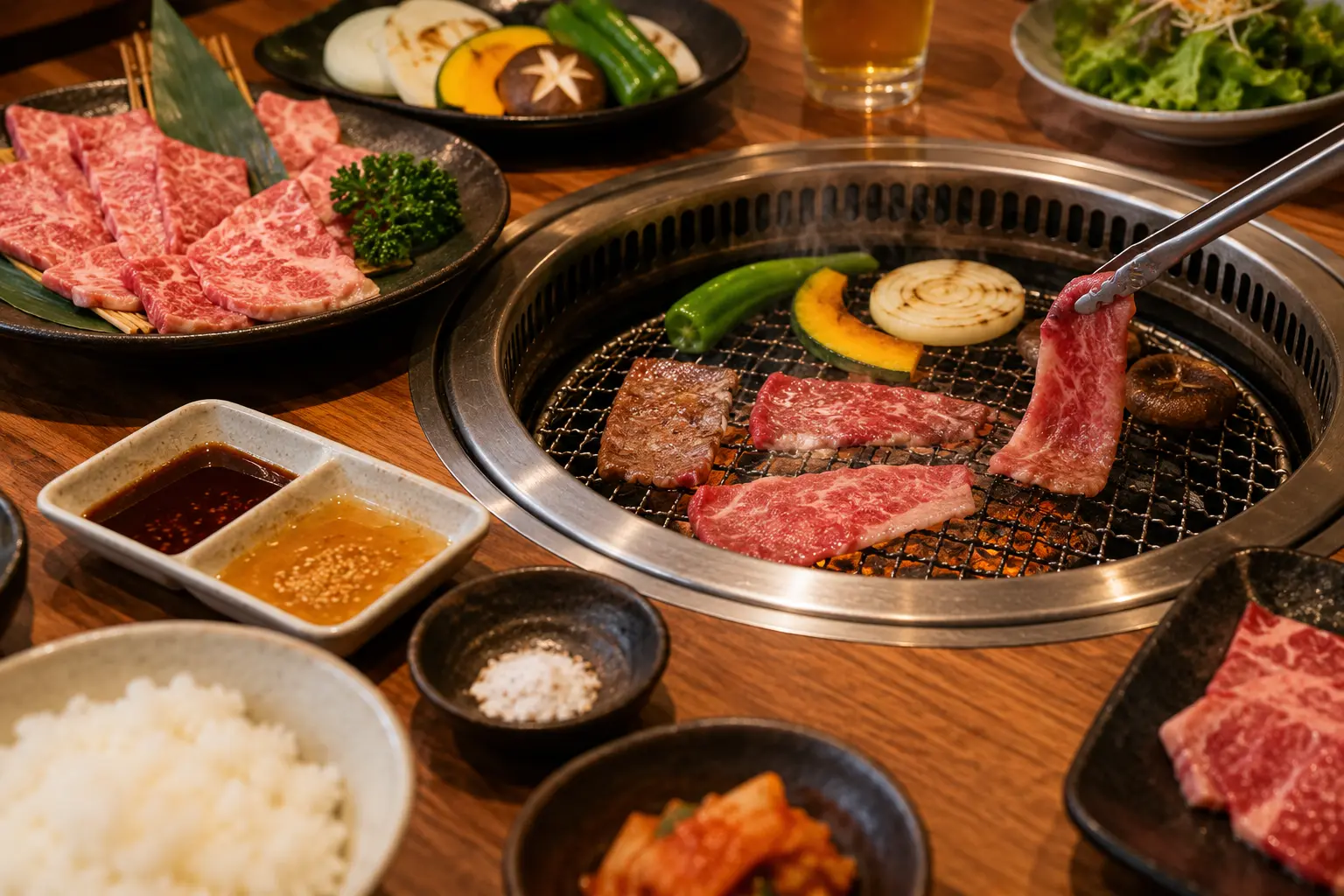
Yakiniku is Japanese-style grilled meat, often cooked by diners on a grill built into the table. It turns dinner into an activity, which is great fun unless one person appoints themselves head chef and refuses to surrender the tongs.
Menus range from approachable mixed platters to premium wagyu. Follow the restaurant’s instructions and use separate utensils for raw meat where supplied.
8. Japanese curry
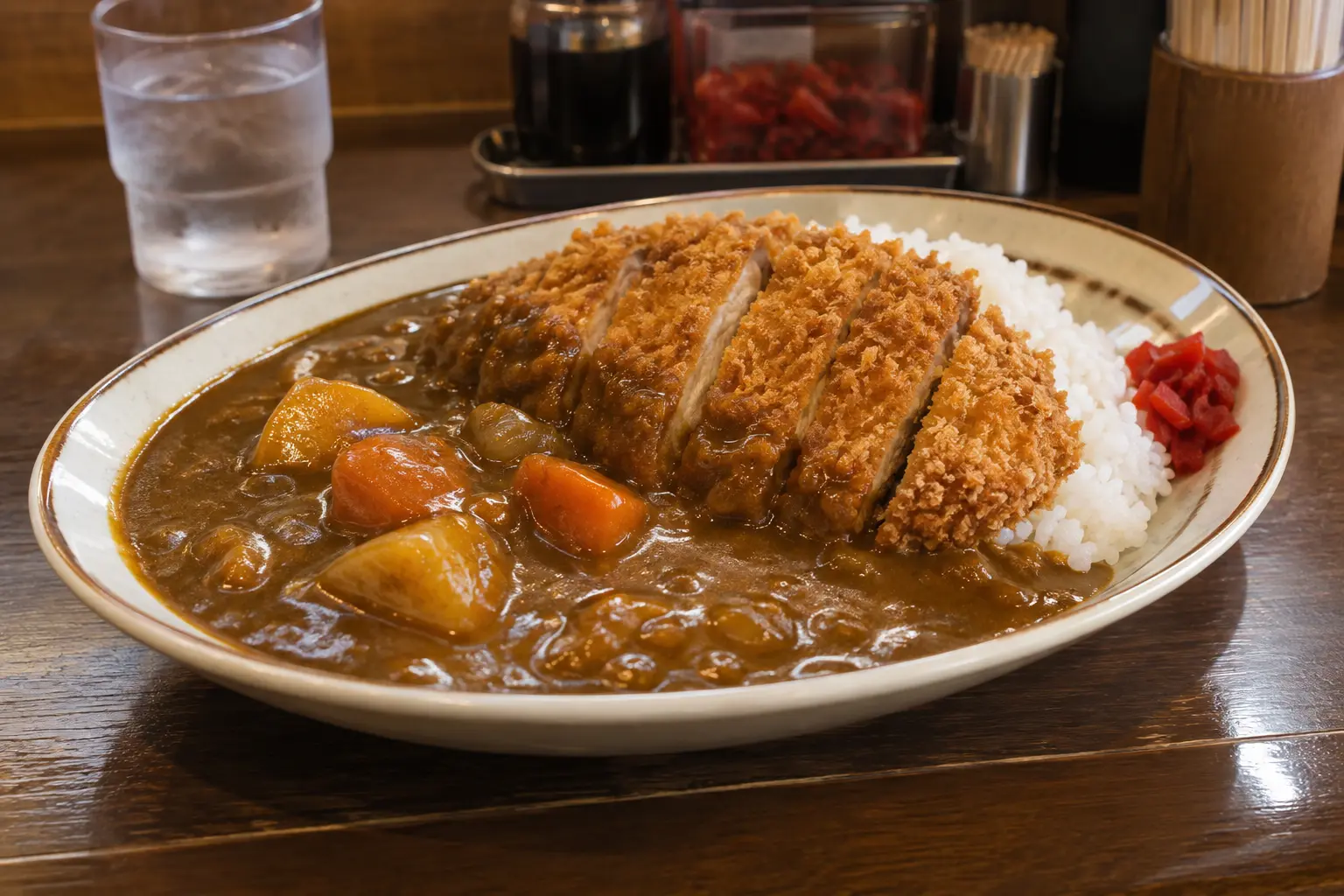
Japanese curry is generally thicker, milder and slightly sweeter than the South Asian curries many British visitors know. It is served with rice and may be topped with tonkatsu, vegetables or cheese.
Curry shops are useful when you want something quick, warming and easy to order. Many let you select the spice level and portion size—two decisions worth treating separately.
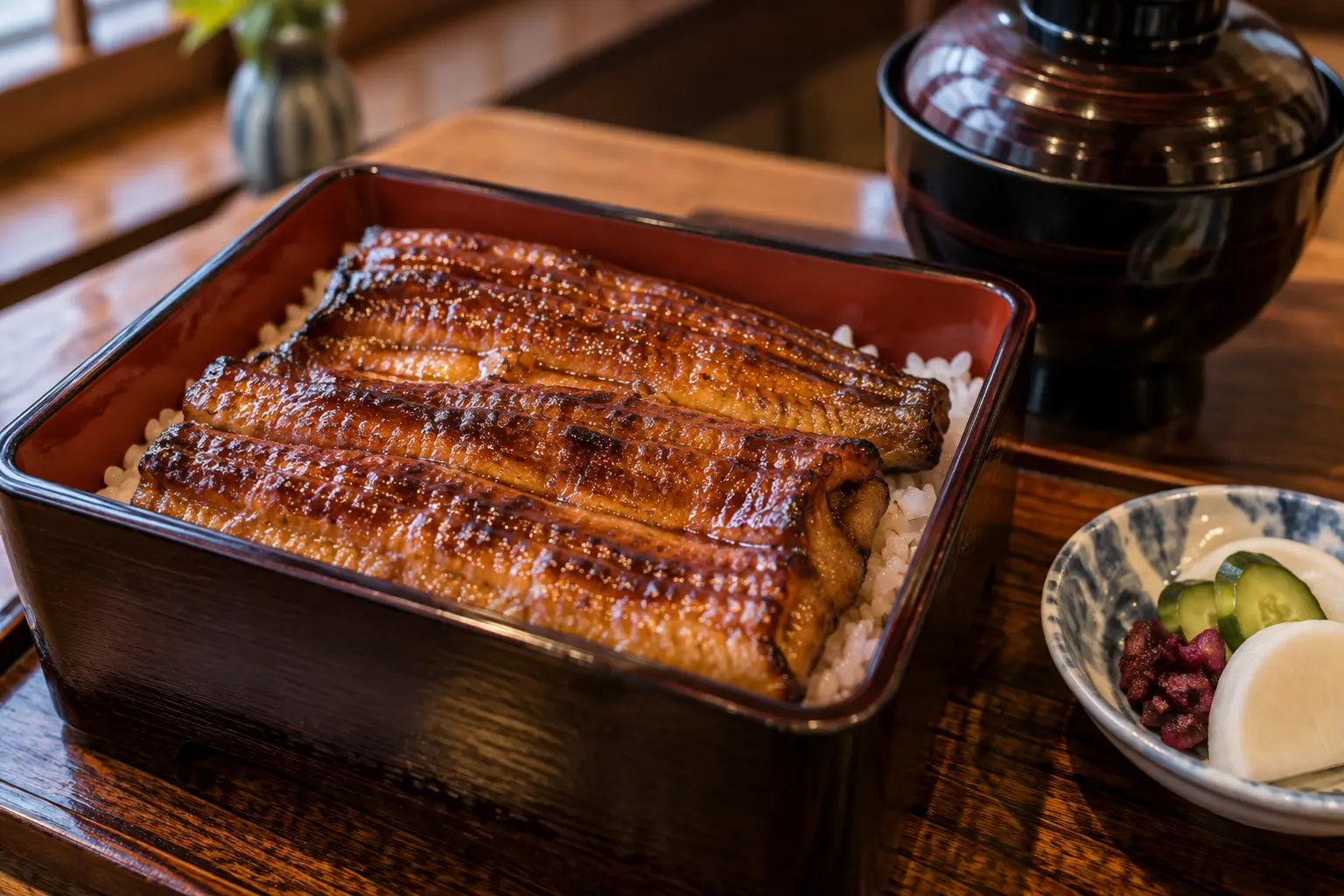
9. Unagi
Unagi is freshwater eel, normally grilled and glazed with a sweet-savoury sauce before being served over rice. The texture is soft and rich rather than remotely snake-like, if that is the mental hurdle stopping you ordering it.
A specialist unagi meal can be expensive, so consider it as one planned treat rather than an impulsive snack.
10. Gyoza
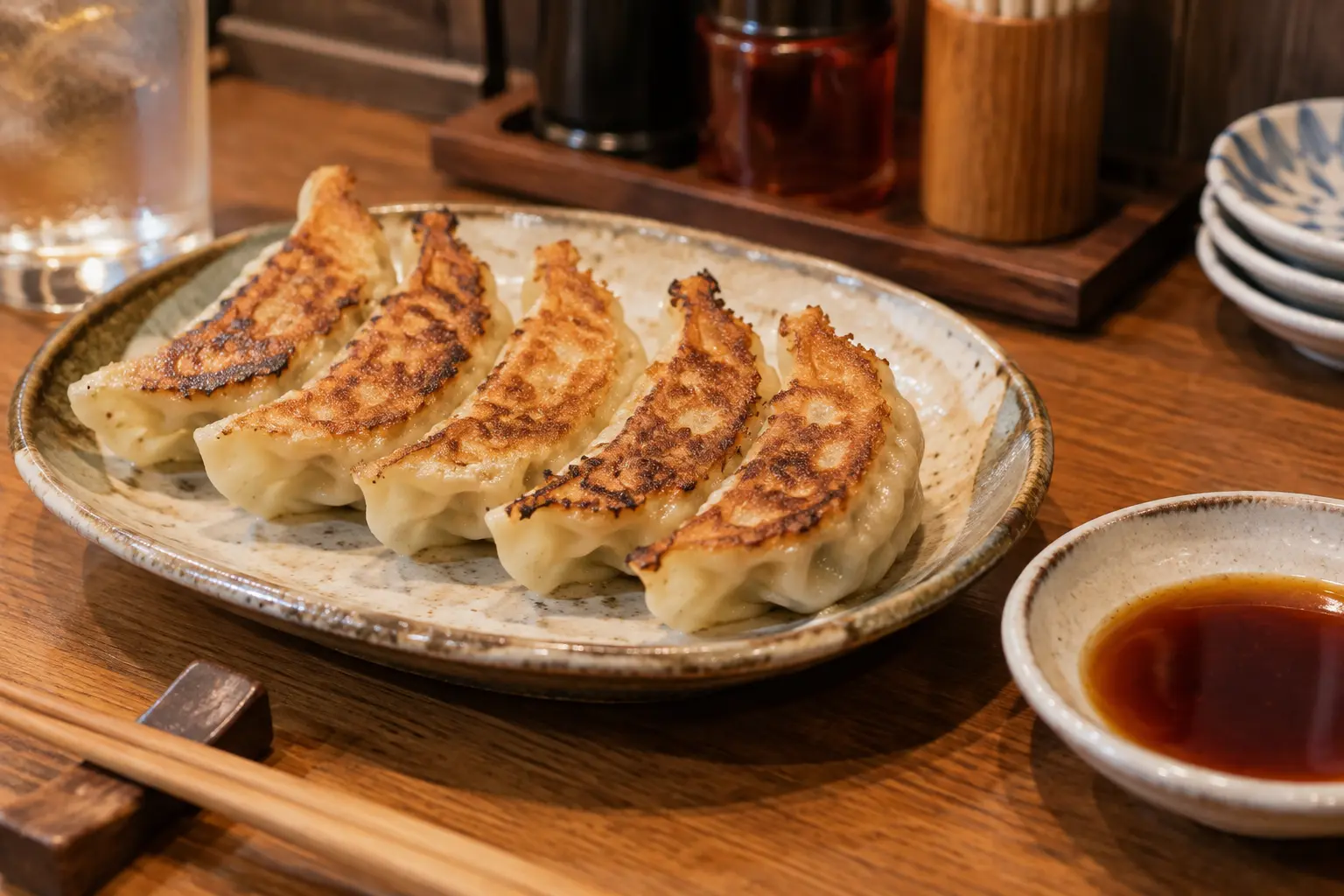
Gyoza are Japanese dumplings, commonly filled with pork and vegetables and cooked so they are crisp underneath but soft above. They are easy to share alongside ramen, rice or drinks.
11. Traditional Japanese set meals
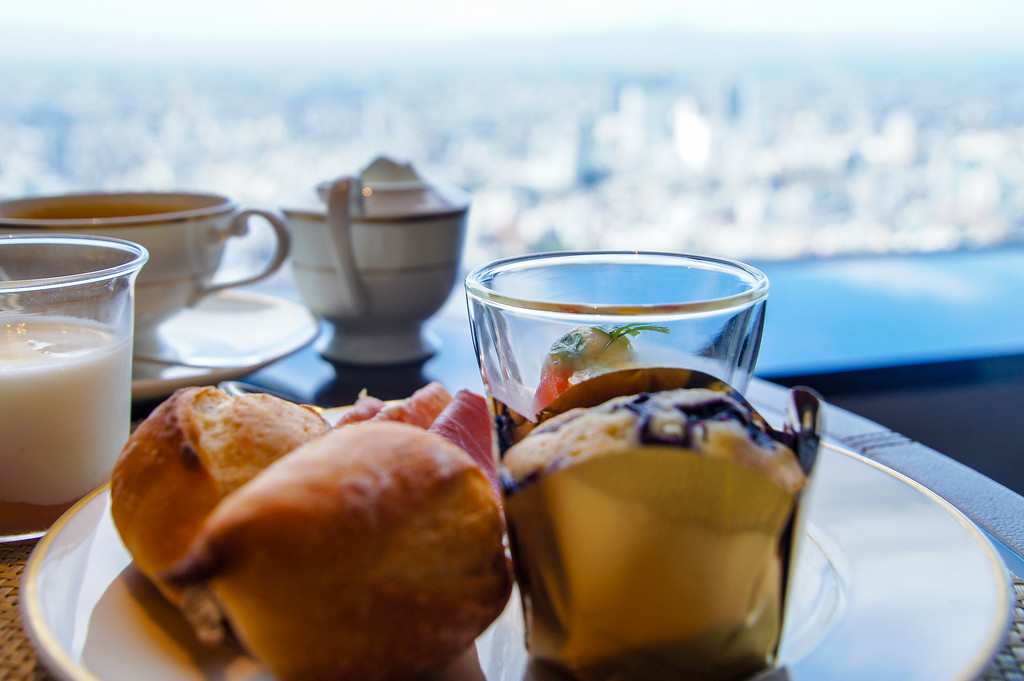
A set meal—or teishoku—typically combines a main dish with rice, soup, pickles and small accompaniments. It is an easy way to experience the balance of an everyday Japanese meal without ordering every component separately.
Hotel breakfasts gave us a gentle introduction. Fish, rice, vegetables and soup sat alongside familiar Western choices and made toast look rather underdressed.
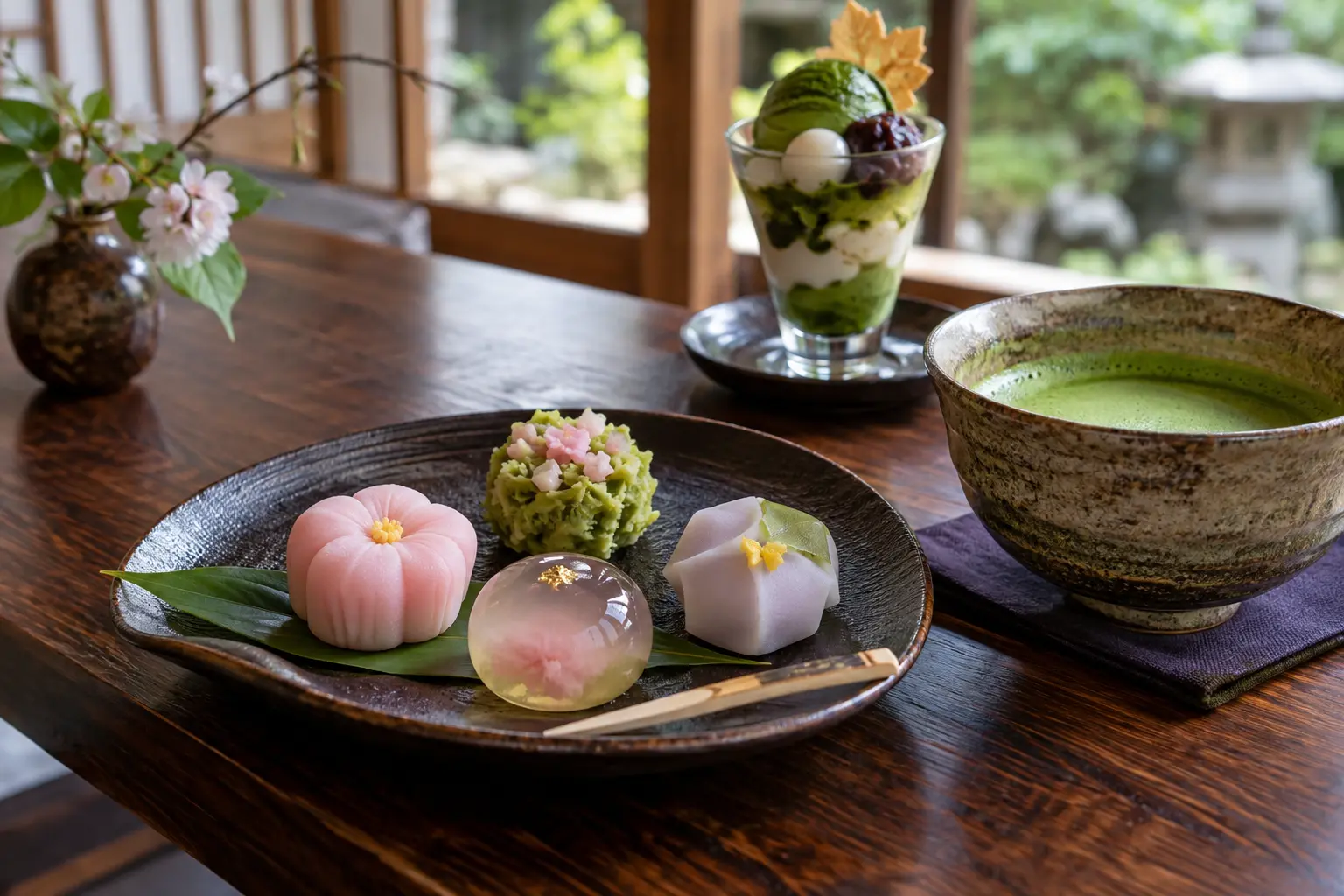
12. Wagashi, matcha and Japanese desserts
Wagashi are traditional sweets, often designed around the season and served with tea. Their textures and restrained sweetness can feel very different from British confectionery.
Tokyo also excels at matcha desserts, parfaits, crepes, castella cake, fluffy pancakes and beautifully engineered pastries. Department-store basement food halls are dangerously efficient places to survey the options. If your sweet tooth plans your trips too, our guide to candy from around the world has plenty more ideas.
Practical tips for eating in Tokyo
Do not ignore convenience stores
Onigiri, sandwiches, bento boxes, salads, noodles and desserts can rescue an early start or late arrival. Use convenience stores for breakfast before a train, day-trip snacks and emergency suppers—but leave room for independent restaurants and markets too.
Where should you eat in Tokyo?
Choosing by neighbourhood is more practical than crossing the city for every viral recommendation. Tokyo is far too large to treat as one restaurant district.
- Look around major stations for department stores, food halls and restaurant floors.
- Explore neighbourhood shopping streets for bakeries, cafés and casual meals.
- Use business districts for efficient weekday lunches and specialist counters.
- Book destination restaurants in advance but keep several meals free for discoveries.
How to order food in Tokyo
Photographs and plastic food models often make ordering easier than expected. Some shops use ticket machines, others provide tablets, and traditional restaurants may use printed menus or verbal ordering.
- Check whether you should wait to be seated or order first.
- Use the basket, tray or hook provided for bags and coats.
- Do not assume every restaurant accepts every payment method.
- Explain allergies clearly rather than relying on a dish looking safe.
- At busy counters, eat before settling in to plan the rest of the day.
Vegetarian, vegan and allergy-aware eating
Dietary restrictions require planning because fish stock, meat extracts and sauces may be present even when they are not visible. Translate the exact restriction, save it on your phone and research suitable restaurants near each day’s sightseeing.
Staff may be unable to guarantee the absence of allergens in a small shared kitchen. Treat that as important safety information, especially where the medical consequences could be serious.
How much should you budget for food in Tokyo?
Tokyo supports almost any budget. Noodle shops, curry restaurants, set lunches and convenience-store breakfasts can control spending, while sushi counters, wagyu and tasting menus can consume it with impressive speed.
Plan a mixture of inexpensive everyday meals, several mid-range restaurants and one or two experiences you genuinely care about. Check current menus rather than using old blog prices. Our Japan travel-budget guide covers the wider trip costs.
Frequently asked questions about food in Tokyo
What food is Tokyo best known for?
Sushi, tempura, soba and unagi all have strong connections with the city, but modern Tokyo is equally valuable for its enormous range of regional Japanese food.
Can you eat cheaply in Tokyo?
Yes. Noodle shops, curry restaurants, set lunches, bakeries and convenience stores provide many lower-cost options.
Do you need restaurant reservations in Tokyo?
Not for every meal. Reserve limited-seat restaurants, tasting menus or places with exceptional demand, but keep ordinary meals flexible.
Is it rude to slurp noodles in Japan?
Slurping noodles is accepted and common, but it is not an entrance examination. Eat comfortably without turning the meal into a performance of imagined rules.
Final thoughts on eating in Tokyo
Tokyo is a city where eating is not something fitted around the sightseeing. It is part of the sightseeing.
Plan a few essential meals, learn the basic ordering systems and leave enough room to follow your appetite. The tiny shop you choose because you are hungry and it smells wonderful may outshine the restaurant bookmarked six months earlier.
What was the best thing you ate in Tokyo?
Comment below and let us know!
Did you enjoy this article?
Share it with your friends and family on Facebook, Twitter and Pinterest.