
Written by Katharina Mungall
Travel writer, photographer and architect
Shibuya, Harajuku and Shinjuku sit almost next to each other on the JR Yamanote Line, which makes them look like an easy day out. It is a good day. But any one of the three can quietly swallow the whole of it, and the stop most likely to get squeezed out is the one whose gates close with the daylight: Meiji Jingu.
We did the broad version of this route on our first trip to Tokyo in 2015: Shibuya, Harajuku, Meiji Jingu and then up the government building in Shinjuku. We went back to Harajuku and Shinjuku on 23 May 2019. What follows is the route I’d suggest now, built from both trips rather than a replay of one particular day. And it’s a full day, not a morning.
Our visits: 2015 and 23 May 2019. Practical details reviewed on 28 September 2026.
Can you fit all three areas into one day?
Yes, as long as you’re willing to choose. The crossing, some shopping, lunch, the shrine, a viewpoint and dinner already make a long day. What doesn’t fit is every department store in Shibuya, a proper browse of both Takeshita Street and Omotesando, the paid extras at Meiji Jingu, two observation decks and a night out in Shinjuku. Pick one priority in each area and the day works. Try to keep everything and it’s the shrine that pays for it.
| Stage | The choice to make |
|---|---|
| Shibuya | The crossing, plus one priority: shopping, a paid viewpoint or just a short look |
| Shibuya to Harajuku | Walk via Cat Street towards Omotesando, or take the Yamanote Line one stop |
| Harajuku | Takeshita Street, Omotesando and the side streets, or a little of each; lunch here |
| Meiji Jingu | The main shrine, with the paid garden and museum as optional extras |
| Shinjuku | A city view on the west side, or dinner and an evening on the east side |
For planning, allow roughly 1–2 hours in Shibuya, another 1–2 hours walking and browsing into Harajuku, plus lunch, around an hour at the shrine and 2–3 hours in Shinjuku. Those are flexible allowances: spending longer in one area means shortening another.
This is the western Tokyo block from our 5 Day Tokyo Itinerary: Build Your Own Route From Our 3 Trips, so if you’re still deciding which days to include, start there and come back.
Start with the crossing and one Shibuya priority
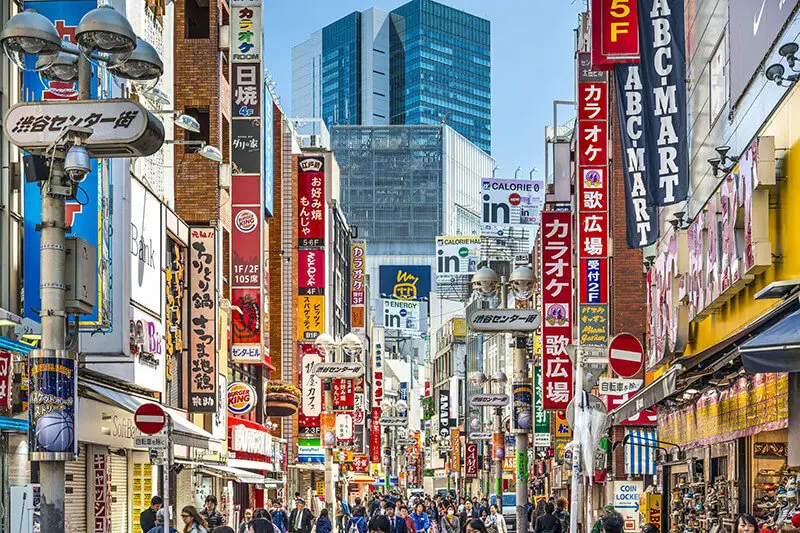
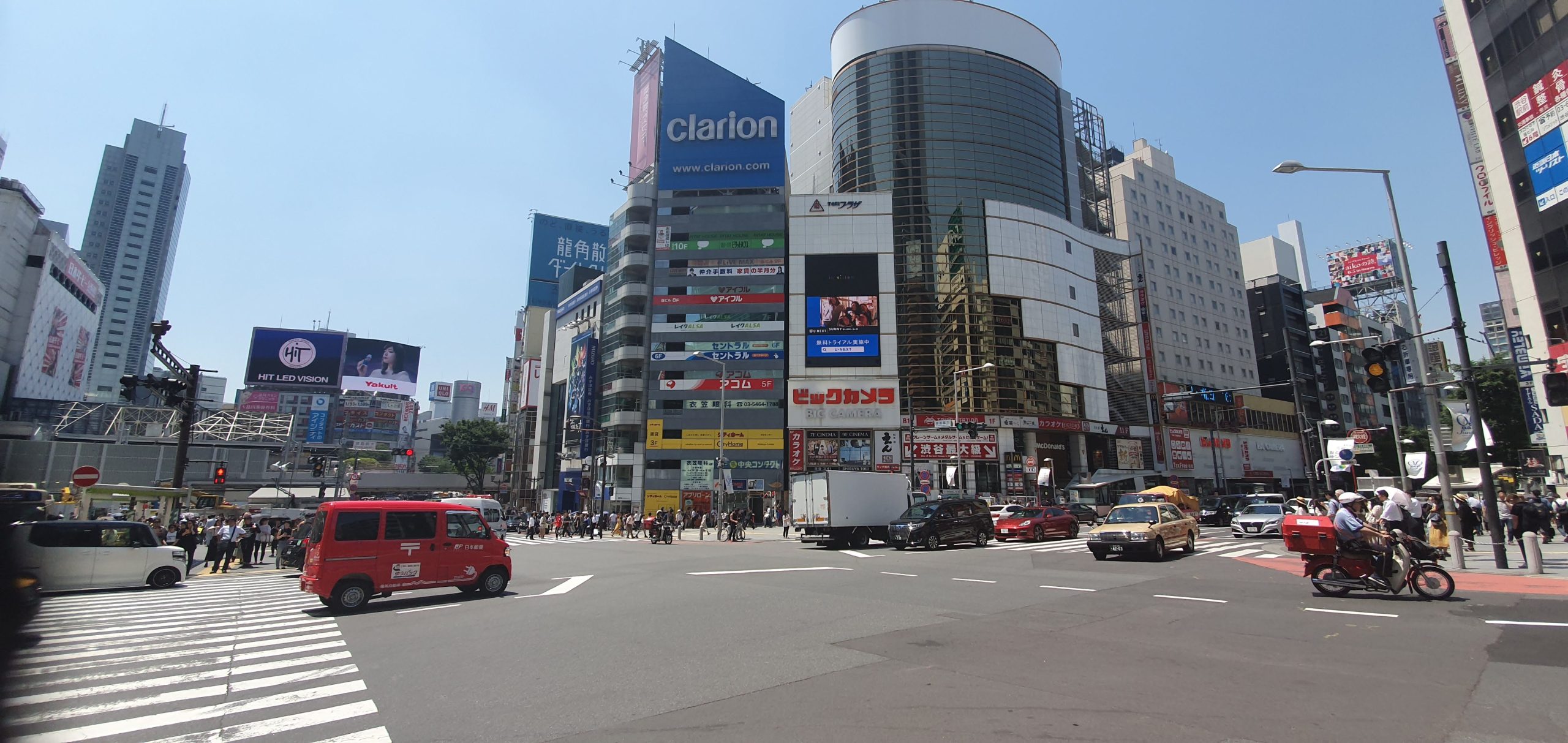
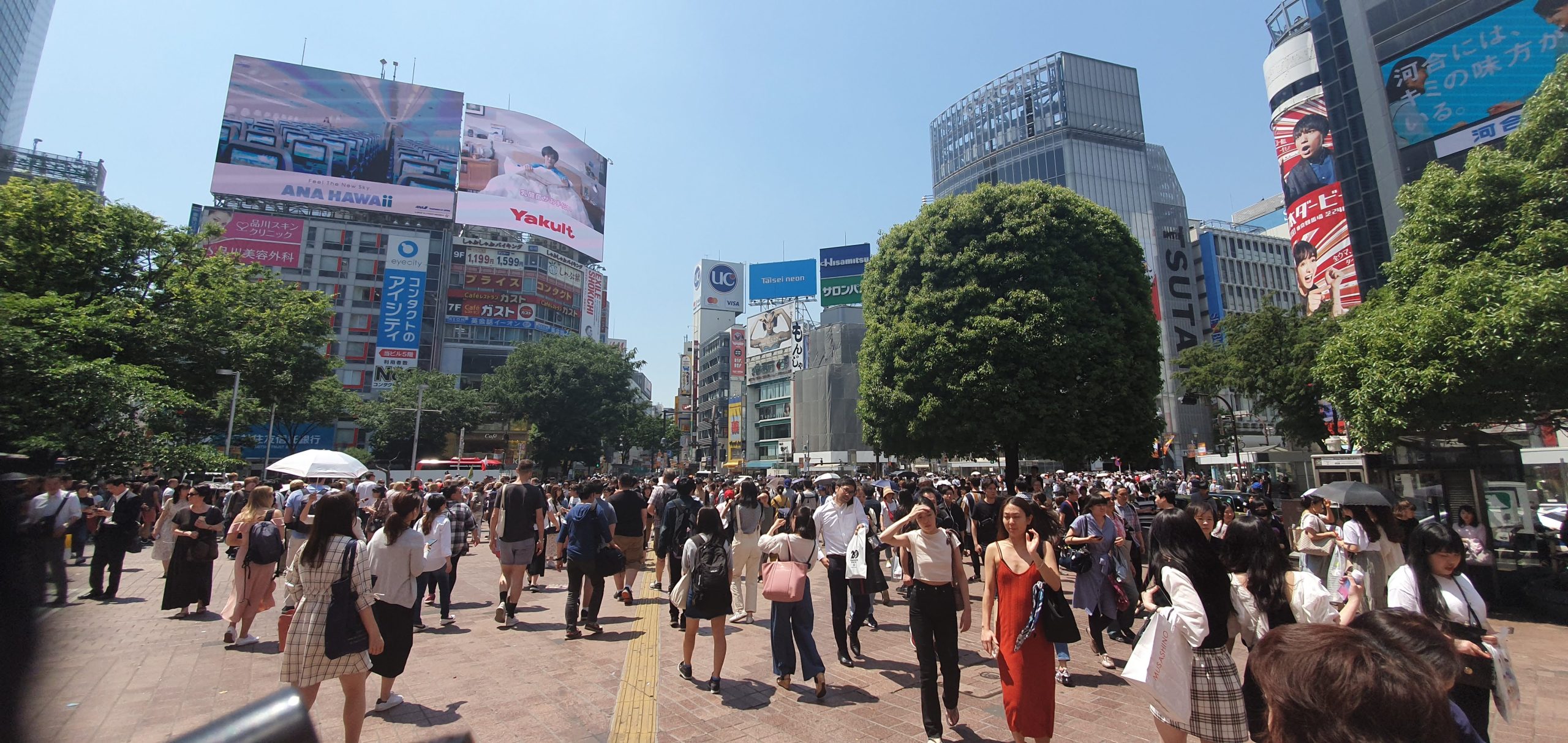
Come out of Shibuya Station on the Hachiko side and you get the Hachiko statue and the scramble crossing in one go. Cross it, look up at the screens, take your photo. Then decide what Shibuya is actually for today.
That second step matters more than it sounds. Nobody needs an hour to capture the crossing, and you don’t need to see all of Shibuya before lunch. Trying to is how the rest of the route disappears.
If fashion and department stores are your thing, this is the place to give them an hour or two, and then trim the Harajuku browsing to match. If they aren’t, a short loop is plenty and you can move on. Either way, I’d start by late morning rather than at the crack of dawn. The crossing works at any hour, but there’s no point arriving for the shopping before the shops do.
Is Shibuya Sky worth adding to this route?
Shibuya Sky is the observation attraction with an open-air rooftop at Shibuya Scramble Square, above the station. On this route it competes with the viewpoint at the end of the day in Shinjuku, and it eats into the time you need for Meiji Jingu. It uses tickets for a specified date and entry time, so if you want it, book ahead and make it your Shibuya priority rather than an extra. If you only want one view of the city today, pick one deck, not both.
Walk towards Harajuku, or save time with the train
Shibuya and Harajuku stations are one stop apart on the JR Yamanote Line. The train is the sensible choice if you’re already flagging, if walking is difficult, if the weather has turned or if you’re guarding your time for the shrine.
The walk is better when the connection is part of the point. Rather than following the main road, head for Cat Street, a shopping street linking the Shibuya side with Omotesando, with a mix of smaller shops and international brands. It brings you out at the Omotesando end of Harajuku, which is a good place to start the next section. Just be honest with yourself about the browsing on the way, because a simple connection can turn into a large chunk of the day. Taking the train reduces the street walking, but you still need to allow for station passages and the shrine approach; check lift routes if you need step-free access.
Choose what interests you in Harajuku
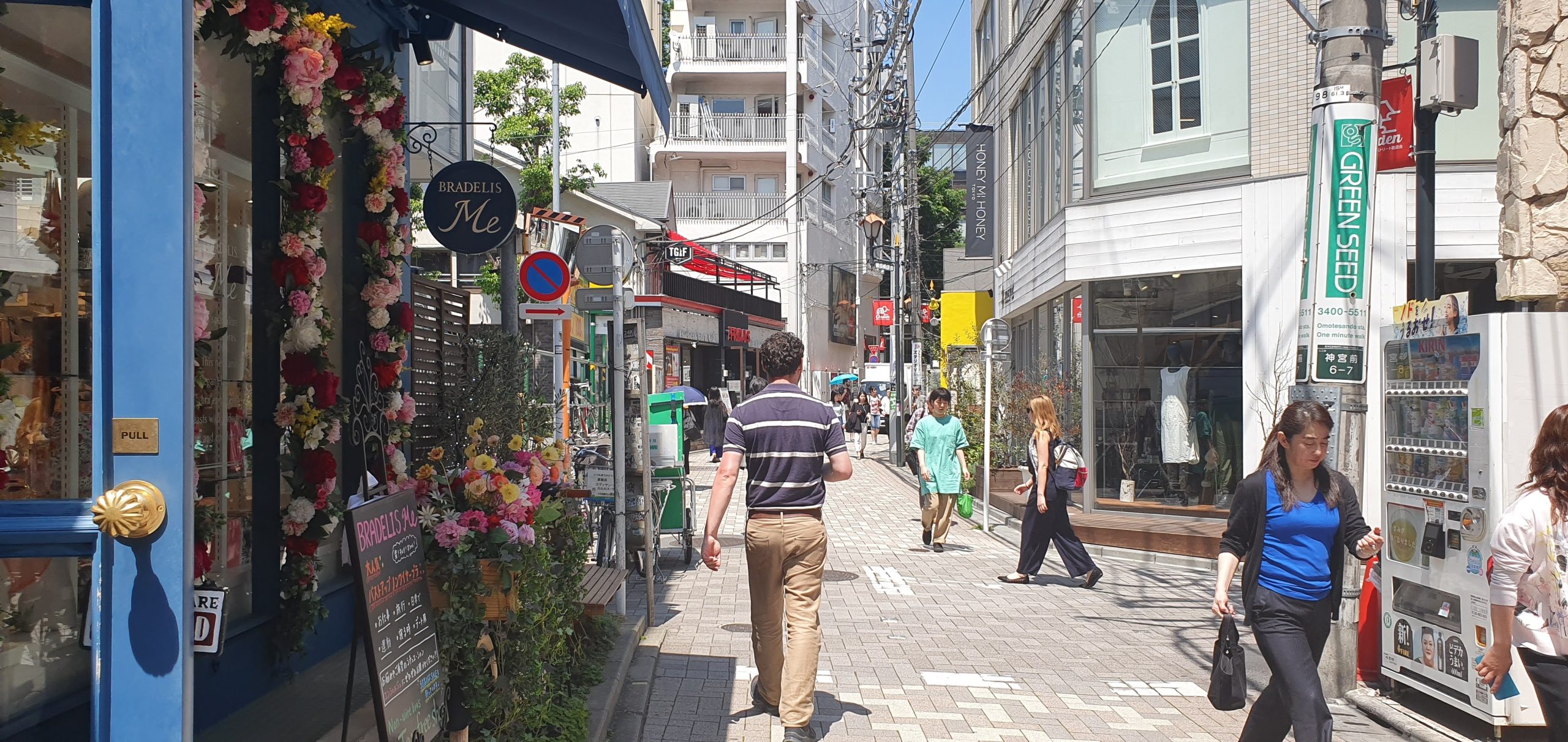
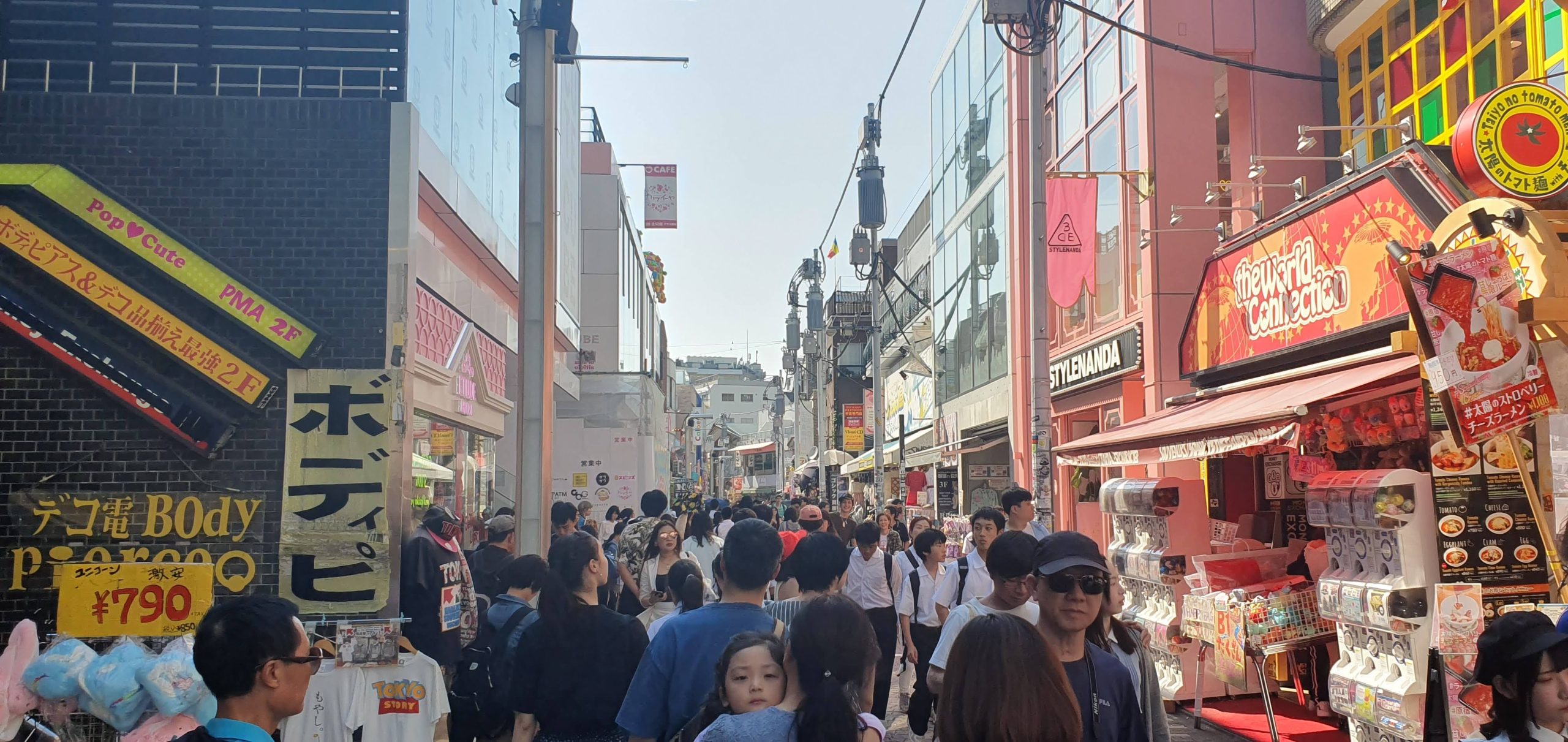
Harajuku has two quite different sides. Takeshita Street is the narrow, packed one, full of youth fashion, sweets and novelty shops. Omotesando is the broad avenue of bigger fashion names and modern shopfronts, with smaller side streets running off it. You can do a bit of both. If the crowd on Takeshita Street becomes the only thing you can see, it’s fine to leave.
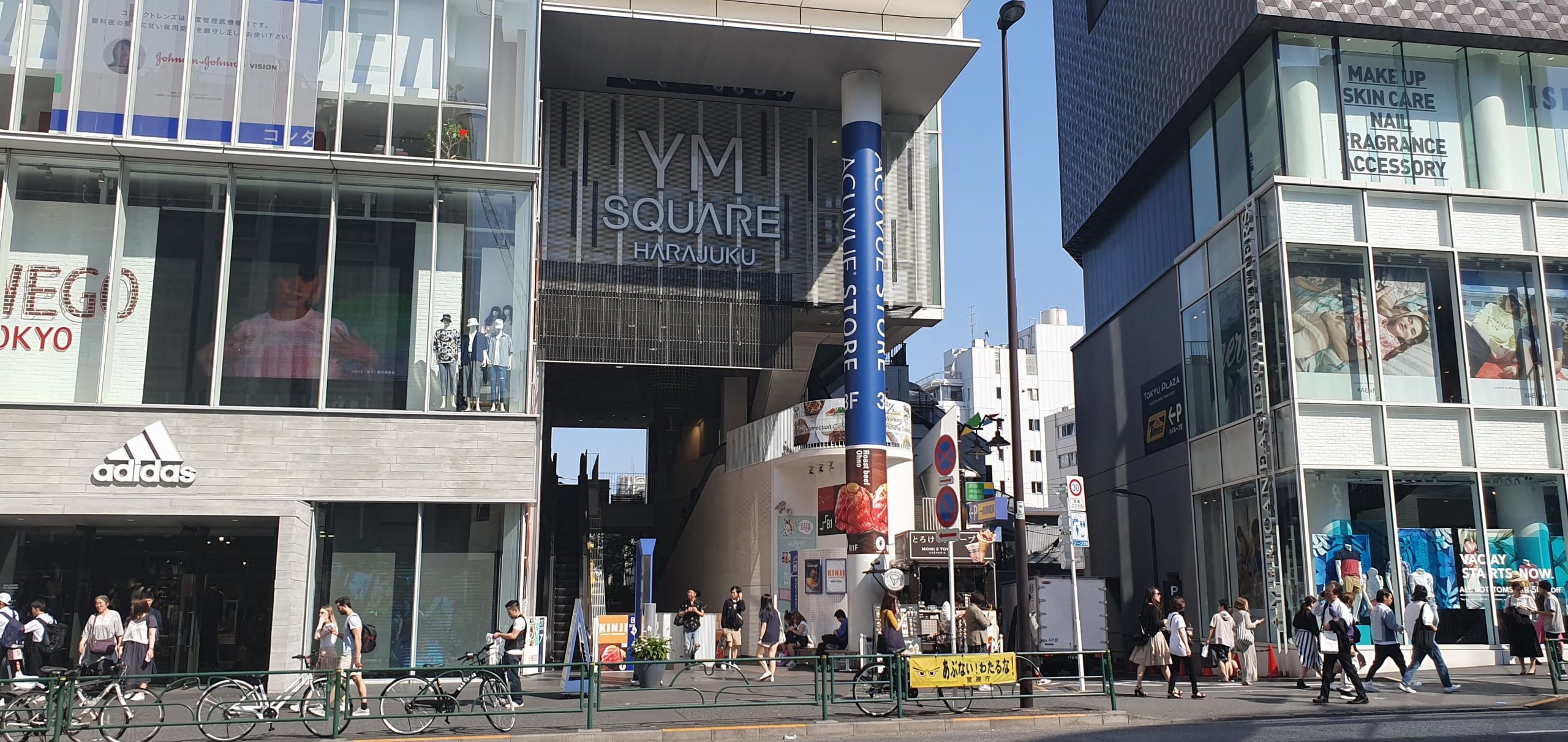
Do set your expectations for Takeshita Street, though. When we walked down it in May 2019, we didn’t see anyone in cosplay. Not a single person. Our old itinerary described a costume parade, but it isn’t something you can schedule into an itinerary.
What we did do was purikura, the photo booths where you pose with friends and get the prints at the end (the name is short for "Print Club"). If you want something to do on Takeshita Street rather than just something to look at, that’s the one I’d suggest.
Have lunch in Harajuku, before the shrine. The approach to Meiji Jingu and the walk back out take time, so I’d eat before setting off rather than interrupting the visit to find lunch. Our What to Eat in Tokyo: 12 Foods You Should Try guide will help you decide what to order wherever you end up.
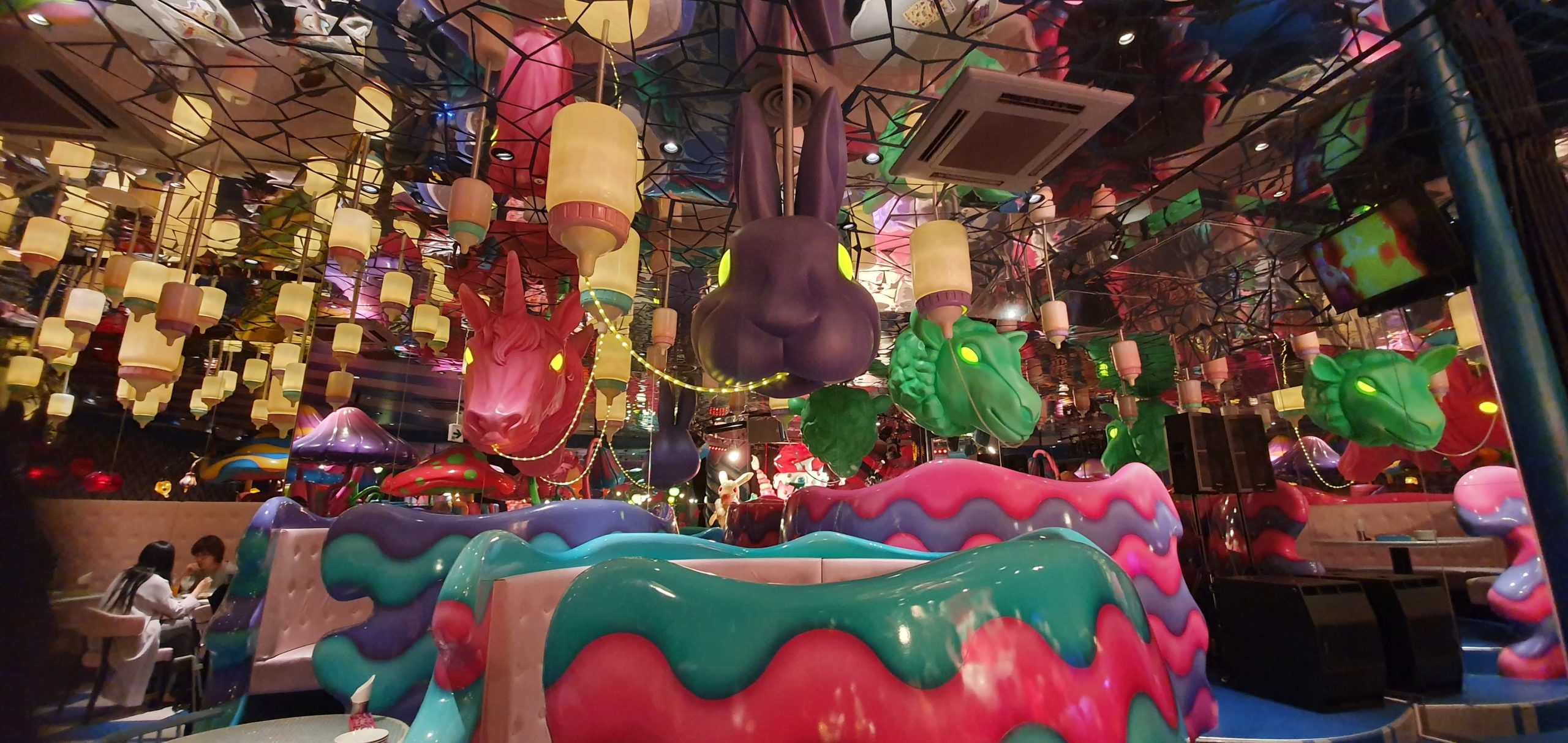
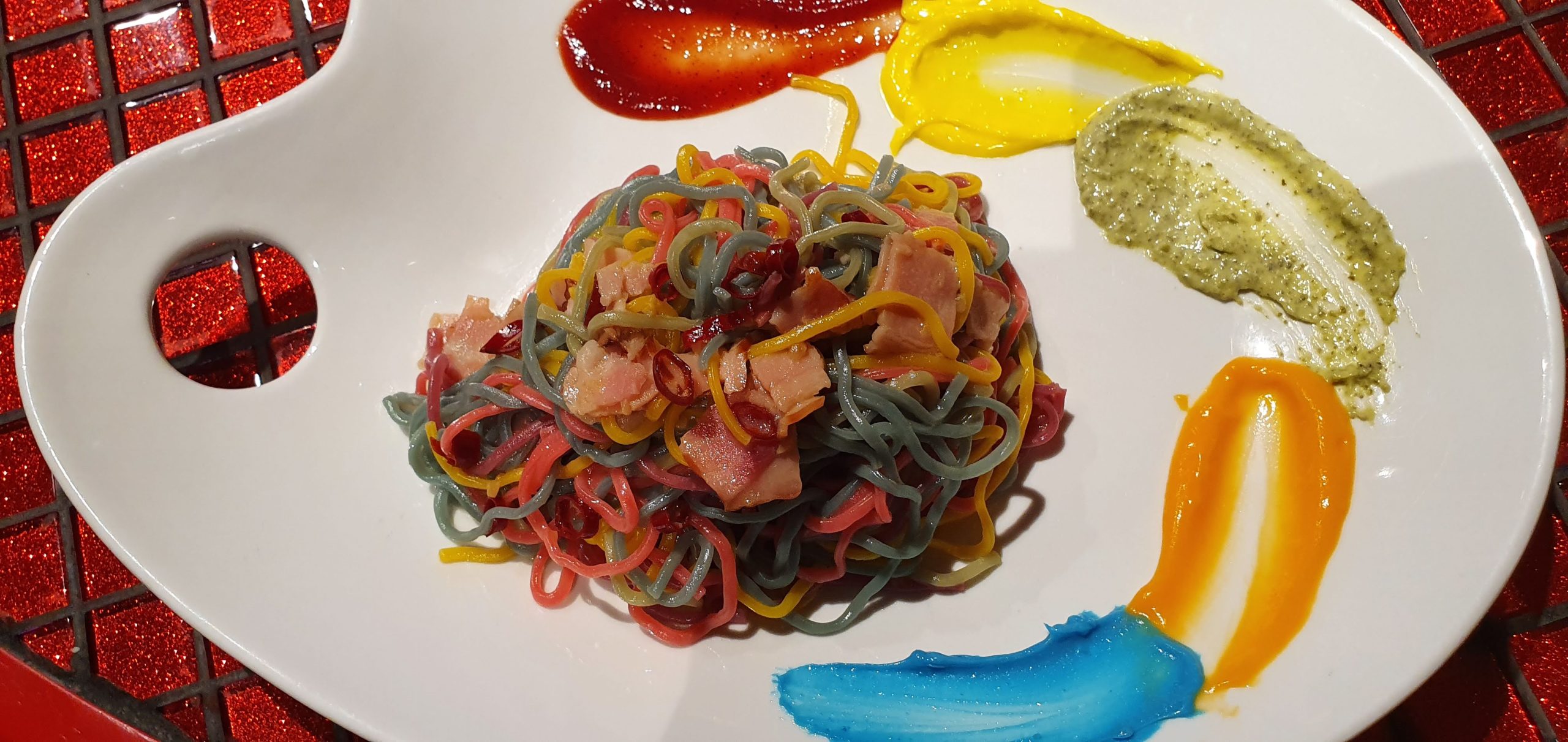
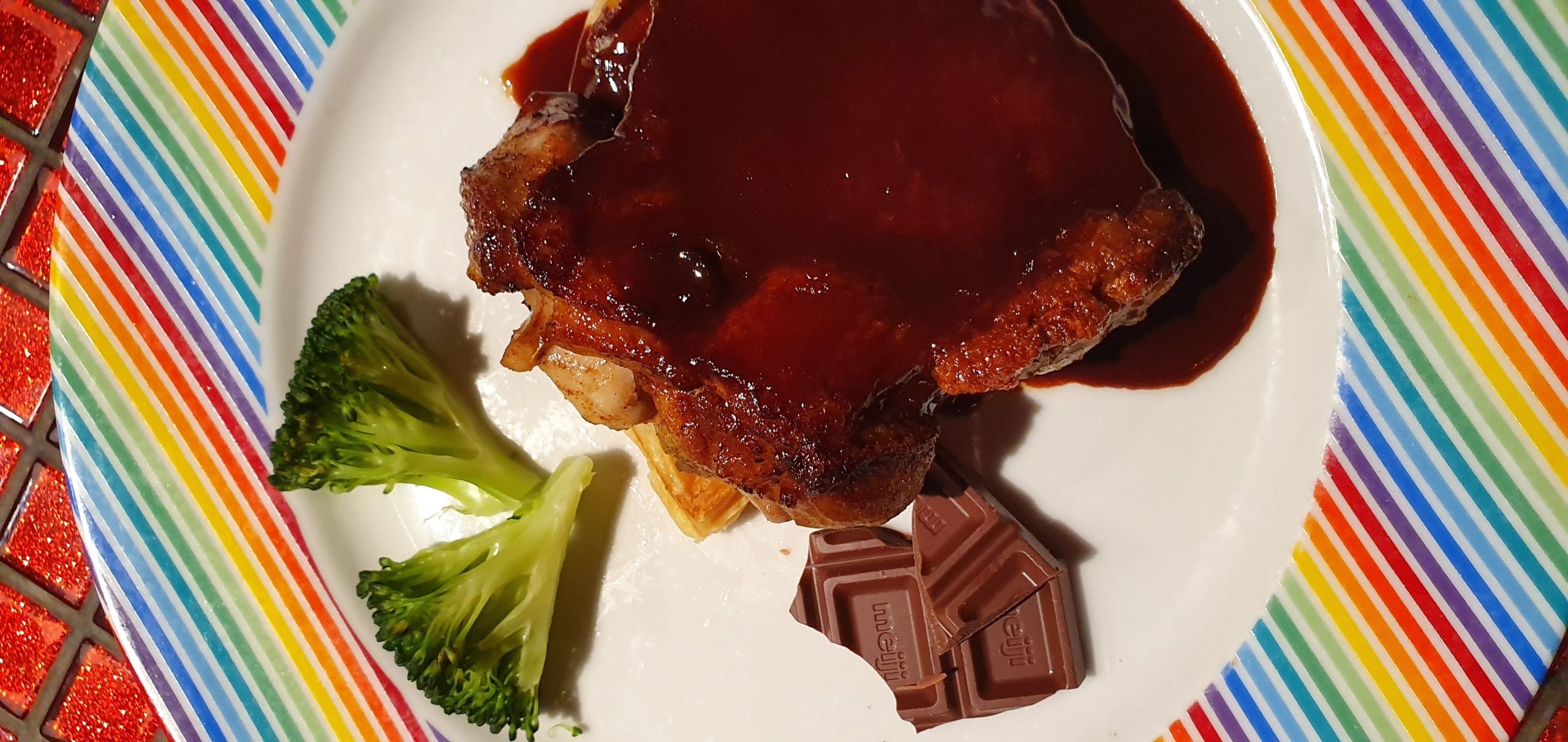
Our own lunch in 2019 was at the Kawaii Monster Cafe, which was a bit like a maid café gone mad. I had the painter’s pasta. Gary ordered the chocolate chicken, assuming "chocolate" was just a way of describing a brown sauce. It was chocolate. Dessert was at Café Ron Ron, a conveyor-belt café. That Kawaii Monster Cafe location closed in January 2021, so treat this paragraph as a snapshot of 2019 rather than a lunch plan.

Reach Meiji Jingu before the afternoon runs away
Meiji Jingu’s southern entrance is right by Harajuku Station, but the shrine itself isn’t. Wide gravel paths lead through the forest for at least ten minutes before you reach the main buildings, and then you walk back out again. That approach is a big part of the visit, and it’s why I’d put the shrine in the middle of the day rather than trying to catch it on the way to dinner.
Yoyogi Park is next door, but it is separate from Meiji Jingu. The park has open lawns; the shrine has its own forested grounds and entrances. You don’t need both today.
The gates follow the daylight, so the closing time moves month by month. The official monthly timetable lists closing at 5.20pm in September, 6.30pm in June and 4pm in December. Check the month you’re travelling before deciding how long to shop. If you won’t reach the shrine with enough time for the visit and the walk out, cut the Shibuya or Harajuku browsing and go straight there.
Entry to the main shrine grounds is free. Allow roughly an hour without the paid extras. The Inner Garden and the museum are optional and keep their own hours. Our guide Is Meiji Jingu Worth Visiting? What to Expect at Tokyo’s Forest Shrine covers the etiquette, the extras and whether they’re worth paying for, so I won’t repeat it here.
Take the train to Shinjuku and choose your evening
From Harajuku, the Yamanote Line gets you to Shinjuku in a couple of stops. You could walk, but after the shrine approach I’d save your legs for the evening.
Decide which side of Shinjuku Station you want before you get there. The station splits the area in two: the skyscrapers and the government buildings are on the west side, and the department stores, restaurants, Kabukicho and the neon are on the east. Coming out on the wrong side and crossing back through the station is an easy way to lose the time you thought you’d saved.
The government observatory for a city view
The Tokyo Metropolitan Government Building on the west side has free observation decks, so it is the option I’d choose if you want a city view without paying for another attraction. We went up in 2015, but didn’t see Mount Fuji.
A clear day is a bonus, not a given, so don’t plan your day around seeing the mountain from up here. Check the current opening days and which deck is open on the Tokyo Metropolitan Government observatory page before you go, rather than relying on an older guide.
Dinner and an east-side evening
If you’d rather spend the end of the day eating and wandering, cross to the east side. Pick one or two things, a place to eat and perhaps a street you want to see, and leave time to walk between them rather than turning the evening into another checklist. On a longer evening you can do the view first and then cross over for dinner, but neither half is compulsory.
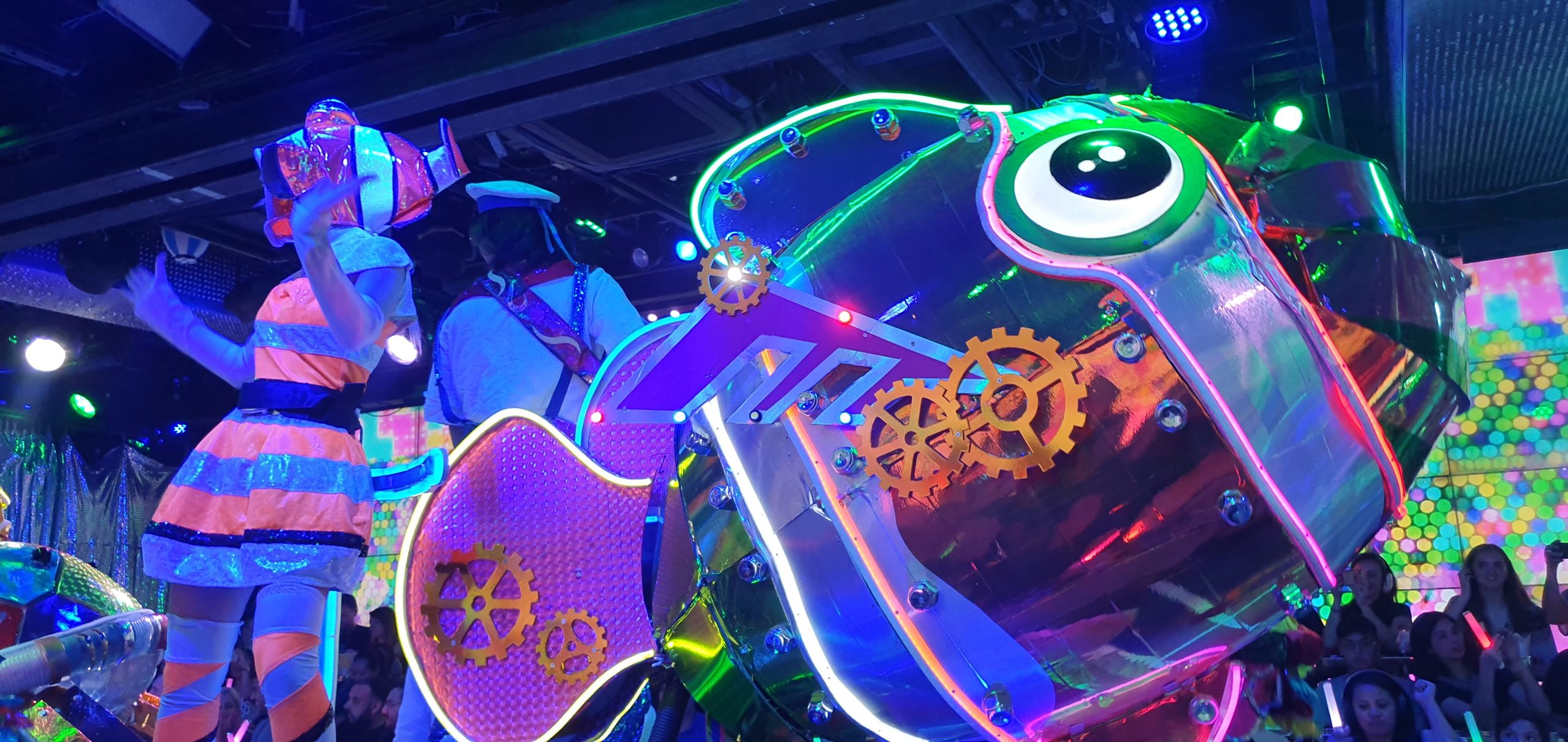
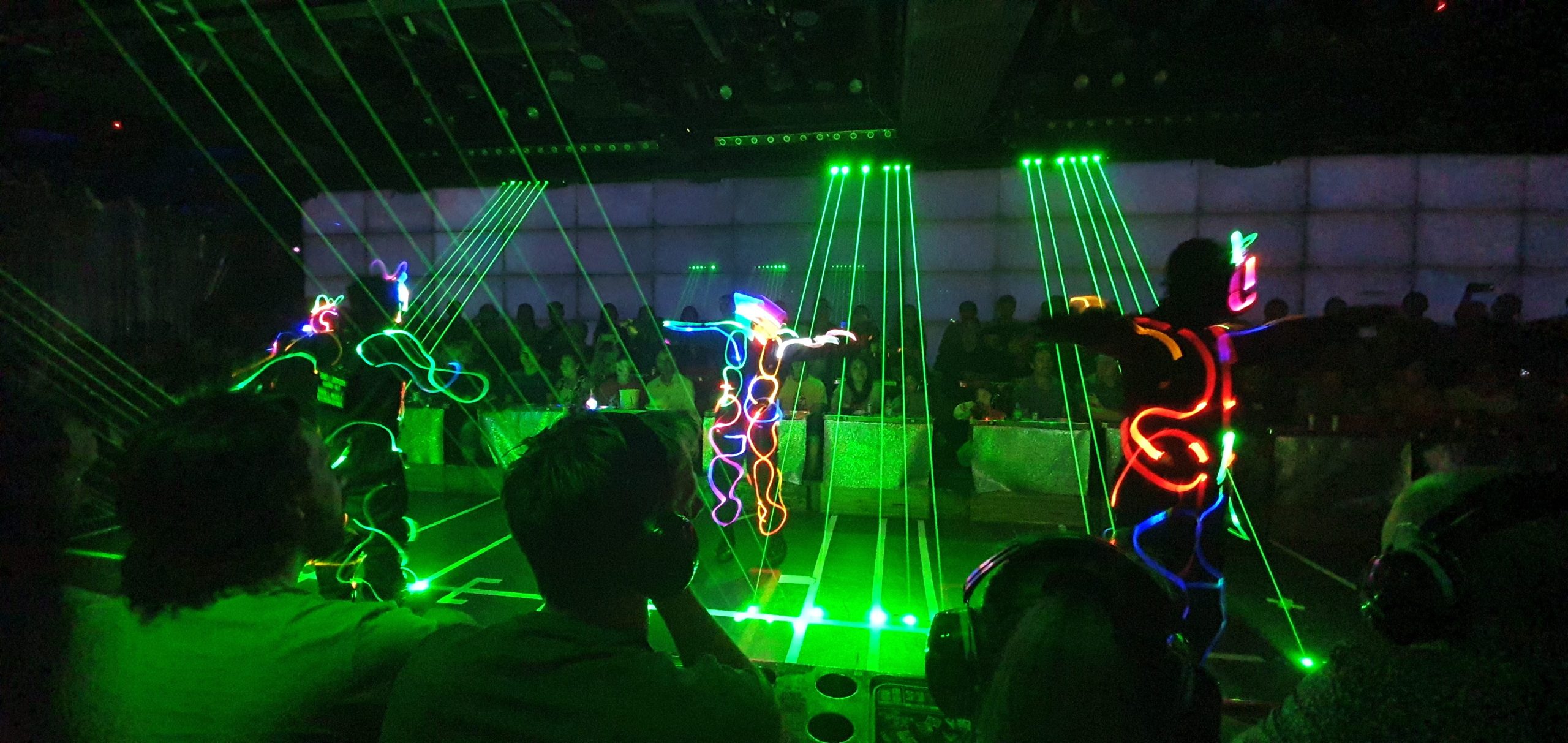
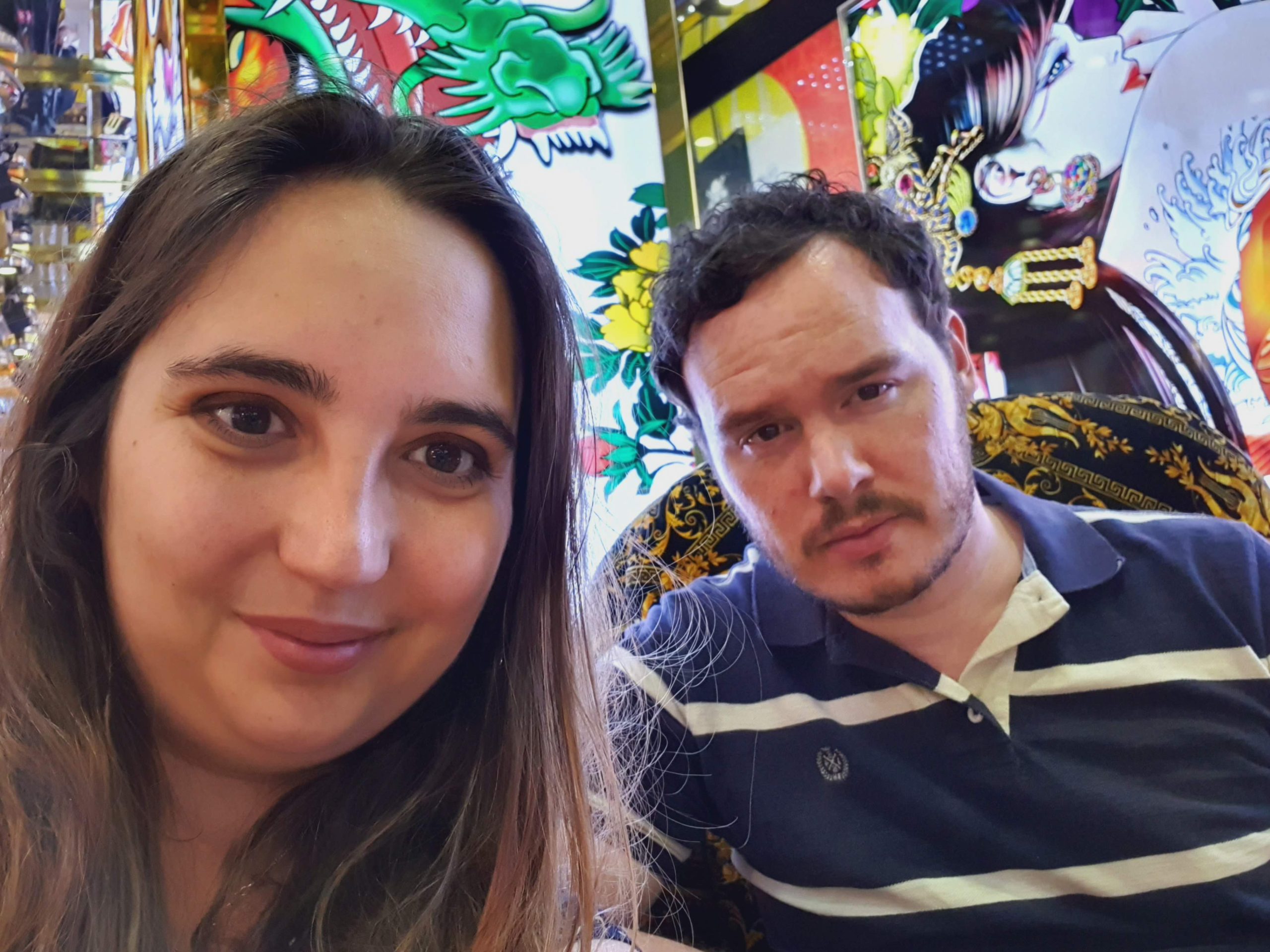
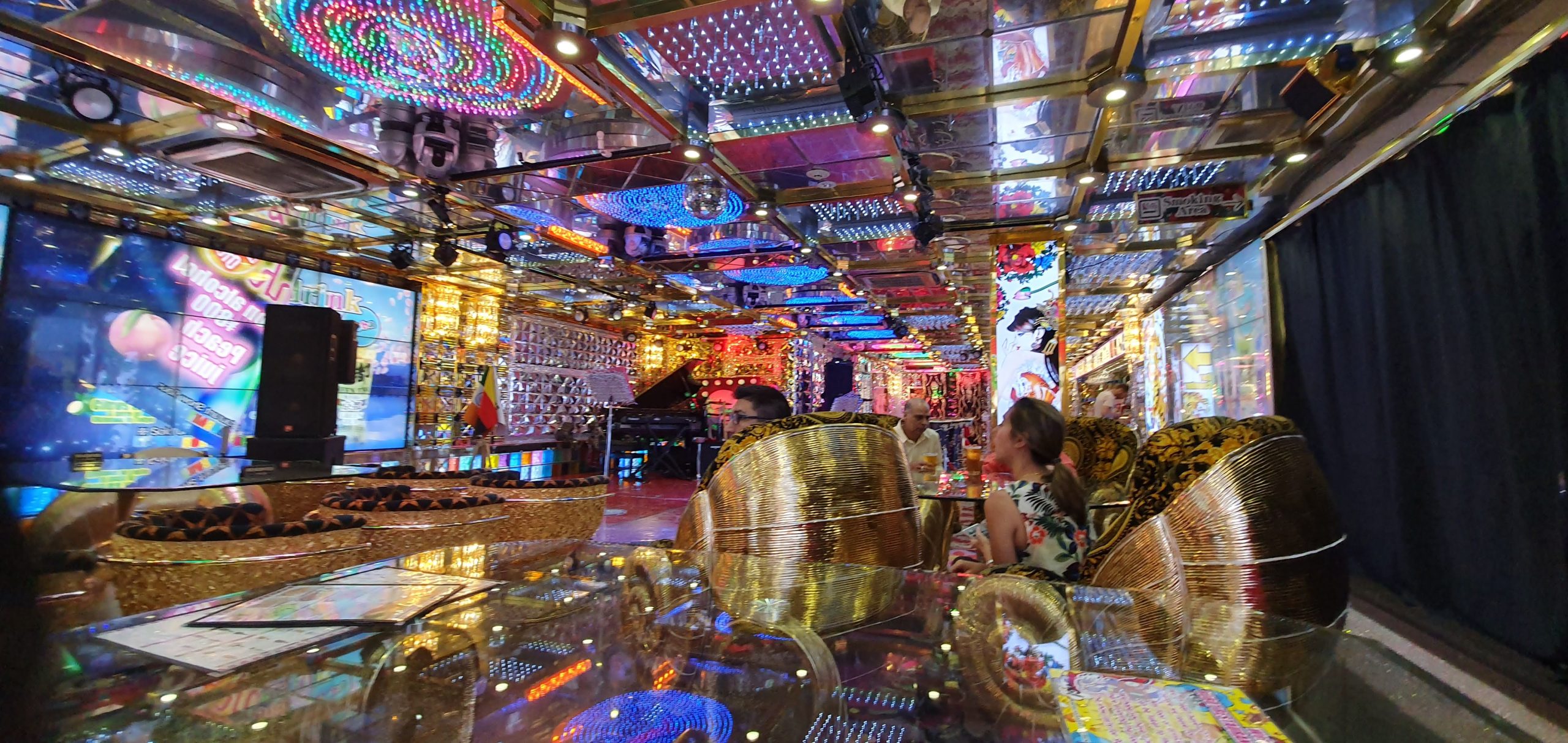
The east side is also where our Harajuku day in May 2019 ended, at the Robot Restaurant in Kabukicho. We’d considered it on every previous trip. Was it a tourist trap? Yes, 100%. Was I glad we went? Yes, definitely. Lasers, dancers, robots and a complete assault on the senses. The original Robot Restaurant show has since closed, so that’s a memory rather than a booking tip, and I wouldn’t swap in another show just to fill the gap.
What I would cut from this day
If the shrine’s closing time is getting close, cut the shopping first and take the train to Harajuku. A Shibuya Sky visit also needs to give way if you haven’t left enough daylight for both. For a shorter day overall, finish after Meiji Jingu and save Shinjuku for another evening. What I wouldn’t do is keep everything and rush round the shrine at closing time.
If Shinjuku Gyoen is high on your list, it doesn’t bolt onto this day well. It deserves its own morning, so give it a different day of your trip rather than squeezing it in between the shrine and dinner.
And if you haven’t settled on a base yet, Where to Stay in Tokyo: 6 Hotels We Actually Stayed In compares the hotels we’ve actually used across our trips.
If you only protect one thing on this route, make it the shrine in daylight. Everything else can be trimmed without losing the point of the day.
Which would you protect on this route: Meiji Jingu in daylight, Shibuya or Shinjuku?