
Written by Katharina Mungall
Travel writer, photographer and architect
What it was like for us
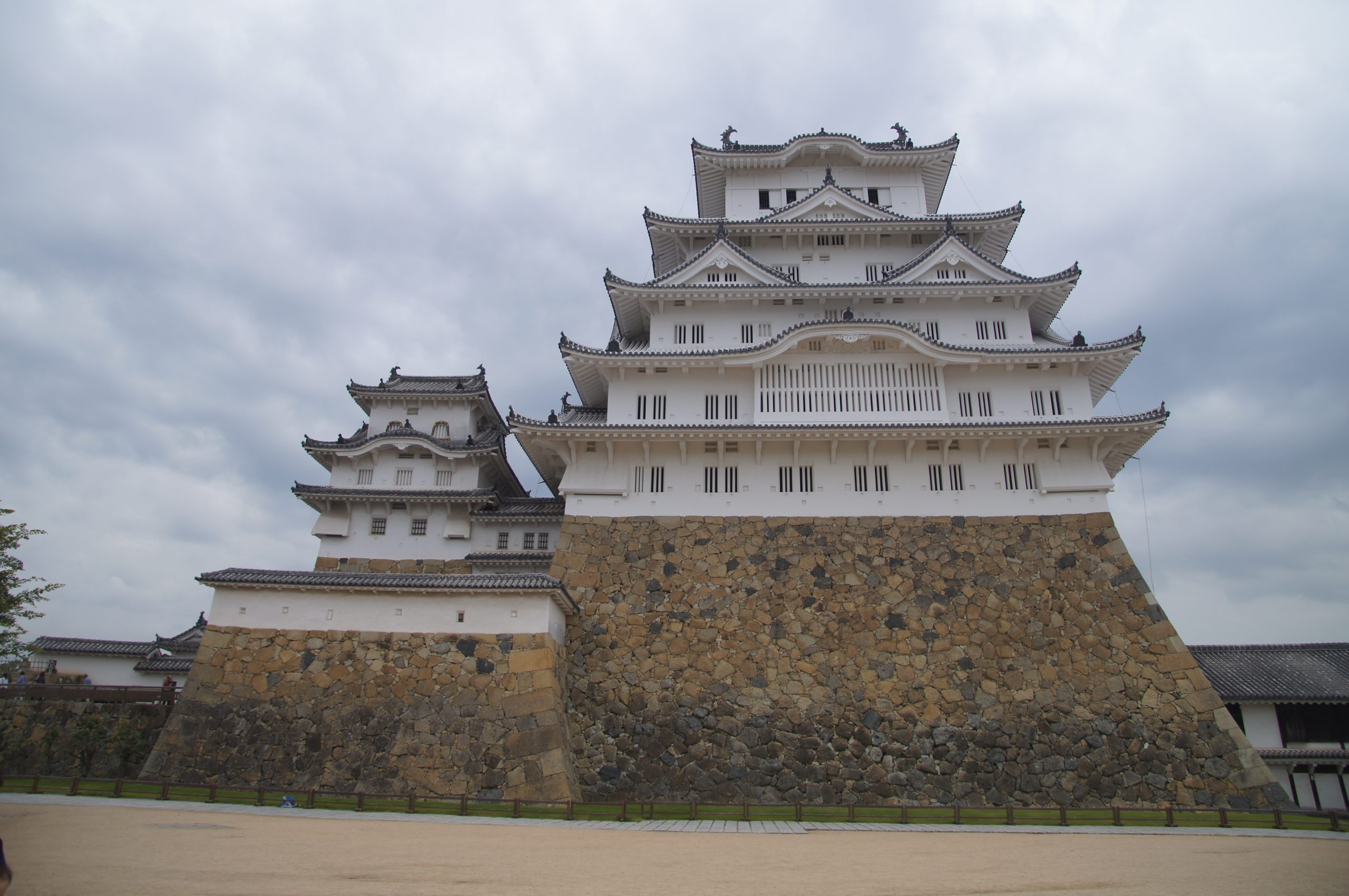
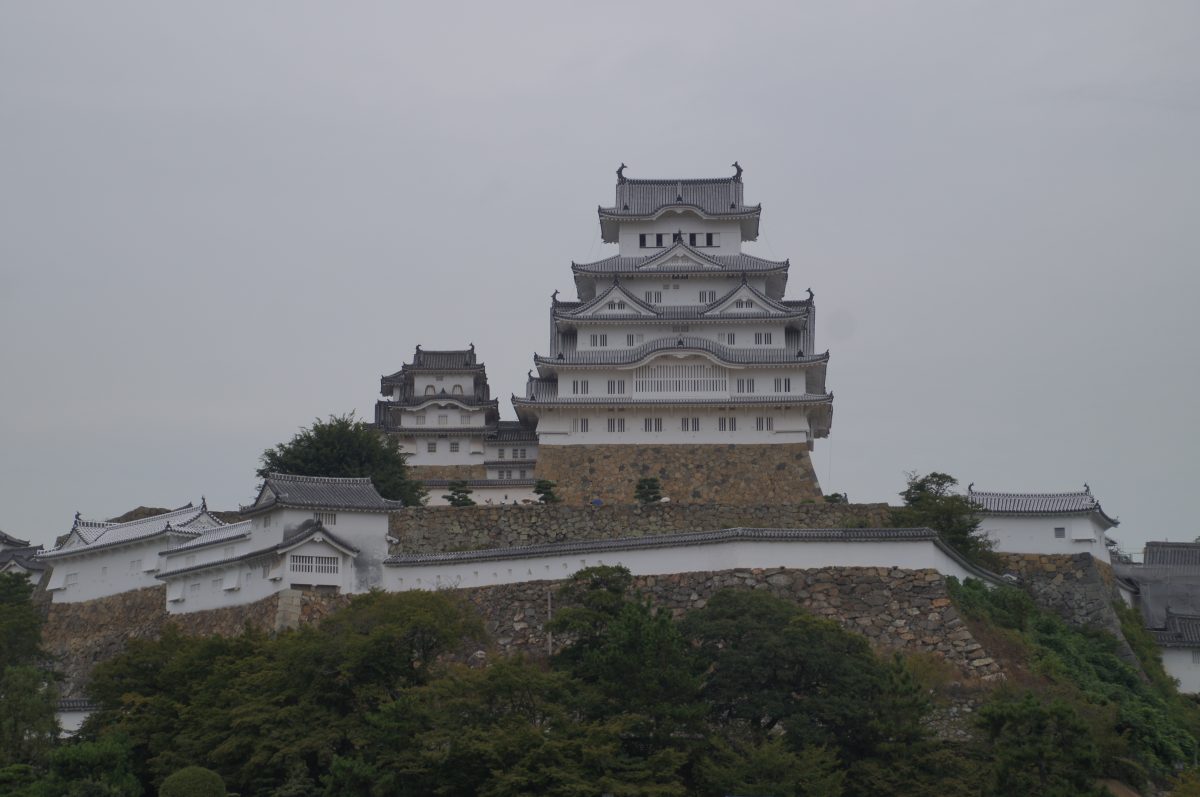
We arrived from Osaka on a rainy September day in 2017, after a run of weather that had been far too warm. The train took about an hour and the castle was the first thing we did. It was a shame to see the white roofs against a grey sky rather than blue, but we enjoyed the day anyway.
We visited on 27 September 2017. The personal experience in this article comes from that trip; current practical details were checked against official information on 26 September 2026.
That is the useful thing about Himeji: it is not only a building to photograph from the lawn. The route takes you through gates, walls and courtyards, then into a timber keep where the stairs, windows and bare floors do a far better job of explaining what an original Japanese castle feels like than a modern museum display can.
My quick answer: go inside if you can manage steep stairs. Allow 1.5–2 hours for the castle, wear comfortable socks and keep your hands free. The interior is relatively bare, but that is part of the point: you are climbing through the surviving structure rather than a recreated museum. Pair it with Koko-en if you have time; the current combination ticket is only ¥100 more than castle admission alone.
Himeji Castle at a glance
| Key fact | Current information checked 26 September 2026 |
|---|---|
| Adult admission | ¥2,500; under-18s enter free |
| Castle + Koko-en combination ticket | ¥2,600 |
| Opening hours | 9am–5pm; last entry 4pm |
| Recommended visit time | 1.5–2 hours for the castle itself |
| From Himeji Station | About 1 km, a 15–20 minute walk from the north exit |
| Closed | 29–30 December, with weather or other closures possible |
Is Himeji Castle worth going inside?
Yes. If you have come all the way to Himeji, I would not stop at the free outer grounds unless steep stairs make the interior unrealistic. The keep is the reason this castle feels different from Osaka Castle, whose tower is a reconstruction with a museum inside. At Himeji, the structure itself is the experience.
| Go inside if… | Consider the free outer grounds only if… |
|---|---|
| You want to see original timber construction and defensive features. | Steep stairs, low clearances or removing your shoes would make the visit unsafe. |
| You are comfortable with six increasingly small floors and a sparse interior. | You mainly want the classic exterior view and have very limited time. |
| You can allow at least 1.5–2 hours, plus extra time in busy periods. | You expect furnished rooms or a conventional artefact-filled museum. |
Before the keep: gates, walls and courtyards
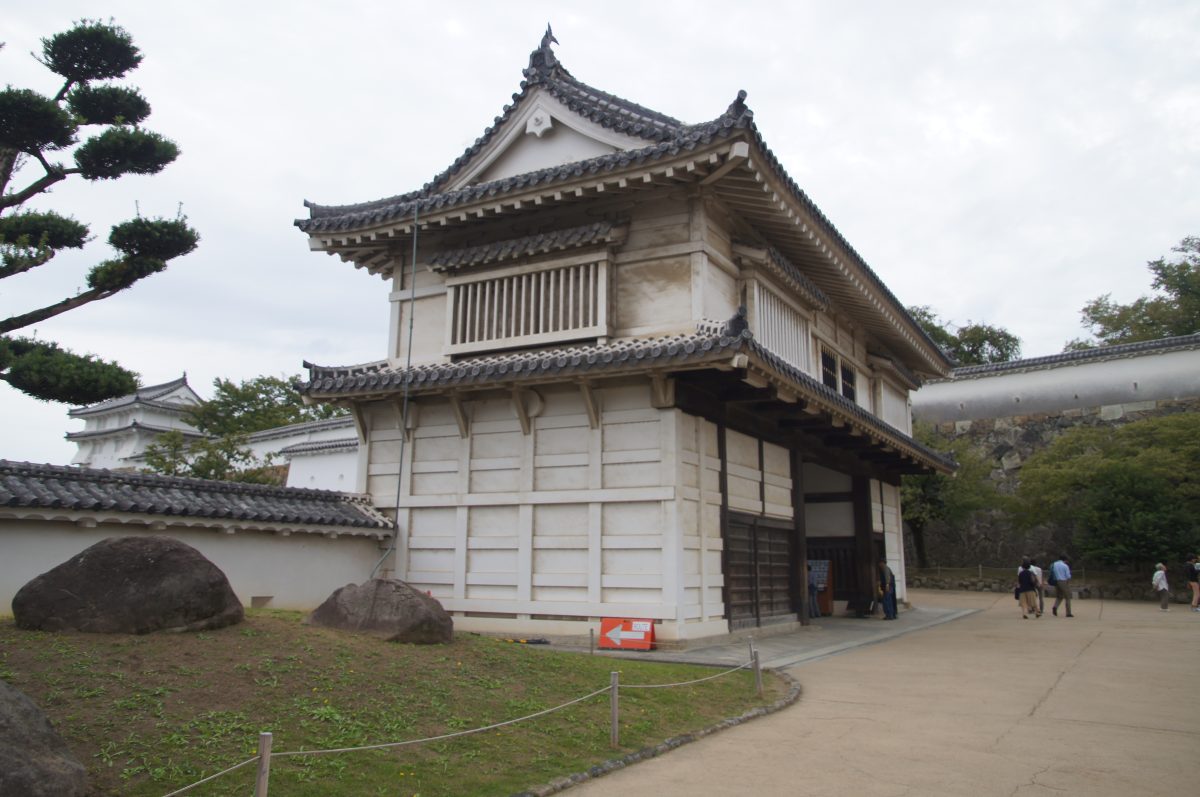
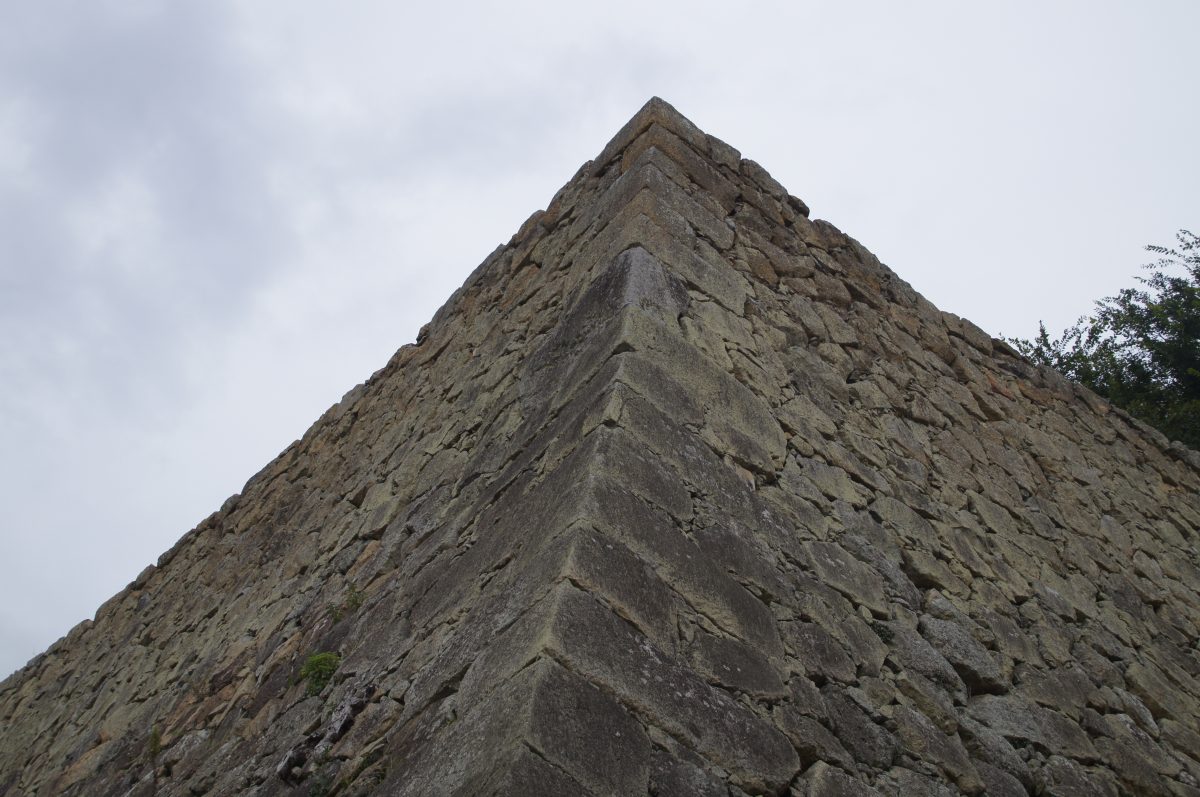
The free Sannomaru area gives you the familiar frontal view, but the paid route reveals much more of the defensive design. The main keep survived from the early seventeenth century, and the route is visible before you even reach it: gates, high stone bases, white plastered walls and openings that were designed for protection rather than a good view.
We found only a couple of small areas under renovation in 2017. Present-day works or restrictions can change, so check the official Himeji Castle route guide before travelling.
What is inside the main keep?
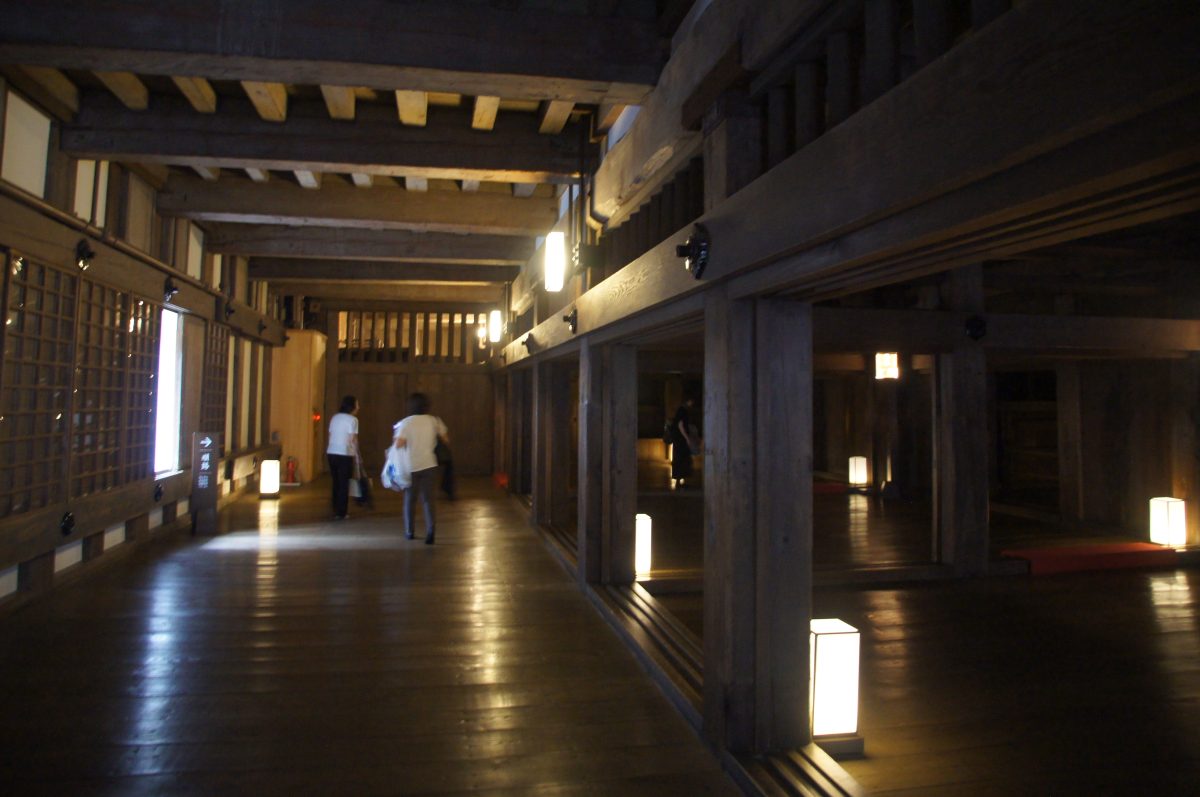
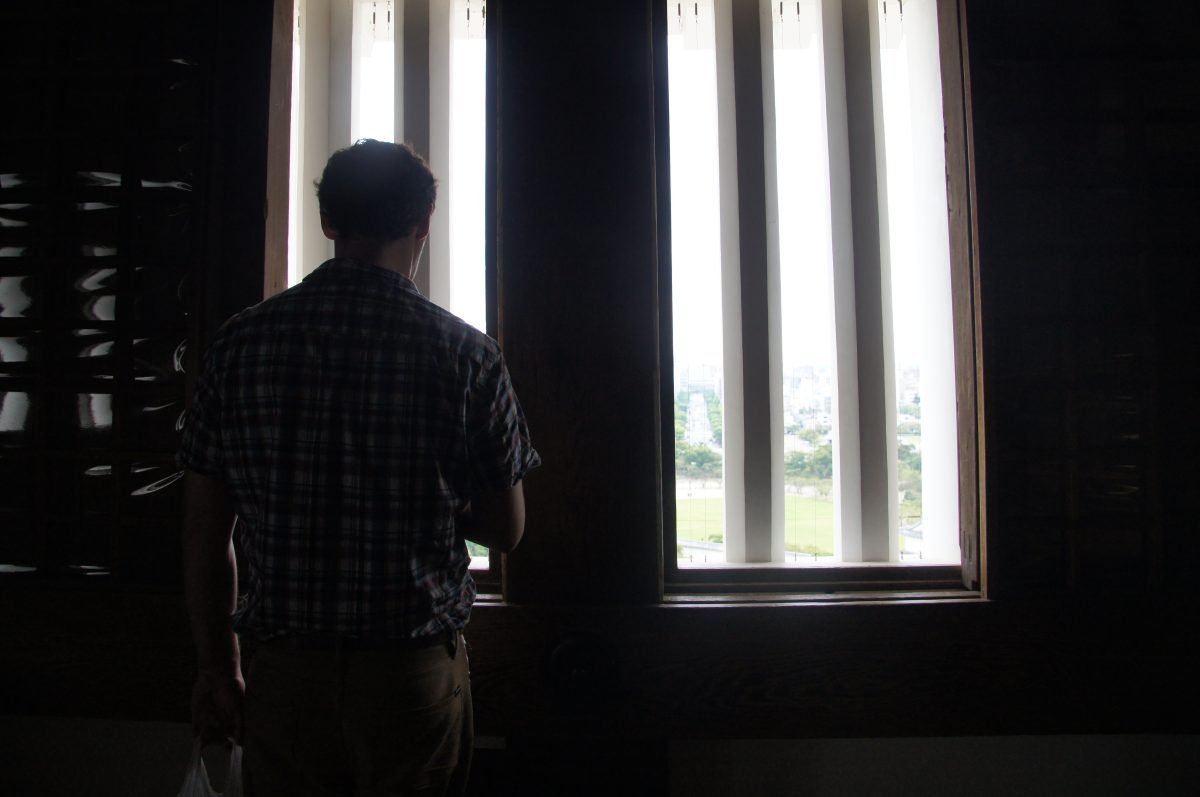
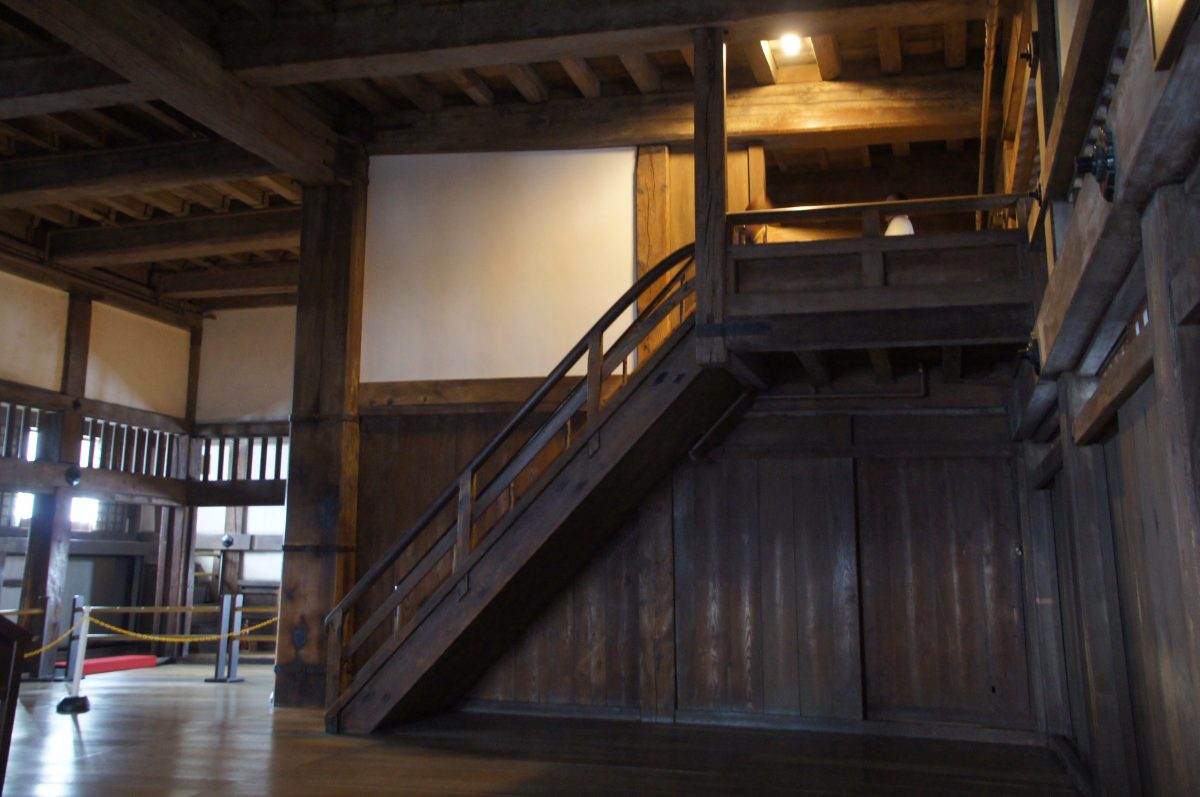
Do not expect furnished rooms or a long run of artefacts. The floors are mostly timber, with exposed structure, steep staircases and small defensive windows. There is interpretation in English and Japanese, but the lasting impression is of the building: polished floors, low parts of the structure and the shift from wide exterior views to tight internal routes.
That relative lack of decoration is exactly why it is worth the climb. You can see a castle exterior anywhere in a photograph. Inside Himeji, you are working your way through the actual layout and seeing how much of the visit is vertical.
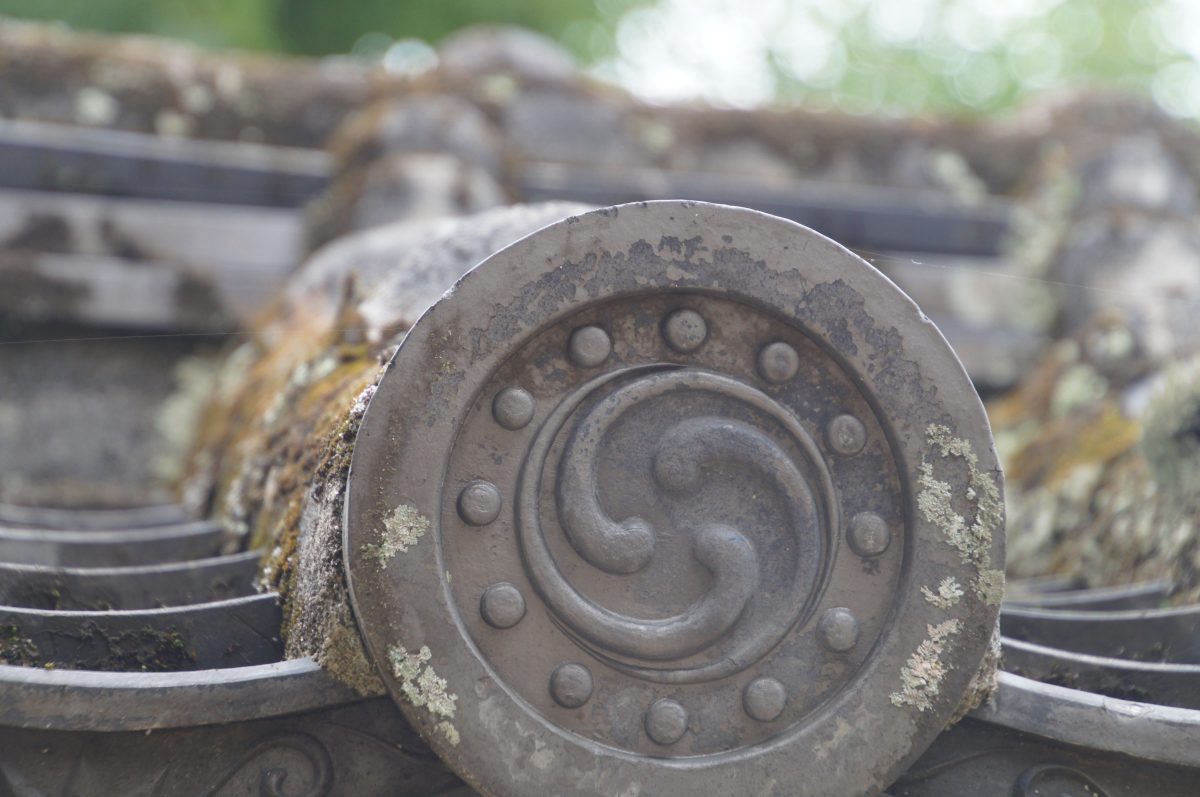
The main keep has six internal floors, each becoming smaller as you climb. Look for the enormous structural pillars, weapon racks and defensive openings. On the upper floor, there is also the small Osakabe shrine, while the fish-shaped shachi ornaments can be seen on the roofs outside.
Do not skip the Western Bailey
The admission route also includes the Western Bailey, or Nishinomaru. Its long Hyakken-roka corridor links former defensive rooms and provides a different view back towards the keep. Displays here explain the story associated with Princess Sen, so this is the part of the visit most likely to satisfy anyone wanting historical context as well as architecture.
It is easy to focus on the tower and rush past this side of the complex. If it is open, include it before leaving the paid area; it adds roughly 20–30 minutes and gives you another close view of the castle’s layered roofs and walls.
The stairs are the main practical catch
You take off outdoor shoes for the buildings and carry them in a supplied bag. The official advice is to bring a shoe bag, thick socks or comfortable indoor shoes; the timber floors can be slippery. The keep has no lift or escalator, and the stairs are steep and narrow. There are handrails, but this is not a token warning.
Wear something you can move in, bring only what you can manage on the stairs and do not plan the keep as a casual add-on at the end of a long day. If you have limited mobility, the paid grounds can still be worthwhile, but the official guidance says wheelchairs cannot enter the main keep or turrets. A wheelchair user can reach Bizenmaru near the keep only with two or three experienced carers.
Pushchairs, wheeled luggage, tripods and selfie sticks are also restricted inside the buildings, and re-entry is not permitted.
In hot weather, take water with a lid. Eating and general drinking are not allowed inside, though a sealed bottle of water is permitted. There is no air conditioning inside the castle, and the official site warns that the approach and keep involve many slopes and stairs. In rain, a waterproof layer is easier to deal with than an umbrella once you are moving through the buildings.
What can you see from the top?
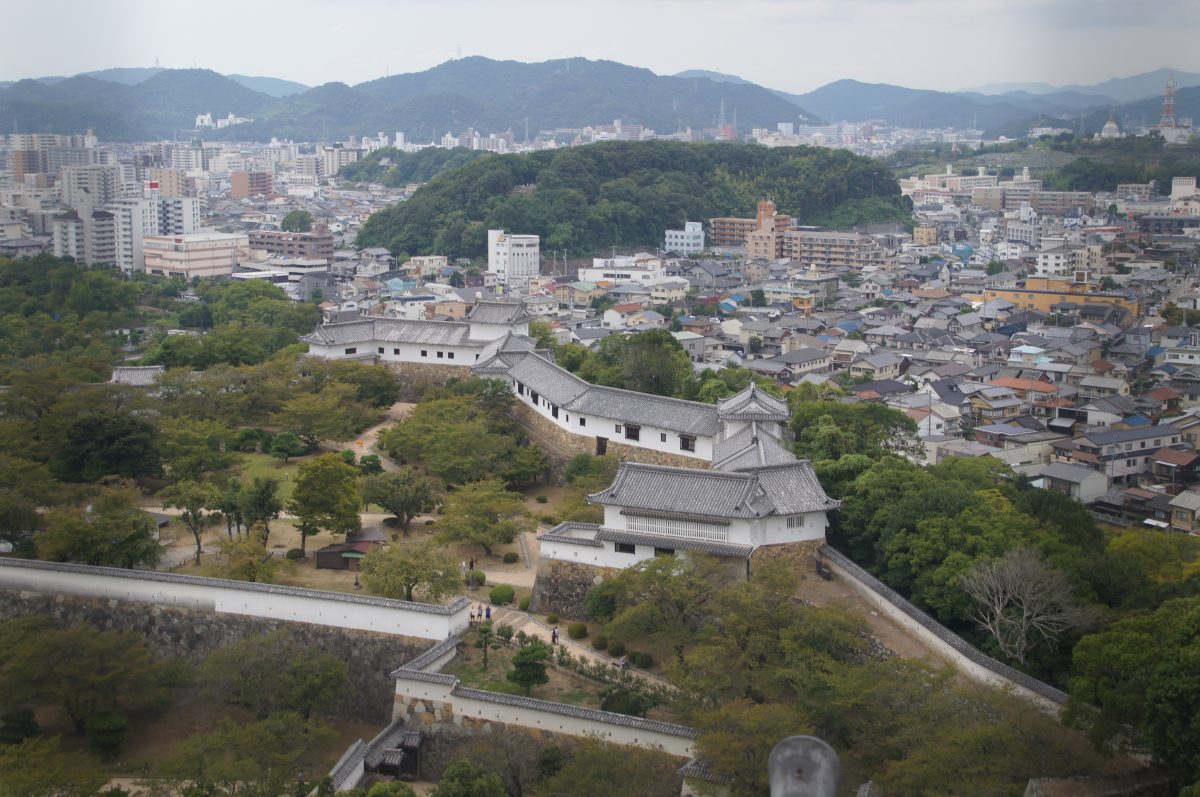
The upper levels look across Himeji city and down onto the layered roofs and grounds. We saw that view in the rain, so ours was more grey skyline than postcard. It was still useful for understanding how high up you have climbed and how the castle sits above the city.
The official visitor guide also points out roof ornamentation that is easier to spot from the top. Take your time when you reach it; the climb is demanding enough that rushing straight back down would be a bit daft. The top floor is compact, so keep moving when staff direct visitors around the one-way route.
How long should you allow?
For the castle itself, allow 1.5–2 hours. That is the official estimate for a smooth visit and is realistic for walking the approach, looking around the grounds and going through the keep without sprinting. In crowded periods, allow more: the official FAQ says the wait for the main keep can reach around an hour, while Himeji City warns of much longer waits during cherry blossom and major holiday periods.
Arrive early if the castle is the priority. Digital tickets are sold up to 90 days before a visit, but they do not reserve a specific main-keep entry time or guarantee priority when the site is busy. Entry can also be restricted for safety and to protect the building. Check the official FAQ for current crowd and access information.
We made the castle the first stop of our day from Osaka, then had lunch and ended at Koko-en. For the whole route, including the station walk and the other things we did, see our Himeji day-trip guide.
Tickets, hours and getting there
Adult admission is ¥2,500 and under-18s enter free. The castle-and-Koko-en combination ticket costs ¥2,600. Prices changed in March 2026, which is why older Himeji guides quoting ¥1,000 are now wrong for most adult visitors.
The current Himeji City visitor page lists opening hours as 9am–5pm, with final admission at 4pm. A separate official tourism listing still shows extended admission until 5pm from 27 April to 31 August, so check the current city information for your exact date rather than relying on the seasonal hours in an older guide.
The grounds are about 1 km from Himeji Station’s north exit. The wide Otemae-dori approach puts the castle straight ahead rather than sending you on a treasure hunt, and the walk takes about 15–20 minutes. JR Special Rapid trains from Osaka take about an hour; the Shinkansen from Shin-Osaka takes roughly 30 minutes.
Should you combine Himeji Castle with Koko-en?
Yes, if you have the extra hour or so. We finished our day there, and the gardens are directly beside the castle. They are a separate experience rather than an extension of the keep: several walled gardens, ponds and quieter paths after the stairs and defensive structures.
It is a sensible pairing rather than a box-ticking exercise. The combination ticket costs only ¥100 more than the castle on its own, and the garden gives you a chance to slow the day down. Check the official Koko-en information for current hours and closures, then use our day-trip article for the wider route from Osaka.
My honest verdict
Himeji Castle is worth going inside if you can cope with the stairs. The interior is not packed with objects, and that will disappoint anyone expecting a conventional museum. But the bare timber, narrow stairways and upper-level views are the reason to pay for admission rather than only looking at the outside. The Western Bailey adds historical context that the view from the free lawn cannot provide.
We visited in the rain and still enjoyed the day. I would keep Himeji Castle as the main event, arrive early, allow enough time for the climb and add Koko-en afterwards. For its place in a wider trip, our 7 Days in Kansai itinerary shows where it fits from an Osaka base, while our Japan castle comparison helps if you are choosing between the castles we have visited.
Would you go inside Himeji Castle, or stick to the outer grounds?