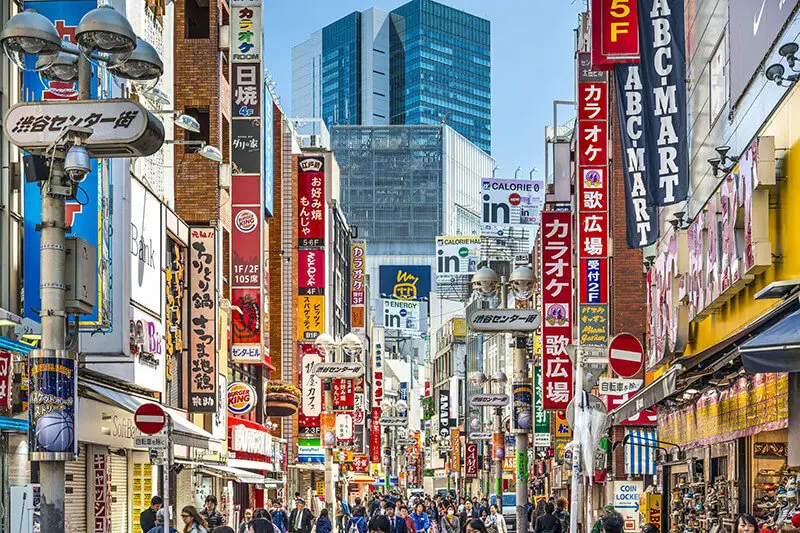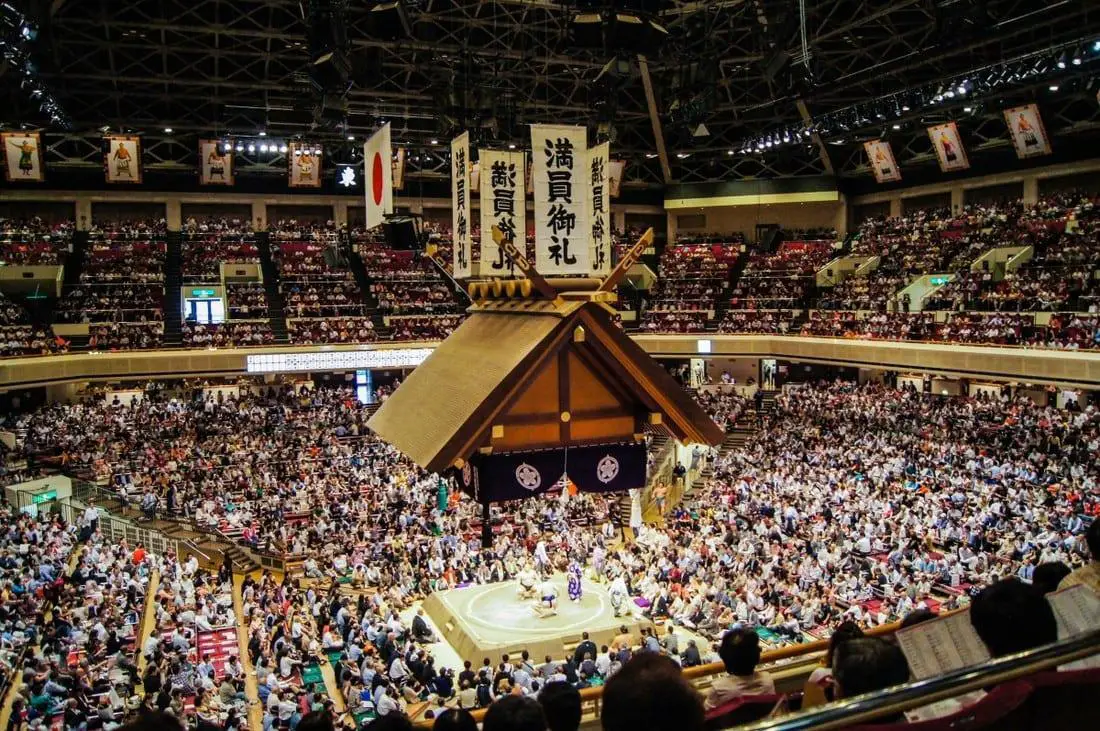

Tokyo is not a city where there is one universally “best” area to stay. It is enormous, its sights are scattered, and the hotel that feels perfect for a first visit may be completely wrong for a night of luxury or a quieter return trip.
We know this because we have made the decision several times. Across three trips, Gary and I stayed in six Tokyo hotels in five very different neighbourhoods: Hanzomon, Shiba, Roppongi, Asakusa and Oshiage. Some were practical bases we paid for ourselves; others were hosted stays that gave us the chance to look closely at the rooms, food and service. This guide compares what it actually felt like to stay in each one –and which hotel I would choose now for different kinds of trip.
Quick answer: The Gate Hotel Kaminarimon is my strongest all-round choice for sightseeing, atmosphere and a memorable sense of place. Shiba Park Hotel is the most practical option for space and families. The Ritz-Carlton Tokyo is the obvious splurge. Grand Arc Hanzomon is the quiet, sensible base; Hotel The Celestine Tokyo Shiba is the polished middle ground; and ONE@Tokyo suits travellers who want design and easy access to Tokyo Skytree.
Disclosure: We paid for Grand Arc Hanzomon, Hotel The Celestine Tokyo Shiba and ONE@Tokyo ourselves. Shiba Park Hotel, The Ritz-Carlton Tokyo and The Gate Hotel Kaminarimon hosted us. The opinions and trade-offs below are our own. Hotel facilities, room categories and prices can change, so always check the current terms before booking. This post contains affiliate links; if you book through one, we may earn a commission at no extra cost to you.
Where to stay in Tokyo if you are in a hurry
| Hotel | Area | Best for | Our honest verdict |
|---|---|---|---|
| The Gate Hotel Kaminarimon | Asakusa | First visits, food and atmosphere | Our best all-rounder: a stylish room, brilliant terrace and a location that makes Tokyo feel unmistakably like Tokyo. |
| Shiba Park Hotel | Shiba / Minato | Families, larger rooms and Haneda | The most practical stay of the six, with unusually generous space and wonderfully warm service. |
| The Ritz-Carlton Tokyo | Roppongi | A special occasion | The hotel becomes part of the trip: extraordinary skyline views, deeply attentive service and a genuine sense of occasion. |
| Hotel The Celestine Tokyo Shiba | Shiba / Mita | Couples wanting quiet polish | A calm, grown-up base that felt more refined than purely functional, without the intensity of a major tourist district. |
| Grand Arc Hanzomon | Hanzomon | Quiet sightseeing and Imperial Palace access | Dependable and peaceful rather than exciting. We would choose it for location and value, not for a destination-hotel experience. |
| ONE@Tokyo | Oshiage | Design lovers and Tokyo Skytree | A compact, design-led final night in east Tokyo. Better for travellers who enjoy neighbourhood contrast than those chasing nightlife. |
The rooms and stays behind our recommendations
- The Gate Hotel Kaminarimon: one hosted night in 2017; Classic Twin, 24 square metres; breakfast during our stay.
- Shiba Park Hotel: four hosted nights in 2017; Comfort Twin, 30 square metres; breakfast included during our stay.
- Hotel The Celestine Tokyo Shiba: four self-paid nights in 2019; Superior Double; breakfast excluded from our booking.
- The Ritz-Carlton Tokyo: one hosted night in 2017; 80-square-metre Club Millennia Suite with Club Lounge access.
- Grand Arc Hanzomon: seven self-paid nights, followed by one final night, in 2015; semi-double room booked as part of a flight-and-hotel package.
- ONE@Tokyo: one self-paid night in 2017; Small Double Room; breakfast excluded from our booking.
These are the room categories and inclusions we personally experienced, not promises about what is sold now. Names, layouts, breakfast packages and occupancy rules can change. Compare the current room size and terms for your dates before paying.
If I were booking today: I would start with The Gate Hotel and Shiba Park Hotel, then compare them with the Celestine. I would choose the Ritz only when the hotel itself was meant to be one of the trip’s main experiences. The “right” answer depends less on a fashionable postcode and more on room size, station access, how late you stay out and whether you want to return each evening to energy or calm.
How we judged these Tokyo hotels
I have not ranked these properties by star rating. Instead, I used the details that mattered during our own stays: how easy it was to reach the rest of Tokyo, whether the room worked with luggage, what the area felt like early and late in the day, the quality of sleep, the service, food and the things we still remembered years later.
- Transport: A short walk to a useful station matters more in Tokyo than being near one isolated attraction.
- Room reality: Japanese room categories can be compact. Check the floor area and bed width, not only the words “double” or “twin”.
- Neighbourhood mood: Hanzomon and Shiba quieten down; Asakusa feels historic and animated; Roppongi is glossy and international; Oshiage feels like a different side of the city.
- Airport day: Hamamatsucho, Daimon and the eastern districts can simplify particular airport journeys, but the best route depends on your airport and luggage.
- Value: The cheapest room is not always the best value if it creates long walks, awkward changes or nowhere to open a suitcase.
The six Tokyo hotels we actually stayed in
1. The Gate Hotel Kaminarimon, Asakusa –our best all-round choice
Best for: first-time visitors, couples, food, views and travellers who want an immediate sense of Tokyo.
Our stay: one hosted night in 2017, in a 24-square-metre Classic Twin room.
Nearest useful transport: Asakusa Station; the hotel currently describes the Ginza Line’s Exit 2 as roughly a two-minute walk.
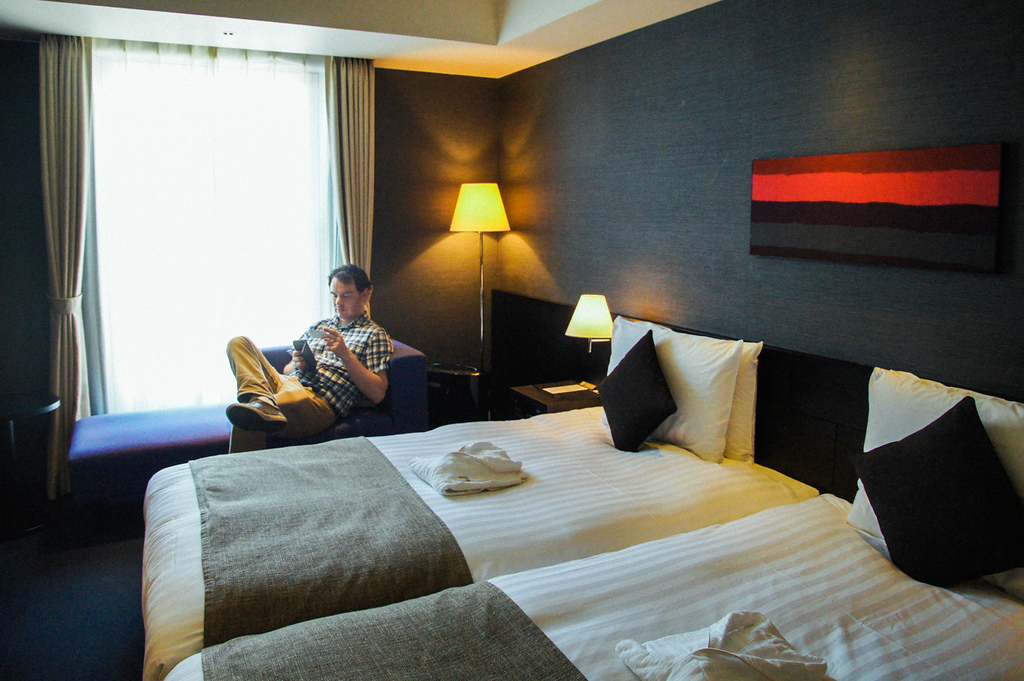
The Gate Hotel is the hotel I would most readily recommend to someone who wants their base to feel part of the Tokyo experience. You step out near Kaminarimon and Sensō-ji, but the interior is modern, restrained and almost theatrical. The reception sits high above the street, so our first proper impression was not a desk or a queue but a wall of city and the Skytree apparently close enough to touch.
Our room was dark in the best way: black and charcoal surfaces, simple furniture, an egg-shaped lamp and a large window. At 24 square metres, it never felt as if our luggage was taking over. We had twin beds, pyjamas, tea and coffee facilities, bottled water, a small fridge and a generous bathroom with a proper rain shower. It was polished without becoming anonymous.
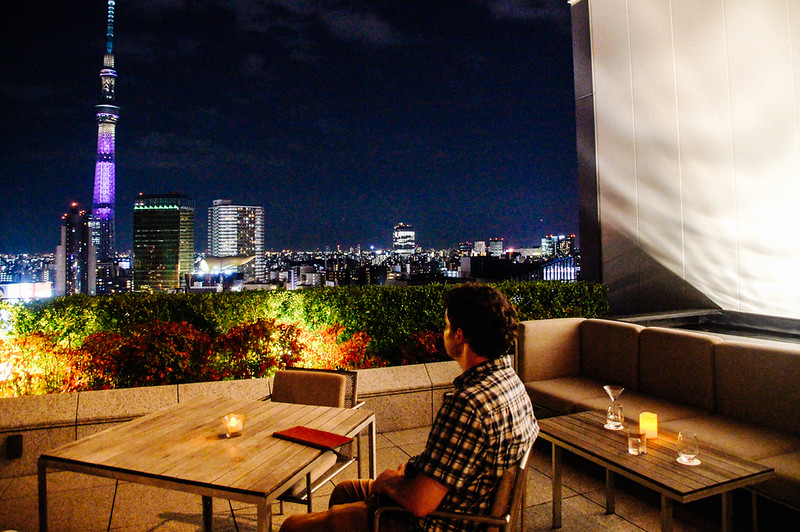
The rooftop terrace is the detail that tipped this stay from “very good” to memorable. We returned at sunset and again after dark, watching the Skytree light up while the city changed below us. The terrace is not huge and seating was limited when we visited, so it is better treated as a bonus than a guaranteed private perch.
Breakfast was another standout. The buffet was not the biggest we have seen, but it felt deliberately chosen: fresh honeycomb, vegetables, pastries and orange juice pressed to order. I chose the curry Benedict –properly poached eggs under an unusual curry sauce –while Gary ordered French toast. It remains one of the hotel breakfasts we talk about.
What we loved: a strong sense of place, room to breathe, the Skytree views, the terrace and genuinely memorable food. What to consider: Asakusa is superb for the historic east, but it is not the most efficient base for every late night in Shibuya or Shinjuku. The area is lively by day and can feel quieter later. Would we return? Yes. In our original review I wrote that I was “pretty sure” we would book it again; that remains the clearest endorsement among these six stays.
Read our detailed Gate Hotel Kaminarimon review, including the room, restaurant, breakfast and terrace.
2. Shiba Park Hotel, Minato –best for space, families and warm service
Best for: families, larger rooms, travellers arriving through Haneda and anyone who prefers a calm base.
Our stay: four hosted nights in 2017, with breakfast, in a 30-square-metre Comfort Twin room.
Nearest useful transport: Onarimon, Daimon and Hamamatsucho; the hotel currently lists walks of about two, four and eight minutes respectively.
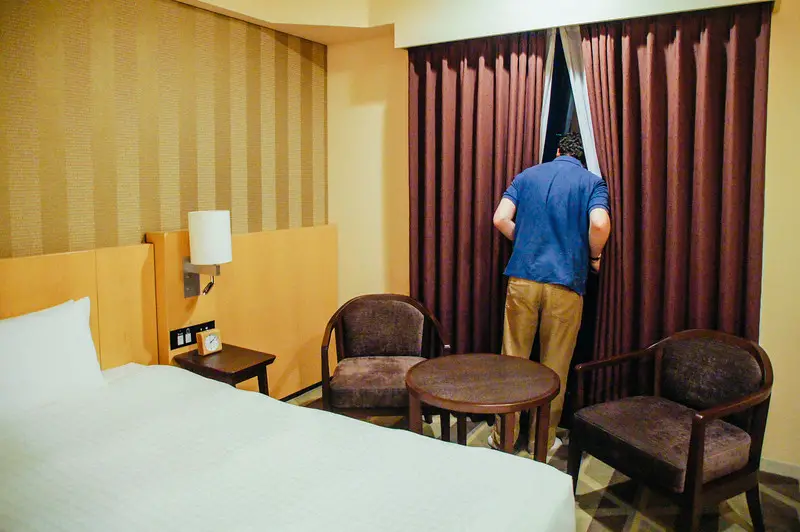
Shiba Park Hotel was the most practical surprise of our 2017 trip. Tokyo hotel rooms can demand an elaborate nightly game of moving suitcases around. Ours did not. The entrance had a luggage rack, the bedroom held two substantial beds, a desk, chairs and a dresser, and the bathroom and toilet were separate enough to make getting ready easier. That simple sense of space changes the mood of a multi-night stay.
We arrived close to midnight after a 13-hour flight and the last monorail from Haneda. I had worried about a difficult late check-in; instead, the staff ushered us inside, dealt with the formalities quickly and sent us upstairs with origami cranes and sweets waiting in the room. The warmth continued throughout the stay. Staff remembered our plans, helped with routes and chatted to us as we passed reception. Even their business cards carried a cartoon and a personal fact –a tiny detail, but one that made the hotel feel human.
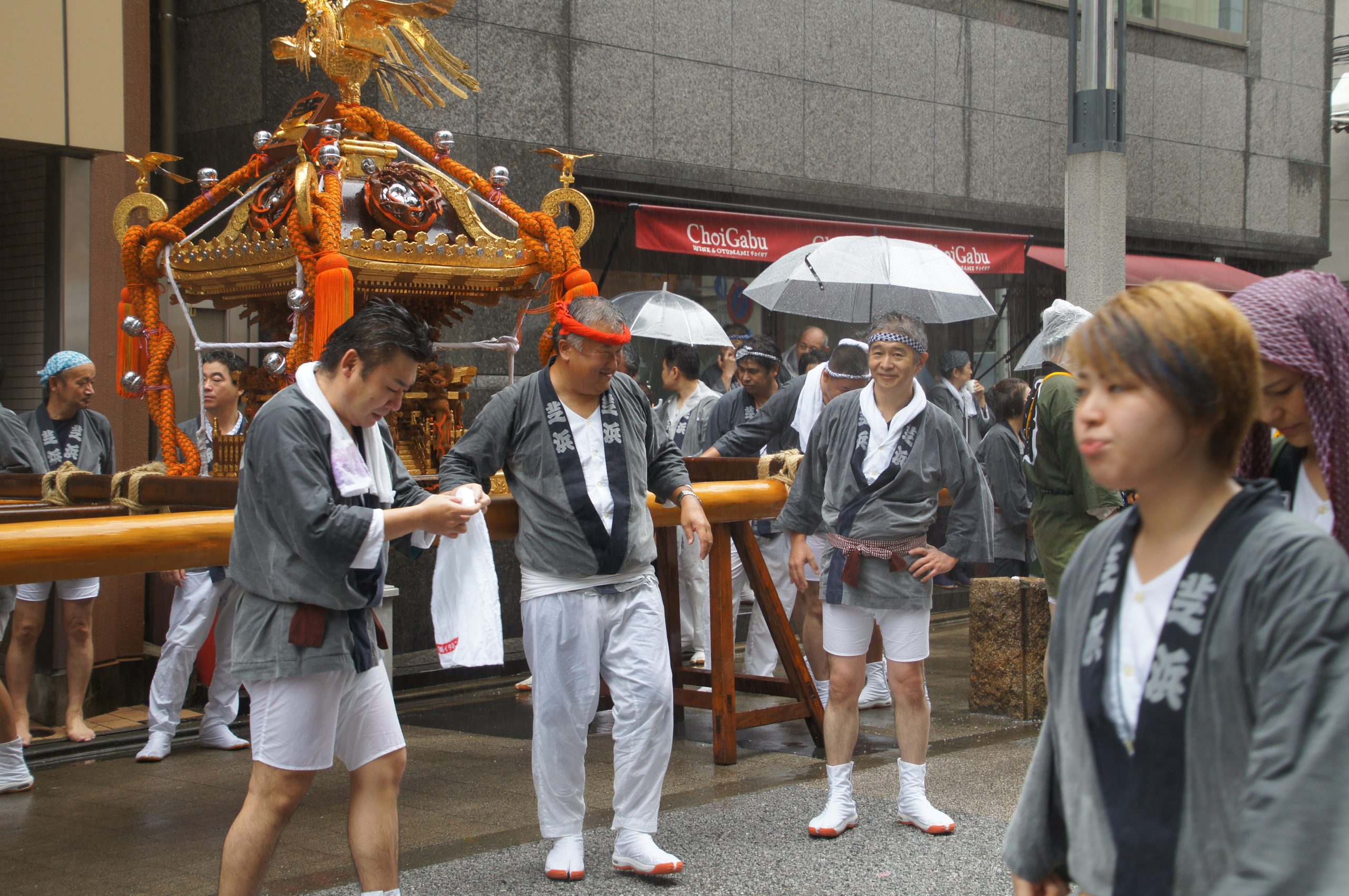
The location worked hard for us too. A typhoon changed our Nikko plans, so we spent our first rainy day around Shiba Park, Zōjō-ji and Tokyo Tower before heading to Yokohama. We stumbled into a local procession beneath a sea of umbrellas: exactly the sort of unplanned moment that makes a quieter neighbourhood rewarding. Multiple nearby stations meant we were not trapped when plans shifted, and convenience stores and small places to eat were close at hand.

The cultural programme was what made Shiba Park different. Our hour-long furoshiki lesson began as a pleasant hotel activity and became a small lesson in patience: folding fabric neatly around boxes was much harder than it looked. It gave us a real memory rather than another generic amenity. Breakfast, included in our stay, made mornings easy; during our visit there was a Western buffet, eggs cooked to order and the option to reserve a Japanese breakfast set.
What we loved: the room size, kind staff, transport choice, cultural activities and a location that was quiet without being isolated. What to consider: this is not the Tokyo of neon crossings outside your door. Some facilities and room layouts described in our older review may have changed, so check the current category carefully. Would we return? Yes –especially for a longer stay, with a child, or when Haneda convenience matters.
Read our full Shiba Park Hotel review for the room, breakfast and cultural workshop.
3. Hotel The Celestine Tokyo Shiba –the polished, peaceful middle ground
Best for: couples, repeat visitors and travellers who want quiet sophistication rather than a tourist-district doorstep.
Our stay: four self-paid nights in May 2019, in a Superior Double room.
Nearest useful transport: Shibakoen Station; the hotel currently places Exit A2 at roughly a one-minute walk. Mita and Tamachi are also walkable.
The Celestine occupied an interesting space between our functional and luxury stays. It felt adult, calm and quietly polished, but not so grand that we were tempted to organise our days around the hotel. After checking in we sent a photograph of the view from our window; the next morning we went out for breakfast at a café nearby. That rhythm sums the hotel up well: a comfortable place to come back to, while the surrounding neighbourhood still nudged us outside.
Staying here also reinforced how pleasant Shiba and Mita can be on foot. We walked through Mita, came back along the river after a day around Nakameguro, and visited Atago Shrine nearby. From our room we could see the school below and watched a morning ceremony begin. These are not headline Tokyo attractions, but they created the feeling of temporarily living alongside the city rather than only moving between its famous sights. One message I sent during the stay simply said, “You can never get bored of Tokyo.”
Our booking confirmation is useful context, not a current price guide: the four-night Superior Double reservation was ¥75,530 in May 2019, with breakfast and the local accommodation tax excluded. Tokyo rates have changed substantially since then, so that figure should only show where the hotel sat in our own trip –not what you should expect to pay now.
What we loved: a composed atmosphere, excellent subway proximity and a neighbourhood that rewarded walking. What to consider: it does not put a famous sight directly outside the door, and our archive contains fewer hotel photographs and notes than for the three properties we formally reviewed. Would we return? Yes, when we wanted a restful base for an independent trip and did not need the extra space of Shiba Park Hotel.
4. The Ritz-Carlton Tokyo, Roppongi –best luxury hotel experience
Best for: honeymoons, anniversaries, birthdays and a stay where the hotel is part of the itinerary.
Our stay: one hosted night in 2017 in a Club Millennia Suite, with Club Lounge access.
Location: Tokyo Midtown in Roppongi, with direct indoor access towards Roppongi Station.
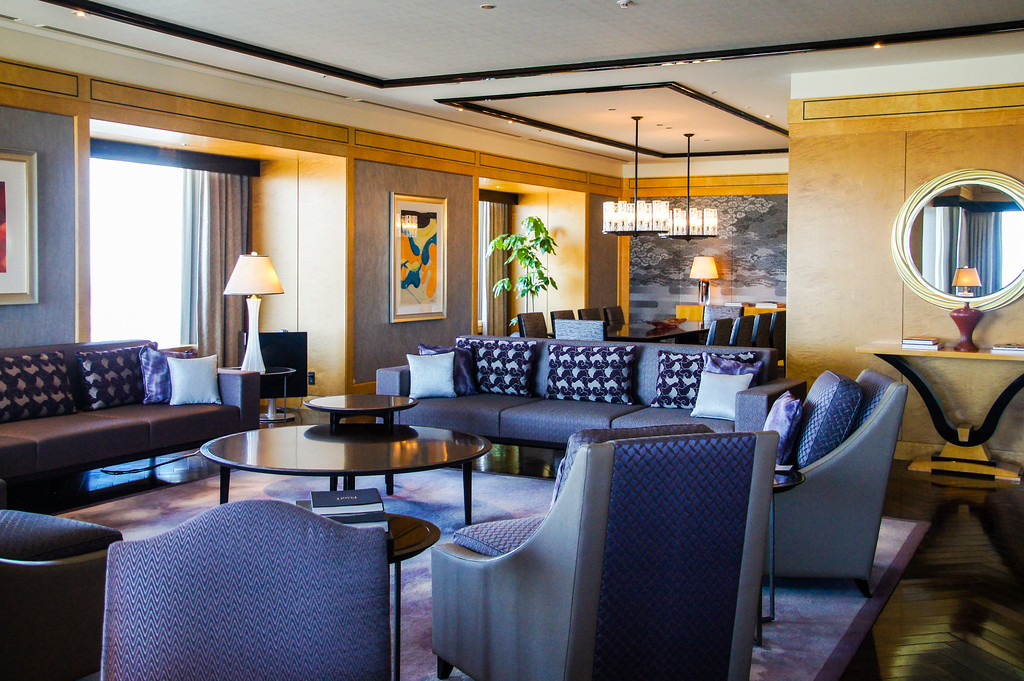
I approached the Ritz with a prejudice: I worried a global luxury brand would smooth away the sense of being in Japan. The stay changed my mind. The design used wood, stone, subtle Japanese references and long horizontal lines that kept pulling our attention back to Tokyo outside. More importantly, the service felt observant rather than scripted. Staff discovered that I had recently turned 28 and left pralines and a card; people in the Club Lounge remembered our names and drink preferences after a single night.
Our 80-square-metre suite was objectively extravagant: a separate living room, bedroom, marble bathroom, multiple screens, a deep bath with a view and windows across the city. We could see Tokyo Tower, the outer Imperial Palace gardens and, from a different angle, Tokyo Skytree. Instead of rushing back out, we sat on the sofa for hours watching office towers become a field of red lights. That is the central argument for spending this much: the room should not merely hold your luggage; it should create part of the trip.
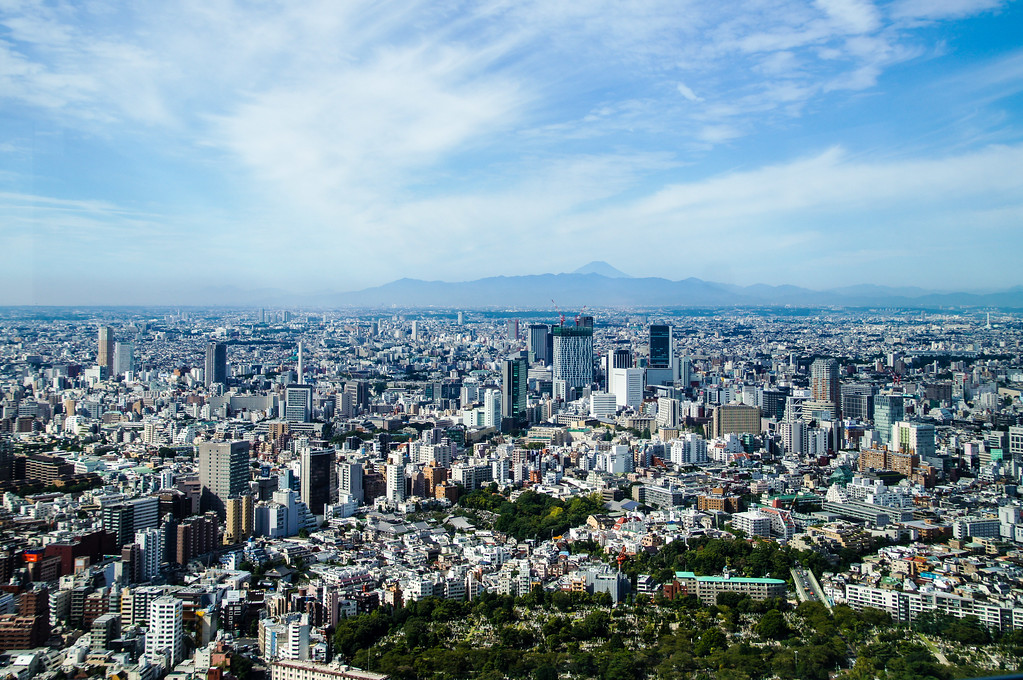
Club access also changed the value calculation. During our visit it included several food presentations through the day. After an exhausting outing to Shibamata, we came back, dressed up and ended the evening with cocktails, cakes and brightly coloured meringues. The next morning the sky was so clear that Mount Fuji appeared beyond Tokyo while we ate breakfast. That fleeting view is still the first image I associate with the stay.
What we loved: exceptional service, immense views, a beautiful suite and the feeling that staying in was not wasting time. What to consider: this is an expensive, experience-led choice; compare exactly what is included in your room or Club rate. Roppongi is international and convenient, but it may not supply the old-Tokyo atmosphere some first-time visitors imagine. Would we return? For a major celebration, absolutely. For a sightseeing-heavy trip where we only sleep in the room, no –the premium would be wasted.
Our detailed Ritz-Carlton Tokyo review covers the suite, Club Lounge, restaurants, spa and breakfast.
5. Grand Arc Hanzomon –best for a quiet, practical first base
Best for: travellers who prioritise quiet nights, the Imperial Palace area and straightforward value.
Our stay: seven self-paid nights at the start of our 2015 trip, then one final night before flying home.
Nearest useful transport: Hanzomon Station; the hotel currently describes Exit 6 as roughly a three-minute walk.
Grand Arc Hanzomon was our first Tokyo hotel, so it is bound up with that slightly dazed first-day feeling. We landed at about 7 a.m.; by the time we had cleared the airport, taken the train and reached the hotel, it was around lunchtime. Its position beside the Imperial Palace made the next decision easy. We walked towards the palace grounds, Ginza, Yūrakuchō and Marunouchi rather than trying to understand the whole city at once.
This was not the most characterful of our six stays, but it did something valuable: it reduced friction. Hanzomon is orderly and quiet, the station is close, and the palace moat gives the area breathing room that central Tokyo often lacks. After long days, returning somewhere calm was a relief. The trade-off is that you do not walk outside into restaurant-packed nightlife. If you need a buzz at the end of every day, choose elsewhere.
Our 2015 booking also taught me to look beyond room labels. We had worried about the width of a semi-double bed, a Japanese category that can sit somewhere between a large single and the double many European travellers expect. The bed was workable for us, but the mattress felt extremely hard –during the trip I described it as the hardest bed I had ever slept in. Jet lag undoubtedly amplified that first impression. Check the current room dimensions and bed width before booking rather than assuming every “double” is alike.
What we loved: peace, a useful station and an easy first afternoon around the Imperial Palace. What to consider: choose it for function and location, not a lively doorstep or resort-like facilities. Bedding is subjective and room categories may have changed since 2015. Would we return? Yes, if the rate were strong and our priority were quiet sleep and central sightseeing; no, if we wanted the hotel itself to feel special.
6. ONE@Tokyo, Oshiage –best for compact design and Tokyo Skytree
Best for: design-conscious travellers, a short stay in east Tokyo and easy access to Skytree and Sumida.
Our stay: one self-paid night, 28–29 September 2017, in a Small Double Room.
Nearest useful transport: Oshiage Station; the hotel currently describes Exits A1 and B3 as roughly a three-minute walk.
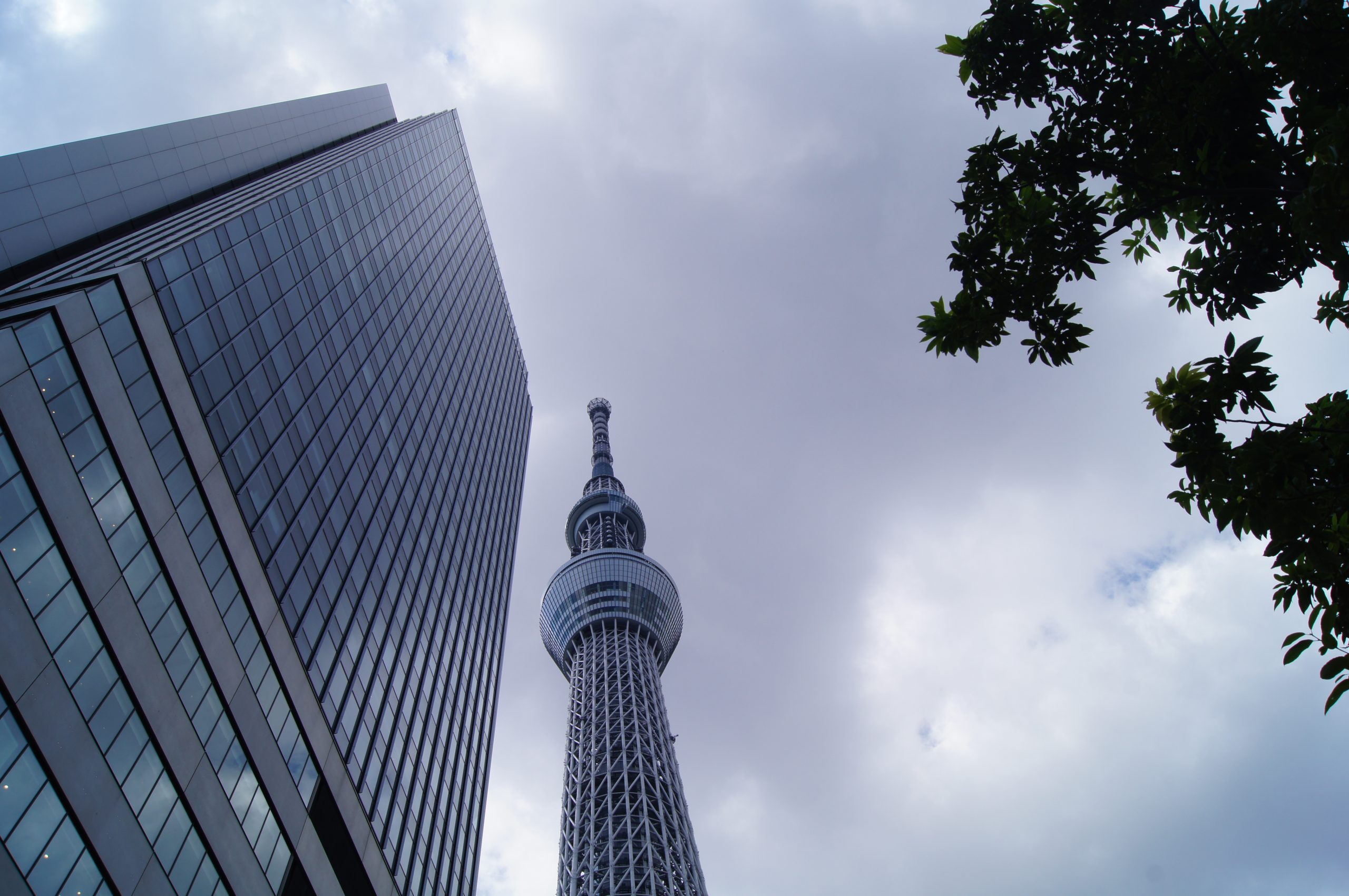
ONE@Tokyo was a very different proposition from the Ritz: small, deliberate and design-led. We used it for the final night of our 2017 trip, when a compact room was less of a problem than it would have been for a week. The appeal was the building’s industrial timber aesthetic and the chance to finish in Oshiage, close to Tokyo Skytree and within reach of Sumida and Ryōgoku.
Our booking confirmation records one night in a Small Double Room at ¥10,433, with breakfast available separately for ¥1,000 per person and the local accommodation tax excluded. Those are historical 2017 figures, not present-day guidance. What they do show is the role the hotel played for us: an affordable, interesting final stop rather than a lavish room we intended to linger in.
Oshiage works especially well when your plans favour the east. Skytree and Tokyo Solamachi are immediate, Asakusa is close, and direct rail services can be useful for airport journeys. It feels less central if most of your itinerary sits around Shibuya, Shinjuku and the western neighbourhoods. For that reason, I would be more enthusiastic about ONE@Tokyo for a second visit, a split stay or one or two nights than for every first-time itinerary.
What we loved: distinctive design, a different neighbourhood perspective and the convenience of Oshiage. What to consider: our room category was genuinely small, and our personal archive for this stay is thinner than for the reviewed hotels. Check current room measurements and recent guest photographs. Would we return? Yes for a short, east-Tokyo stay; probably not as our only base for a long first visit.
Which Tokyo hotel would we choose again?
For most readers, I would reduce the decision to three:
- The Gate Hotel Kaminarimon if you want the strongest combination of location, personality, views and food.
- Shiba Park Hotel if room size, family practicality and transport flexibility matter more than a famous doorstep.
- Hotel The Celestine Tokyo Shiba if you want a calmer and more polished couples’ base.
The Ritz-Carlton belongs in a separate “make the hotel the occasion” category. Grand Arc Hanzomon and ONE@Tokyo are more situational: both can be excellent when the rate and itinerary align, but neither would be my default recommendation for every reader.
How the five Tokyo areas compare
| Area | Feels like | Choose it when… | Think twice when… |
|---|---|---|---|
| Asakusa | Historic, atmospheric and busy by day | You want Sensō-ji, street food, river access and old-Tokyo character | Most of your late nights will be in the west |
| Shiba / Minato | Calm, well connected and lived-in | You value multiple transport options, Haneda access and quieter evenings | You want nightlife immediately outside |
| Roppongi | Glossy, international and energetic | You want art, restaurants, nightlife or a luxury city stay | Your priority is traditional atmosphere or budget |
| Hanzomon | Orderly, quiet and spacious around the palace | You want centrality without crowds at the door | You depend on abundant late-night food and entertainment nearby |
| Oshiage | Modern east Tokyo with a neighbourhood edge | You want Skytree, Sumida, Asakusa and a different side of the city | Your itinerary is heavily weighted to Shibuya and Shinjuku |
What about Shinjuku, Shibuya and Tokyo Station?
They are popular for good reason, but we haven’t stayed in hotels there, so I can’t vouch for them. Shinjuku can be excellent for nightlife and west-Tokyo day trips; Shibuya suits travellers who want energy, shopping and late evenings; Tokyo Station and nearby Marunouchi are convenient for the Shinkansen and an efficient first or last night. If one of those districts matches your itinerary better than our five, use this guide’s decision criteria –station distance, room measurements, luggage, last trains and evening atmosphere –rather than forcing one of our hotels into the plan.
Frequently asked questions
What is the best area to stay in Tokyo for a first visit?
There is no single best area, but Asakusa is the most atmospheric of the places we stayed and The Gate Hotel is our strongest all-round recommendation. If your itinerary concentrates on Shibuya and Shinjuku, a western base may reduce travel time even though we have not personally tested a hotel there.
Which of these Tokyo hotels is best for families?
Shiba Park Hotel was the clearest family candidate during our stay because our twin room measured 30 square metres and the hotel offered larger configurations. Always check the current maximum occupancy and whether children share existing beds; Japanese occupancy rules can be stricter than room photographs suggest.
Which is best for a honeymoon or anniversary?
The Ritz-Carlton Tokyo created the most obvious sense of occasion. The views and service justified spending time at the hotel. For a more moderate couples’ trip, I would compare The Gate Hotel with the Celestine.
Should I stay in one Tokyo hotel or split the stay?
For a short trip, stay put: moving luggage consumes valuable time. A split can make sense during a longer visit, especially if you pair a western base with Asakusa or Oshiage, or save a special hotel for the final night. Our multiple hotels were partly a result of repeat visits and review work, not a template every traveller needs to follow.
How close should a Tokyo hotel be to a station?
With luggage, rain and summer heat, a genuine five-minute walk is materially better than fifteen. Check the exact station exit as well as the station name: large stations can add a long indoor walk. It is also worth choosing a useful line rather than merely the nearest platform.
Do I need to stay on the Yamanote Line?
No. The Yamanote Line is useful, but it is not a requirement for a successful Tokyo stay. Most of the hotels in this guide were closer to subway stations than to a Yamanote station, and they still worked well because the relevant line connected sensibly with our actual plans. Shiba was the exception with Hamamatsucho also within walking distance. Look at the journeys you will make repeatedly, the number of changes and the station exit –not a single famous loop line in isolation.
How far ahead should I book Tokyo accommodation?
Book as soon as your dates are firm when travelling during cherry-blossom season, autumn colour, major holidays or a large event. A flexible, refundable rate gives you room to compare later. Recheck the cancellation deadline, taxes, breakfast and whether the quoted room can legally hold everyone in your party.
Our final verdict
If this were our first trip again, I would book The Gate Hotel for the pleasure of waking up in Asakusa, or Shiba Park Hotel for the easier multi-night routine. If we were celebrating, I would make space in the itinerary to enjoy the Ritz rather than treating it as somewhere to sleep. The Celestine is the hotel I would keep in reserve for a quiet return trip, while Grand Arc and ONE@Tokyo make sense when their particular location and rate fit the plan.
Whichever you choose, do not judge it only by the map pin. Open the room plan, find the exact station exit, imagine arriving with your suitcase, and decide what you want the neighbourhood to feel like at 9 p.m. That is usually where the right Tokyo hotel reveals itself.
Planning the rest of the trip? Continue with our one-week Tokyo itinerary, two-week Japan itinerary and practical Japan travel budget.