Gary and I have a habit of putting aquariums into city breaks. Some people seek out rooftop bars. We apparently like standing in a darkened room, staring at jellyfish and quietly judging the tanks.
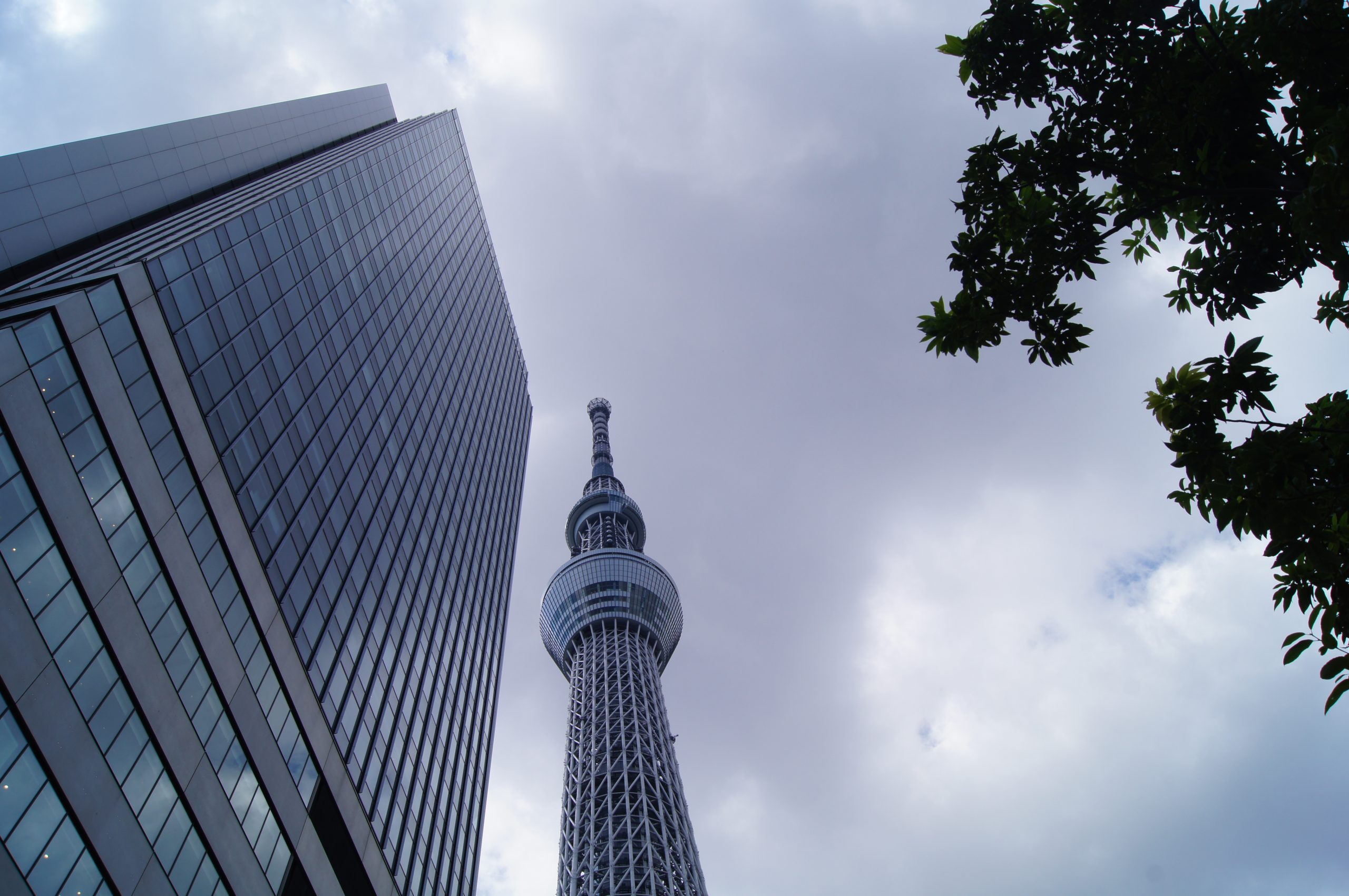
During our first trip to Japan in September 2015, that habit took us to Sumida Aquarium (すみだ水族館), inside Tokyo Skytree Town. It was modern, moderately sized and quite unlike the enormous destination aquariums we visited later in Osaka and Okinawa. What it lacked in sheer scale, it made up for in design.
So, is Sumida Aquarium worth visiting? Yes, if you are already planning to visit Tokyo Skytree, enjoy thoughtfully designed aquariums or need an indoor attraction in eastern Tokyo. If you are choosing between Tokyo, Osaka and Okinawa, read our comparison of Sumida, Kaiyukan and Churaumi. It’s compact enough to see without losing half a day, and its penguins, planted aquascapes and jellyfish displays give it a character of its own. But it is relatively expensive for its size. If you want Japan’s biggest tanks and a full-scale aquarium day, Sumida probably is not the one I would choose.
This first-hand Sumida Aquarium review is based on our September 2015 visit. The experience and opinions are ours; prices, opening hours, access information and major exhibit changes were checked against official sources on 25 September 2026.
Sumida Aquarium: the quick answer
- Our verdict: worth visiting as part of a Skytree and eastern Tokyo day
- Best for: aquarium fans, couples, families and rainy or very hot days
- Allow: around 1½ hours; we allowed approximately two
- Adult admission: ¥2,700
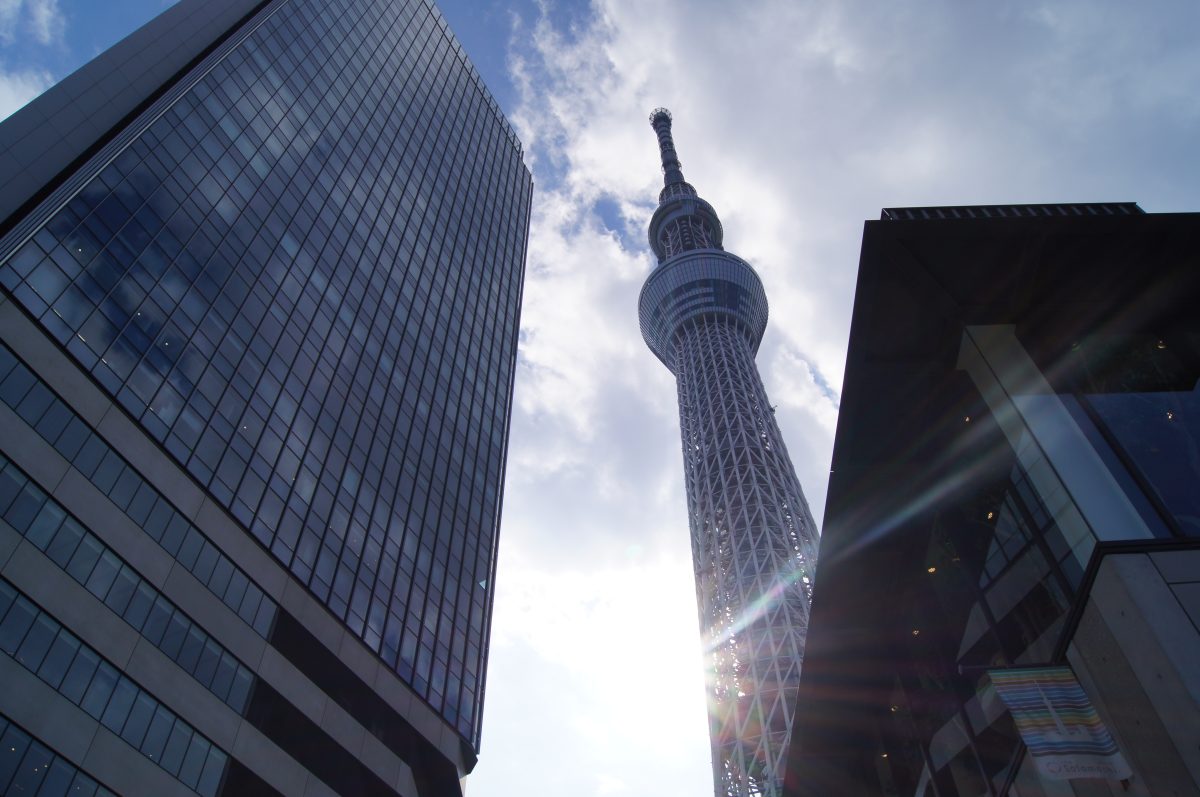
- Location: floors 5 and 6 of Tokyo Solamachi in Tokyo Skytree Town
- Main drawback: it is not cheap for a relatively compact aquarium
If you have limited time: visit when it fits naturally beside Tokyo Skytree or another east-Tokyo stop. I would not cross the whole city solely for Sumida unless aquariums are already high on your list.
Sumida Aquarium at a glance
| Question | Answer |
|---|---|
| Is Sumida Aquarium worth visiting? | Yes, particularly with Tokyo Skytree, but not if size and value are your main priorities |
| How long does it take? | About 1½ hours; allow up to 2 hours if you linger |
| How much is admission? | Adults ¥2,700; high-school students ¥2,000; primary and junior-high students ¥1,400; children aged 3 and over ¥900 |
| What are the highlights? | Natural Aquascape tanks, Magellanic penguins, fur seals, jellyfish, spotted garden eels and the Ogasawara-themed large tank |
| Is it indoors? | Yes, the aquarium is completely indoors |
| Nearest stations | Tokyo Skytree Station and Oshiage (Skytree-mae) Station |
What has changed since our Sumida Aquarium visit?
Quite a lot can happen to an aquarium in eleven years, and pretending otherwise would be rather daft.
Sumida renovated part of the aquarium in 2020 and added the open-topped Big Petri Dish jellyfish tank and Aqua Base, where visitors can see some of the keepers’ work. This matters because an older version of our Tokyo itinerary described that tank as though we had seen it in 2015. Official records show that we could not have done. It was a later factual update that became tangled with the first-person account, and I have corrected that distinction here.
The core character of the aquarium remains recognisable: it is still an indoor, design-led attraction with penguins, fur seals, jellyfish, garden eels and exhibits inspired by the waters around Tokyo and the Ogasawara Islands. But use our memories for what the visit felt like, not as a frozen floor map. Check the current official floor guide for exactly what is on display when you go.
Is Sumida Aquarium worth visiting?
Sumida Aquarium is worth visiting if you want a calm, visually distinctive indoor attraction that fits neatly into a Tokyo Skytree day. It’s not Tokyo’s cheapest aquarium, nor its largest, but that is not really the point.
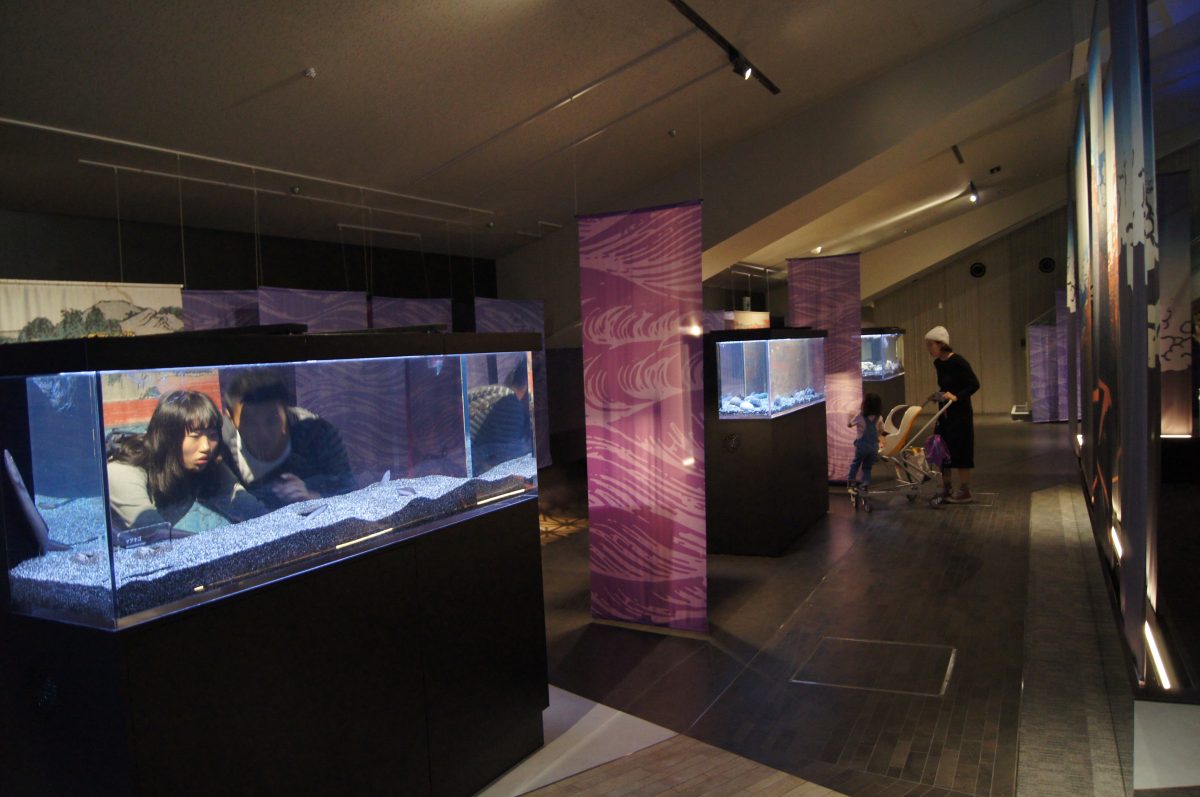
We remembered the design more strongly than any single enormous animal. Tanks could be viewed from several sides. Sightlines felt open. The penguin pool became part of the space rather than a box at the end of a corridor. As an architect, I appreciated how much effort had gone into the relationship between visitor, tank and circulation. As an ordinary person, I mostly wanted a penguin. Both responses are valid, although only one is remotely sensible.
The qualification is price. At ¥2,700 for an adult, Sumida costs more than you might expect for a visit that the aquarium itself suggests takes about 90 minutes. It makes far more sense when you value atmosphere, presentation and convenience—not when you are calculating marine life by the square metre.
Our visit to Sumida Aquarium
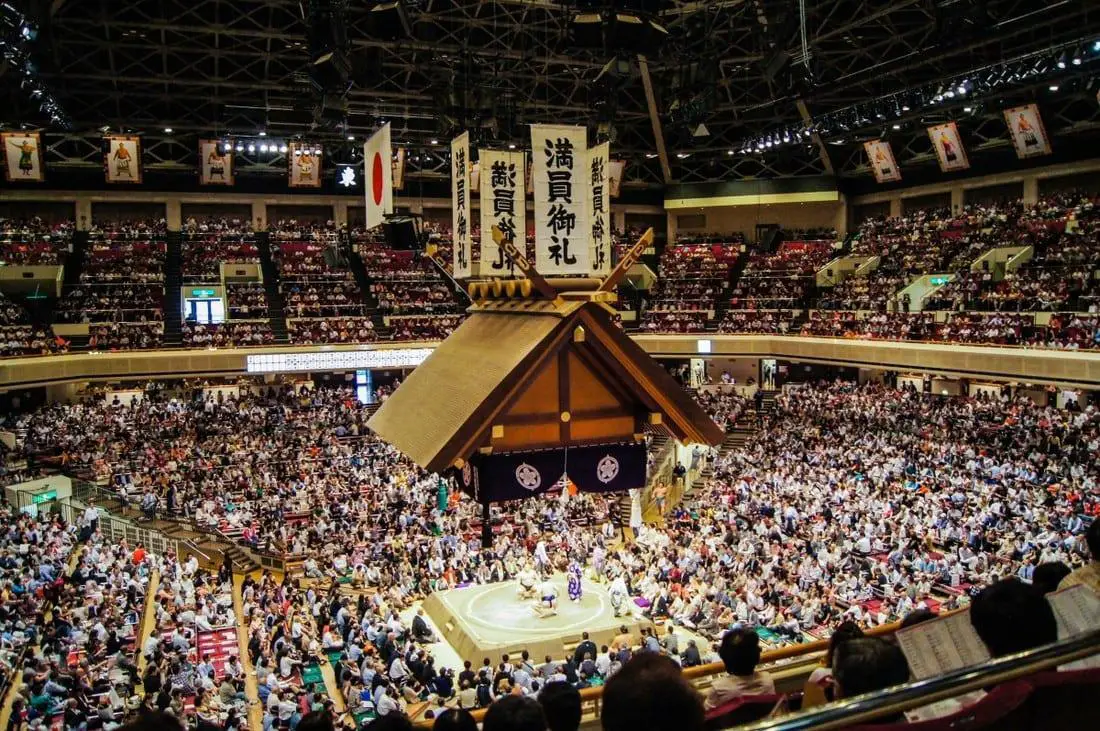
We visited Sumida during our first stay in Tokyo. Our plan for the day was fairly ambitious: Tokyo Skytree, the aquarium, the Edo-Tokyo Museum and then a sumo match at Ryogoku Kokugikan. Apparently we had not yet learnt that Tokyo is exhausting. We have improved slightly since. Slightly!
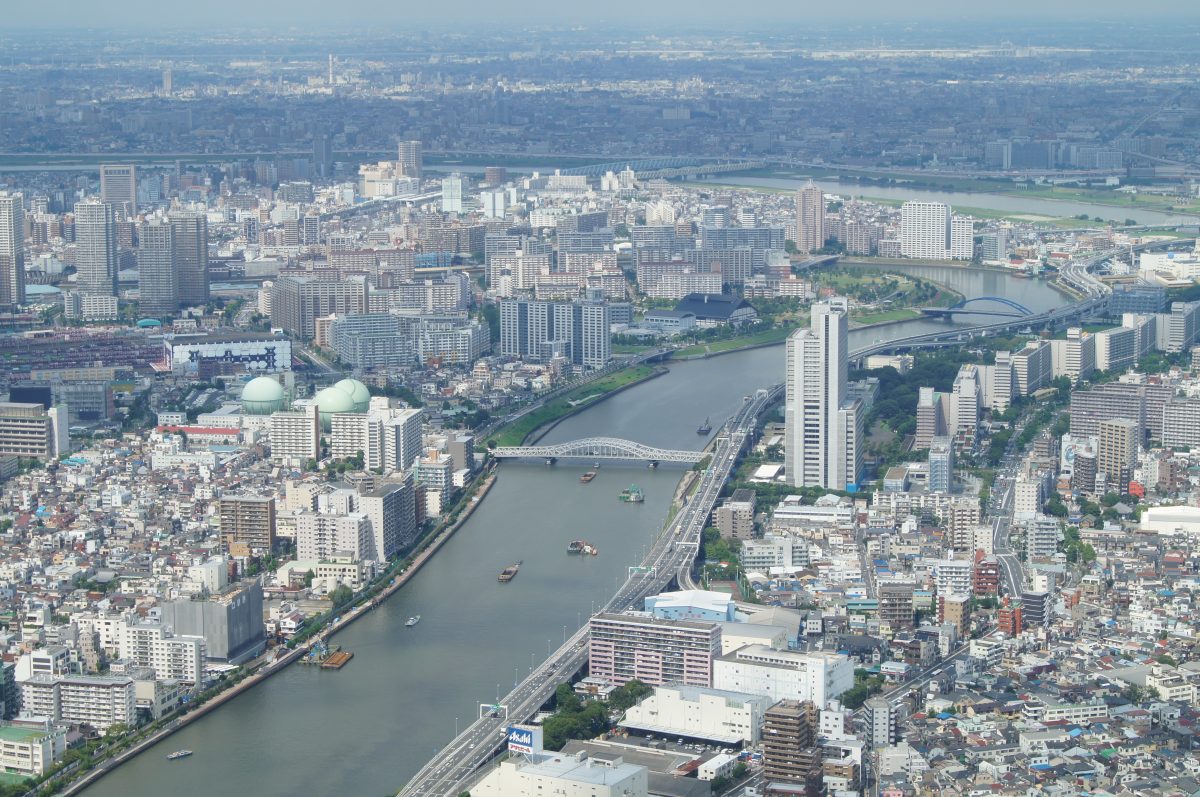
The aquarium worked well within that route because it sits inside the Skytree complex. There was no separate journey across the city and no sprawling outdoor site to navigate. We could come down from the observation decks, move through Tokyo Solamachi and spend roughly two hours inside before continuing towards Ryogoku.
My notes from the trip called it one of the best aquariums we had visited. I would temper that claim now, having since seen several much larger aquariums, including Kaiyukan and Churaumi. But I still think Sumida was one of the most carefully designed. Those are not quite the same accolade.
The best things to see at Sumida Aquarium
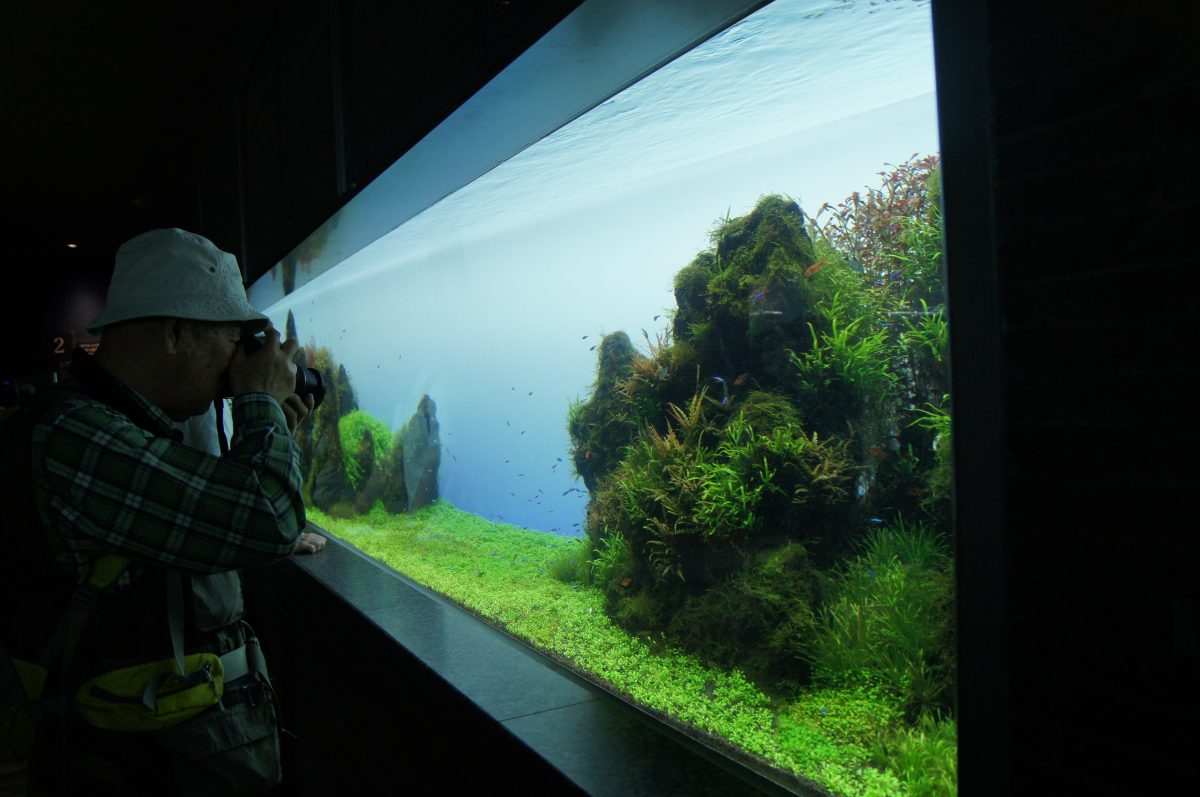
The Natural Aquascape tanks
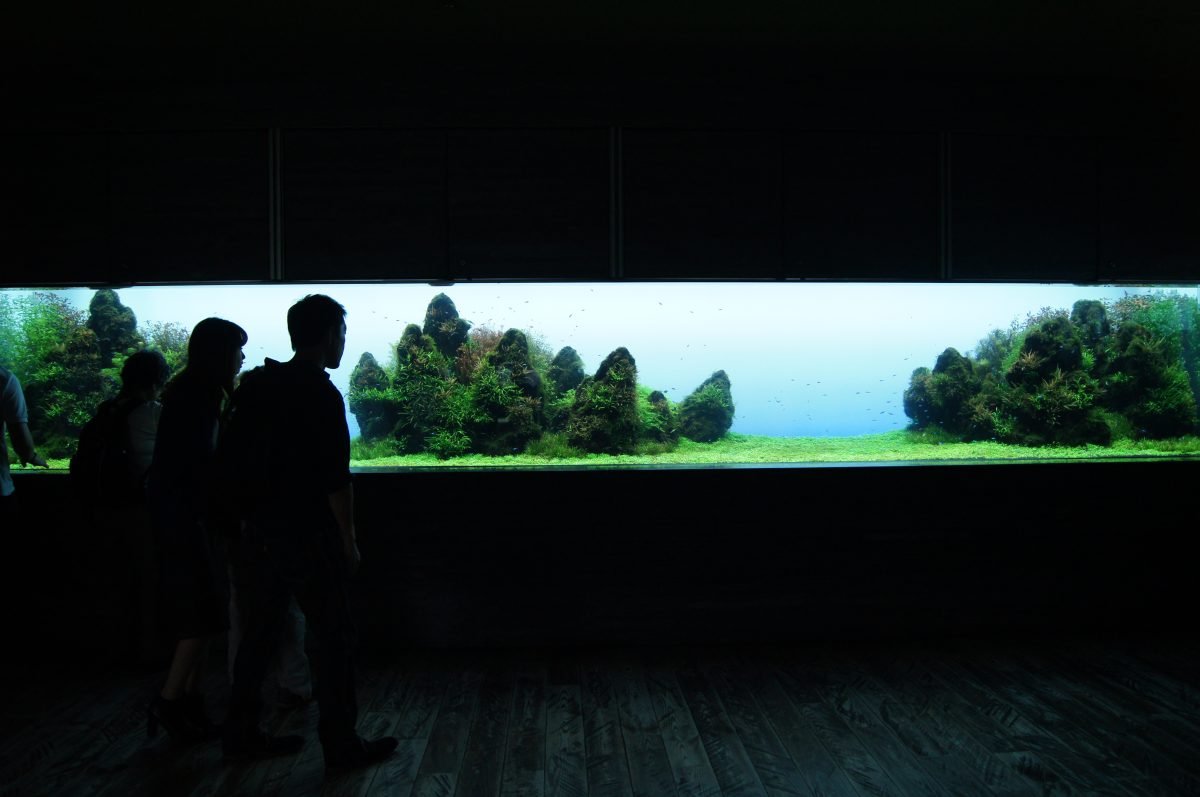
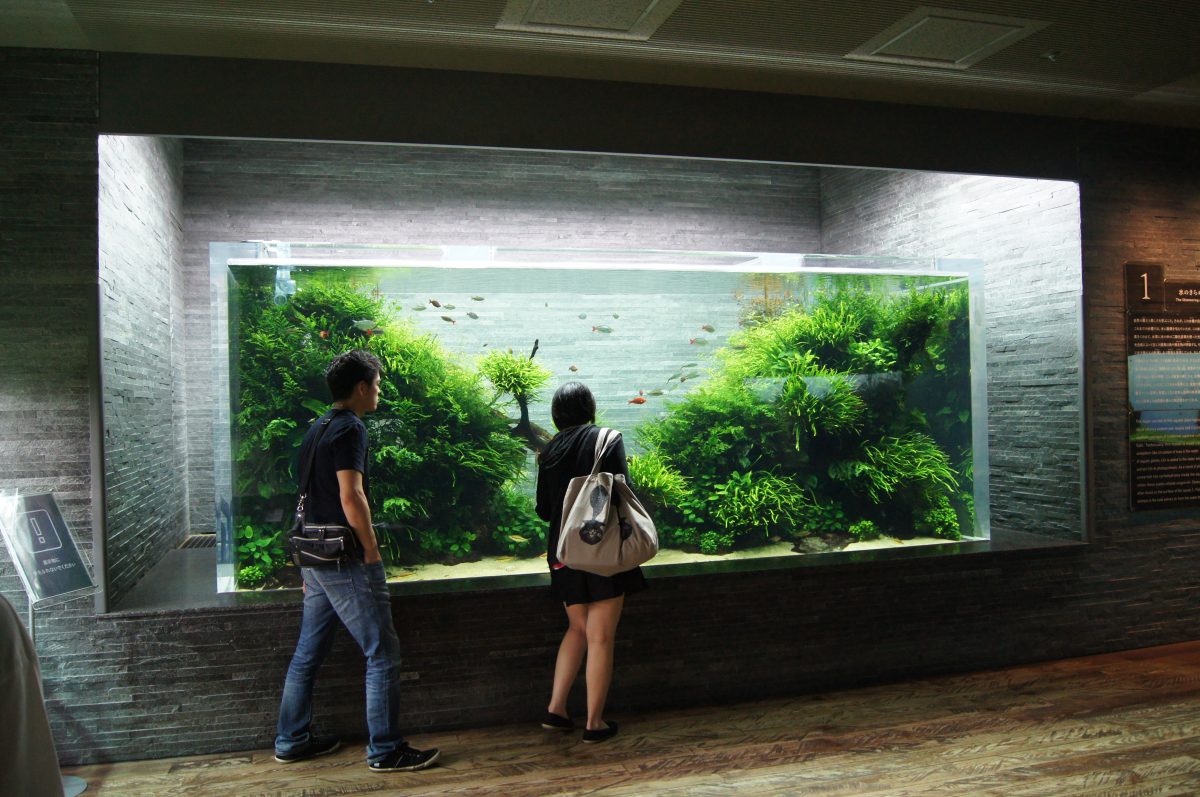
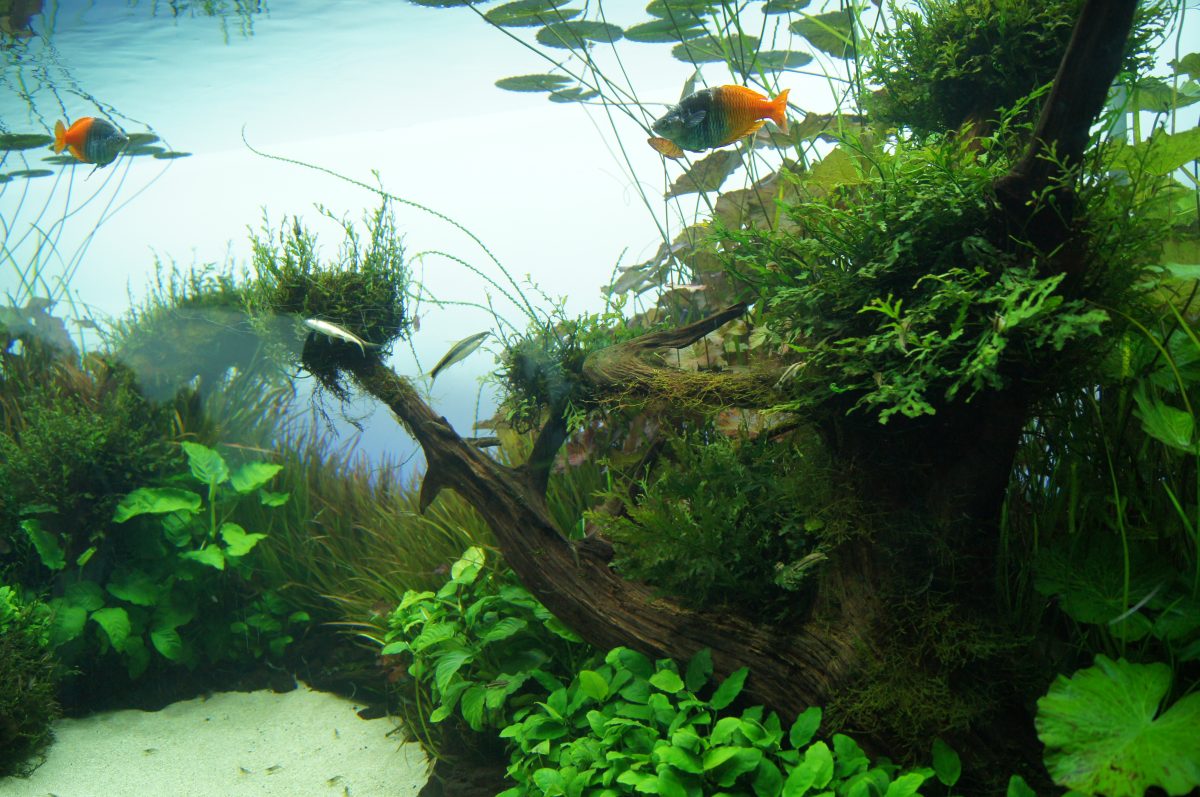
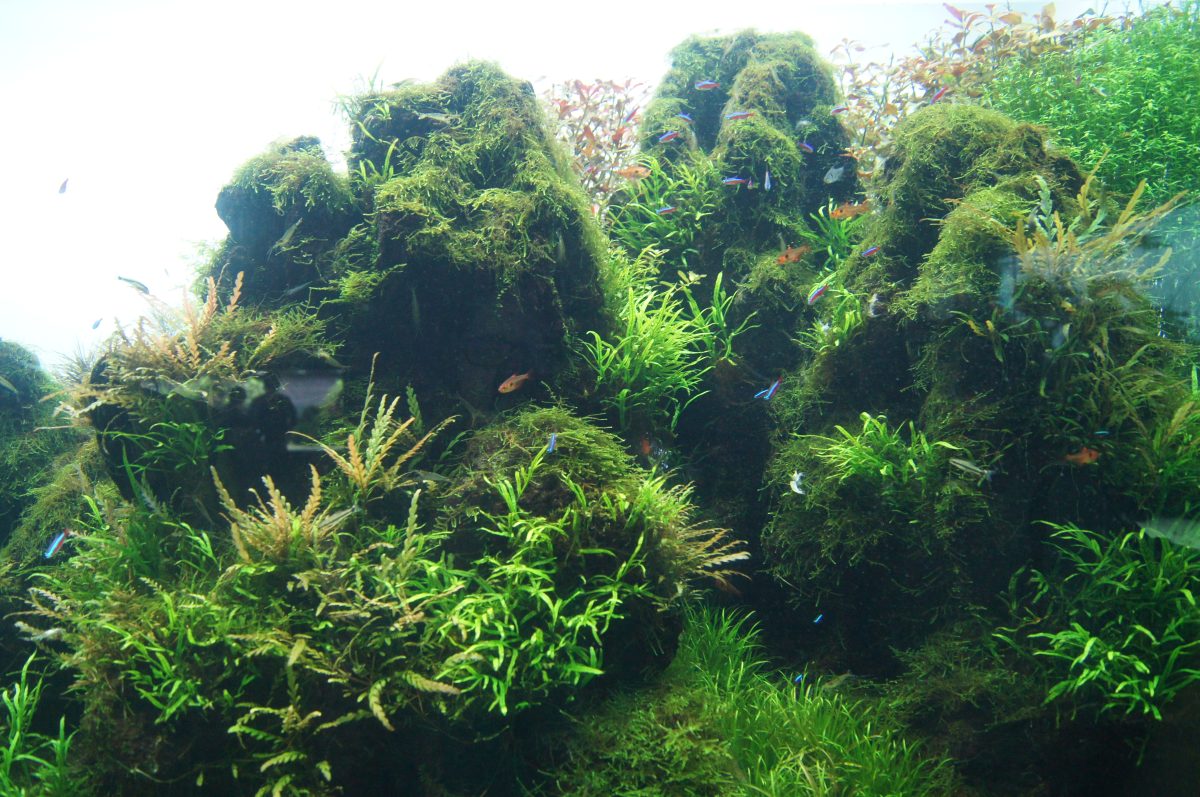
The planted freshwater tanks near the beginning are easy to overlook when penguins are waiting farther inside. Don’t rush them.
They were created by Japanese aquascaper Takashi Amano and Aqua Design Amano when Sumida opened in 2012. Rather than treating plants as a polite green backdrop for fish, the compositions use stone, timber, planting, water and light to form entire submerged landscapes. They help explain why the aquarium feels unusually considered before you reach its headline animals.
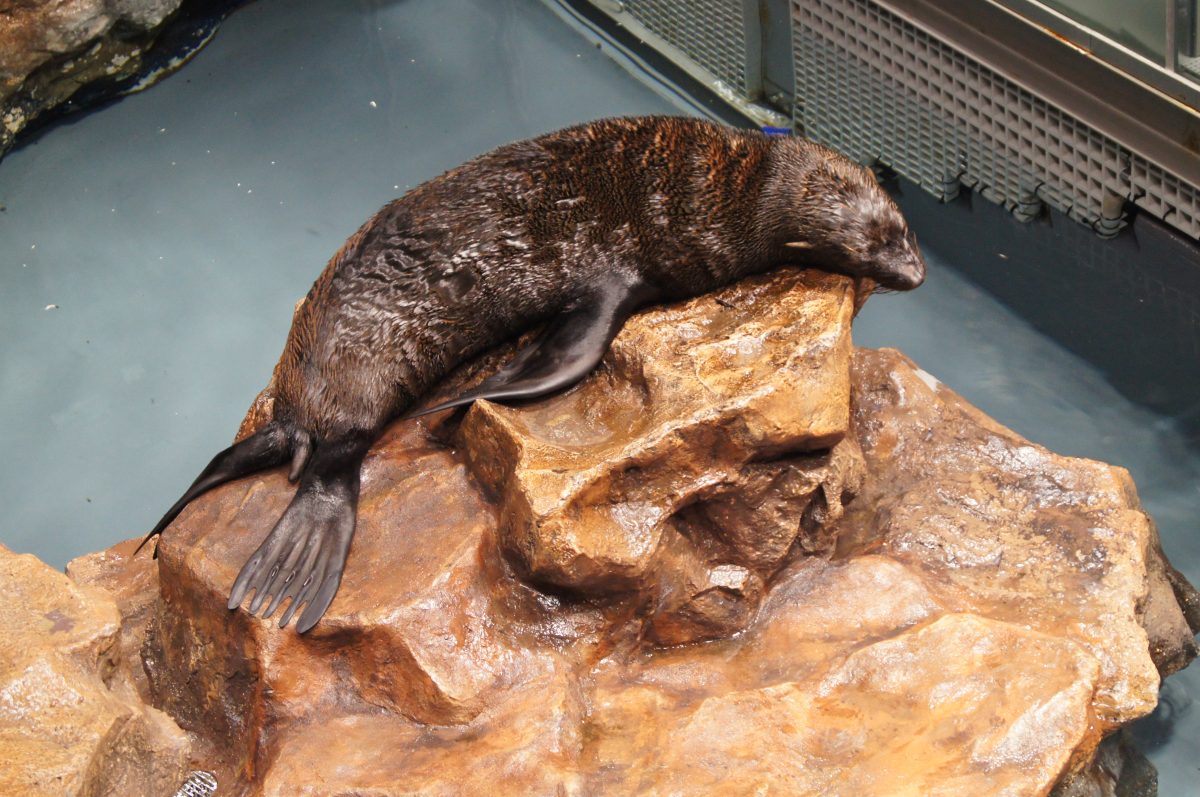
The penguins and fur seals
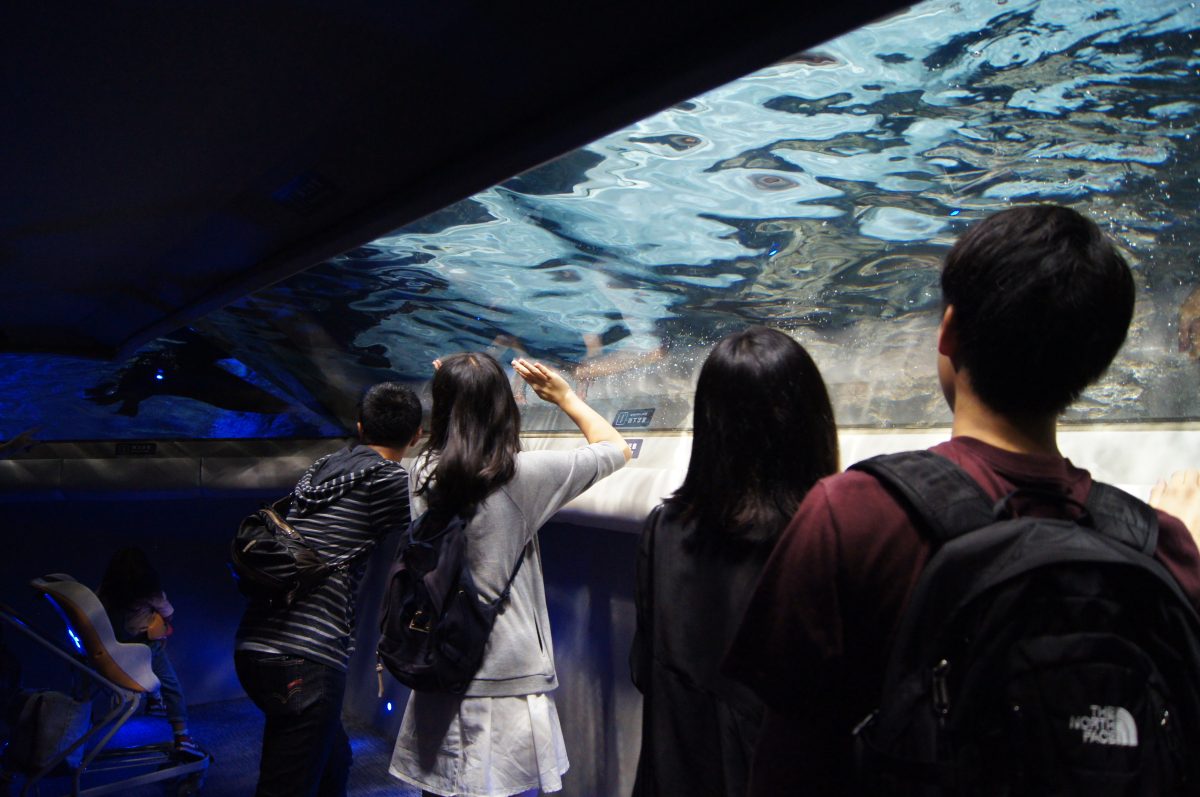
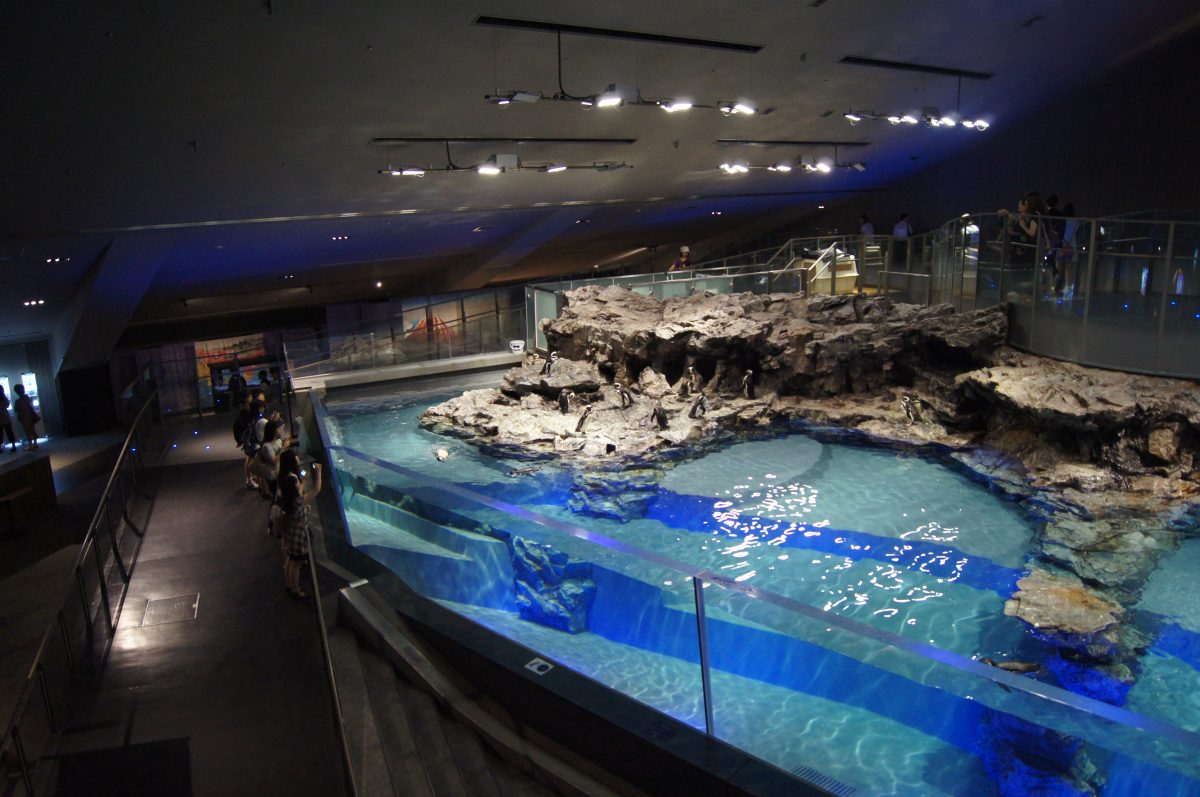
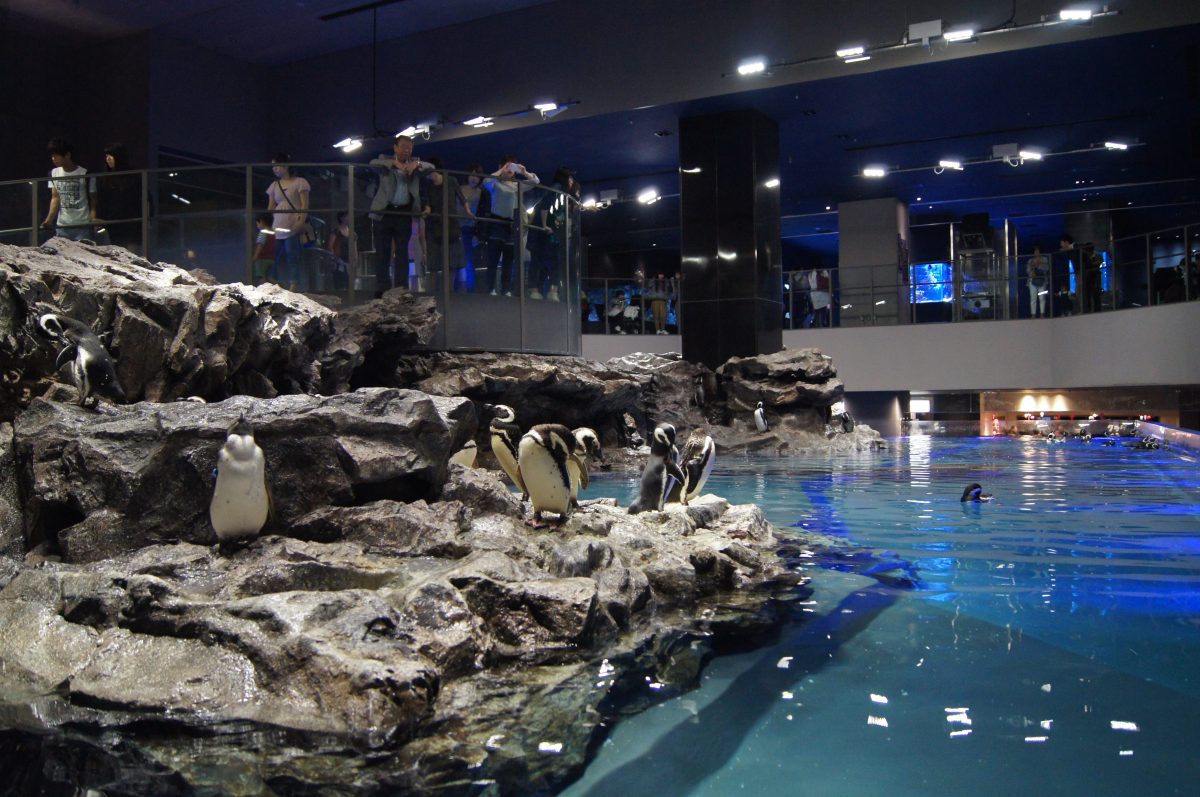
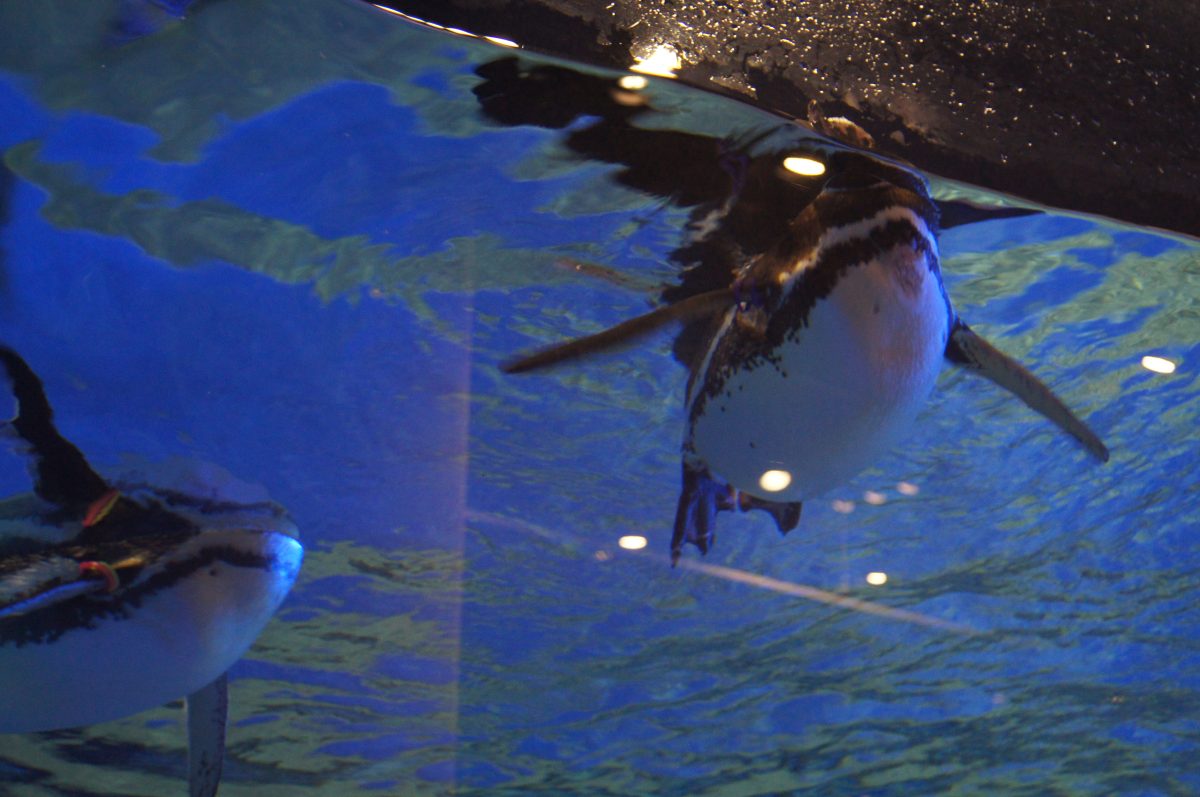
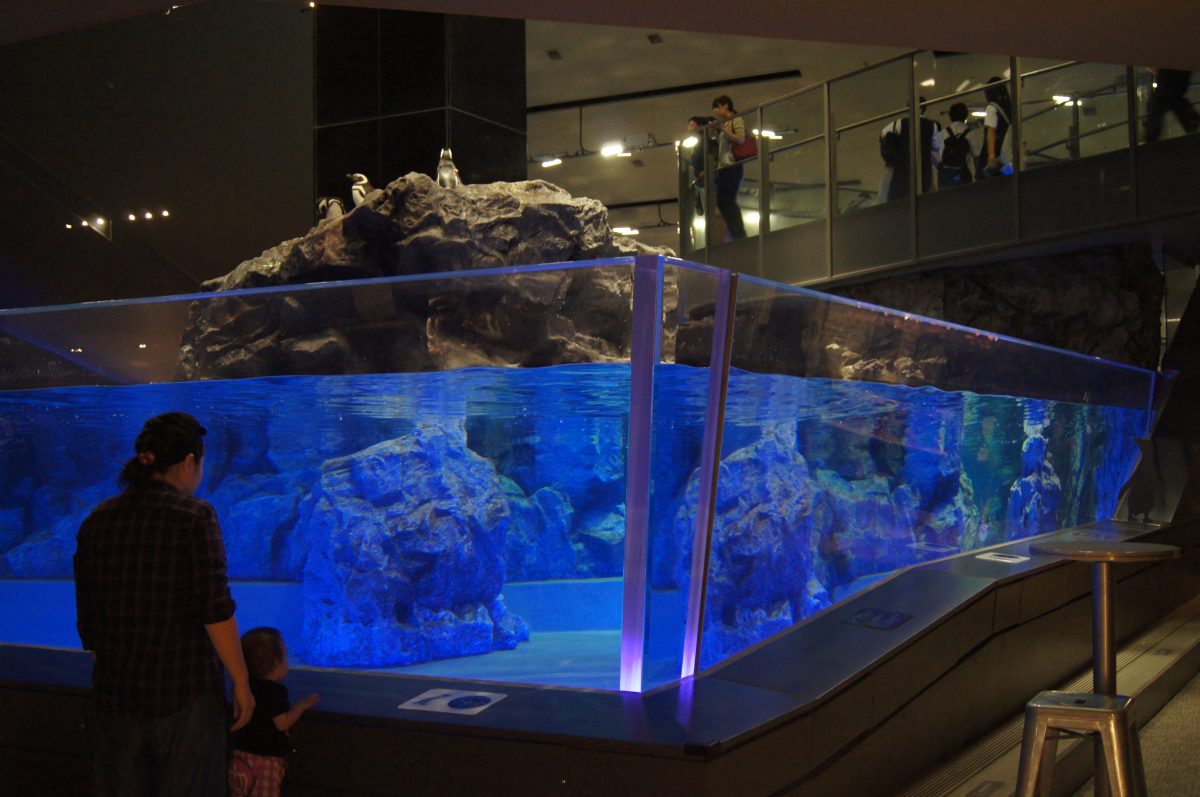
The open indoor penguin pool was the part that stayed with me. Its clear edges and surrounding viewpoints let us watch the penguins from above and beside the water without the usual sense of peering through one narrow window.
I described the enclosure as a masterpiece at the time. Structurally and spatially, I still understand why. The water becomes the centre of the room, and the animals remain visible as you move around it. Gary and I lingered. I also announced that I wanted a penguin, overlooking several fairly fundamental problems involving climate, fish storage and our lack of a swimming pool.
The jellyfish displays
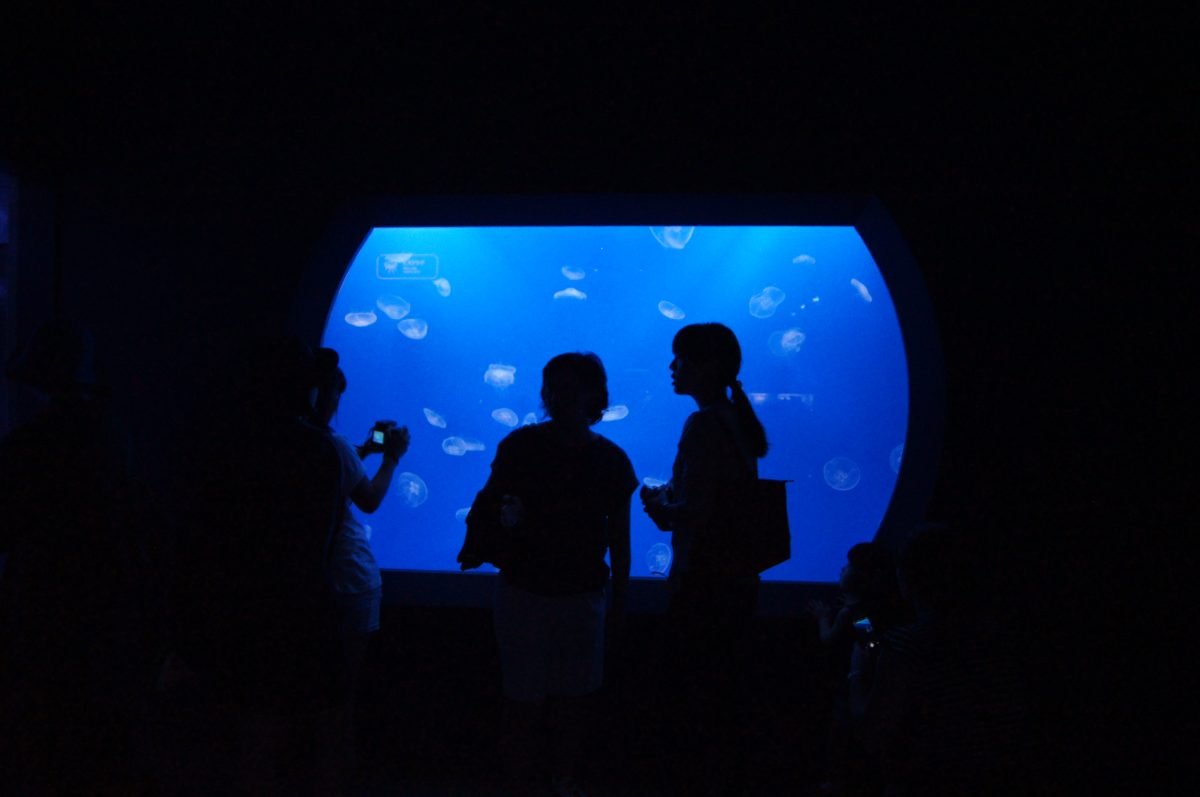
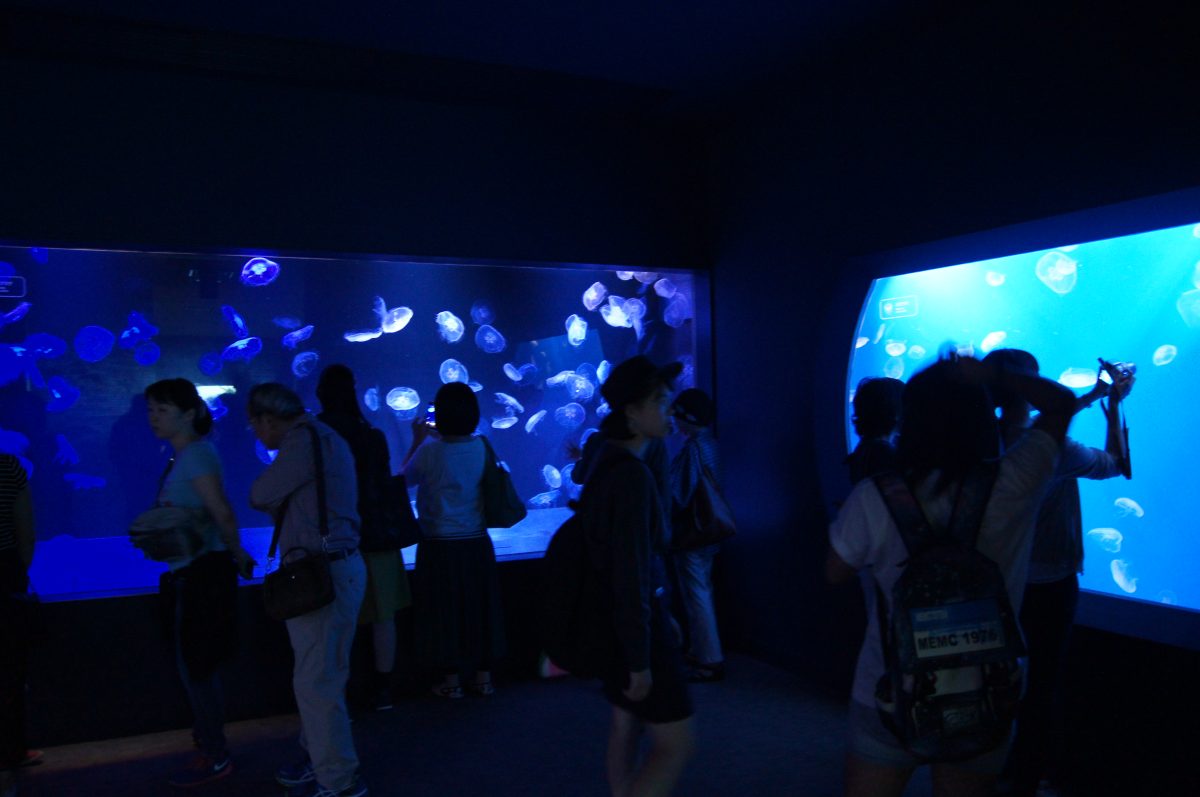
Sumida already had jellyfish displays and a laboratory element when we visited, but the section has since been substantially redesigned. The present attraction includes the open-topped Big Petri Dish and Aqua Base, introduced during the 2020 renovation.
Current photographs show a far more immersive space than the one I can honestly claim to remember. You can look down into the broad, shallow tank without a sheet of acrylic between you and the water, whilst the working area makes breeding and care more visible. It is one of the clearest reasons a return visit would not simply repeat our 2015 experience.
The Ogasawara tank, coral fish and garden eels
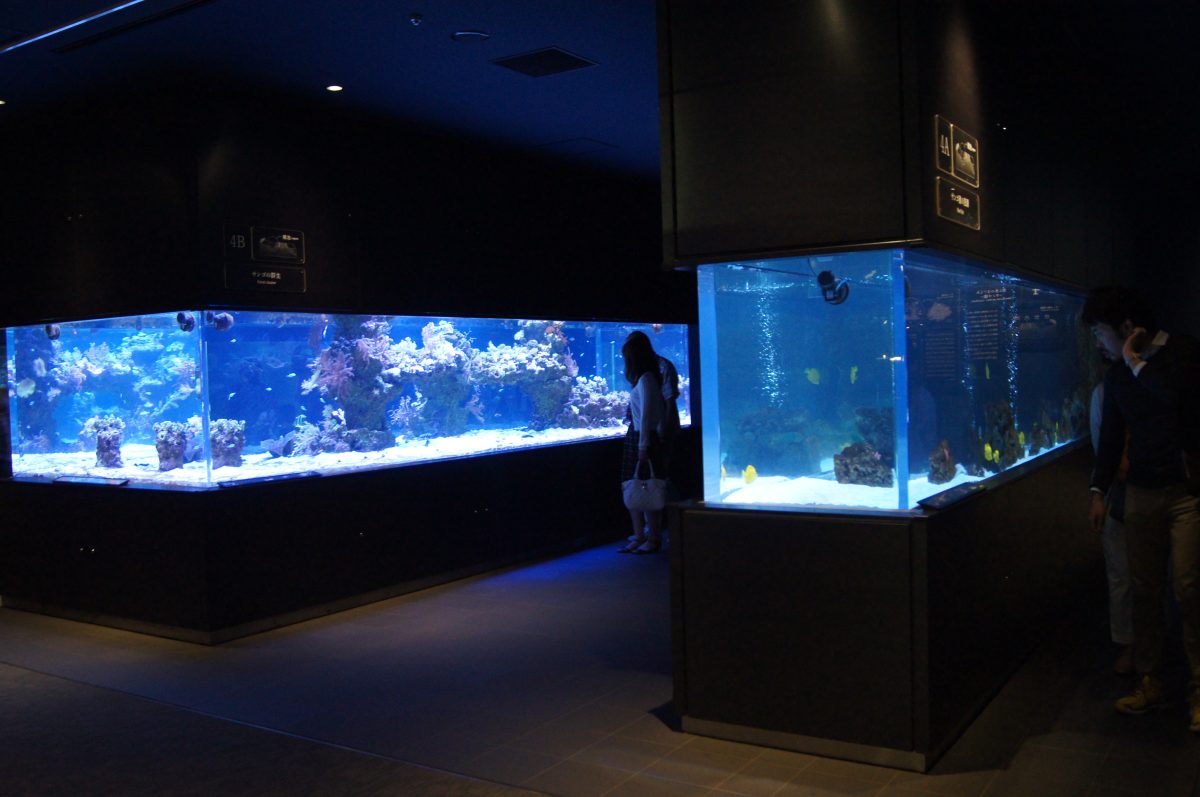
The larger marine displays represent the seas around the Ogasawara Islands, an island chain that is administratively part of Tokyo despite lying far out in the Pacific. This gives Sumida a welcome local thread rather than presenting an interchangeable procession of tropical tanks.
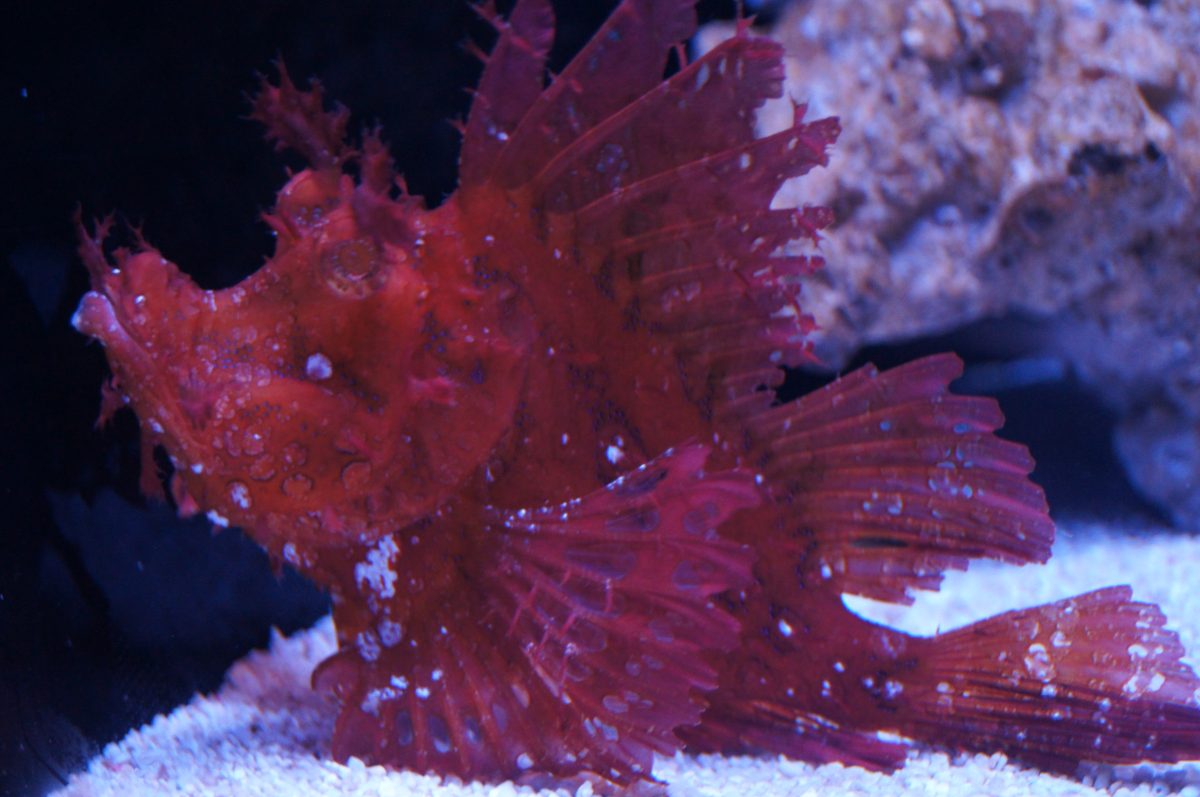
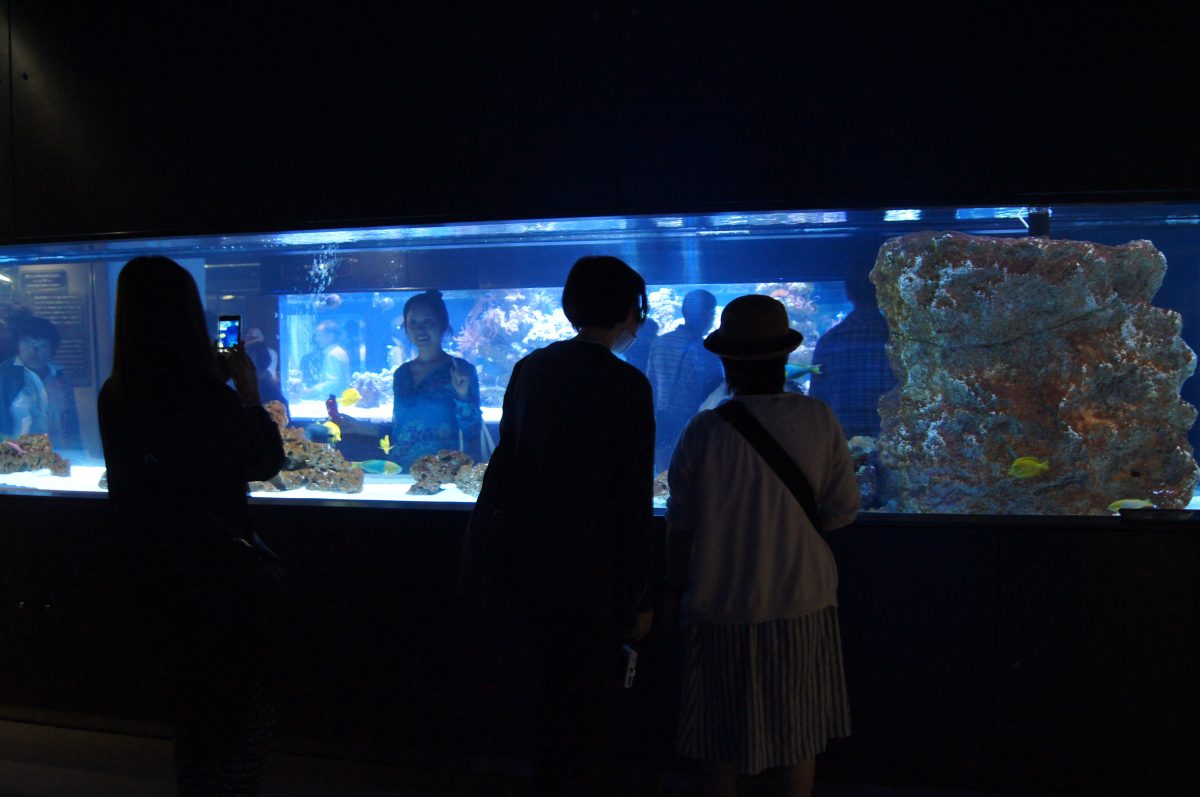
We also saw seahorses, clownfish, crabs and pufferfish during our visit. The spotted garden eels are among the aquarium’s present-day signature animals. They poke out of the sand like a field of suspicious periscopes, which is perhaps not the scientific description the keepers would choose.
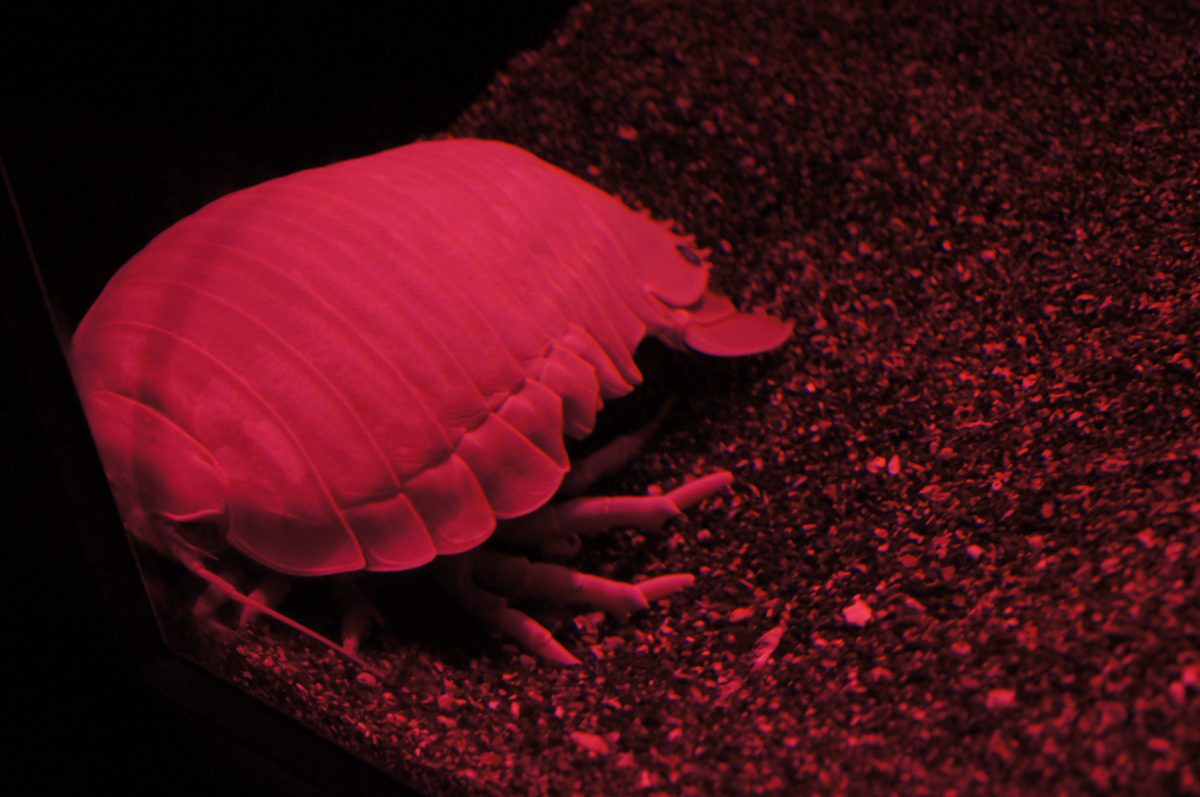
What about animal welfare at Sumida Aquarium?
This is the uncomfortable part of reviewing any aquarium, but avoiding it would be worse.
In 2015 I concentrated on the clarity of the views, the cleanliness and the clever spatial design. I was less critical of captive-animal displays than I am now. Since then, visiting whale sharks in other Japanese aquariums has made me think far more carefully about whether an impressive encounter is necessarily a comfortable one for the animal.
Sumida publishes information about breeding, research, feeding and animal care, and its design allows visitors to see some keeper activity. That is useful. But an indoor penguin and fur-seal habitat inside a commercial complex may still trouble you, and recent visitor reviews are divided about the size and nature of those enclosures.
I cannot assess welfare standards from a tourist visit, and I am not going to pretend that a clean tank provides the answer. If captive marine mammals or birds are a firm boundary for you, skip Sumida. If you do visit, look beyond the unobstructed sightlines and decide how you feel about the habitat itself.
How long do you need at Sumida Aquarium?
Allow about 1½ hours for Sumida Aquarium. The aquarium gives the same approximate visit time in its current visitor information. We scheduled around two hours, which leaves room to linger at the penguins, watch a feeding session or stop at the café without needing to march past the fish like you are late for a train.
You could complete the circuit in roughly an hour if you move quickly. Aquarium enthusiasts and families with fascinated children may stay longer. The useful thing is that Sumida does not consume the entire day unless you want it to.
How much does Sumida Aquarium cost?
Standard admission prices checked on 25 September 2026 are:
- Adults: ¥2,700
- High-school students: ¥2,000
- Primary and junior-high students: ¥1,400
- Children aged 3 and over: ¥900
- Children under 3: free
The official site recommends buying a dated web ticket in advance; tickets are normally released 30 days before the visit. Same-day tickets are also sold from machines at the entrance. Tokyo Skytree combination products may be available, but prices and inclusions vary, so compare them with separate admission rather than assuming the word “combo” has performed a small financial miracle.
Check the official Sumida Aquarium price page before travelling. I could not reliably reconstruct what we paid in 2015, so I have not invented an old receipt for the sake of a tidier story.
Sumida Aquarium opening hours
The usual opening hours are:
- Weekdays: 10:00–20:00
- Weekends, public holidays and designated dates: 09:00–21:00
- Last admission: one hour before closing
There is no regular closing day, although maintenance, events, weather or private use can alter access and hours. Check the official calendar and access page for your date, then check again on the morning if the visit matters to your plans. That is not excessive organisation. It’s self-defence.
How to get to Sumida Aquarium
Sumida Aquarium occupies floors 5 and 6 of Tokyo Solamachi, inside Tokyo Skytree Town at 1-1-2 Oshiage, Sumida City.
- Tokyo Skytree Station: immediately beside the complex on the Tobu Skytree Line
- Oshiage (Skytree-mae) Station: approximately five minutes through a direct connection, served by the Hanzomon, Asakusa, Keisei Oshiage and Tobu Skytree lines
If you are building a first visit to the city, our five-day Tokyo itinerary puts Sumida into an east-Tokyo day rather than treating it as an isolated excursion. Our broader two-week Japan itinerary can help you decide how many Tokyo days you actually have to play with.
Should you combine Sumida Aquarium with Tokyo Skytree?
Yes. Sumida Aquarium makes most sense when combined with Tokyo Skytree and Tokyo Solamachi. They share the same complex, so the combination saves transport time and gives you an indoor fallback if cloud spoils the view from the tower.
We visited Skytree first, continued into the aquarium and then ate in Solamachi before travelling to Ryogoku. The Edo-Tokyo Museum, which reopened on 31 March 2026 after a major renovation, once again makes that eastward route particularly strong. A sumo match finishes the day rather spectacularly if your dates coincide with a Tokyo tournament, although you will need tickets and rather more stamina than our itinerary admitted.
When is the best time to visit Sumida Aquarium?
A weekday close to opening time is your safest choice if you want quieter viewing. The aquarium’s compact footprint is part of its appeal, but that same quality becomes less charming when everyone in Tokyo appears to have had the identical rainy-day idea.
Later visits can also work well because the aquarium stays open into the evening and is entirely indoors. Check the daily programme before choosing a time: penguin, fur-seal, jellyfish and garden-eel feeding sessions can add interest, but schedules change.
Practical tips for visiting Sumida Aquarium
- Book ahead for busy dates. Official web tickets normally go on sale 30 days in advance.
- Check that day’s hours. The usual timetable can change for maintenance, events or shortened opening.
- Allow around 90 minutes. Add extra time if you want to watch a feeding session or use the café.
- Use re-entry if needed. Same-day re-entry is normally possible after obtaining a hand stamp at the information counter.
- Photography is allowed for personal use. Follow current signs and staff instructions, and expect the dim lighting to test your camera.
- Wheelchairs and pushchairs can use the ramps and lifts. Accessible toilets and other support facilities are listed on the official visitor pages.
- Don’t force a full meal inside. The Penguin Café is useful for drinks and snacks, whilst Tokyo Solamachi has a much broader selection nearby.
Sumida, Osaka or Churaumi Aquarium?
These three aquariums solve rather different itinerary problems.
| Aquarium | Choose it for | Main compromise |
|---|---|---|
| Sumida Aquarium | Design, penguins and a compact attraction beside Tokyo Skytree | High admission for its size |
| Osaka Aquarium Kaiyukan | A longer immersive route around a huge central tank | Dark galleries, heavier crowds and difficult welfare questions |
| Okinawa Churaumi Aquarium | Scale, the Kuroshio Sea tank and a wider Ocean Expo Park day | A substantial journey from Naha and the same whale-shark concerns |
I would choose Sumida for the easiest half-day experience, Osaka for the strongest self-contained aquarium visit and Churaumi for the most memorable wider setting. We will compare all three properly in a separate guide rather than trying to make this review do every job at once. Even I know when an aquarium article has acquired too many tanks!
Who should visit Sumida Aquarium—and who should skip it?
Visit Sumida Aquarium if…
- you are already visiting Tokyo Skytree or staying around Oshiage and Asakusa;
- you appreciate aquarium design and planted aquascapes as much as headline animals;
- you need a completely indoor attraction;
- you want an aquarium that fits into a wider Tokyo day; or
- you are travelling with someone who can watch penguins for a surprisingly long time.
Skip Sumida Aquarium if…
- you want the largest aquarium or the widest range of marine life;
- ¥2,700 feels too much for a visit of around 90 minutes;
- your itinerary already includes Osaka Aquarium or Churaumi and aquarium fatigue is setting in; or
- indoor penguin and fur-seal exhibits conflict with your views on captive wildlife.
Our honest verdict on Sumida Aquarium
Sumida Aquarium was one of the surprises of our first Tokyo trip. We expected a convenient attraction beneath Skytree. Instead, we found a compact aquarium whose spatial design was every bit as memorable as its animals.
Would I call it the best aquarium in Japan now? No. Osaka offers a more immersive large-scale visit, and Churaumi has an extraordinary setting and central tank. But Sumida remains the easiest of the three to slip into a city itinerary, and probably the most design-conscious.
I would visit if you are spending time around Tokyo Skytree, particularly on a wet or fiercely hot day. Give it about 90 minutes, accept that convenience comes at a price and leave the penguins where they are. Your hotel will not thank you for attempting otherwise.
Sumida Aquarium FAQs
Is Sumida Aquarium worth visiting?
Yes, particularly if you combine it with Tokyo Skytree. It is compact, completely indoors and unusually design-led, but the adult ticket is expensive for a visit of around 90 minutes.
How long do you need at Sumida Aquarium?
Allow approximately 1½ hours. We gave it closer to two hours, which is sensible if you want to linger, watch a scheduled feeding session or stop for a drink.
How much are Sumida Aquarium tickets?
As of 25 September 2026, standard admission is ¥2,700 for adults, ¥2,000 for high-school students, ¥1,400 for primary and junior-high students, and ¥900 for children aged three and over. Children under three enter free.
What are Sumida Aquarium’s opening hours?
The usual hours are 10:00–20:00 on weekdays and 09:00–21:00 at weekends, on public holidays and on designated dates. Last admission is one hour before closing. Check the official calendar because hours can change.
How do you get to Sumida Aquarium?
The aquarium is on floors 5 and 6 of Tokyo Solamachi in Tokyo Skytree Town. Tokyo Skytree Station is immediately beside the complex, whilst Oshiage (Skytree-mae) Station connects directly and is approximately a five-minute walk.
Can you visit Sumida Aquarium and Tokyo Skytree on the same day?
Yes. They are in the same Tokyo Skytree Town complex and work naturally as a combined half-day visit. Tokyo Solamachi provides plenty of lunch and shopping options between or after them.
Is Sumida Aquarium suitable for children?
Yes. The aquarium is compact, indoors and accessible by ramps and lifts, with close views of penguins, jellyfish and garden eels. Weekends and holidays can be busy, so a weekday morning is the calmer choice.
For more help building the rest of the trip, start with our Japan Travel Guide.