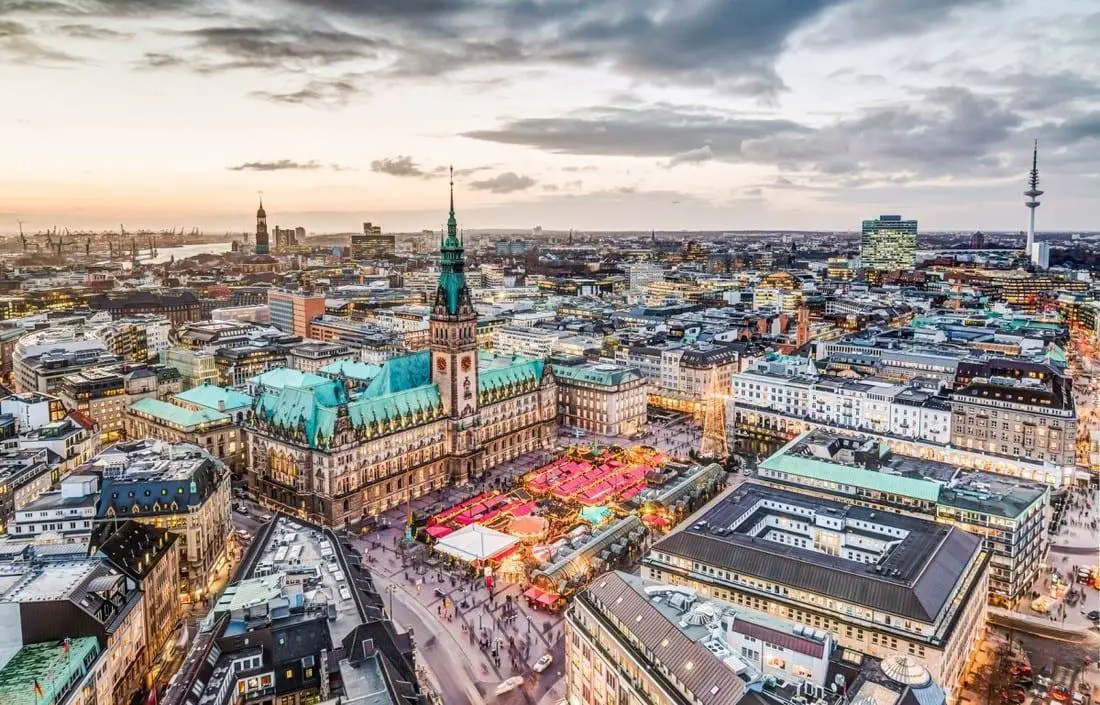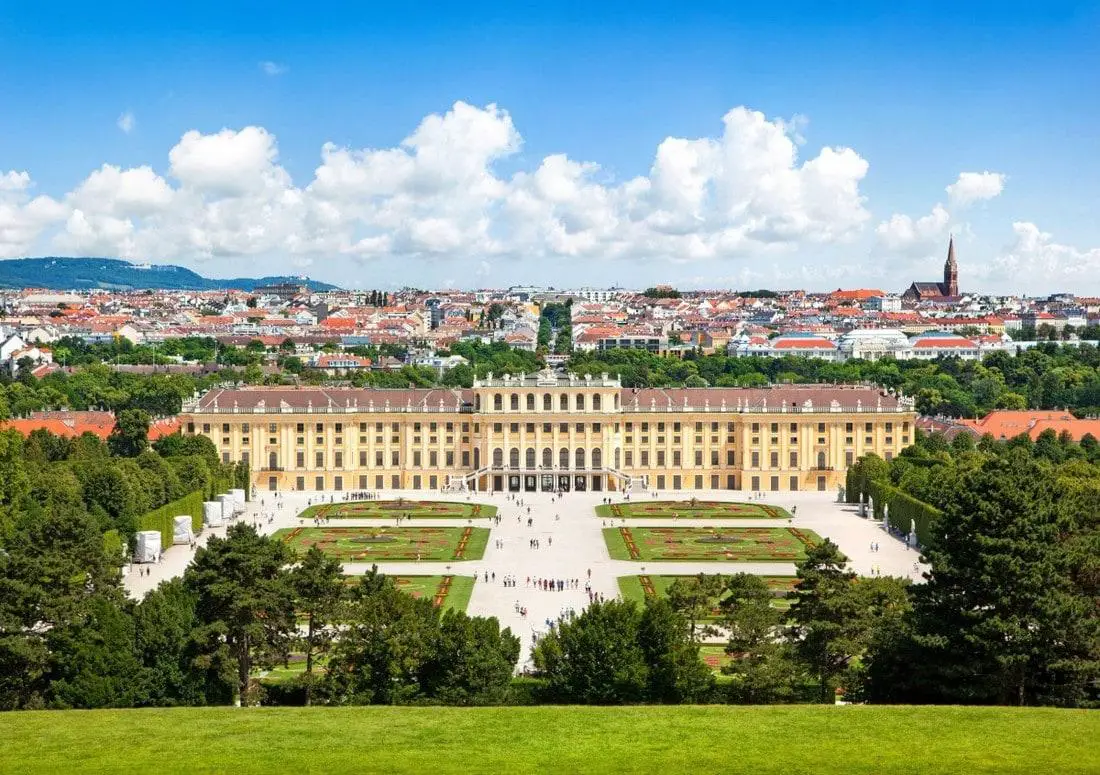
In a country steeped in history and tradition, it should come as no surprise that there are a plethora of famous landmarks in Austria that are worth a visit.
This guide groups palaces, historic buildings and scenic landmarks across Austria. Vienna has the largest cluster, but Salzburg, Tyrol and Styria deserve their own time. Use our Vienna day trips and weekend getaways guide to distinguish a manageable excursion from a place better explored overnight.
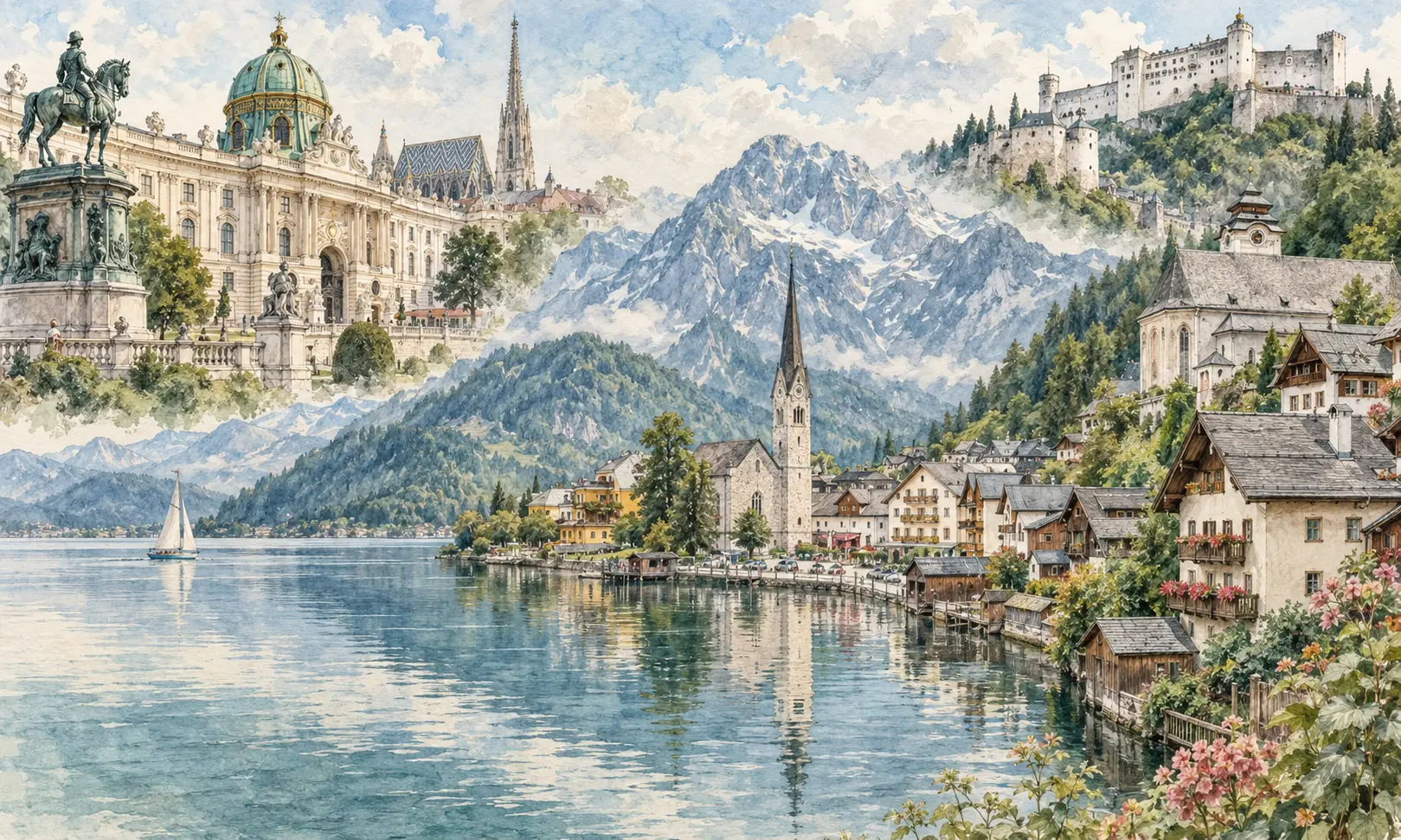
The illustrations in this guide are AI-generated artistic interpretations. Architectural details and geography may differ from the real locations; the featured image is a montage.
A collaborative guide with guest recommendations credited throughout, plus editorial planning advice from Beautifully Travelled.
| Base or region | Landmarks in this guide | Planning approach |
|---|---|---|
| Vienna | Belvedere, Hofburg, Hundertwasser, St. Stephen’s, Schönbrunn, State Opera | Choose a few priorities across a city break; leave time for separate museum visits. |
| Salzburg and Hallein | Hohensalzburg, Mozart’s Birthplace, Salzburg Salt Mine | Explore the city first; plan the salt mine as a separate excursion. |
| Innsbruck and Reutte | Golden Roof, Bergisel, Highline 179 | Combine Innsbruck’s sights; give Reutte its own outing or stay. |
| Graz and southern Styria | Graz Clock Tower, South Styrian Wine Road | Mix a city visit with a separate countryside day or overnight stay. |
| Hohe Tauern | Grossglockner High Alpine Road | Plan a seasonal mountain drive with time for viewpoints and weather changes. |
Some booking links are affiliate links. If you book through them, we may earn a commission at no extra cost to you. Compare the specific tour or pass with your plans before purchasing.
1. Belvedere Palace – Vienna
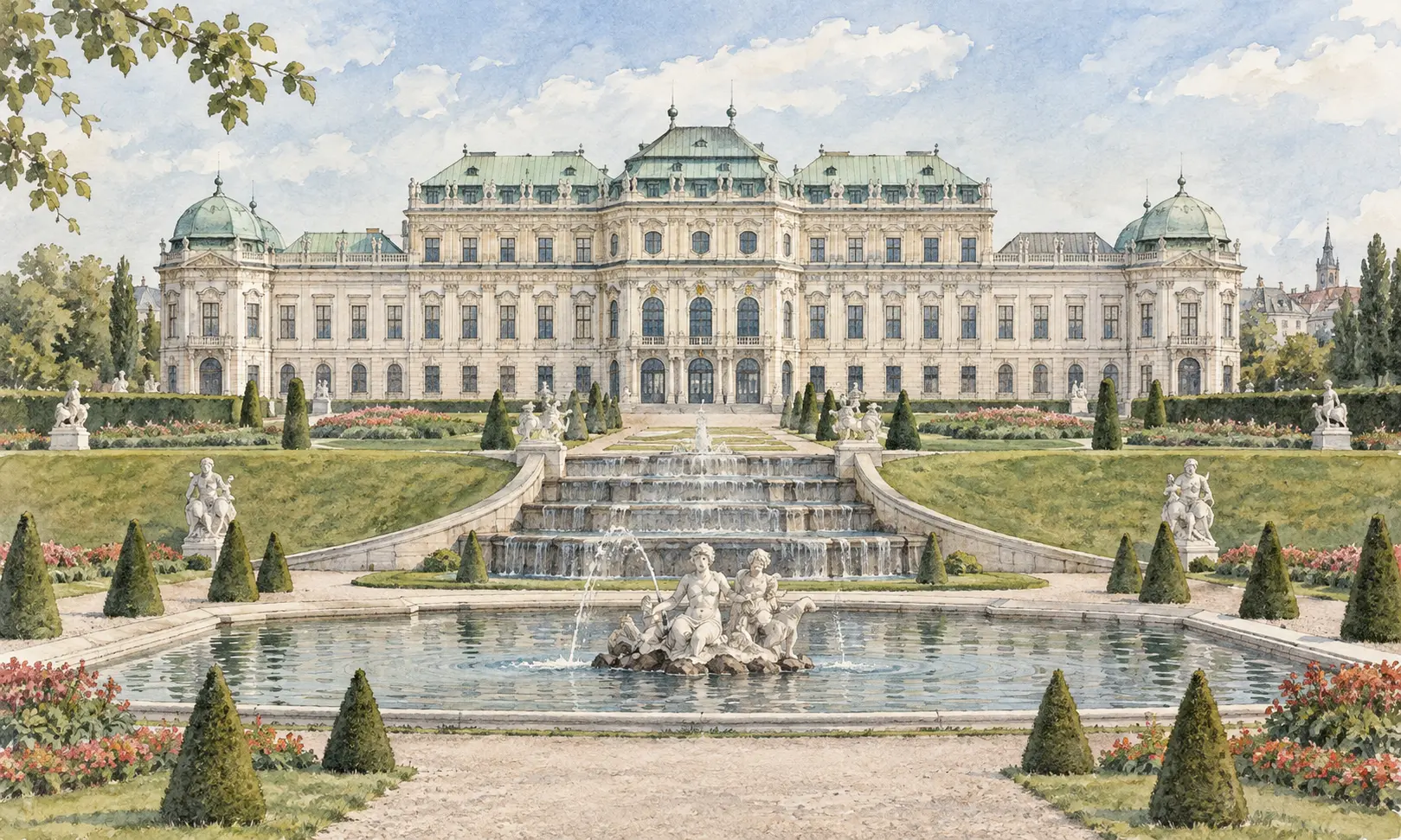
The Belvedere in Vienna consists of two Baroque palaces: the Lower Belvedere, completed in 1716, and the Upper Belvedere, completed in 1723. The buildings and formal gardens make this a rewarding stop even before you consider the art collection.
The Belvedere houses an extravagant art gallery, with multiple structures on the property showcasing some of Austria’s finest art collections. Also worth visiting at the Belvedere are the palace’s extravagant gardens, outdoor fountains and sculptures.
For help fitting the Belvedere into a city break, read our Vienna travel tips. Allow time for the gardens as well as whichever gallery you choose.
Plan your visit: Upper and Lower Belvedere have different exhibitions and ticket options. Check the official Belvedere website for the collection you want to see, admission arrangements and any timed entry.
Contribution: Elina, Empnefsys & Travel
2. Bergisel Ski Jump – Innsbruck
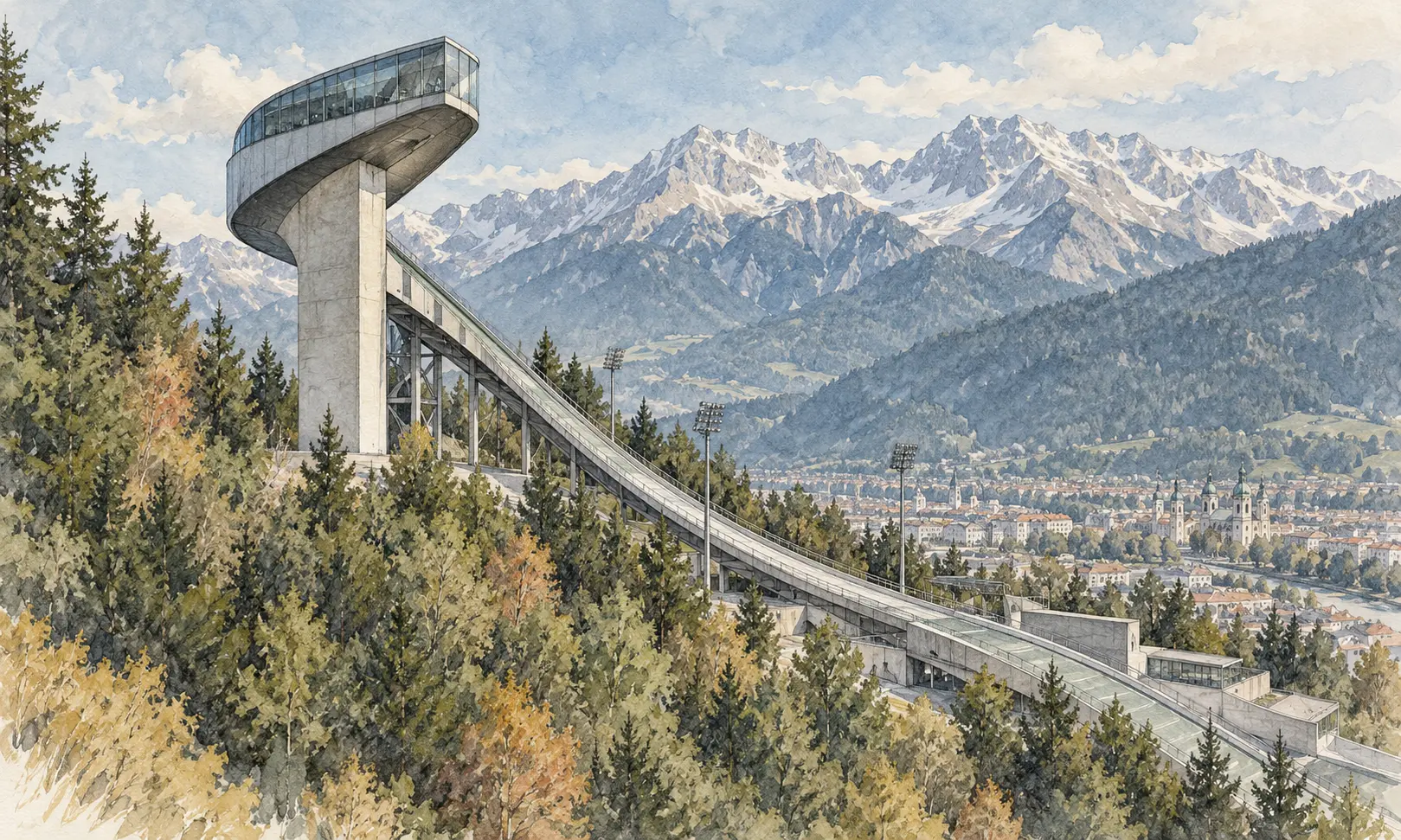
One of the top attractions of Innsbruck and famous Austrian landmarks is Bergisel Ski Jump, a ski jumping hill just outside the city centre of Innsbruck. It first opened to the public in the late 1920s, but since then it has undergone several improvements. Its current form was designed by Zaha Hadid and was completed in 2002.
Bergisel Ski Jump is mostly known for hosting the Four Hills Tournament every January. In addition, it was a venue for the Winter Olympic Games that were held in Austria in 1964 and 1976. It was also the venue for the first Youth Winter Olympics in 2012.
You do not need to be a ski jumper to appreciate Bergisel. The tower offers a striking perspective over Innsbruck and its mountain setting; check visitor opening arrangements before travelling, particularly around sporting events.
Getting there: Plan your journey from central Innsbruck using the visitor information for Bergisel and local public transport schedules. Allow time for the approach to the site as well as the tower visit.
The visitor lifts and viewing area let you appreciate the steep ski jump and the city below. The panoramic restaurant is another way to linger over the setting; check its opening and reservation arrangements separately.
Before booking: Check the Bergisel visitor information for available tower tickets and any combined museum options rather than assuming an older advertised price or pass still applies.
Contribution: Lisi, Escaping Worlds
3. Festung Hohensalzburg – Salzburg
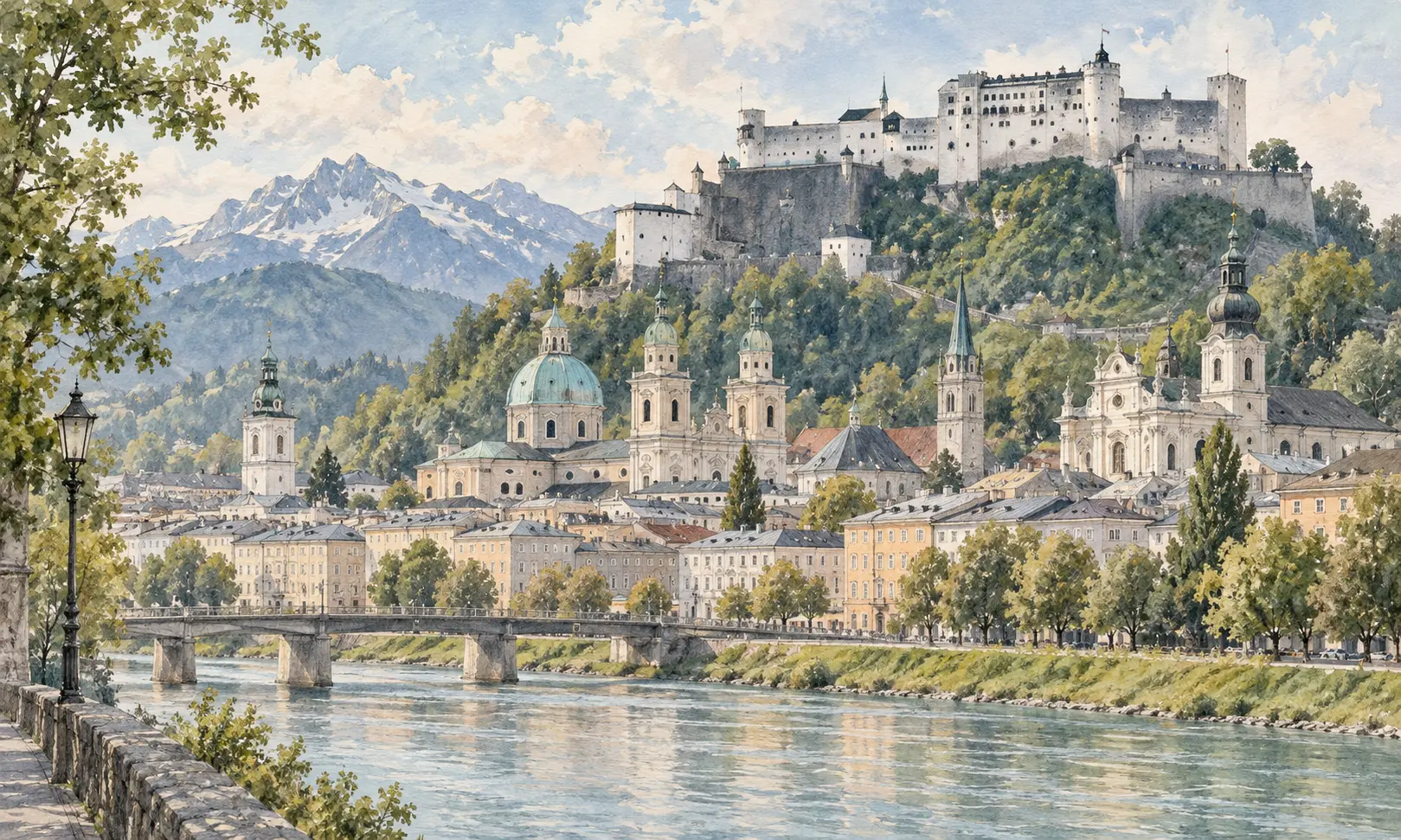
The Fortress Hohensalzburg is the most famous landmark of Salzburg, dating back to the 11th century. It is located on a hill above the Old Town and adds to Salzburg’s eye-catching city image.
Reach the fortress by the steep walking route or take the funicular from the Old Town. If step-free access matters, check the arrangements for the specific rooms and viewing areas you want to visit; the ride uphill does not establish that every part of the fortress is accessible.
Choose your ticket carefully: The fortress contains several museums and historic rooms. Compare the included areas and whether your ticket covers the funicular, rather than assuming all options offer the same visit.
In these museums, visitors can find out more about life in the Middle Ages and Hohensalzburg’s history. From the castle tower, you can take in the view over the city and surrounding mountains. The castle also has a restaurant with a panoramic view.
Concerts and seasonal events can add something special to a visit. Check the official fortress visitor information and programme for your dates rather than planning around an event mentioned in an older guide.
4. Golden Roof – Innsbruck
Innsbruck is renowned worldwide for its ski resorts and tradition of hosting winter sports competitions, as this Tyrolean capital is tucked away in the dramatic landscapes of the Austrian Alps. But Innsbruck is much more than a winter destination.
Innsbruck sits on the River Inn, with the Old Town offering a very different side of Tyrol from the surrounding ski slopes. The compact historic centre makes the Golden Roof an easy landmark to combine with a city walk.
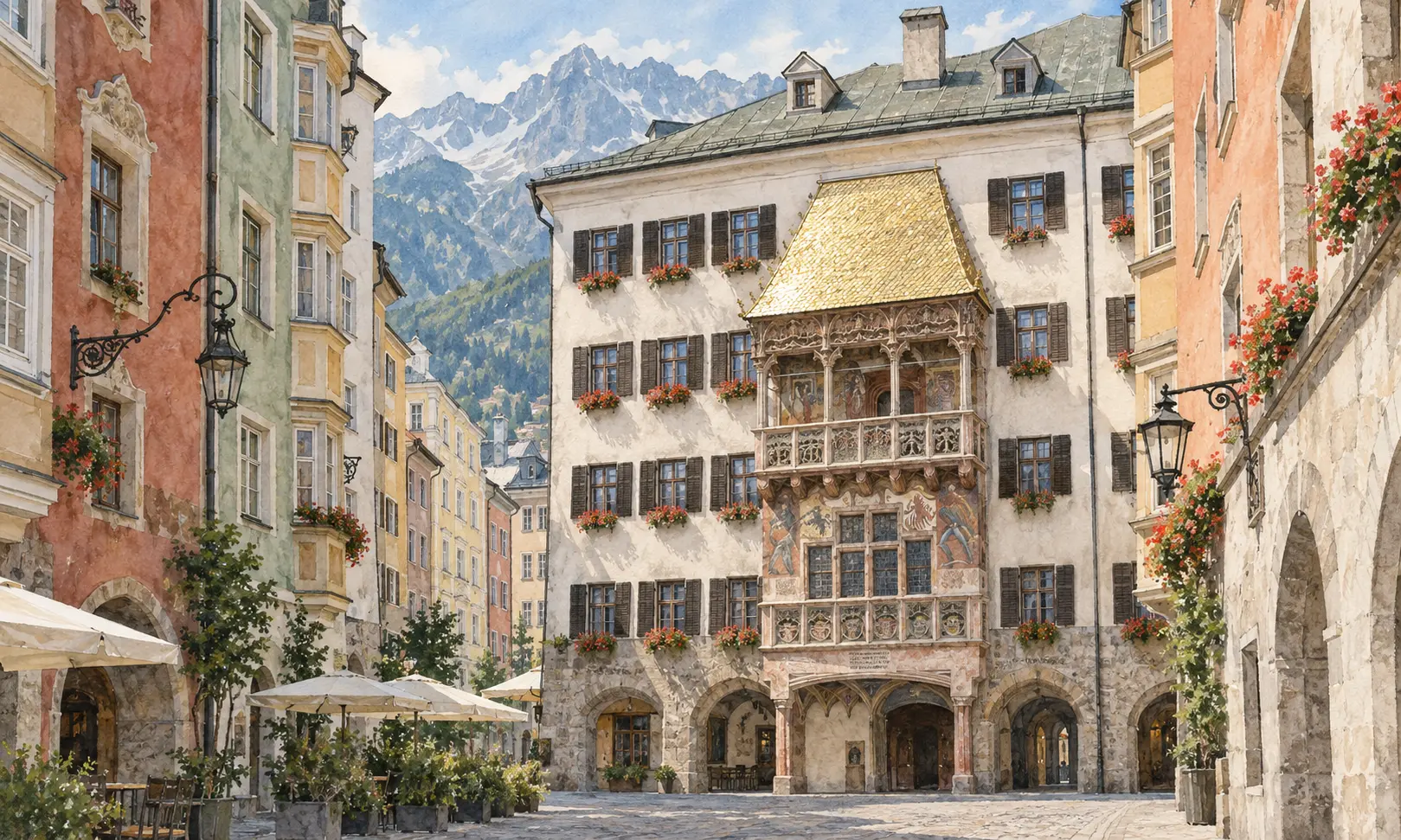
One of Austria’s most famous landmarks shines in the heart of the historic Old Town of Innsbruck. The Golden Roof, or ‘Goldenes Dachl’, is the city’s most famous building. The charming house with the ornate golden tiles has a chic look and immediately stands out among the authentic Austrian houses.
The roof was created for Emperor Maximilian I around 1500. Its 2,657 gilded copper tiles cover an imperial viewing balcony overlooking the square.
In the past, the emperor watched all the festivities taking place in the square from the balcony under the roof. Nowadays, it attracts visitors from all over the world taking magical photos from the famous building.
The Golden Roof is a must-see when in Innsbruck, and one of the most famous landmarks in Austria. Make sure to visit the adjoining Golden Roof Museum, where you can immerse yourself in the time of Emperor Maximilian.
Explore Innsbruck photography tour options
Contribution: Jürgen & Martina, Places of Juma
5. Graz Clock Tower – Graz
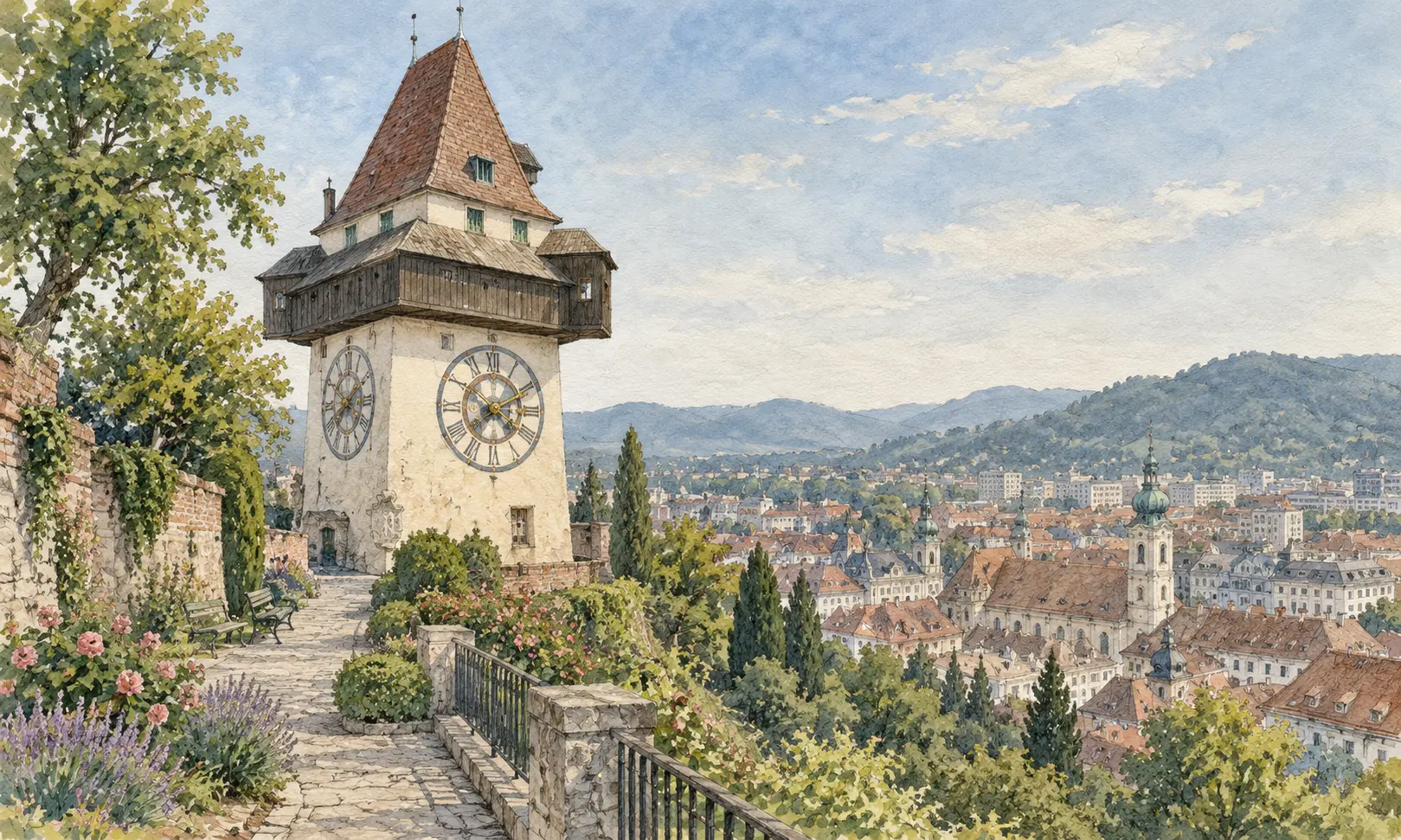
One of the most famous landmarks in Austria is located in Graz on a hill on the Schlossberg: the Graz Clock Tower. This attraction is the absolute heart of the city and a visit is high up on any list of best things to do in Graz.
Walk uphill from the Old Town if you are comfortable with steps and a climb, or consider the Schlossbergbahn funicular. The ascent is part of the experience, with views opening over the rooftops.
Once at the top, you will discover the clock tower, which is about 28 meters high. It is the landmark of Graz and can be found on every postcard. It towers over the city and can be seen from many places in the city center.
The tower has medieval origins and gained its recognisable appearance in the 16th century. Look carefully at the clock face: its unusually proportioned hands are part of its distinctive character.
Just below the clock tower is a gorgeous park with fragrant flowers. This is where you can take brilliant photos of this historic Austrian monument.
Explore Graz photography tour options
6. Grossglockner Alpine Road
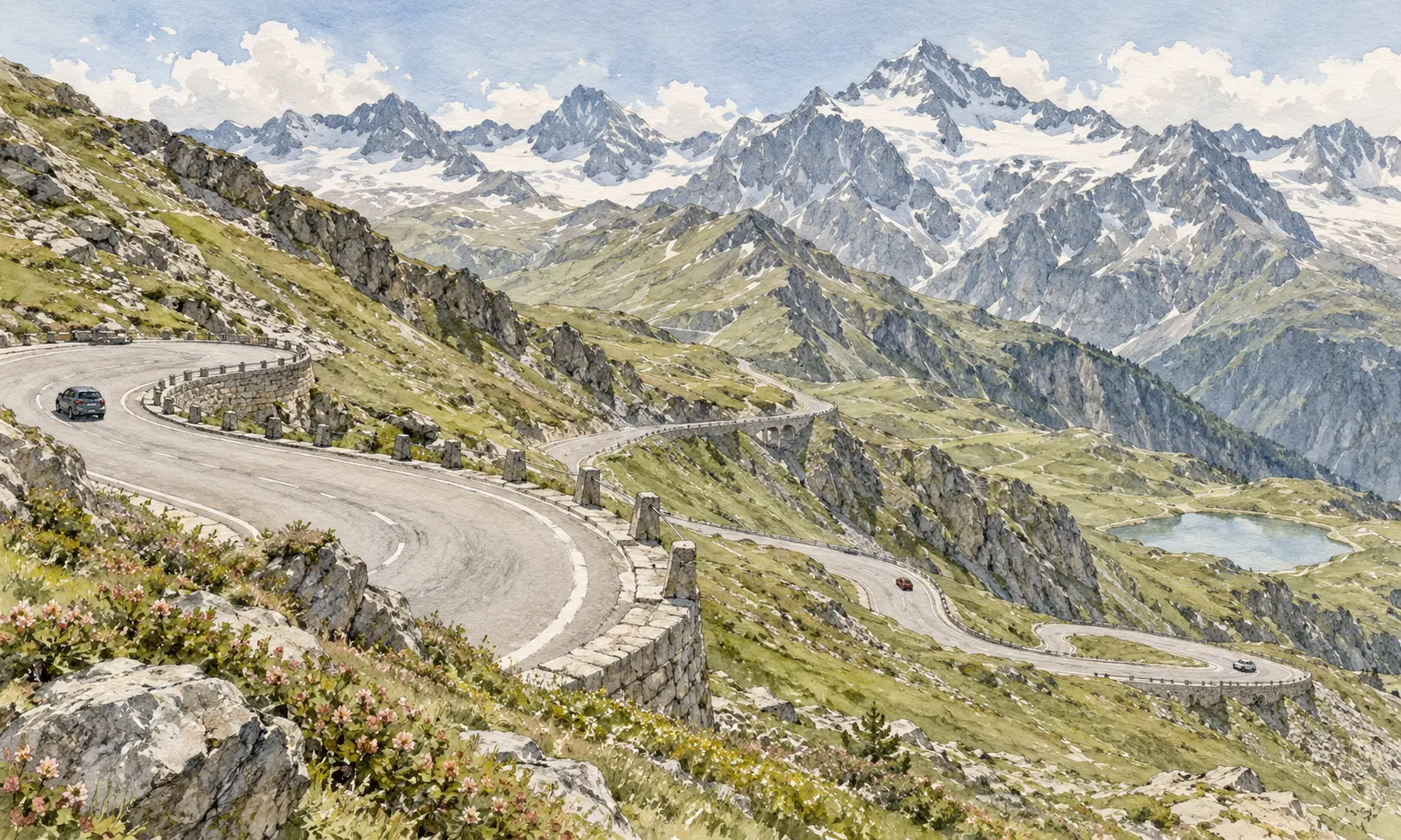
The Grossglockner High Alpine Road is a scenic mountain drive through the Hohe Tauern landscape, with hairpin bends, viewpoints and high-altitude scenery. It belongs on this list as a landmark route rather than a single building.
This is a seasonal outing. The road closes in winter, and mountain conditions can affect access at other times. Check the operator’s opening information and vehicle charges shortly before setting off.
Don’t forget your camera, so you can stop along the way and take photos of the breathtaking surroundings.
Contribution: Tiffany, Mommy and Me Travels
7. Highline 179 – Reutte
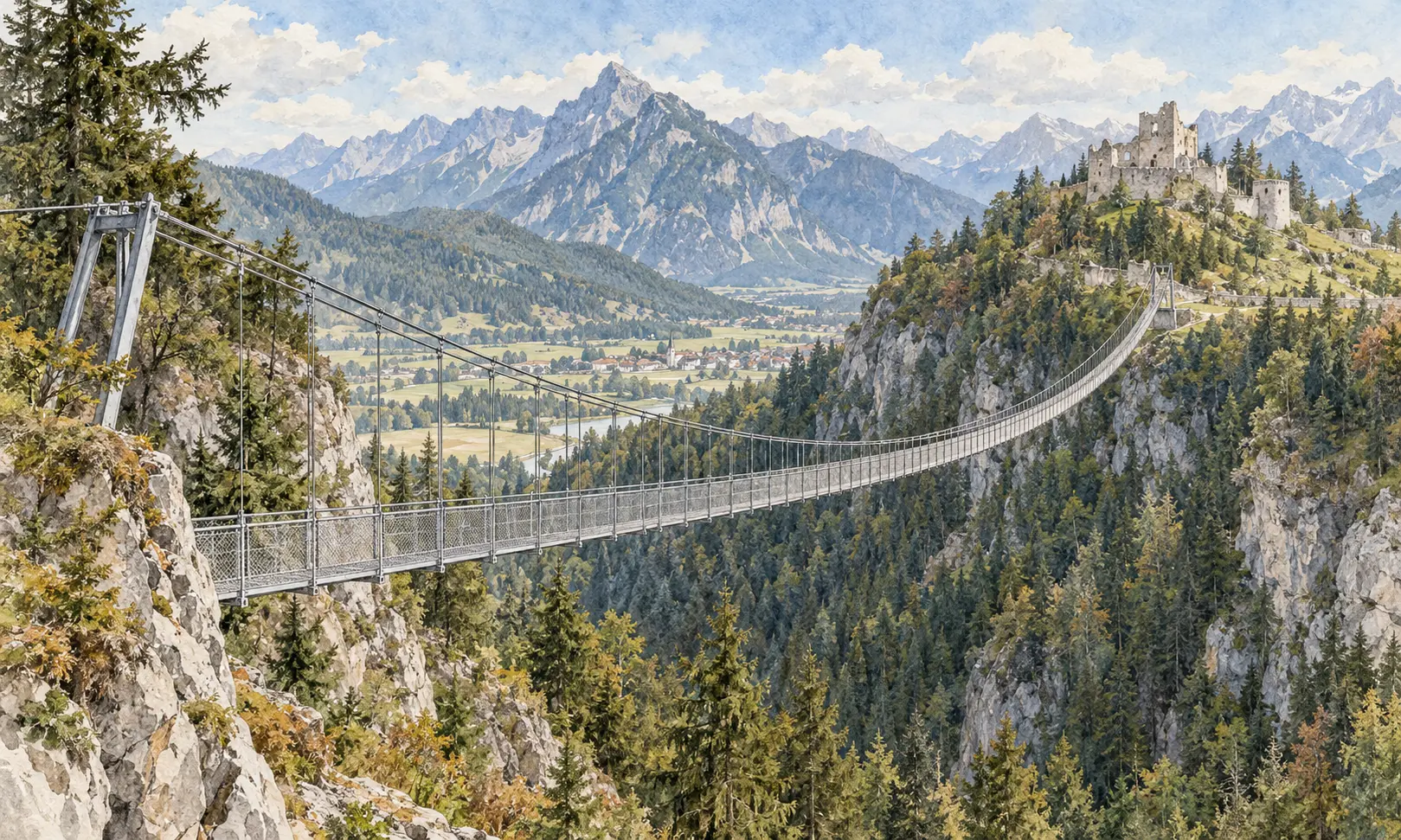
Highline 179 is a pedestrian suspension bridge near Reutte in Tyrol, linking the Ehrenberg castle ruins and Fort Claudia. The exposed crossing offers wide views and a real sense of height. Its walkway is steel grating, not glass, so you can see through it to the ground below.
The bridge opened in 2014 and spans 406 metres. It is an appealing stop for visitors who enjoy heights, though the open grating and movement may feel uncomfortable if you do not.
Plan your approach: Check the official Highline 179 visitor information for tickets, access options and operating conditions. Include the journey to the bridge entrance when planning your stop.
Highline 179 is definitely a stop you should make when visiting Reutte and its surrounding areas. You will be glad that you took a moment to venture up to the bridge and enjoy the beautiful views, and discover the history that sits on both sides of it.
Contribution: Lavina, Continent Hop
8. Hofburg – Vienna
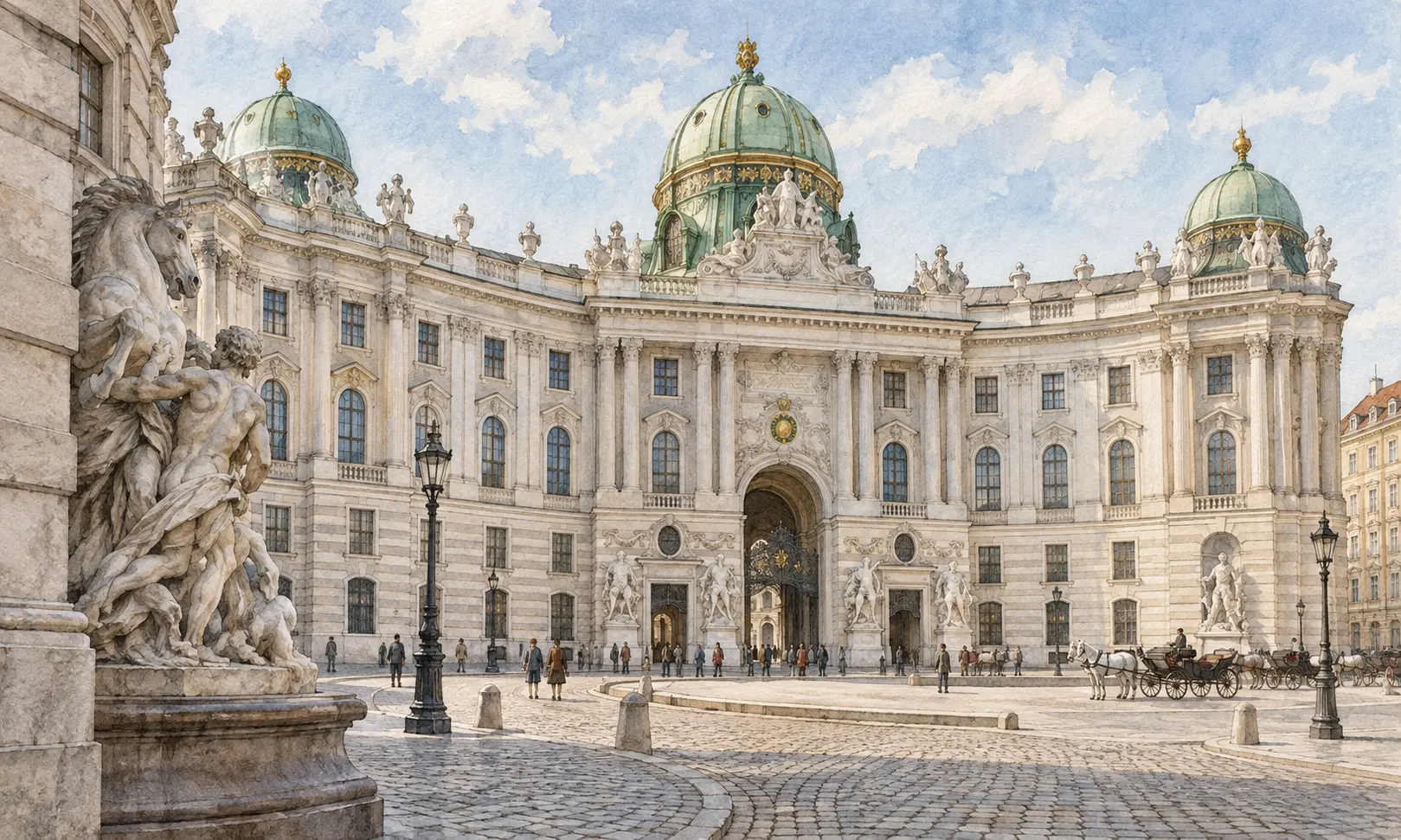
The Hofburg was a centre of Habsburg power for centuries. This extensive imperial complex is one of the most historically significant landmarks on an Austrian itinerary.
The complex contains several distinct visitor attractions. The Imperial Apartments and Sisi Museum focus on imperial life and Empress Elisabeth; other collections and institutions have their own admission arrangements.
The Hofburg is in central Vienna and fits naturally into an Old Town walk. Follow the entrance instructions supplied with the ticket for your chosen attraction, since “the Hofburg” covers more than one museum.
The Sisi Museum pays tribute to Empress Elisabeth. It contains personal belongings such as parasols, gloves and clothing, from her coronation until her death.
Before booking: Compare individual admission with any combined ticket you are considering. Check the exact included attractions, validity period and reservation requirements; do not assume a city pass covers the whole complex.
Contribution: Kenny, Knycx Journeying
9. Hundertwasser Village – Vienna
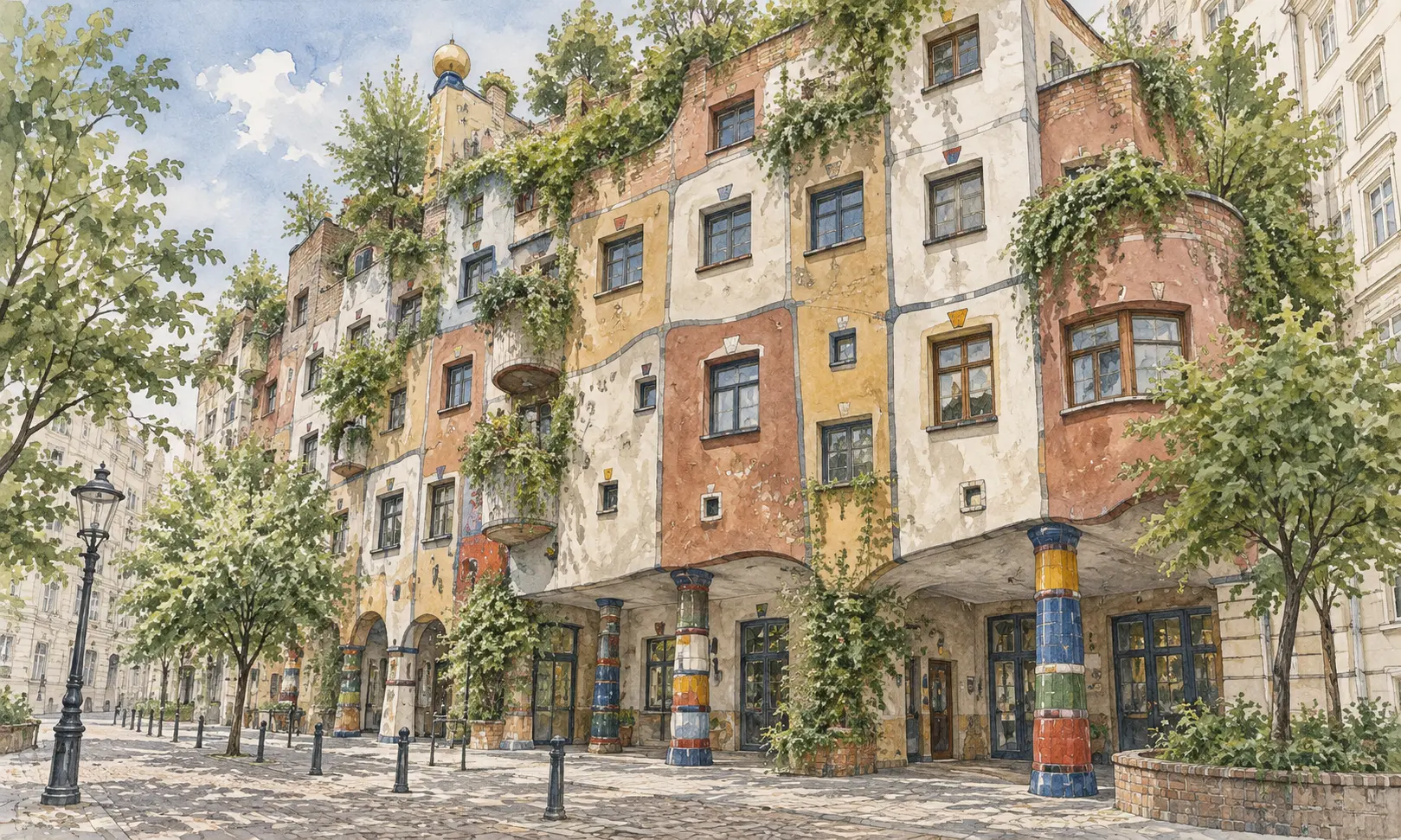
Vienna’s imperial palaces are only one side of its architecture. The colourful buildings associated with Austrian artist Friedensreich Hundertwasser offer a striking change of pace, with irregular lines, mosaics and greenery.
It helps to distinguish three places: Hundertwasserhaus, the residential building; Hundertwasser Village, the shopping complex opposite; and Kunst Haus Wien, the museum dedicated to the artist’s work.
Hundertwasserhaus and the Village are around Kegelgasse, away from the innermost historic centre. Add them as a separate stop rather than expecting to find them beside the Hofburg.
Admire the Hundertwasserhaus exterior and its playful colours, curved forms and planted terraces. It is a residential building, so respect the people who live there and do not treat it as an open museum.
The Village has shops, while Kunst Haus Wien, which opened as a museum in 1991, offers a deeper introduction to Hundertwasser. Kenny’s Vienna Pass guide describes a contributor’s experience; check current museum inclusion and your own itinerary before buying a pass.
Check Vienna Flexi Pass inclusions and prices
Contribution: Em, That Travelista
10. Mozarts Geburtshaus – Salzburg
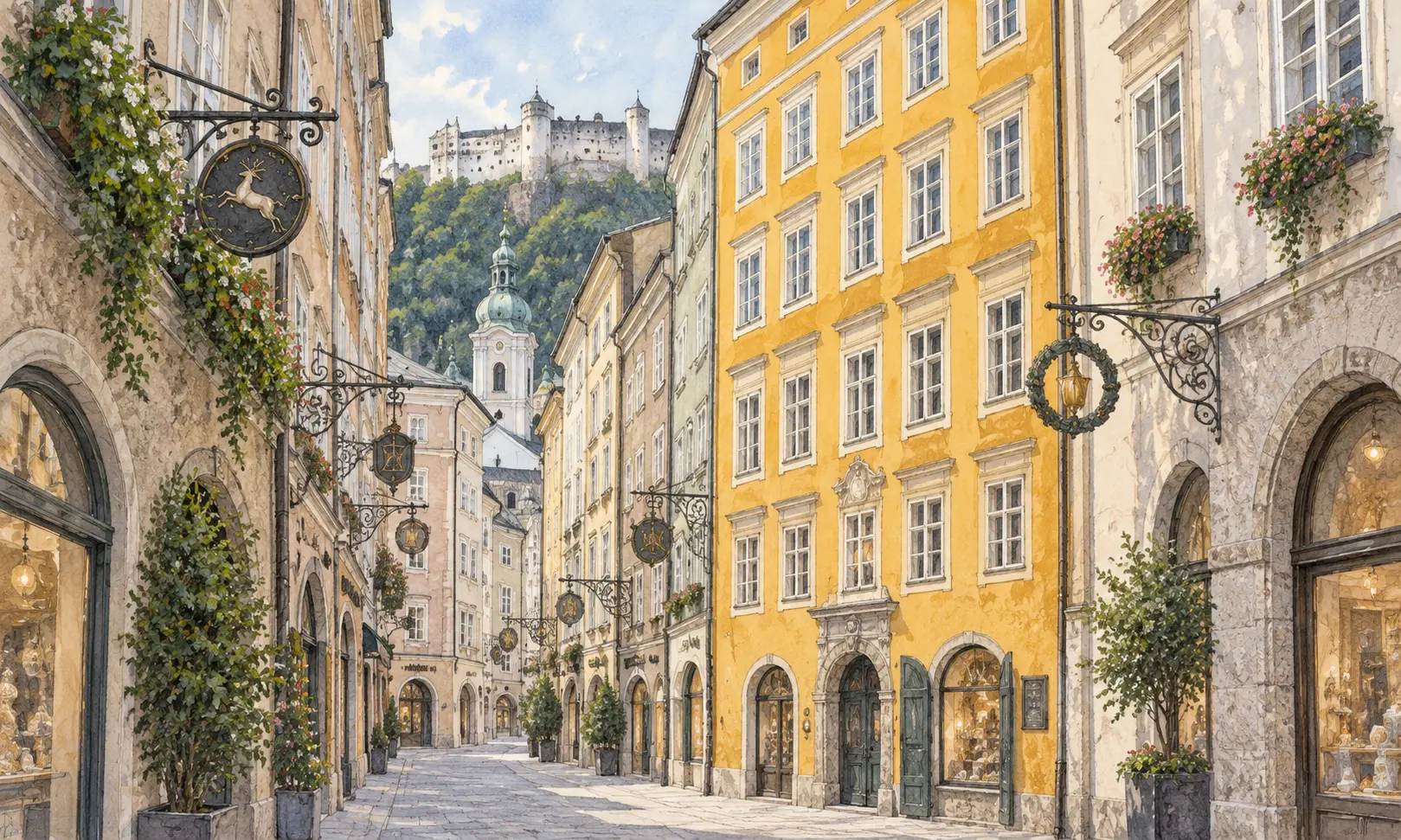
Mozart’s music and image are woven into Salzburg’s visitor experience, from concert programmes to souvenir shops. His birthplace offers a more personal introduction to the composer than the trinkets bearing his portrait.
But those looking to ditch the cutesy fanfare and get to know the real Wolfgang Amadeus Mozart should head to his place of birth, in Salzburg. There, visitors will find the exact apartment in which he was born back in 1756, aptly named Mozarts Geburtshaus, which means “Mozart’s birth house” in German.
The residence is now a museum exploring Mozart’s early life through rooms, documents and musical memorabilia. Leave enough time to read the displays rather than treating it only as a photograph stop on Getreidegasse.
Plan your visit: Check admission for Mozart’s Birthplace and the separate Mozart Residence before choosing a combined ticket. The birthplace’s Old Town location makes it easy to combine with other things to do in Salzburg.
Explore Salzburg photography tour options
11. Salzburg Salt Mine – Bad Dürrnberg near Hallein
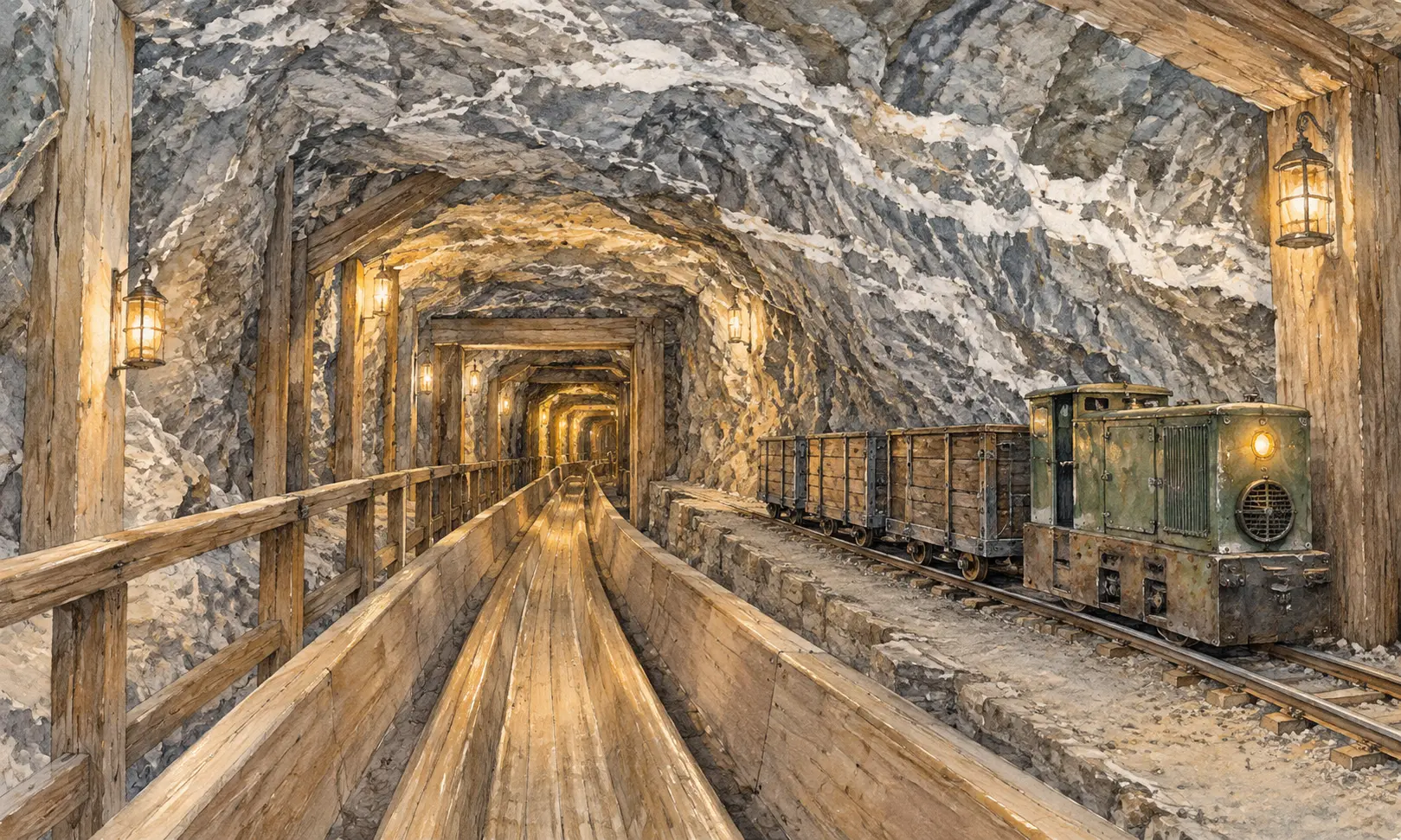
Salt helped shape Salzburg’s wealth and history. A visit to the mines provides a different perspective from the palaces, churches and squares of the city itself.
The Salzburg salt mine at Bad Dürrnberg near Hallein is outside Salzburg city. Treat it as a separate excursion and check the full journey, including the connection from Hallein, rather than relying on a city-centre travel estimate.
The underground visit introduces the region’s long salt-mining history and the work behind this once especially valuable commodity. It is a useful contrast to Salzburg’s more familiar musical and architectural attractions.
In the museum among historical facts, you can take a ride on a train in one of the tunnels. Later, you will descend to lower levels on a huge wooden slide. Finally, you will finish with a boat ride across an underground lake.
This can be a memorable family outing, but it is not suitable for every age or mobility need. Check the operator’s minimum age, underground access requirements and clothing advice before booking.
Before booking: Use Salzwelten’s official website and select the Salzburg location for ticket details and visitor requirements. The company also operates other salt mines, so check that you have chosen the right site.
Contribution: Debbie, World Adventurists
12. St. Stephen’s Cathedral – Vienna
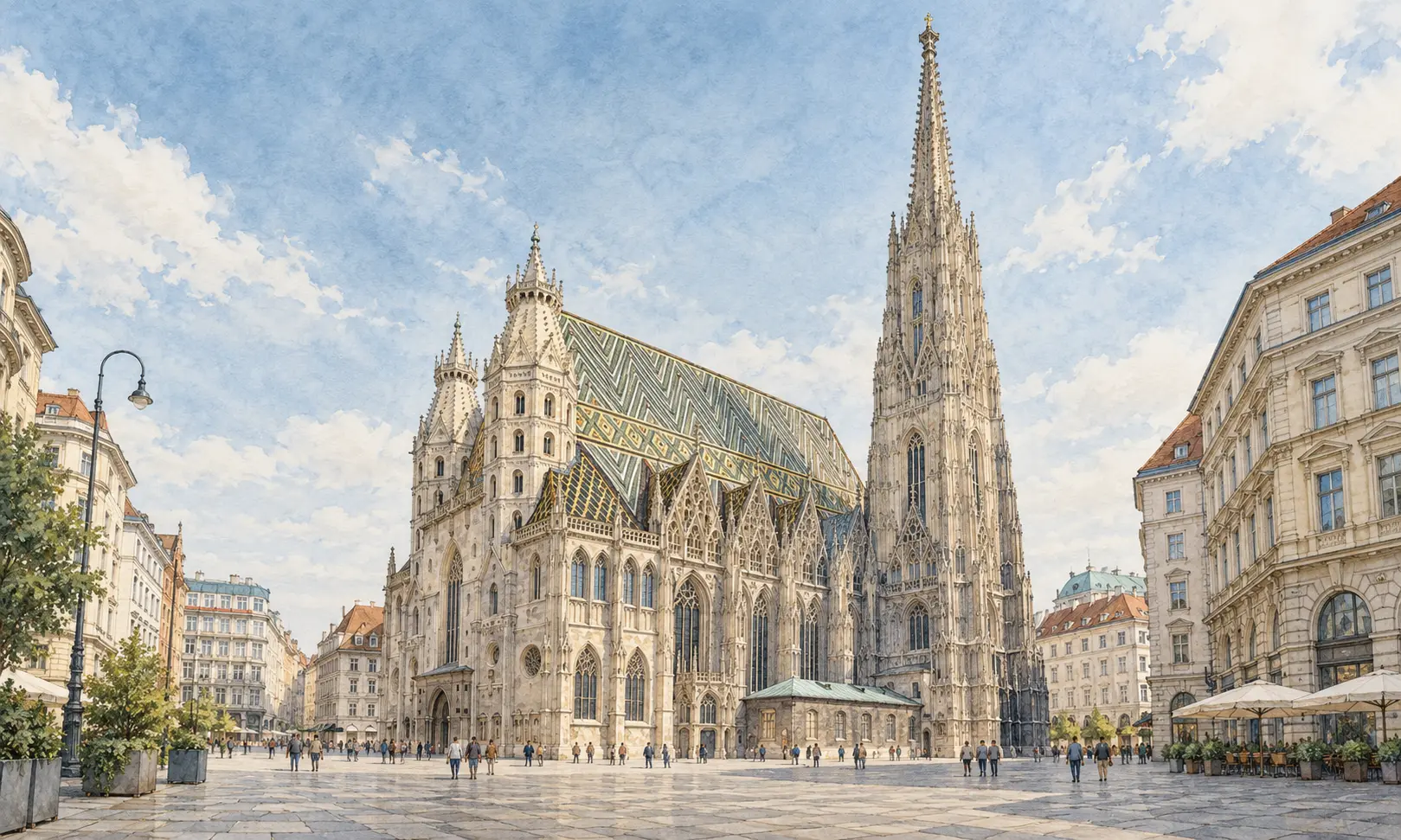
St. Stephen’s Cathedral is one of Austria’s great Gothic landmarks. Its medieval fabric, later additions and rebuilding after the destruction of 1945 reflect the long history of Vienna itself.
The most notable features of the Cathedral are its 137 meter spire and the vibrant, tiled roof. Colored tiles were laid on the roof to create the Royal and Imperial double-headed eagle and the coat of arms of the city of Vienna.
Different visits offer different perspectives: the cathedral interior, catacombs and towers are not interchangeable experiences. The South Tower involves a stair climb; check the separate access arrangements and ticket options for each area.
Plan your visit: This is a working place of worship. Check sightseeing hours and service restrictions, and dress respectfully. Allow extra time if you hope to combine the interior with a tower visit.
Fun fact: Wolfgang Amadeus Mozart married his wife at St. Stephen’s!
Located in Vienna’s Innere Stadt, St. Stephen’s Cathedral is a popular meeting place and an excellent starting point to explore Vienna.
Contribution: Chrysoula, Historic European Castles
13. Schönbrunn Palace – Vienna
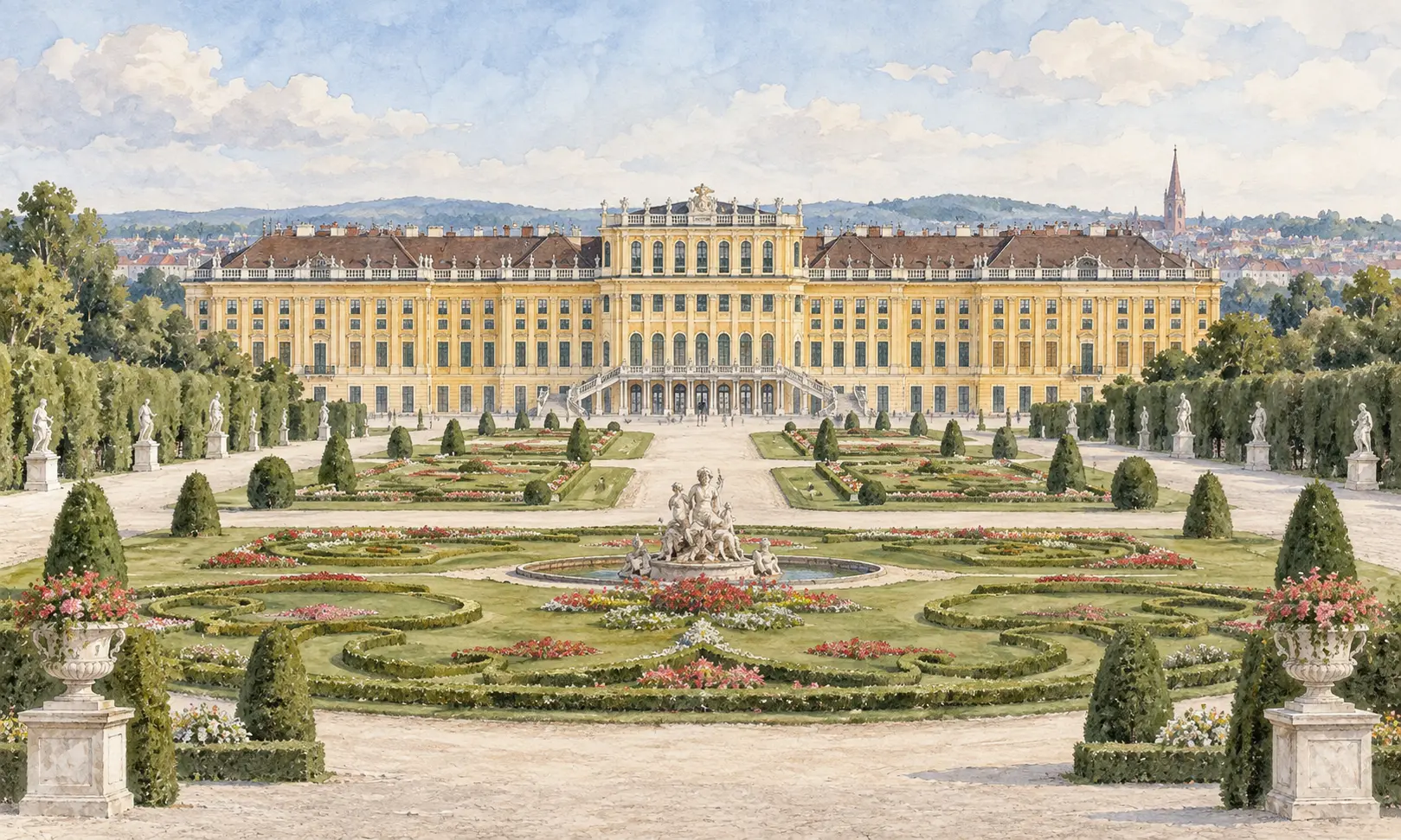
The 18th-century Schönbrunn Palace is one of Vienna’s famous palaces and was the summer residence of the Habsburgs. The estate combines imperial interiors with gardens, fountains and separate attractions such as the children’s museum and carriage collection.
The palace grounds reward an unhurried visit. Seasonal markets and concerts can change the atmosphere considerably, so check event dates if those are part of your reason for going.
Book the visit you actually want: Palace routes and other estate attractions can have different tickets. Check the official Schönbrunn website for included rooms, entry times and garden opening arrangements before choosing.
A sightseeing pass is worthwhile only if its included attractions match your plans. Compare the total cost of the visits you will realistically make, and check whether reservations or supplements are required.
Contribution: Lori, Travlin Mad
14. South Styria Wine Road – Styria
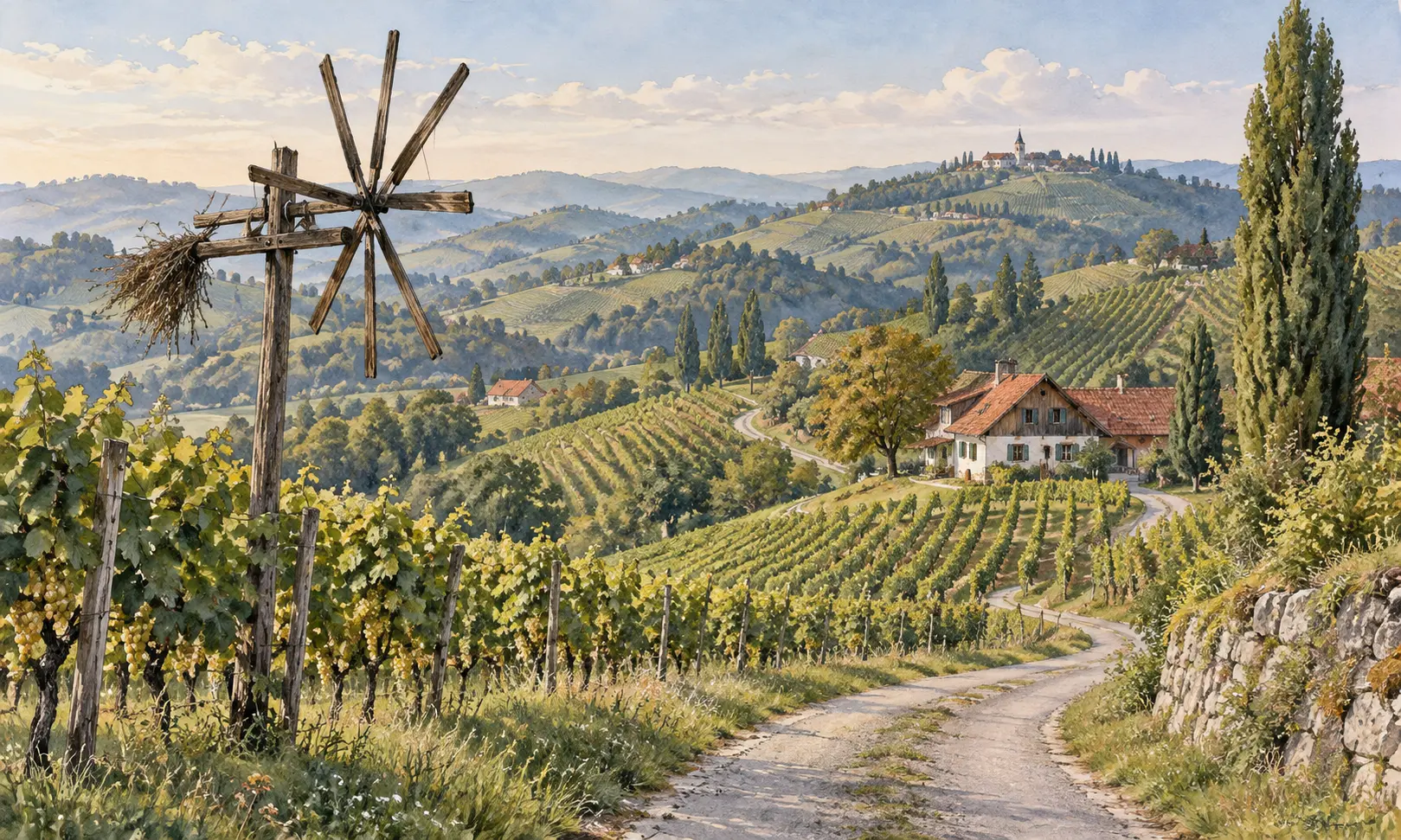
The South Styrian Wine Road explores the rolling vineyard country of southern Austria. This entry is a scenic region and route rather than a single monument, with villages, viewpoints and wine-growing landscapes to enjoy along the way.
Choose a short section for a leisurely outing or stay locally to explore more. Look for the wooden klapotetz, the clattering vineyard devices used to deter birds. If you plan tastings, arrange a sober driver or suitable transport in advance.
Lori’s original recommendations include Sattlerhof, Lackner Tinnacher and Die Brauerei in Leutschach. Check opening arrangements and book any tasting you want to build your day around.
Autumn brings harvest atmosphere, but the vineyards offer an appealing countryside escape at other times too. Read Lori’s guide to Buschenschank wine taverns near Gamlitz for more about this local tradition, and check seasonal opening before setting out.
15. State Opera House – Vienna
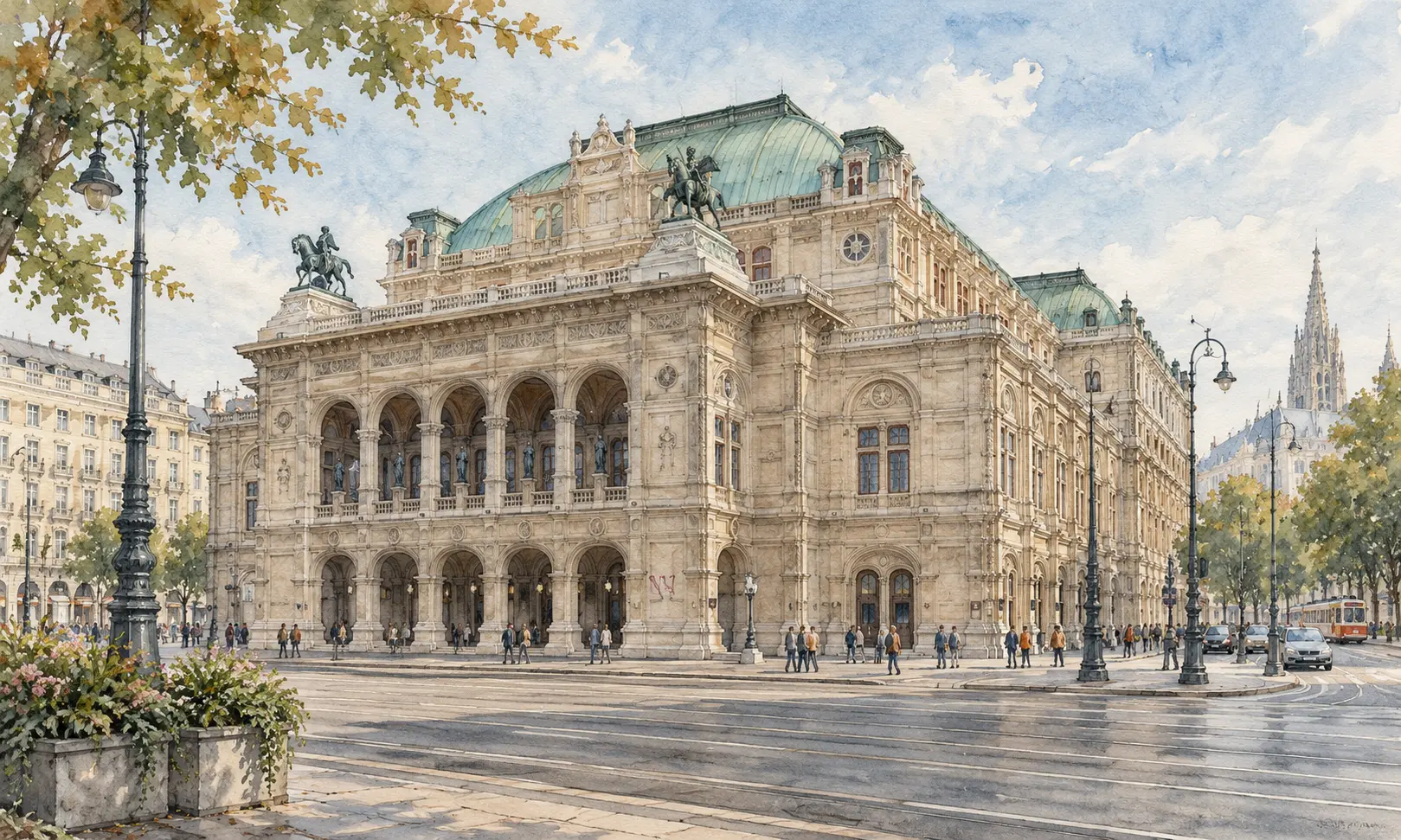
The Vienna State Opera House, Wiener Staatsoper, is undoubtedly one of the world’s premiere opera venues and one of the most famous landmarks in Austria. Whether you are visiting Vienna for a few days or a few weeks, do yourself a favor and treat yourself to a night at the opera. Bonus points if it’s a Mozart performance!
Wiener Staatsoper opened in the late 19th century and was the first of the iconic buildings on the Ringstrasse.
If this is your first opera, read a short synopsis beforehand and check the performance’s language and available subtitle arrangements. A guided building tour is an alternative if a full performance does not fit your plans.
Don’t worry if you’re taking a solo trip. The Vienna State Opera House regularly hosts solo attendees! It’s a fun excuse to get dressed up for a night out in one of Europe’s most elegant cities.
Plan your evening: Use the Vienna State Opera’s official visitor information to find the performance programme and ticket options for your dates. Prices, availability and standing-room arrangements vary; a historic price range is not a reliable guide to what you can book.
Famous Landmarks in Austria: FAQs
Which Austrian landmarks should I prioritise on a first trip?
For a Vienna city break, choose a palace, St. Stephen’s Cathedral and one experience that matches your interests, such as the opera or Belvedere’s art collection. With more time, add Salzburg or Innsbruck rather than trying to cover all 15 landmarks.
Can I visit all these landmarks from Vienna?
They are spread across Austria. Vienna’s sights fit a city break, while Tyrol, the Grossglockner area and southern Styria are better considered as additional bases or regional stays. Compare both journeys and the time you want at the destination before calling somewhere a day trip.
Do I need a car to see Austria’s landmarks?
You can plan city visits around rail travel, walking and local public transport. A mountain road trip or rural wine-country itinerary needs more transport planning; compare suitable tours or local transfers if you do not want to drive.
Should I book Austrian landmarks in advance?
Book ahead when a specific palace entry, performance or guided excursion is central to your plans. Check seasonal opening, ticket inclusions and any age or access requirements directly with the attraction.
Which famous Austrian landmark did you love visiting?
Comment below and let us know!
Did you Enjoy this article?
Share it with your friends and family on FACEBOOK, TWITTER AND PINTEREST