
Written by Katharina Mungall
Travel writer, photographer and architect
Miyajima is absurdly photogenic. It is also not a secret.
We visited in September 2015. The prices and operating details below have since been checked against the linked transport and attraction websites, but check them again before travelling.
I had mixed feelings when we visited from Hiroshima. The island was one of the prettiest places on our two-week Japan itinerary, but it was also crowded and unashamedly touristy around the ferry terminal. I am still very glad we went. You simply need to give Miyajima enough time to show you more than its busiest shopping street.
We made it a full-day trip, visiting Itsukushima Shrine and Daisho-in before heading up Mount Misen. Then we stayed on the mountain too long and raced down the steep Momijidani trail before darkness arrived. Excellent planning from somebody who is now about to lecture you on sensible timings!
This guide follows the route we actually took, with the practical details brought up to date. It’s designed for an independent Miyajima day trip from Hiroshima, not a frantic attempt to squeeze Hiroshima city and the island into the same few hours.
Miyajima day trip at a glance
| Question | Short answer |
|---|---|
| Is Miyajima worth visiting? | Yes, especially if you allow a full day and include Daisho-in or Mount Misen as well as the waterfront. |
| How long do you need? | Allow 7–9 hours from Hiroshima for our full route. A waterfront-only visit can be done in about 4–5 hours. |
| Best route from Hiroshima Station | JR Sanyo Line to Miyajimaguchi, then the 10-minute ferry. |
| Our main stops | Itsukushima Shrine, Daisho-in Temple, Mount Misen and the Omotesando shopping street. |
| Biggest mistake | Starting the descent from Mount Misen too late. Do not copy us. |
| Minimum fixed cost | About ¥1,600 return from Hiroshima Station without a rail pass, including the visitor tax and shrine entry but excluding food and Mount Misen ropeway. |
My honest verdict: if you only want a photograph of the torii gate, Miyajima may feel like a lot of transport for one view. But add Daisho-in and Mount Misen and it becomes a very good day out—part pilgrimage site, part woodland hike and part cheerful battle with crowds and opportunistic deer.
Is Miyajima a day trip from Hiroshima?
Yes. Miyajima—formally Itsukushima—sits in Hiroshima Bay and is easy to reach from Hiroshima city by train and ferry. We travelled from Hiroshima Station to Miyajimaguchi, crossed by ferry and returned to our Hiroshima base that evening.
The island can be done in half a day if you stick to the shrine, temple and shopping streets. But if you want to reach Mount Misen’s summit, I would protect the whole day. It’s tempting to treat the mountain as a quick cable-car detour. It isn’t. The ropeway finishes below the summit, leaving roughly another 30 minutes on foot each way.
How to get from Hiroshima to Miyajima
Option 1: train to Miyajimaguchi and ferry
This is the route we used and it remains the sensible choice if you are staying near Hiroshima Station or travelling with a JR Pass.
- Take the JR Sanyo Line from Hiroshima Station to Miyajimaguchi. The journey is roughly 25–30 minutes and the ordinary fare is about ¥420 each way.
- Walk from the station to the ferry terminal.
- Take either the JR West Miyajima Ferry or the neighbouring Matsudai ferry. The crossing takes about 10 minutes.
The JR ferry fare is ¥180 each way. A ¥100 Miyajima Visitor Tax is collected when you enter the island. The JR Pass covers the JR train and JR ferry fare, but not that visitor tax.
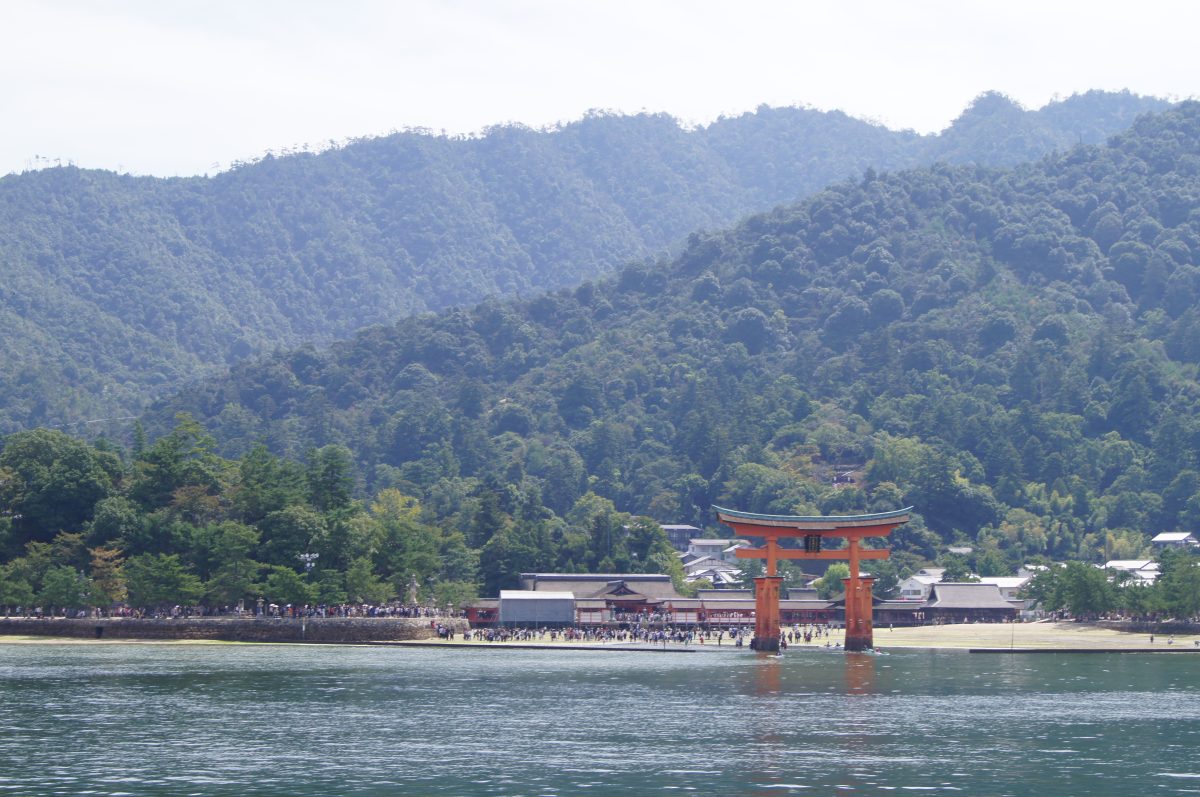
We took the JR ferry because our rail passes covered it. The crossing is short, but it gives you the first proper look at the great torii from the water. Sit where you can move to the outside deck without conducting a small military operation with your bag.
Option 2: direct ferry from Hiroshima Peace Park
If you are staying near the Atomic Bomb Dome, the World Heritage Sea Route runs directly from Peace Memorial Park to Miyajima in about 45 minutes. It costs considerably more than the train-and-ferry route, but avoids a transfer across the city. Online bookings close the evening before departure, while same-day tickets depend on availability. Check the operator’s timetable and fare before relying on it.
Which route should you choose? From Hiroshima Station, use the JR route. From Peace Park, compare the direct boat with the tram and train journey to Miyajimaguchi. Convenience may win. Your bank card may file a separate opinion.
Our one-day Miyajima itinerary
Start early. The waterfront becomes noticeably busier once day trippers arrive, and Mount Misen has a firm final ropeway rather than an interest in your personal schedule.
1. Walk from the ferry pier to Itsukushima Shrine
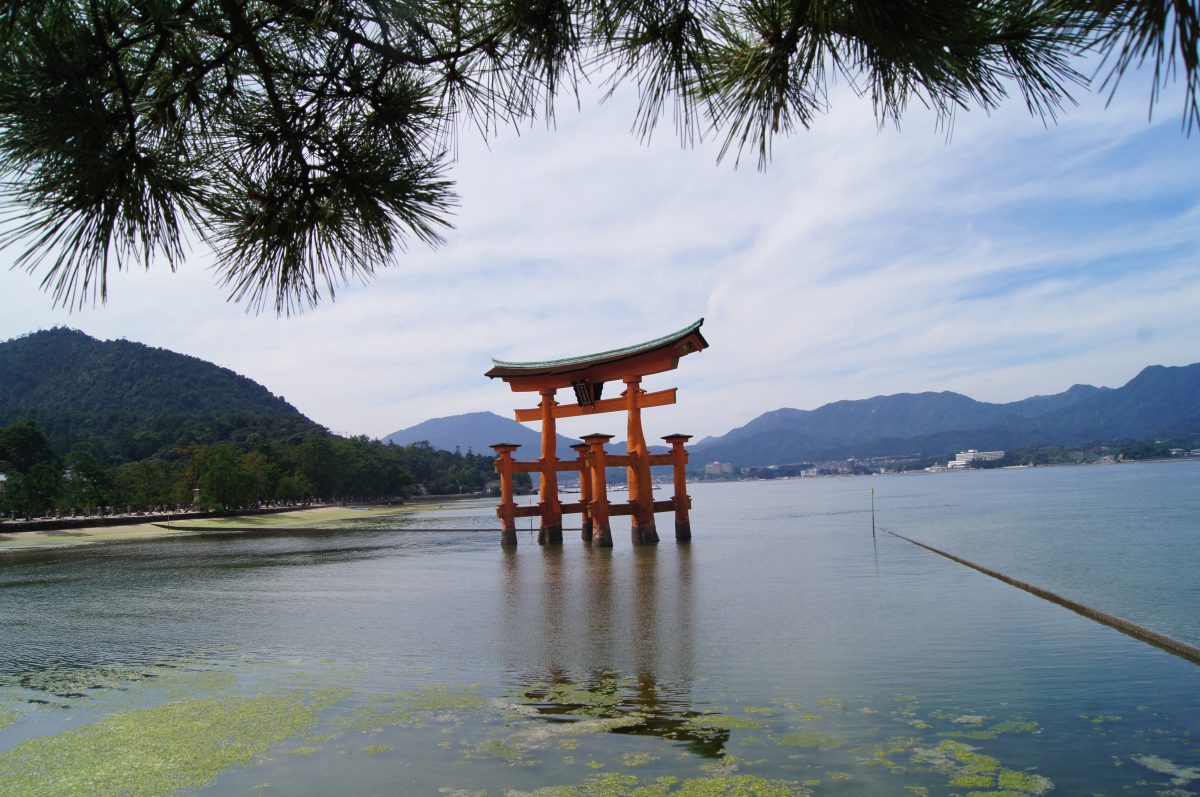
Turn right after leaving the terminal and follow the waterfront towards the torii gate. It takes around ten minutes to reach Itsukushima Shrine, although the deer and the first view across the bay may slow you down.
This was where my two opinions of Miyajima collided. The vermilion gate, water and wooded mountain are genuinely beautiful. But the route beside them was busy, full of souvenir shops and clearly built around day visitors. Neither cancels out the other.
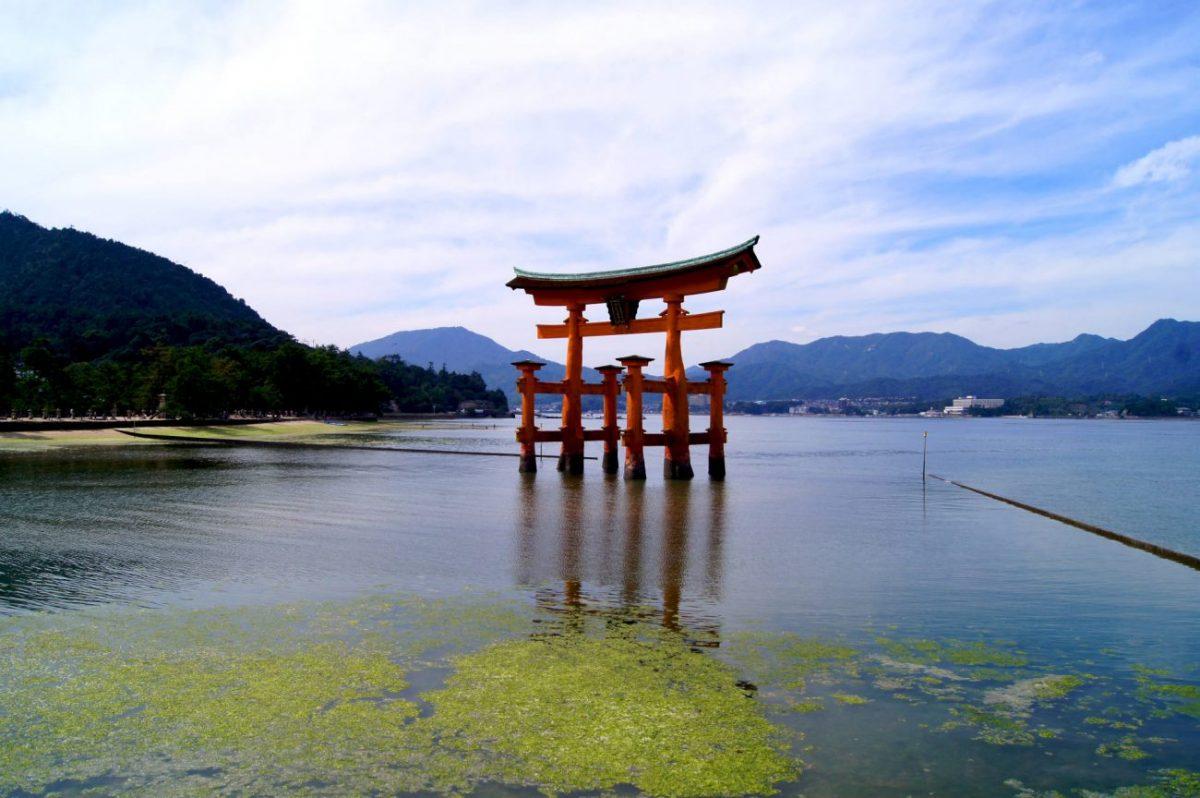
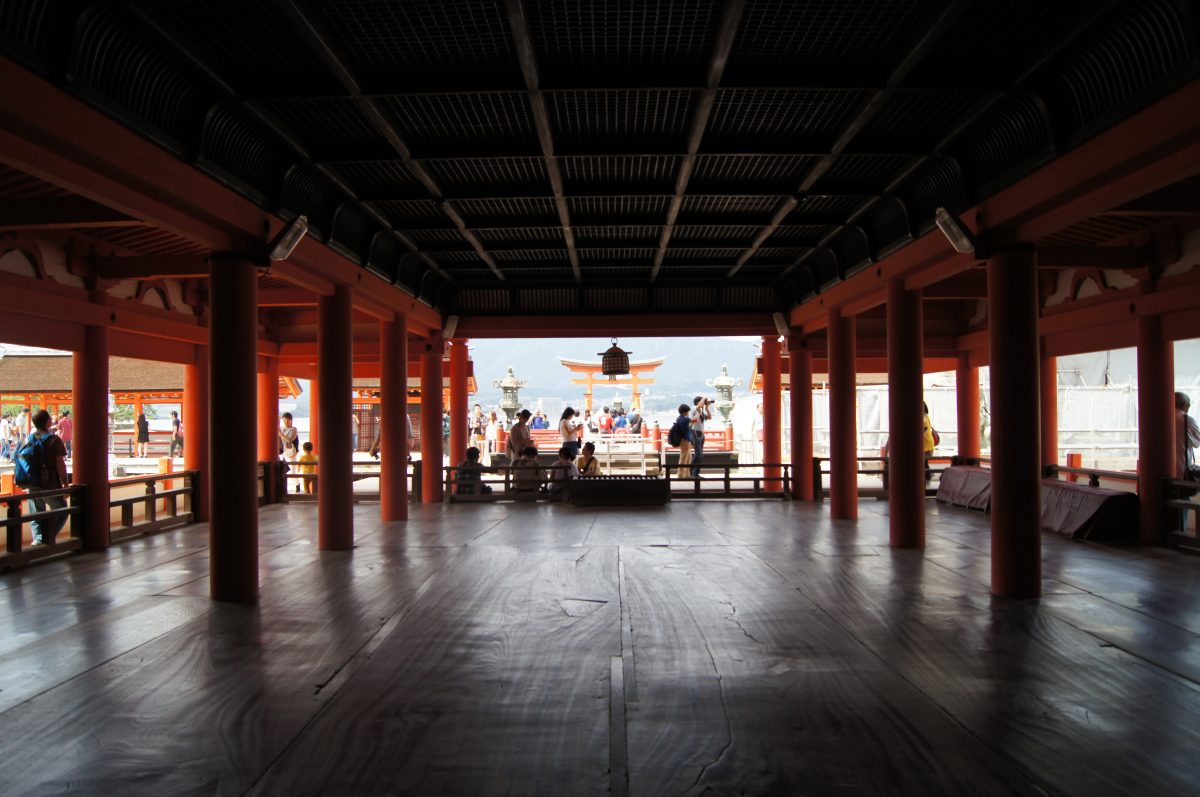
The shrine looks different with the tide. At high tide, its corridors and great torii appear to float; when the water drops sufficiently low, you can walk across the exposed sand towards the gate.
Check the official Miyajima tide information before you travel, then look again later in the day. It shows the periods when you can walk to the torii and when the shrine should appear to float. You may see both without arranging your entire life around a spreadsheet. I say this as somebody quite capable of arranging a life around a spreadsheet.
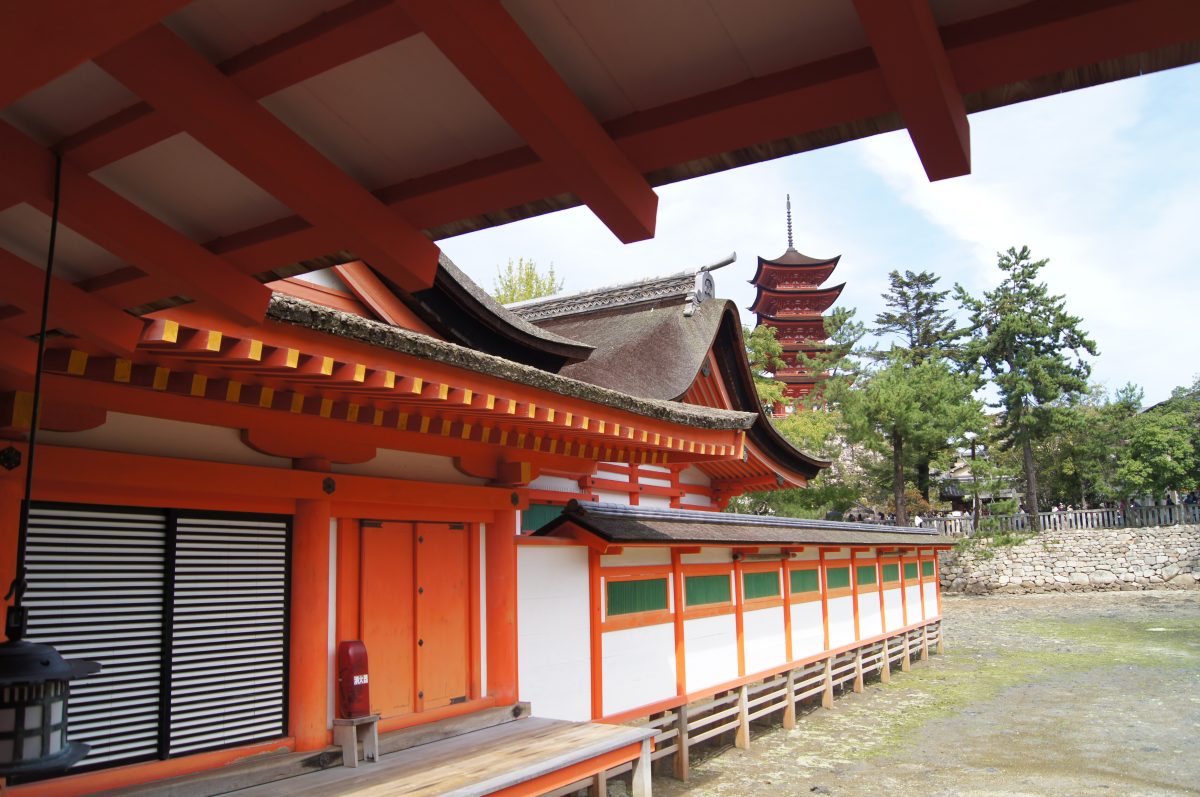
Itsukushima Shrine admission is ¥300 for adults, or ¥500 with the Treasure Hall. It opens at 6:30 am and closes between 5:00 pm and 6:00 pm depending on the season.
2. Spend proper time at Daisho-in Temple
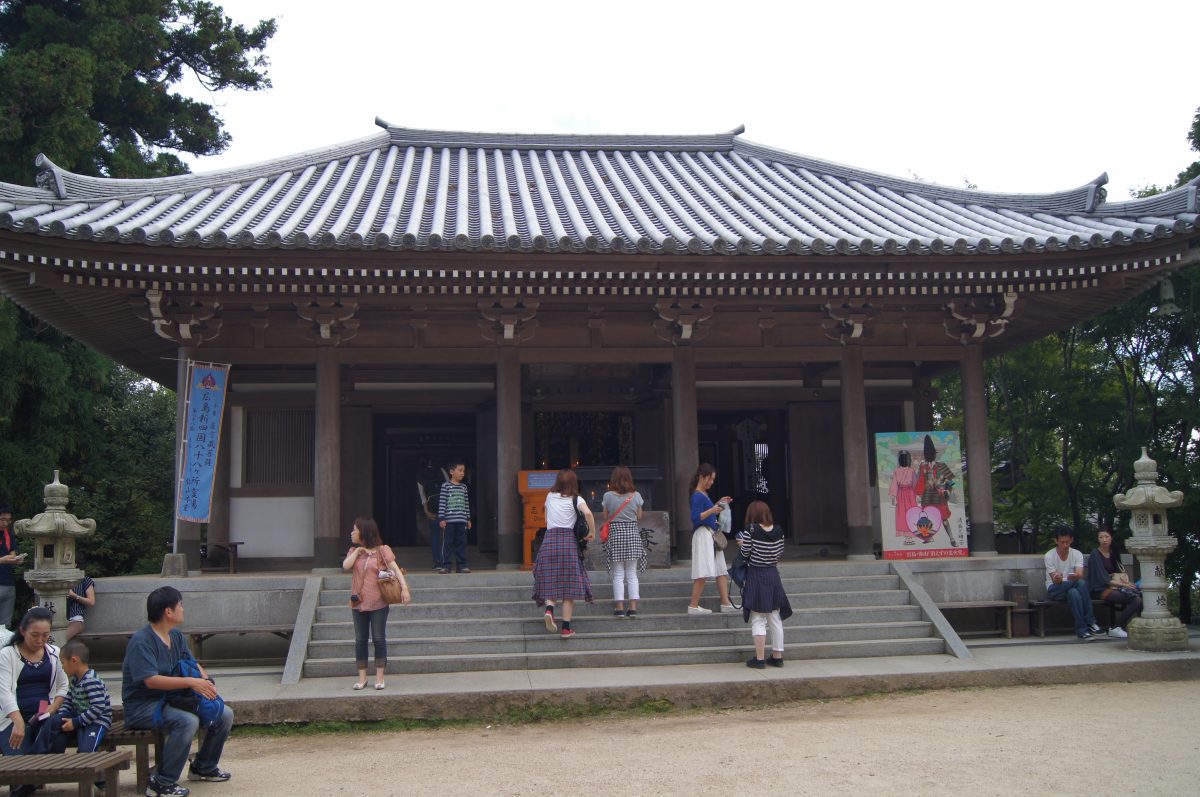
Daisho-in sits above the busiest waterfront lanes and was one of the most interesting parts of our day. Please do not hurry through it merely because the torii gate has the better publicity department.
As you climb, you will see rows of small statues, prayer halls and metal sutra wheels beside the steps. Turning the wheels is said to carry the same blessing as reading the scriptures—handy if your grasp of Buddhist texts is, like mine, non-existent. The Henjokutsu cave contains 88 Buddhist icons representing the temples of the Shikoku pilgrimage.
Allow at least 45–60 minutes. Daisho-in is generally open from 8:00 am to 5:00 pm, and the temple grounds have no standard admission charge.
3. Stop for lunch or Miyajima street food
Before heading uphill, eat. Miyajima is known for oysters, anago (conger eel) and momiji manju, small maple-leaf cakes usually filled with sweet bean paste or other flavoured fillings.
We tried okonomiyaki and picked at snacks around the shopping streets. I have deliberately not sent you to the restaurant named in my old notes because I could not verify that the same experience still operates. This is less exciting than pretending otherwise, but much more useful when you arrive hungry.
4. Take the ropeway towards Mount Misen
Mount Misen rises to 535 metres and is what turns this from a pleasant waterfront outing into a full day. The simplest route is to walk through Momijidani Park to the lower ropeway station, ride to Shishiiwa Station and continue on foot to the summit.
The Miyajima Ropeway costs ¥2,000 return or ¥1,100 one way for an adult. Normal uphill hours are 9:00 am–4:00 pm, with the final return departure at 4:30 pm. Weather and maintenance can stop the service, and selected busy dates require a reservation.
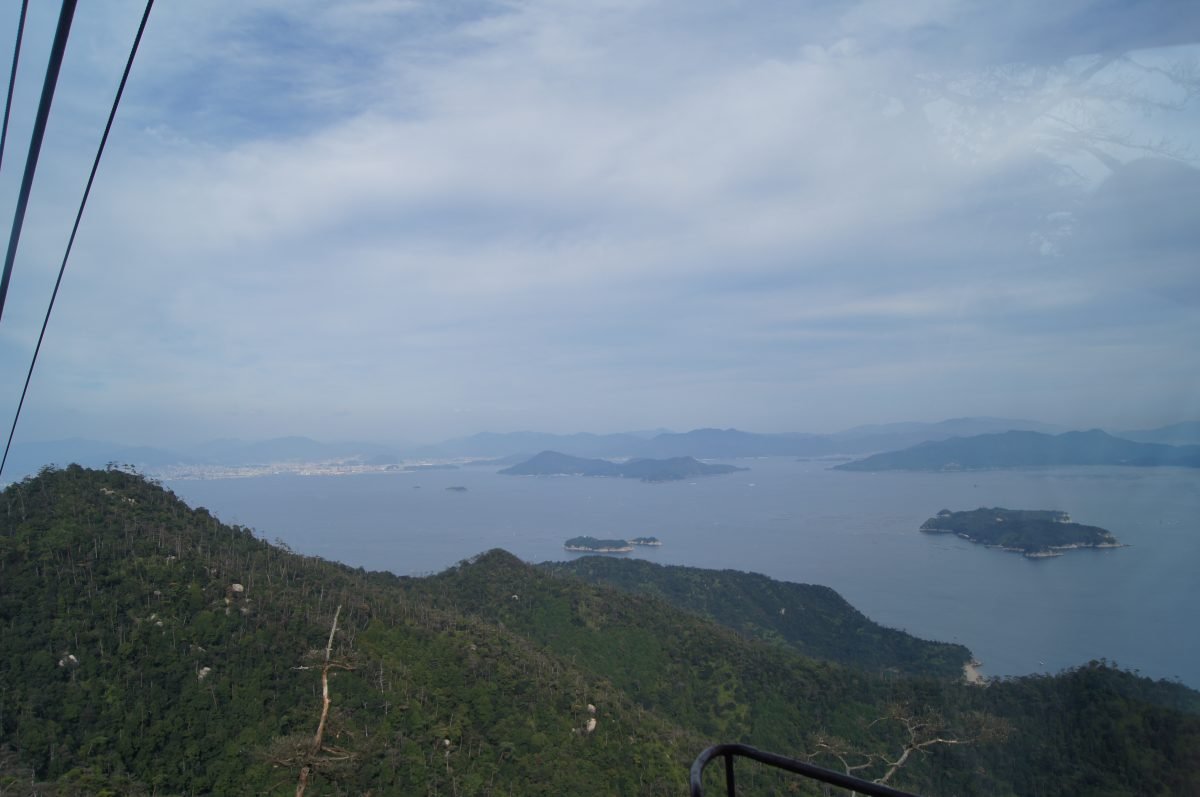
The ride itself takes about 14 minutes across two connected ropeways. But Shishiiwa is not Mount Misen’s summit. Allow about 30 minutes each way for the uneven walk between the upper station and the observatory, plus time for the halls and viewpoints en route.
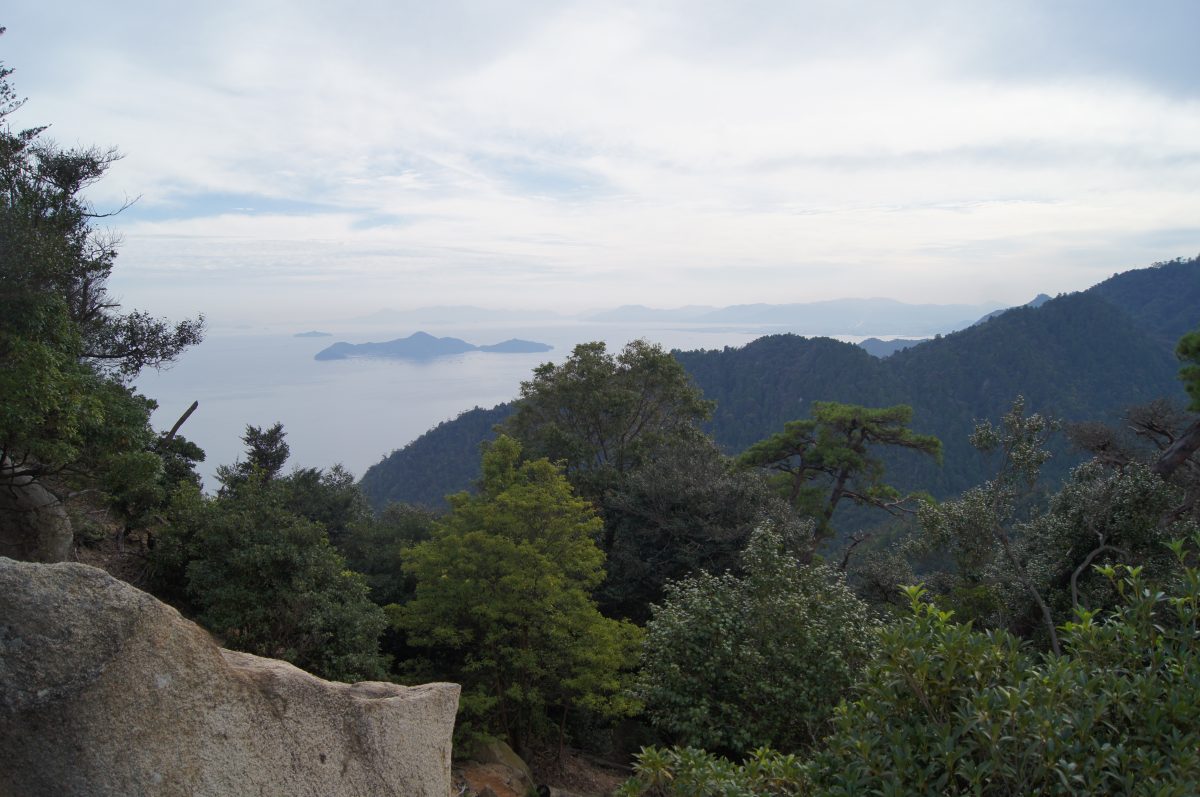
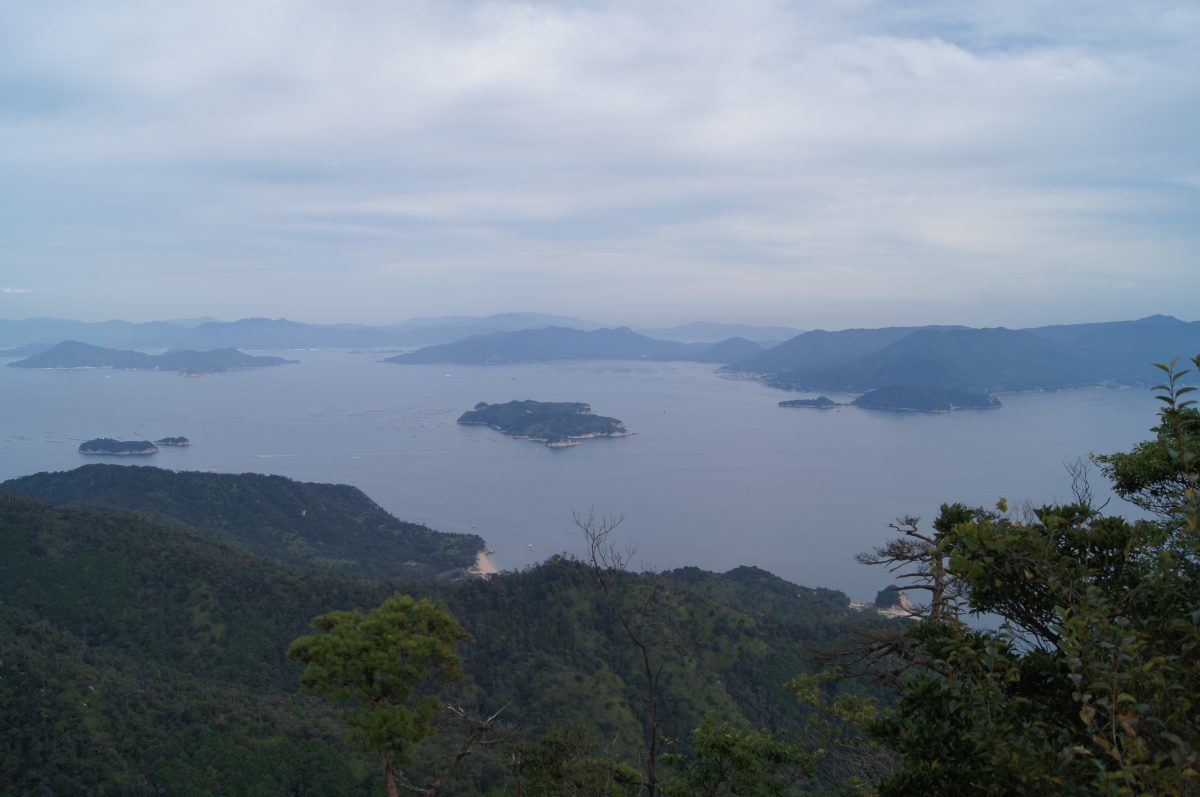
It’s worth it. The view opens across the Seto Inland Sea, with islands scattered through the water rather than one blunt panorama. Also, after the waterfront crowds, the mountain feels like a different version of Miyajima.
5. Descend before the mountain decides for you
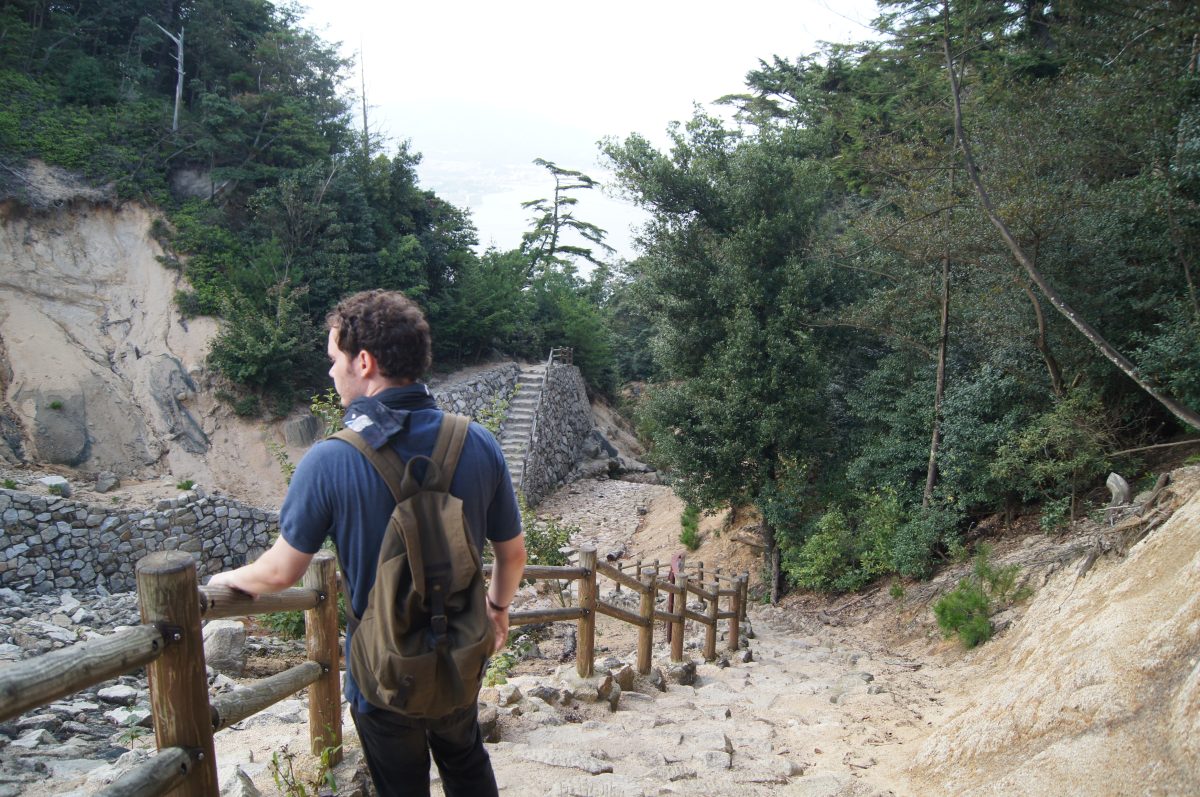
You can return on the ropeway or walk down one of Mount Misen’s three main trails. We chose the Momijidani Course. It is the shortest descent, but it is steep and contains a great many stone steps.
We started too late and raced down before darkness swallowed the path. My body punished me the following day. Trust me: that route is considerably less spiritual when you are half jogging downhill and wondering whether your knees have begun legal proceedings.
The Miyajima Tourist Association advises against hiking after 3:00 pm. Carry water, wear proper footwear and check both daylight and ropeway times. If the clock is tight, take the cable car back. Pride is a poor torch.
A realistic timetable for Miyajima
| Time | Plan |
|---|---|
| 8:00 am | Leave Hiroshima Station for Miyajimaguchi |
| 9:00 am | Arrive on Miyajima and walk along the waterfront |
| 9:30 am | Visit Itsukushima Shrine |
| 10:30 am | Explore Daisho-in Temple |
| 11:45 am | Lunch or street-food stop |
| 1:00 pm | Walk to Momijidani Station and take the ropeway |
| 2:00 pm | Walk from Shishiiwa to Mount Misen summit |
| 3:15 pm | Begin returning towards the ropeway |
| 4:30 pm | Back near the waterfront; see the torii at the later tide |
| 5:30 pm | Ferry and train back to Hiroshima |
This is a guide, not a hostage situation. If you prefer a slow temple day, skip Mount Misen. If hiking is the main event, shorten lunch and reach the ropeway earlier.
How much does a Miyajima day trip cost?
| Cost | Adult price |
|---|---|
| JR train Hiroshima–Miyajimaguchi return | About ¥840 |
| JR ferry return | ¥360 |
| Miyajima Visitor Tax | ¥100 |
| Itsukushima Shrine | ¥300 |
| Mount Misen ropeway return | ¥2,000 |
| Total with ropeway, before food | About ¥3,600 |
With a valid JR Pass, the JR train and JR ferry are covered, although the ¥100 visitor tax is not. Hiking instead of using the ropeway removes another ¥2,000. For more help estimating the rest of your trip, see my Japan travel budget.
Prices and operating times change, so use the linked official pages before travel. It’s particularly important to check the ropeway on the day because bad weather can suspend it.
What to know about Miyajima’s deer
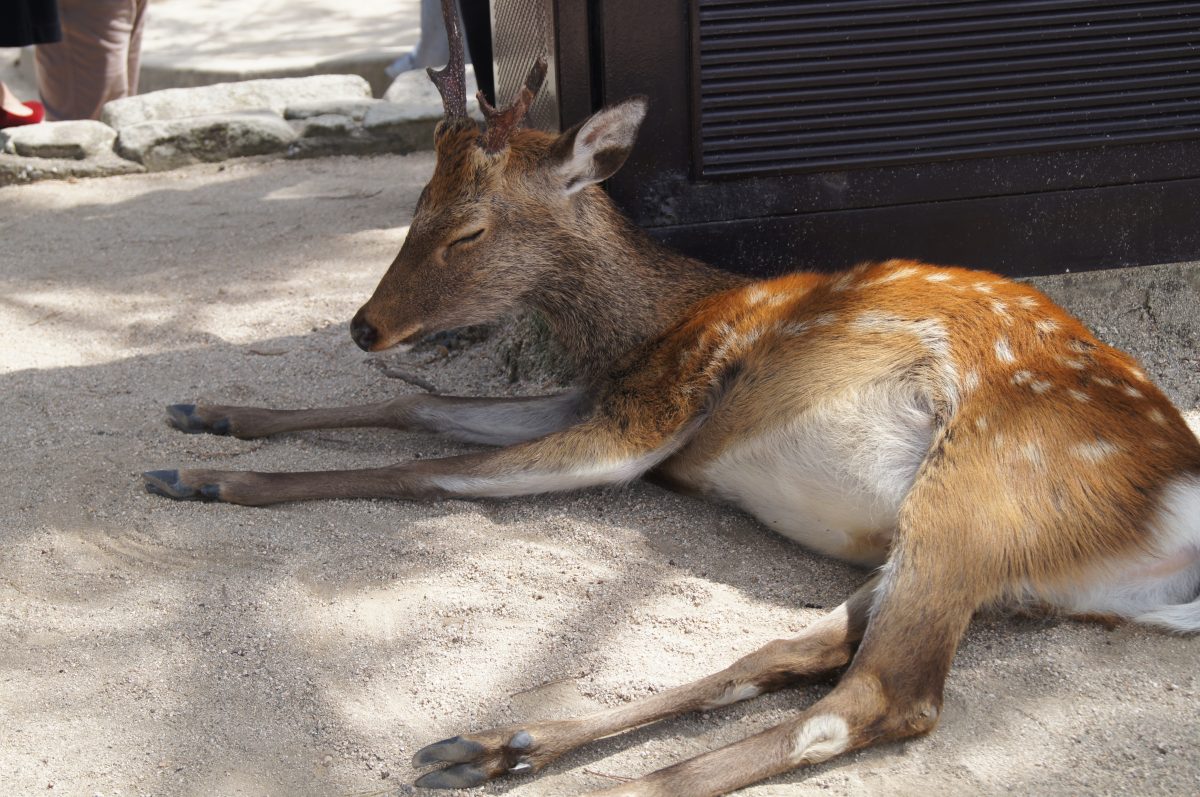
The deer wander freely around the ferry terminal, waterfront and shopping streets. They are used to people, but they are still wild animals. Keep food, tickets and paper maps tucked away.
One deer stole food from us, investigated my backpack and then headbutted me. I had mistaken “accustomed to tourists” for “respectful of personal boundaries”. The distinction became fairly clear.
Do not feed the deer. Miyajima’s official visitor guidance is explicit about this. The advice in my original article was wrong, and I have corrected it here. You can admire them without turning your lunch into a wildlife negotiation.
Should you stay overnight on Miyajima?
A day trip worked for us, but an overnight stay solves Miyajima’s main problem: most visitors arrive and leave at similar times. Stay after the last big wave of day trippers and the island becomes quieter. You also have a better chance of seeing the shrine at both high and low tide without sprinting between attractions.
Choose Hiroshima if you want more restaurants, evening options and an easier onward train journey. Choose Miyajima if a ryokan stay and a slower evening matter more. Our wider Japan travel guide can help you fit Hiroshima and Miyajima into the rest of your route.
Is one day on Miyajima enough?
One full day is enough for Itsukushima Shrine, Daisho-in and Mount Misen if you start early. It is not enough if you also try to see Hiroshima’s Peace Memorial Museum, park and city sights properly.
Plenty of tours combine Hiroshima and Miyajima in one day. You can do it. But you will either rush the museum or trim the island to its waterfront highlights. We gave the city and Miyajima separate days, and I would make the same choice again.
Miyajima did not give me the serene, undiscovered island I had perhaps invented before arriving. It gave me something more complicated: a famous view that deserves its fame, a temple I liked even more, a mountain worth the extra effort and a very firm lesson about descending before dusk. Not flawless. Still memorable.
How long do you need for a Miyajima day trip?
Allow 7–9 hours from Hiroshima if you want to visit Itsukushima Shrine, Daisho-in and Mount Misen. A waterfront-only visit can be done in roughly 4–5 hours.
How do you get from Hiroshima to Miyajima?
From Hiroshima Station, take the JR Sanyo Line to Miyajimaguchi and then the 10-minute ferry. From Peace Memorial Park, a direct boat reaches Miyajima in about 45 minutes.
Does the JR Pass cover Miyajima?
The JR Pass covers the JR train to Miyajimaguchi and the JR West Miyajima Ferry. It does not cover the ¥100 Miyajima Visitor Tax.
How much does a Miyajima day trip cost?
Using the JR route from Hiroshima Station, allow about ¥1,600 return before food and without Mount Misen ropeway. Adding the return ropeway brings the fixed total to about ¥3,600.
Should you check the tide for Miyajima?
Yes. At high tide the shrine and torii appear to float; at low tide you can walk across the exposed sand towards the gate. Check the tide time before choosing your arrival.
Can you feed the deer on Miyajima?
No. The deer are wild and official visitor guidance says not to feed them. Keep food, paper and tickets secured because deer may grab them.
Can you visit Mount Misen on a Miyajima day trip?
Yes, but start early. The ropeway ends below the summit, leaving roughly a 30-minute walk each way, and the final return ropeway normally departs at 4:30 pm.
Can you see Hiroshima and Miyajima in one day?
It is possible, but you will need to rush or skip Mount Misen. Two days—one for Hiroshima city and one for Miyajima—gives both places the time they deserve.
Which would you prioritise on Miyajima: Itsukushima Shrine, Daisho-in or Mount Misen?