Vienna is grand, cultured and exceptionally good at making you want to see “just one more” palace room. It is also a city where admission tickets, coffee-and-cake stops and transport costs can quietly turn a sensible break into a rather expensive one.
Gary and I spent six days in Vienna in June. We loved the architecture and the chance to explore the city’s artistic, cultural and imperial heritage. The cost was the awkward part. Our trip was a little hit-and-miss because we chose some things well and spent money rather less cleverly on others. This updated Vienna travel guide keeps those honest lessons while removing the prices and rules that have dated since our visit.
Below you will find practical Vienna travel tips on how long to stay, what to budget for, whether a city pass is worthwhile, how to get around, where to stay and how to enjoy the city without paying for every beautiful building you look at. Prices and ticket conditions change, so use this as your planning framework and check the linked official websites before booking.
Vienna travel tips at a glance
- Allow at least three full days for the headline sights; four or five days is much more comfortable if museums and palaces matter to you.
- Choose your paid attractions before buying a sightseeing pass. A pass is only a bargain when it covers places you genuinely intend to visit.
- Stay close to an underground or tram stop rather than automatically paying a premium for the Innere Stadt.
- Walk the historic centre and combine nearby attractions on the same day.
- Keep one flexible block in your itinerary. Vienna’s museums are large, and rushing through several in succession is an efficient way to stop enjoying them.
- Check official attraction, transport and performance websites shortly before travelling; opening days, ticket products and booking arrangements can change.
How many days should you spend in Vienna?
For most first-time visitors, three full days is the minimum I would recommend. That is enough time to see the historic centre, choose one major palace, visit one or two museums and spend an evening enjoying Vienna’s musical side. It will be a busy trip, though.
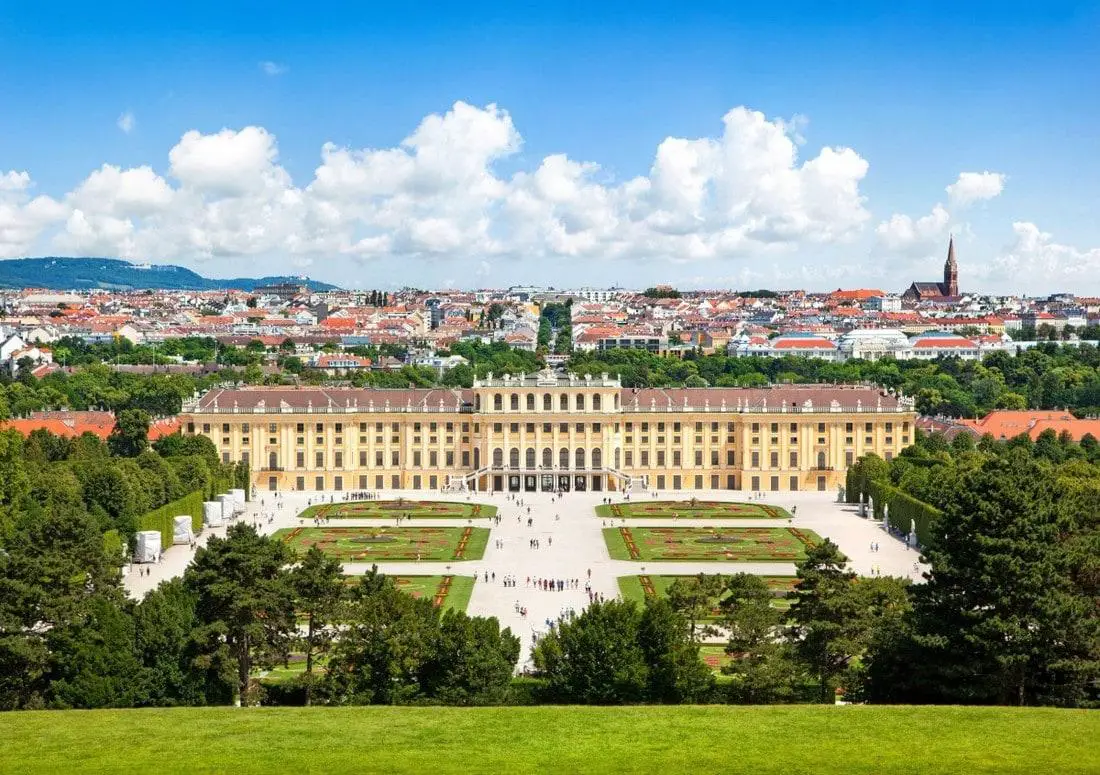
Four days gives you breathing space. You can devote time to Schönbrunn without sacrificing the centre, explore the MuseumsQuartier or Belvedere properly, and still sit down for coffee without glaring at the clock. Five days suits travellers who love art, architecture and history, or anyone who prefers a slower pace.
Gary and I had six days in total and five proper sightseeing days. Even then, we occasionally felt rushed. Vienna is not difficult to navigate; the problem is the density of things worth seeing. A palace that looks like a two-hour visit on paper can easily absorb half a day.
A sensible first-time structure
A practical plan is to group sights geographically. Spend one day around the Hofburg, Stephansdom and the historic centre; one around Schönbrunn; one around the Belvedere or MuseumsQuartier; and use any remaining time for markets, neighbourhoods, parks and the particular museums that suit your interests. This cuts unnecessary journeys and makes it much easier to judge whether a transport ticket or attraction pass will actually save money.
How expensive is Vienna?
Vienna can be expensive, especially when you stack several major attractions into each day and eat every meal near the busiest landmarks. Accommodation and flights are not necessarily the villains. On our trip, the cumulative cost of entrances and food did the real damage.
Our historical spending example: in 2017, we spent about £675 per person for six days. That included return flights, half of a hotel room with breakfast, transport and sightseeing cards, additional attractions, local travel and food. This is not a current budget and should not be used as a price quote. It remains useful because it shows where our money went: the appealing flight and hotel prices did not prevent a costly trip once daily sightseeing began.
For a modern budget, price the trip in layers: accommodation and travel to Vienna; airport transfer; local transport; the exact attractions on your wish list; food; and a contingency. Attraction prices are particularly important because a museum-heavy itinerary costs very differently from a trip built around streets, parks, markets and architecture.
How to build a realistic Vienna budget
- Write down your five non-negotiable paid sights and use their official prices.
- Add the journeys you will genuinely make, not the maximum theoretical value of a travel card.
- Decide how many restaurant meals you want and where breakfast is coming from.
- Keep old prices from blogs—including the historical figures in this post—out of your final calculation.
- Add a modest buffer for the extra museum, cake or concert ticket that Vienna will almost certainly tempt you with.
Can you visit Vienna on a budget?
Yes, but Vienna rewards a planned budget more than a vague intention to “be careful”. The centre is wonderfully walkable, many public spaces cost nothing, and you do not need to enter every palace to appreciate the city. The trick is to choose a smaller number of paid experiences that matter to you and surround them with free or low-cost exploring.
Make the most of free Vienna
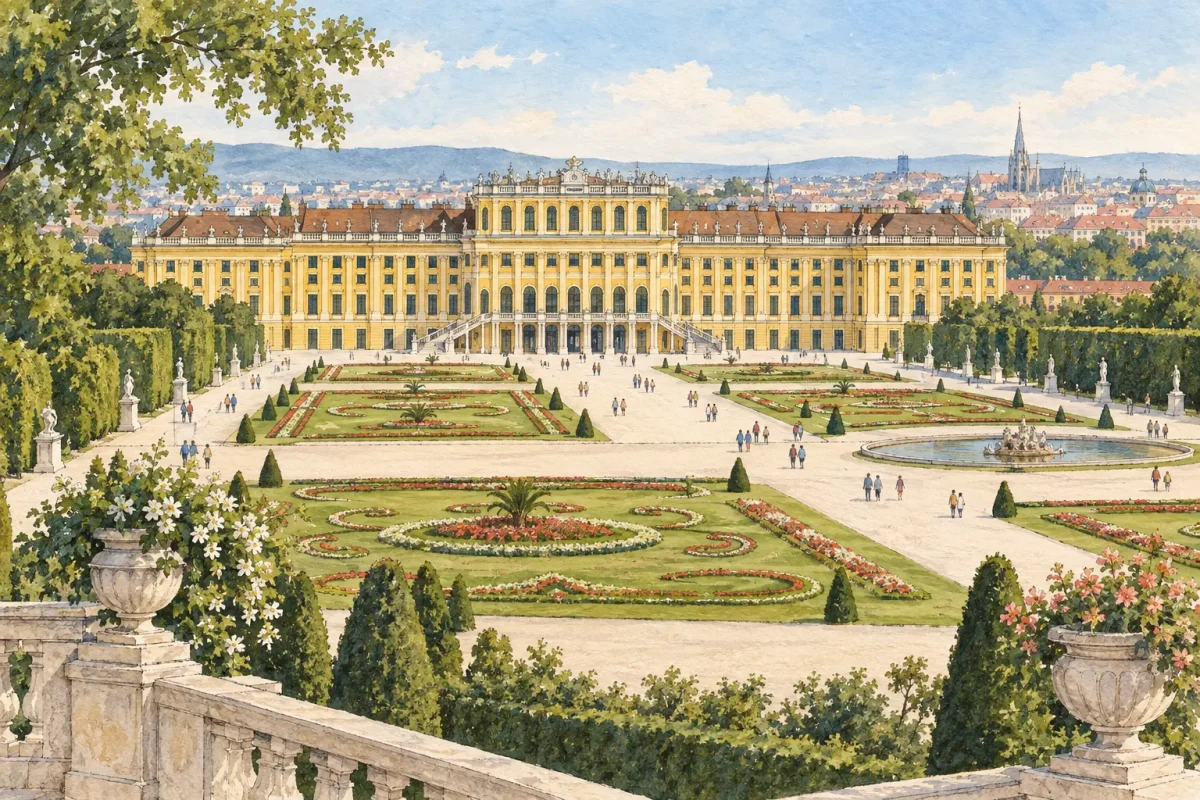
A walk along the Ringstrasse delivers an extraordinary collection of civic architecture. The historic centre, Stadtpark, Burggarten and large parts of the Schönbrunn grounds can also be enjoyed without buying an indoor admission ticket. Danube Island is useful when you want open space, cycling or a break from monumental Vienna, particularly in warmer weather.
Church access, museum free-entry arrangements and special events can vary, so check before relying on them. The bigger principle is dependable: walking through Vienna’s streets, gardens and public spaces is an attraction in itself, not merely the gap between ticketed sights.
Do not turn every day into an attraction marathon
Three costly attractions in a day may make a sightseeing pass look efficient, but it can make the day itself exhausting. Decide what you actually want to understand or enjoy. One important museum, a neighbourhood walk and a leisurely meal can be better value than collecting six hurried entrances simply because a card includes them.
Look for combined and reduced tickets
Some institutions offer combination tickets, concessions or their own multi-site products. Eligibility, inclusions and saving levels change. Check the official page for every attraction on your shortlist and compare the combined cost with any pass. Never assume the word “discount” automatically means the cheapest option.
Vienna City Card or Vienna PASS: which is better?
These products solve different problems. The official Vienna City Card is built around city travel and visitor discounts, with different versions and add-ons offered over time. The Vienna PASS is primarily an attraction pass and has included sightseeing services such as hop-on hop-off buses. Products, durations and inclusions can change, so compare the current official lists rather than relying on an old article’s price table.
The Vienna City Card may suit you if…
- you expect to use public transport regularly;
- you want modest discounts across several places rather than admission to an intensive list of attractions;
- your hotel is outside the compact centre;
- you have checked that the current version covers the transport zones and travellers relevant to your trip.
The Vienna PASS may suit you if…
- you intend to visit several of its included attractions within a short period;
- the included venues closely match your existing itinerary;
- you value convenience or included sightseeing transport as well as the arithmetic saving;
- you are comfortable with a fairly energetic schedule.
How to calculate whether a pass is worth it
First build your itinerary without looking at a pass. Then mark which planned attractions are included and add their normal official admission prices. Add only the transport or other benefits you would otherwise buy. Compare that genuine total with the pass price. If you must add unfamiliar attractions merely to make the saving appear, the pass is designing your holiday for you.
Gary and I tried both types during our visit. Because our hotel was not central and we followed a packed sightseeing schedule, transport and attraction benefits had real value. That does not mean the same products will pay for a slower weekend based mainly in the centre.
How to experience Vienna’s music without wrecking your budget
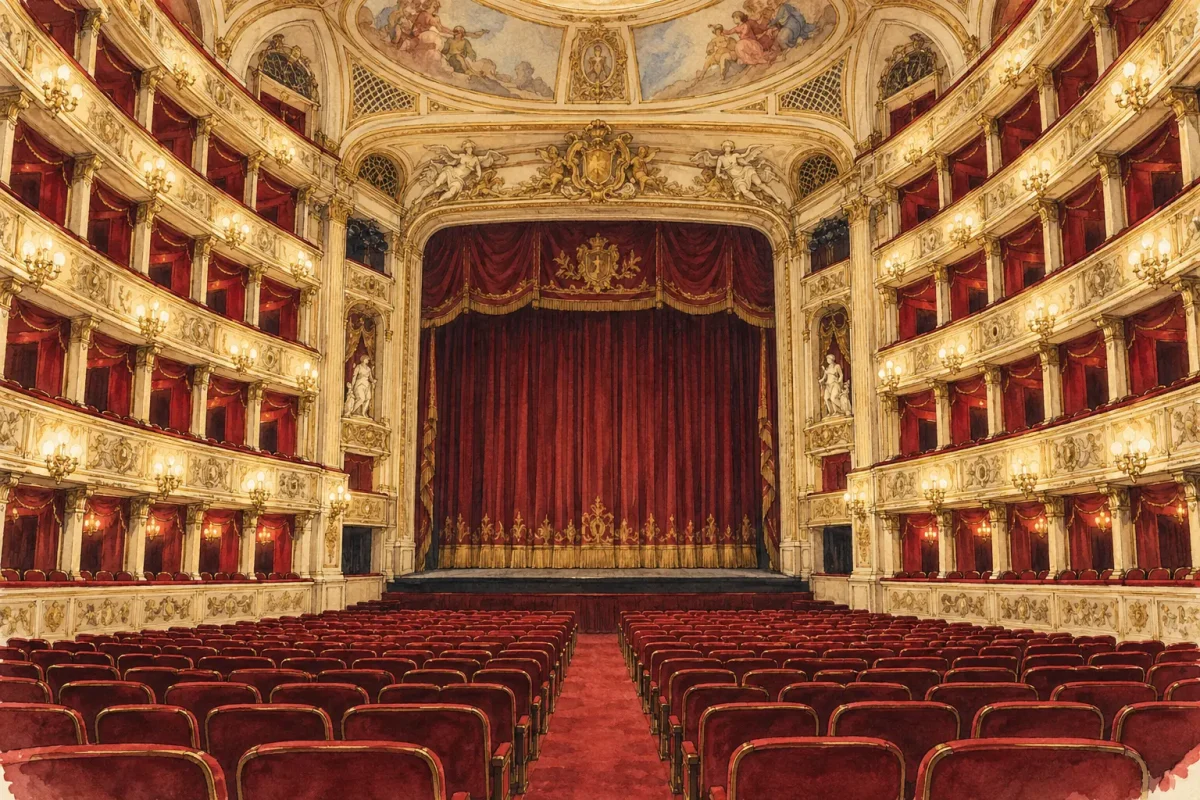
Vienna’s musical heritage deserves more than background status. The Vienna State Opera offers standing-room options, but sales arrangements, availability and prices are time-sensitive. Consult the official Vienna State Opera ticket information for the performance you want rather than arriving with an old queueing rule from a blog post.
Standing is not for everyone, particularly during a long performance, but it can open the door to an experience that might otherwise sit outside your budget. Also compare programmes at the Volksoper, churches and smaller venues. Buy from the venue or an authorised seller, check whether the performance is a full concert or a shortened tourist programme, and be cautious when approached by street ticket sellers.
Eating well in Vienna for less
Food was one of the largest parts of our spending, particularly around the busiest central streets. You do not have to survive on supermarket sandwiches, but a little geographical flexibility helps.
- Look for weekday lunch menus, often described as a Mittagsmenü, and check what is included before ordering.
- Walk a few streets away from the landmark directly in front of you before choosing a restaurant.
- Explore neighbourhoods such as Neubau and Josefstadt as well as the most visited parts of the centre.
- Use markets for casual meals, but do not assume every stall at a famous market is automatically cheap.
- Book a hotel with breakfast only when the price difference makes sense; “included” breakfast is still part of the room rate.
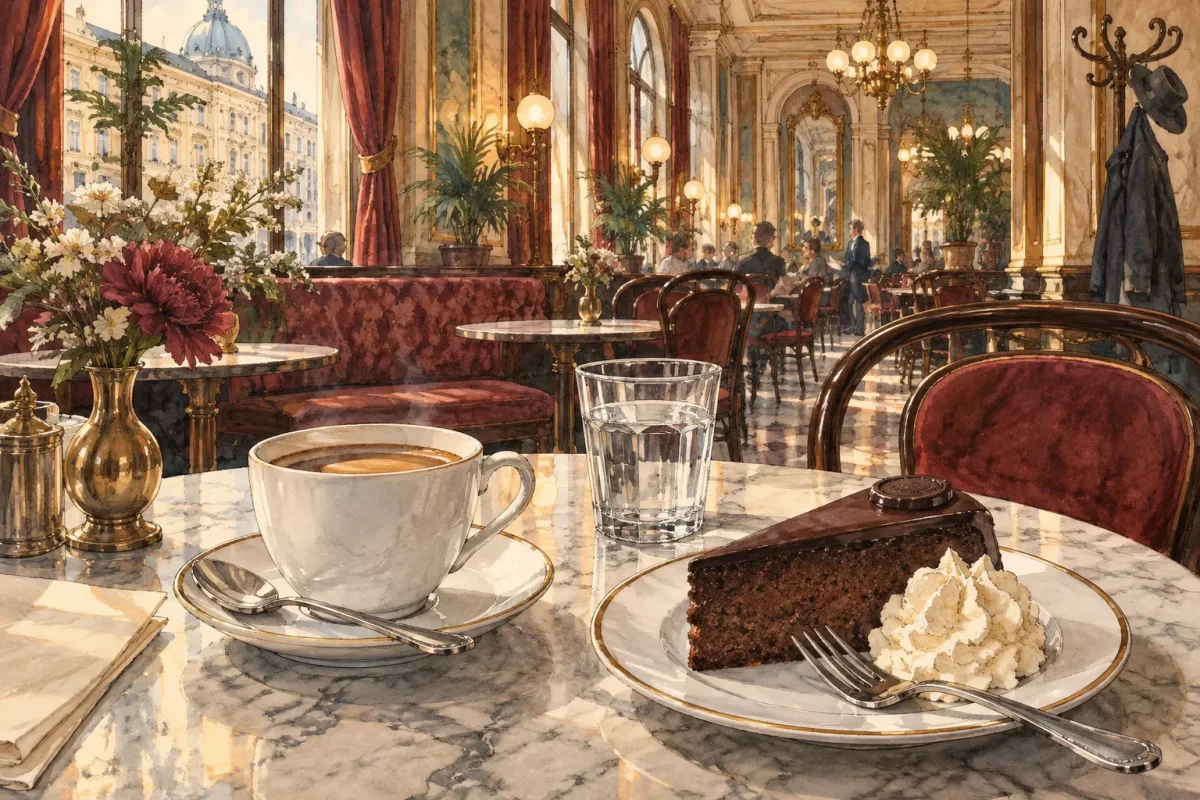
A proper Viennese coffee-house visit may be worth budgeting for as an experience rather than treating it as an accidental snack. Choose one or two places you genuinely want to enjoy and accept that lingering is part of the point.
Getting from Vienna Airport to the city
Vienna Airport has rail and bus connections, and private transfers are also available. The S-Bahn is commonly the budget-minded rail choice, while the City Airport Train is a separate express product. Your best option depends on your destination, luggage, arrival time and whether onward city travel is included in the ticket you buy.
Use the official Vienna Airport public transport information and the Wiener Linien journey planner shortly before travelling. Pay attention to fare-zone validity: the airport lies outside Vienna’s central city fare area, so a city transport product may not by itself cover the entire airport journey.
We chose an Uber to our hotel on our trip. It was a convenience decision, not the cheapest recommendation. For two travellers with manageable luggage, public transport will often be the more economical starting point.
Getting around Vienna
Central Vienna is compact and rewarding on foot. Stephansdom, the Hofburg, the State Opera, Albertina and MuseumsQuartier sit close enough to combine in a walking day, although museum visits themselves add plenty of distance.
For Schönbrunn, the Prater and accommodation outside the centre, Vienna’s underground, tram and bus network is extremely useful. Choose tickets according to the actual dates and journeys of your stay. Older advice about fixed-duration and weekly passes can become misleading when products, validity rules or prices change, so verify them with Wiener Linien.
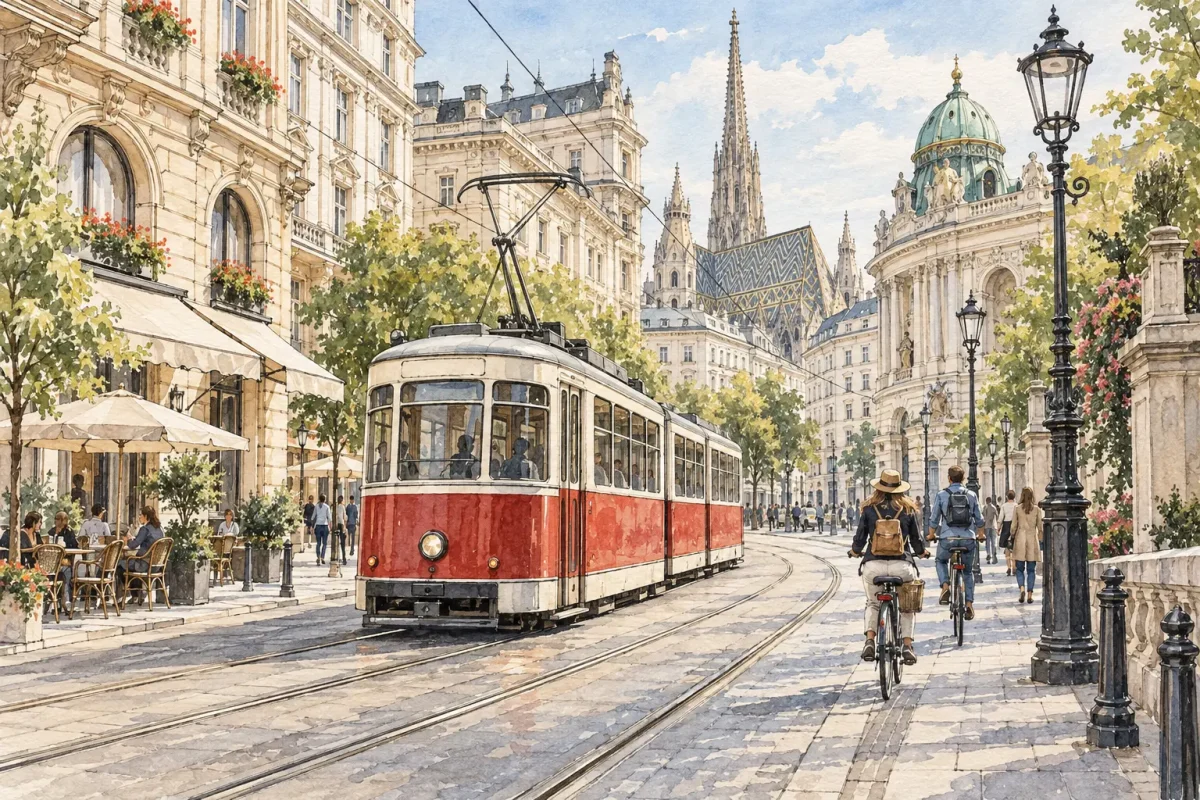
A good compromise is to walk within each sightseeing area and use public transport for the longer jumps between them. Vienna’s trams can also be a pleasant way to see more of the city, but ordinary public transport should not be confused with a narrated sightseeing tour.
Where to stay in Vienna
The expensive answer is “as close to the centre as possible”. The more useful answer is “near a good transport connection, in an area that suits your evenings”. Staying inside or immediately beside the Innere Stadt makes the main central sights walkable, but hotels farther out can offer better rooms for the same money.
Innere Stadt: best for a short, central stay
The first district places imperial Vienna on your doorstep. It works especially well for a brief first visit or for travellers who want to return to their hotel during the day. The trade-off is usually price and a more intensely touristed atmosphere.
Neubau and the MuseumsQuartier area: best for culture and restaurants
The seventh district is convenient for museums, independent shops and a broader choice of places to eat. It feels less ceremonially grand than the centre and often suits visitors who want lively evenings without relying on formal hotel dining.
Josefstadt: best for a quieter base near the centre
Josefstadt is close enough for straightforward sightseeing while feeling more residential. As always, check the precise walking distance to the nearest useful transport stop rather than judging a hotel only by its district name.
Margareten: the lesson from our trip
We stayed at the Falkensteiner Hotel Wien Margareten, positioned between the historic centre and Schönbrunn. The hotel was modern, and we particularly enjoyed the rooftop spa and substantial breakfast. More importantly, it taught us that a hotel outside the Ring can be economically sensible when it sits close to fast public transport. Check the hotel’s current name, facilities and reviews before booking; properties change.
Hotels mentioned in the original guide
The original article also highlighted Grand Hotel Wien for a classic central luxury stay, Hotel Sans Souci Wien near MuseumsQuartier, and Grand Ferdinand for its central location and rooftop appeal. I have retained the names because they formed part of the earlier research, not as a claim that their prices, facilities or quality are unchanged. Compare recent reviews, cancellation terms and the final rate directly before making a decision.
Common Vienna planning mistakes
- Buying a city pass before deciding what you want to see.
- Underestimating how long major museums and palace complexes take.
- Booking a cheap hotel that requires awkward journeys rather than a well-connected one slightly outside the centre.
- Treating historical blog prices as current prices.
- Eating every meal beside the busiest attraction.
- Scheduling no unplanned time for walking, coffee or discoveries.
- Assuming every ticket includes transport to the airport.
Is Vienna worth visiting?
Yes—particularly if art, architecture, music or European history sits high on your list. Vienna was not a flawless trip for us, and that is precisely why these lessons are useful. We loved the city but would plan the spending more deliberately next time.
Give Vienna enough time, choose your expensive experiences carefully and do not mistake a packed itinerary for a successful one. The city’s grandeur is obvious; its quieter pleasures emerge when you stop sprinting between ticket desks.
Final checklist before you visit Vienna
- Confirm attraction opening days and book any must-see timed entries.
- Check the current official transport options from the airport to your accommodation.
- Compare your planned admissions with the current Vienna City Card and Vienna PASS inclusions.
- Group sights by area and avoid crossing the city unnecessarily.
- Reserve performances through official or authorised sellers.
- Download an offline map and keep room in the schedule for weather changes.
- Recheck hotel details, local taxes and cancellation conditions before paying.
Please note: during our original trip, the Vienna Tourist Board provided Vienna Cards and information for review. The opinions and budgeting lessons here remain our own. This article has since been substantially updated, and pass products and prices should always be verified with their official providers.
You can find more Austria travel guides here. Still weighing up your Alpine options? Read our honest comparison of Austria or Switzerland, or browse our other Europe travel guides.
Have you been to Vienna, or are you planning a trip? Share your own practical tips in the comments below.


Very beautiful description of great city Vienna. I would love to take Vienna Card as it is cost effective. Also this card covers children under 15 which is an advantage because I travel with children. You have given nice budget analysis of expenses in Vienna. Very helpful post for planning.
Great tips guys