
Written by Katharina Mungall
Travel writer, photographer and architect
Back in 2015, I called Sumida Aquarium one of the best aquariums I’d visited. The penguins were what I most wanted to see, but I came away thinking about the design of their enclosure too. Skytree Town and Ryogoku fit into one day; the museum, aquarium, tower and a sumo tournament don’t all fit comfortably into the same one.
You can combine Tokyo Skytree and Ryogoku in one day, provided you build it around the least flexible part. Give Ryogoku the morning if the museums matter most, then continue to Skytree Town in the afternoon or evening. Start at the tower if the view is your priority. And if you have tournament tickets, build the day around those.
The aquarium memories here come from our first Japan trip in 2015. The route below is a suggested day to plan now, rather than a retelling of the order we followed then. Current practical details checked on 27 September 2026.
Decide what the day revolves around
| Priority | Shape of the day |
|---|---|
| History, and time in the Edo-Tokyo Museum | Ryogoku first, Skytree in the afternoon or evening |
| The view from the tower | Book an early Skytree slot, keep Ryogoku brief |
| A sumo tournament, if the dates line up | Choose one morning stop, then protect the time you want at the tournament |
My instinct would be to give Ryogoku the morning. The Edo-Tokyo Museum reopened on 31 March 2026 after its long renovation, and I wouldn’t squeeze a substantial visit into the tail end of an afternoon. An evening Skytree slot leaves room for the museum, provided the tower’s opening calendar and available tickets fit.
Our five-day Tokyo itinerary starts this day at Skytree when views are the priority. The museums-first order here gives you another way to use it. Both work; trying to give every attraction equal time is where the plan becomes crowded.
Whichever order you choose, Sumida Aquarium is an extra, not part of the core. A big museum, the aquarium and a tower visit are possible on paper and a slog in practice. If you start at Skytree and add the aquarium, keep Ryogoku to one museum or a shorter look around the district. Decide before you set off which stop you’d drop.
Give Ryogoku’s museums the first part of the day
Ryogoku has two museums side by side, and they ask very different amounts of you. The Edo-Tokyo Museum is the big history commitment; the Sumo Museum, inside the Kokugikan, is small, and its opening days are the first thing to check.
If the Sumo Museum is on your list and open on your date, go there first, then give the Edo-Tokyo Museum the rest of the morning and early afternoon. Doing it the other way round risks coming out of the big museum after the smaller one’s last admission.

The Edo-Tokyo Museum needs more than a quick stop
The Edo-Tokyo Museum covers the city’s history from Edo to modern Tokyo. My 2015 guide described its models, life-sized figures and vehicles, but that description predates the renovation. Check the current exhibitions before you go rather than assuming an older account describes everything you’ll find today.
I’d allow roughly two to three hours for the permanent exhibition if history is a priority. That’s a planning allowance, not a minimum visit length. The current standard adult permanent-exhibition admission is ¥800; special exhibitions have separate ticket arrangements.
Check the museum’s opening calendar and hours before choosing your day. It normally closes on Mondays, or the following weekday when Monday is a national holiday, with additional year-end closures. If it’s closed on your available date, make this a shorter Skytree-focused day or move the museum visit to another day. The small Sumo Museum isn’t a substitute for it.
The Sumo Museum is not a tournament visit
The Sumo Museum is a small exhibition on the first floor of Ryogoku Kokugikan. Outside tournaments, admission is free when it is open. Regular hours are 10:00–16:30, with last entry at 16:00, and it normally closes at weekends and on national holidays. There are exceptions, as well as closures for display changes, so the Japan Sumo Association’s museum calendar matters more than a general weekday rule.
During a Tokyo Grand Sumo Tournament, you need a tournament ticket to enter the arena and access the museum; its hours also change. A free museum visit doesn’t include watching a tournament or a practice session. If that’s the experience you want, use the tournament version of the day below.
Continue to Skytree Town for the view
From Ryogoku, one subway option is the Oedo Line to Kuramae, then the Asakusa Line to Oshiage for Skytree Town. Oshiage isn’t on the Oedo Line, so this requires a change. Allow time for the walk between the two lines at Kuramae, as well as getting to and from the stations. Reverse the route if you’re starting at Skytree.
Walking between the two areas is an option if you’d like a longer neighbourhood walk and have time for it. Check a walking route against your tower booking before setting off; a taxi is another option if you’d prefer to reduce the walking and changing trains.
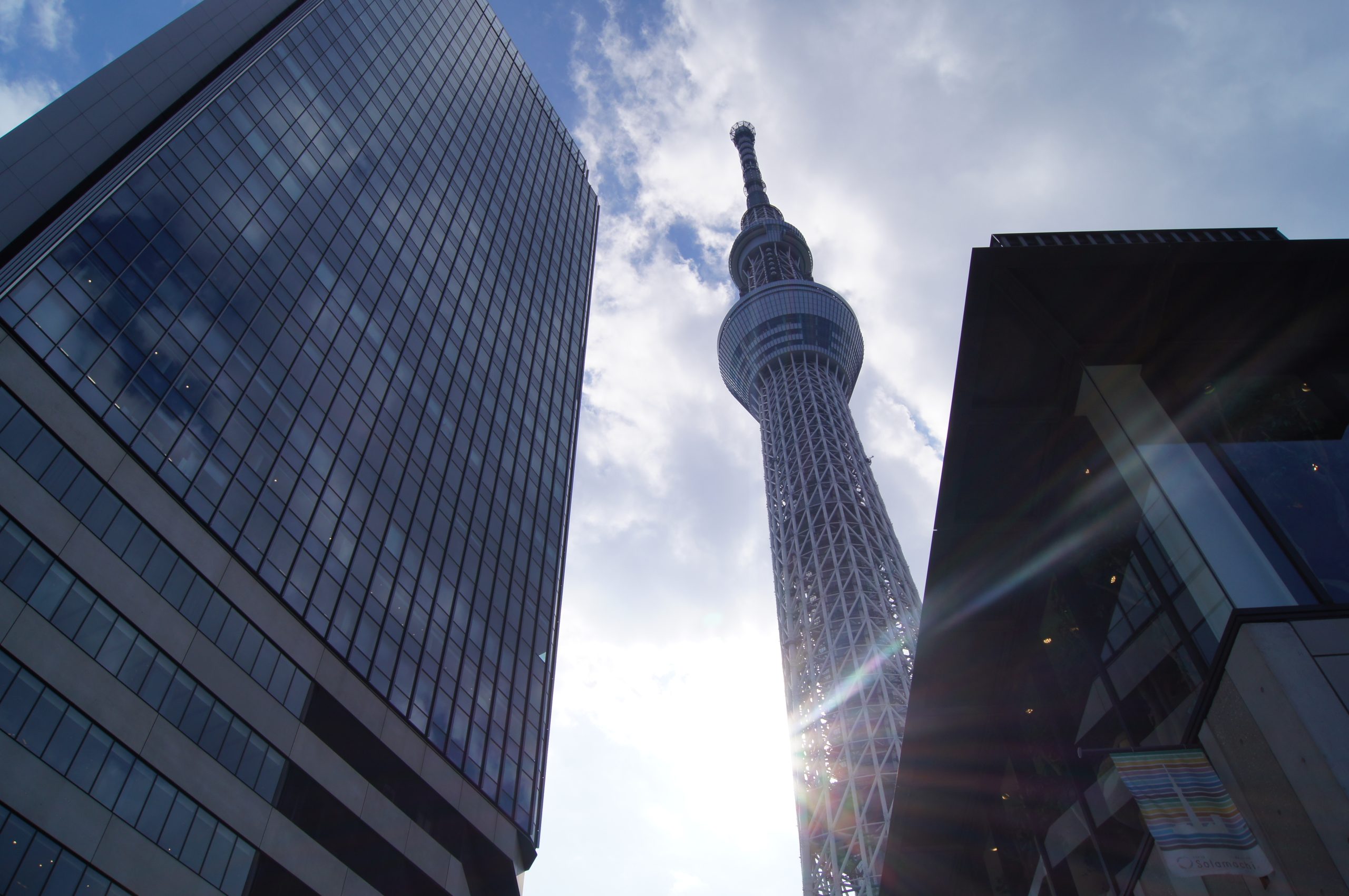
For the tower itself, the main choice is between the Tembo Deck at 350 metres and a ticket including the Tembo Galleria at 450 metres. The lower deck gives you the city-view stop; the upper level adds height at an extra cost. I’d keep to the lower deck if you’re balancing the tower with a museum visit and the aquarium. Choose both if Skytree itself is the part you most want time for.
Use the official Skytree ticket page to compare the options and check the price for your date. Book ahead when a particular entry time matters, leaving a buffer after lunch and your transfer. Advance booking doesn’t guarantee that you won’t queue.
An evening slot gives you the city lit up rather than a daytime panorama, but neither comes with a clear-sky guarantee, let alone a view of Mount Fuji. If the forecast is poor and the distant view is your main reason for paying, ask whether to move the tower visit. A museum-led day still works when the museum is open, and the aquarium is another indoor choice if you actually want to visit it.
Whichever slot you pick, Tokyo Solamachi, the shopping and dining complex at the tower’s base, is the obvious place to break for lunch or an early dinner, since it sits directly on your route rather than requiring a detour.
Make room for Sumida Aquarium only if you want it
Sumida Aquarium sits inside Tokyo Solamachi, at the foot of the tower. On our 2015 visit, the penguin enclosure was the thing I singled out: a huge tank with almost no visible supports. I described it at the time as a masterpiece. I went for the penguins and came away writing about the engineering. That’s probably the architect in me.
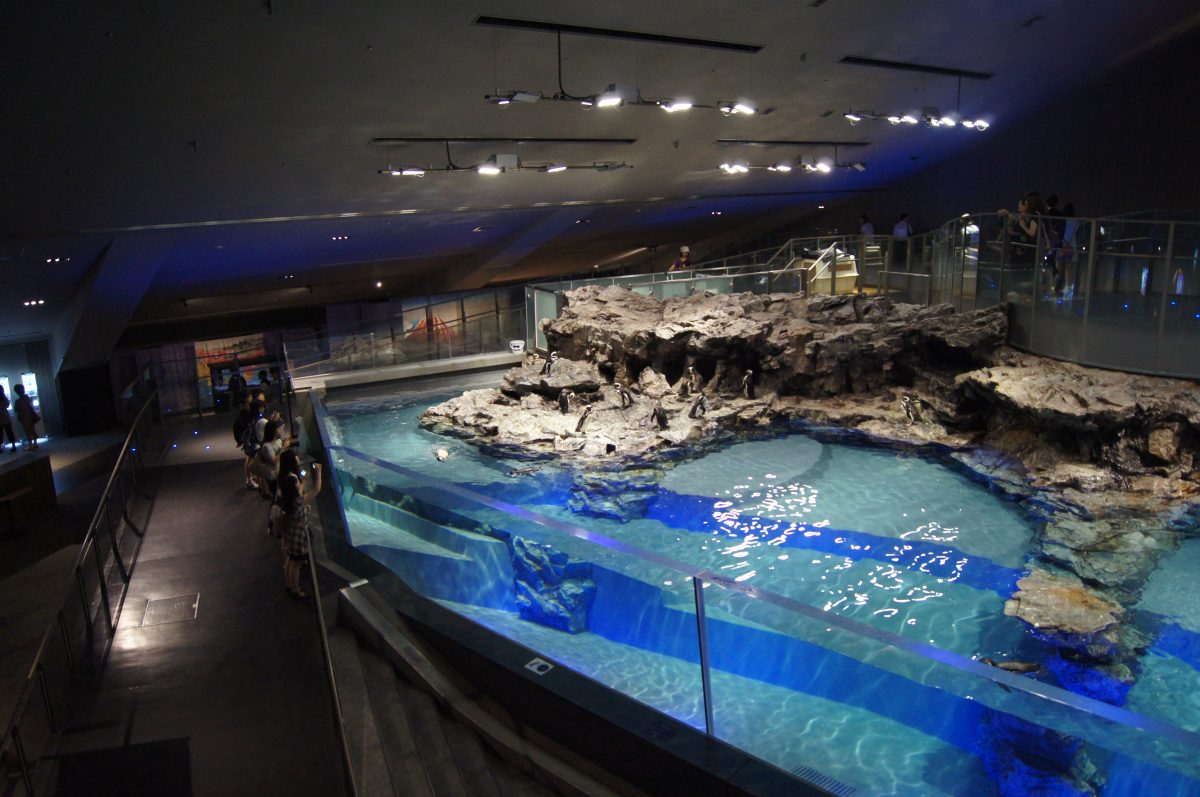
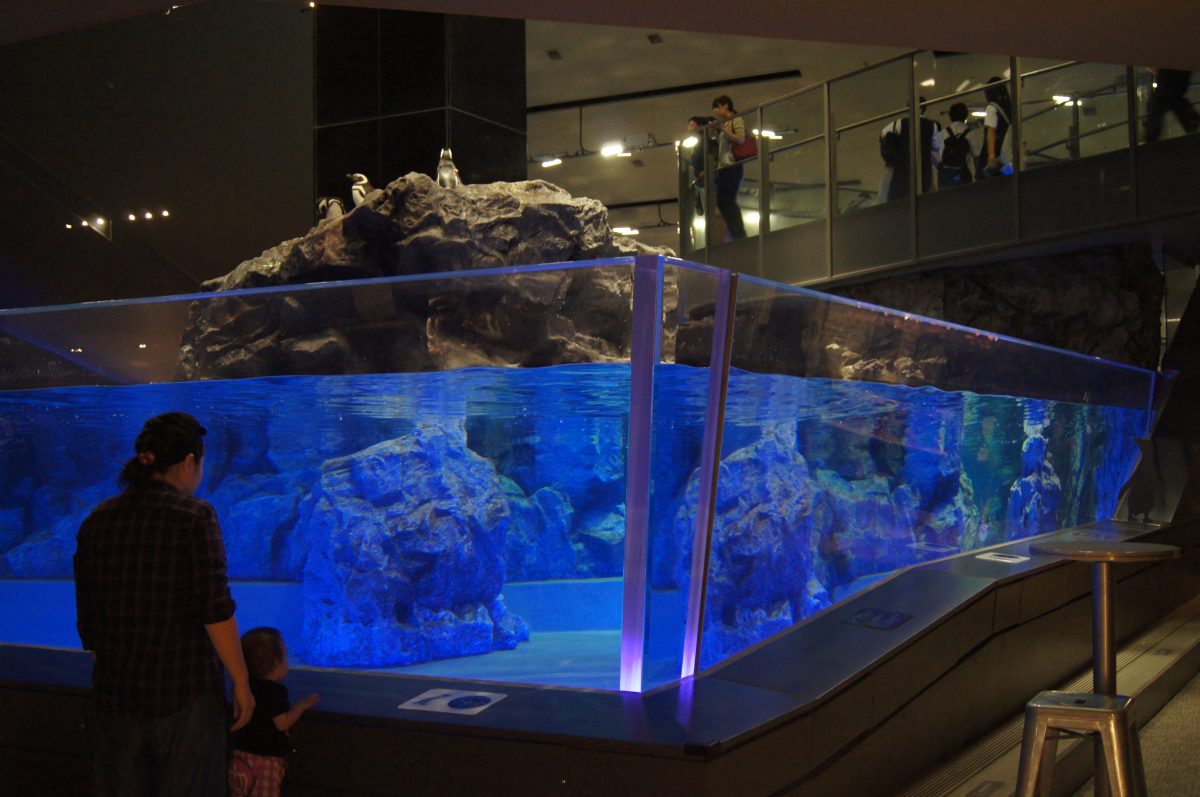
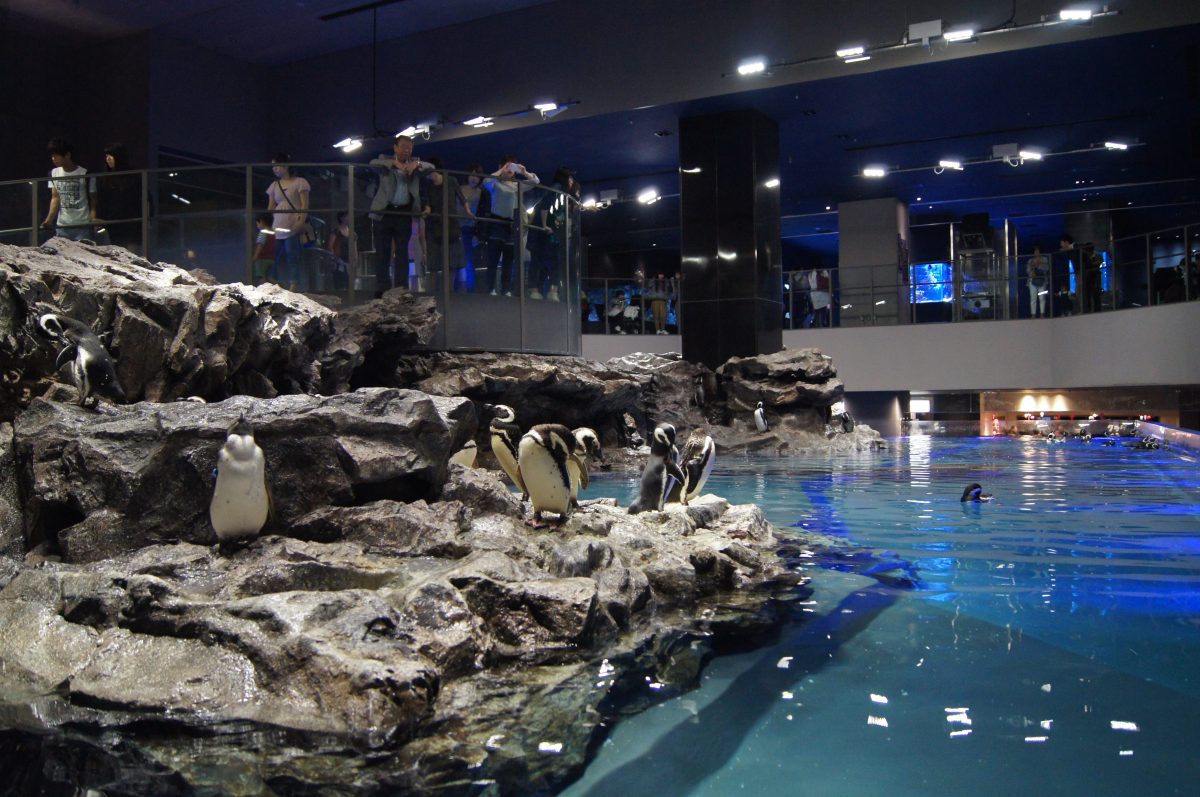
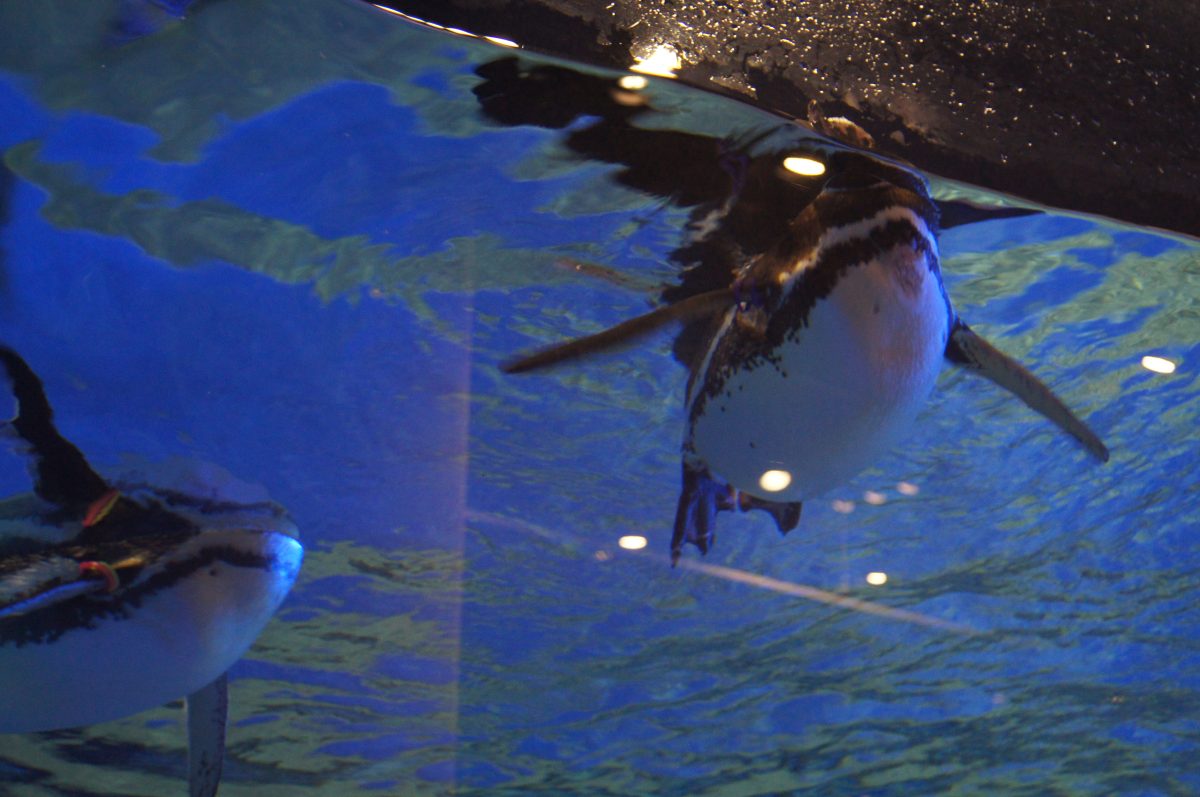
That was 2015, and exhibits change. Our full Sumida Aquarium review covers the exhibits, visit length and welfare questions in more depth than belongs here. If captive-animal exhibits aren’t your thing, skip it; the day doesn’t lose anything structurally. If you are going, give it a proper slot rather than squeezing it between a museum and a tower booking.
Don’t treat it as compulsory alongside a full museum morning and both Skytree decks. On a day when you want to spend longer at the Edo-Tokyo Museum, leave the aquarium out. If the aquarium matters more to you, shorten the museum programme instead. Check its own opening times before saving it for the evening; sharing a complex with the tower doesn’t mean sharing its hours.
If you have sumo tickets, change the order
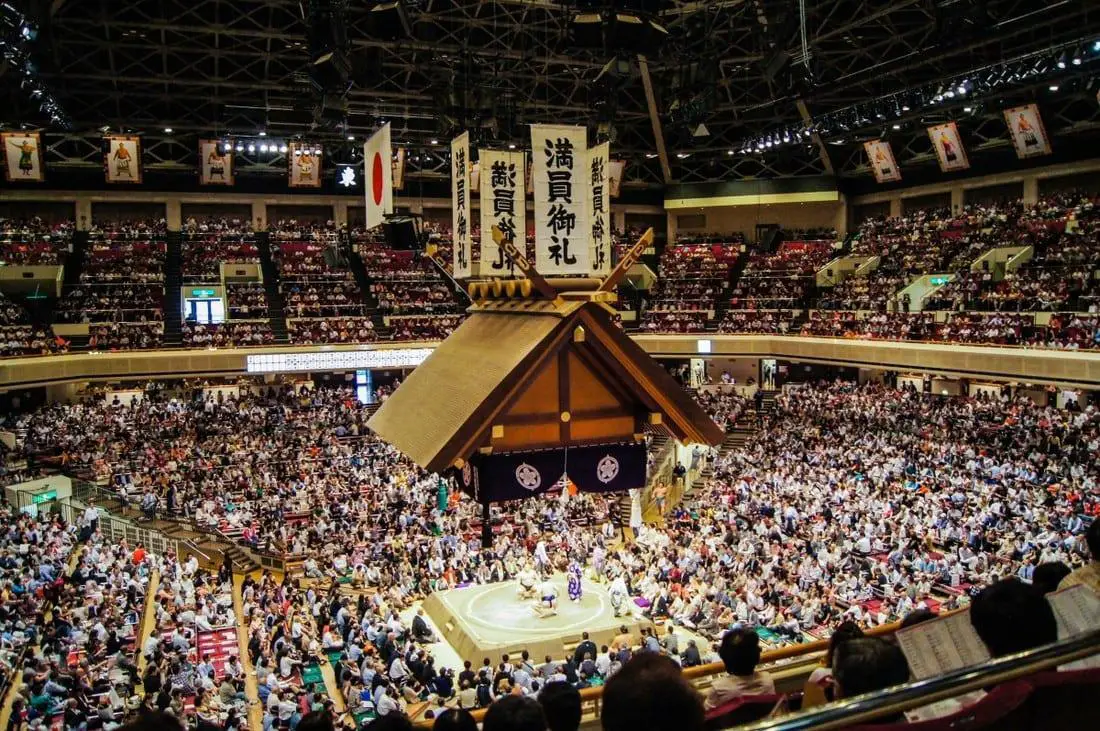
A tournament ticket takes over the afternoon, and everything else has to fit around it. Tokyo’s Grand Sumo Tournaments take place in January, May and September; check the official schedule for your dates. Reach Ryogoku in time for the part you want to watch. Check the programme and your ticket’s entry conditions through the Japan Sumo Association, rather than treating the event as something to add after every other stop.
Gary’s sumo tournament account describes our September visit, including the good view from the balcony seats. He came away hooked. It’s worth reading for the experience of being there; use the official association for current dates and ticket arrangements.
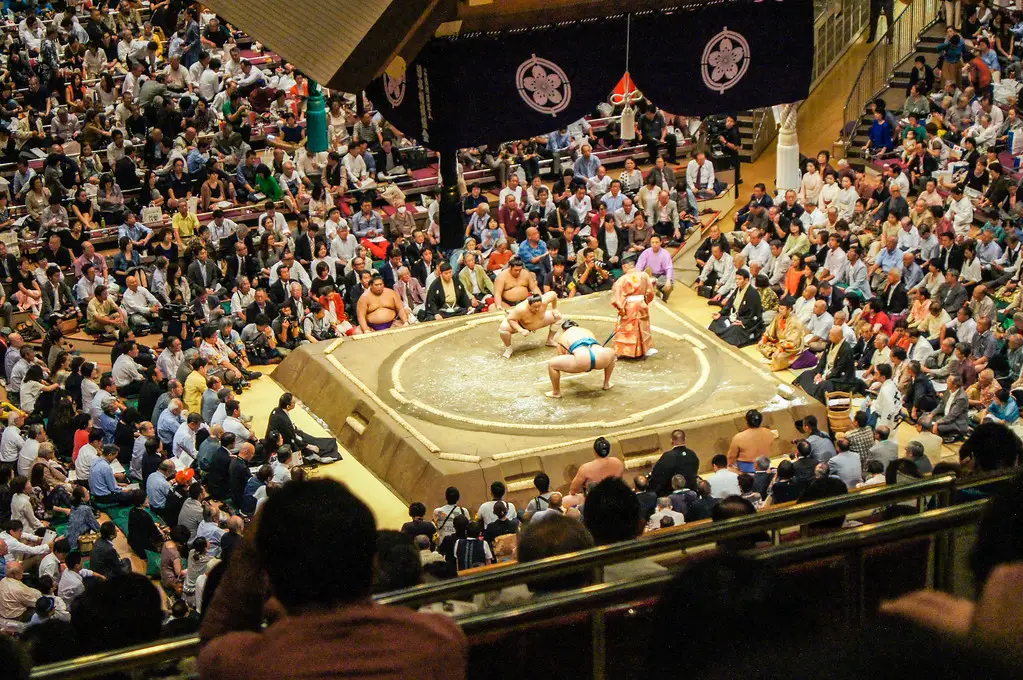
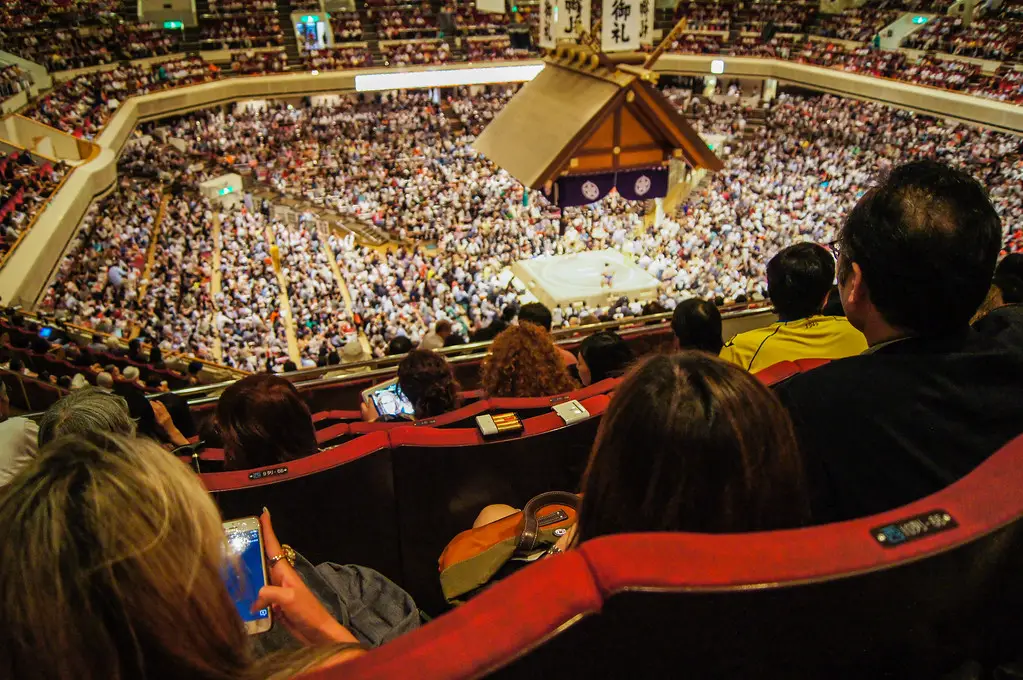
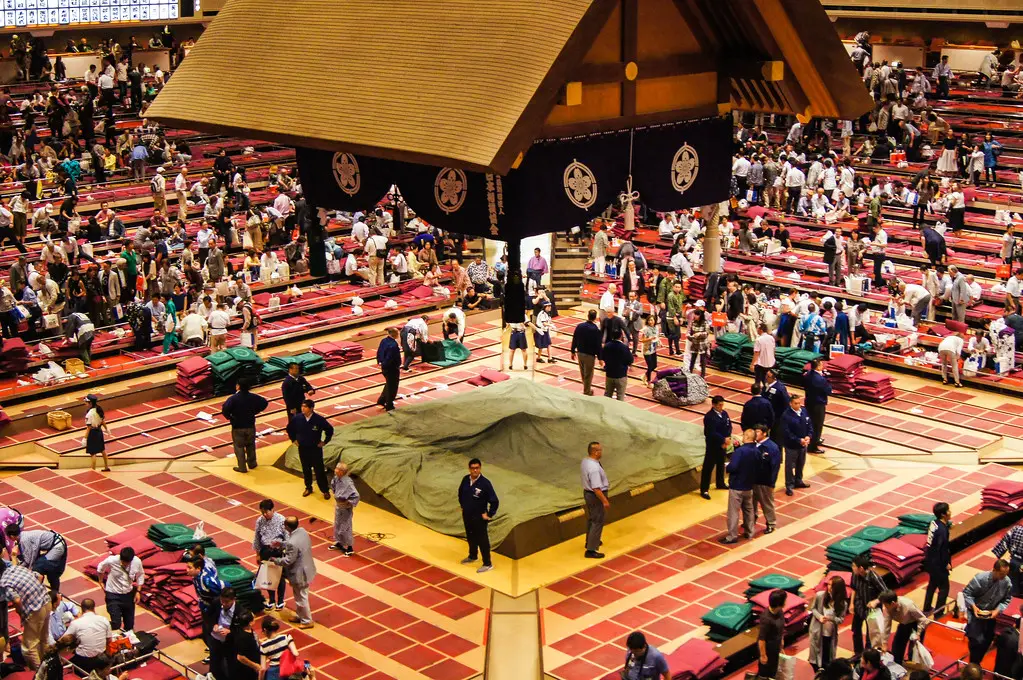
What I wouldn’t do is try to fit a full museum visit and the aquarium around a tournament. Pick one morning block: Skytree Town with an early tower slot, or the Edo-Tokyo Museum if it’s open that day. Then let the ticket set the rest of the afternoon. I wouldn’t plan a long tower visit on top as well.
Finish in Ryogoku rather than crossing back to Skytree for another booking. If you’re torn between the museum-first and views-first versions, ask which you’d be sorrier to miss and build around that one. Dinner nearby leaves room to stay longer at the stadium if you want. For the rest of your trip, our Japan travel guide connects the wider itineraries and destination guides.
Which would get first claim on your day: the museum, the view or the sumo?