OUR EUROPE TRAVEL GUIDE
Everyone dreams of traveling to Europe, and there’s a reason why. Whether you’re taking your first solo trip, backpacking on a budget, looking for a ritzy getaway, or wanting to explore new cities and cultures (don’t forget about the food!), Europe has something for everyone.
In my opinion, Europe is one of the most diverse continents you can visit. It has a deep-rooted history and is a melting pot of cultures from all over the world – not to mention the unique architecture and cuisines that vary from country to country. Plus, it’s one of the easiest regions to travel with lots of transportation options and having countries so close together. So, what are you waiting for?
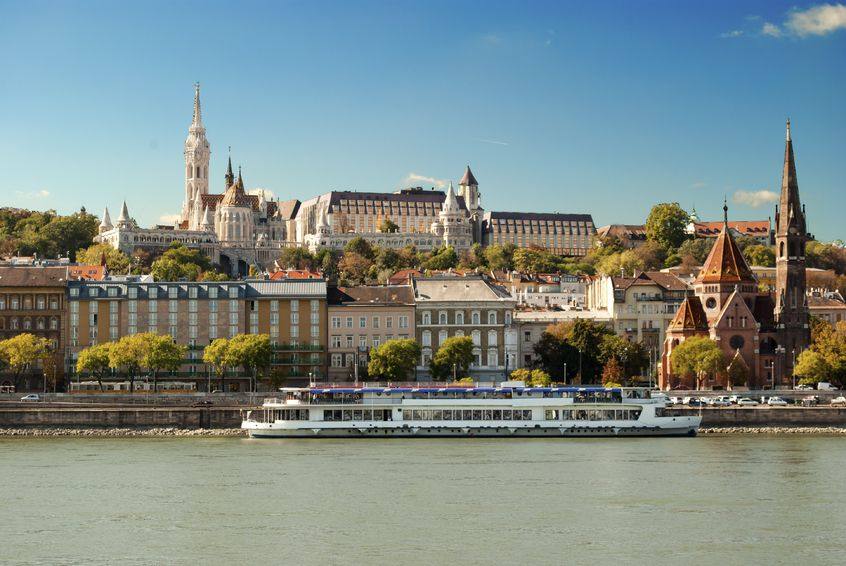
Need help narrowing it down? Start with our guide to the most beautiful European cities, then look beyond the obvious sights with the hidden gems in Prague or plan your own route through the most beautiful places in Budapest.

Eastern Europe generally refers to the countries that were behind the Iron Curtain. It’s made up of Belarus, Bulgaria, Czech Republic, Hungary, Poland, Moldova, Romania, Russia, Slovakia and Ukraine. It is a more affordable destination for many travellers, with major historic attractions including Prague Castle, the State Hermitage Museum and Auschwitz.

Northern Europe is known for natural phenomena including the Northern Lights. If you want to see them, you’ll need to visit during the darker winter months when conditions are most favourable. Countries in this region include Denmark, Estonia, Finland, Iceland, Norway and Sweden.

Southern Europe includes countries close to the Mediterranean. Spain, Italy, Malta, Greece, Croatia, Bosnia and Herzegovina, and Montenegro are among the region’s best-known destinations. It is celebrated for sailing, varied landscapes and ancient history.

Western Europe is one of the continent’s most visited regions. It includes countries such as Austria, France, Germany, the Netherlands and Switzerland, with major attractions including the Eiffel Tower, the Van Gogh Museum and the Alps.
OUR SUGGESTED ITINERARY FOR EUROPE
If you would like to see more than one European country on your next family holiday, then we would suggest you combine a trip to France with Portugal and Spain. Here is how you could spend 2 weeks in Europe.
- DAY 1 – London (1 Night)
- DAY 2 to 6 – Paris (4 nights)
- DAY 6 to 9 – Lisbon (3 nights)
- DAY 9 to 12 – Madrid (3 nights)
- DAY 12 to 14 – Nice (2 night)
WHERE TO GO IN EUROPE
Are you travelling to Europe for the first time or returning for more? We hope to simplify your trip and help you choose where to go, how long to stay and what to do once you arrive. We research the destinations we visit in depth and have created travel guides for the places we know personally.
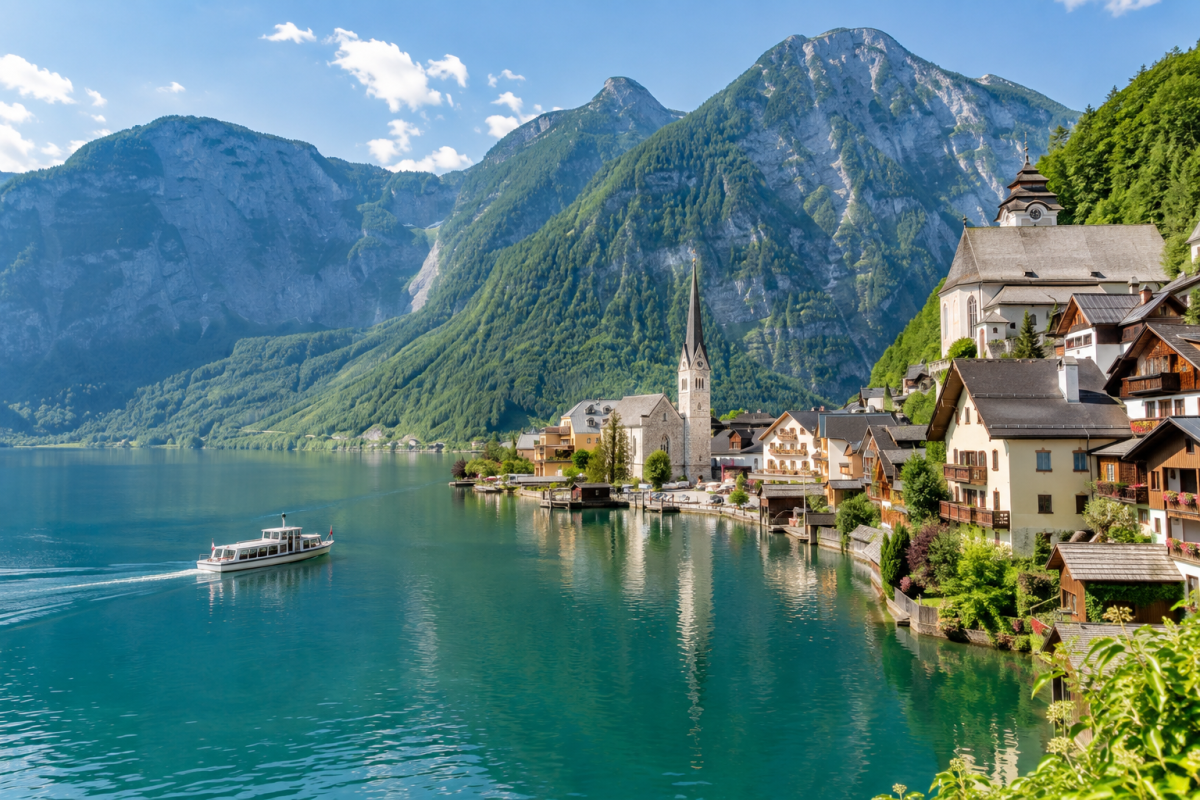 AUSTRIAImperial cities, Alpine scenery and lakes
 CANARY ISLANDSVolcanic landscapes, beaches and winter sun
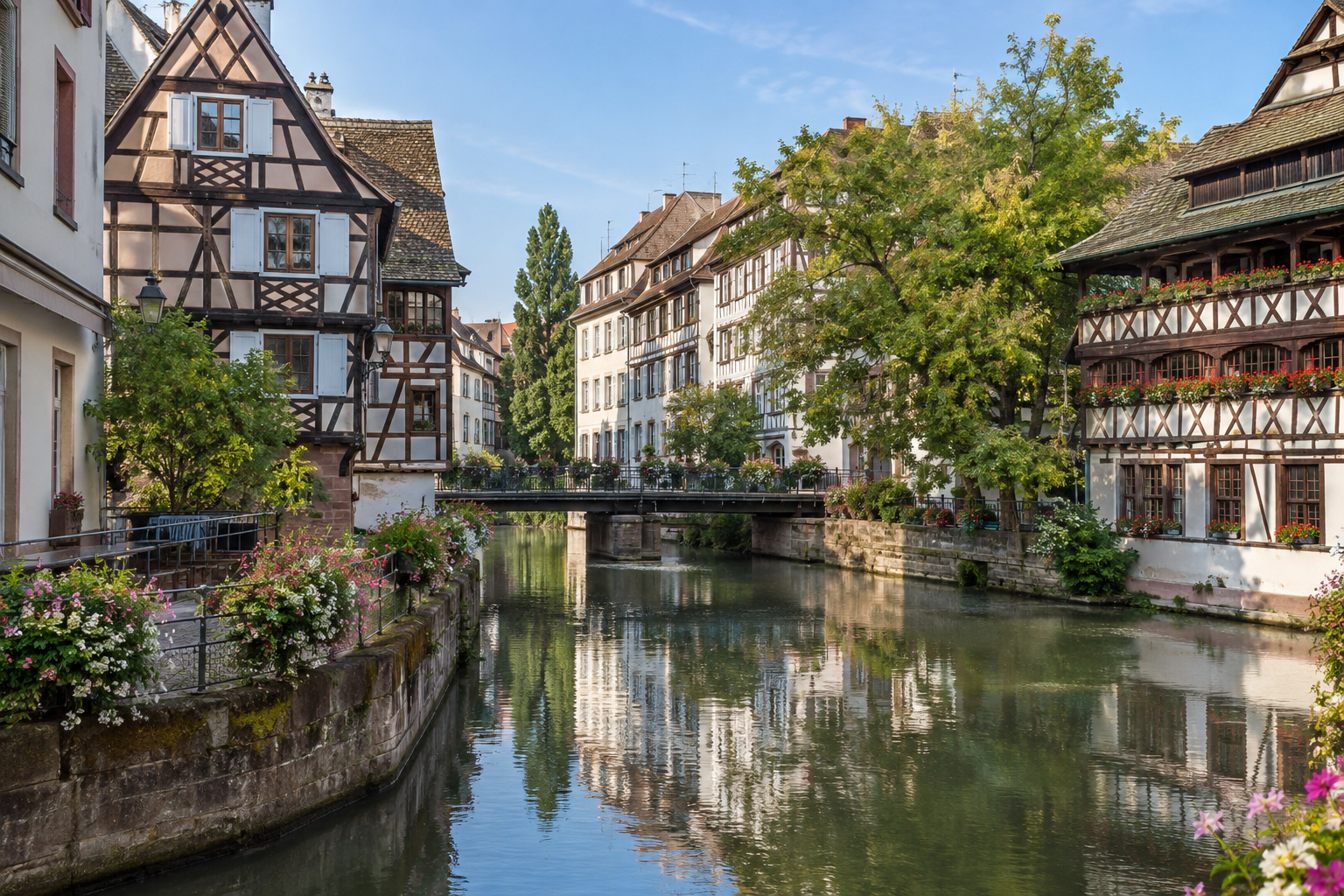 FRANCECity breaks, culture and family adventures
 GERMANYHistoric towns, castles and road trips
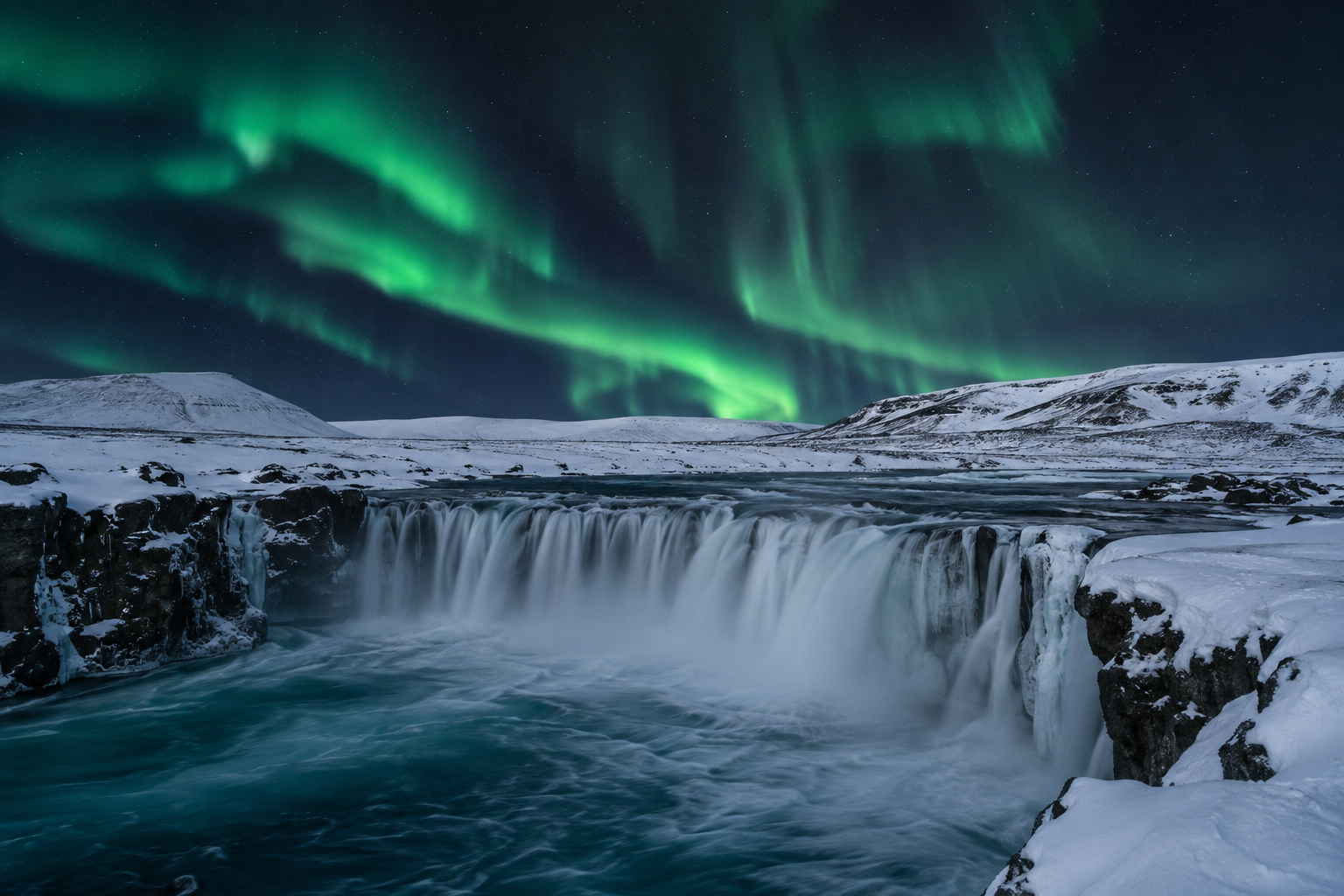 ICELANDWaterfalls, wild landscapes and northern lights
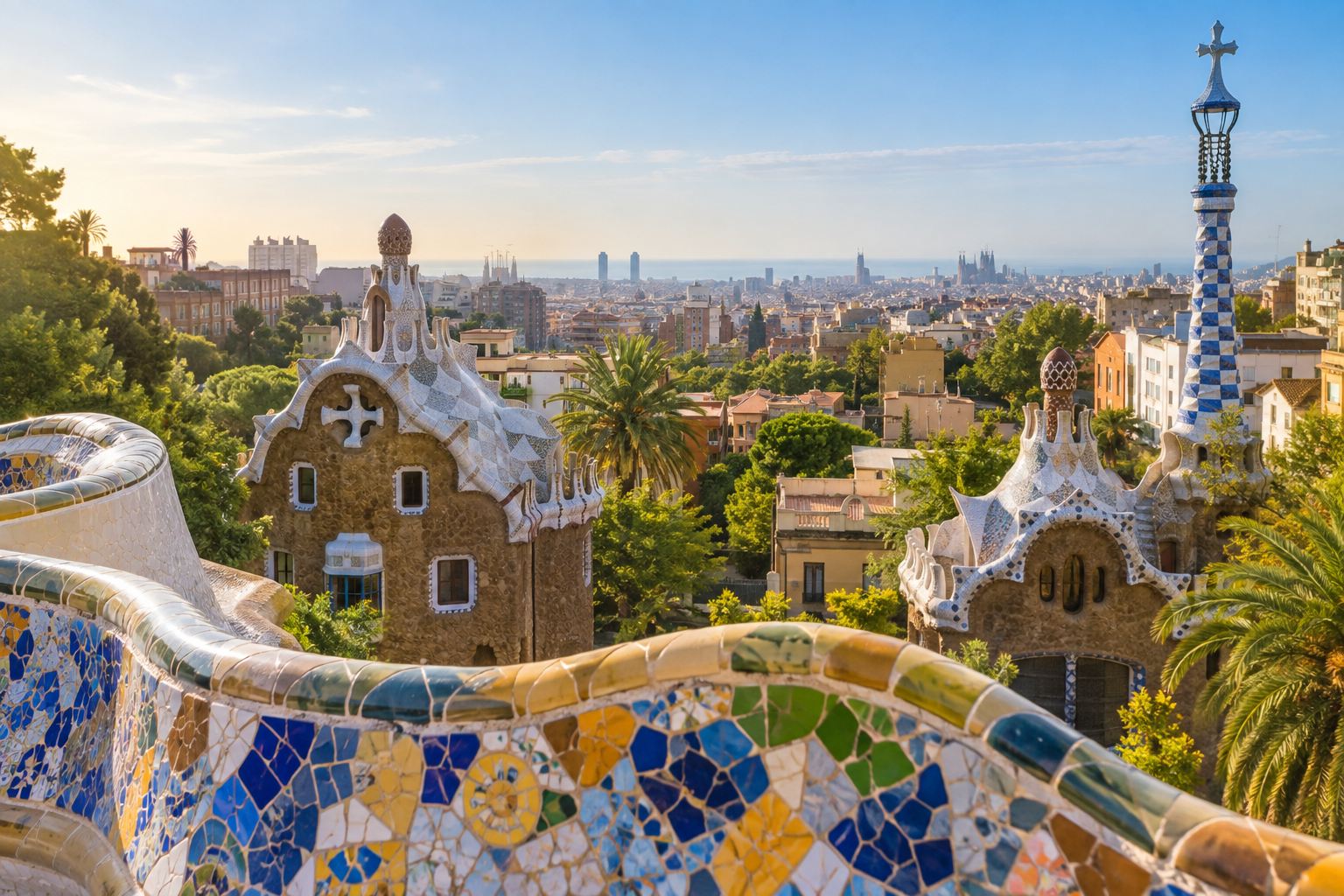 SPAINArchitecture, food and Mediterranean escapes
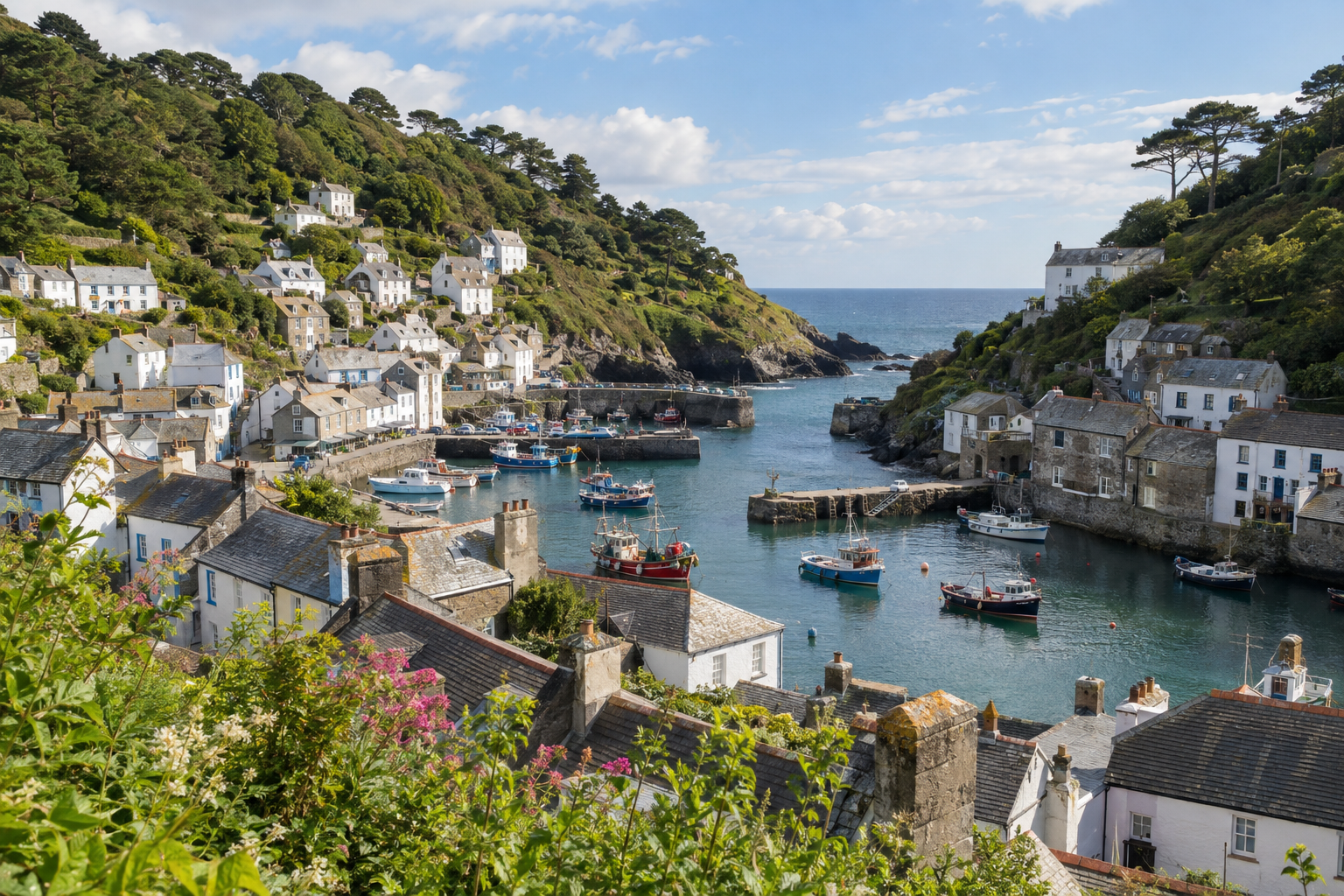 UNITED KINGDOMWeekend breaks, coastlines and countryside
BEST TIME OF YEAR TO VISIT EUROPE
If you’re backpacking through Europe, the best time to travel to the region is during the offseason. From November to March, you’ll have better luck finding cheap flights and hotels slash their prices.
However, winter is also a busy time of year for people planning a ski vacation or wanting to experience the Christmas Markets. The busiest time of year is summer in Europe. From June to August, travelers from all over the world flock to the region to soak up the good weather.
If you’re planning a trip during these months, book as much of it as you can in advance. Flights, even with budget airlines, can triple in price!
FAMILY TRAVEL IN EUROPE
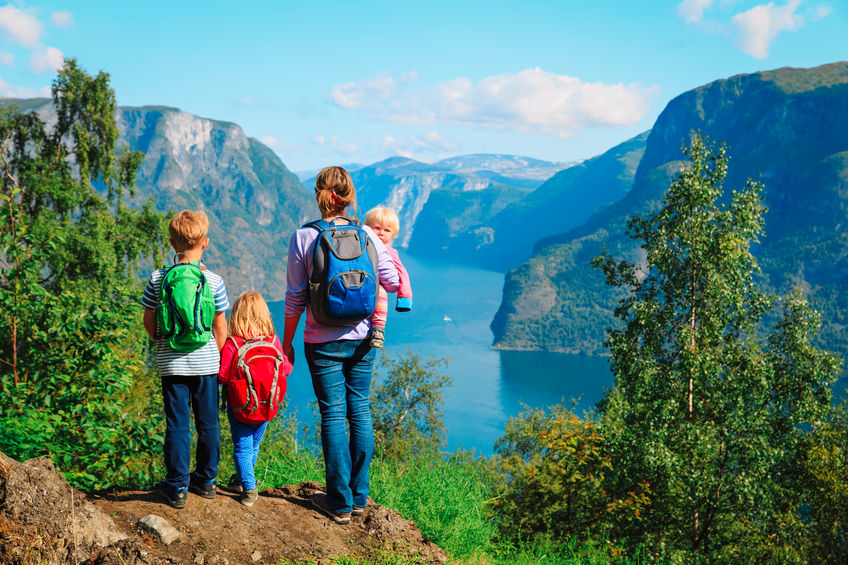
As you start to plan your trip to Europe, be thoughtful with your itinerary. London, Paris, Rome, and Amsterdam in seven days may have been fun in college, but please don’t attempt it with kids.
European cities are amazing, but in our personal experience, we’ve had more relaxing trips when we’ve mixed up a few days in a city with time in smaller towns and an outdoor destination or two. It’s also always fun to get off the beaten path a bit and see what you can discover. We think the best European itineraries for families combine a little of everything. Visit Florence, but then add some beach time in the Cinque Terre and a few days relaxing at a agritorismo in Tuscany. Combine a visit to beautiful Paris (one of our favorite cities with kids) with time in the slower-paced and fascinating Normandy region. Or head to Switzerland, which is one of the most kid-friendly and beautiful places in the world.
WHAT TO PACK FOR YOUR TRIP TO EUROPE
Europe has a notorious reputation for the most fashionable people. So when people make travel plans, they stress a lot about what to wear in Europe. Europeans claim they can guess someone’s nationality just from looking at what shoes they’re wearing (hint: American sneakers). So if you want to blend in, we’ve got you covered. While you want to look stylish and nice, you also need to be comfortable.
Try to create outfits based on the weather and the destination. A good piece to pack is dark wash jeans that you can wear during the day with sneakers and a casual t-shirt, but you can also wear them during the night for a more refined look.
If you are traveling to Europe in summer, then t-shirts are a good idea. For women, blouses and shirts will also be comfortable and will break the monotony of t-shirts. Shorts are not much used by Europeans, but you can bring in a pair just in case it is too hot and you cannot be bothered to wear long or Capri trousers.
Everyone should also bring something to layer up with. Europe’s weather is constantly changing and you’ll be sweating while walking into a museum and start feeling chilly once you step out of it an hour later. So make sure to bring a cardigan or a sweater, as well as a lightweight jacket. We recommend windbreakers with hoods so that you are protected in case it starts raining.
If you are packing for a trip to Europe in Winter, especially to destinations such as Iceland or Norway, you should make sure to bring something warmer. Wool leggings or long underwear will keep you warm and comfortable when visiting your planned sightseeing destinations.
Finally, you might want to bring an elegant outfit. You never know whether you might end up deciding to have a fancy dinner somewhere or there will be a dress code in one of the cool bars you’ve planned to visit. A nice dress for women and an elegant shirt for men should be in your suitcase.
OUR TOP ARTICLES ABOUT EUROPE
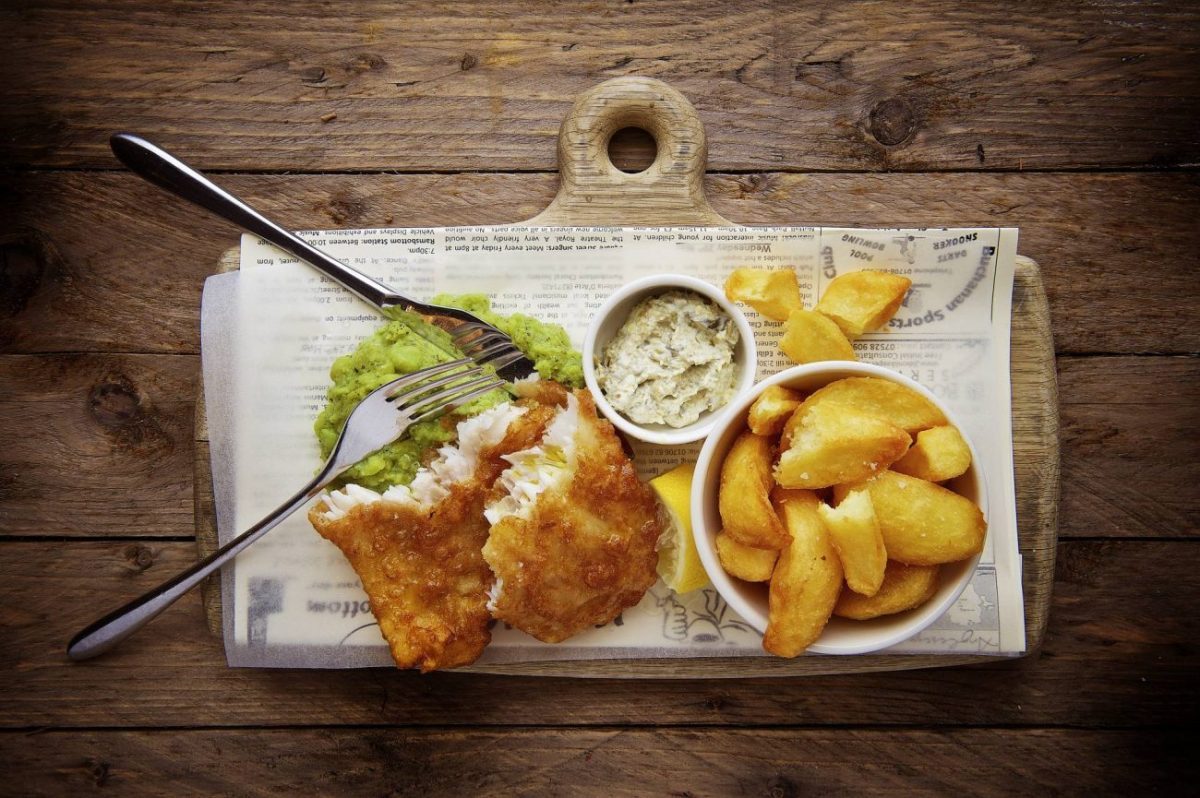
Britain’s Top Seaside Spots for Fish and Chips
Where to combine a proper portion of fish and chips with a day beside the sea.
Read more
Austria or Switzerland: Which Should You Visit?
A practical comparison to help you choose the right country for an Alpine holiday.
Read more
A Winter Guide to Germany’s Harz Mountains
Fairytale towns, wintry landscapes and the places worth including in your trip.
Read more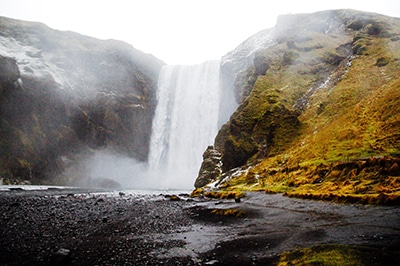
A Five-Day Winter Road Trip Around South Iceland
A compact itinerary covering dramatic scenery and memorable stops along Iceland’s south coast.
Read more
A Stylish Break at Hotel de La Tremoille in Paris
Our experience of this elegant Paris hotel and its location for a short city break.
Read more
What You Need to Know Before Climbing Snowdon
Essential preparation and practical advice drawn from our own winter climb.
Read moreTHE BEST GUIDE BOOKS FOR EUROPE
Planning a trip through Europe can be overwhelming because every country offers something different. Our travel guides share what we have learned first-hand, but a reliable guidebook is still useful for detailed maps, transport information and practical advice when you are on the move.
These are useful starting points whether you are planning a multi-country itinerary, a rail journey, a city break or a family holiday.