
Written by Katharina Mungall
Travel writer, photographer and architect
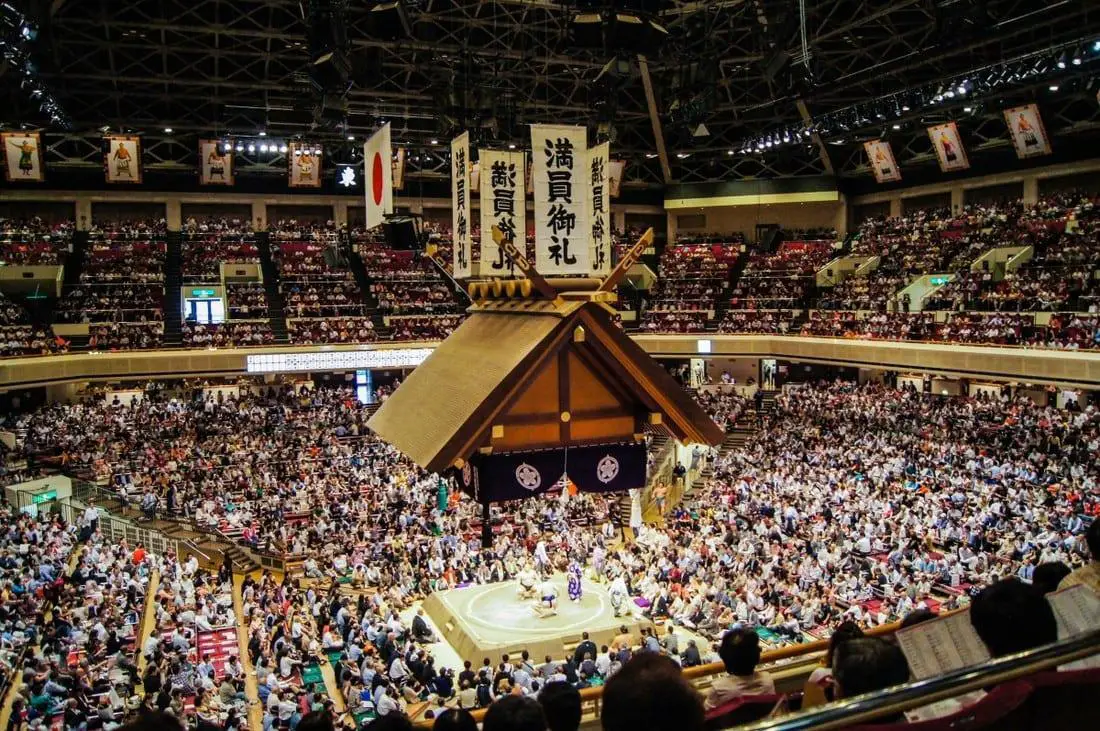
We visited the Edo-Tokyo Museum in September 2015, on a day when we’d already been up Tokyo Skytree, wandered round Sumida Aquarium and still had to get to the Kokugikan for the afternoon’s sumo. You can probably guess which part of the day got squeezed.
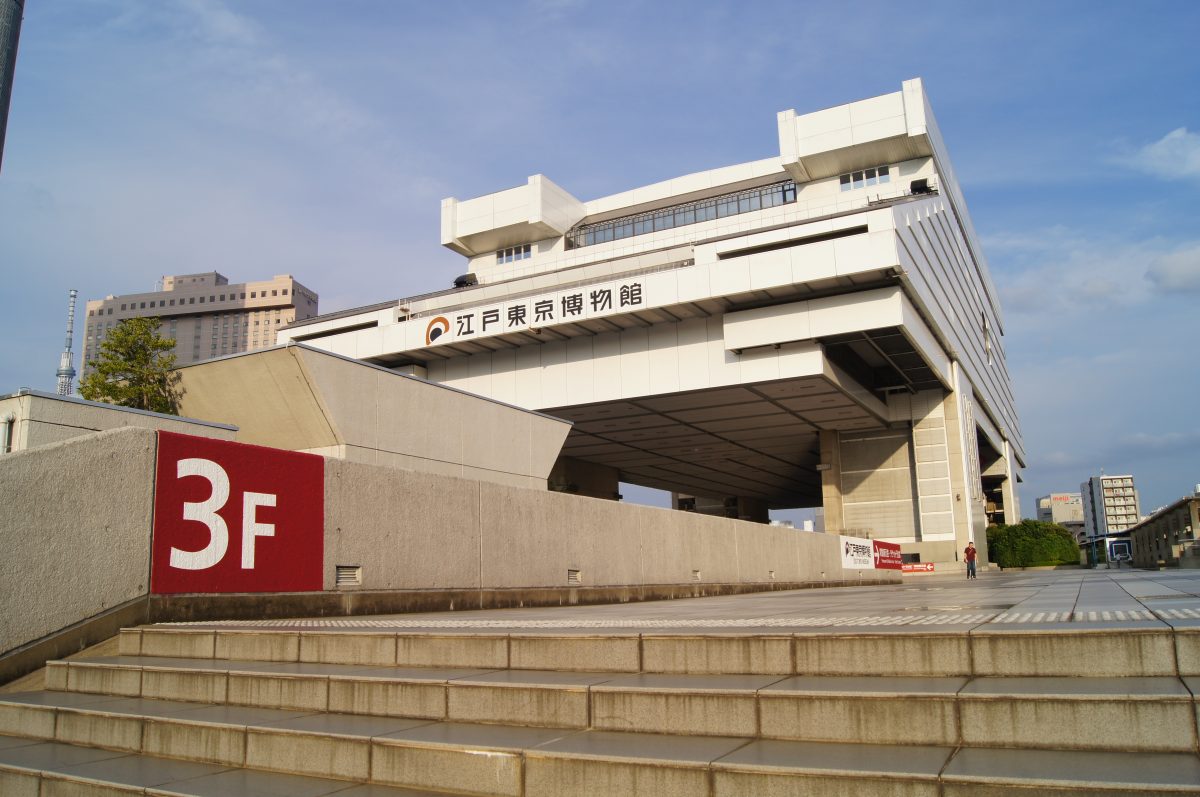
Since then the museum has closed for almost four years of renovation, reopening on 31 March 2026. We haven’t been back yet. So I’ve kept two things apart here: what you’ll find at the museum now, and what we remember of the old one.
Edo-Tokyo Museum status – checked 29 September 2026
Open again since 31 March 2026, after almost four years of renovation. We last visited in September 2015, before the renovation.
Special exhibition on now: Brothers in Arms, 15 September to 8 November 2026 (ticketed separately).
In brief
Is it worth visiting? Yes, if you’d like to understand how Edo became Tokyo. If history isn’t really your thing and your time in the city is short, I wouldn’t force it in.
- Allow: 2–3 hours for the permanent exhibition
- Adult admission: ¥800 (special exhibitions extra)
- Children: free up to and including junior high school
- Closed: Mondays (the following weekday if Monday is a national holiday) and over New Year
- Nearest station: Ryogoku, 1 minute from Toei Oedo Line exits A3/A4
What’s in the reopened museum
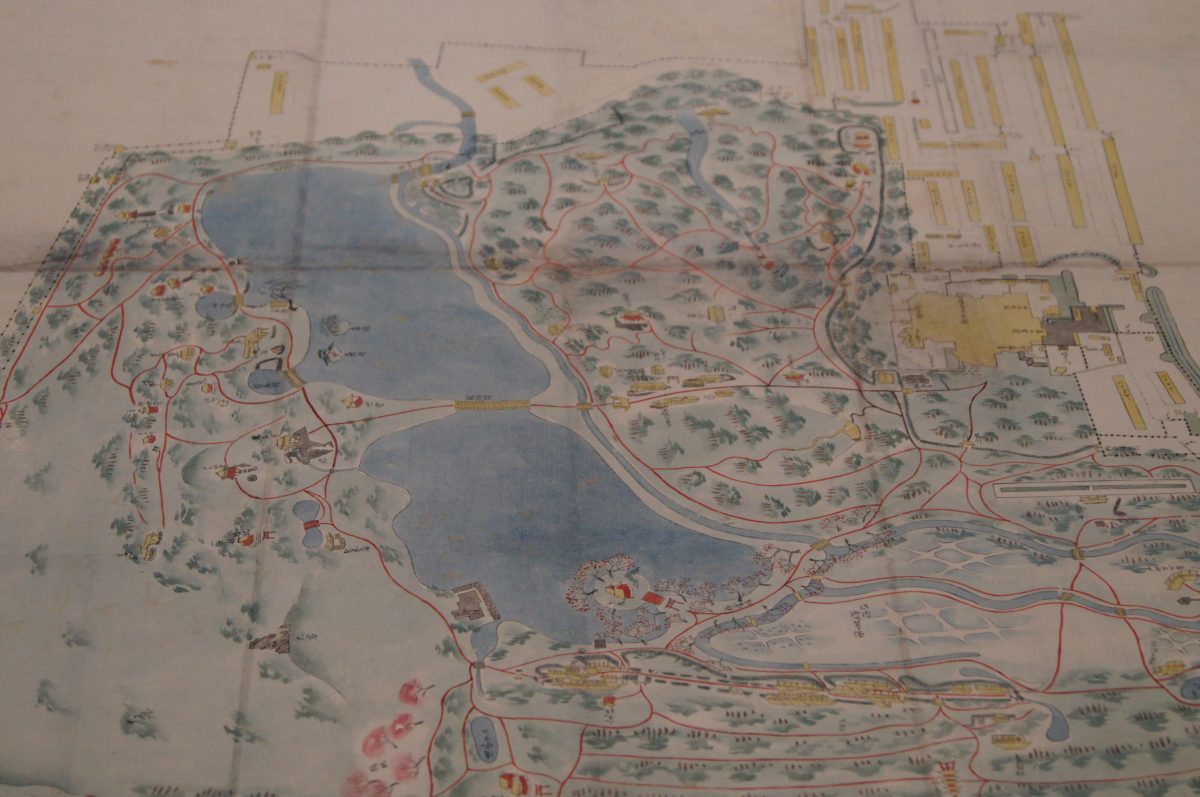
The permanent exhibition is big. It covers around 9,000 square metres across the fifth and sixth floors, split into an Edo Zone, a Tokyo Zone and a Feature Exhibition Gallery, and it follows the city from the Edo period right through to the present day.
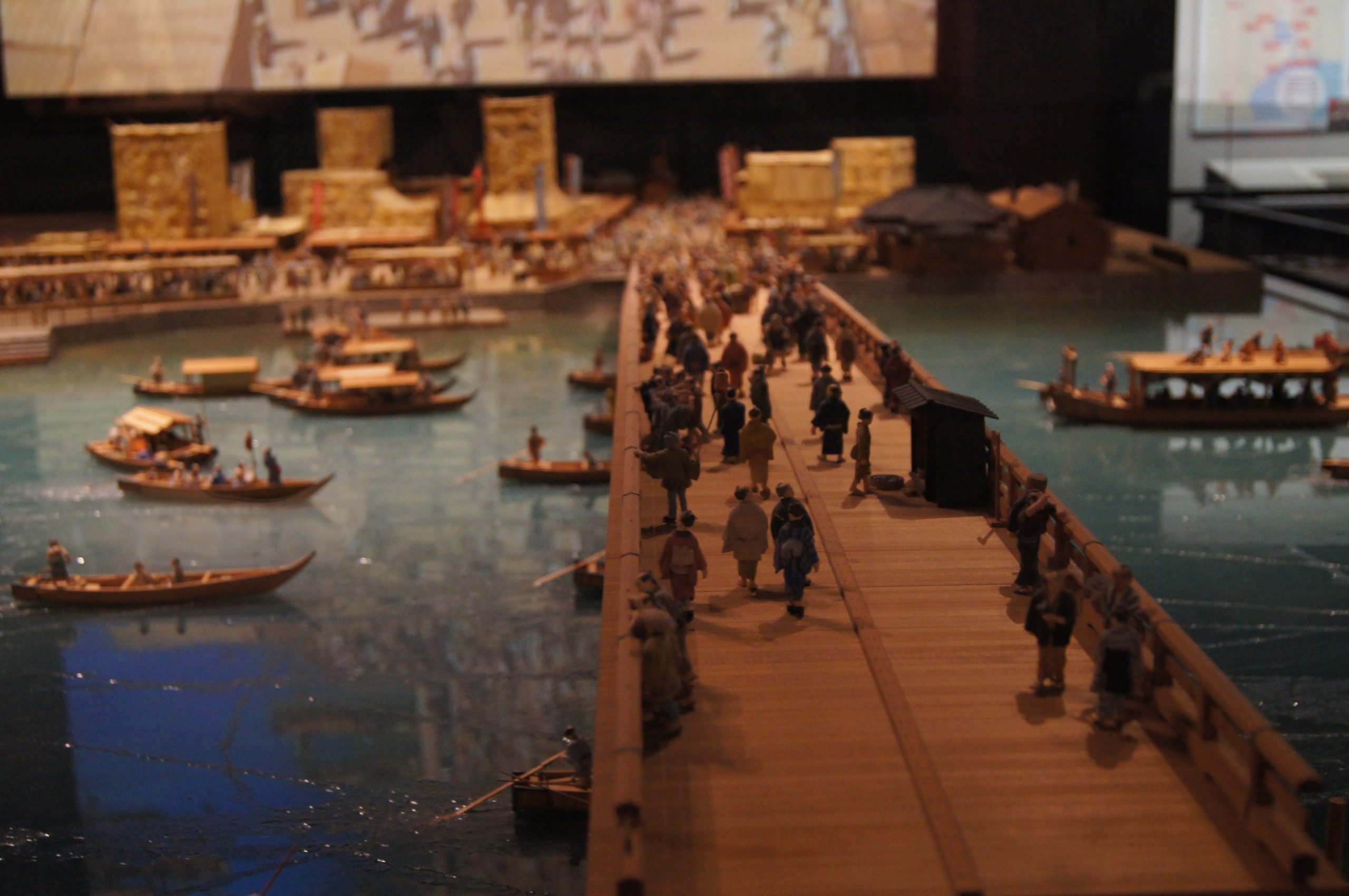
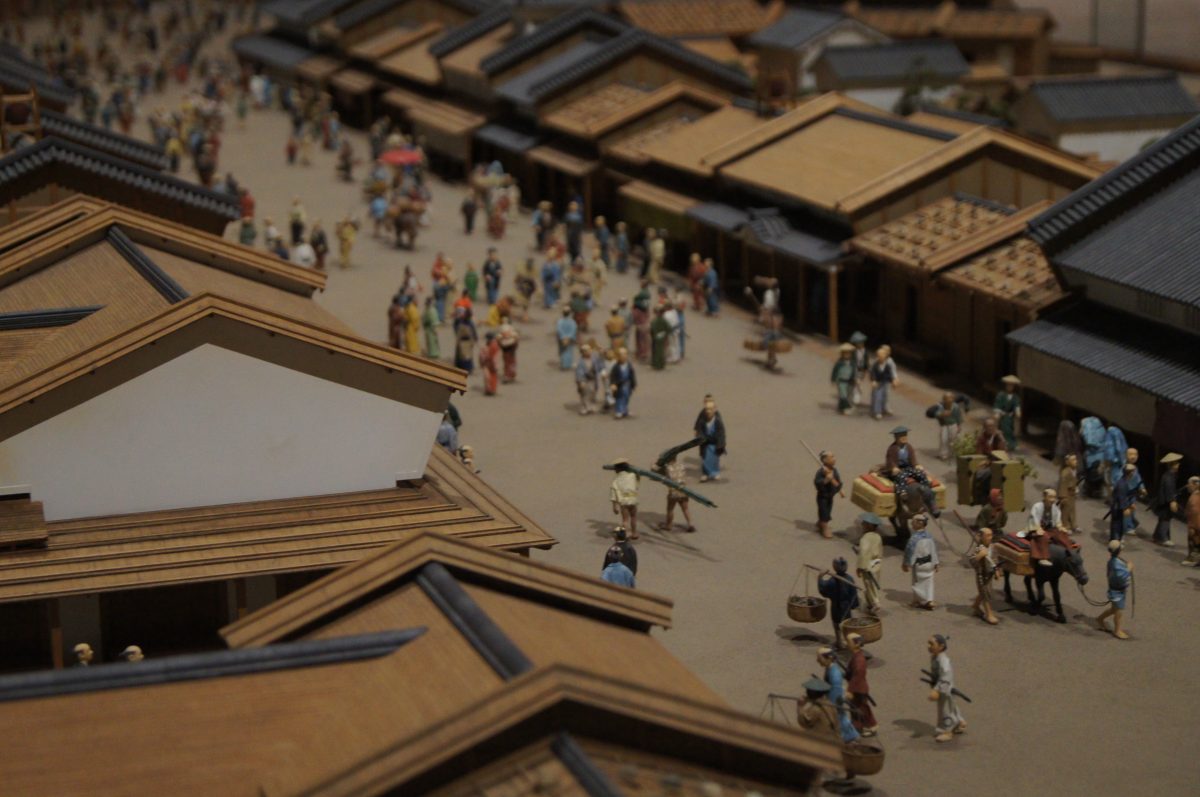
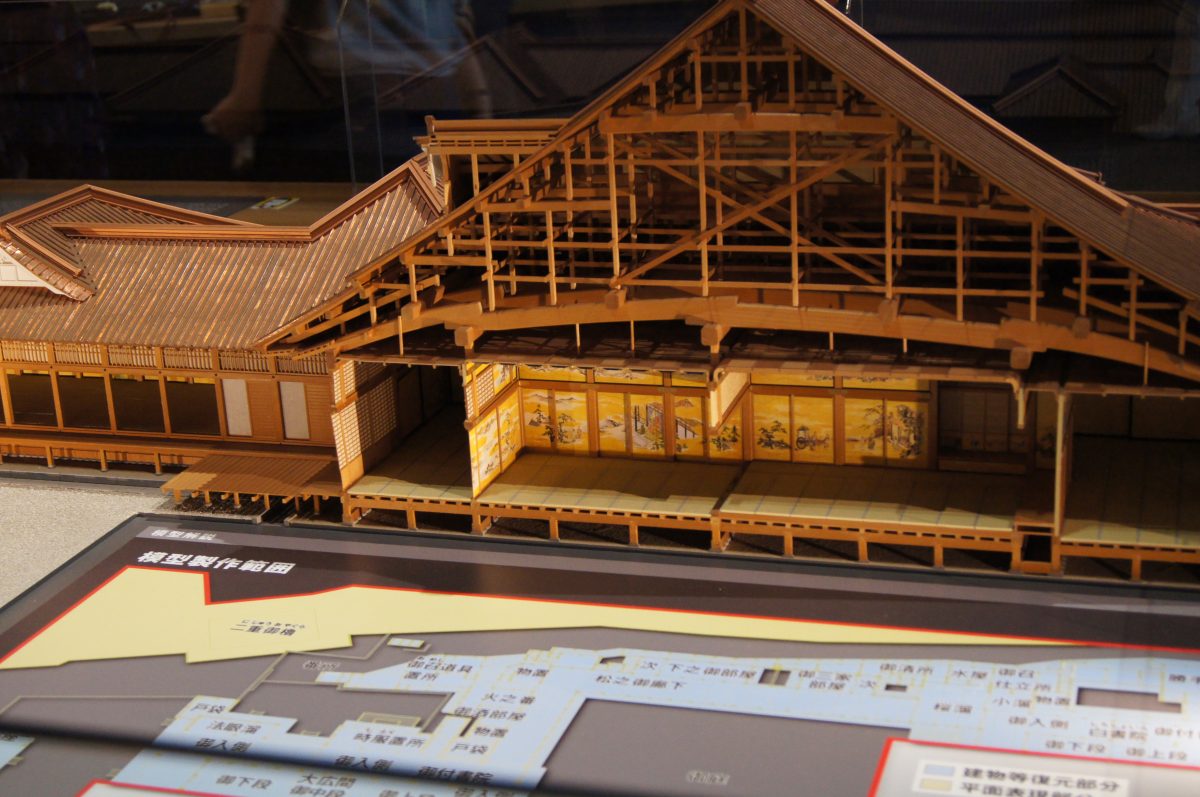
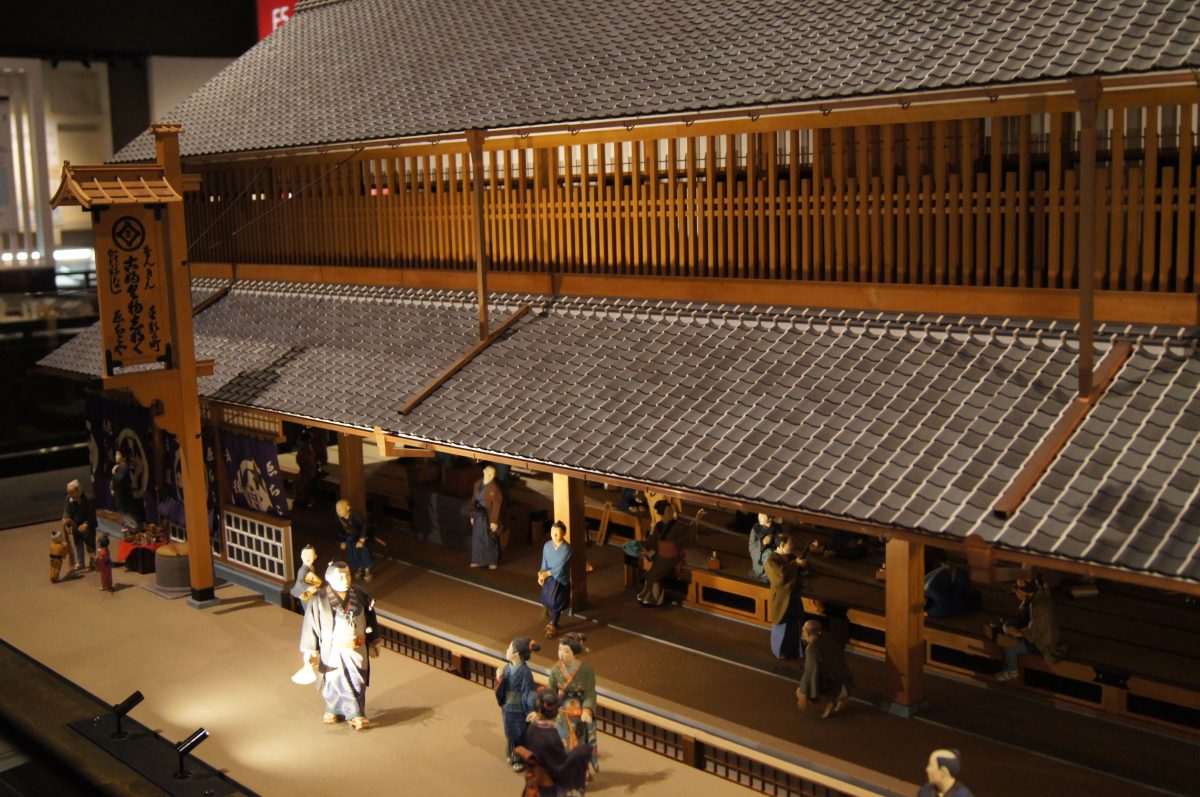
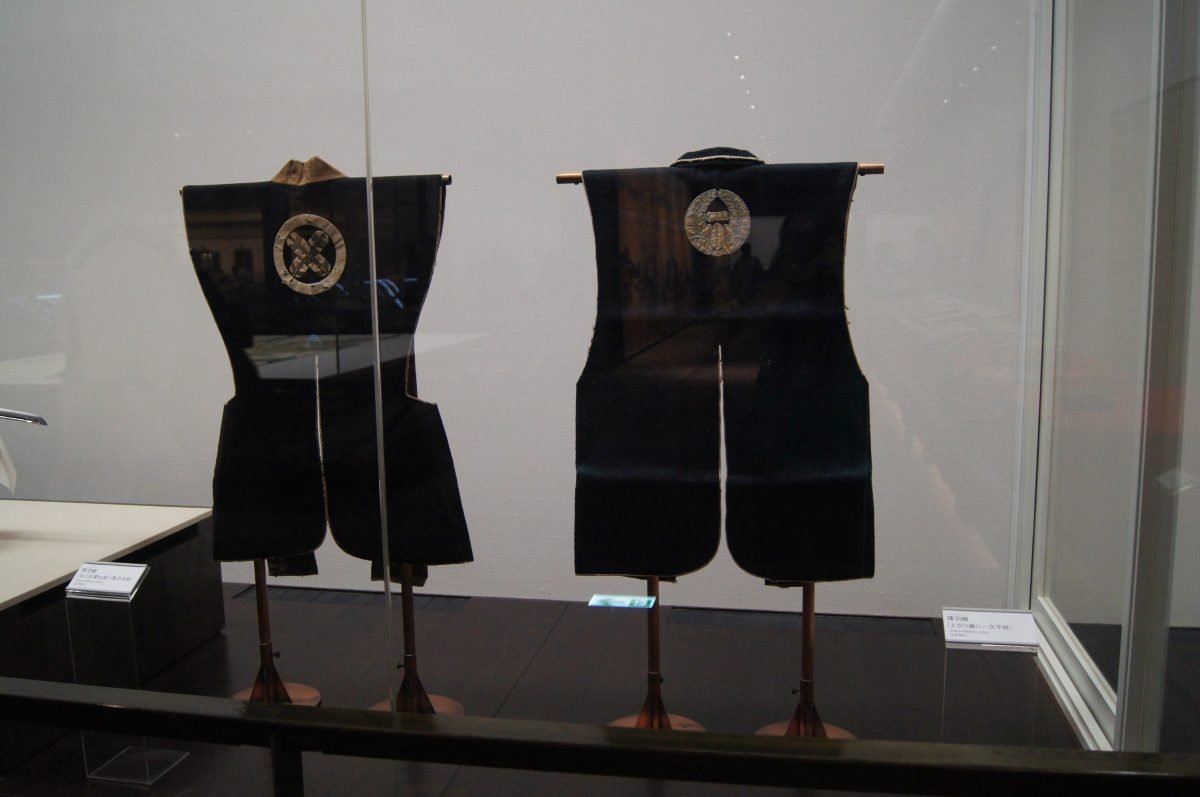
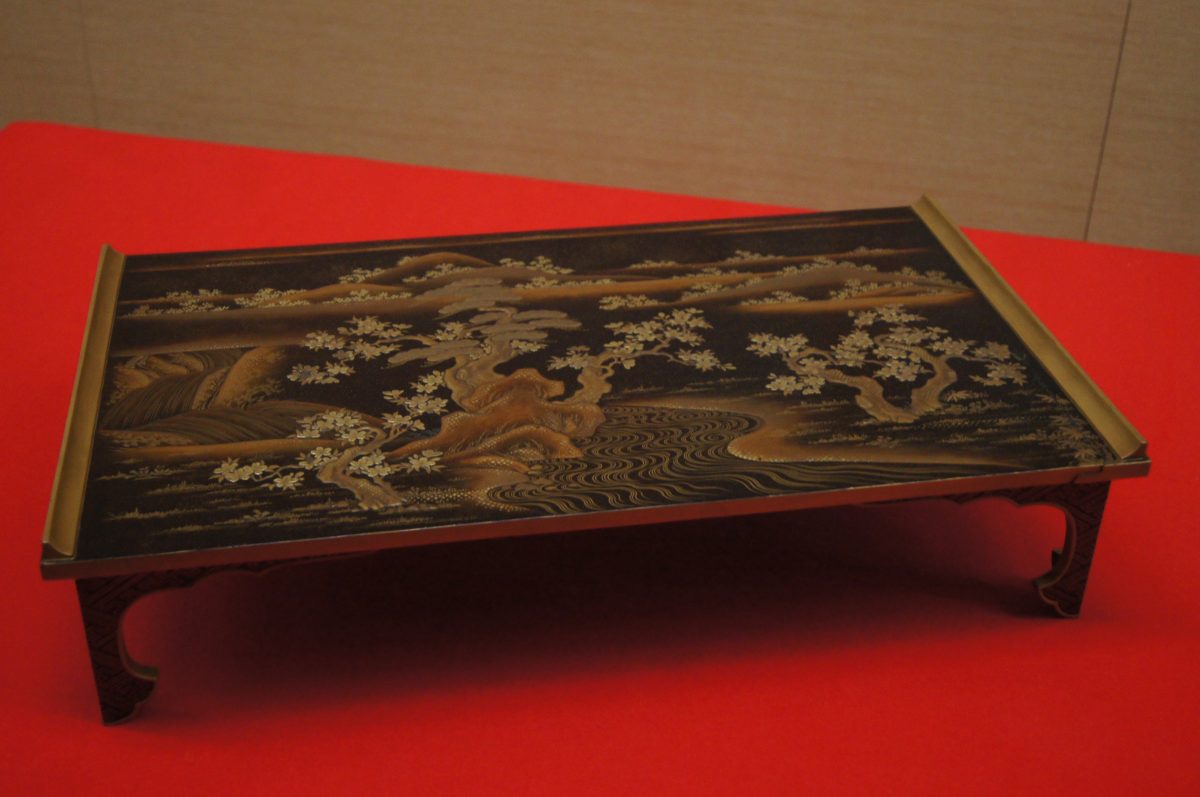
This isn’t a museum of small things in glass cases. Most of the story is told through full-scale reconstructions, detailed models of streets and buildings, and the everyday objects people actually used. It’s at its best if you like seeing how a city worked (who lived where, what the streets looked like, how it all changed over the centuries). Fine art fans will get less out of it.
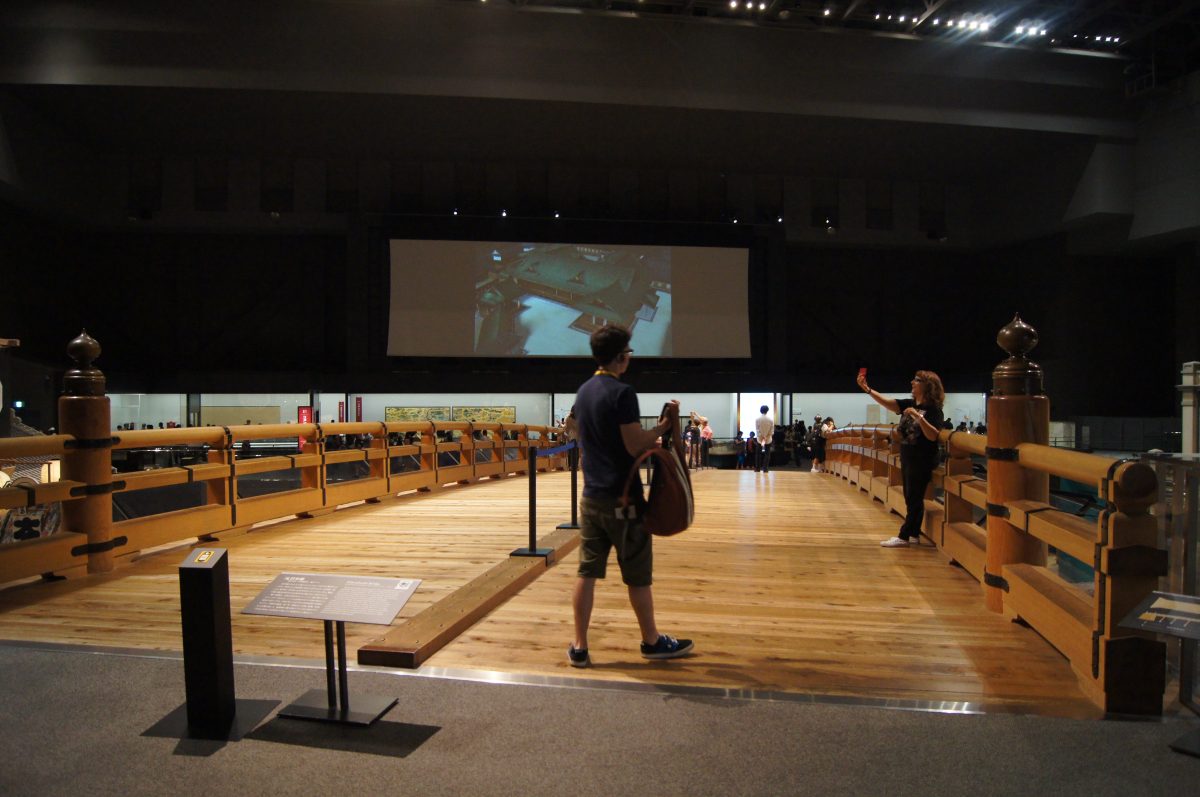
The permanent exhibition still opens with a life-size section of Nihonbashi Bridge, which you cross to get into the Edo Zone. Further in, the museum’s own permanent exhibition guide lists the full-scale front of the Nakamura-za kabuki theatre and a reconstruction of the Hattori watch shop in Meiji-era Ginza.
As for what the renovation changed, the spatial design inside and out was led by the architect Shohei Shigematsu, and large screens now recreate the skies of Edo and modern Tokyo above parts of the galleries. The audio guide has moved onto your own phone, with 13 languages including English.
What we remember from 2015 (and what’s changed since)
Our visit was to the old, pre-renovation museum.
What stuck with me was how much of Tokyo’s history it explained through models, life-size figures and vehicles. At the time I described the models as beautifully crafted, and the museum as a wonderful introduction to the culture and life of Tokyo.
The problem was the timing. We’d already done Skytree and the aquarium, we wanted to be inside the Kokugikan for the top-division bouts late in the afternoon, and the museum got whatever time was left in between. We saw the permanent exhibition, but in a hurry.
Our memories are more use as a guide to the kind of museum this is, and how big it is, than to what’s in the galleries today. A few things have definitely changed:
- Admission: ¥600 for the permanent exhibition in 2015; ¥800 for adults now
- English help: volunteer English guides for part of the day when we went; now a smartphone audio guide in 13 languages
- The building: closed for renovation from 2022 until March 2026
How long to allow and when to go
I’d give the permanent exhibition two to three hours if Tokyo’s history interests you. That’s my planning allowance rather than an official one, based on the size of the place and on getting it wrong ourselves.
Don’t do what we did and fit it in just before something you can’t move. The top-division sumo bouts are not going to wait while you’re halfway through 400 years of Tokyo history.
Our tip after the 2015 trip was to go early in your time in Tokyo, and I’d still say that. Knowing a bit about how Edo grew into Tokyo gives you context for plenty of what you’ll see later in the city.
The museum is open from 9:30am to 5:30pm, with last entry half an hour before closing. On Saturdays it stays open until 7:30pm, which is handy on a packed trip. It’s closed on Mondays, or on the following weekday when Monday is a national holiday. The museum’s hours page and calendar have the current details.
Tickets, opening hours and getting there
The permanent exhibition is good value, and children get in free up to junior high school age.
| Practical detail | Current information (checked 29 September 2026) |
|---|---|
| Opening hours | 9:30am–5:30pm |
| Saturday hours | 9:30am–7:30pm |
| Last admission | 30 minutes before closing |
| Closed | Mondays; the following weekday when Monday is a national holiday; year-end and New Year holidays |
| Adult | ¥800 |
| Age 65+ | ¥400 |
| University/vocational student | ¥480 |
| High school student | ¥300 |
| Junior high school and younger | Free |
| Where to buy | Online through Webket, or at the 1F ticket counter on the day |
| Special exhibitions | Ticketed separately |
| Audio guide | On your own smartphone, 13 languages including English |
| JR Ryogoku Station | About 3 minutes from the West Exit; about 7 minutes from the East Exit |
| Toei Oedo Line Ryogoku Station | About 1 minute from exits A3/A4 |
You can book a date-specific ticket online through the museum’s Webket page. Tickets can’t be refunded or moved to another date, though, so I’d only book once your plans are fixed. Otherwise just buy one at the first-floor counter when you arrive. Students and over-65s need ID for the reduced price. The official tickets and admission page has the full list of discounts, and the access page has directions from both stations.
Special exhibitions need their own ticket and are more likely to be busy, so check what’s on for your date before you go.
What else is nearby in Ryogoku
The museum sits right beside Ryogoku Kokugikan, Tokyo’s main sumo arena, which hosts tournaments in January, May and September. There’s a small Sumo Museum inside the Kokugikan, and the Sumida Hokusai Museum is nearby (keep your Hokusai ticket stub, as it currently gets you a discount here).
For most people, I’d make the museum the main event in Ryogoku and add one other thing around it, rather than the four big things we tried to fit in.
Sumo tickets change the order of the day, so if you have them, read our Skytree and Ryogoku day plan and our guide to seeing sumo at the Kokugikan first.
Is the Edo-Tokyo Museum worth visiting?
Yes, as long as you have some interest in how Tokyo became the city it is now.
In 2015 I called the old museum a wonderful introduction to Tokyo, and our mistake was giving it too little time, not too much. The reopened museum is still built around the same idea – the city’s story told through reconstructions, models and everyday objects – so I’d give it a proper two-to-three-hour slot, ideally early in your trip.
It’s an easy yes with children too, since they get in free up to junior high school age, and life-size streets and buildings tend to hold a child’s attention better than rooms of text panels. We visited as a couple, though, and haven’t taken our two yet.
If museums aren’t your thing and you’ve only got a few days, don’t feel you have to go just because it turns up on every list. Tokyo has plenty else to fill the time.
We’ll update this once we’ve seen the new galleries for ourselves.
If you’ve been since it reopened, what did you make of the new galleries? Tell us in the comments.