We landed in Tokyo early on our first trip to Japan and reached our hotel near Hanzomon five hours later, after lost luggage and a fairly stressful journey into the city. We were exhausted and badly jet-lagged. But the Imperial Palace East Gardens, Marunouchi, Ginza and Yurakucho still worked as a first afternoon because they join into one clear walking route.
We visited in September 2015. The personal experience in this guide comes from that trip; current practical details were checked against official information on 26 September 2026.

Written by Katharina Mungall
Travel writer, photographer and architect
The route: start at Otemachi or Tokyo Station, choose the East Gardens or the shorter outer-palace walk, cross Marunouchi, browse Ginza and finish beneath the railway arches at Yurakucho. Allow four to six hours, or use the shortened version after a flight.
Central Tokyo route at a glance
| Time | Stop | What to decide |
|---|---|---|
| 9:00 | Imperial Palace area | East Gardens or outer grounds |
| 11:30 | Marunouchi | Tokyo Station, architecture or lunch |
| 14:00 | Ginza | Shopping, galleries or a short browse |
| 17:00 | Yurakucho | Dinner beneath the tracks |
This is a framework rather than a stopwatch. We did a compressed afternoon version on our arrival day; a morning start gives the gardens and Tokyo Station more room.
9:00: choose the right part of the Imperial Palace
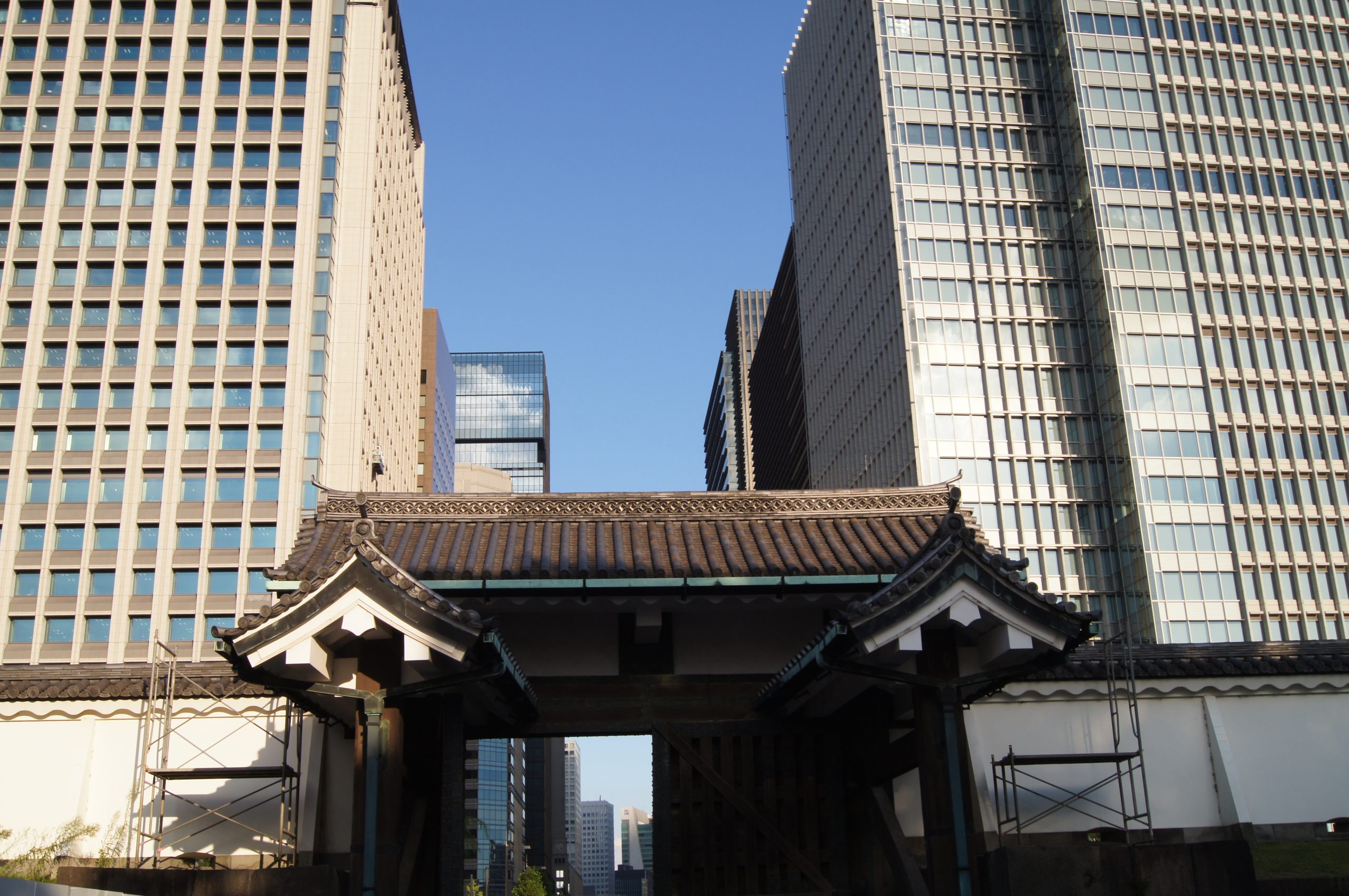
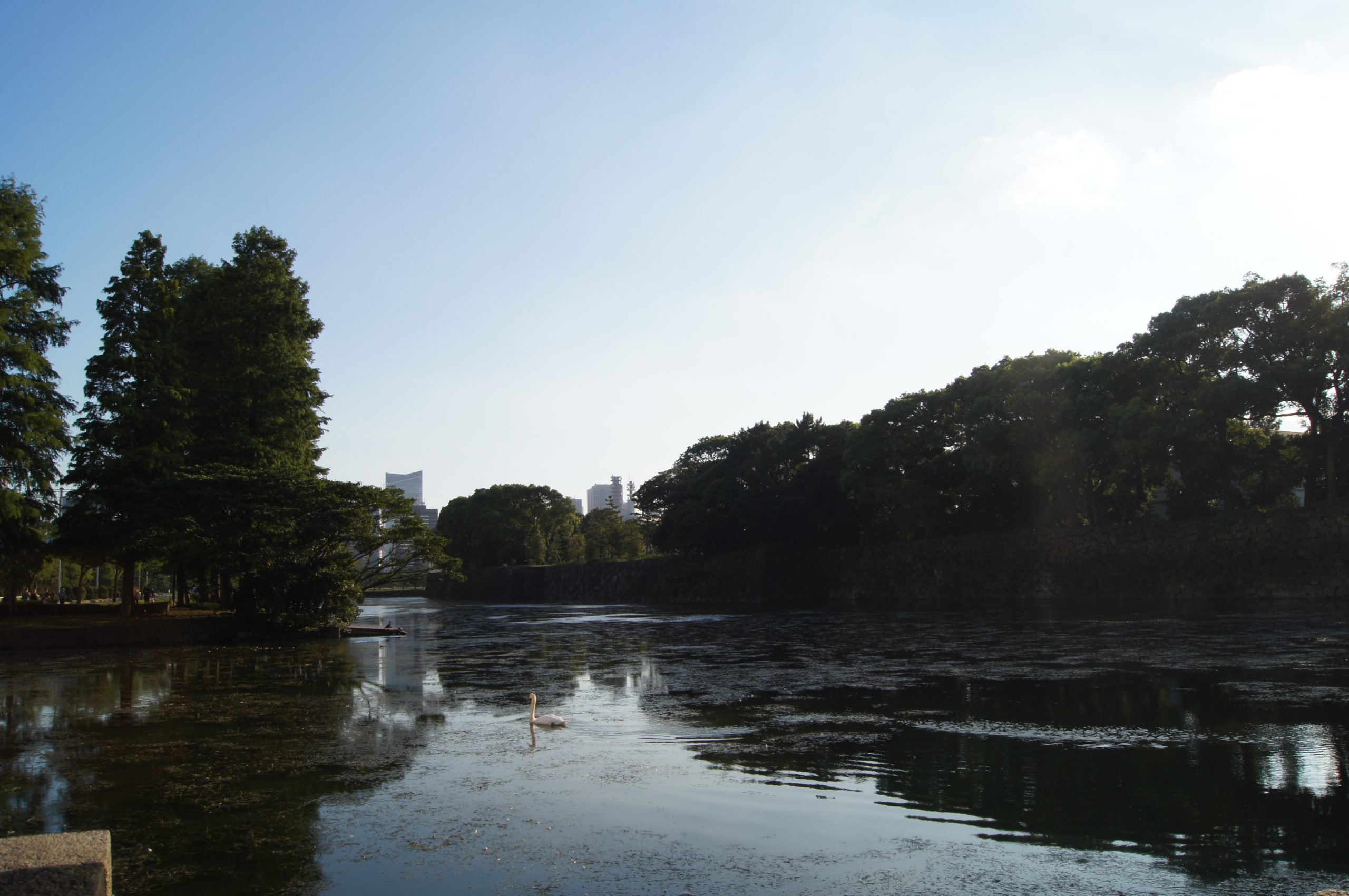
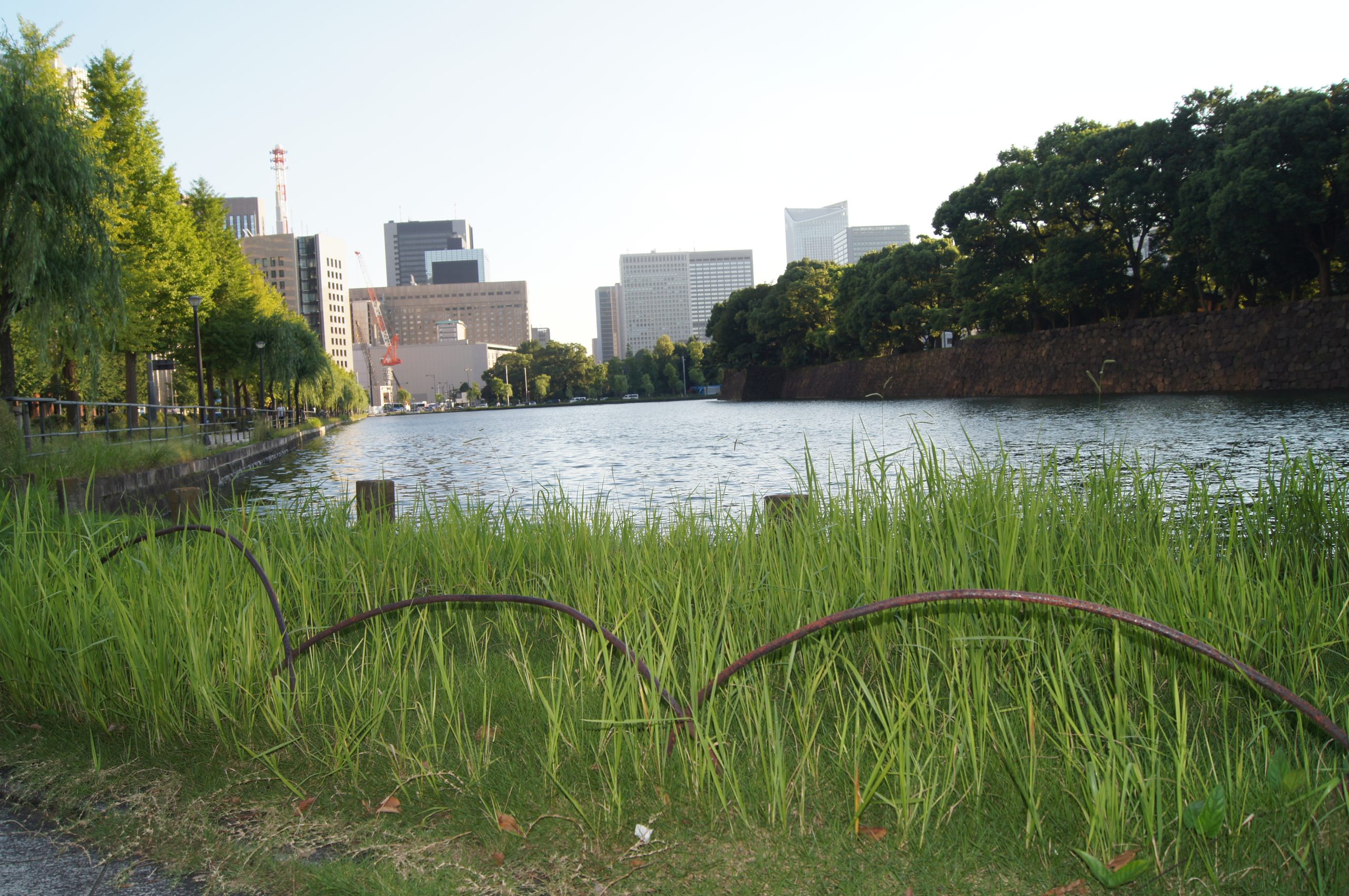
“Imperial Palace Gardens” is an unhelpfully loose phrase. The East Gardens occupy part of the former Edo Castle grounds. The broad plaza, moats and Nijubashi view are in the outer grounds. The palace itself is not an attraction you can wander into from the bridge.
| Choose | Best for | Useful stations |
|---|---|---|
| East Gardens | Castle remains, gardens and a longer historical stop | Otemachi or Takebashi |
| Outer grounds and Nijubashi | The classic palace view and a shorter walk | Nijubashimae, Hibiya or Tokyo |
| Both | A slower, mainly outdoor morning | Begin near Otemachi |
Choose the East Gardens when they are open and you want the most substantial visit. We collected the free admission token used at the time, walked among the moat and stone remains and stopped for an ice cream because September was still hot. The entry process has changed since our trip, so check the Imperial Household Agency’s current calendar and visitor information.
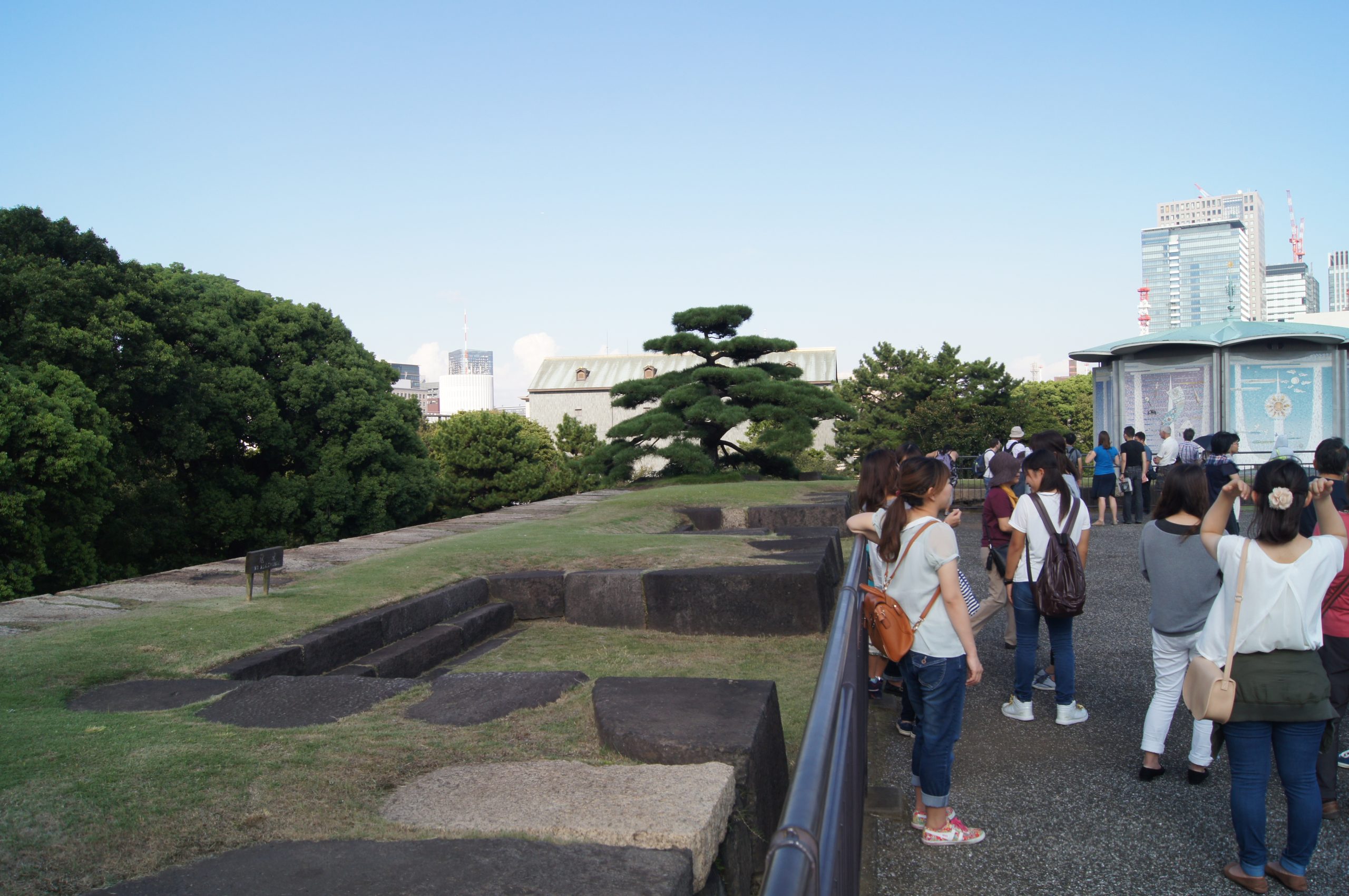
If the gardens are closed, you arrive late or you want to conserve your energy, use the outer grounds instead. The plaza and Nijubashi viewpoint still give you the scale of the palace setting without turning the morning into a long garden visit. The Kokyo Gaien National Garden site covers the outer area.
11:30: walk through Marunouchi to Tokyo Station
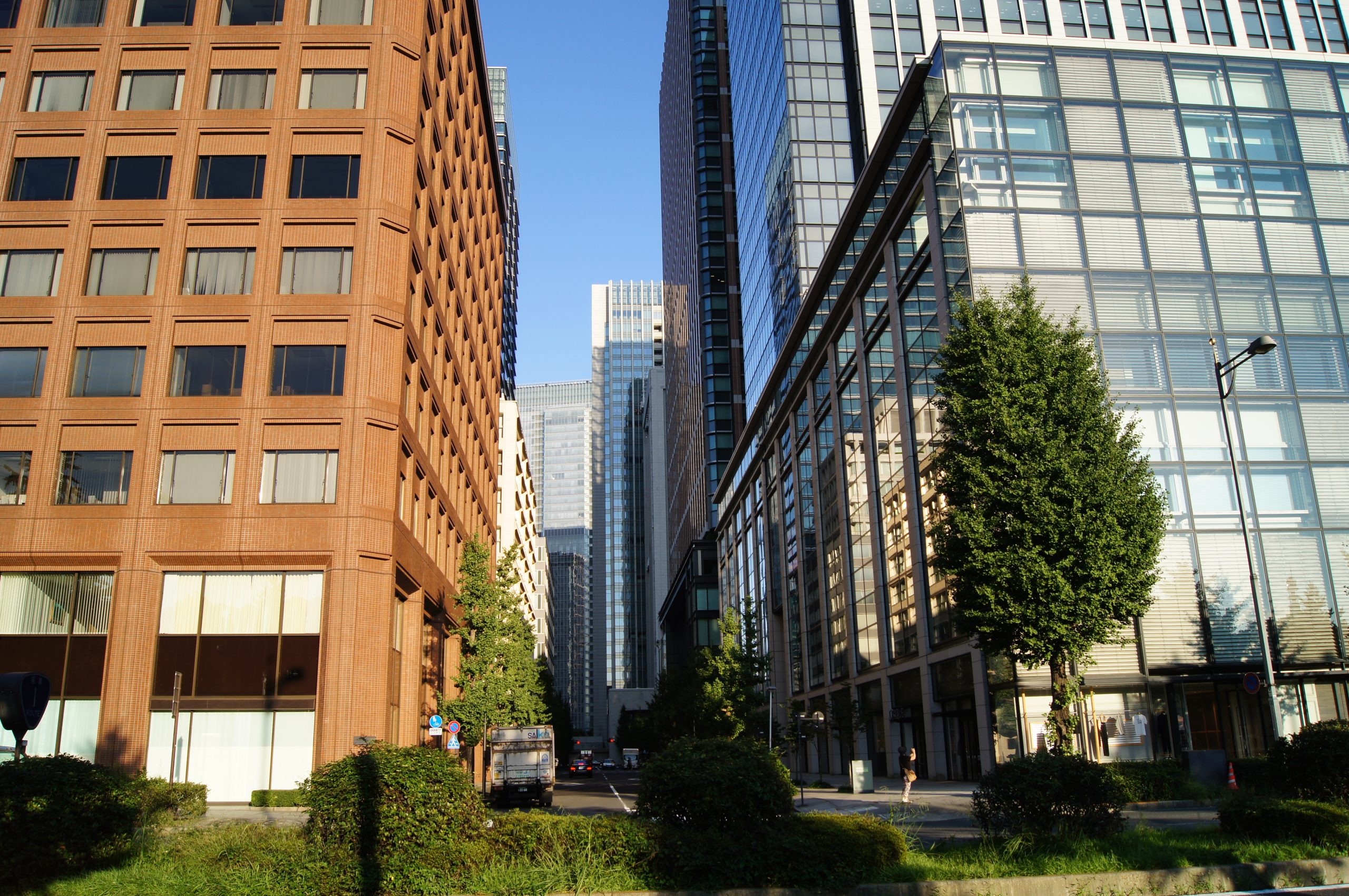
From the palace side, Marunouchi forms the natural bridge to Tokyo Station. It is one of Japan’s major business districts, but the lower levels of its towers contain shops and restaurants, and the red-brick Marunouchi side of Tokyo Station gives the walk a proper destination.
We used Marunouchi as a transition rather than a separate attraction. That still works if you have only a few hours. If you have a full day, allow time to look inside Tokyo Station, choose lunch nearby or visit one of the area’s galleries before continuing south.
Do not take a train for every short join. Depending on your exact garden exit, walking towards Tokyo Station and then continuing to Ginza is clearer than disappearing underground twice.
Where to stop for lunch
Tokyo Station and Marunouchi give you more practical lunch choices than the palace grounds. Station restaurants and department-store food halls are useful when you want range without committing to a specific restaurant. Ginza is the better choice if lunch itself is one of the day’s priorities.
On our arrival day we were still working through the snacks we had picked up at 7-Eleven, including a spicy curry roll. We saved the proper meal for Yurakucho that evening, which suited our body clocks better than forcing lunch at a normal hour.
14:00: let Ginza be a browse
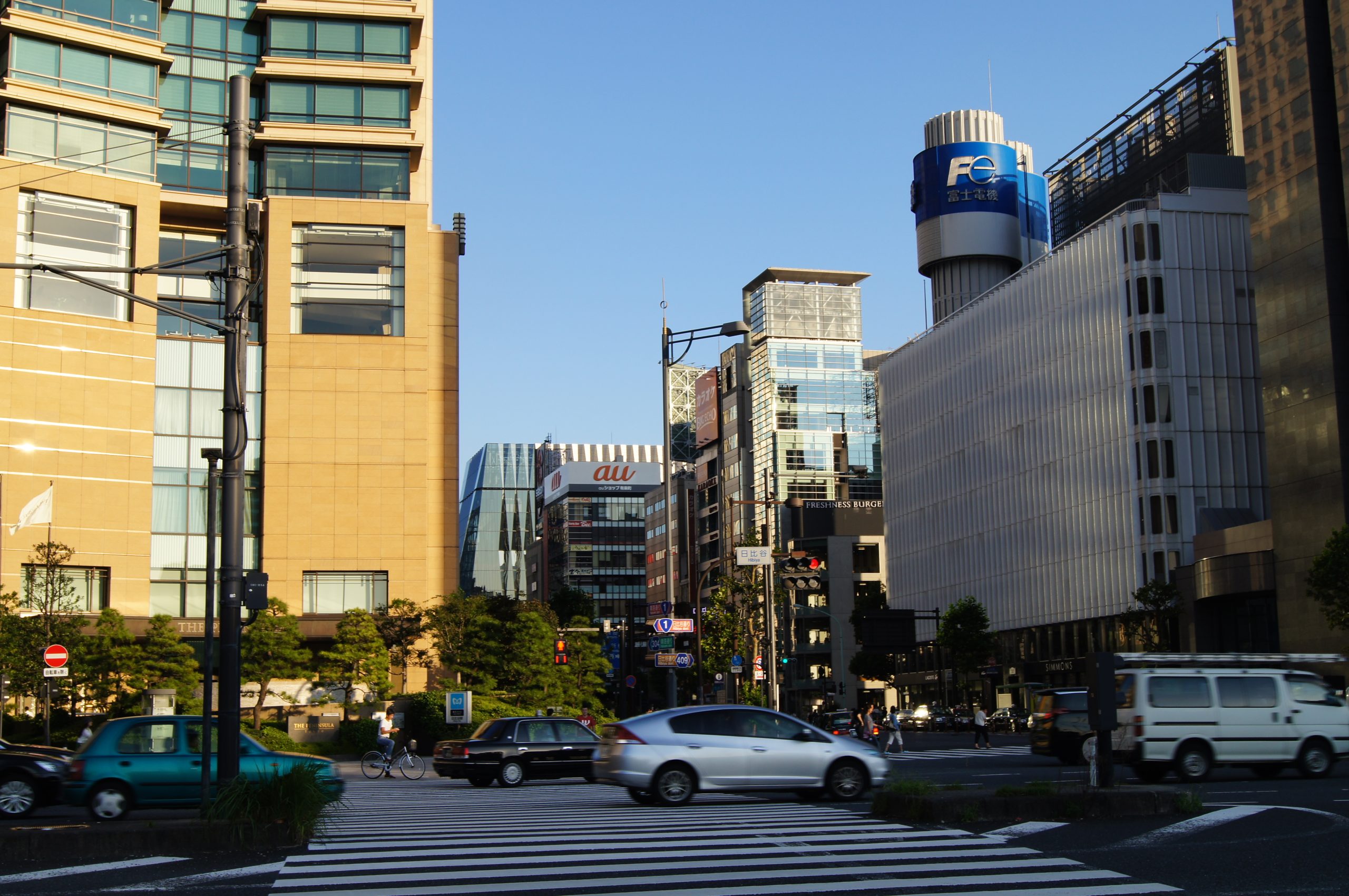
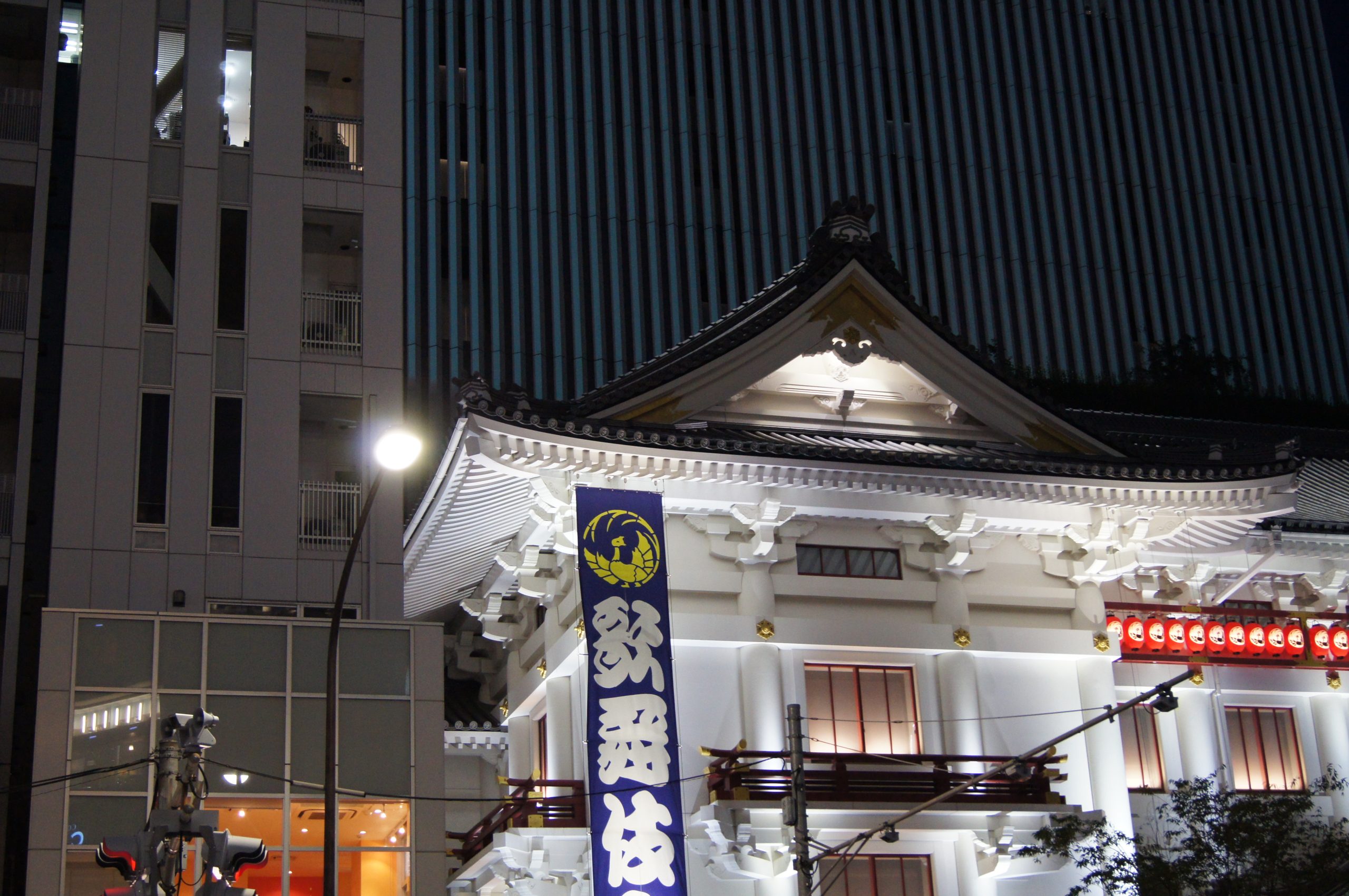
Ginza is Tokyo’s best-known upmarket shopping district, with department stores, flagship shops, galleries and the Kabukiza theatre. We walked through it because it joined our route, not because we had suddenly become the sort of people who buy luxury handbags while jet-lagged.
That is still the sensible approach unless shopping is a major reason for your trip. Choose one or two things that genuinely interest you: the architecture along Chuo-dori, a department-store basement, stationery, a gallery, Kabukiza or simply coffee and people-watching.
We noticed some eye-watering coffee prices and tried a kiwi-flavoured sweet that did not taste particularly like kiwi. The details will have changed, but the contrast between Ginza’s polish and the much more relaxed meal beneath the tracks at Yurakucho is exactly why the route works.
Chuo-dori is pedestrianised at set weekend and holiday times, subject to current arrangements and weather. Check the current schedule rather than building the whole day around an old timetable.
17:00: finish beneath the tracks at Yurakucho
Yurakucho is only a short walk from Ginza, but the atmosphere changes quickly around the railway arches. Small restaurants and bars sit beneath and beside the elevated tracks between Yurakucho and Tokyo stations.
This was where our first Tokyo day finally became dinner. I had thick udon noodles, which were brilliant after the flight, and Gary had katsu with rice and a curry sauce I described at the time as gorgeous. The passing trains and brick arches made the area feel far less formal than Ginza.
I would not send you to the exact restaurant a decade later without rechecking it. Instead, walk the arches, look at the menus and choose somewhere that suits the queue and your energy. Go earlier if you want an easier choice; stay later if you want more of the after-work atmosphere.
The shortened arrival-day version
If you reach central Tokyo after lunch, check the East Gardens closing time first. We managed the gardens, Marunouchi, Ginza and Yurakucho despite arriving tired, but the gardens are the part most likely to be defeated by the clock.
- Use the outer palace grounds if the East Gardens are closed or time is tight.
- Walk through Marunouchi and pause at Tokyo Station.
- Keep Ginza to one purposeful stop.
- Finish with dinner at Yurakucho and take the train back from there.
The easy cut is an extended Ginza browse. The mistake would be racing through the gardens simply to preserve several hours of shopping you did not particularly want.
Rain, accessibility and walking
This is primarily a walking route. The palace grounds are exposed, while Marunouchi, Tokyo Station and Ginza provide plenty of indoor fallbacks. In heavy rain, shorten the palace section and spend more time around the station and department stores.
Tokyo Station and the surrounding subway stations are large. If you need a step-free route, use the lift and accessible-exit information in your live route planner rather than choosing the geographically closest exit. The East Gardens include outdoor paths and uneven historic surfaces, so allow more time than the map alone suggests.
Where this route fits
Central Tokyo works particularly well as an arrival day or first full day if you are staying near Tokyo Station, Hanzomon, Ginza or Shiba Park. Our Tokyo transport guide explains the operators and tickets. Our Tokyo hotel guide compares the six hotels we actually used across three trips.
For the rest of the city, use the neighbourhood blocks in our five-day Tokyo itinerary. The companion West Tokyo route combines Shibuya, Harajuku, Meiji Jingu and Shinjuku.
Central Tokyo questions
How long does this route take?
Allow four to six hours, depending on whether you enter the East Gardens and how long you spend shopping or eating.
Can you walk from Tokyo Station to Ginza?
Yes. It is a practical central-city walk, with Yurakucho between the two areas. The exact time depends on where you begin inside the station complex.
Is it suitable after a flight?
Yes, if you keep an eye on garden closing times and are willing to shorten Ginza. Every stage has a nearby station if jet lag wins.
Central Tokyo is not the loudest part of the city. What it gives you is a manageable first route: moats and stone walls, Tokyo Station, a polished Ginza wander and dinner beside the railway.
Would you use central Tokyo as an arrival-day plan, or save it for a full day? Let us know in the comments below.