Ryukyu Mura was one of those places we very nearly ruined for ourselves by trying to be far too efficient.
We visited during our Okinawa honeymoon as part of an extremely ambitious one-day road trip around Okinawa’s main island. By the time we arrived, we had already been to Churaumi Aquarium, eaten lunch overlooking the sea at Pizza in the Sky and stopped at Cape Manzamo. Unsurprisingly, the clock had continued moving while we were doing all of that.
Ryukyu Mura was still fascinating. The traditional houses, craft demonstrations and glimpse into historic Okinawan life were exactly the sort of things Gary and I enjoy. But many of the scheduled performances had already finished, and we were painfully aware that another castle and American Village were still waiting for us. In hindsight, we gave the attraction the leftover portion of our afternoon when it deserved a proper half-day.
Our Ryukyu Mura review at a glance
What it is: An open-air cultural village exploring traditional Okinawan life
Where: Onna, on Okinawa’s main island
How we visited: By hire car during our main-island road trip
How long I would allow: At least half a day if you want to see performances and try an activity
Our verdict: Worth visiting for Okinawan history and culture, but not as a rushed final stop
Is Ryukyu Mura worth visiting?
Yes—particularly if you are interested in traditional architecture, history or crafts. It is also a useful counterpoint to Okinawa’s beaches and aquariums. Okinawa does not feel quite like mainland Japan, and Ryukyu Mura helps explain why.
However, whether it feels worth the entrance fee will depend heavily on when you arrive and what is running that day. If you walk in late, miss the performances and hurry through the houses, you are paying for an experience you have not really allowed yourself to have. We know this because that is almost exactly what we did.
I would not squeeze it into an already overcrowded itinerary simply because it lies conveniently along your route. Either make time for it or save it for another trip. Cultural attractions are rarely improved by marching through them while repeatedly checking the time.
What is Ryukyu Mura?
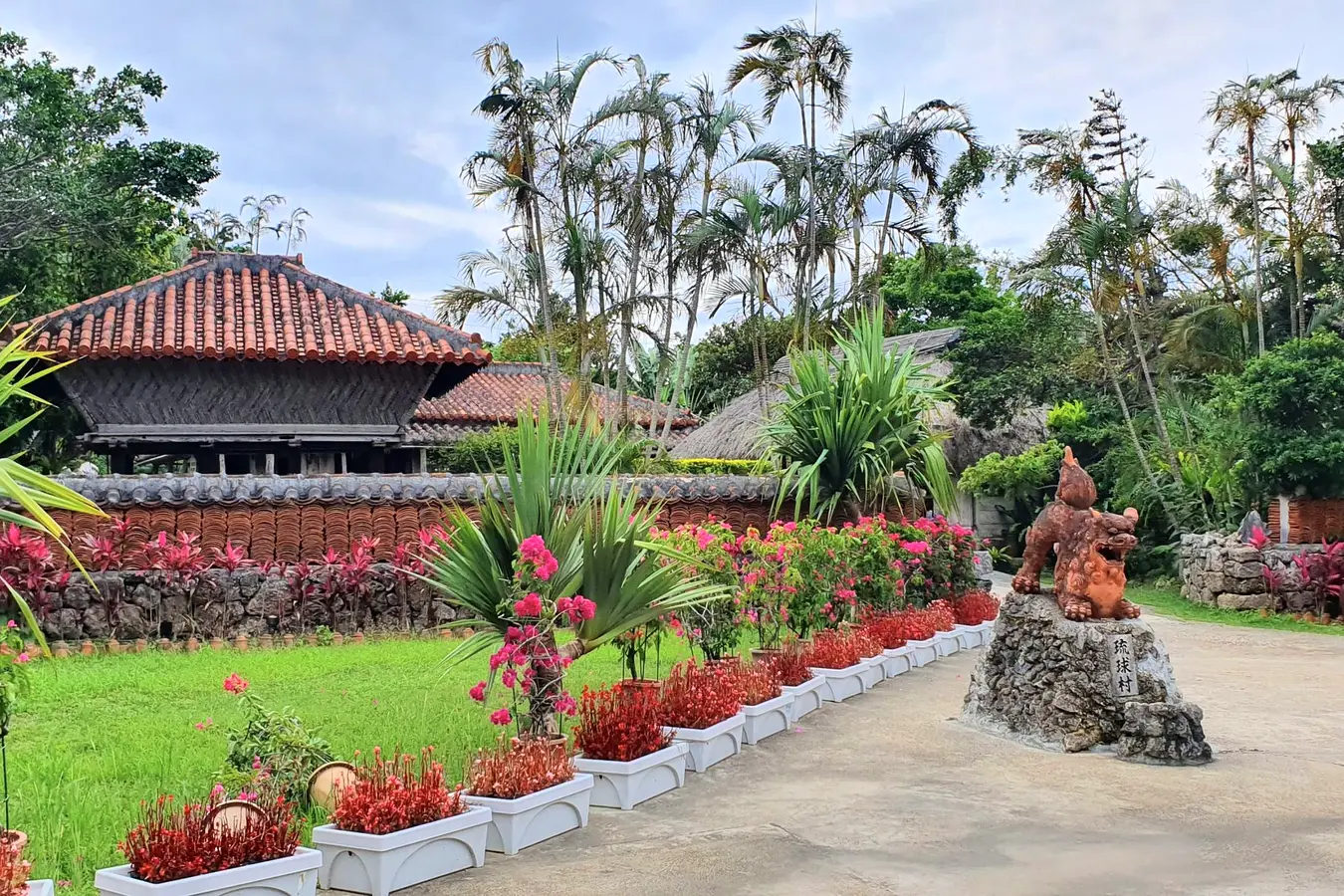
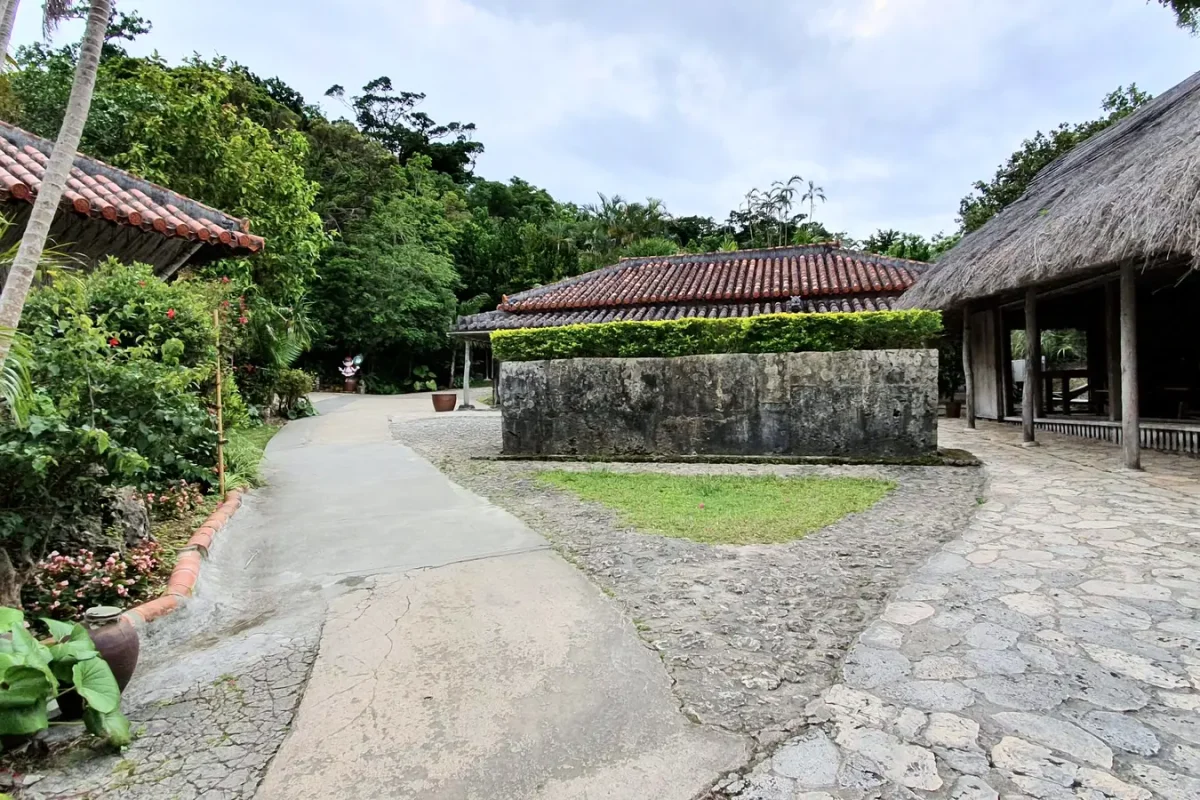
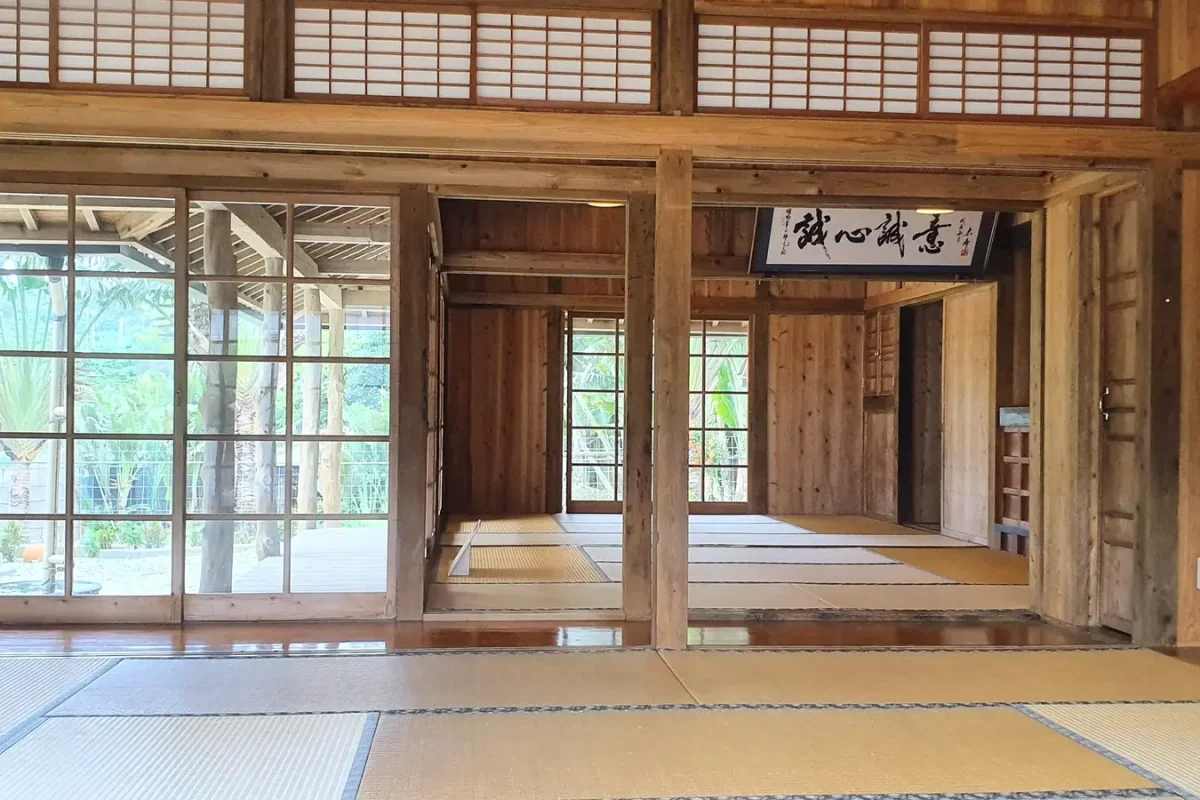
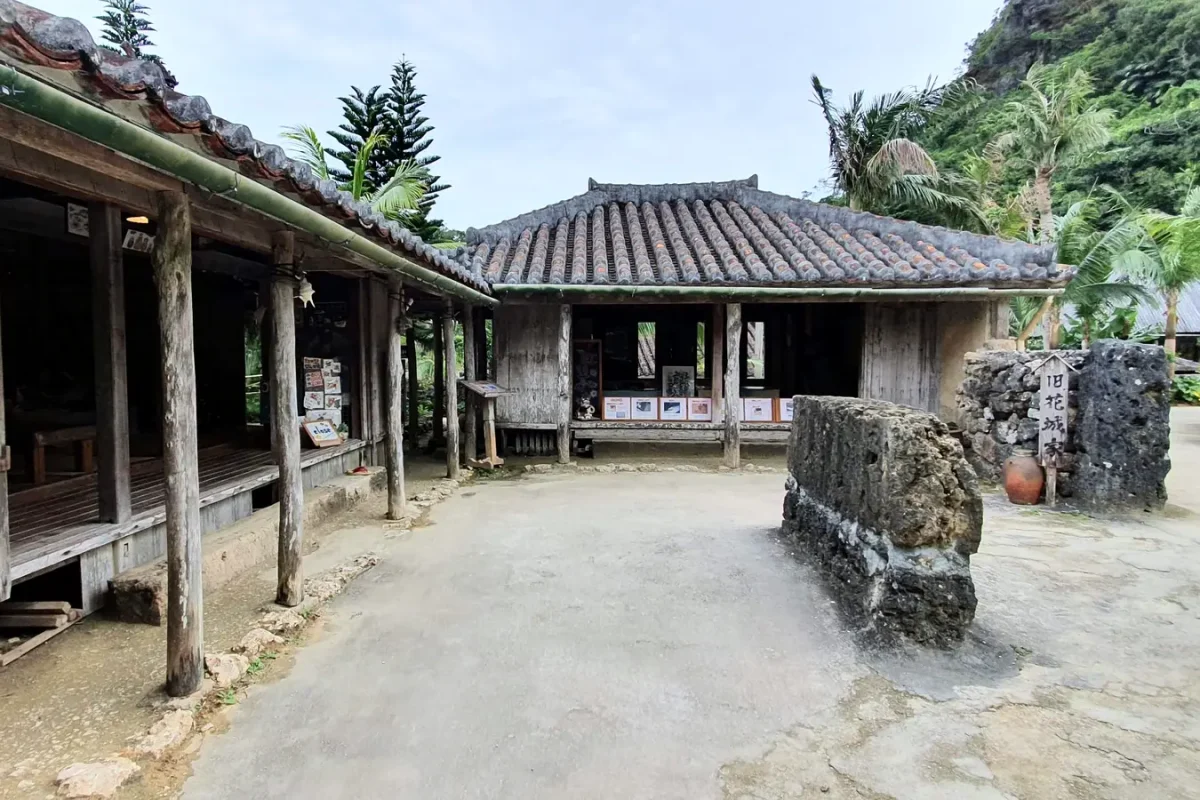
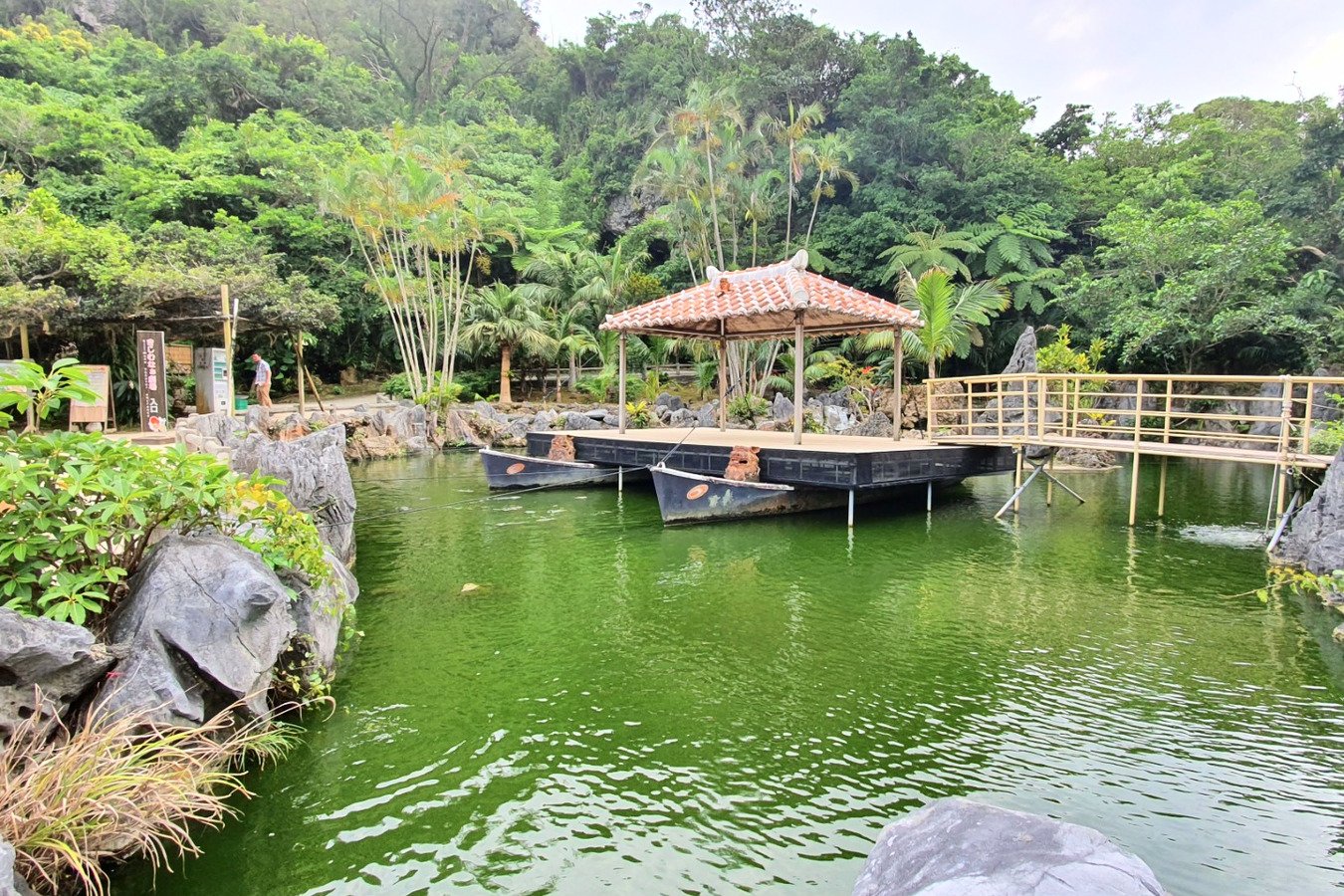
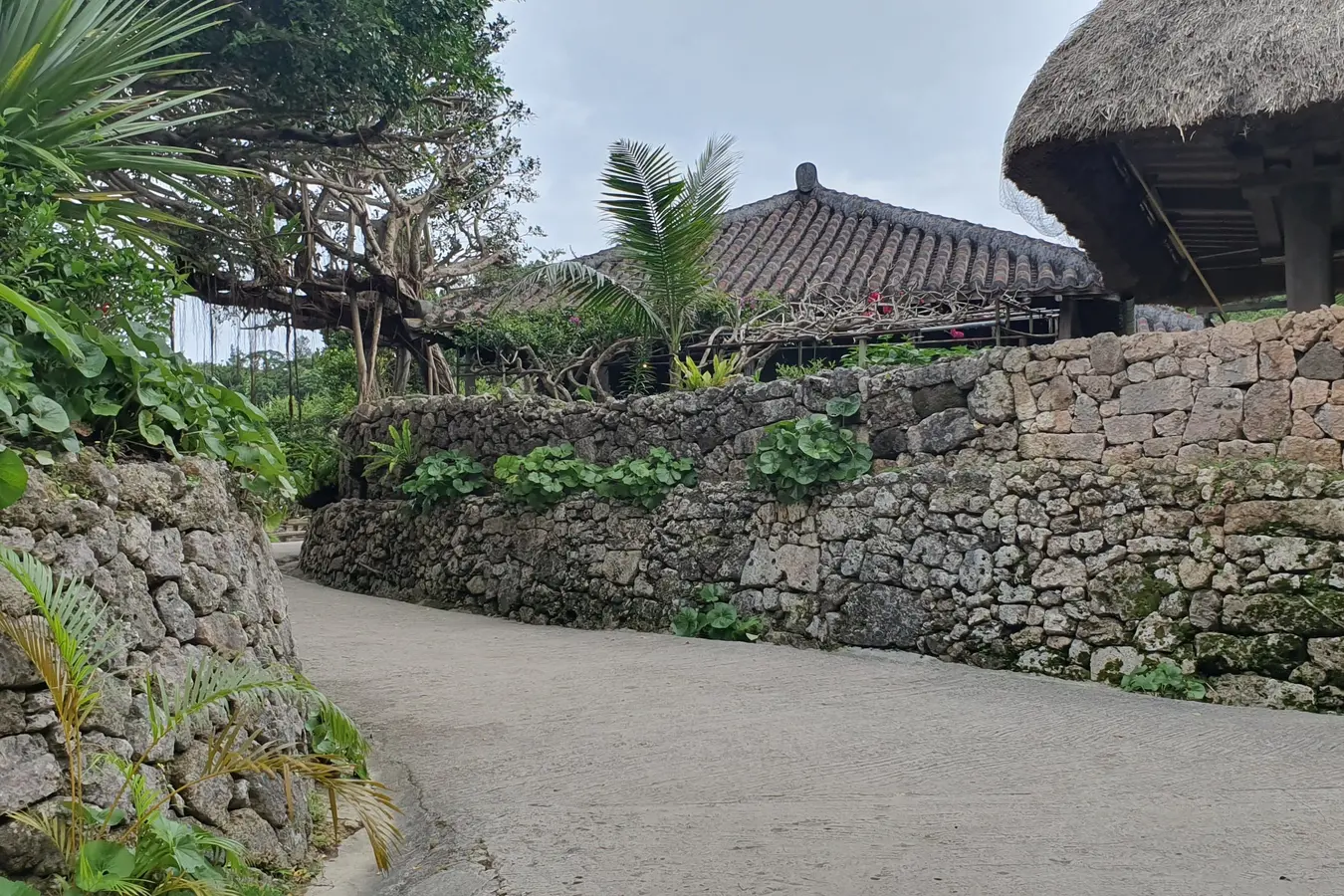
Ryukyu Mura—also called Ryukyu Village in English—is an open-air museum and cultural attraction designed around the traditions of the Ryukyu Islands. Its village contains ten historic Okinawan houses relocated from different parts of the prefecture, with stone walls, red-tiled roofs and domestic spaces that show how people once lived. Seven have been recognised as Nationally Registered Tangible Cultural Properties.
Several of the historic houses have been recognised as registered cultural properties. The setting is not simply a row of information boards: demonstrations, music, dance and hands-on activities are intended to bring the village to life. Programmes and available activities can change, so check the official timetable for the date of your visit rather than relying on an old blog post—including this one.
As an architect, the buildings were inevitably the part that held my attention. Their materials, proportions and relationship with the surrounding landscape felt completely different from the timber castles, temples and city buildings we had seen on previous trips to Japan. Gary, meanwhile, likes open-air museums and anything involving history, so neither of us required much persuading.
Our experience visiting Ryukyu Mura
Our first mistake was timing. Ryukyu Mura came after several substantial stops, including the enormous Okinawa Churaumi Aquarium and Pizza in the Sky. We had enjoyed both rather than treating them as boxes to tick—which is normally exactly what I would recommend—but it meant arriving at the village much later than ideal.
By then, a number of events had finished. We could still explore the traditional buildings and learn about Okinawan crafts, and the place remained worthwhile, but we did not experience the full daily programme. I therefore cannot honestly review every show or workshop as if we had watched and completed them. Some of the older text elsewhere on the blog gave that impression too confidently; this first-hand account is the more accurate version.
What stayed with me was the physical village itself and the insight it gave us into everyday Okinawan life. Earlier in Naha, the prefectural museum had introduced us to Ryukyu history. Ryukyu Mura made some of that history tangible: you could move through the buildings and see traditional techniques in a setting that felt much more immediate than a museum display case.
We were glad we stopped. We were also rushed, and those two things can both be true. Travel writing occasionally pretends every decision was flawless. Ours most definitely was not.
What can you see and do at Ryukyu Mura?
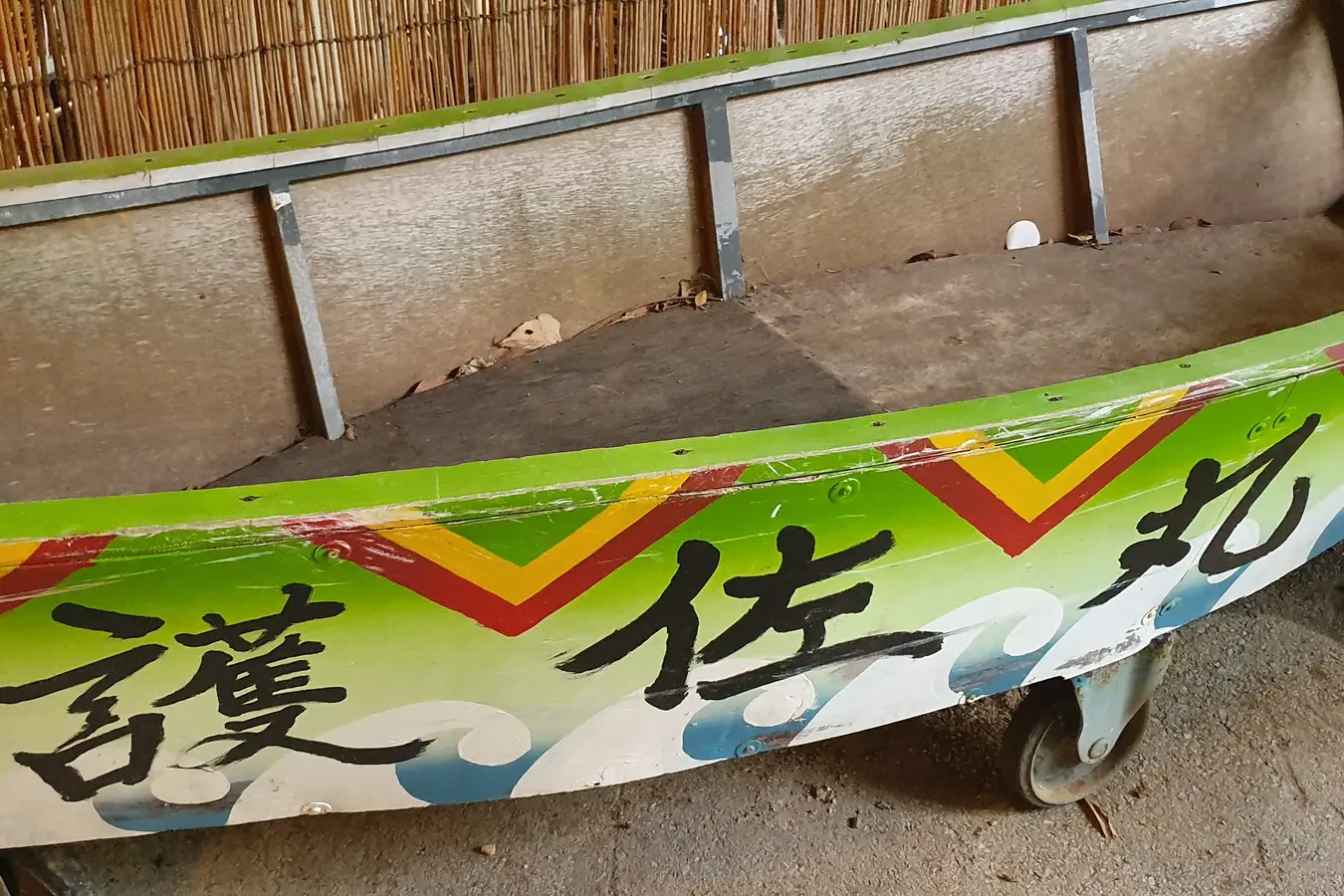
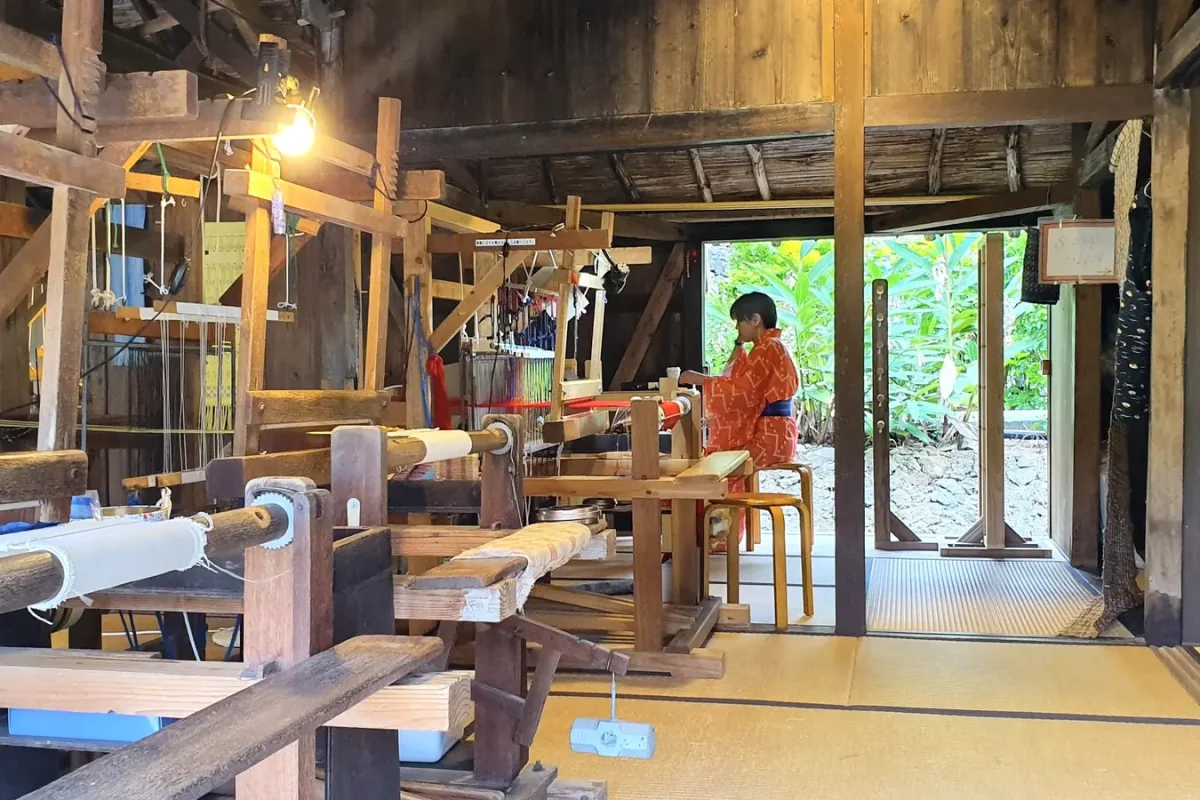
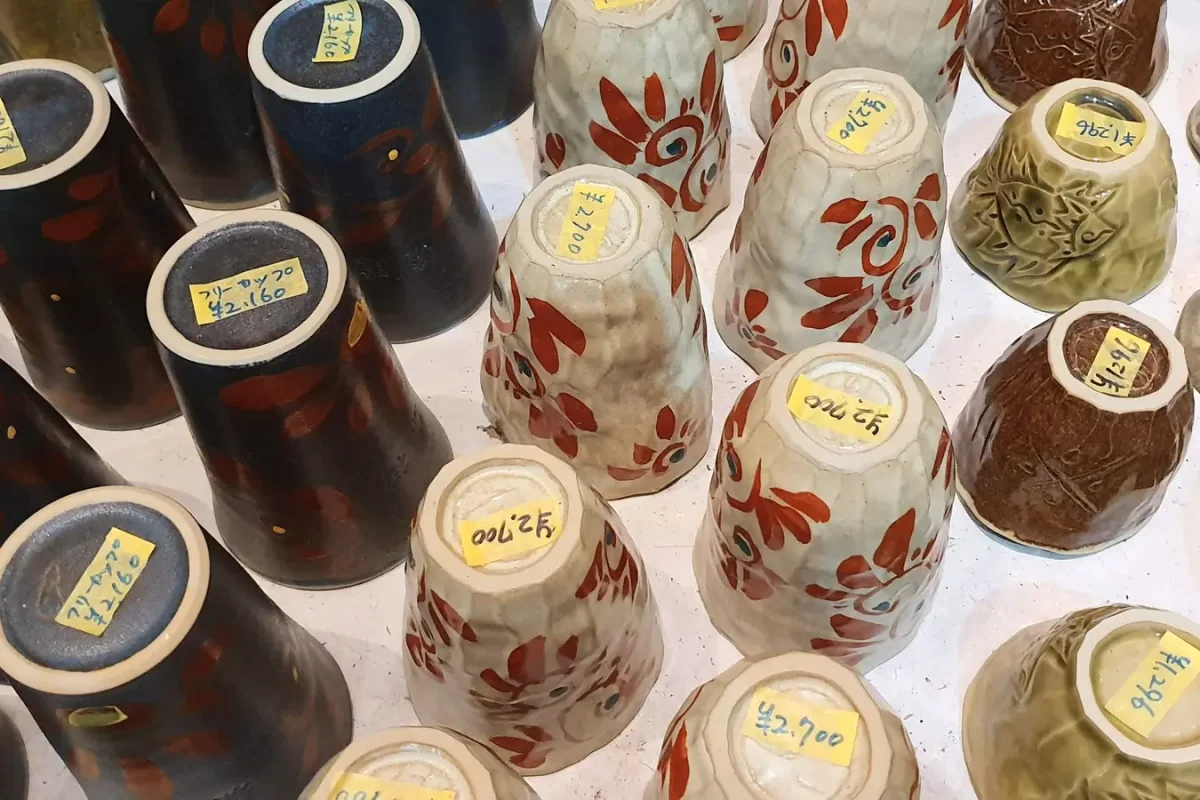
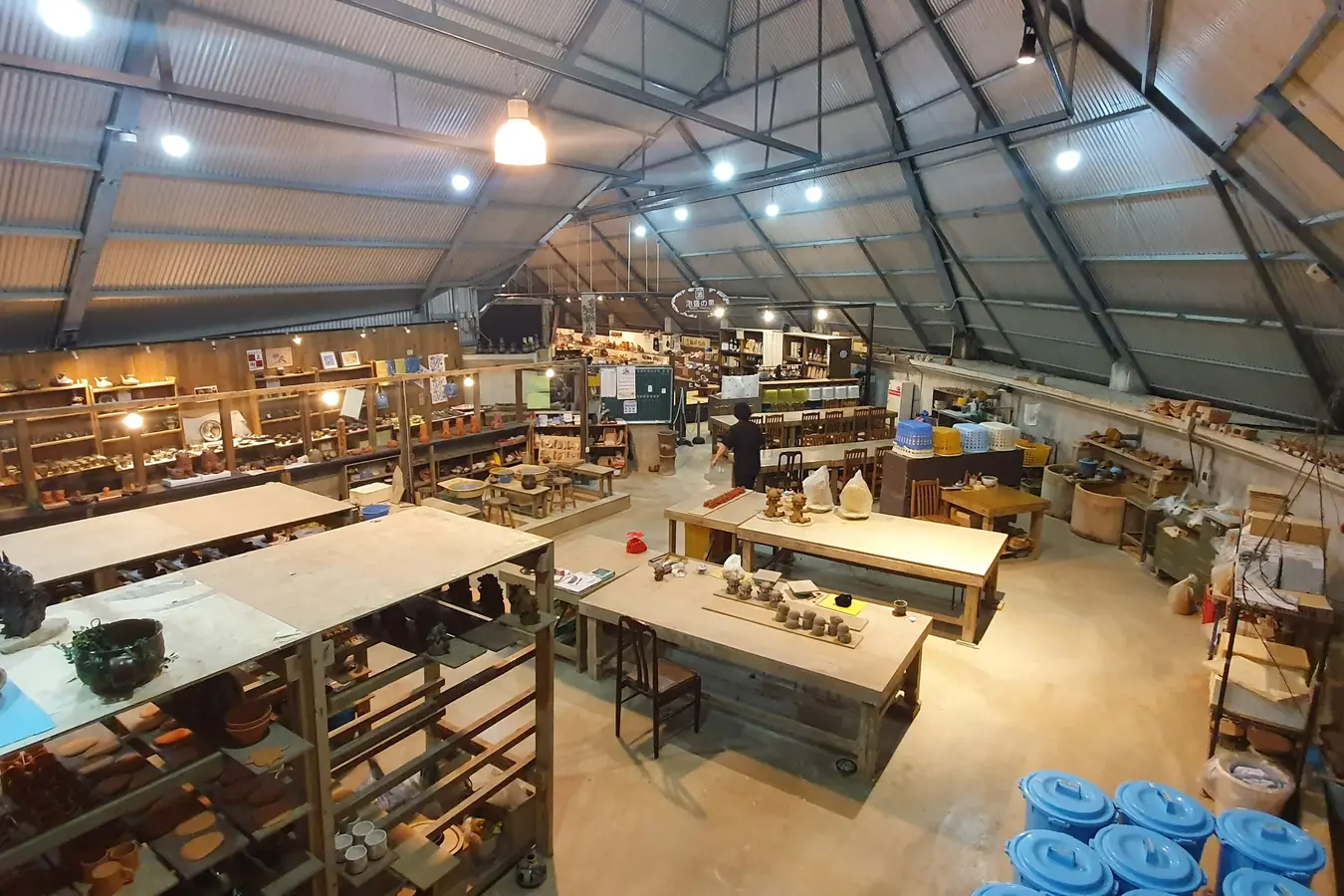
The central experience is walking through the recreated village and exploring its traditional houses. Historically, the programme has also included Okinawan music and dance, eisa performances, craft demonstrations and activities connected with pottery, weaving, dyeing, sugar cane and shisa decoration.
Do not assume every activity operates continuously. Performances take place at particular times, while workshops may have separate charges, capacity limits or booking arrangements. Decide which experiences matter most to you before arriving and build your visit around those—not around a heroic schedule involving half of Okinawa.
Traditional Okinawan houses
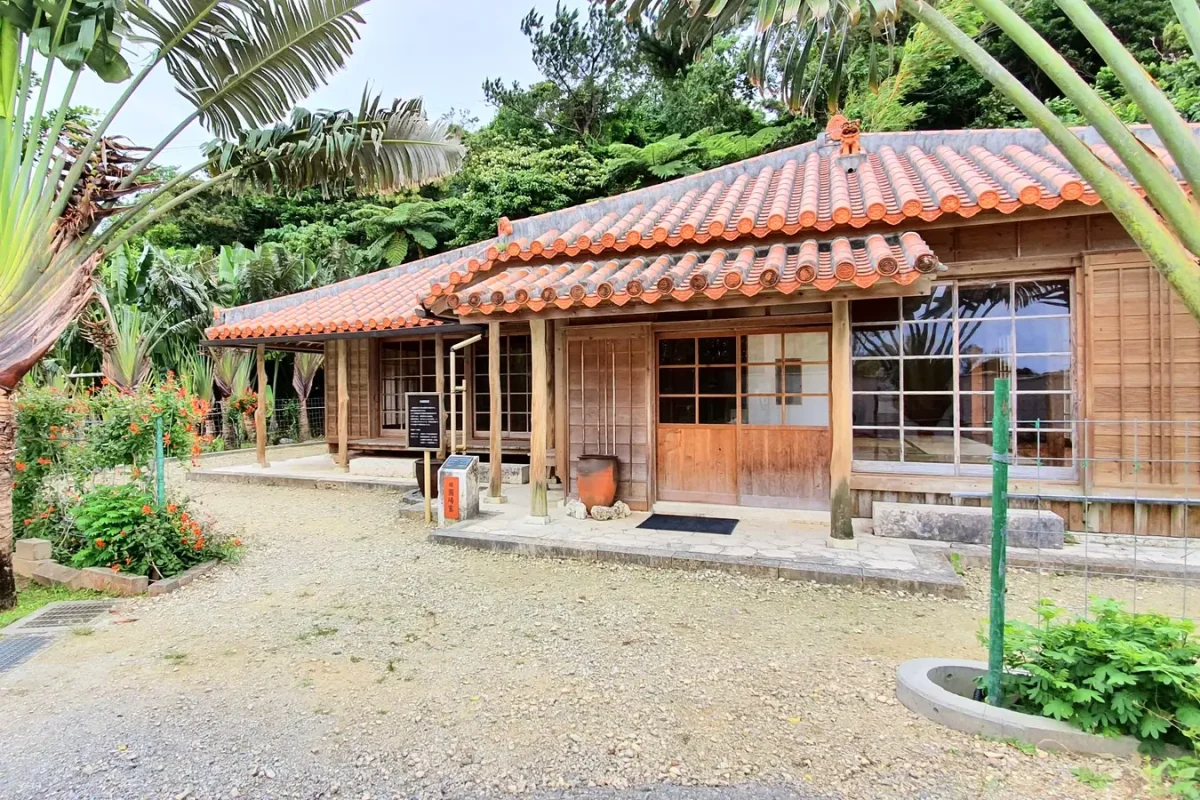
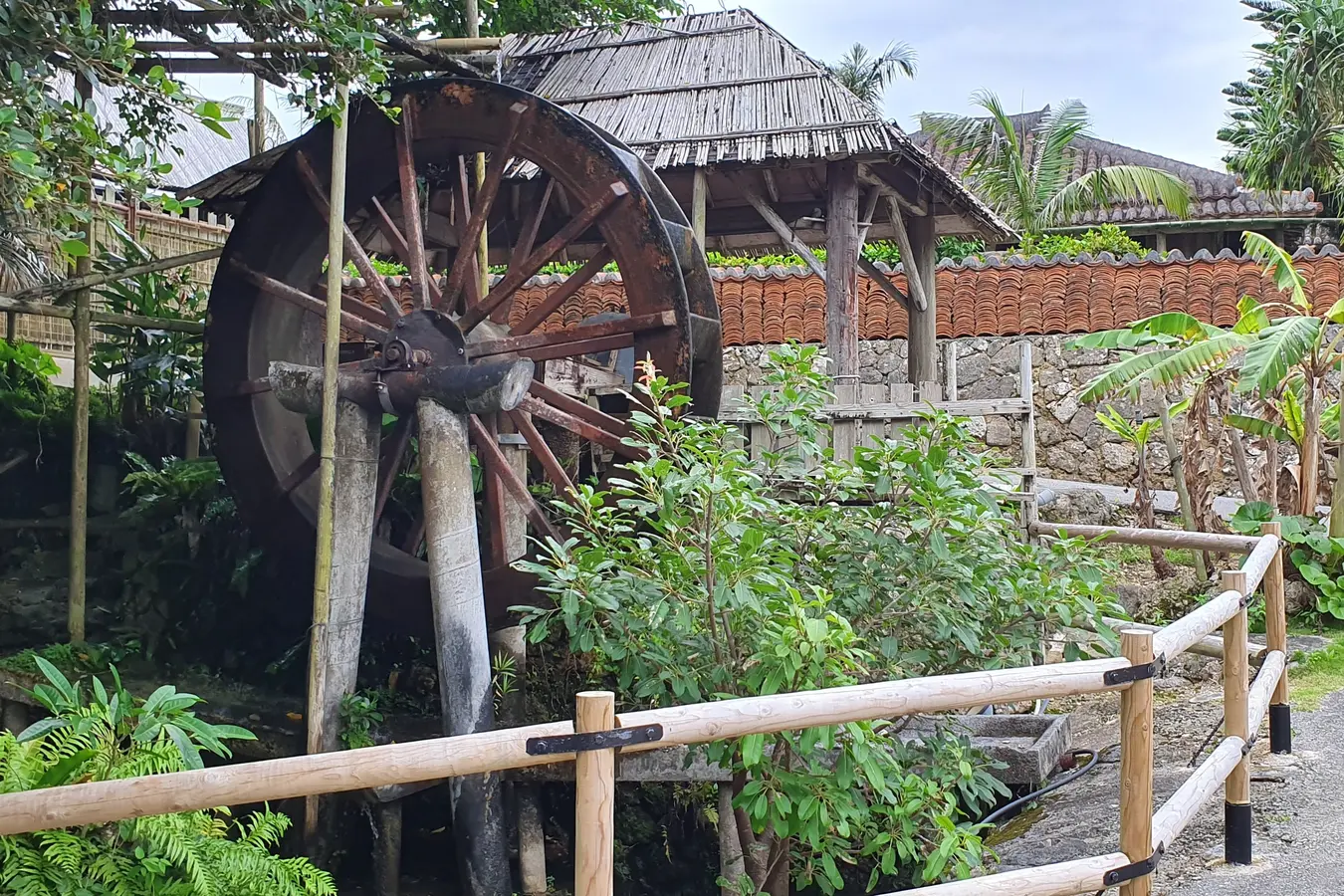
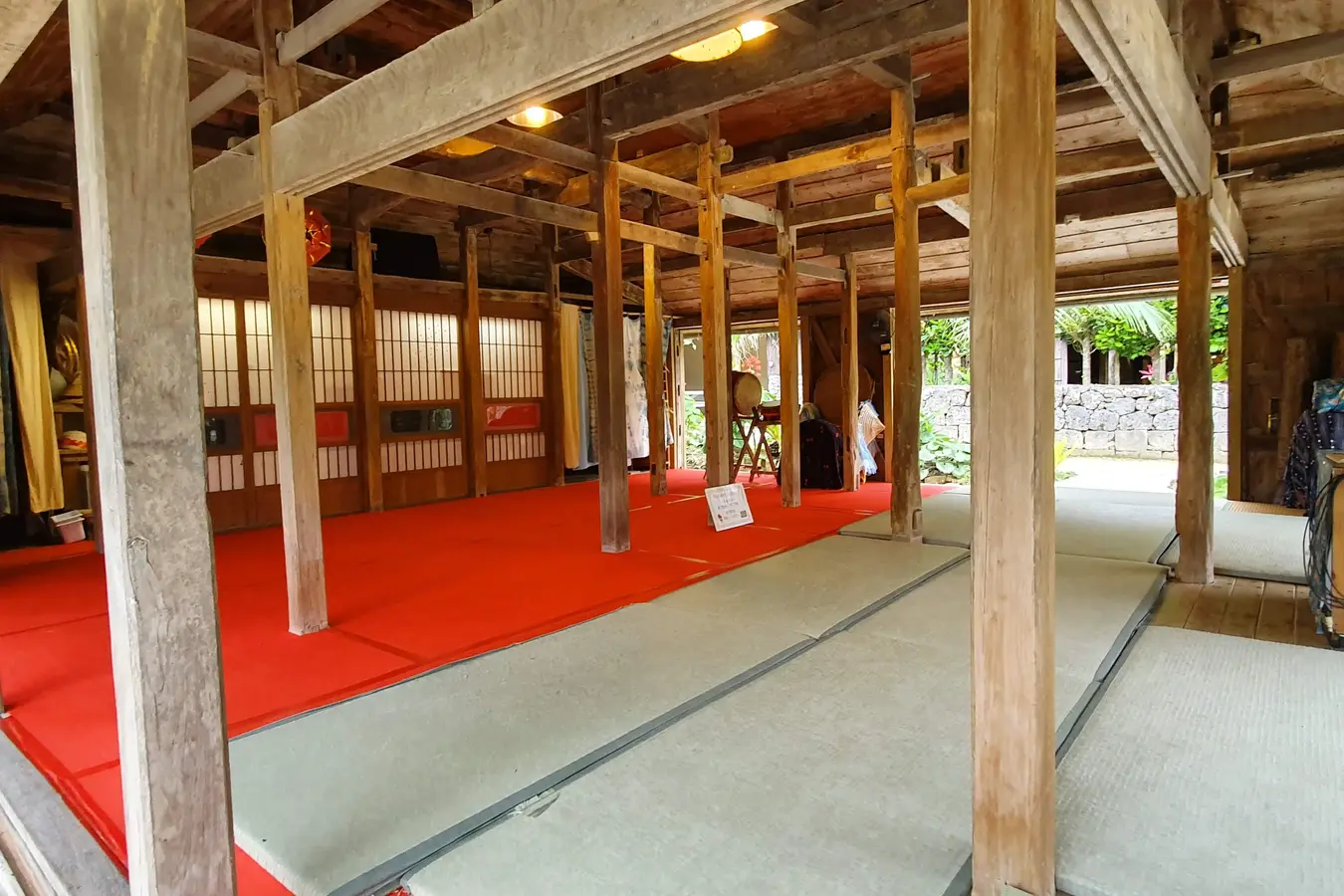
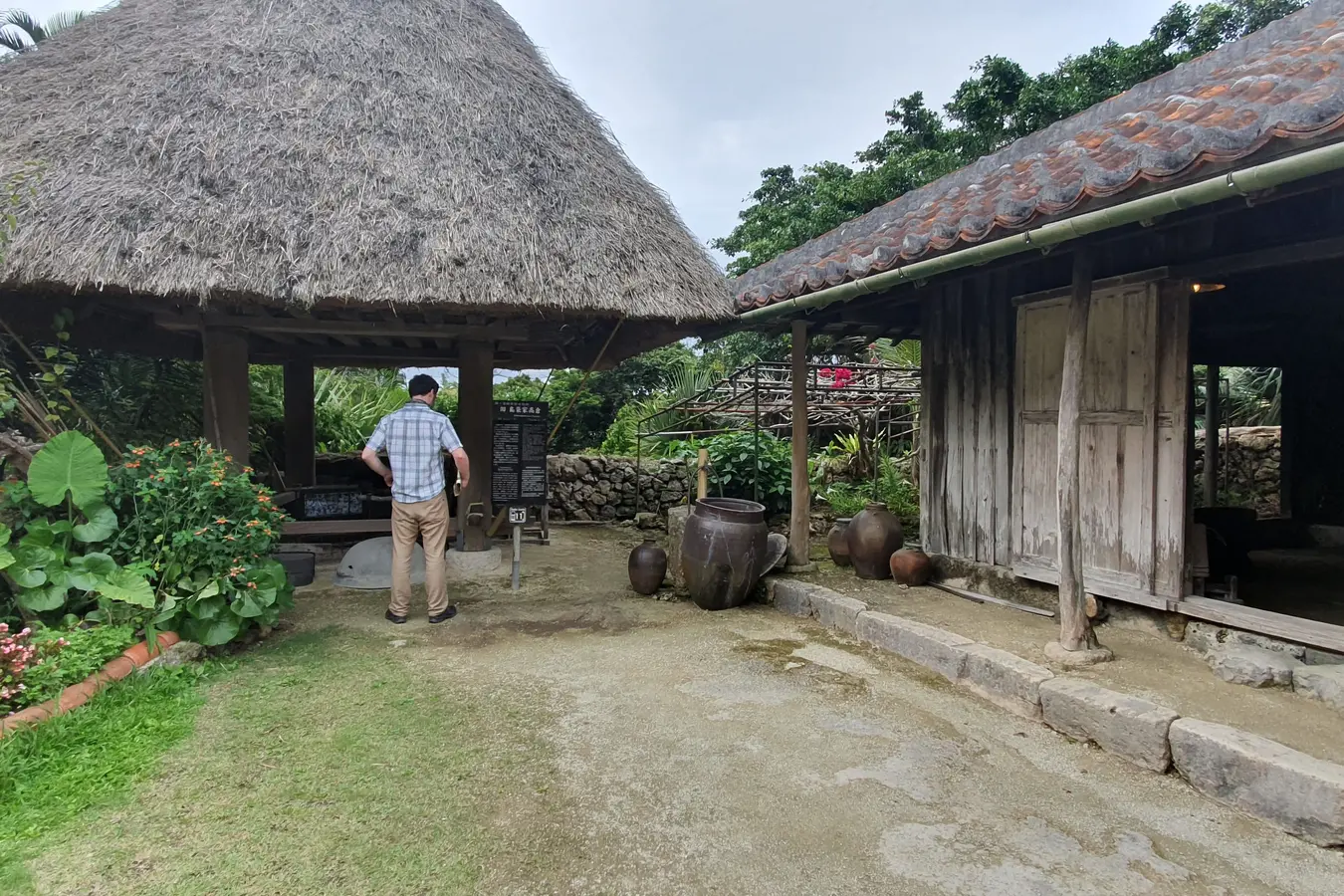
The houses are the strongest reason to visit even if you are not interested in organised performances. Look beyond the obvious red roofs and notice the thick walls, shaded spaces and ways the buildings respond to Okinawa’s climate. The architecture is both practical and culturally distinctive.
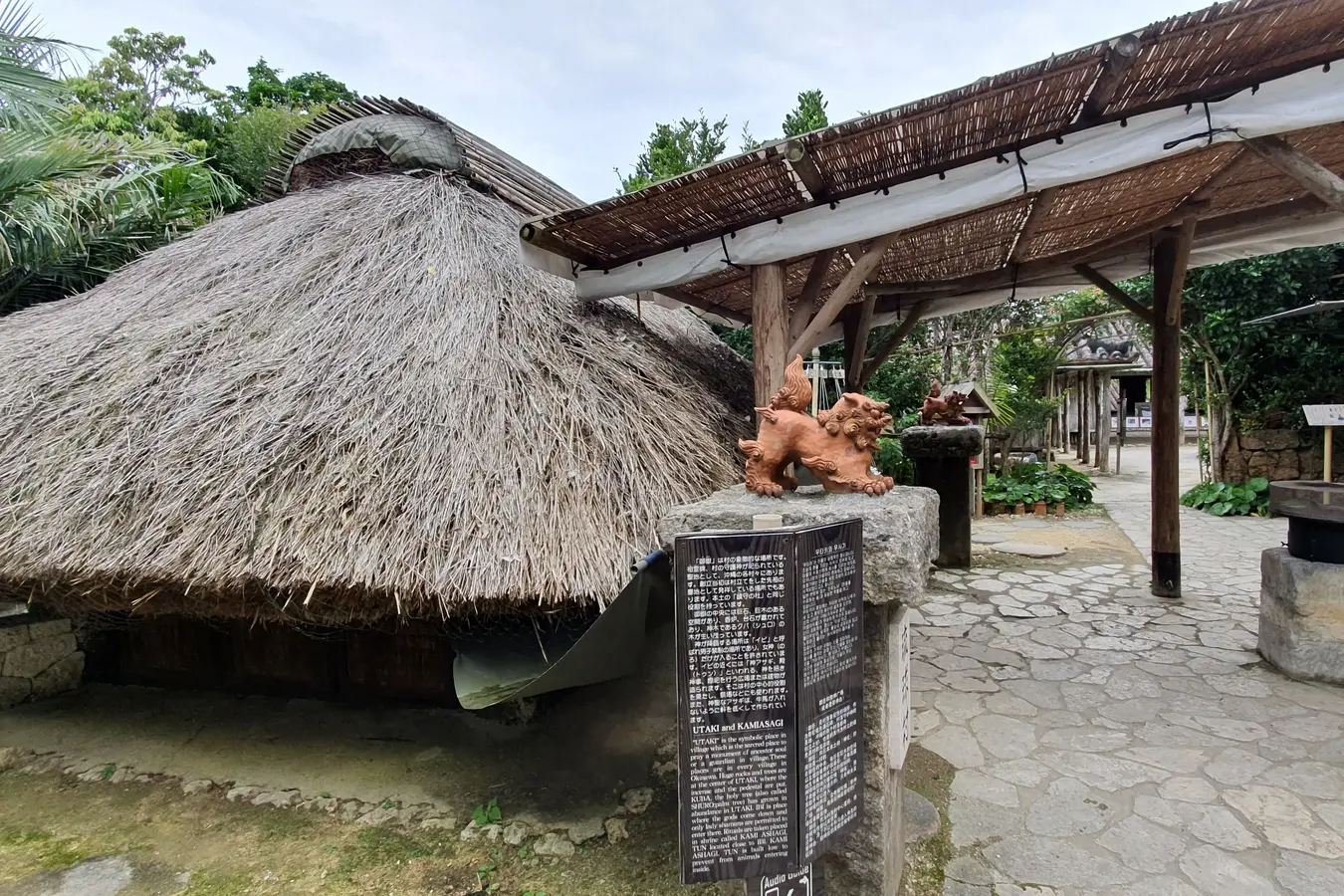
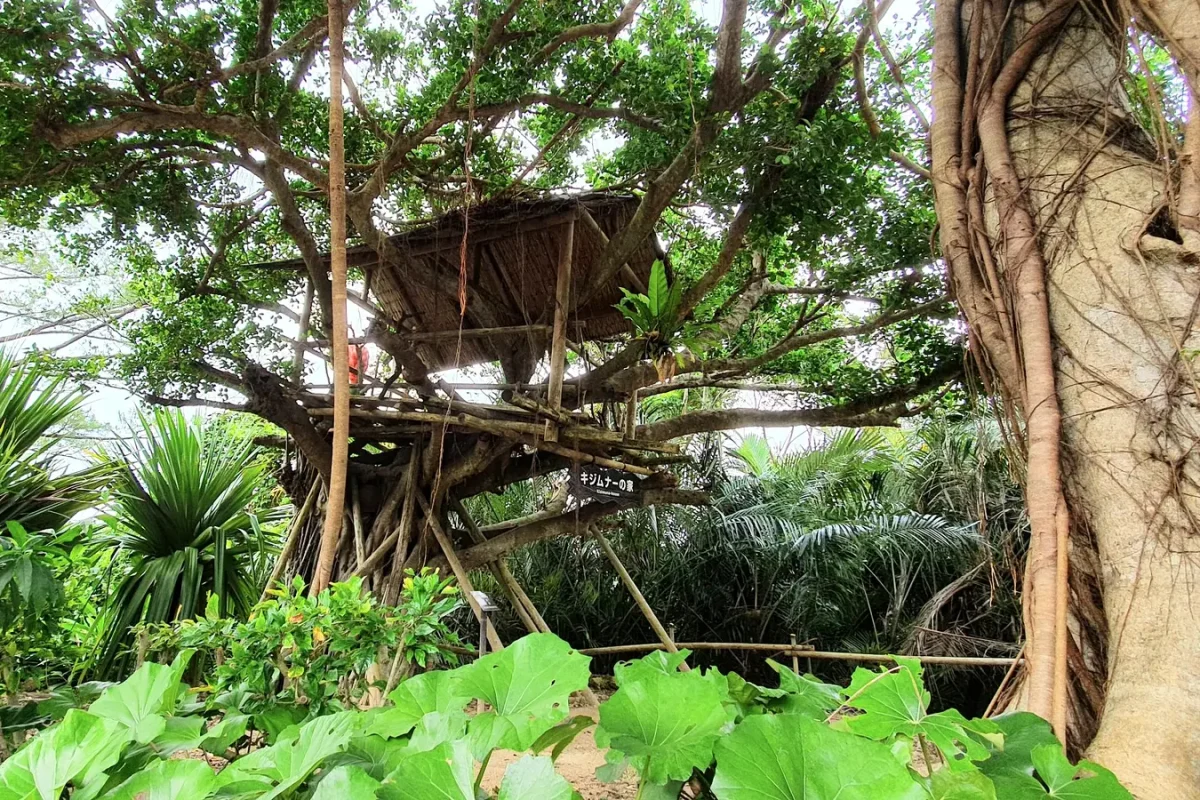
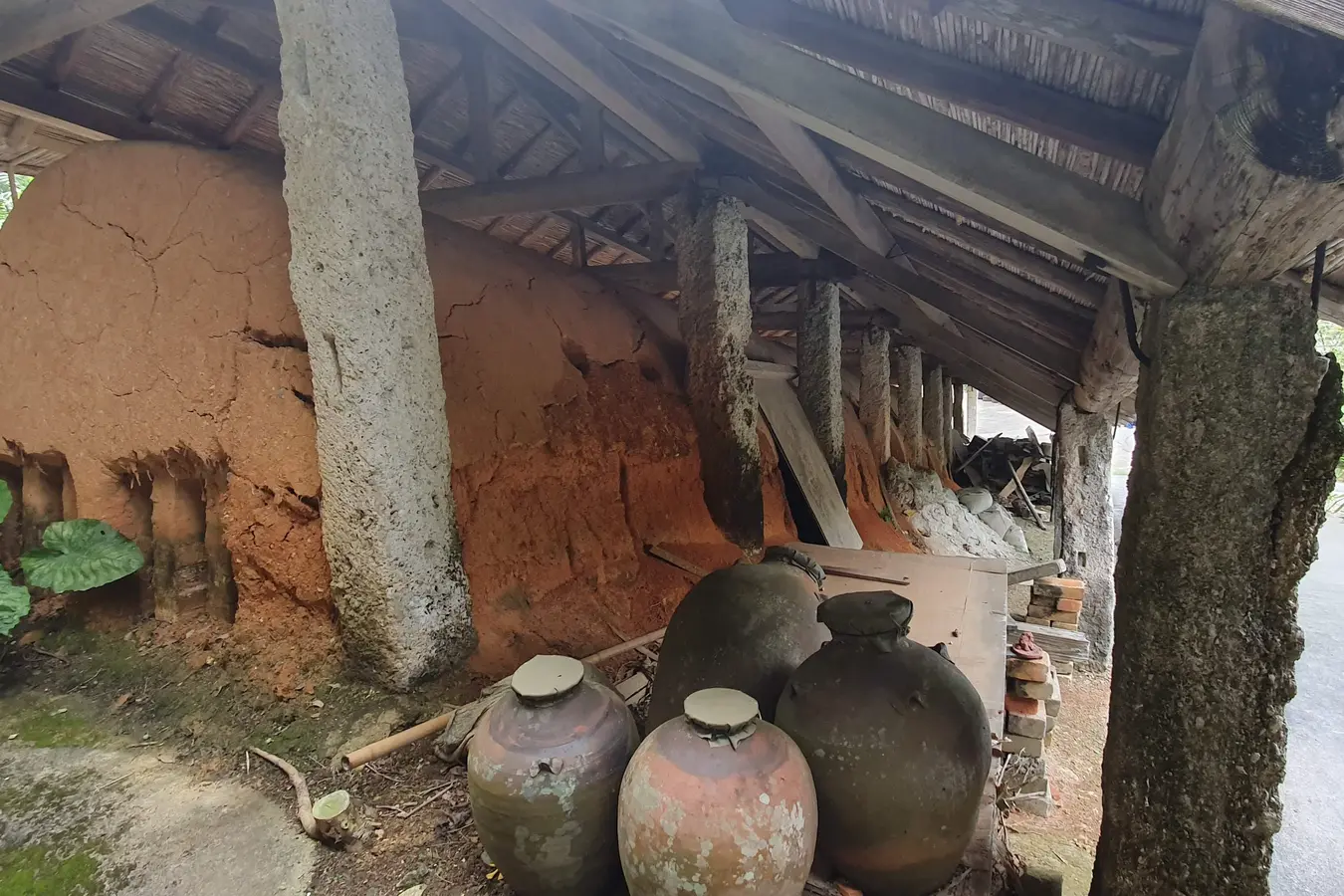
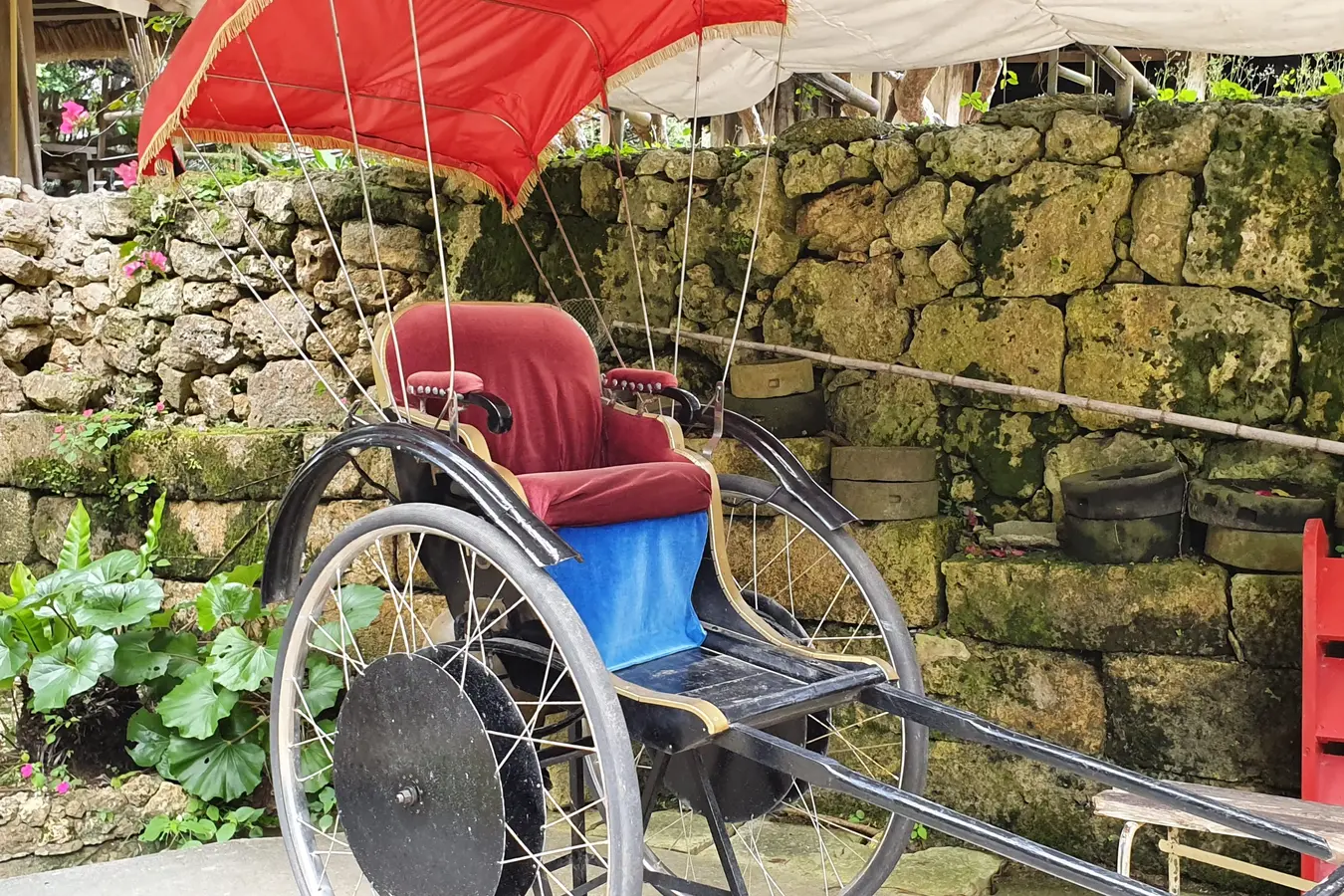
Our photographs from the day also brought back some of the less glamorous—but rather memorable—details: the old pigsties, a traditional pottery kiln and the equipment once used for making brown sugar. They are small things compared with the grander performances, but they made the village feel like somewhere people had actually lived and worked rather than simply a collection of attractive red-roofed houses.
Performances and demonstrations
Music, dance and demonstrations can add much more life to the visit, but this is exactly the element we largely missed by arriving late. Check the day’s schedule before setting off and aim to arrive comfortably before the performance you most want to see.
Traditional crafts and activities
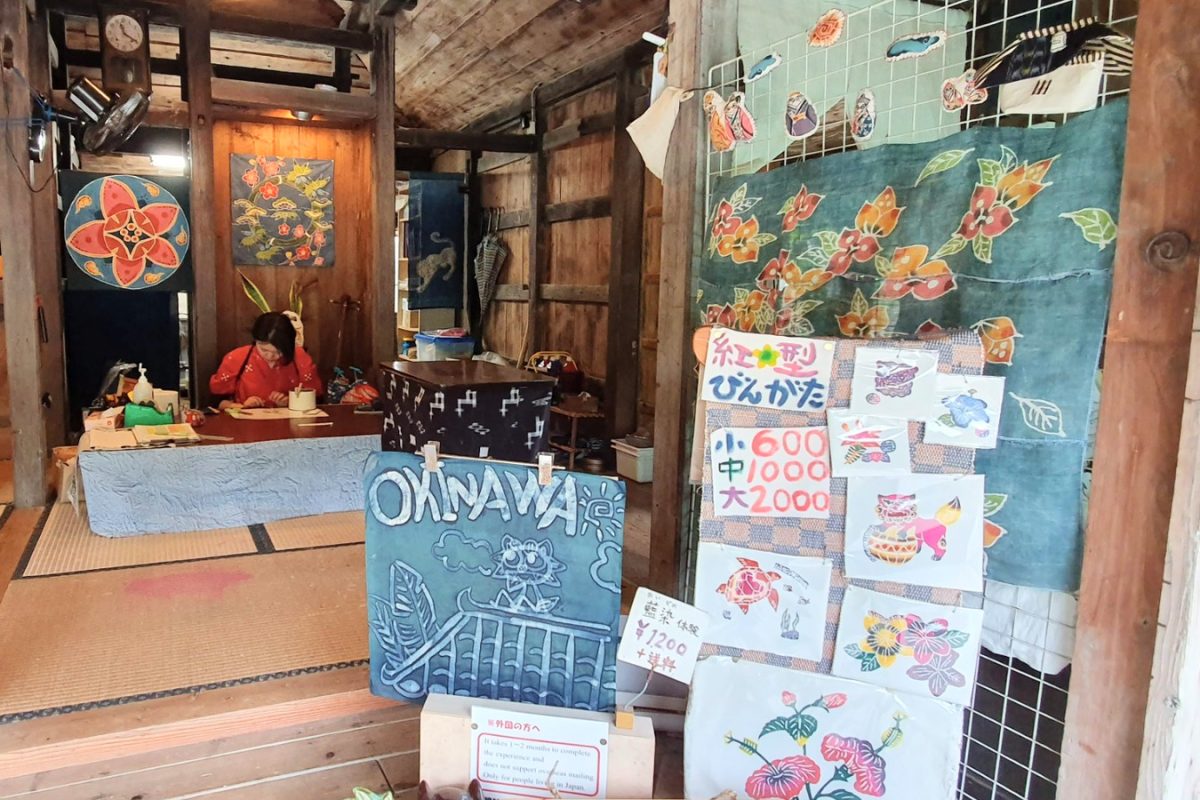
Ryukyu Mura has historically offered hands-on cultural activities as well as demonstrations. These may appeal particularly if you want more than a passive museum visit. We learned about several traditional crafts, but our limited time meant we did not settle in for a long workshop. Current availability needs checking directly.
How long do you need at Ryukyu Mura?
I would allow at least half a day. You can physically walk around more quickly, but that is not the same as experiencing the attraction properly. Time is needed to match your route to the performance timetable, examine the houses, watch demonstrations and potentially join an activity.
If you only want a quick look at the architecture, a shorter visit may be possible. If cultural performances and crafts are the reason you are coming, arrive earlier and leave room in the schedule. Our late-afternoon visit felt compromised because we had tried to combine too many good places into one day.
The best time of day to visit Ryukyu Mura
Earlier is better—not because I can promise smaller crowds, but because it gives you more chances to catch scheduled events. Starting in the morning also leaves some flexibility if an activity is full or a performance is later than expected.
Our road-trip schedule placed Ryukyu Mura at roughly 2.30pm. That was too late for the leisurely visit we would have preferred, particularly after earlier stops had inevitably overrun. If I planned the day again, I would either make Ryukyu Mura the principal afternoon attraction or give it a separate half-day.
Ryukyu Mura tickets, prices and opening times
Admission prices, opening hours and the programme have changed since our 2019 visit, so I have deliberately not built this guide around a figure that may be wrong by the time you arrive. Check the official Ryukyu Mura website for the date of your visit.
Look beyond the basic entrance price when budgeting. Some hands-on experiences may cost extra, and their timings may determine how long you need. A cheaper ticket is not much of a bargain if you arrive after the activity you wanted has finished. Again, we learned the timing part for you.
How to get to Ryukyu Mura from Naha
We drove from Naha as part of a route through central and northern Okinawa. Historically, the journey from central Naha has generally taken around an hour by car, although traffic and your starting point matter. Having a hire car made it straightforward to combine Ryukyu Mura with Cape Manzamo, Zakimi Castle and American Village, although our experience also demonstrates why having a car does not magically create additional hours.
Bus travel has historically been possible, but routes, stops and timetables can change. If you are travelling without a car, check the current journey directly before committing to a day plan and avoid building a tight chain of rural attractions around optimistic connections.
Ryukyu Mura or Okinawa World?
Both attractions are commonly considered by visitors wanting to learn about Okinawan culture, but I cannot offer a first-hand comparison because we did not visit Okinawa World on this trip. Ryukyu Mura suited our route through the central part of the island and appealed because of its historic buildings and open-air-museum atmosphere.
If choosing between them, compare the current programmes, location and the amount of time you genuinely have. Okinawa World is usually paired with southern Okinawa sightseeing, while Ryukyu Mura fits more naturally into a central or northern route. That is a planning distinction, not a claim that one is universally better.
What do other Ryukyu Mura reviews say?
Reviews written before January 2025 were mixed rather than universally glowing. Many visitors praised the traditional houses, music, dancing and chance to encounter Okinawan culture in one place. Others felt the attraction was expensive for the time they spent there, particularly when they missed performances or found fewer activities operating than expected.
That disagreement makes sense to me. Ryukyu Mura is not an enormous thrill-filled theme park, and much of its value lies in details, interpretation and scheduled cultural experiences. Arrive at the wrong time and it may feel like a relatively short walk through old buildings. Arrive with an interest in Ryukyu culture and a plan built around the programme, and you are far more likely to understand what you paid for.
Our experience sits somewhere between the enthusiastic and disappointed reviews. We found the village genuinely interesting and would return, but our rushed late visit did not justify pretending it had been a flawless day out.
Who will enjoy Ryukyu Mura?
- Visitors interested in Ryukyu history and Okinawan culture
- Travellers who enjoy historic buildings and open-air museums
- People wanting cultural context alongside Okinawa’s beaches
- Families looking for demonstrations or hands-on activities, subject to the current programme
- Anyone willing to plan around performance times rather than arrive at the end of the day
Our suggested Ryukyu Mura itinerary
First: Check the day’s programme and choose the performance or activity you most want to experience.
Then: Explore the traditional houses slowly rather than racing directly between scheduled events.
Allow time: Watch a demonstration and join one hands-on activity if available.
Afterwards: Continue to one nearby attraction—not the entire western side of Okinawa.
Practical tips from our visit
- Check the performance schedule before deciding your arrival time.
- Confirm current opening hours, admission prices and workshop costs directly.
- Allow at least half a day if performances and crafts matter to you.
- Wear comfortable shoes and prepare for Okinawa’s heat and humidity.
- Do not combine it with too many major attractions unless you are content with a brief visit.
Would we visit Ryukyu Mura again?
Yes, because I do not feel we experienced it properly the first time. I would arrive earlier, study the schedule and let the village become the purpose of that part of the day rather than something squeezed between Cape Manzamo and Zakimi Castle.
Despite our poor timing, the traditional architecture and cultural context made a real impression. Gary enjoyed the historical side, I loved examining the buildings, and we both left knowing we should have allowed longer. That is probably the clearest version of our verdict: Ryukyu Mura was good enough to make us regret rushing it.
For the wider route, read our Okinawa main-island road-trip itinerary, our guide to the best things to do in Okinawa and our complete five-day Okinawa itinerary.
For all our first-hand itineraries, island guides, hotel reviews and planning advice in one place, visit our Okinawa Travel Guide.
Would you give Ryukyu Mura half a day, or try to squeeze it into a larger Okinawa road trip?
Comment below and let us know!