When we returned from our first trip to Japan, I had far too much to say and no idea where to begin.
Japan had been on my bucket list for years, but the reality of travelling there surprised me in ways I had not expected. Some of the things I had worried about—particularly navigating Tokyo and coping without fluent Japanese—were much easier than I had imagined. Other details, from the unspoken rules of queuing to the way addresses work, took a little longer to understand.
These are not meant to be universal “facts” about every person or every corner of Japan. They are eight things that stood out to us as first-time visitors and made us want to return. We have since travelled to Japan several times, and it remains my favourite travel destination by a rather considerable margin.
1. Queuing in Japan is extraordinarily organised
As a Brit, I thought I understood queues. Japan humbled me.
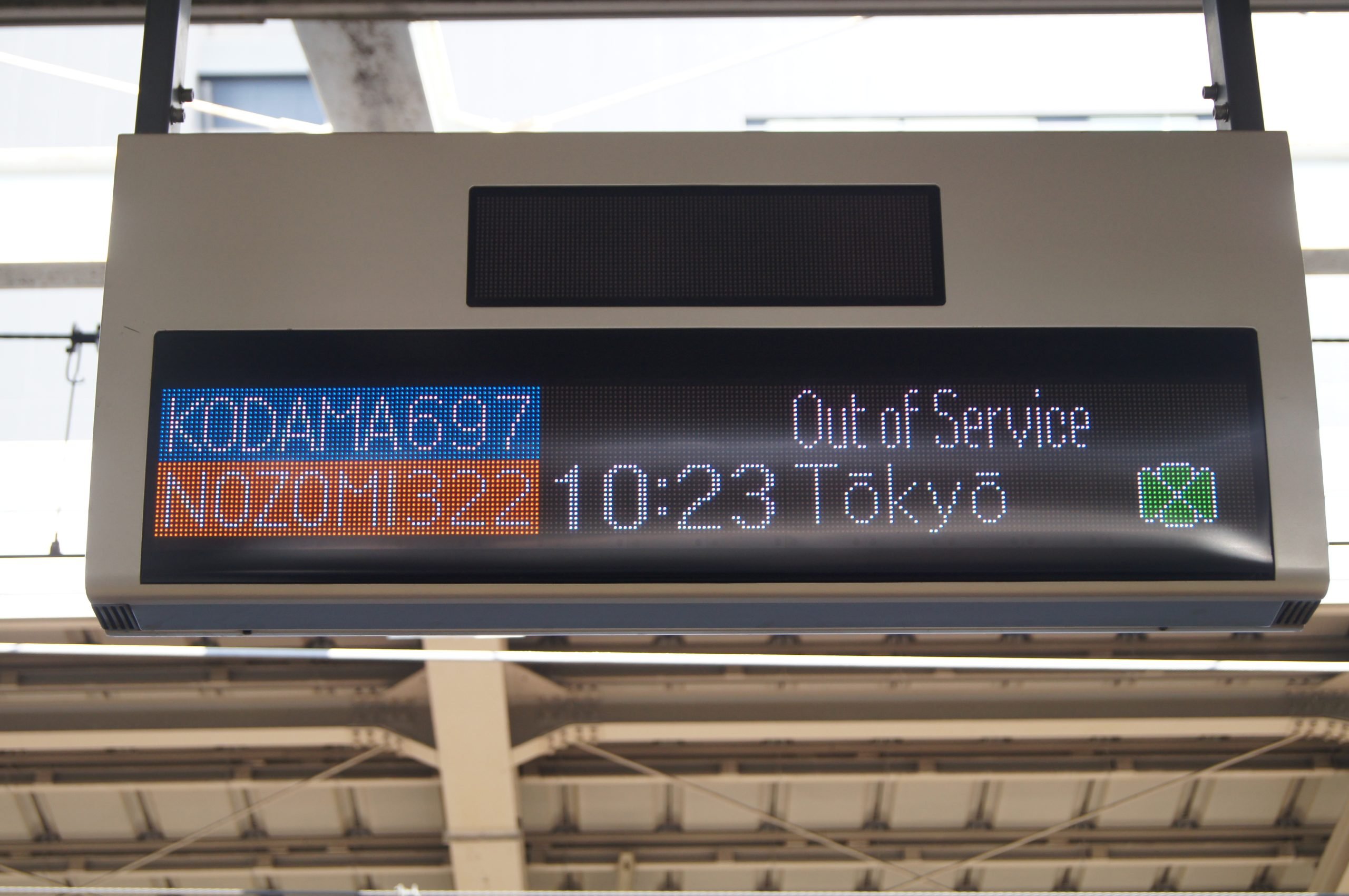
At busy stations, markings on the platform show where each train door will stop and where passengers should wait. People generally form neat lines, leave space for others to get off and board in order. It turns what could be complete chaos into something remarkably calm.
The system is not about standing around politely for the sake of it. It helps vast numbers of people move through stations efficiently. Watch what the people around you are doing, follow the floor markings and avoid blocking the doors, and you will soon settle into the rhythm.
2. Japanese food is about much more than sushi
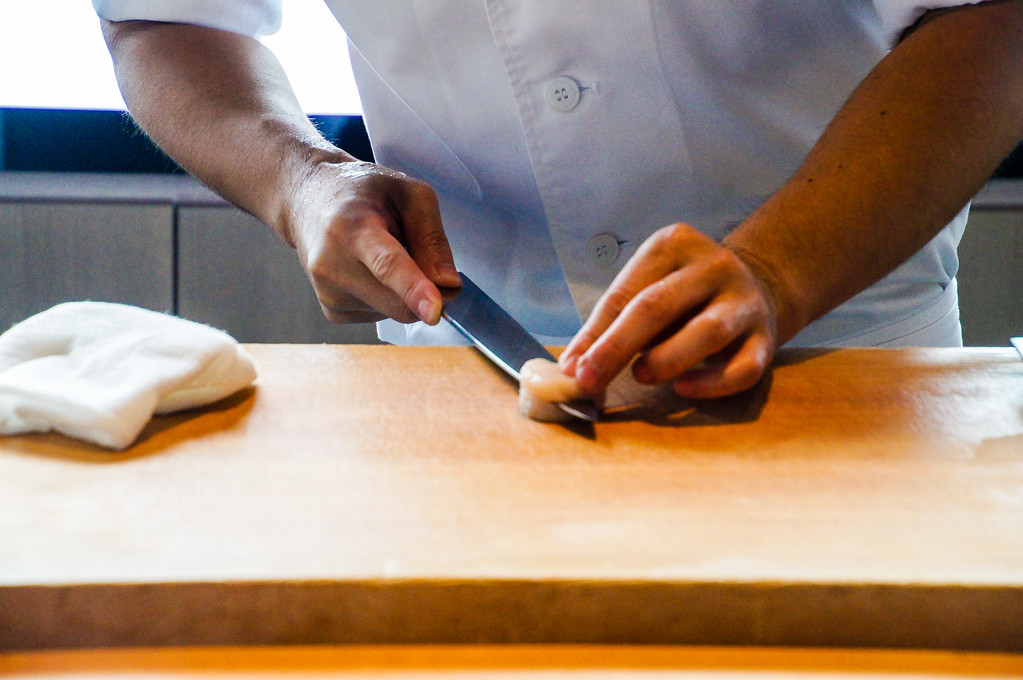
Before travelling to Japan, sushi tended to dominate the conversation whenever Japanese food was mentioned. Sushi is wonderful, but treating it as the whole cuisine is a little like visiting Britain and eating nothing but fish and chips.
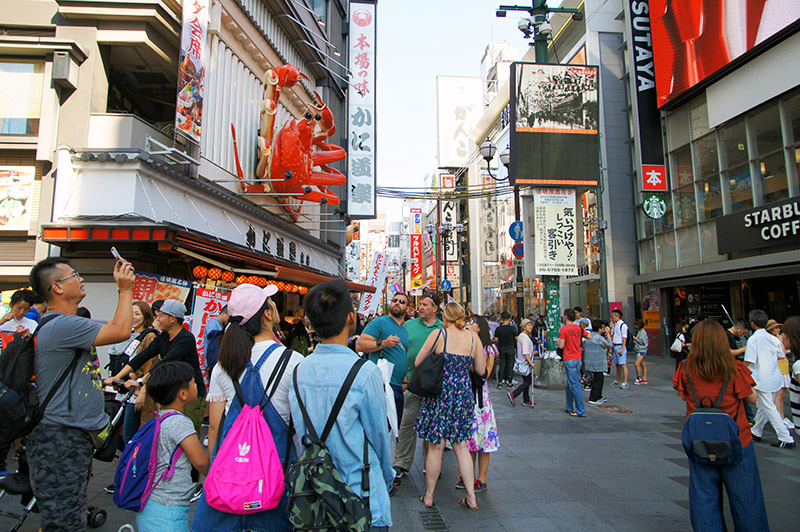
We found ramen shops, yakitori, tempura, soba and udon noodles, Japanese curry, tonkatsu and beautifully arranged set meals. Osaka introduced us to its gloriously indulgent street-food culture, including takoyaki and okonomiyaki, while convenience stores became surprisingly useful for quick breakfasts and train snacks.
If you are nervous about ordering, restaurants often display photographs or realistic plastic models of their dishes. Pointing politely, using a translation app and learning a few basic phrases can take you a very long way.
3. Tokyo’s transport is easier than it looks
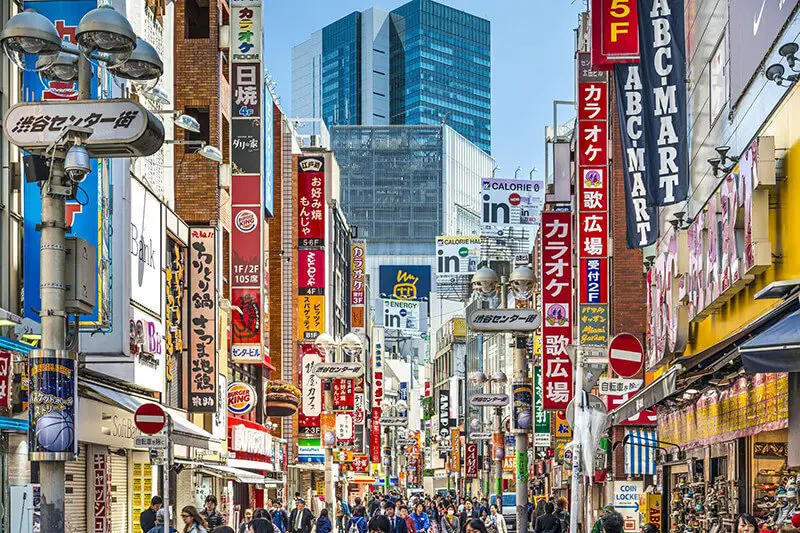
The Tokyo rail map can look like someone dropped a bowl of coloured noodles onto a page. I expected navigating it to be one of the most stressful parts of the trip. In practice, the stations were well organised, signage was often available in English and trains arrived with reassuring regularity.
The confusing part is that Tokyo is served by several different operators. A ticket or pass that covers one network may not cover another, and changing lines can sometimes mean passing through a new set of gates.
Do not try to memorise the entire system. Plan one journey at a time, check the operator as well as the line, and group your sightseeing by neighbourhood. Our Tokyo itinerary does exactly that, which saves both time and unnecessary journeys across the city.
4. Sumo feels both ancient and completely contemporary
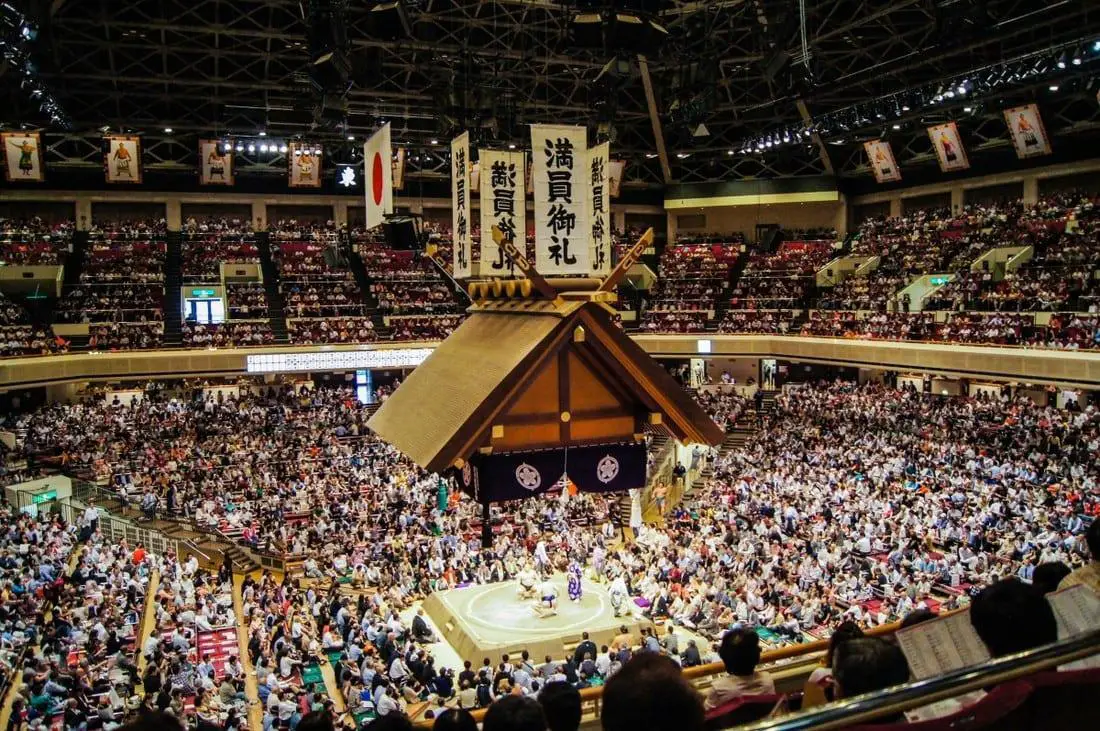
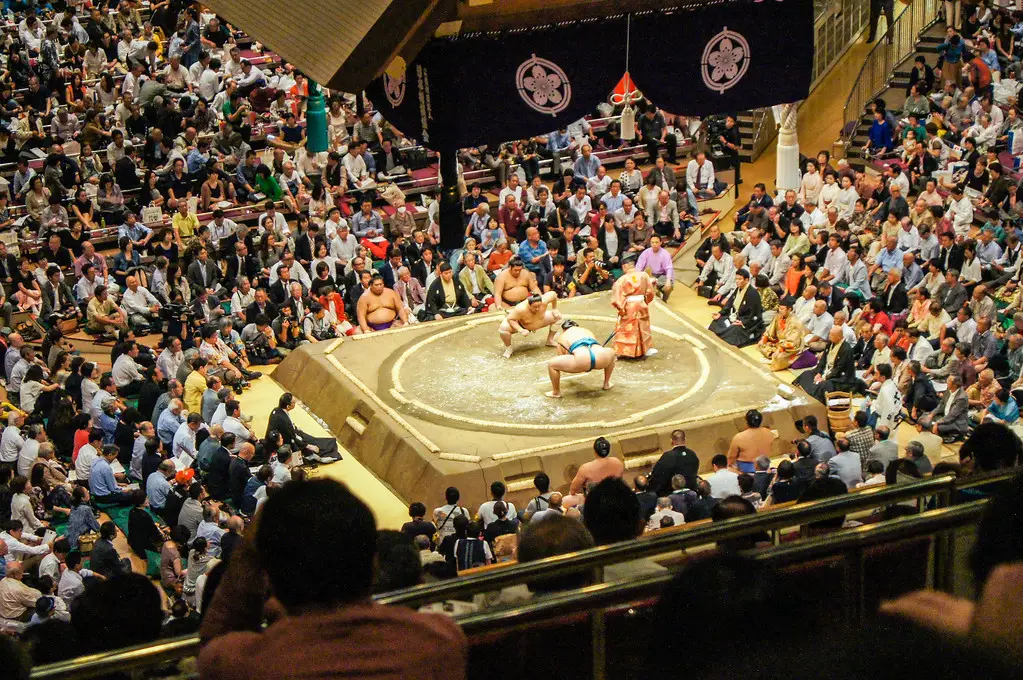
I had thought of sumo mainly as a historic Japanese tradition. Watching it at Tokyo’s Ryogoku Kokugikan showed us how alive the sport still is.
The ceremonial elements, clothing and rituals connect each bout to centuries of history, yet the atmosphere of a tournament feels unmistakably modern. Spectators follow favourite wrestlers, buy food and souvenirs, and react to the short bursts of action with extraordinary enthusiasm.
A tournament day builds gradually, with less senior wrestlers appearing earlier and the highest-ranked competitors later. You can read more about the rhythm of the day in our guide to watching a sumo match at Ryogoku Stadium.
5. Busy cities can still feel remarkably clean
Tokyo is enormous and intensely busy, yet the streets and trains often felt noticeably clean. What surprised us even more was that public rubbish bins were not always easy to find.
We quickly learned to keep a small bag with us and carry our rubbish until we found an appropriate place to dispose of it. Convenience stores and stations may have bins for particular types of waste, but visitors should not assume that every street corner will provide one.
This does not mean that every place in Japan is spotless or that litter never exists. It was simply one of the strongest contrasts we noticed when moving through very crowded urban areas.
6. You do not need fluent Japanese—but English is not guaranteed
One of my original draft notes simply said, “Japanese speak English.” That was much too broad.
In major stations, hotels and popular visitor attractions, we frequently found English signs and enough assistance to manage. Individual levels of spoken English varied enormously, just as they would anywhere else, and outside the main tourist routes we sometimes relied on gestures, written information and patience.
Learning simple phrases such as hello, thank you and excuse me is courteous and genuinely useful. A translation app helps too, but politeness and a willingness to remain calm when communication is imperfect matter just as much.
7. Japanese addresses work differently
We are used to finding a building by following a named street and looking for a sequential number. Many Japanese addresses are organised through areas, districts, blocks and building numbers instead, and smaller streets may not have the sort of names a British visitor expects.
This can make an address look bewildering even when you have copied it correctly. Save the Japanese version of your destination, pin it on a map and keep the hotel’s telephone number available. Showing a written address is often easier than trying to pronounce it to a taxi driver.
Modern navigation makes this much less intimidating than it once was, but it remains useful to understand why an address may not lead you along one obviously named road.
8. The most outrageous vending machines are not everywhere
Before our trip, travel programmes had given me the impression that every Japanese street contained a vending machine selling something wonderfully bizarre.
Vending machines really are extremely common, particularly for hot and cold drinks. But the flamboyant machines selling unexpected novelty items were much less central to everyday life than I had imagined. Most of those we used were brilliantly practical rather than peculiar.
That became a useful lesson for the trip as a whole: Japan is often presented through its most extreme contrasts, but daily life is far more nuanced. The quiet routines, ordinary neighbourhoods and small acts of consideration were every bit as memorable as the famous futuristic spectacles.
What surprised us most about Japan?
The greatest surprise was how quickly a country that had initially seemed intimidating began to feel navigable.
Japan is not effortless to plan. There are unfamiliar systems, cultural rules and an almost overwhelming number of places worth visiting. But the organisation of the transport network, the kindness we encountered and the sheer variety of experiences made the challenge feel exciting rather than exhausting.
If you are planning your own first visit, start with our two-week Japan itinerary by rail, our honest guide to travelling around Japan on a tighter budget, or browse the complete Japan travel guide.
What surprised you most on your first trip to Japan?
Tell me in the comments below.