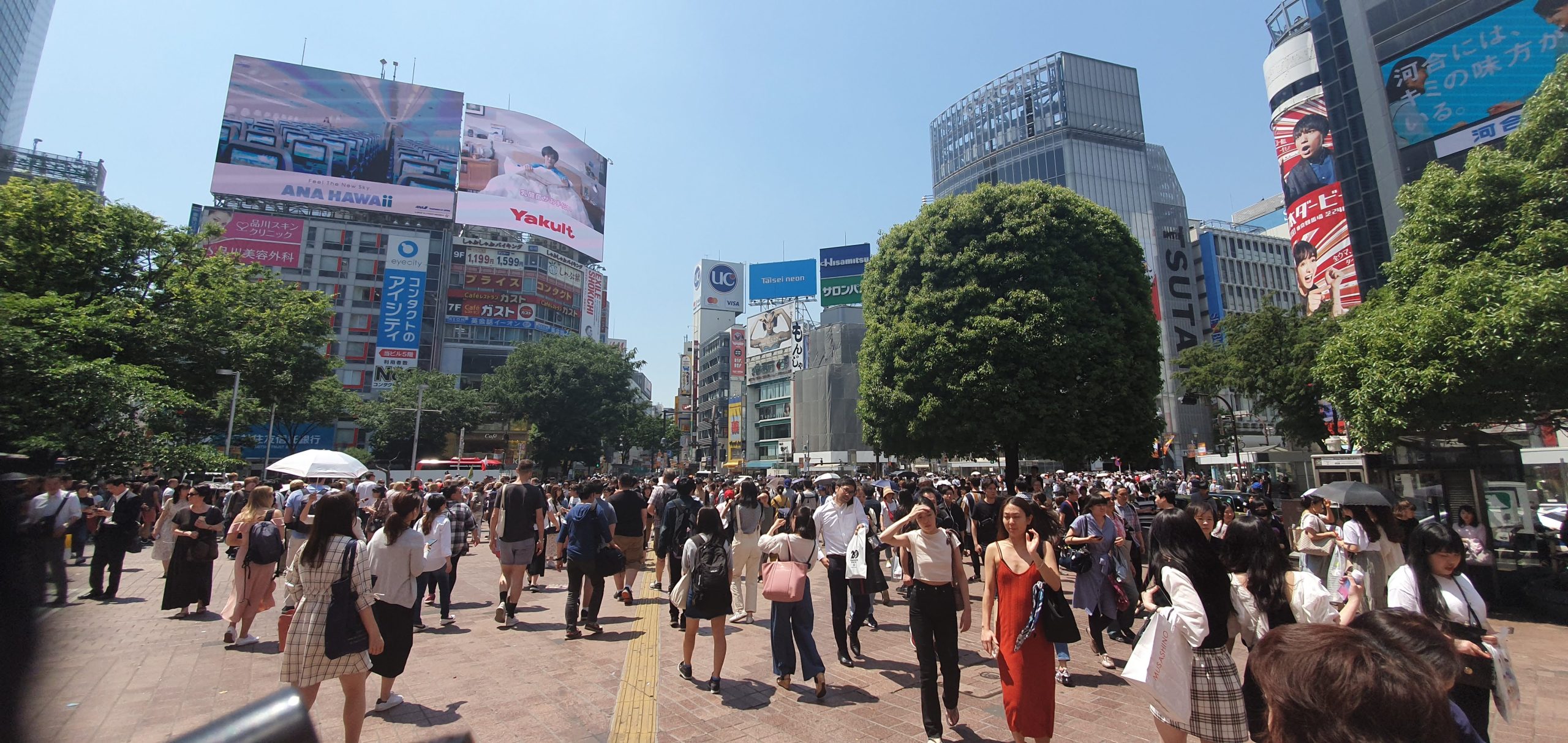
Tokyo’s transport map looks more alarming than it is. On our first trip, we arrived at Narita, took a local JR train into the city and then spent a week moving between very different parts of Tokyo without a car. By our later visits, the useful lesson had not changed: you do not need to understand every operator before you travel. You need one way to pay, a route app and the confidence to follow the signs.
We visited Tokyo in September 2015, September 2017 and May 2019. The personal experience in this guide comes from those trips; current practical details were checked against official information on 26 September 2026.

Written by Katharina Mungall
Travel writer, photographer and architect
The simple answer: use a Suica, Welcome Suica, PASMO or another compatible IC card for ordinary journeys, and let Google Maps or Japan Travel by NAVITIME choose the route. Buy a pass only after checking that your planned journeys stay on the lines it covers.
Tokyo transport at a glance
| Decision | Best starting point |
|---|---|
| Paying for ordinary city journeys | IC card |
| Several Metro and Toei journeys | Compare a 24, 48 or 72-hour Tokyo Subway Ticket |
| Day built around the Yamanote Line | IC card rather than a subway-only pass |
| Airport transfer | Choose the service with the easiest final connection to your hotel |
| Route planning | Use a live route app and check the station exit |
JR, Tokyo Metro and Toei: the distinction that matters
Tokyo is not served by one underground system. JR East runs the Yamanote Line and other city railways. Tokyo Metro operates nine subway lines and Toei operates another four. Private railways connect central Tokyo with many outer districts and neighbouring prefectures.
That sounds more complicated than it feels on the ground because the main IC cards work across the networks. You can follow the route in your app and tap through the gates instead of buying a separate paper ticket every time the operator changes.
The JR Yamanote Line is the loop you will use repeatedly for major stops including Tokyo, Ueno, Shibuya, Harajuku and Shinjuku. The subway is often better for places inside or away from that loop, including Ginza, Asakusa and Roppongi. Neither is automatically better; check the journey you are actually making.
Which IC card should you get?
Suica and PASMO are different brands doing almost the same job for a visitor. Compatible regional cards such as ICOCA can also be used across most ordinary Tokyo trains, subways and buses. The card does not normally discount the fare. Its value is convenience: load money once, tap in and out, and use the same balance for many vending machines, lockers and shops.
Welcome Suica for short visits
Welcome Suica is JR East’s physical visitor card. It is currently sold at Narita Airport, Haneda Airport Terminal 3 and selected travel centres at major stations including Tokyo, Shibuya, Shinjuku, Ikebukuro and Ueno.
- It is valid for 28 days including the purchase date.
- There is no deposit.
- The remaining balance is not refundable.
- You can add up to ¥20,000.
- Top-ups use yen rather than a credit card.
Do not load a large amount on the first day. Start with what you are likely to use and top up at a ticket machine or a supported Seven Bank ATM. Keep the reference paper because that is where the validity period is shown.
A child Welcome Suica requires proof of age when it is purchased. Each traveller needs their own card; you cannot pass one card back through the gate for the next person.
Mobile cards
Mobile Suica and PASMO can be convenient if your phone and payment card support them, and JR East also offers Welcome Suica Mobile for eligible visitors. Set this up before relying on it at the airport. Device, region and payment-card compatibility can be the frustrating part, not using it at the gate.
If the mobile setup does not work, a physical card or paper ticket is a perfectly normal fallback. Tokyo’s railway system is not dependent on having a Japanese phone.
How to use an IC card at the gate
- Check that the destination in your route app matches the station name and operator.
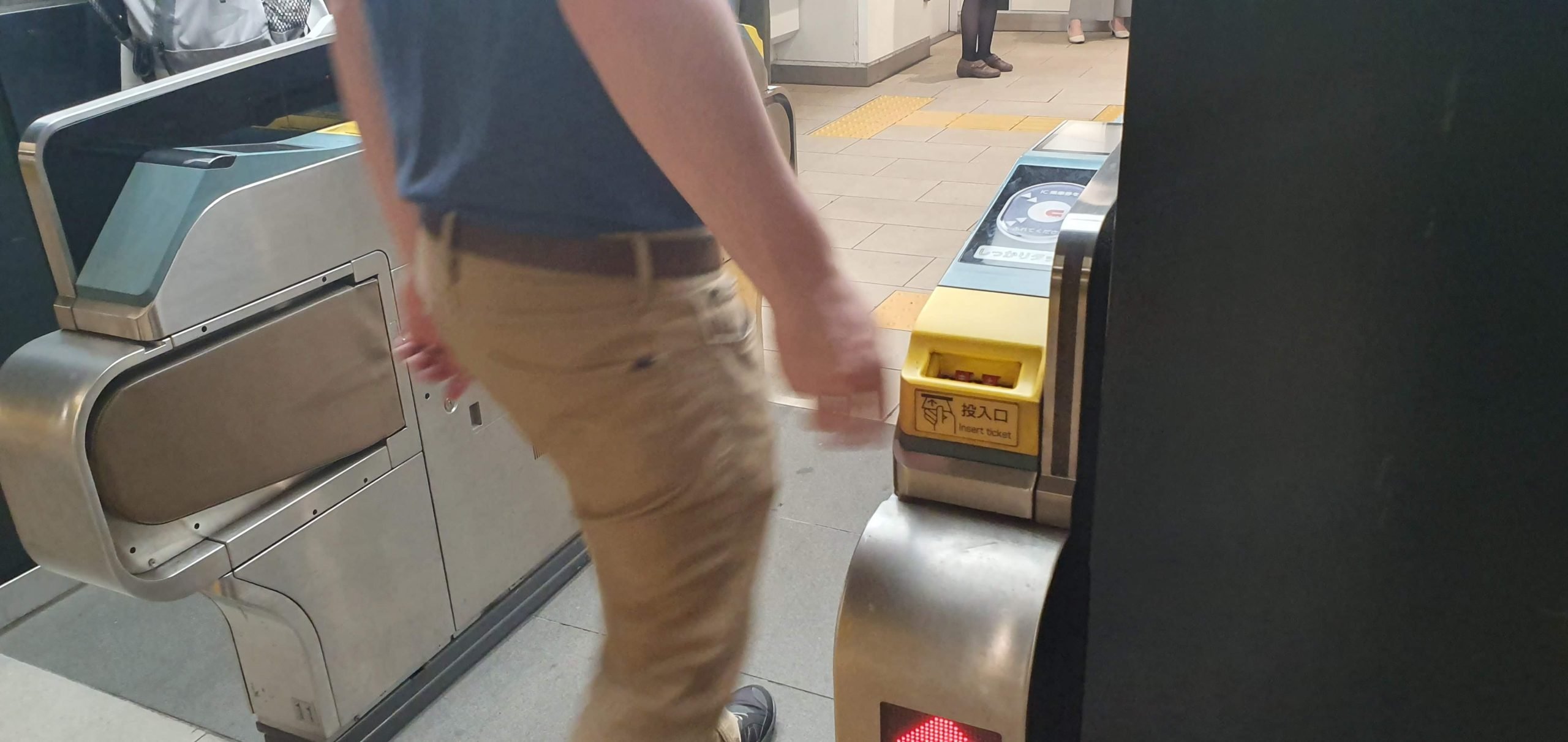
- Touch the card or phone flat against the reader when entering.
- Follow the line colour, direction and platform number.
- Touch out at the destination. The correct fare is deducted automatically.
If the balance is too low, use a fare-adjustment machine or ask the staff beside the gate. If you forget to tap out or the card stops working, do not force another gate. Show the card to a station attendant so they can correct the journey record.
When the Tokyo Subway Ticket saves money
The Tokyo Subway Ticket covers all Tokyo Metro and Toei Subway lines for 24, 48 or 72 hours from first use. As checked in September 2026, the adult prices are ¥1,000, ¥1,500 and ¥2,000 respectively. It does not cover JR trains or private railways.
That makes it useful for a dense subway-based plan, but poor value for a day built around the Yamanote Line. Four subway journeys is a rough starting point, not a guarantee: enter the actual stops into your route app and compare the fares before buying.
The Tokyo Metro 24-hour Ticket is a different product. It covers Tokyo Metro but not Toei or JR. There are still other operator-specific and calendar-day passes, which is why buying the first ticket with “Tokyo” on it can create more restrictions than savings.
How to navigate the large stations
Big stations are small cities. Shinjuku is the obvious example, but Tokyo, Shibuya and Ikebukuro can also add a long indoor walk to what looked like a short journey.
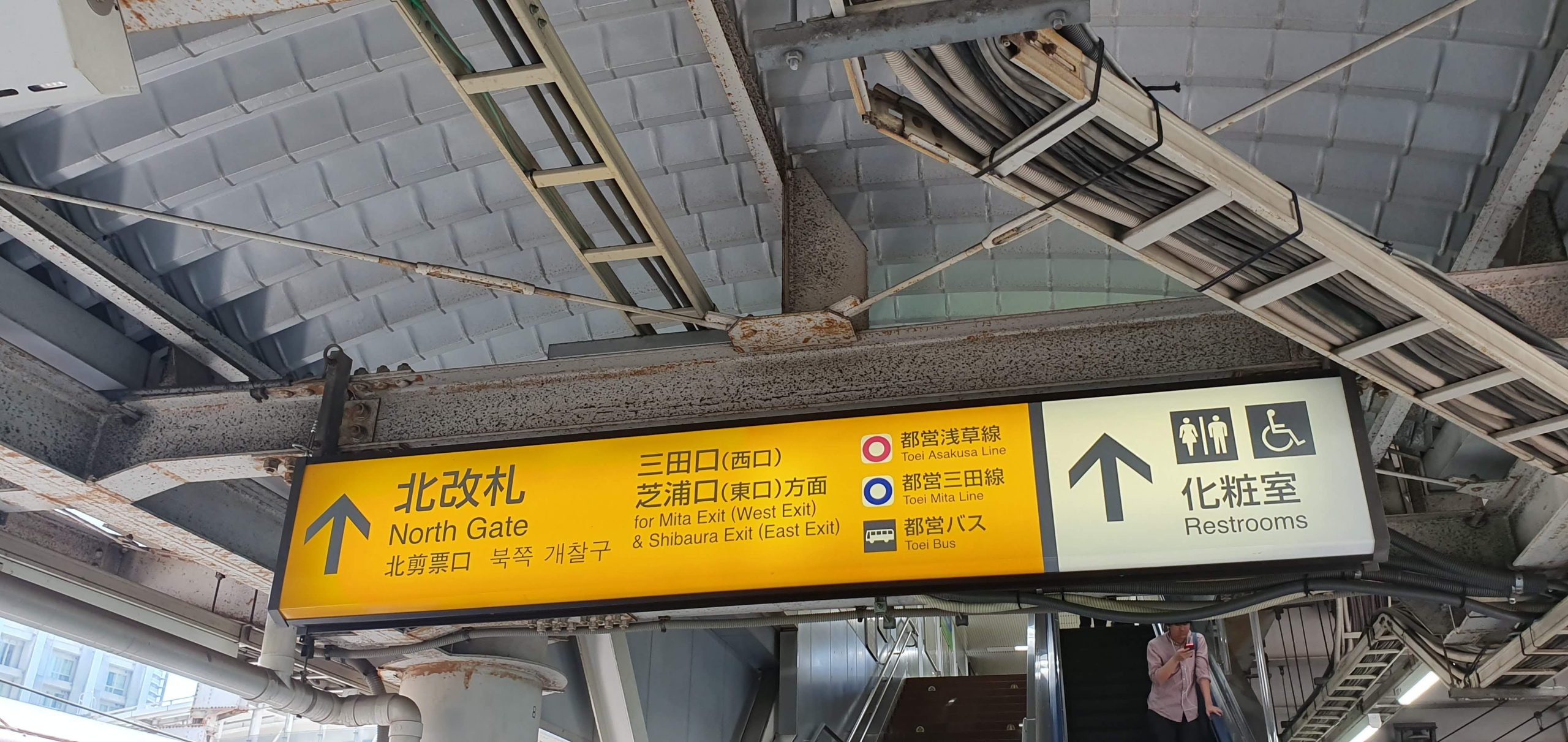
- Follow the line colour, direction and platform number, not only the station name.
- Use the exit number or name shown in your route app.
- Allow extra time for the first visit to a major interchange.
- If you need a lift, check the accessible route rather than assuming the nearest exit has one.
- Meet companions at a named gate or landmark, not simply “at Shinjuku Station”.
On our first visit, the system became easier once we stopped treating every change as a potential disaster. Signs are generally clear and trains are frequent. The practical catch is that the walk through the station may take longer than the train ride.
Airport transfers: choose the easiest final connection
From Narita, JR East’s Narita Express serves Tokyo, Shibuya and Shinjuku, while Keisei services are useful for Ueno and Nippori. From Haneda, the Tokyo Monorail connects with Hamamatsucho and Keikyu trains run towards Shinagawa and through onto the Asakusa Line.
The fastest train on paper is not automatically the best one if it leaves you with luggage and two changes across central Tokyo. Put the hotel into the planner, compare the complete journey and choose the least awkward final connection.
We used a local JR service from Narita on our first trip. It was cheaper than the express option at the time and got us into central Tokyo, but that was a 2015 decision rather than a current price recommendation. Check the JR East ticket guidance and the airport operator’s current information before travelling.

Rush hour, luggage and the last train
If you have a large suitcase, avoid a complicated central interchange at the busiest commuting times where possible. Stand clear of the doors, remove a backpack in a crowded carriage and let passengers leave before you board. Platform markings show where to queue.
Tokyo’s trains do not run all night. Check the last practical connection rather than only the departure from the first station, particularly after an evening in Shinjuku or Shibuya. A late taxi across the city can cost far more than the train journey you missed.
Coin lockers help when changing hotels or sightseeing before check-in, but large lockers can fill. Luggage forwarding is worth considering if several train changes would otherwise dominate the day.
Build days around areas
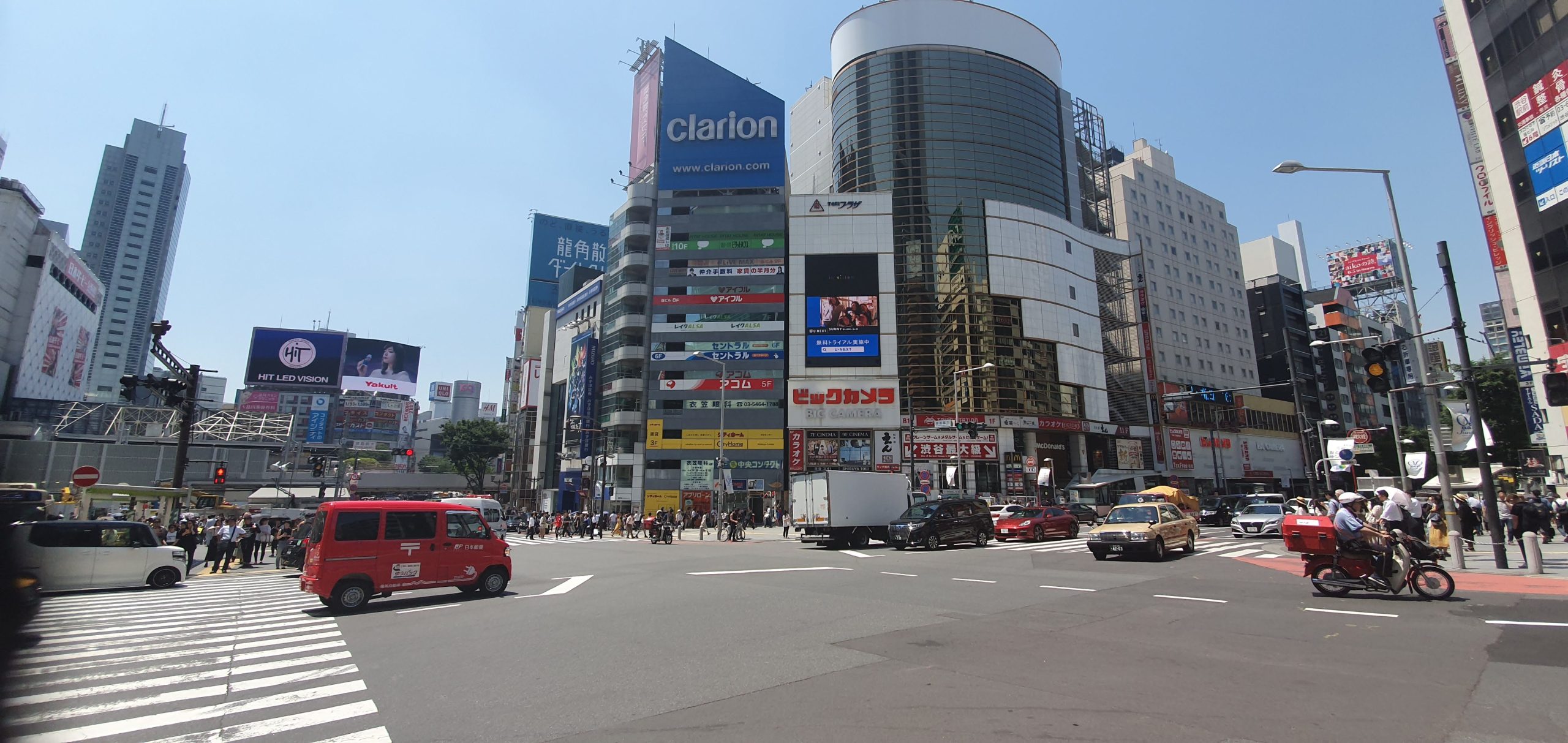
The easiest way to reduce transport time is to stop crossing Tokyo unnecessarily. Our five-day Tokyo itinerary groups the city into practical area blocks.
For example, Tokyo Station, Marunouchi, the Imperial Palace, Ginza and Yurakucho form our Central Tokyo route. Shibuya, Harajuku, Meiji Jingu and Shinjuku fit into our West Tokyo route. One longer train journey and several short walks are usually easier than collecting isolated attractions.
Common first-time questions
Do I need a Japan Rail Pass for Tokyo?
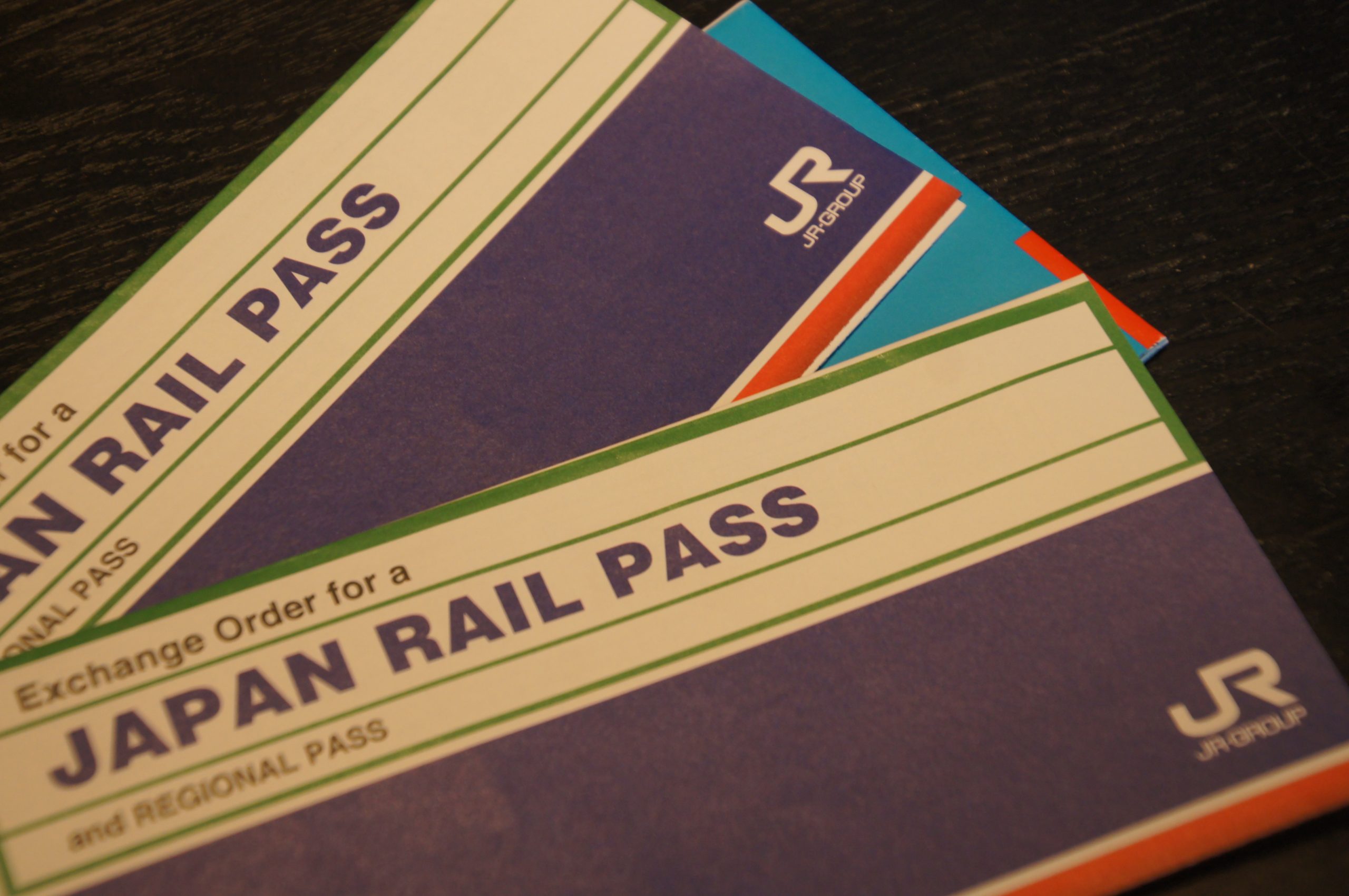
No. A nationwide Japan Rail Pass covers JR services but not Tokyo Metro, Toei or private railways. It is not a general Tokyo transport pass.
Is the Yamanote Line enough?
No, although it links many major areas. You will still use subways or private railways for places beyond the loop and for routes across its centre.
Can I use one IC card across Japan?
The main regional IC cards are interoperable on most ordinary urban transport. There are exceptions, particularly when crossing IC-card regions or using services that require a separate ticket.
Should I use buses in central Tokyo?
Usually only when the bus is clearly the most direct option. Trains and subways are easier for most first-time routes, while buses become more useful for particular neighbourhoods and gaps between stations.
Tokyo’s network is large because the city is large. Start with an IC card, group your sights by area and let the route app handle the fiddly part.
What part of Tokyo transport are you most worried about before your trip? Let us know in the comments below.