The Okinawa Prefectural Museum & Art Museum was the first major stop of our sightseeing day in Naha—and, in hindsight, exactly where our Okinawa trip needed to begin.
Before visiting, it is easy to reduce Okinawa to turquoise water, palm trees and “Japan, but tropical”. The museum dismantled that idea within a morning. It introduced us to the Ryukyu Kingdom, Okinawa’s distinctive culture and architecture, its relationship with mainland Japan and China, and the American involvement that continues to shape the islands.
Later in the trip, Shuri Castle, Tsuboya’s pottery district, the traditional houses and even the atmosphere of Naha made more sense because we had started here. If you enjoy travelling with some understanding of what you are looking at—not merely accumulating attractive photographs—the museum earns its place near the beginning of your itinerary.
IS THE OKINAWA PREFECTURAL MUSEUM WORTH VISITING?
Yes. For us, it was one of the most useful places we visited in Naha.
It may not be the attraction that first persuades somebody to book flights to Okinawa. Whale sharks, beaches and castle courtyards tend to perform that job rather more efficiently. But the museum provides the context that connects those headline experiences into a place with its own history.
I was particularly interested in the traditional houses and building methods—an occupational hazard when an architect is released into a museum. Gary enjoys history, so the political and cultural story held his attention too. This was not one of those visits where one person studies every label while the other waits heroically beside the exit.
OUR VISIT TO THE OKINAWA PREFECTURAL MUSEUM
Our original itinerary records the museum at about 9:30 am on our main Naha day. We travelled there using the Yui Rail and spent a substantial part of the morning exploring before heading towards Shuri for lunch.
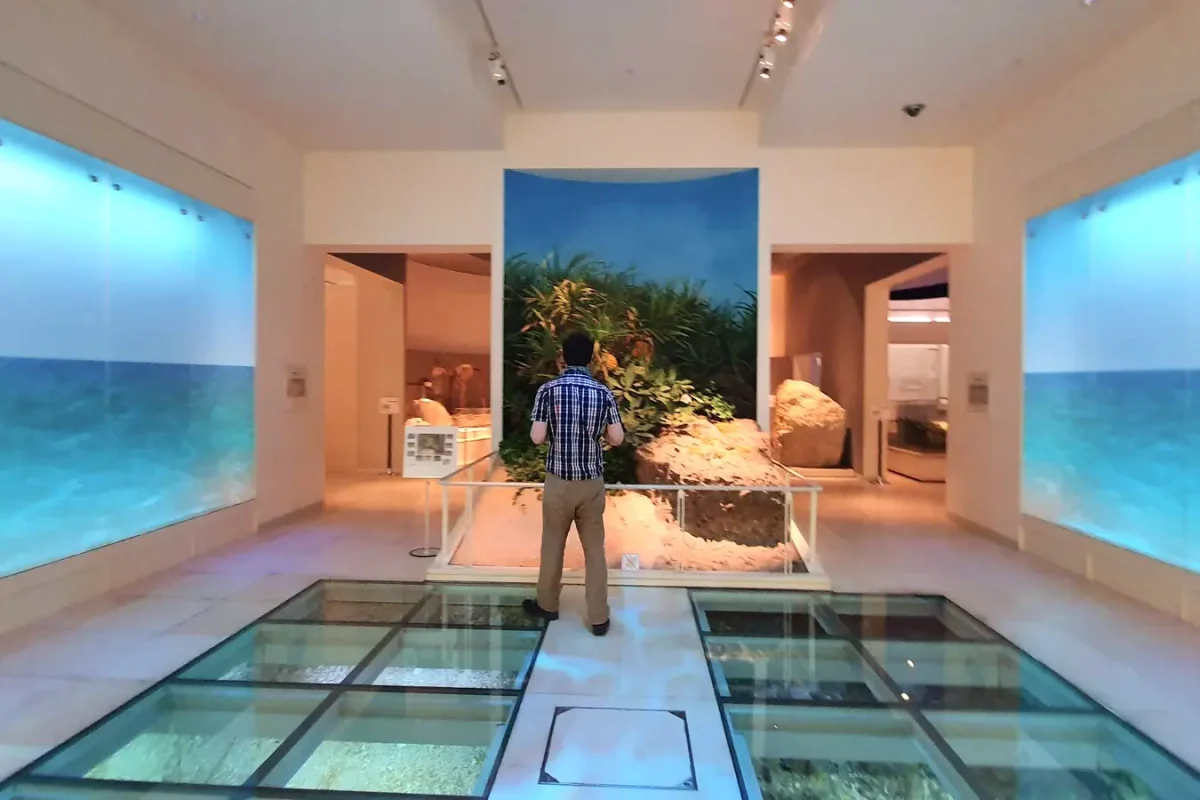
The visit came early in our honeymoon, before Shuri Castle and before we travelled farther across Okinawa Honto and the outer islands. That order mattered. Museums can sometimes feel like worthy homework inserted between the “real” attractions; this one made the rest of the attractions richer.
The traditional Okinawan houses remain my clearest visual memory. Their forms, materials and response to the islands’ climate were quite unlike much of the architecture we had seen during two previous trips to mainland Japan. I could have lingered considerably longer, although travelling companions are occasionally entitled to lunch.
I also remember learning about Ryukyuan history and the American role in Okinawa. The museum helped explain why the prefecture feels culturally distinct, why military bases remain such a visible and complicated subject, and why simply describing Okinawa as a Japanese beach destination misses so much.
WHAT IS THE DIFFERENCE BETWEEN THE MUSEUM AND ART MUSEUM?
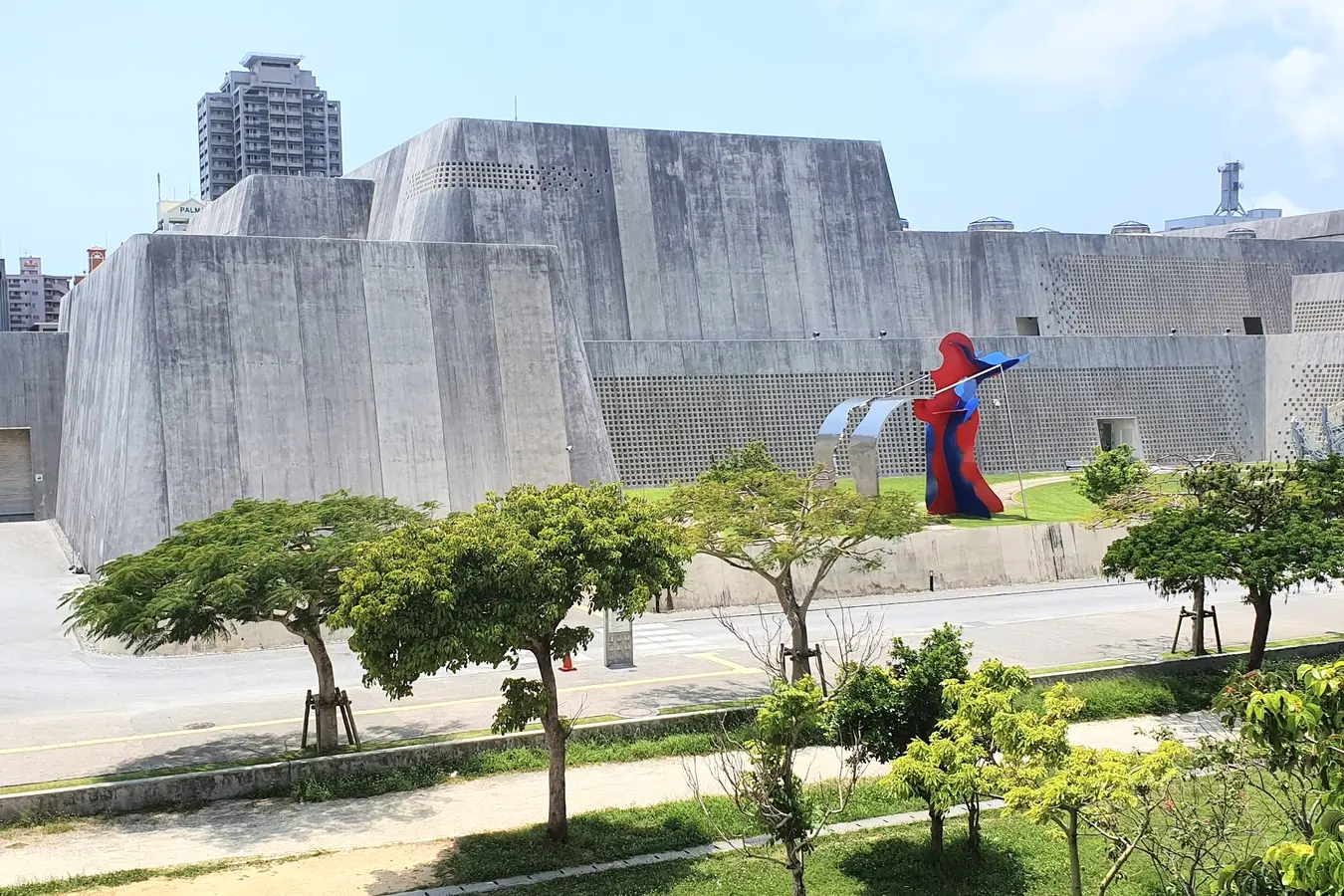
The complex—often shortened to OkiMu—combines a prefectural museum with an art museum in the same striking building. They are related, but they are not one indistinguishable exhibition.
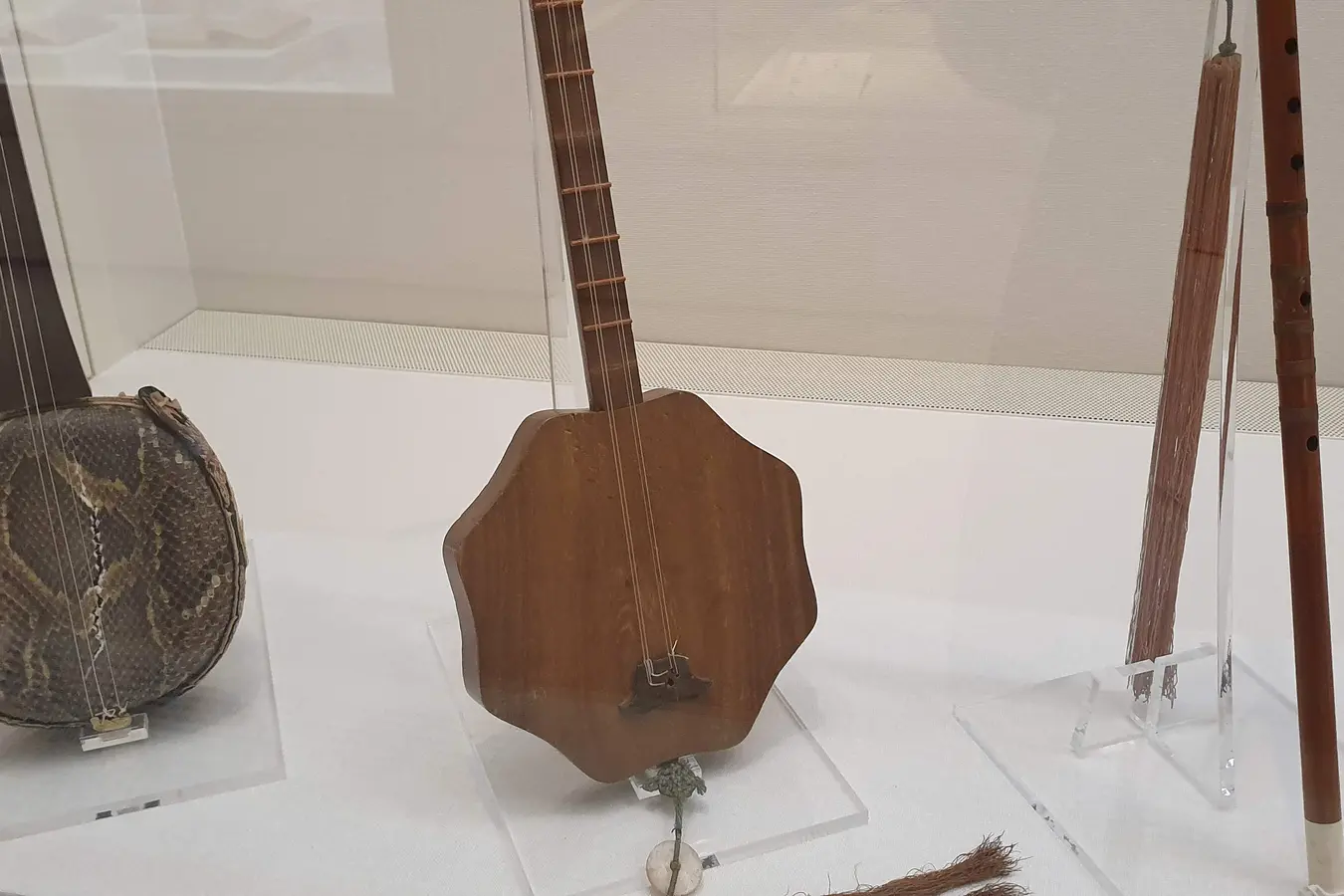
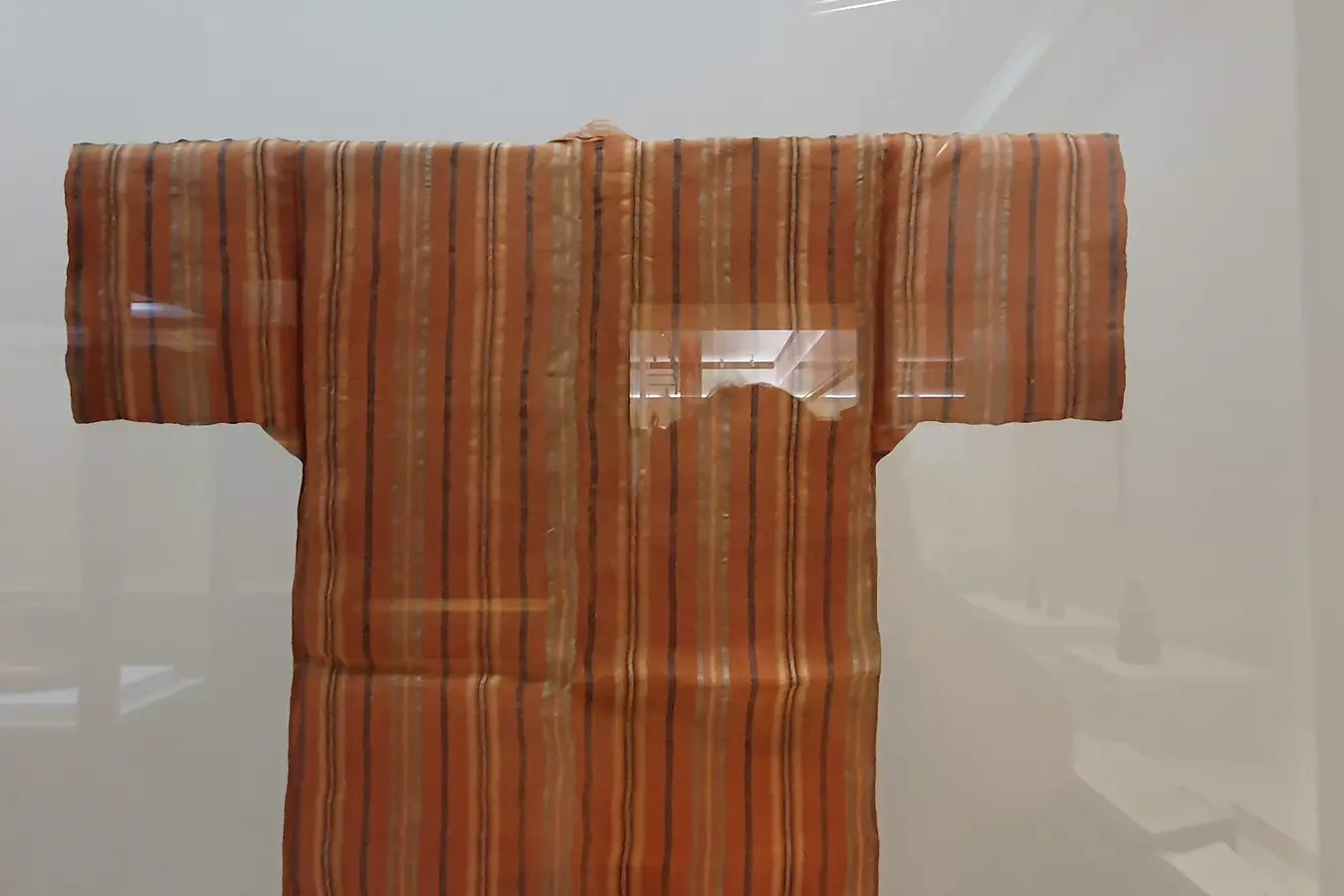
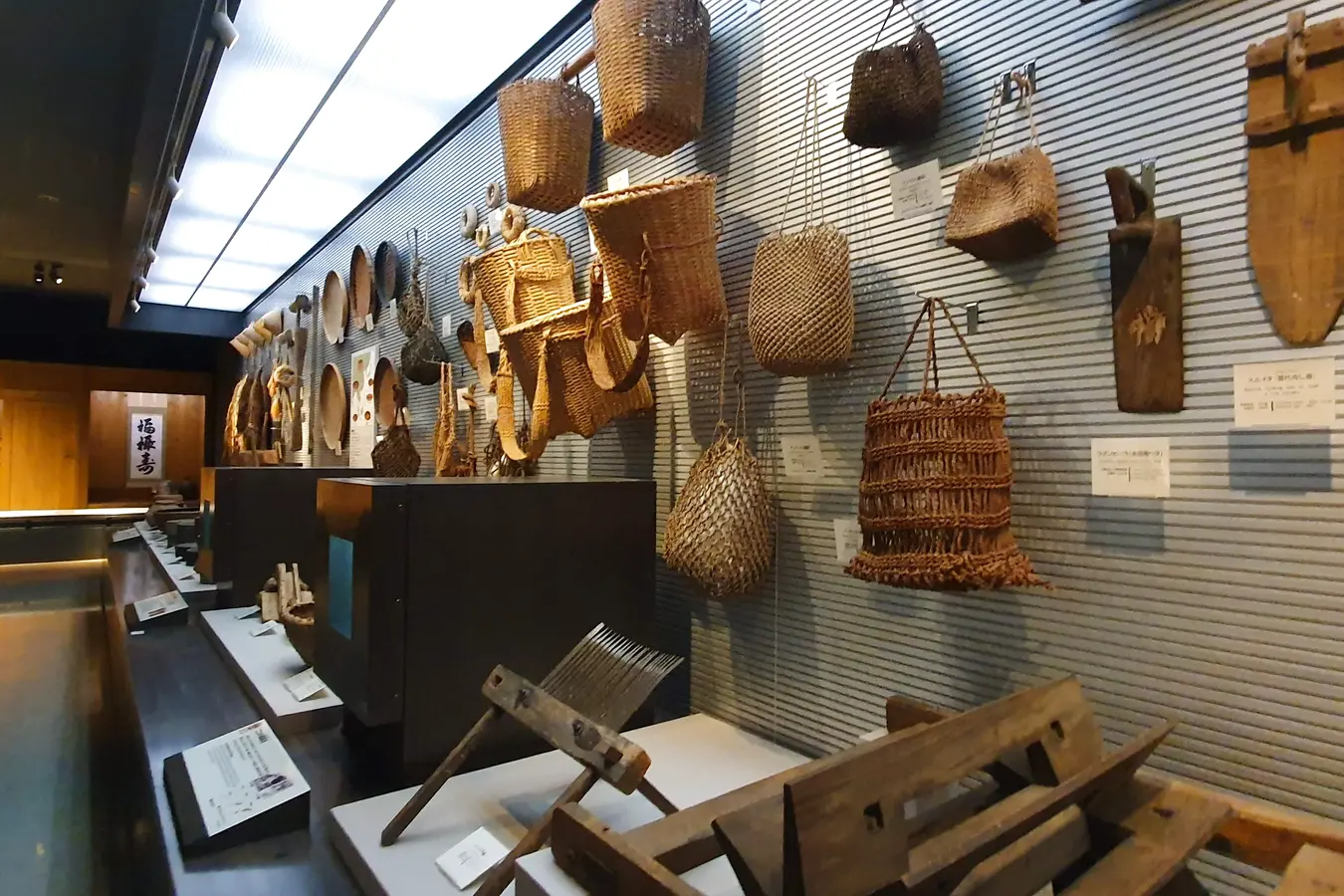
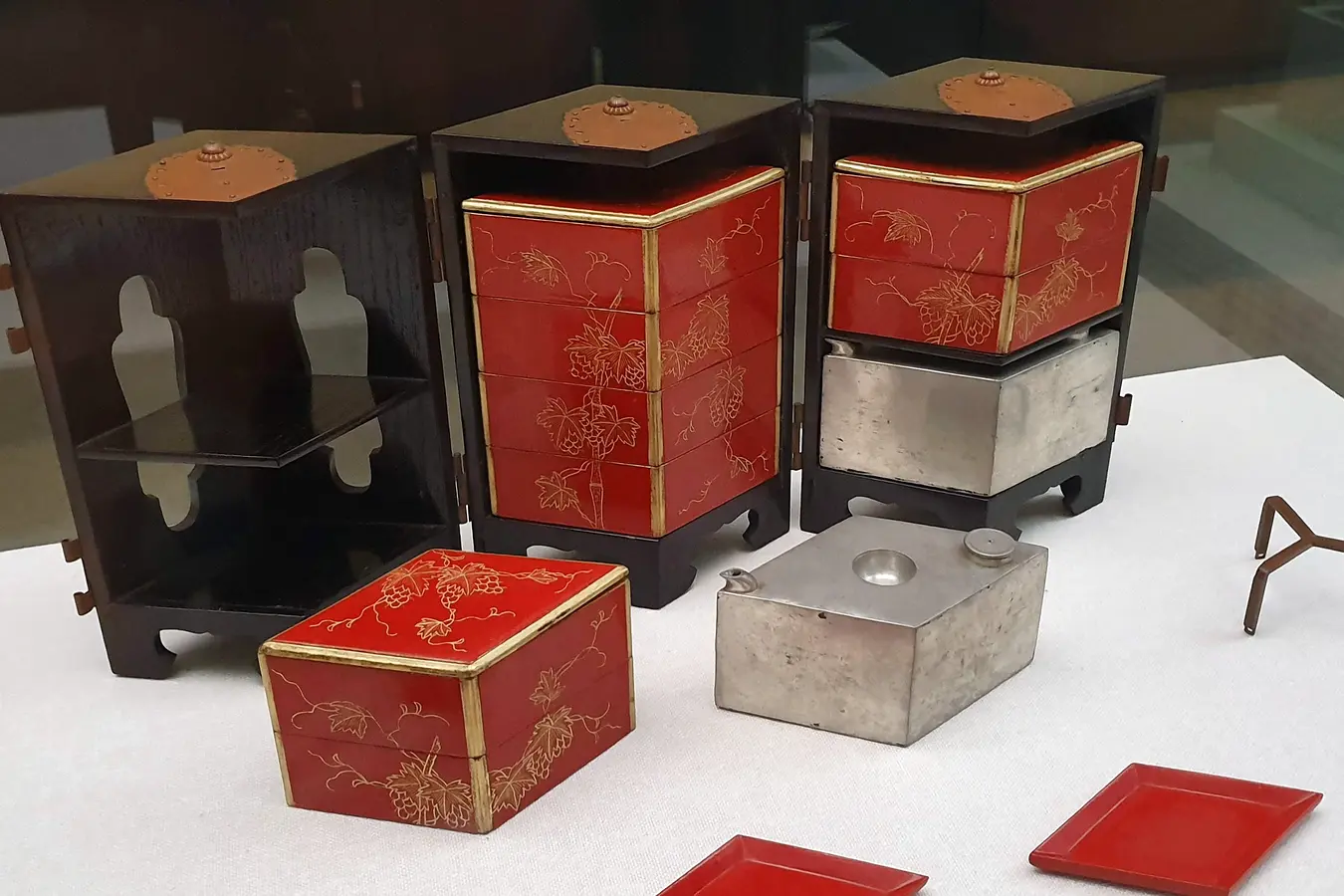
The museum focuses on Okinawa’s natural environment, archaeology, history, culture and traditional life. The art museum presents work connected with Okinawa and its artists through its collection and temporary exhibitions.
Decide what matters most before buying tickets and allocating time. If your priority is understanding the Ryukyu Kingdom, traditional buildings and the islands’ wider story, the museum is the essential part. If art is equally important, allow considerably longer rather than pretending that both can be absorbed at speed because they share a roof.
English-language support is worth checking at the desk. The museum currently advertises free audio guides for its permanent museum and art exhibitions in five languages, including English, on a first-come-first-served basis. We did not use one, so I cannot review its quality, but it may help if you want more explanation than the gallery labels provide.
THE MUSEUM BUILDING IS PART OF THE EXPERIENCE
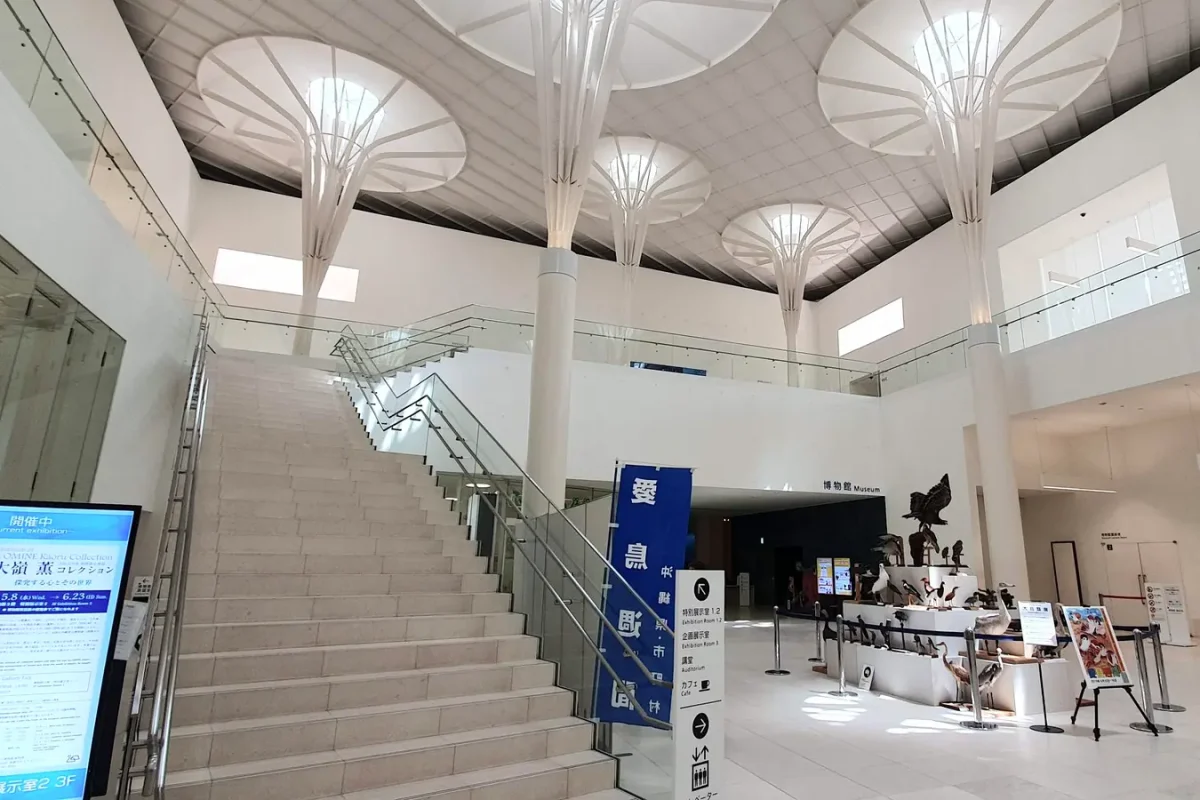
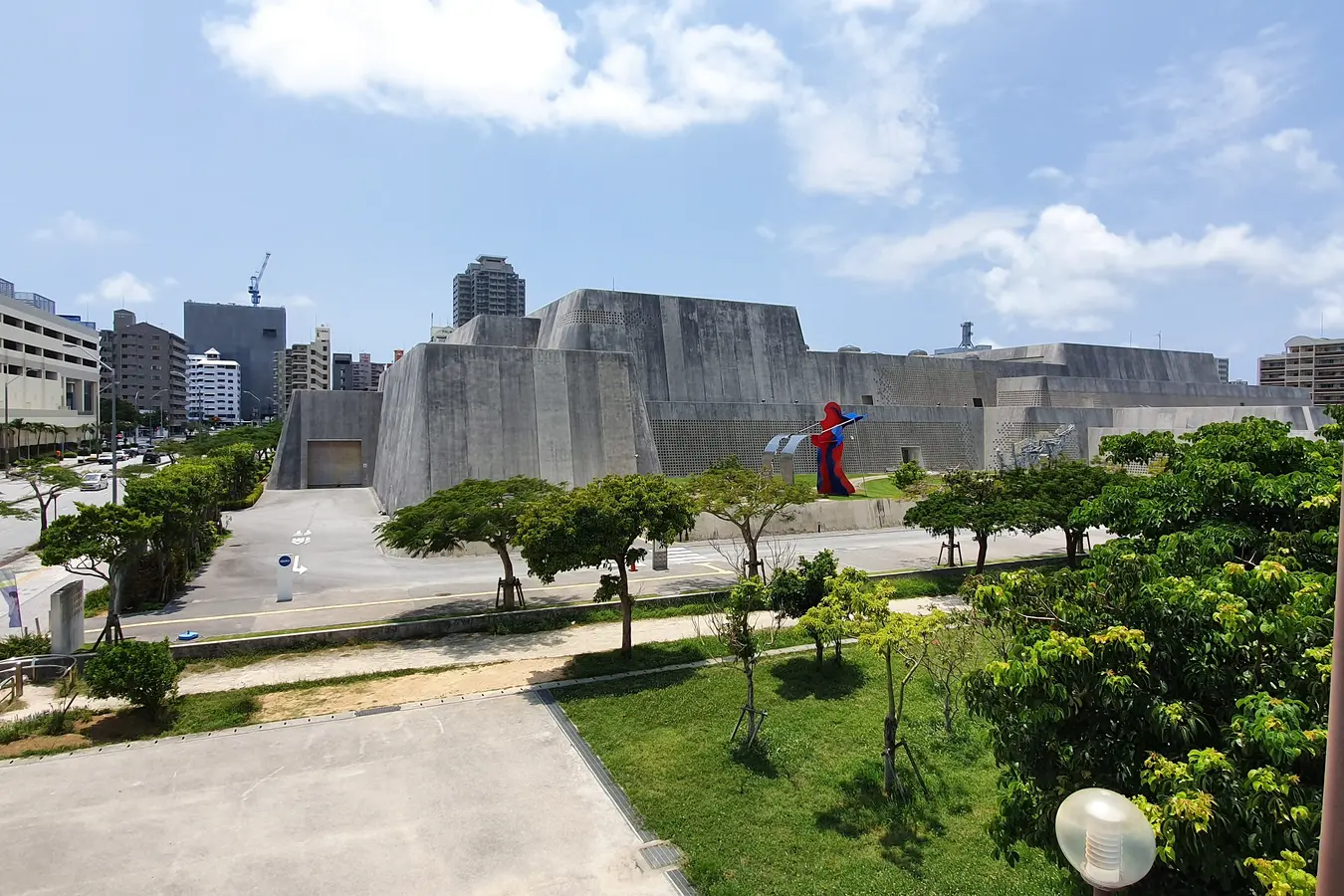
The museum’s official description says that the building was designed to evoke an Okinawan gusuku, or castle. That is a fitting choice for a collection concerned with Okinawan identity; housing it in a completely anonymous box would have been a rather magnificent missed opportunity.
As an architect, I naturally paid attention to the relationship between the building, the traditional-house displays and the climate-responsive architecture explained inside. You do not need to share my professional enthusiasm for walls and roofs, but do look at the building before disappearing into the galleries.
WHAT CAN YOU SEE AT THE OKINAWA PREFECTURAL MUSEUM?
RYUKYUAN HISTORY AND CULTURE
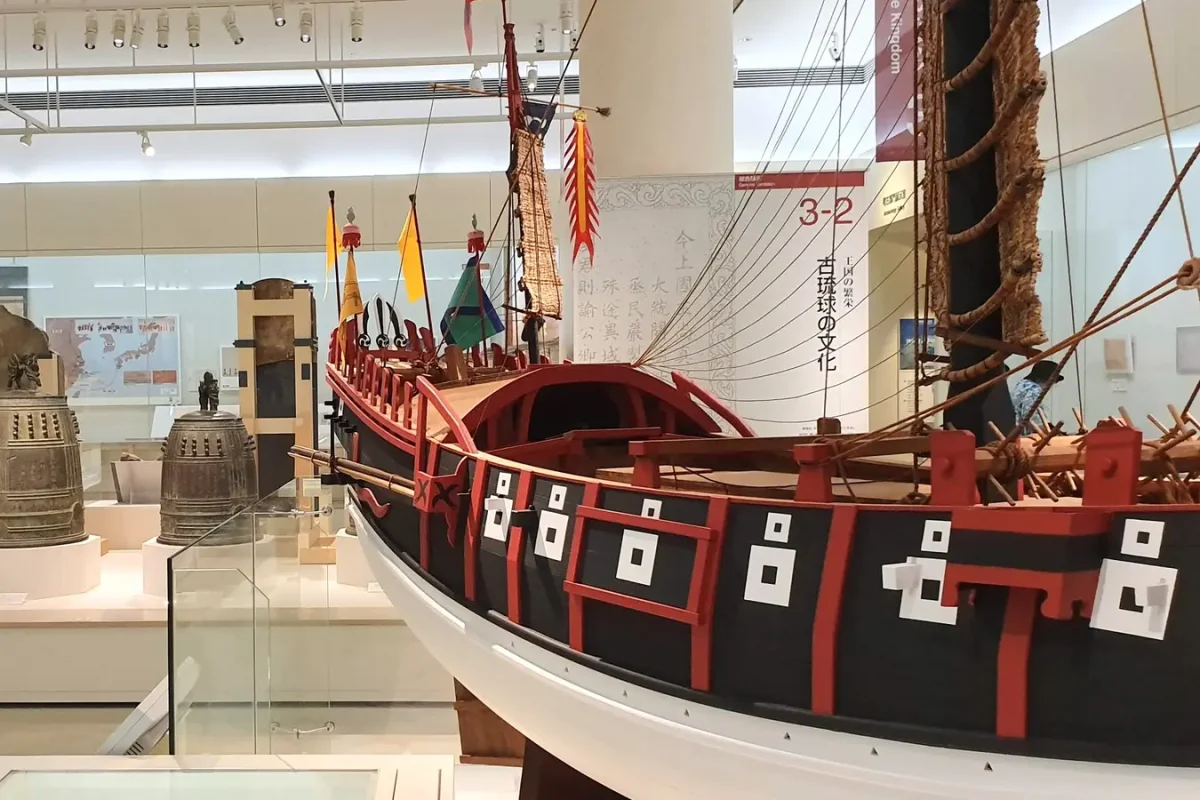
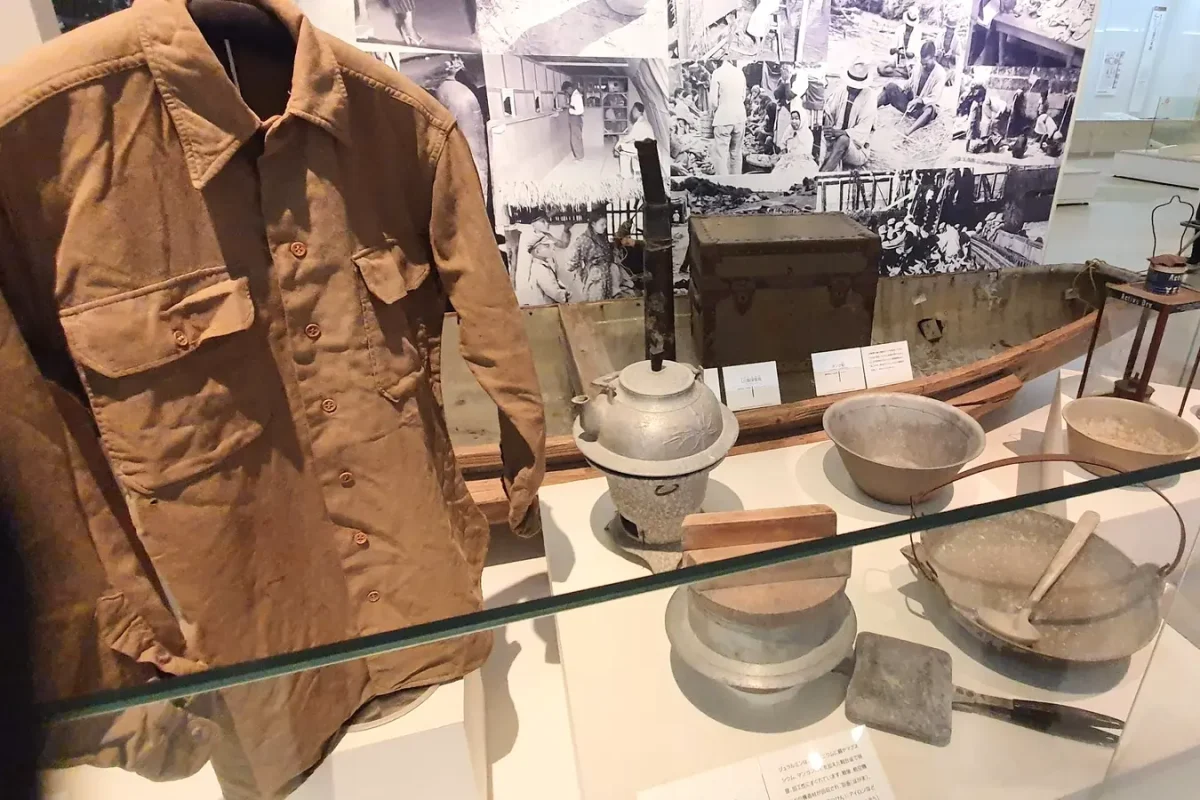
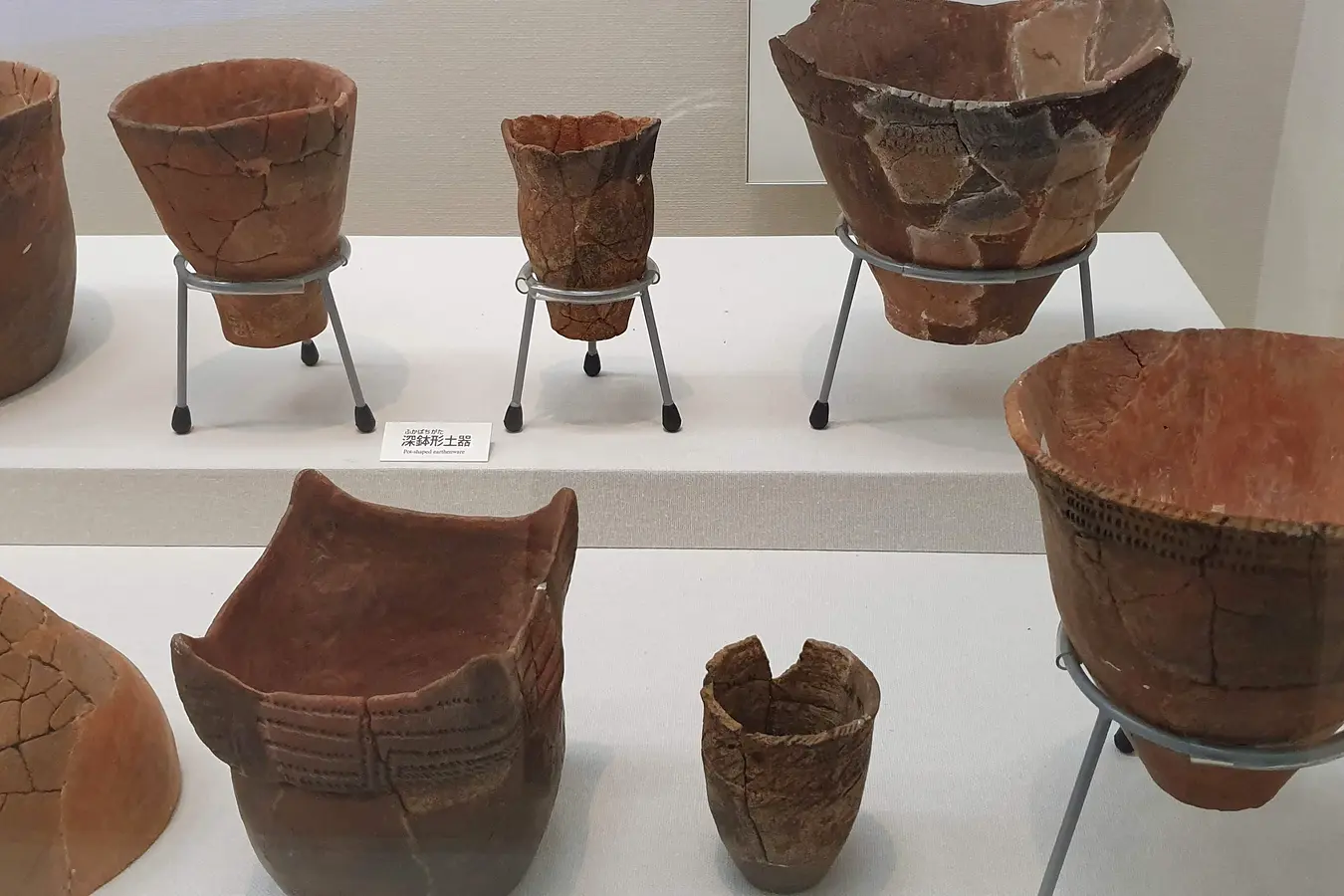
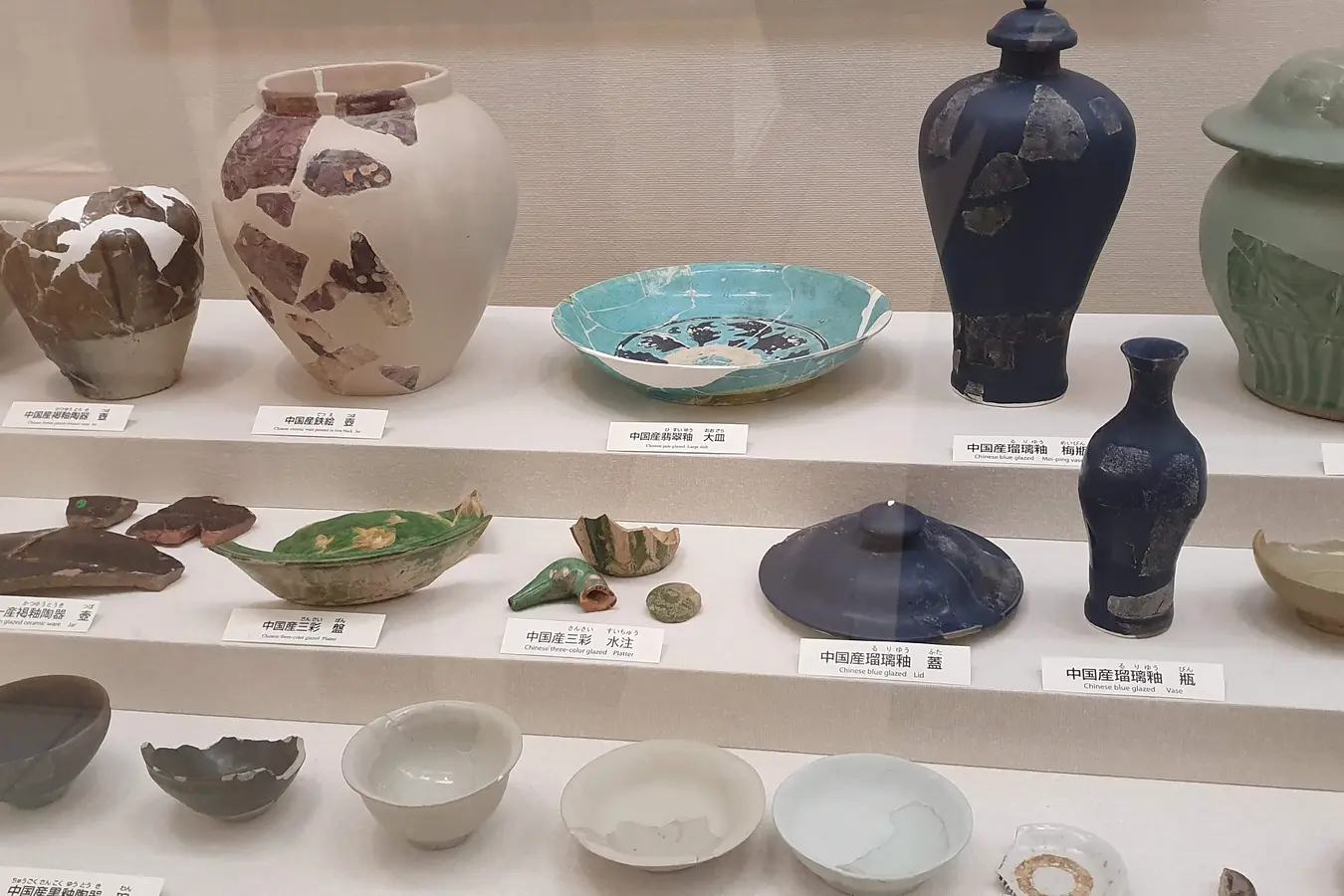
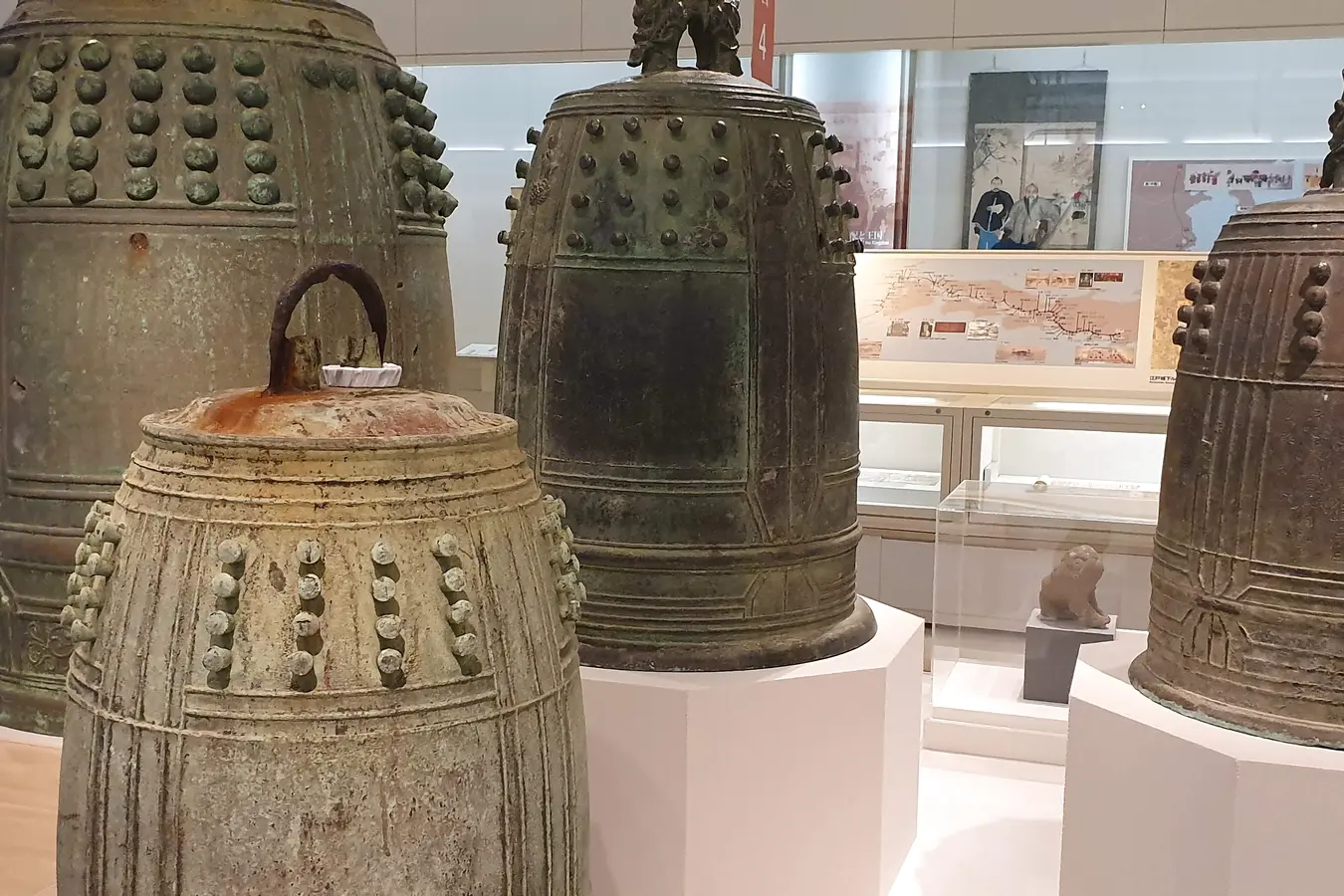
The museum introduces the history of the Ryukyu Islands before and after their incorporation into modern Japan. This context is particularly useful before visiting Shuri Castle, the former royal centre of the Ryukyu Kingdom.
Without that background, Shuri’s Chinese-influenced architecture and vivid ceremonial spaces can be admired aesthetically but understood only superficially. We visited the castle later the same day, and the two experiences complemented one another brilliantly.
TRADITIONAL OKINAWAN HOUSES
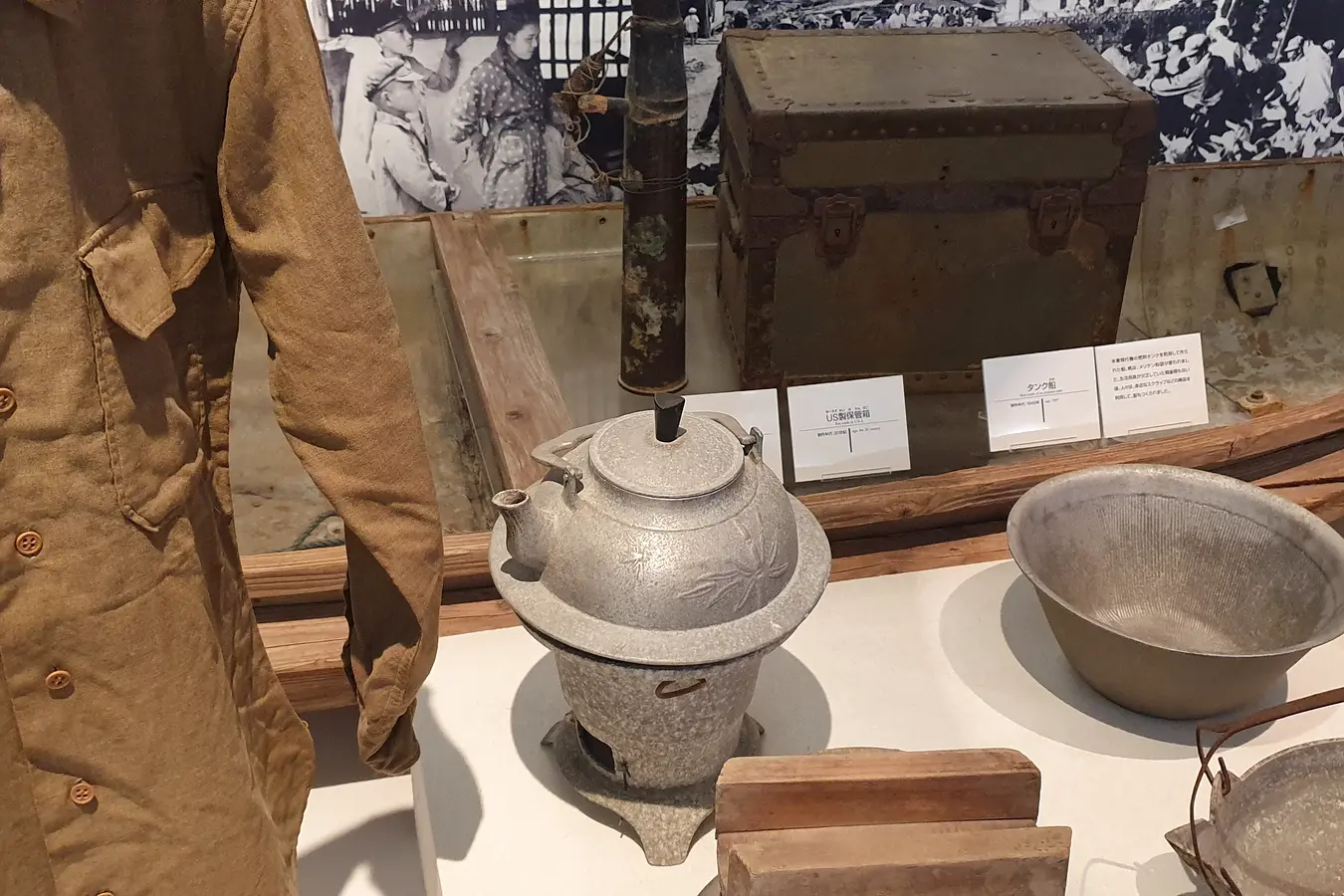
The displays concerning traditional homes were the part that stayed with me most strongly. The museum grounds also contain outdoor examples of traditional Okinawan architecture. Okinawan houses developed in response to heat, humidity, typhoons, available materials and local social customs; roofs, walls, courtyards and protective details therefore tell you something about daily life as well as construction.
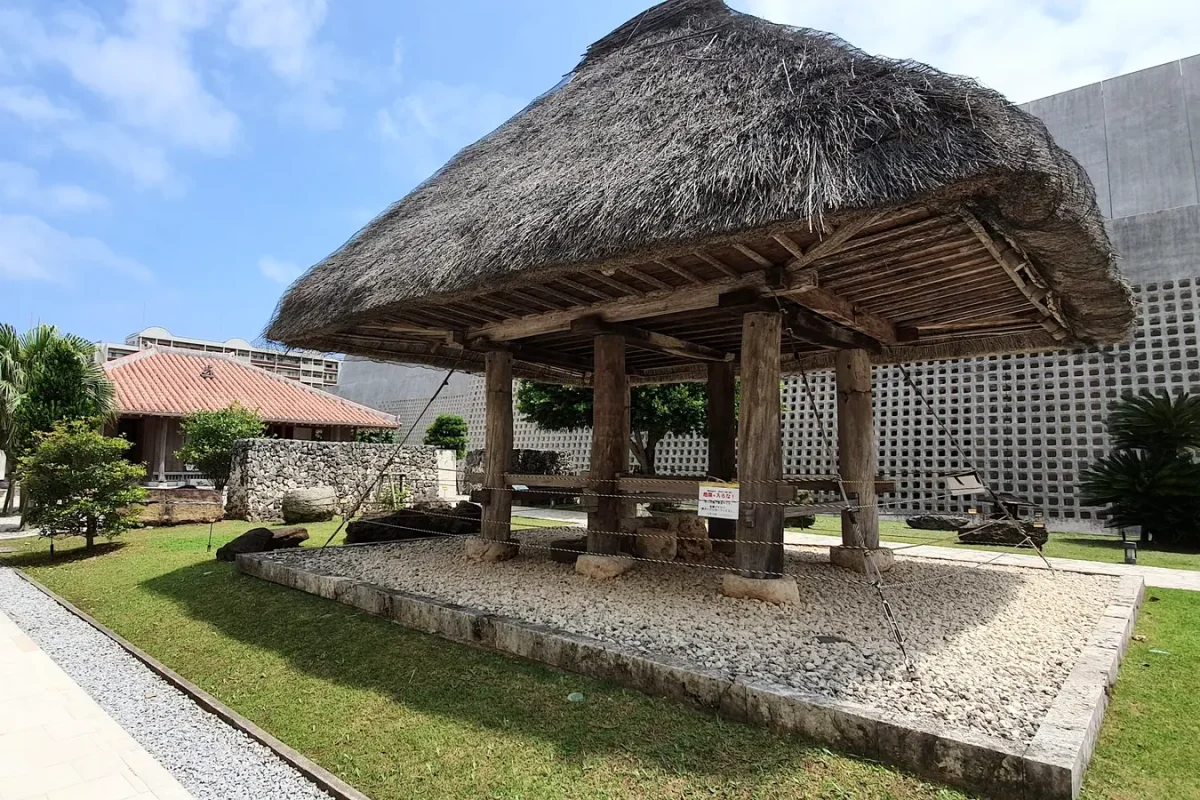
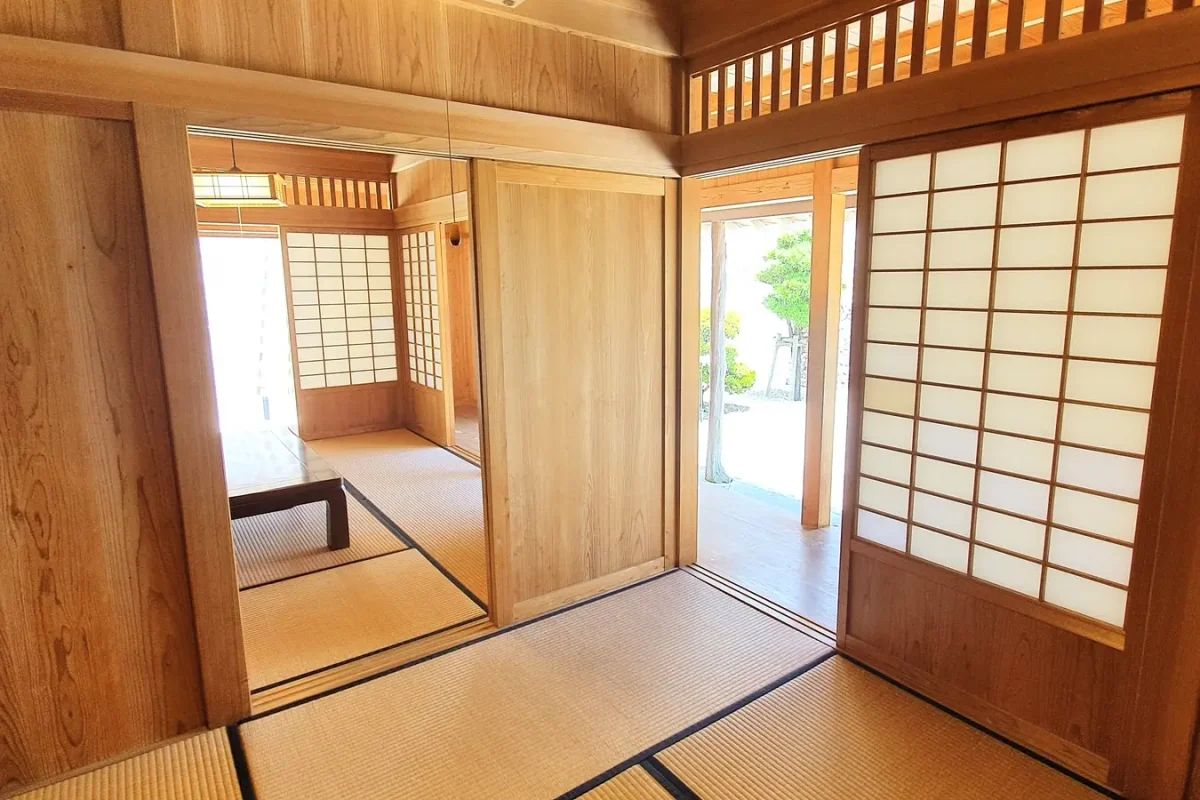
If buildings are not usually your thing, do not worry: you do not need an architectural education or an alarming interest in roof junctions to understand the displays. But looking at the houses here makes it easier to recognise traditional forms later at places such as Ryukyu Mura and on Taketomi Island.
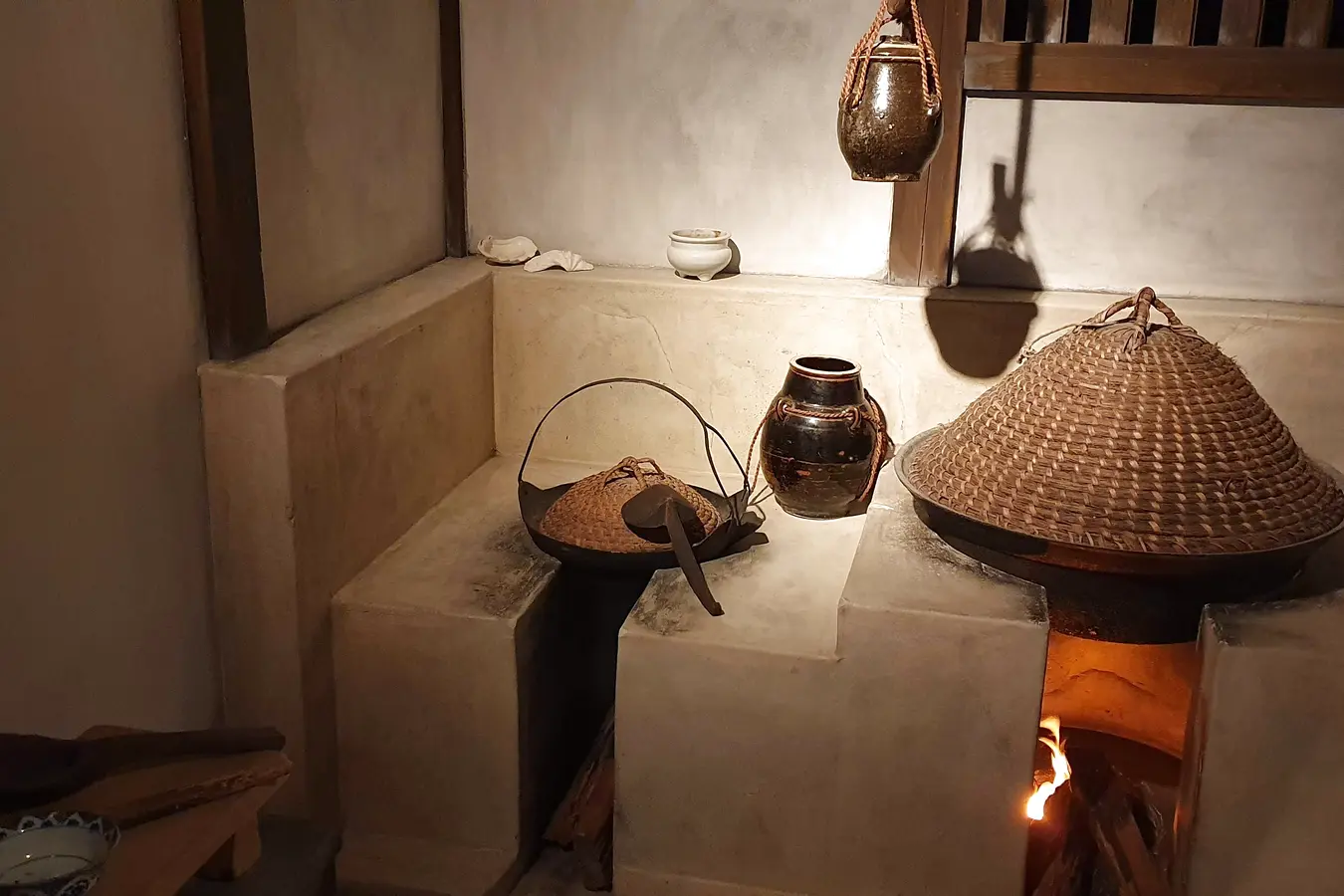
OKINAWA’S NATURAL ENVIRONMENT
Okinawa’s geography and subtropical environment shaped how people lived and how the islands developed. Natural-history displays place the coral reefs, marine life and distinctive island ecosystems within that wider story.
This becomes increasingly relevant if your route continues beyond Naha. Our trip later took us kayaking through Iriomote’s mangroves and snorkelling off Zamami; the islands are not interchangeable patches of beach attached to the same itinerary.
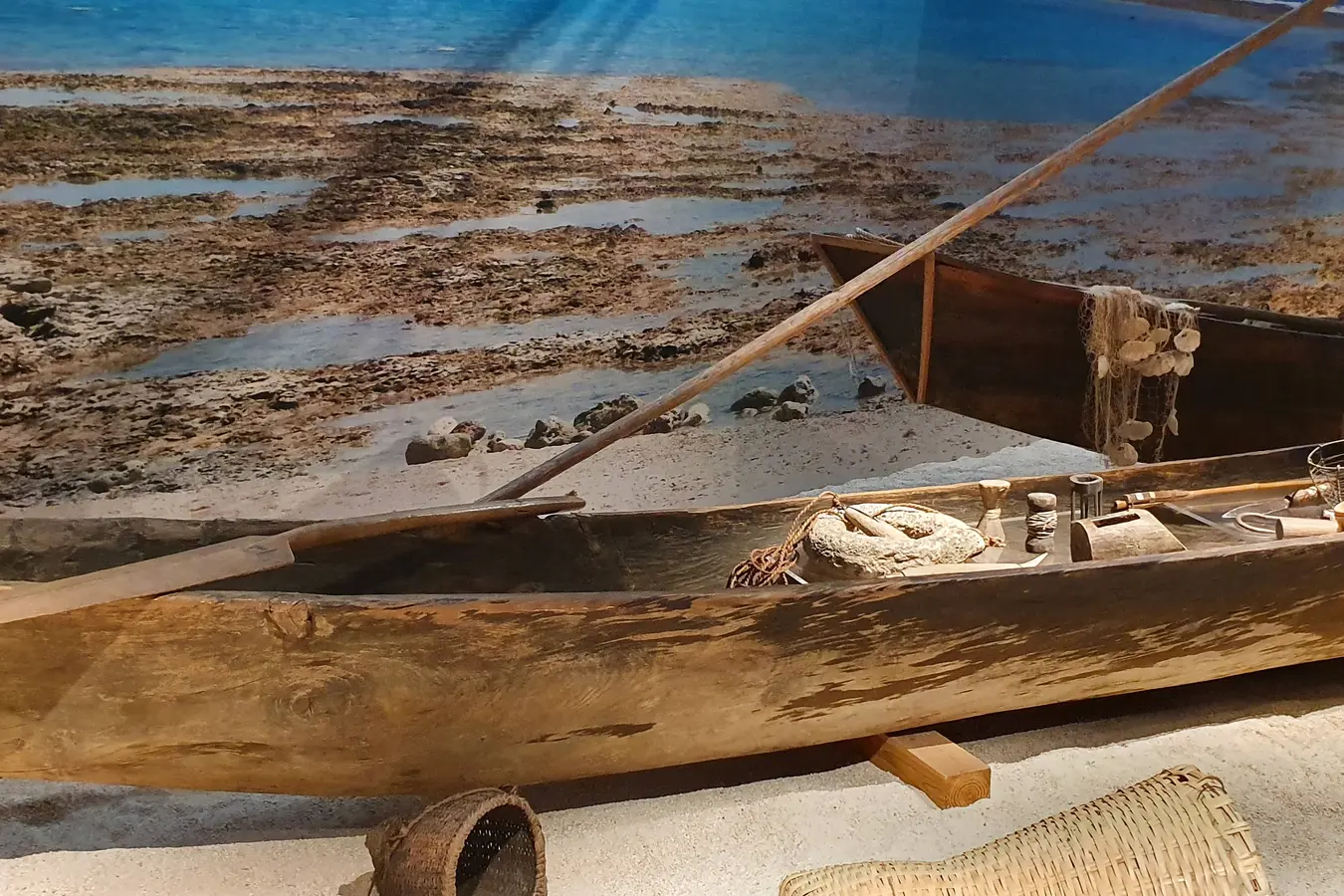
THE SECOND WORLD WAR AND AMERICAN PRESENCE
Okinawa’s modern history cannot be understood without the Battle of Okinawa, the post-war American administration and the continuing presence of United States military bases. The subject is complex and affects people living in the prefecture today.
The museum gave us an introduction rather than permission to imagine we had mastered that complexity in a morning. It did, however, stop the bases and American influences we encountered later from appearing as unexplained background scenery.
HOW LONG DO YOU NEED AT THE OKINAWA PREFECTURAL MUSEUM?
Allow at least two hours for the museum if you enjoy history and culture. Give yourself most of a morning if you want to read carefully, include the art museum or explore temporary exhibitions.
Our notes place us here from around 9:30 am until we travelled towards Shuri for a late lunch. We were not attempting a five-minute highlights reel, but we also had an ambitious afternoon ahead.
If museums are not normally your favourite part of a trip, concentrate on the sections explaining Ryukyuan history, traditional life and the islands’ natural environment. Those will provide the most useful foundation for the rest of an Okinawa itinerary.
HOW TO GET TO THE OKINAWA PREFECTURAL MUSEUM
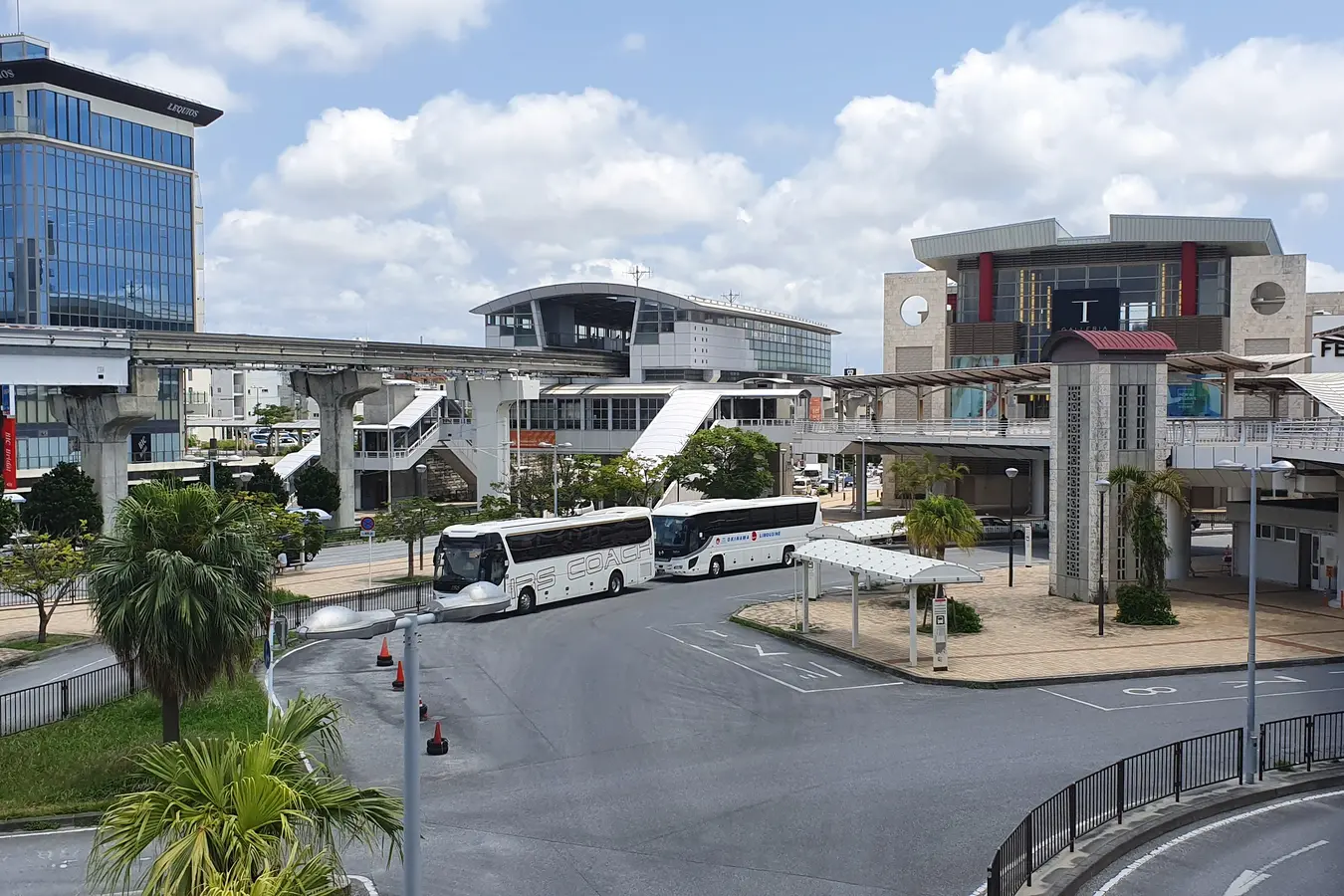
The museum is in Naha’s Omoromachi area. From Omoromachi Station, the official museum directions allow roughly 10–15 minutes on foot. We definitely used the Yui Rail for this journey, although I no longer remember whether we bought individual tickets or used a rechargeable transport card.
Check the current route and payment options on the official Yui Rail website. The museum’s own website should also be checked for opening days, ticket arrangements and temporary gallery closures before you travel.
You do not need to hire a car for this visit. In fact, combining the museum with Shuri and central Naha is one of the strongest days to keep completely car-free. Buses also stop close to the museum, while visitors who are already driving can use its free general parking; check the official access page for current routes and restrictions.
Our full Naha itinerary without a car shows how we connected the museum with lunch, Sairaiin and Shuri Castle.
HOW TO COMBINE THE MUSEUM WITH SHURI CASTLE
We visited the museum in the morning, travelled towards Shuri for lunch, stopped briefly at Sairaiin and then entered Shuri Castle at around 3 pm. Historically and thematically, the sequence works extremely well.
The museum explains the Ryukyu Kingdom; Shuri then gives that history scale, colour and physical presence. When we visited before the 2019 fire, walking into the richly decorated rooms after spending the morning learning about Okinawa made the castle feel far more significant than another attractive building.
Do not underestimate the time needed for either attraction. If the reconstructed castle interior is open for your visit, check its current reservation arrangements and allow for the walk or bus connection from the monorail.
CAN YOU VISIT THE MUSEUM WITH CHILDREN?
We visited on our honeymoon, not with children, so this is not a first-hand family review. The natural-history material and displays of traditional life may be more accessible to children than a museum devoted entirely to political chronology, but interest and stamina will vary.
For present-day planning, the museum advertises a hands-on experience room, free stroller and wheelchair loans, and a breastfeeding room. Those facilities make it more practical for families, but they do not turn our couple’s visit into evidence about how your particular child will enjoy it.
I would choose the museum sections most relevant to the rest of your route rather than insisting that everyone studies every display. If you are also visiting Shuri Castle on the same day, protect time for food and breaks. Cultural enrichment becomes considerably less enriching once everybody is hungry.
IS THE MUSEUM GOOD FOR A RAINY DAY IN NAHA?
Yes. Much of the experience is indoors, making it a useful anchor for a wet-weather Naha itinerary. You will still need to walk between the station and museum, so bring appropriate shoes and rain protection rather than assuming “indoor attraction” means magically teleporting from the monorail.
In prolonged rain, combine it with the covered arcades near Kokusai Dori and Makishi. Tsuboya and Shuri involve more exposed walking and historic surfaces that may become slippery.
WHAT WOULD WE DO DIFFERENTLY?
I would keep the museum as our first major Naha attraction. That decision was one of the most successful parts of the itinerary.
The only change would be to begin promptly and decide in advance how much time to give the art museum. Our day eventually ran late, leaving us in Tsuboya after some workshops and the pottery museum had closed. The museum deserved its time, but the rest of the route needed more realistic breathing room.
OUR HONEST VERDICT
The Okinawa Prefectural Museum is worth visiting because it changes the way you see what comes afterwards. It explained why Okinawa felt so different from the Japan we had experienced on earlier trips and gave us a framework for the castles, crafts, houses, food and landscapes that followed.
Shuri Castle was the spectacular highlight of our Naha day. The museum was the quieter experience that allowed us to understand why it mattered. I would include both—and I would put the museum first.
Continue planning with our Okinawa Travel Guide, our five-day Okinawa itinerary and the complete Naha route.
Do you begin a trip with the history—or save museums for a rainy day?
Comment below and let us know!
Did you Enjoy this article?
Share it with your friends and family on FACEBOOK, TWITTER AND PINTEREST